

Chapter Two: Young Voices
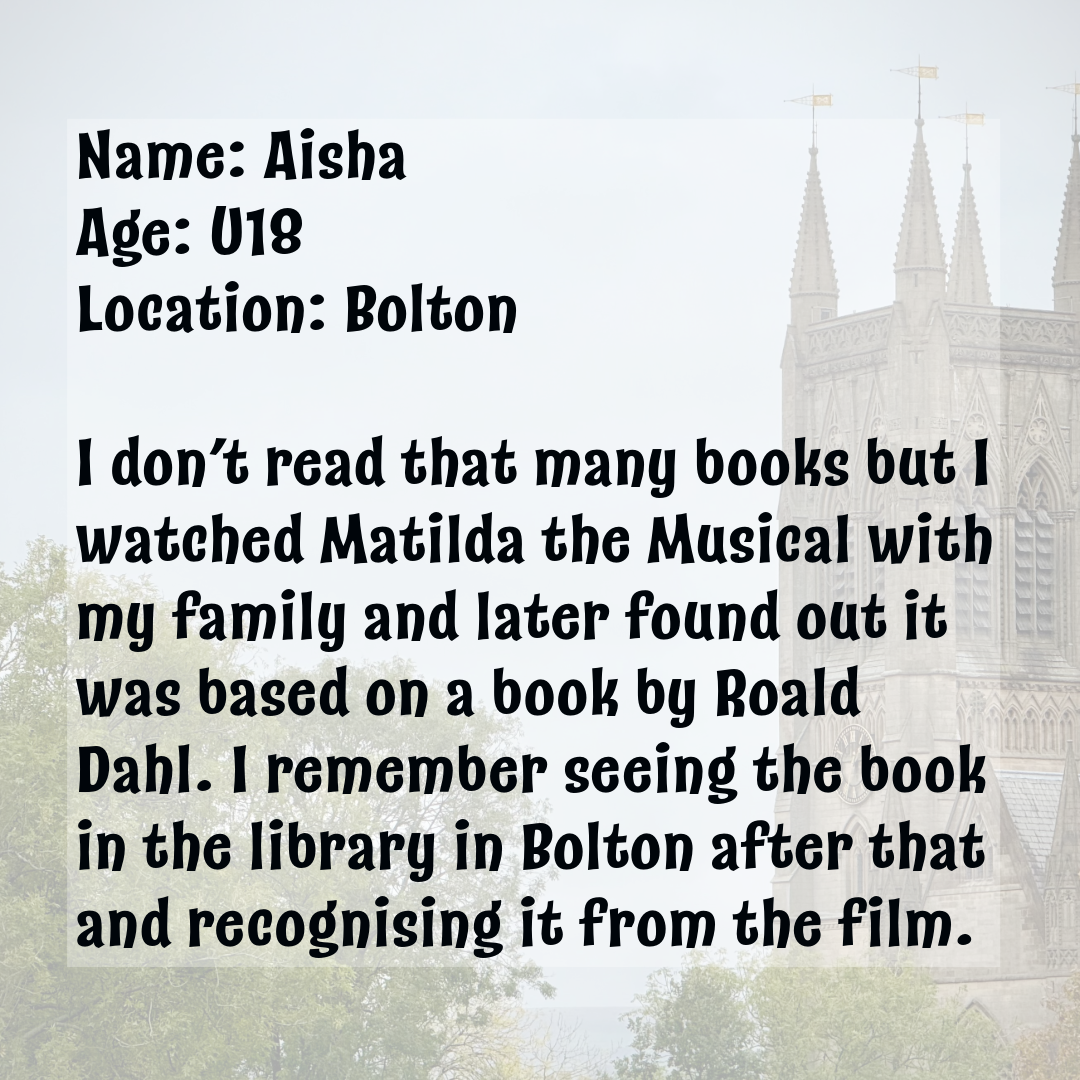
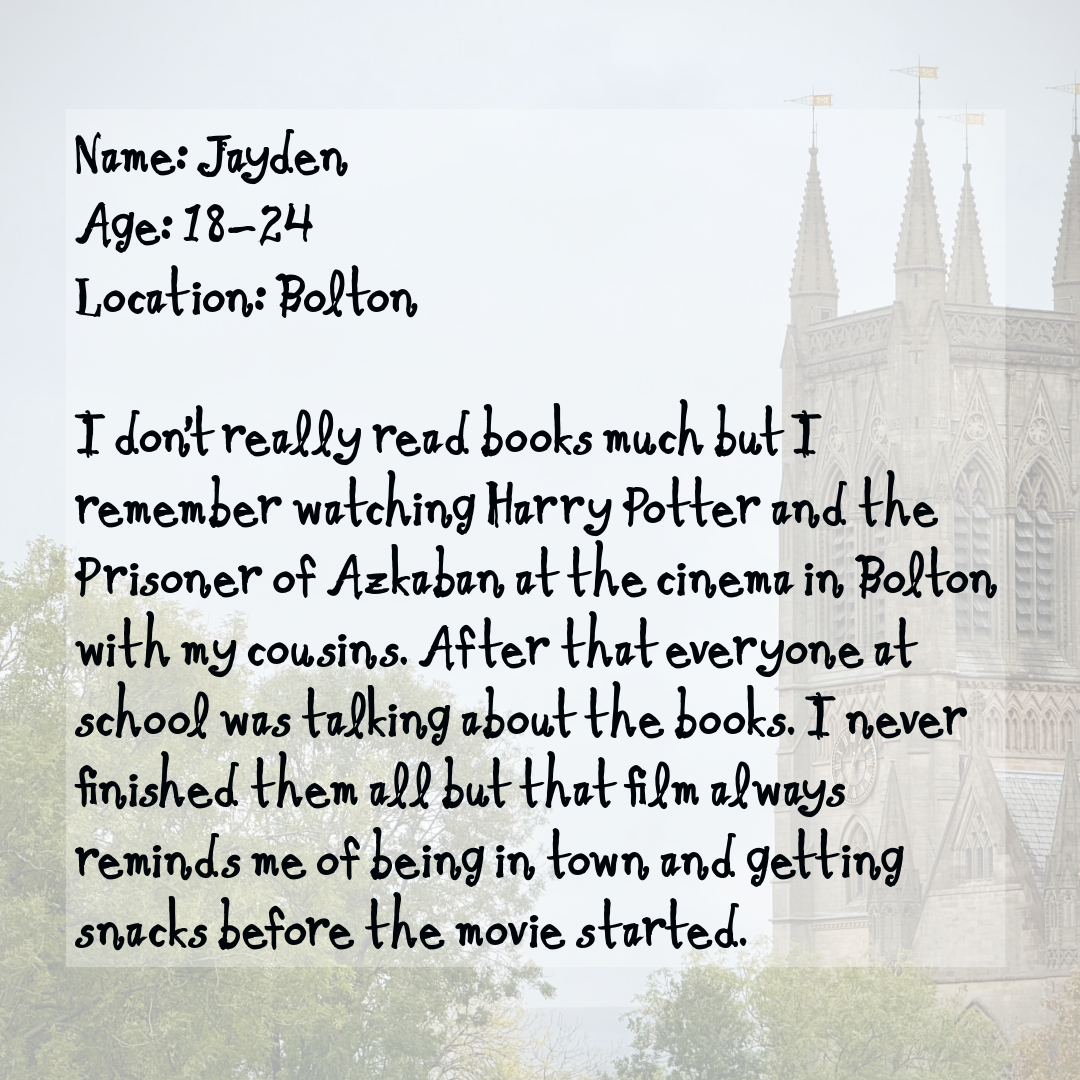
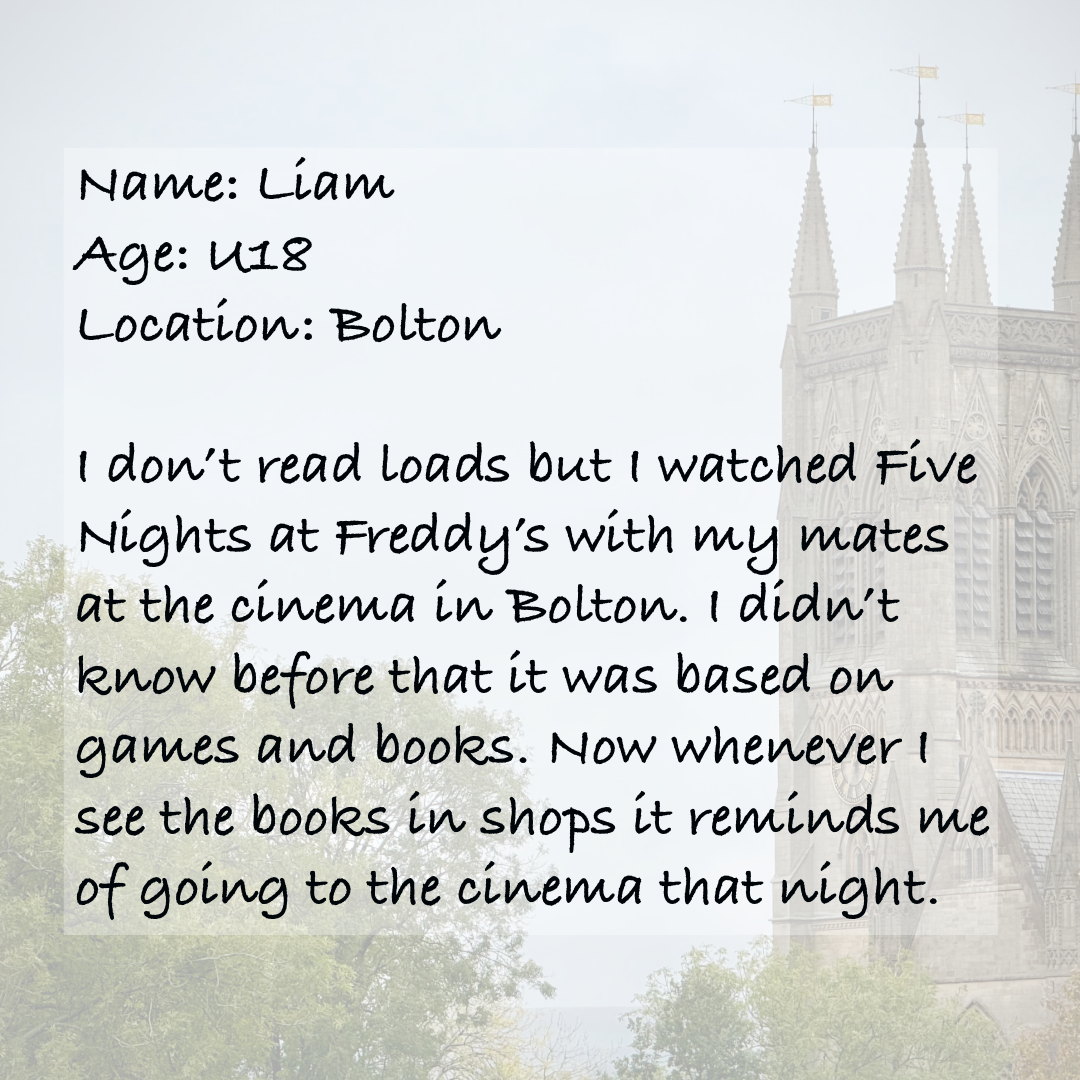
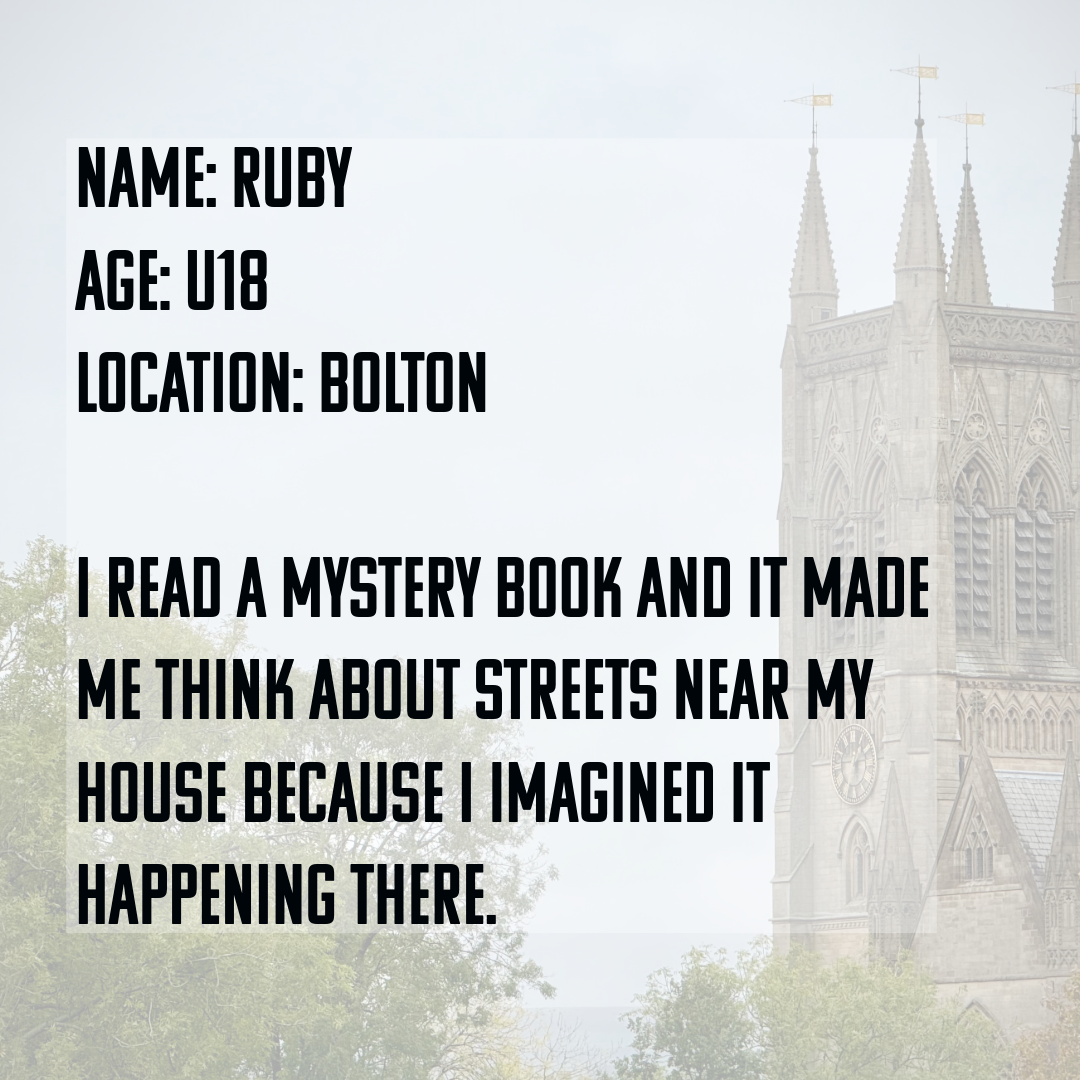
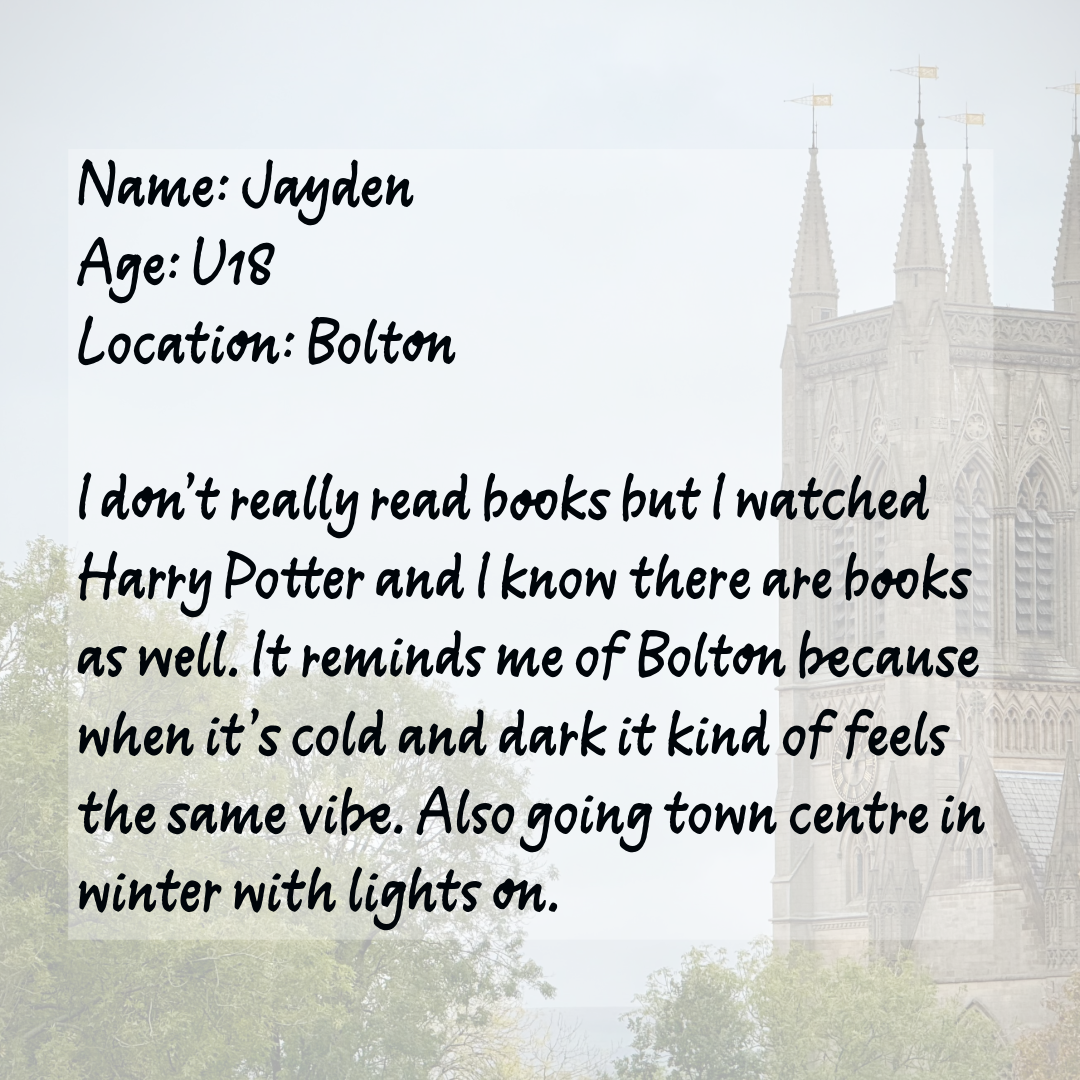
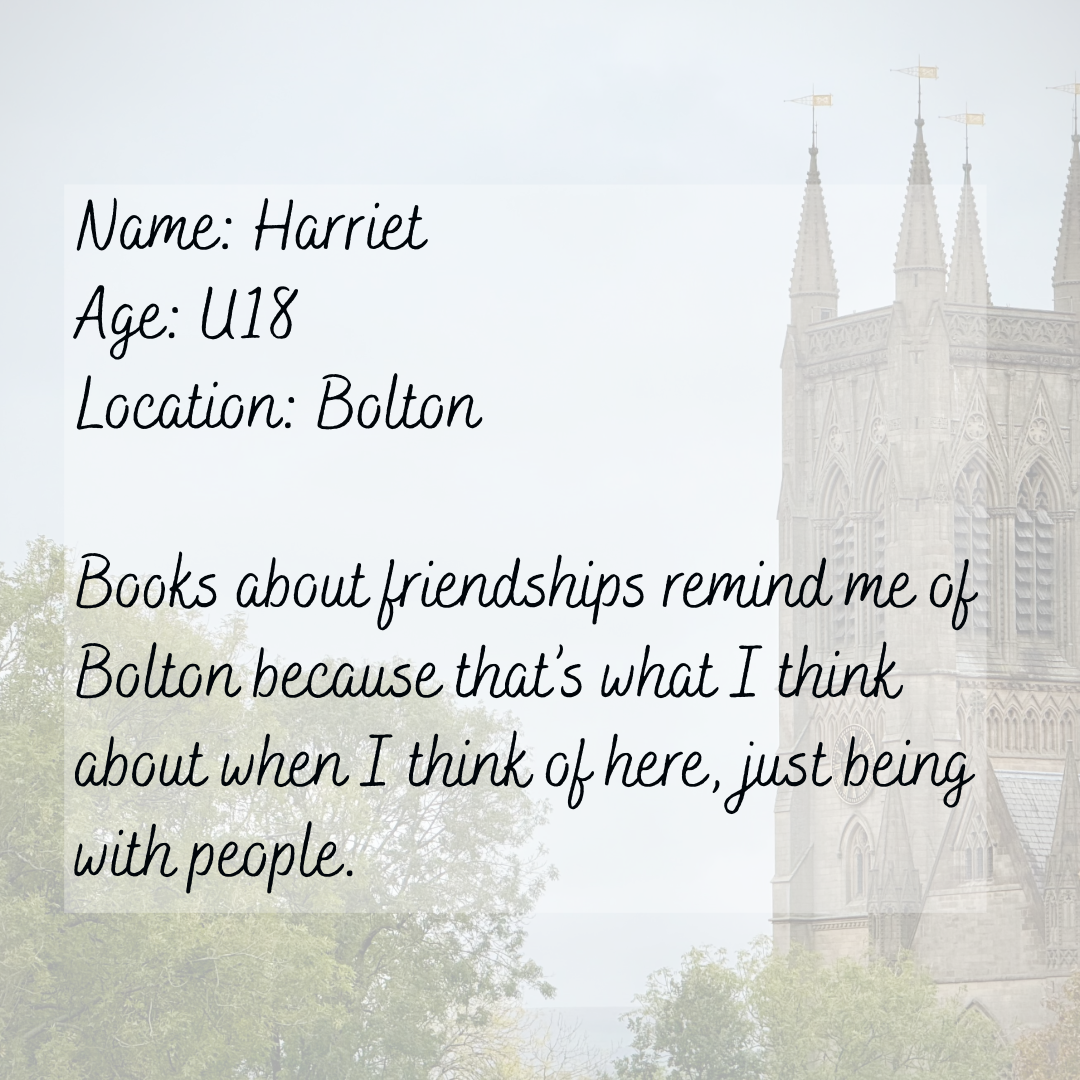
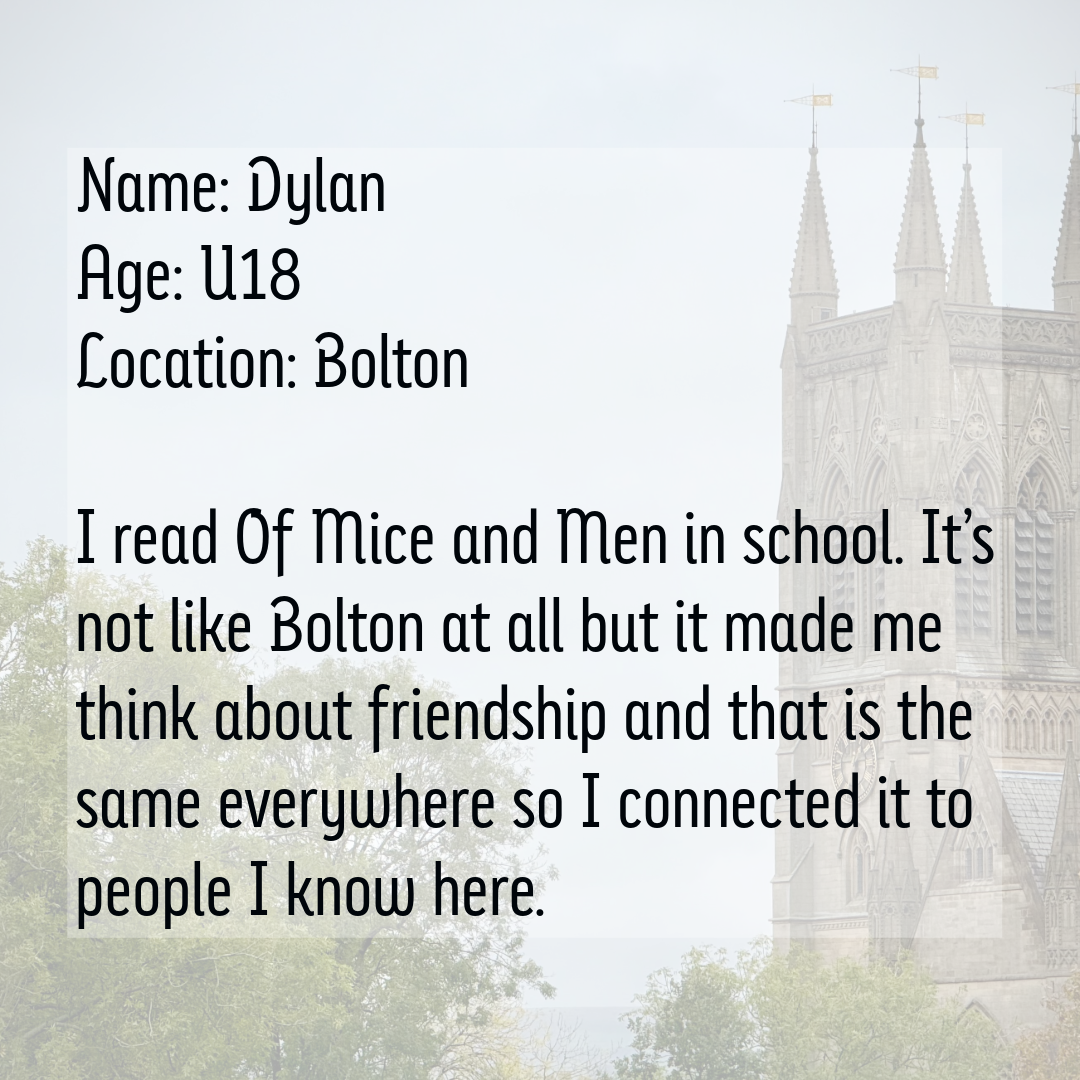
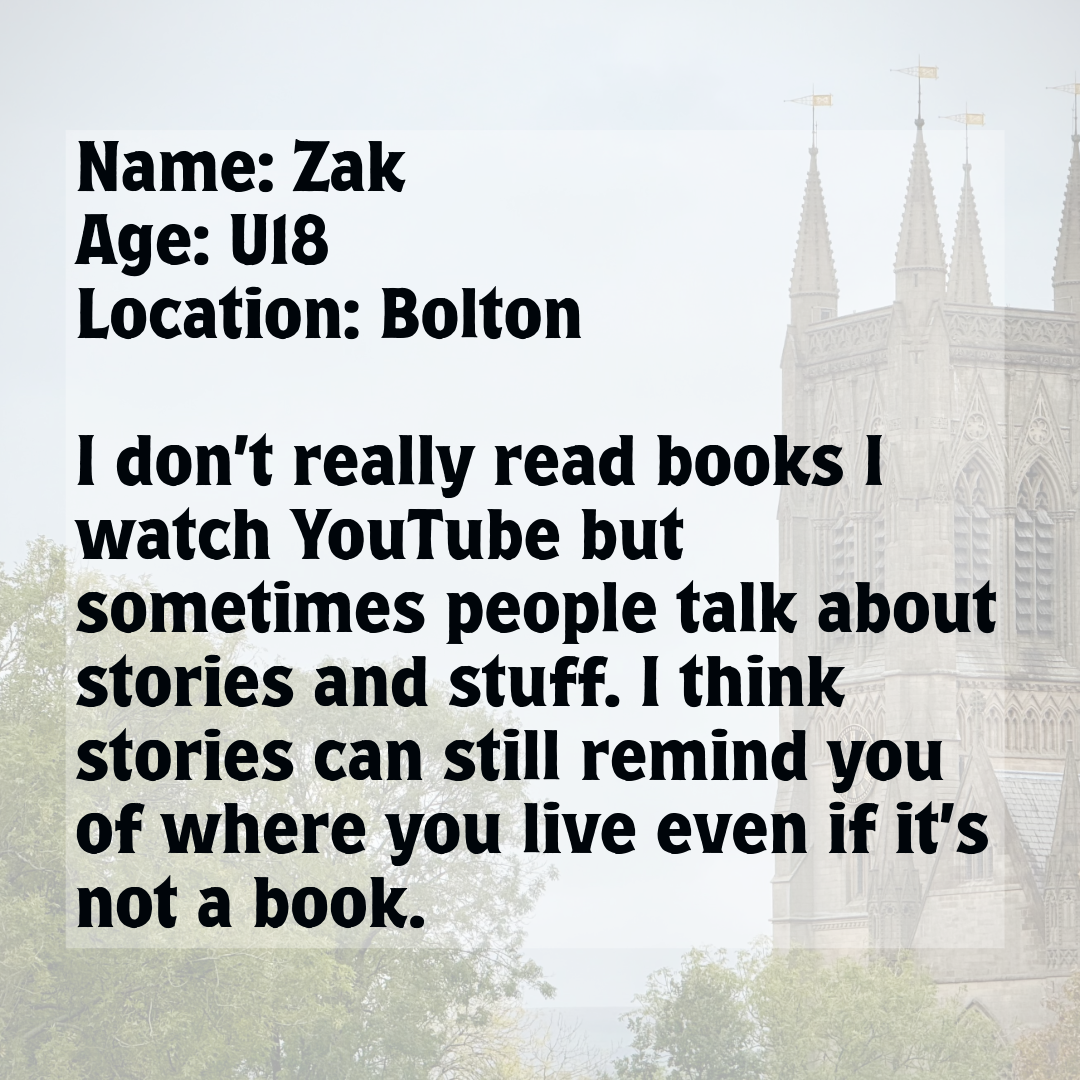
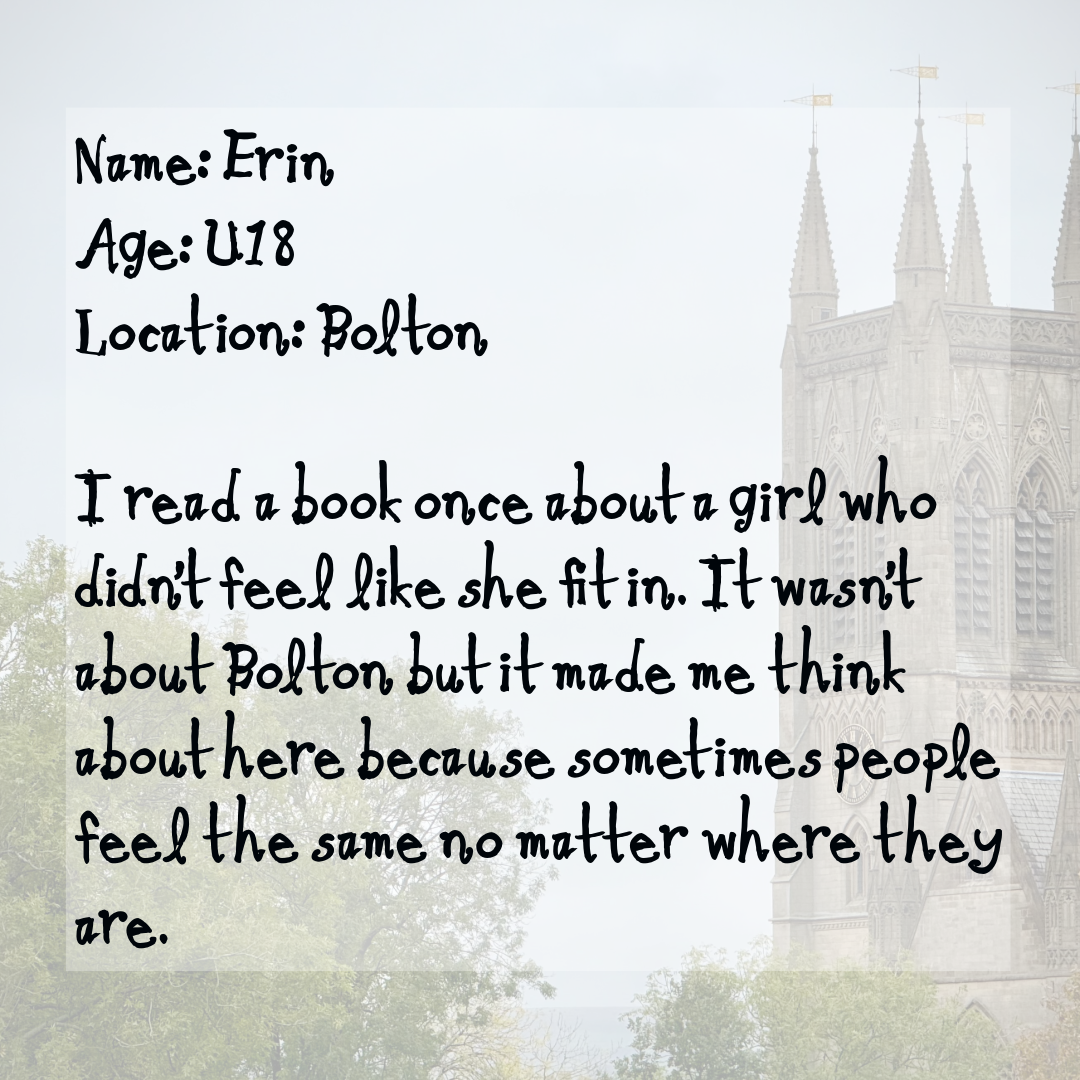
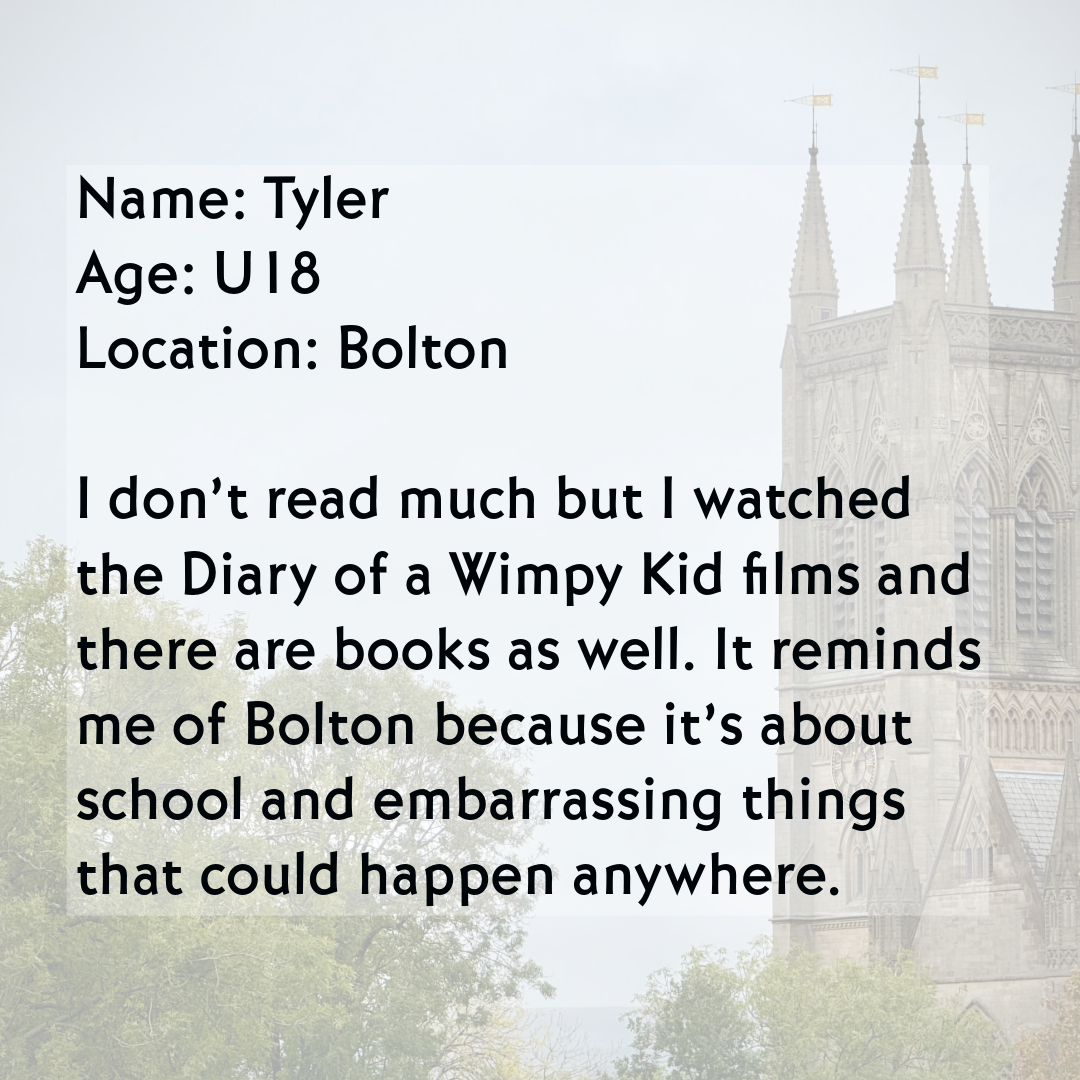
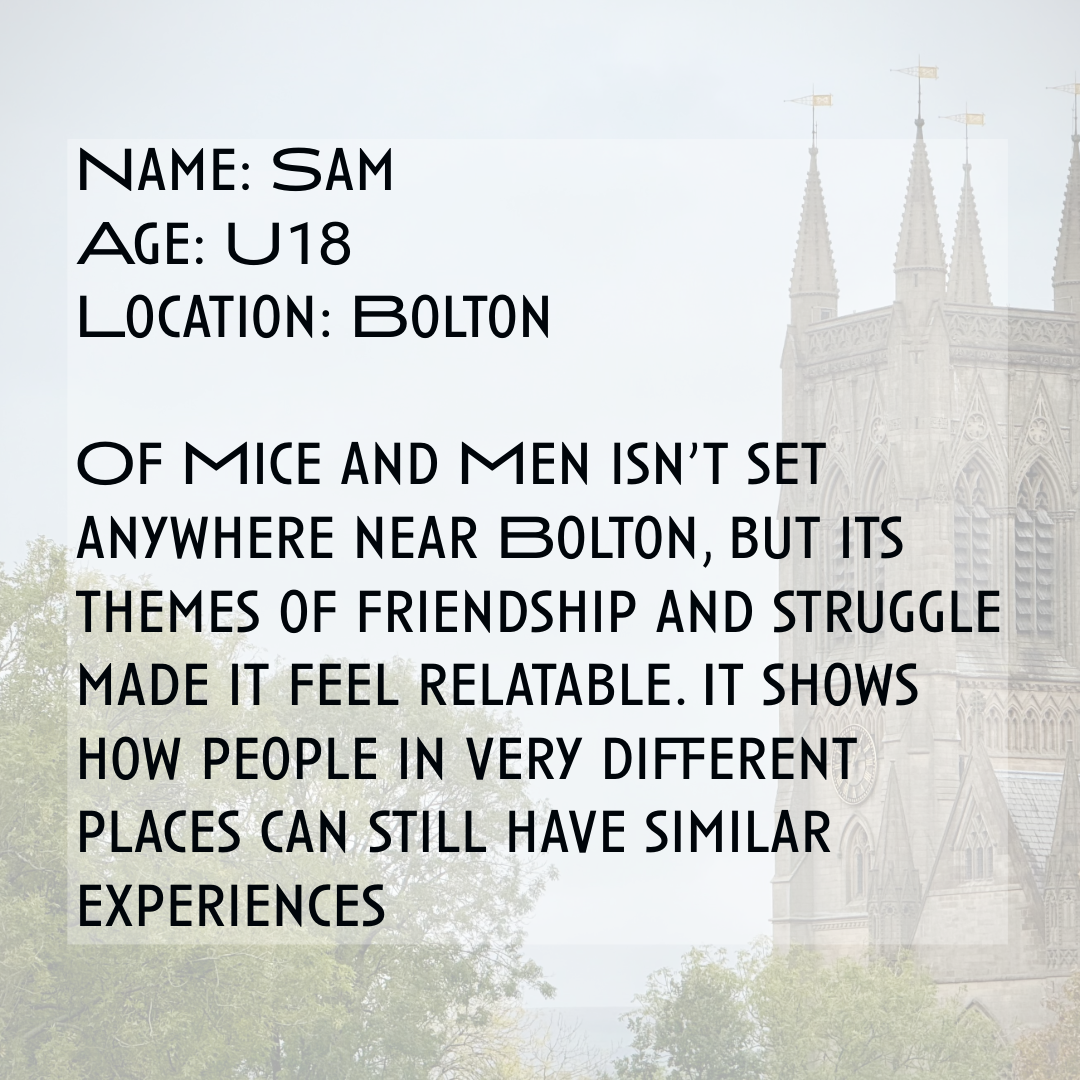
Not everyone who responded to this month’s Bolton in Books theme described themselves as a regular reader. Some of our younger contributors told us quite openly that they don’t read many books at the moment.
But what stood out was that this didn’t mean an absence of stories.
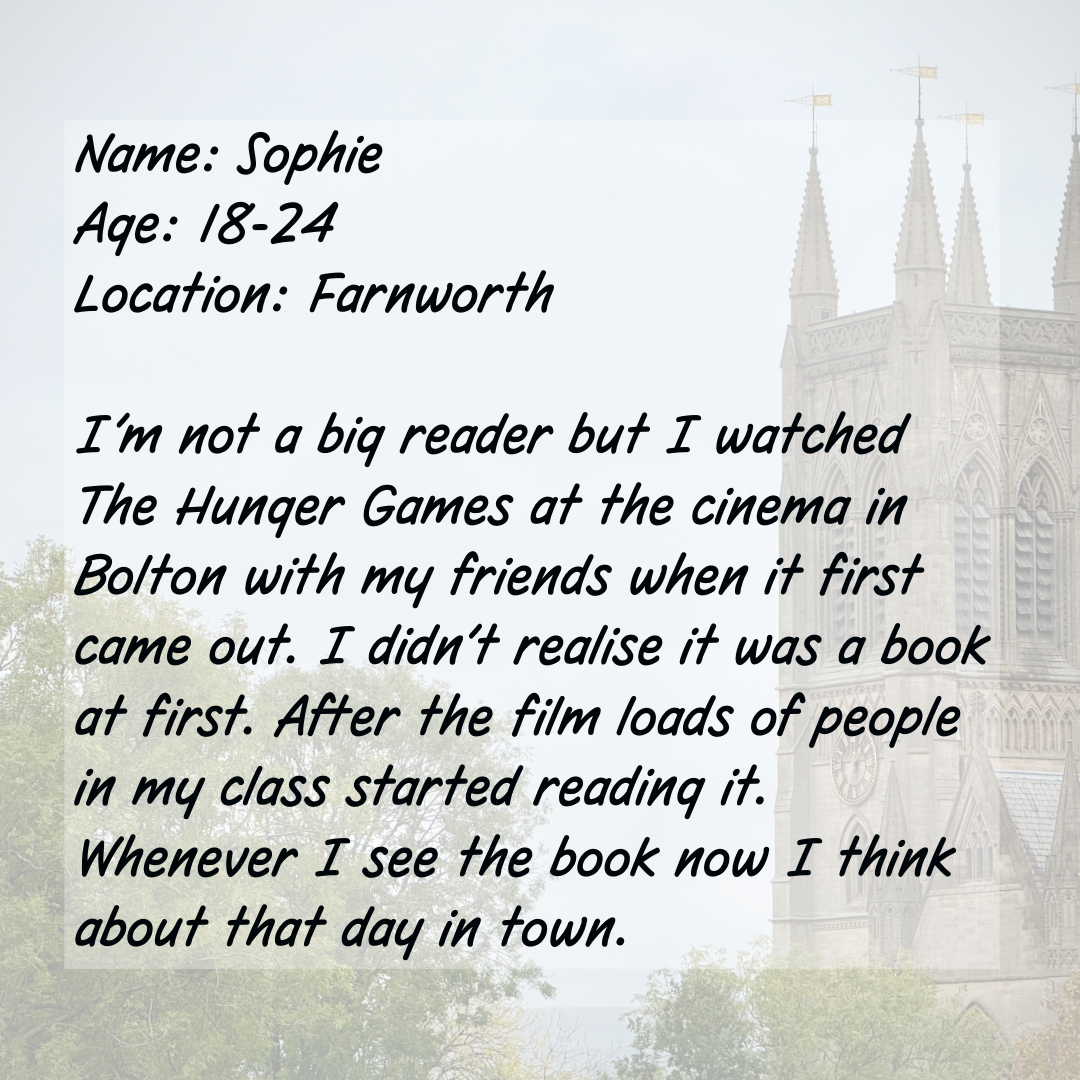
Many still shared clear, vivid memories connected to Bolton, moments shaped by films, conversations, and shared experiences. For some, stories arrived through the cinema rather than the page. Watching Five Night’s at Freddy’s or The Little Mermaid in town became part of how those stories were first encountered, with the connection to books often coming later.
One contributor remembered The Fault in Our Stars not just as a story, but as a moment in time, something everyone was talking about after school, shaping how it was experienced and remembered.
These responses suggest that reading, for many young people, is not always a regular or clearly defined activity. Instead, it appears more episodic, something encountered through different media, moments, and social settings.
What remains consistent, however, is the way stories become tied to memory and place.
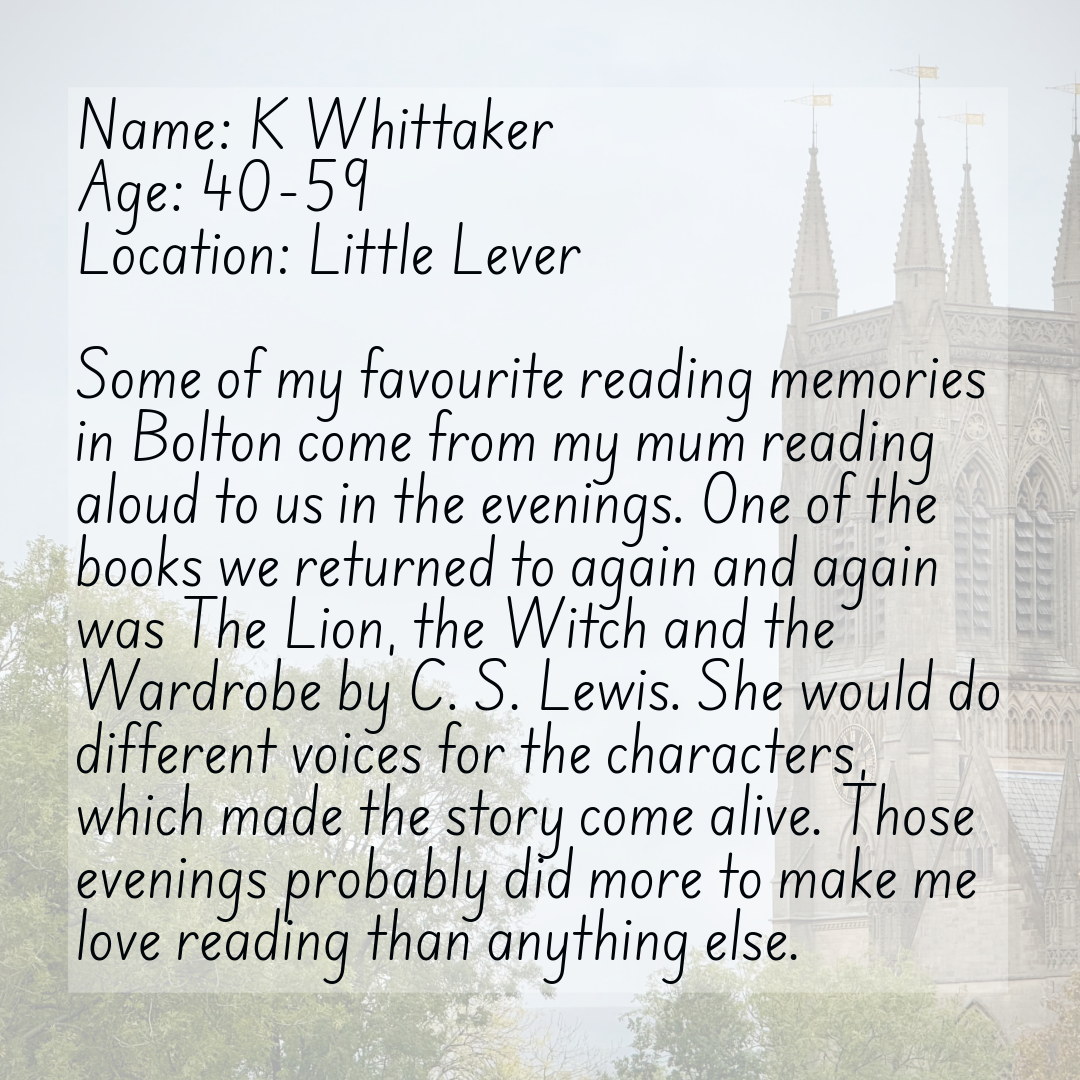
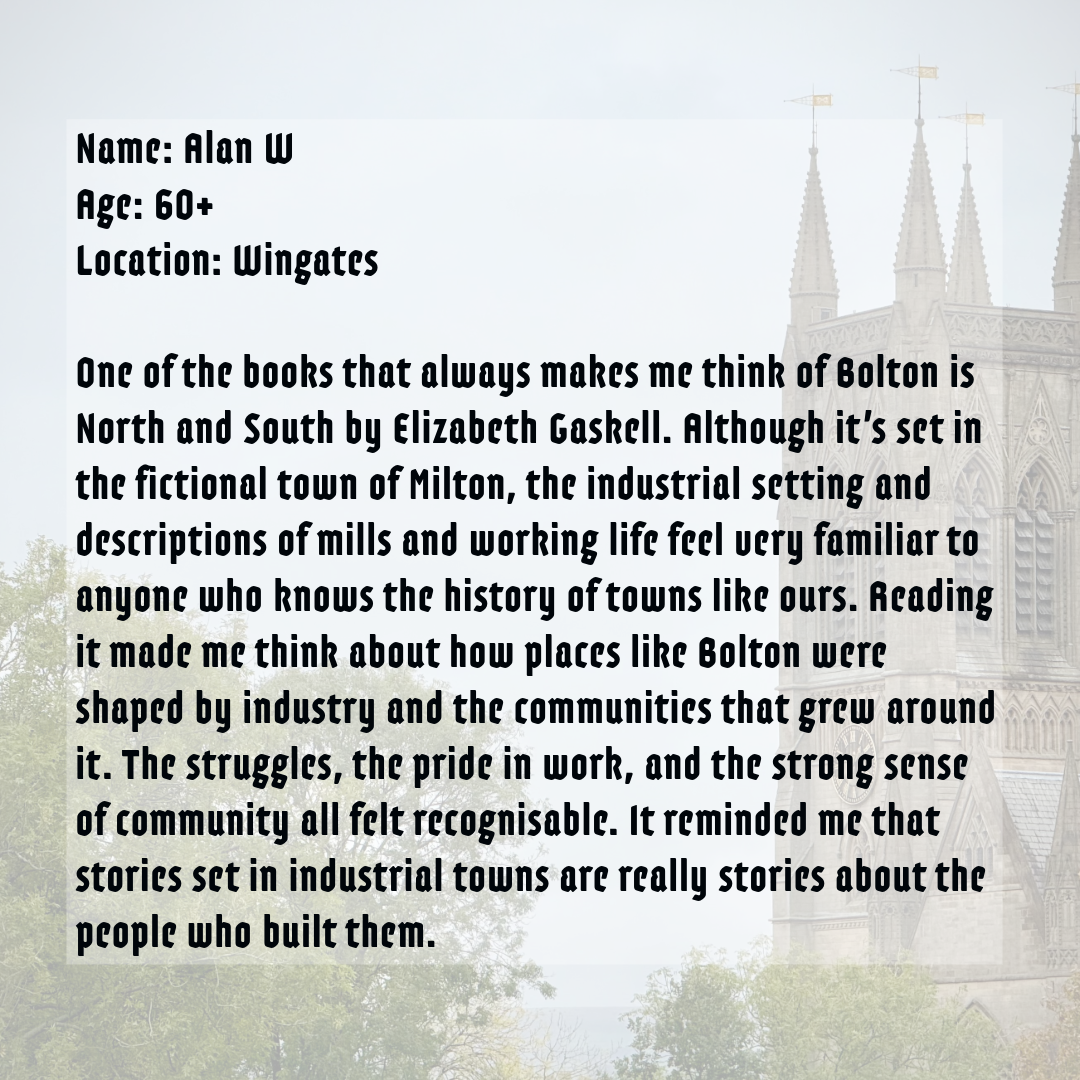
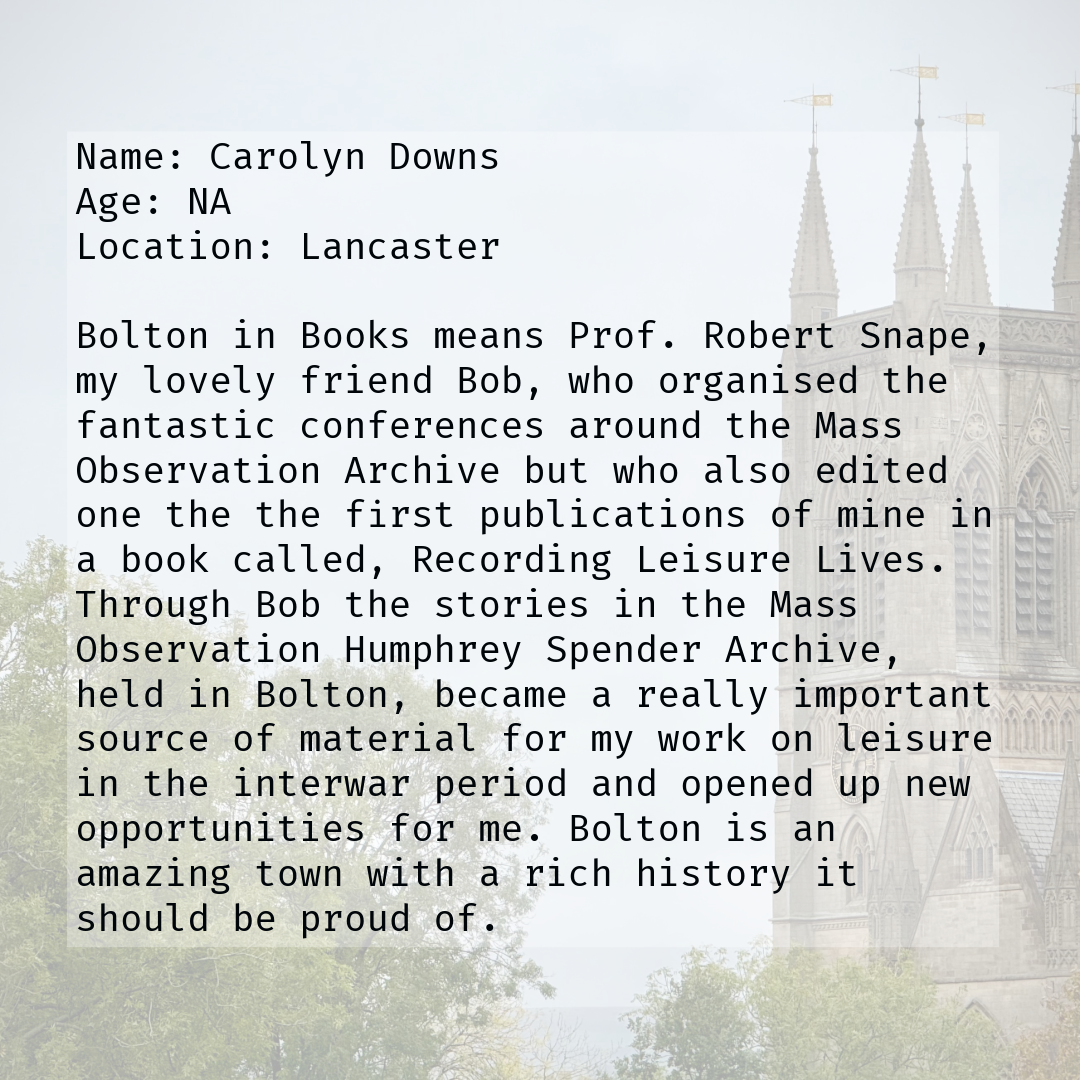
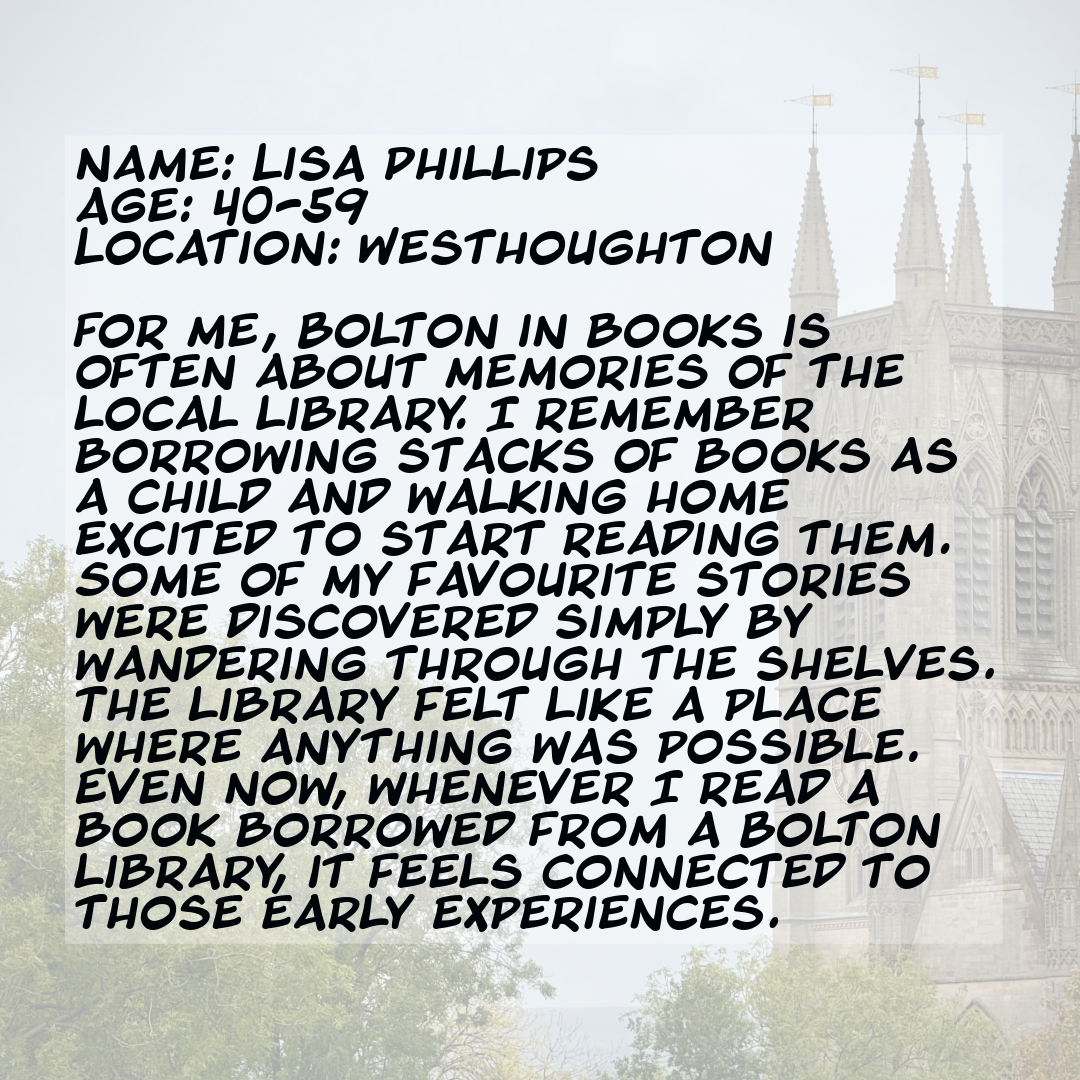
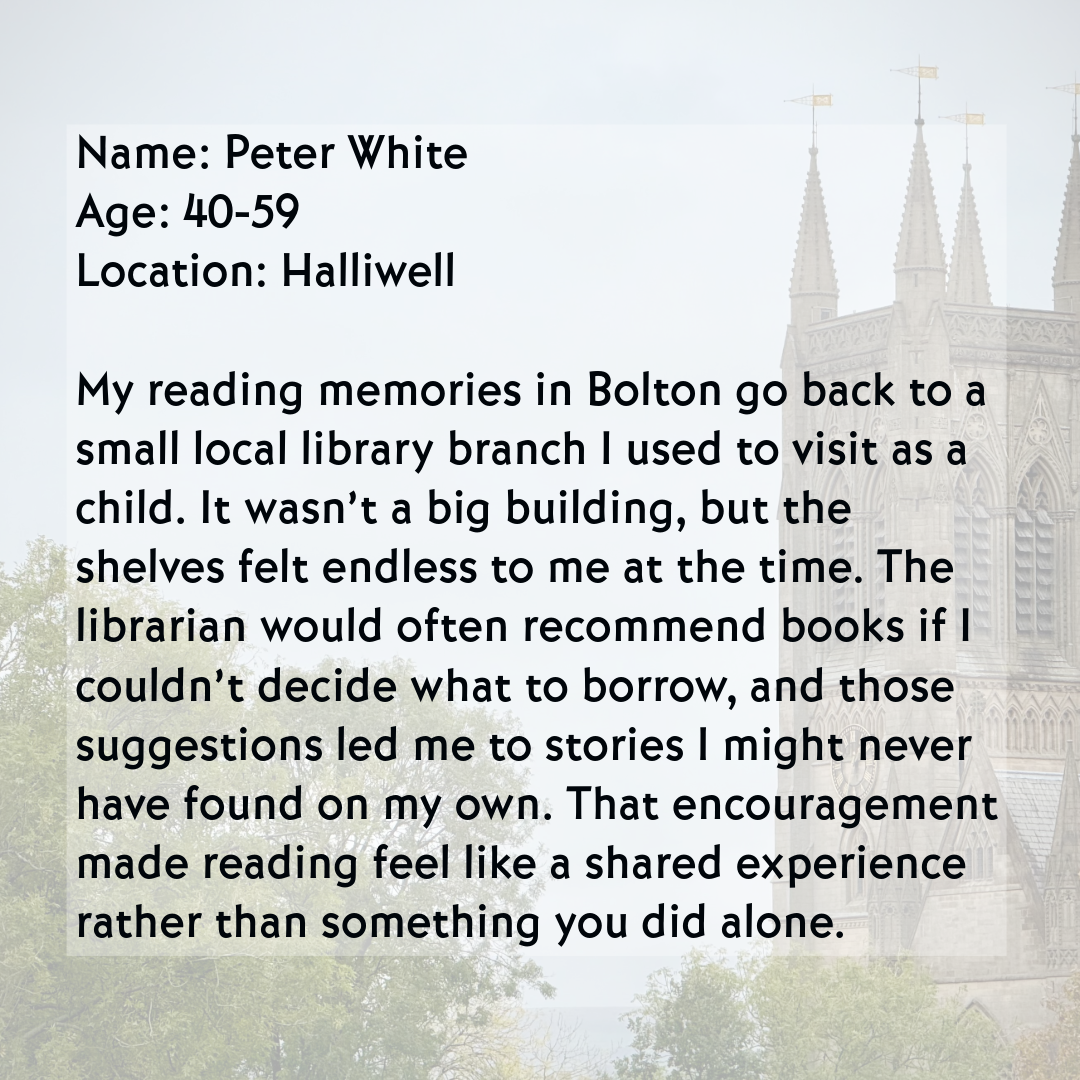
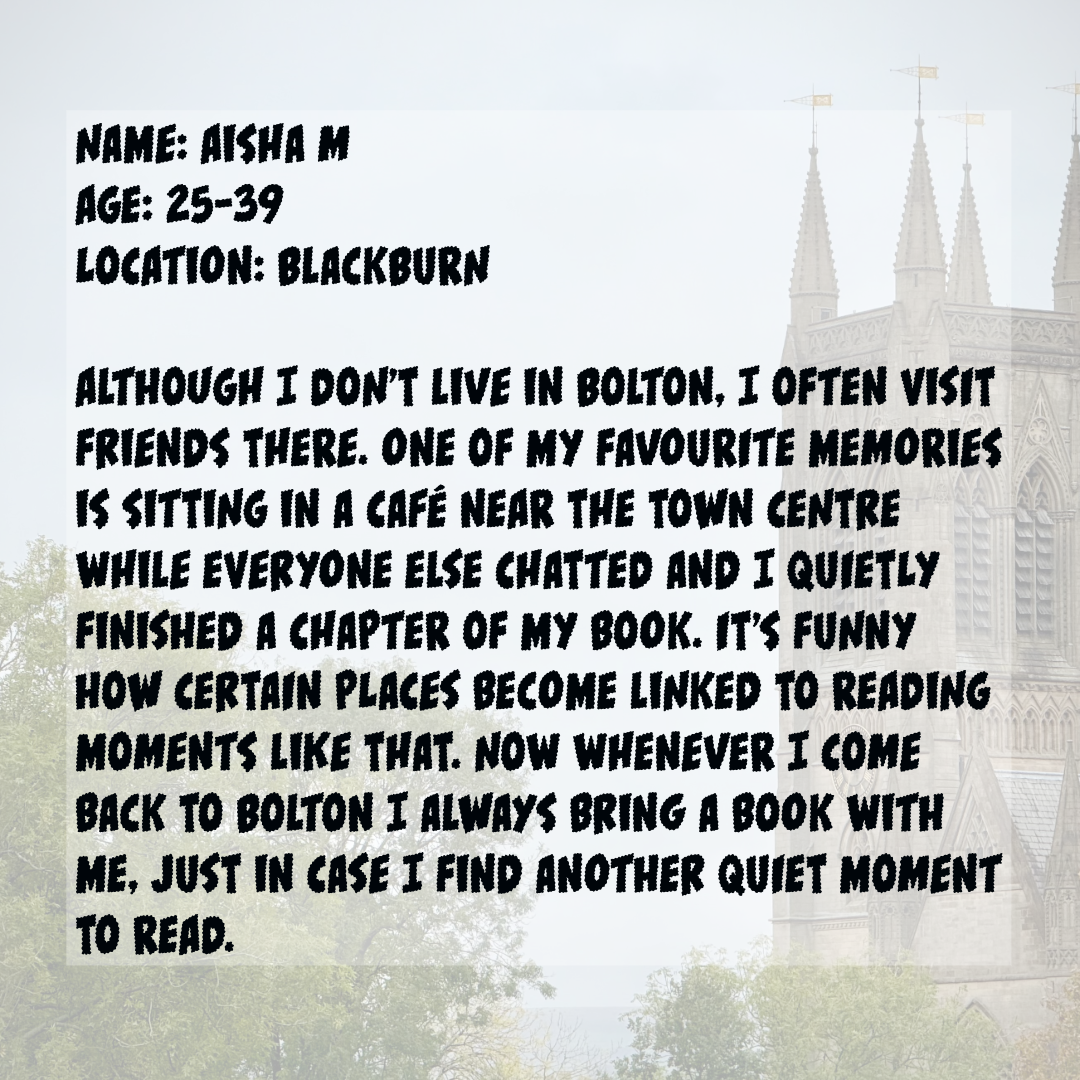
Even among those who do not identify as readers, stories are still present: in shared trips to the cinema; in conversations with friends; in recognising titles that seem to belong to a particular time or stage of life. In this sense, reading is not always about sustained engagement with a book, but about meaningful encounters with stories that stay.
A Family Perspective: Stories Across Generations
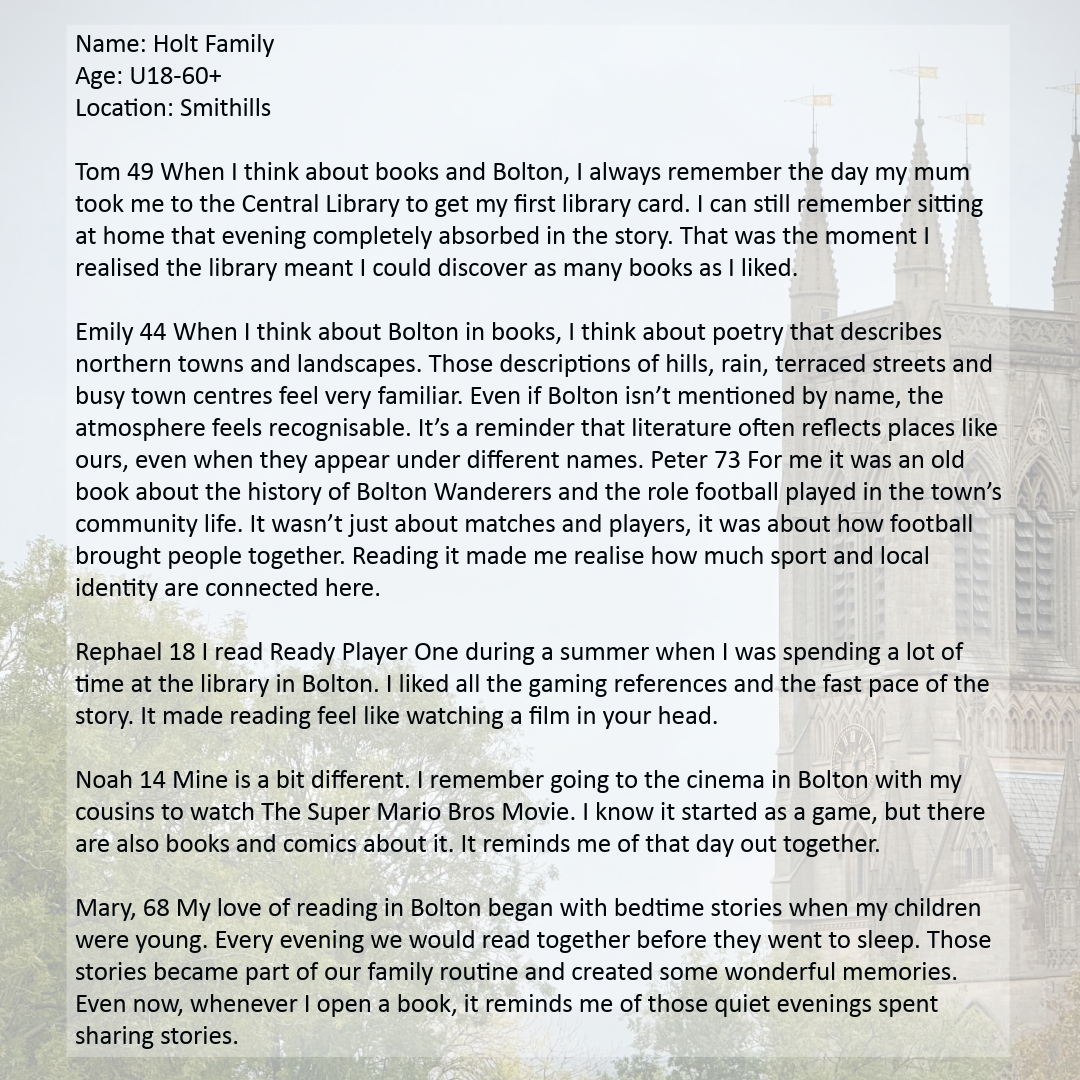
One of the most striking submissions this month came from the Holt family, whose responses span multiple generations.
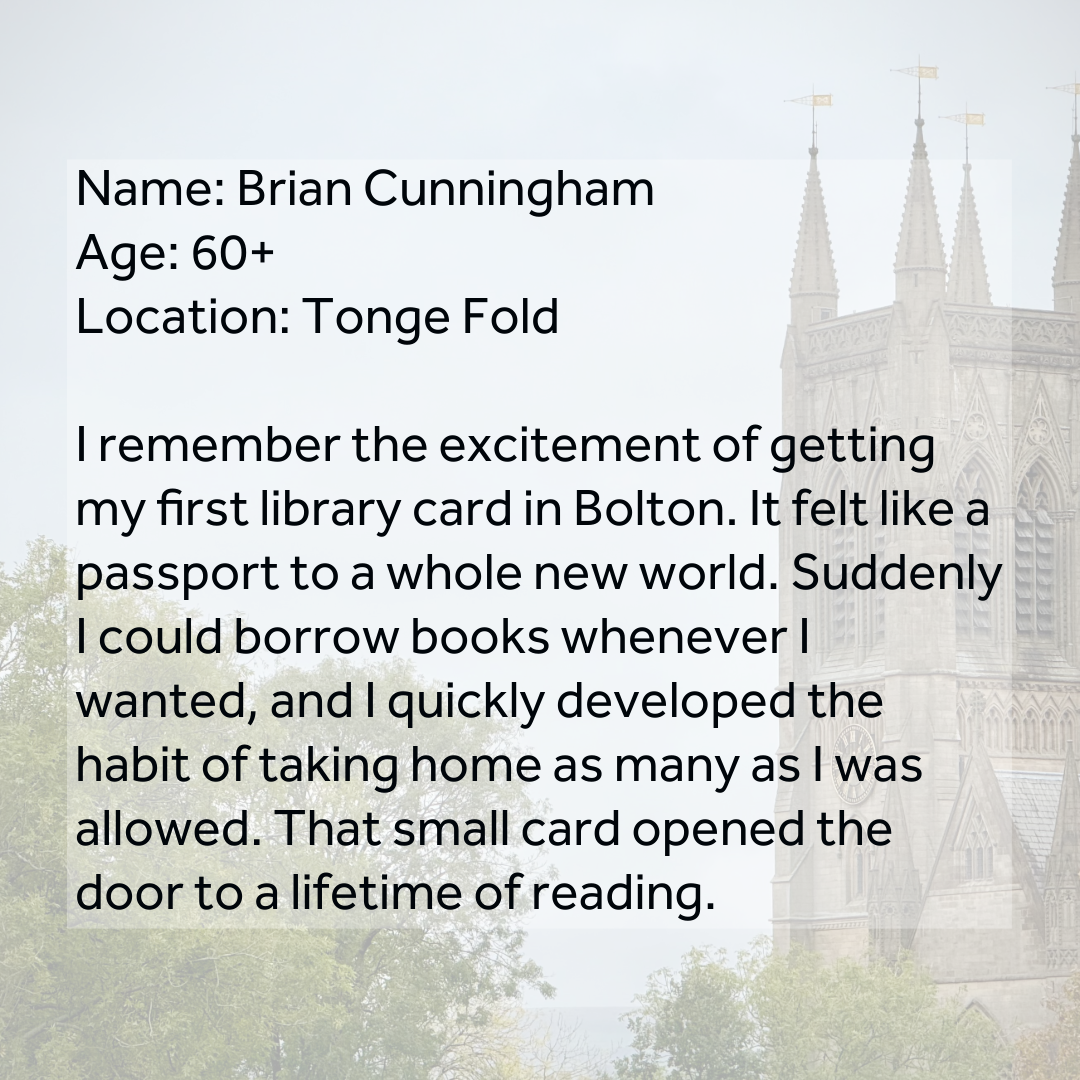
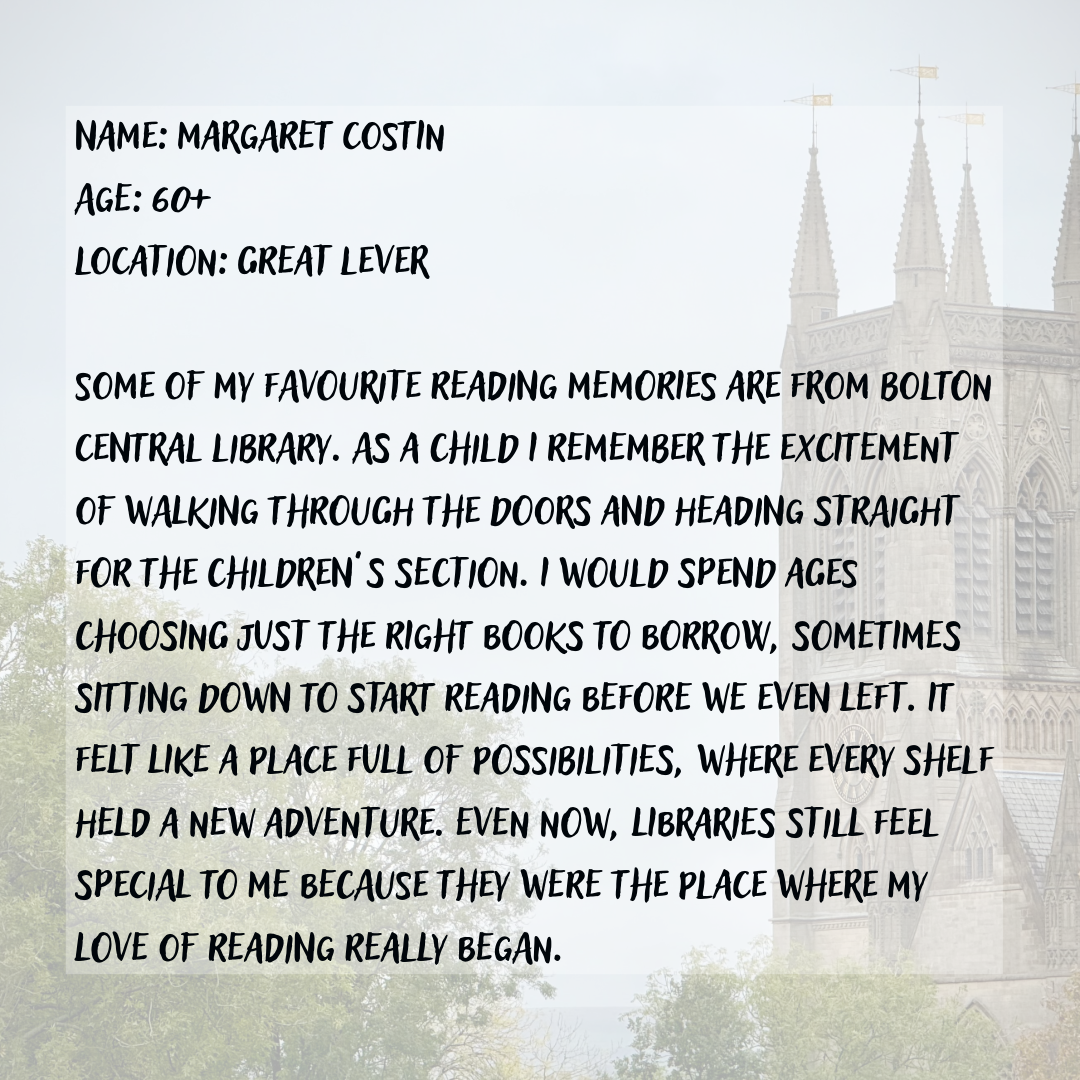
For Tom (49), the memory is rooted in a specific moment, receiving his first library card at Central Library, and the realisation that books opened up endless possibilities.
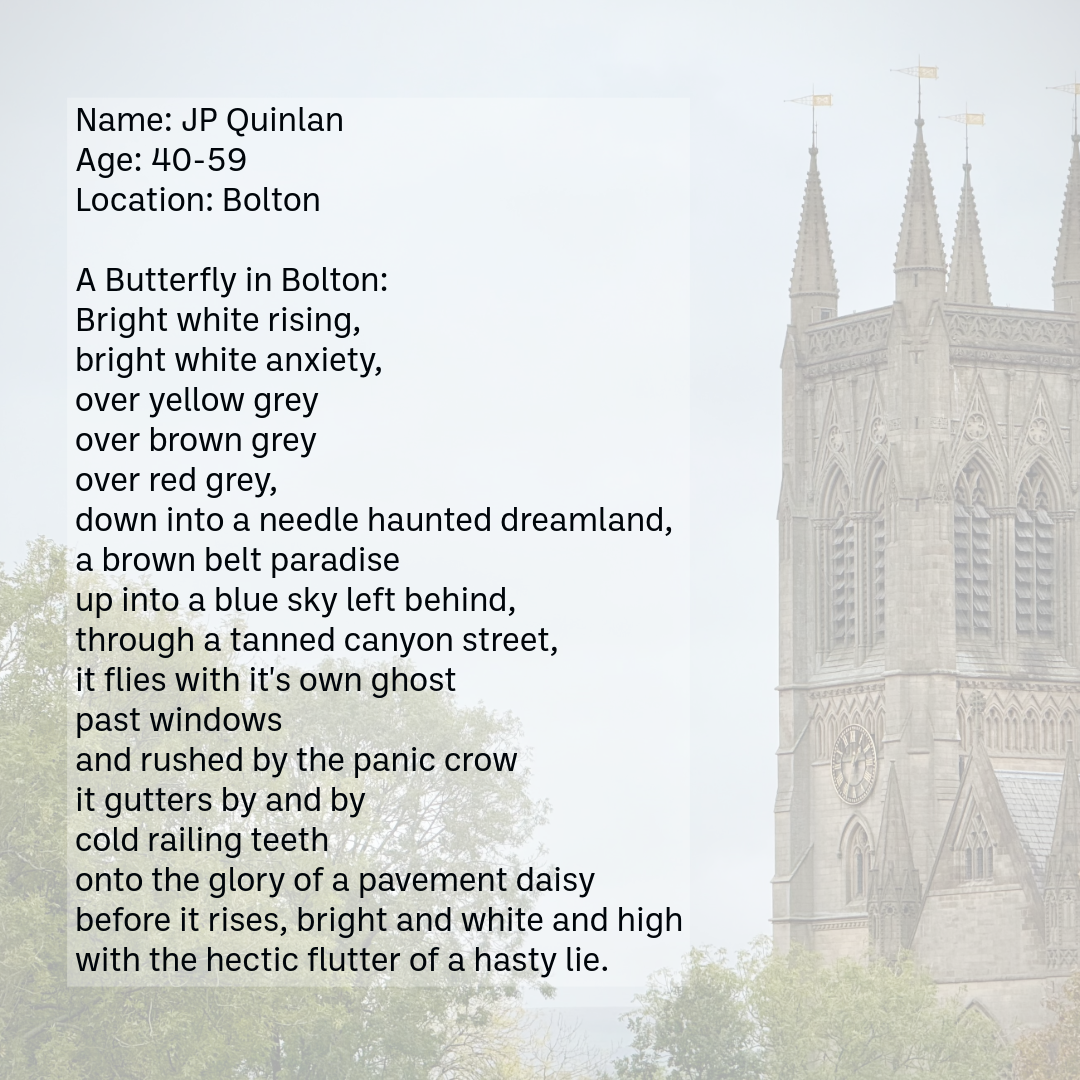
Emily (44) reflects on something less specific but equally powerful: the atmosphere of northern landscapes in poetry, where familiar places are recognised even when unnamed.
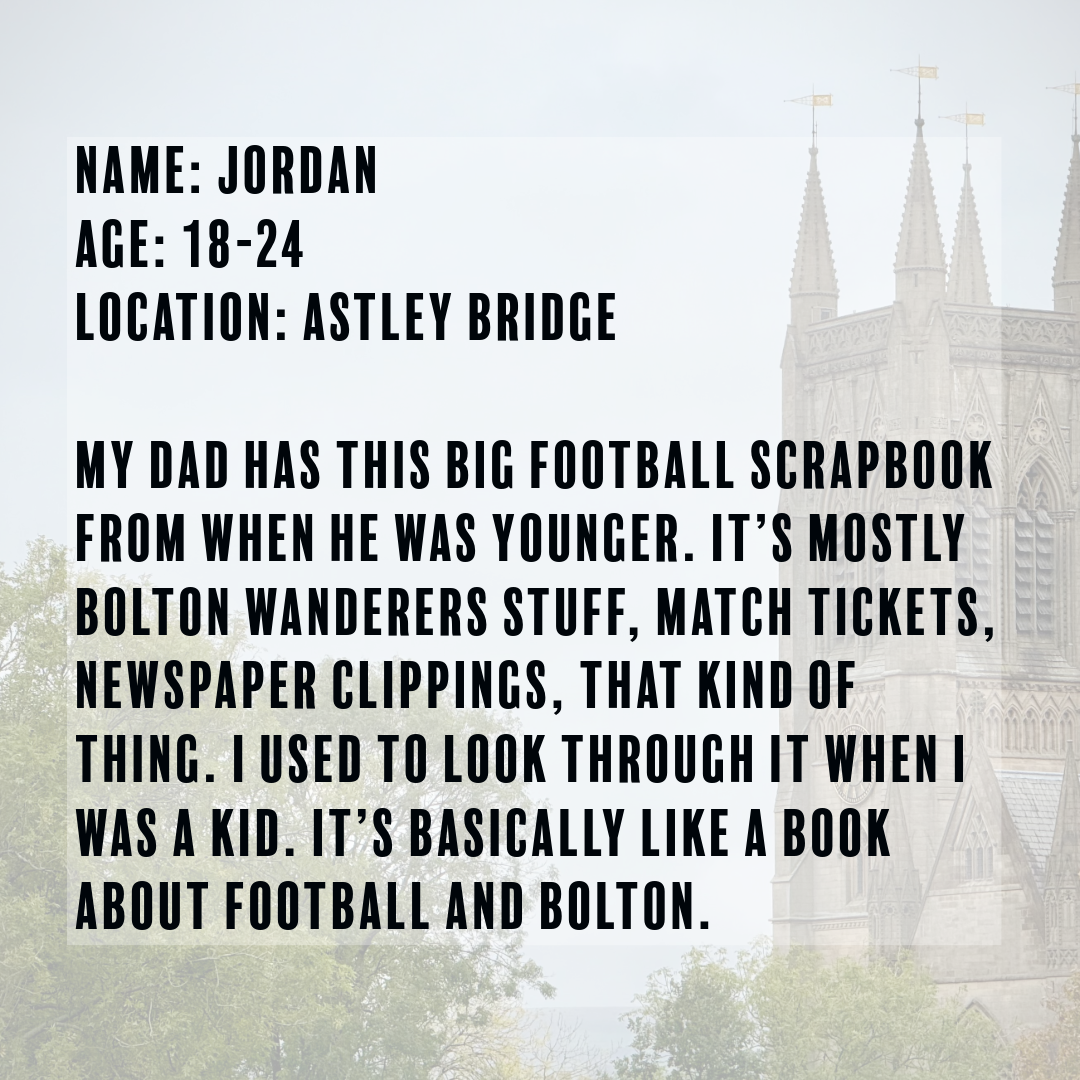
Peter (73) connects reading to local identity through football, recalling a history of Bolton Wanderers not just as sport, but as community.
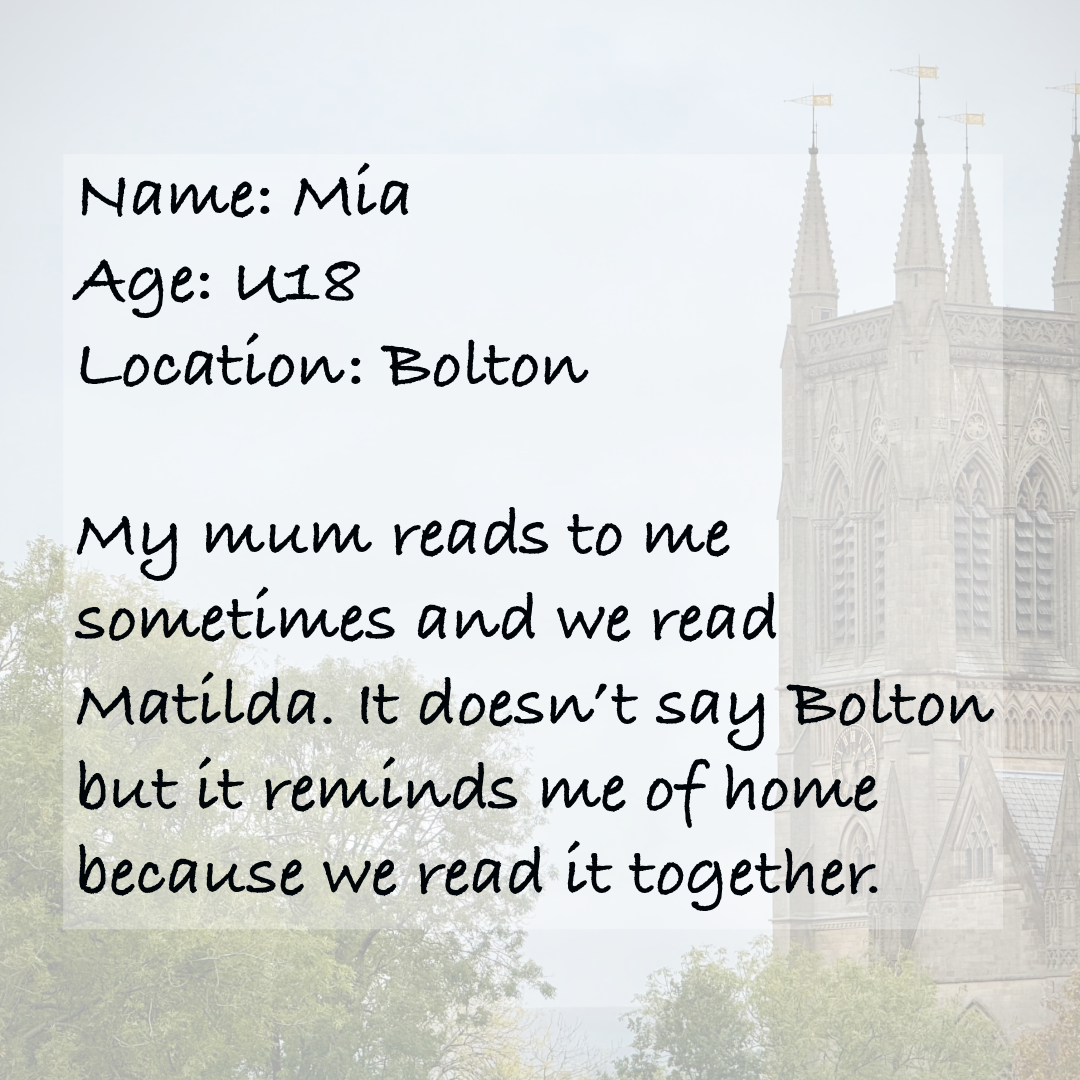
Mary (68) describes reading as part of family life, bedtime stories that became daily rituals and lasting memories.
Younger members of the family describe something different again. Raphael (18) remembers reading Ready Player One in the library, drawn in by its pace and references. Noah (14) recalls a cinema trip to see The Super Mario Bros Movie, connecting stories across games, films, and books.
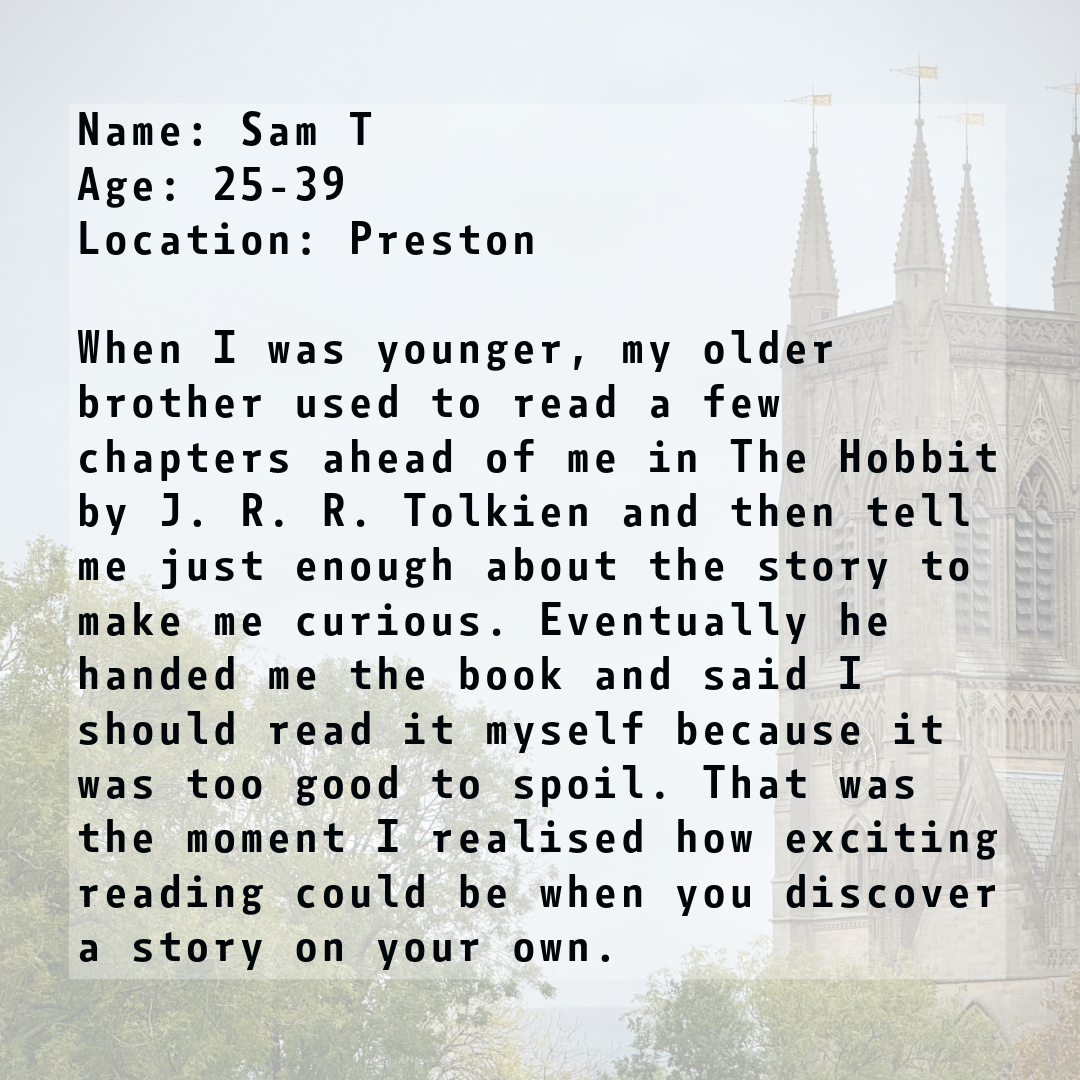
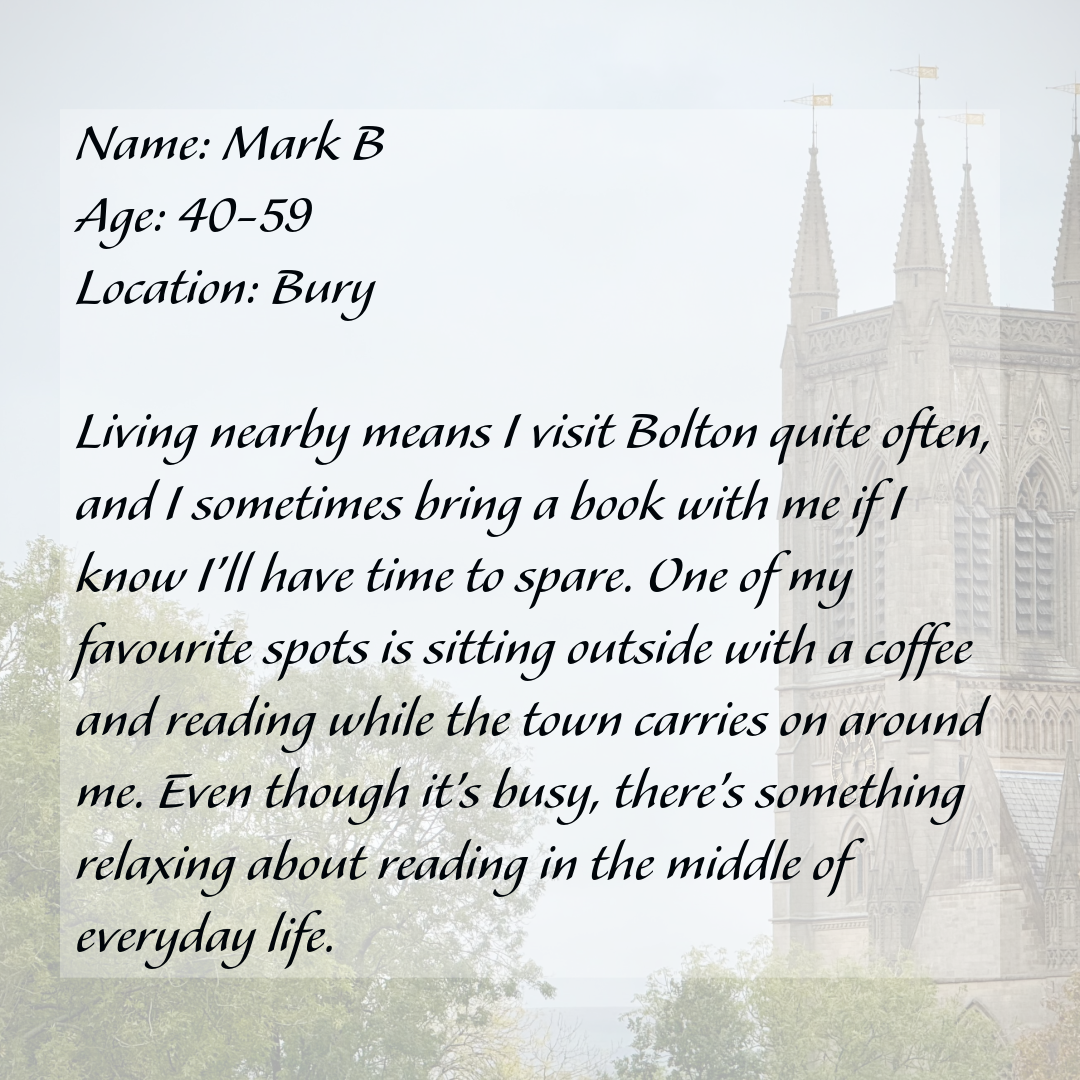
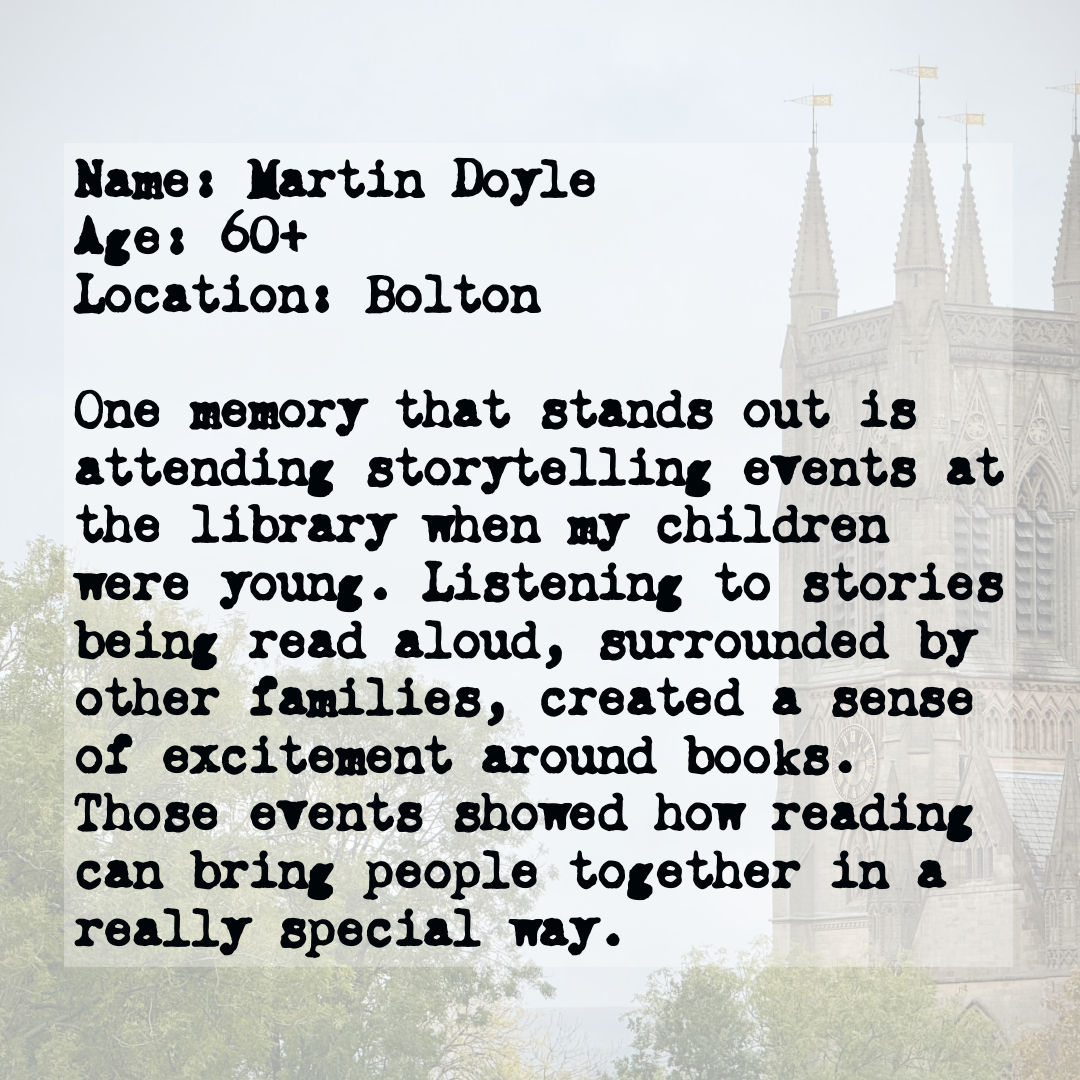
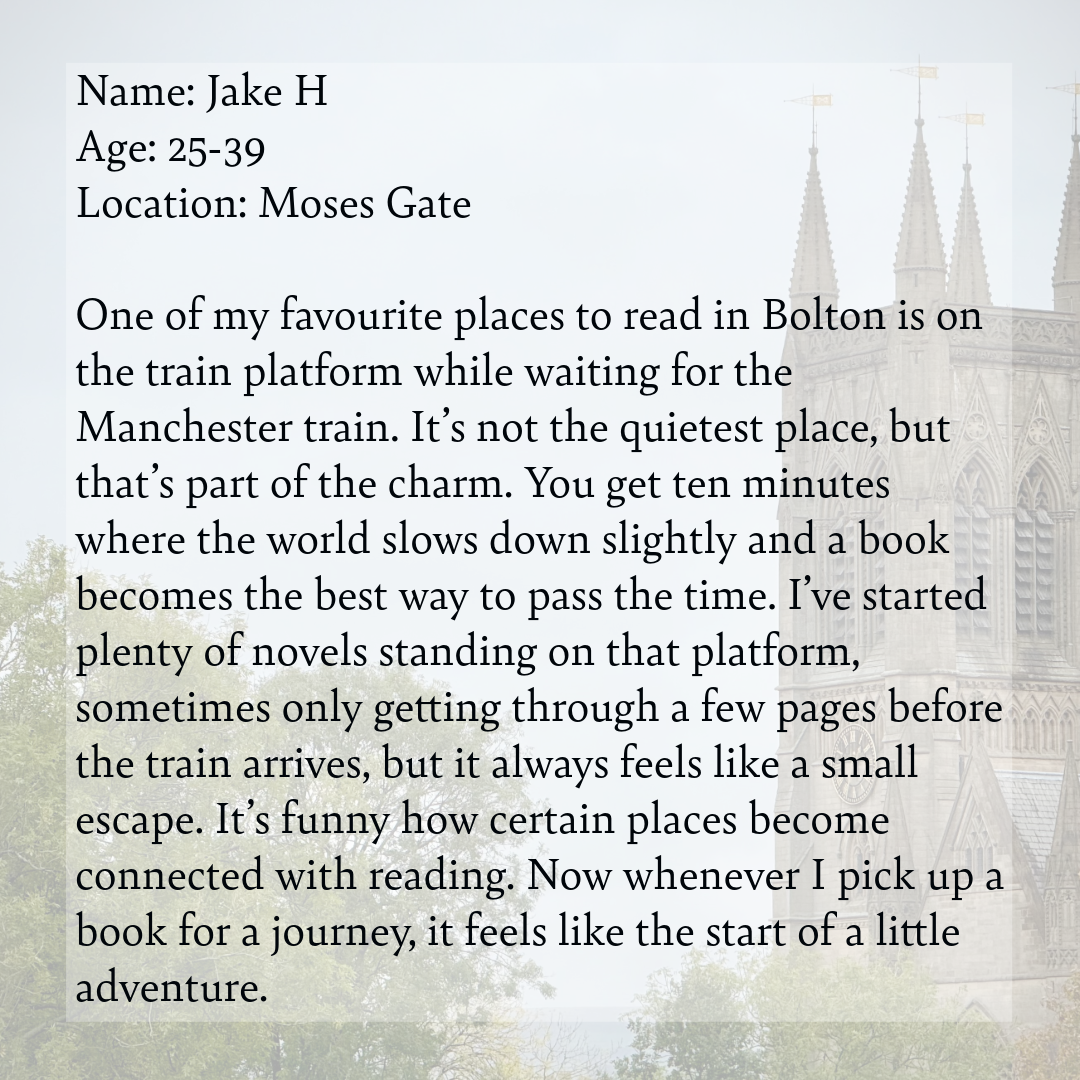
Together, these responses show how experiences of reading shift across generations, from libraries and shared routines to films, games, and hybrid forms of storytelling.
What connects them is not format or frequency, but the way stories become part of people’s lives: as moments of discovery; as shared family experiences; as connections to place and community
Why This Matters:
These contributions remind us that reading is not always a visible or measurable activity.
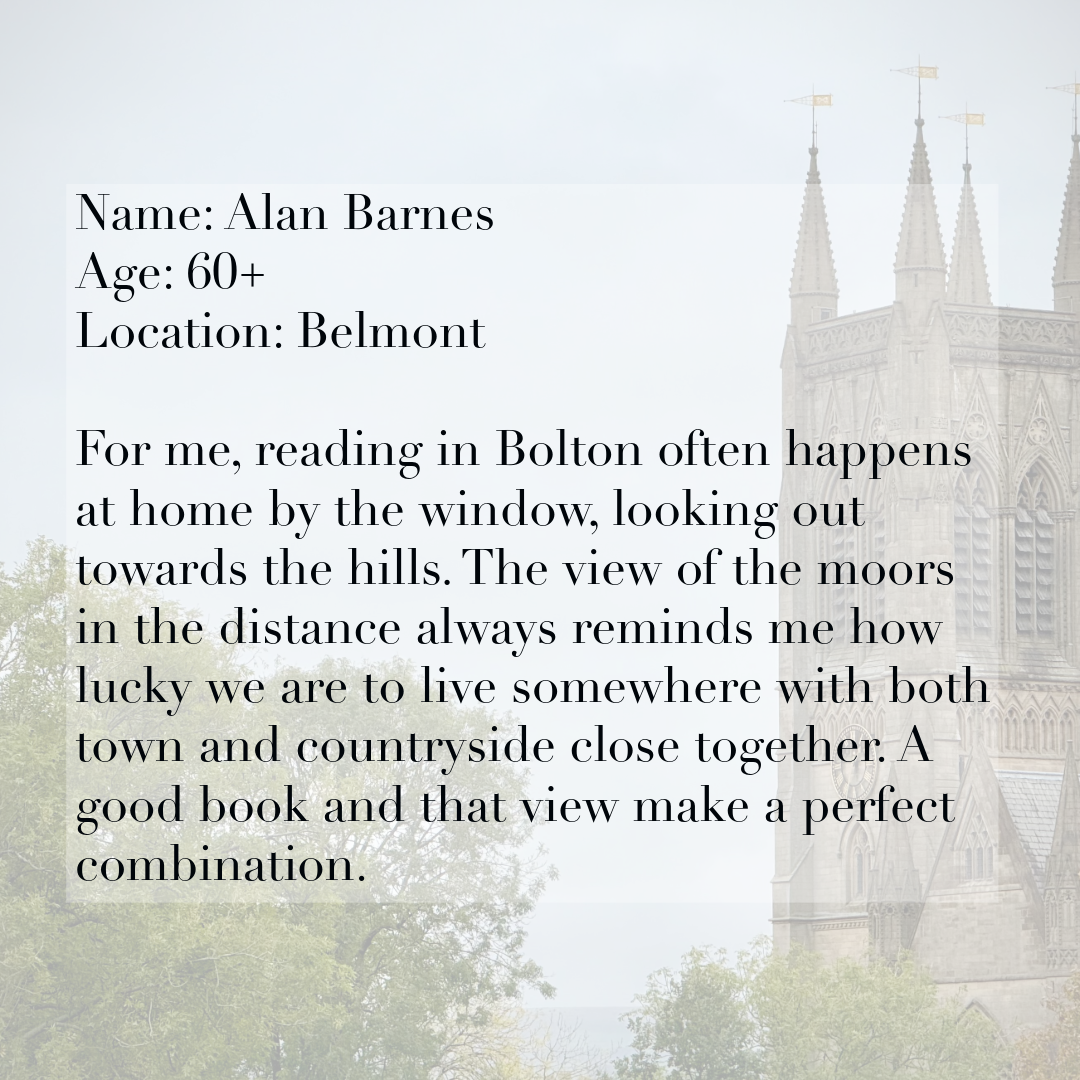
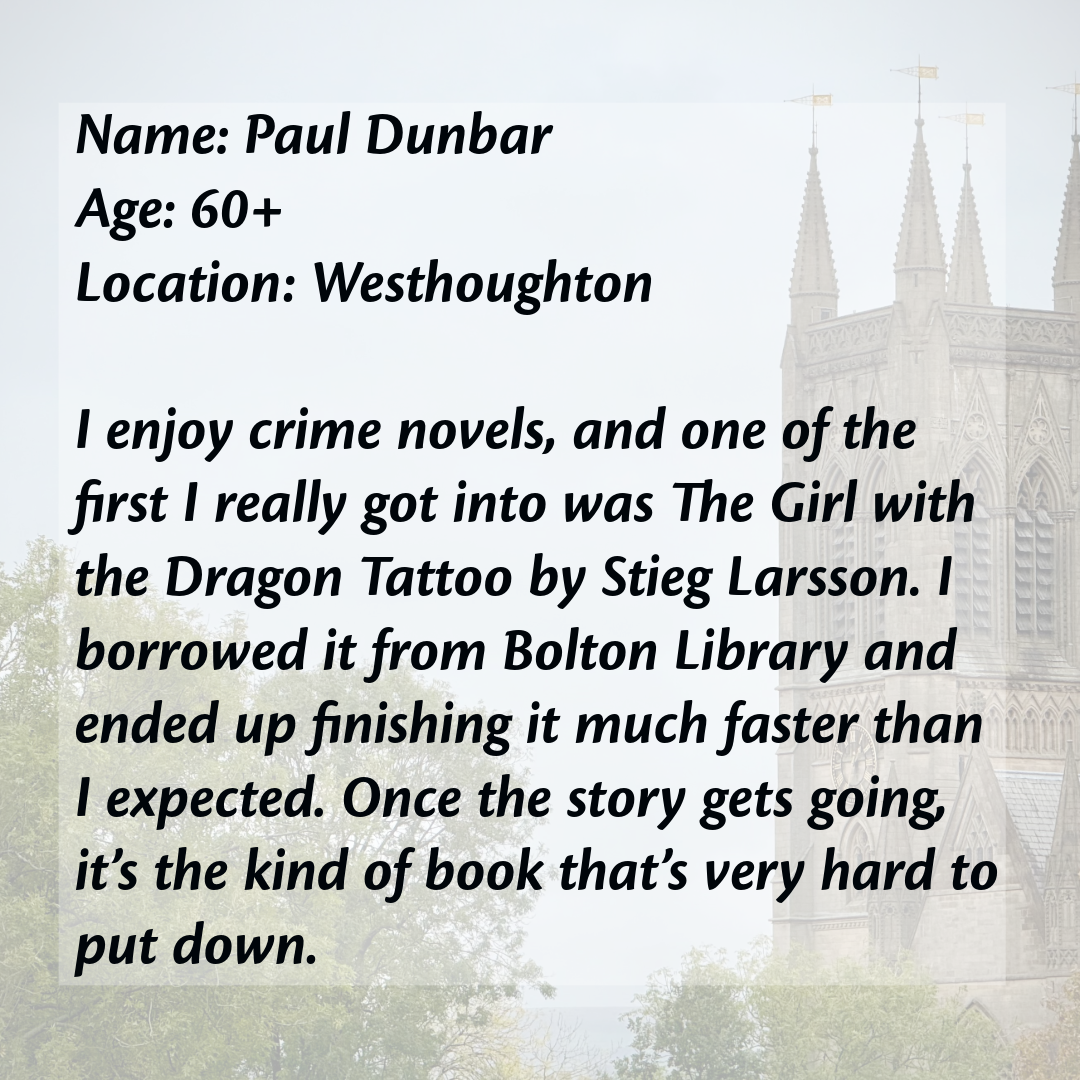
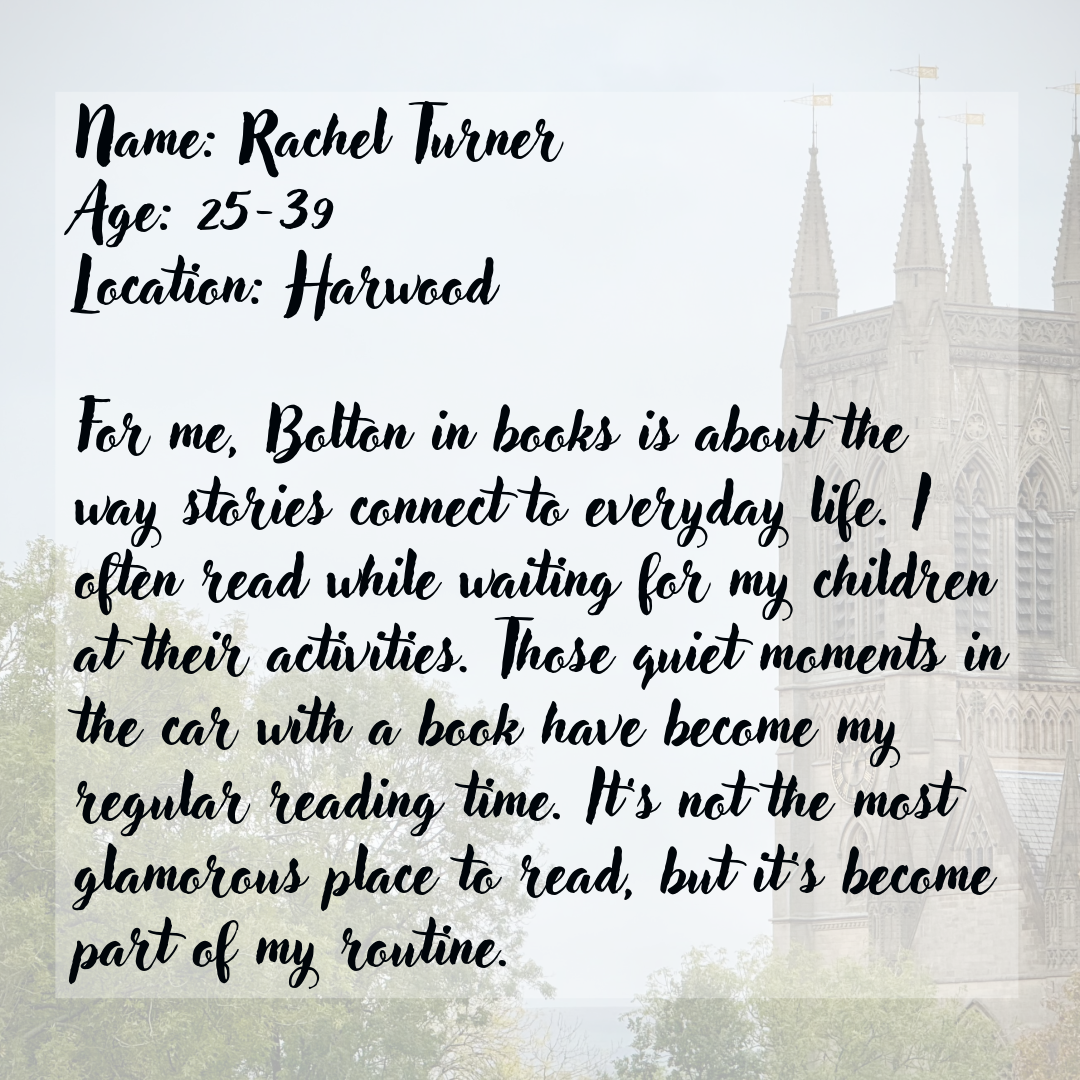
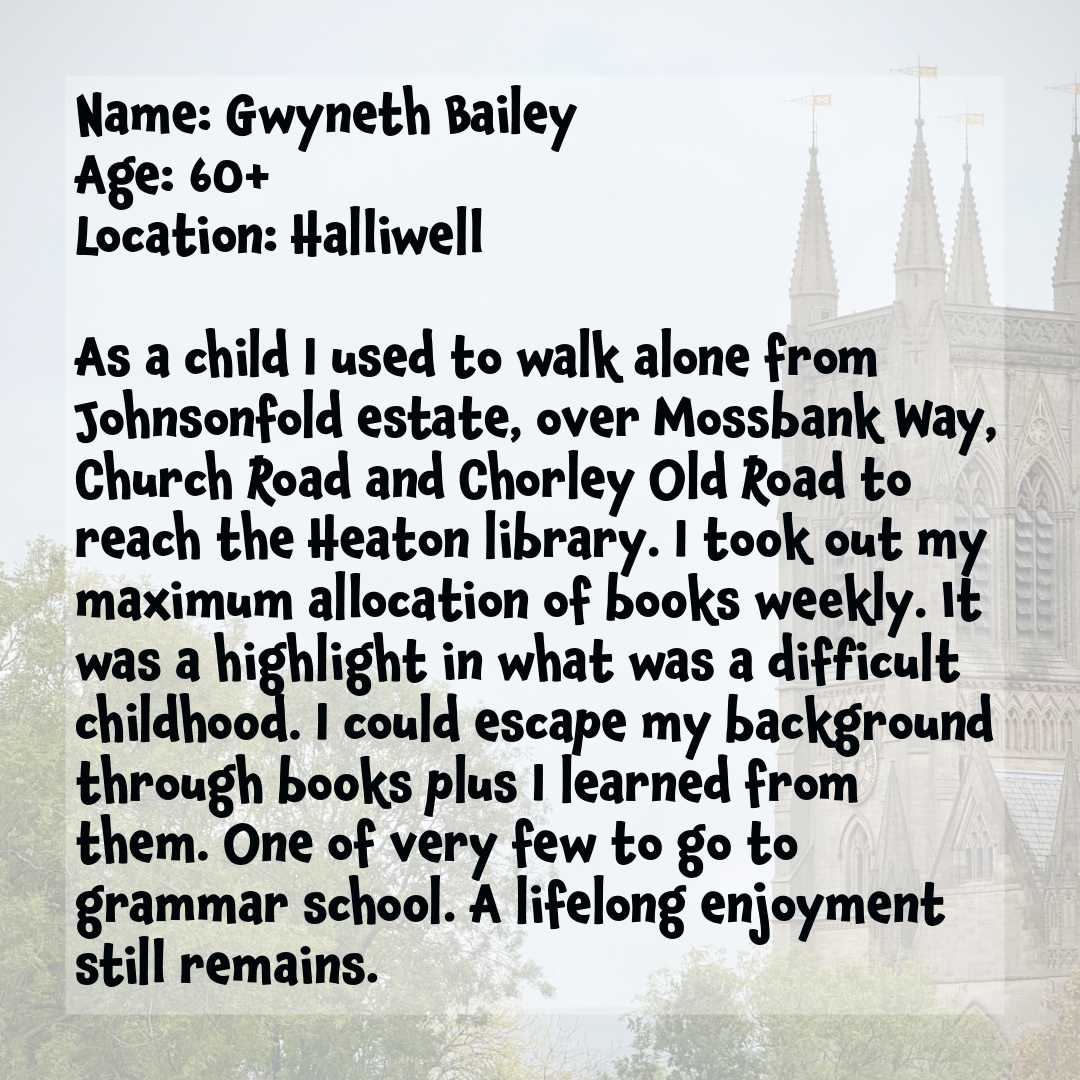
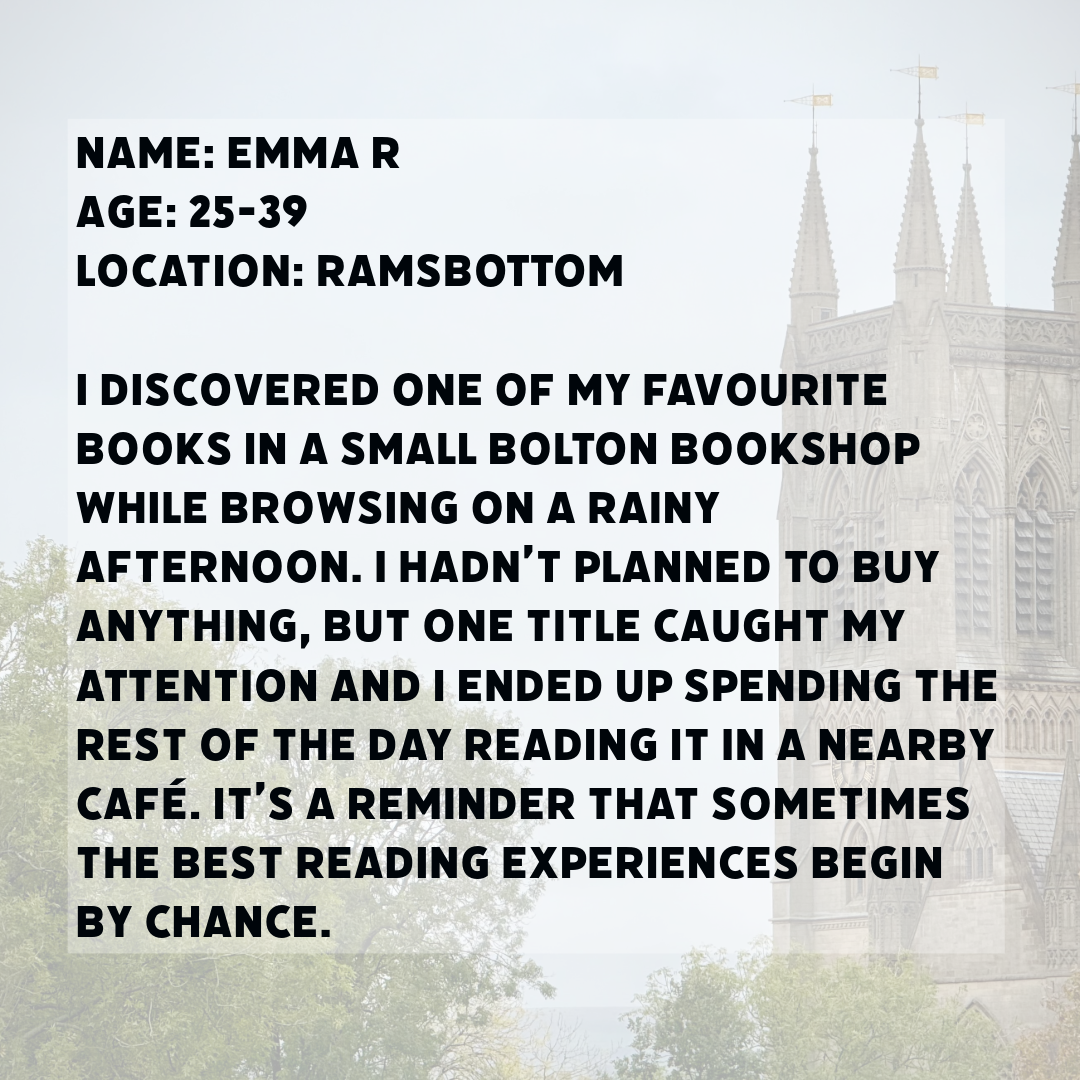
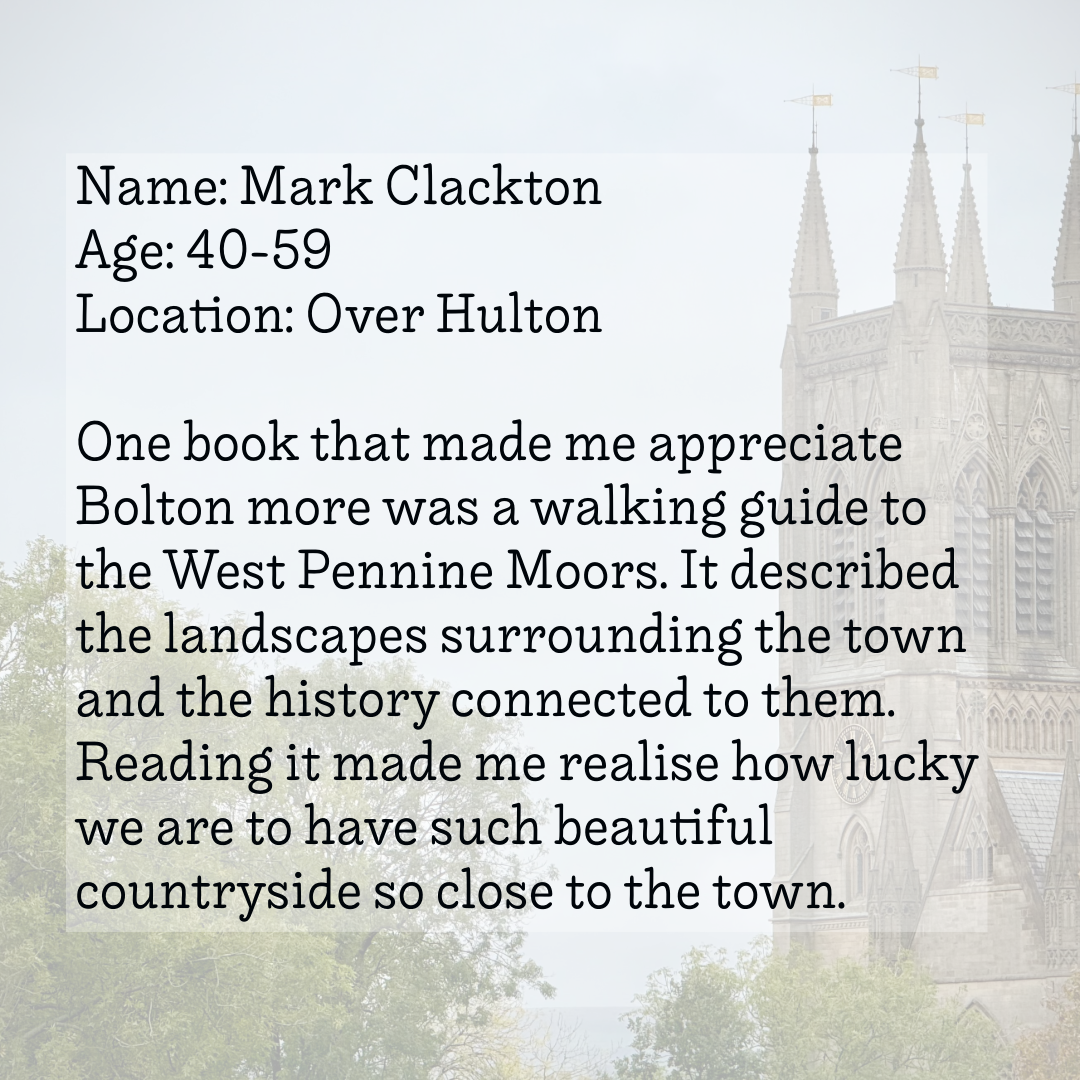
It may not appear as a daily habit, but it persists in other ways, through memory, through relationships, and through the environments in which stories are encountered.
Across generations, reading takes different forms, but continues to act as a point of connection: between people; between past and present; between place and identity.
All of these responses help build a richer picture of what reading looks like in everyday life not just as something people do, but as something they remember, share, and carry with them.
Together, these reflections begin to show how reading operates as part of everyday life in ways that are not always visible, but remain deeply meaningful.
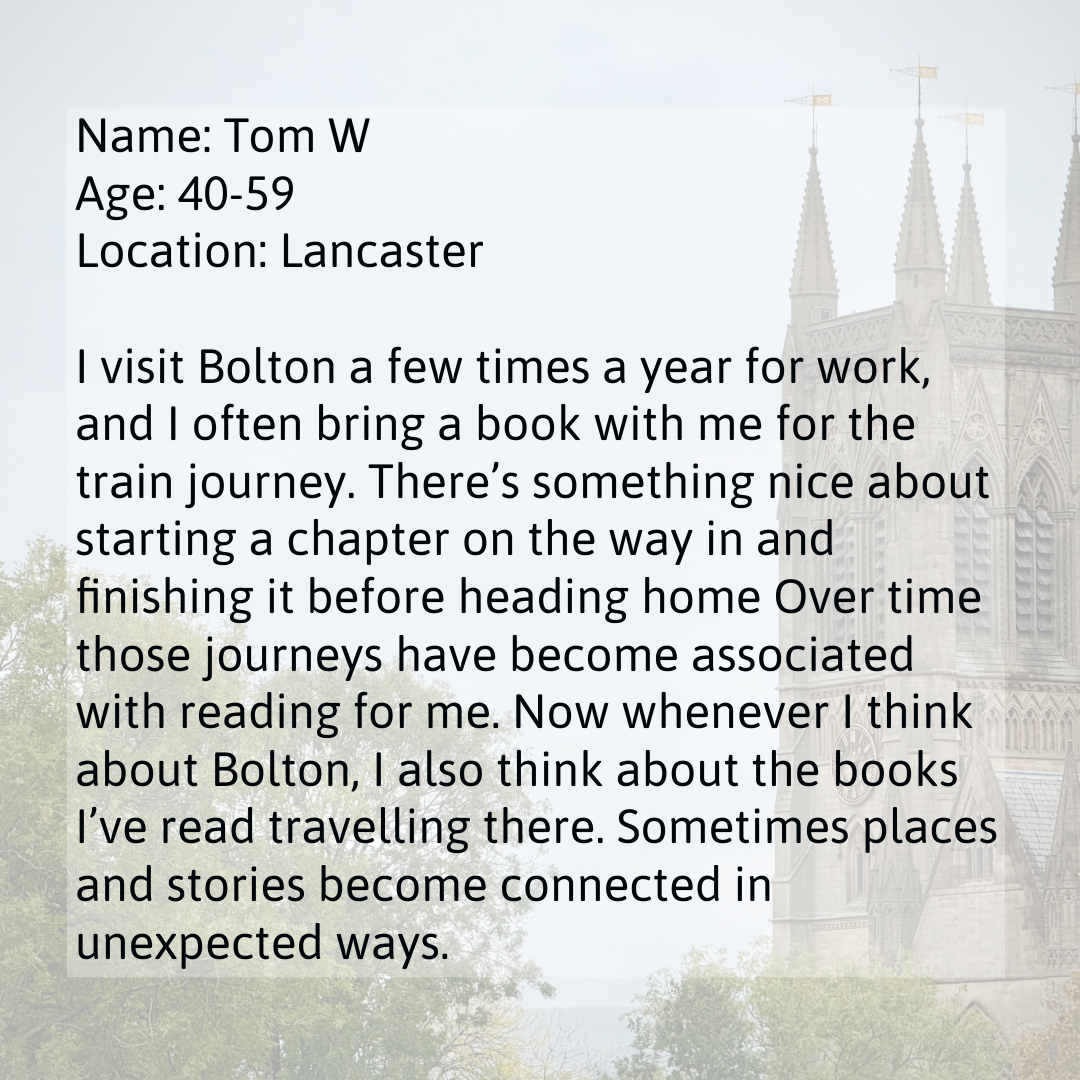
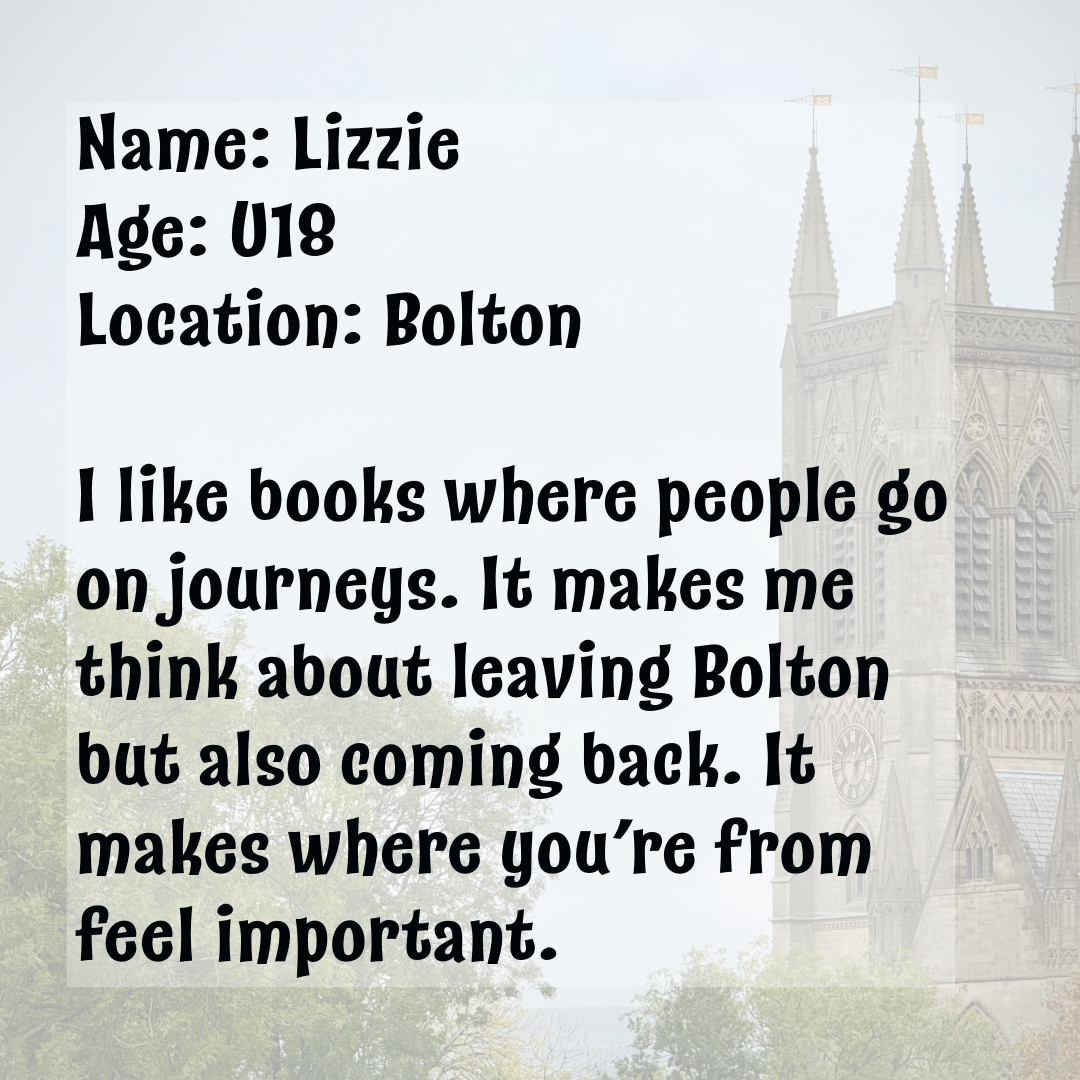
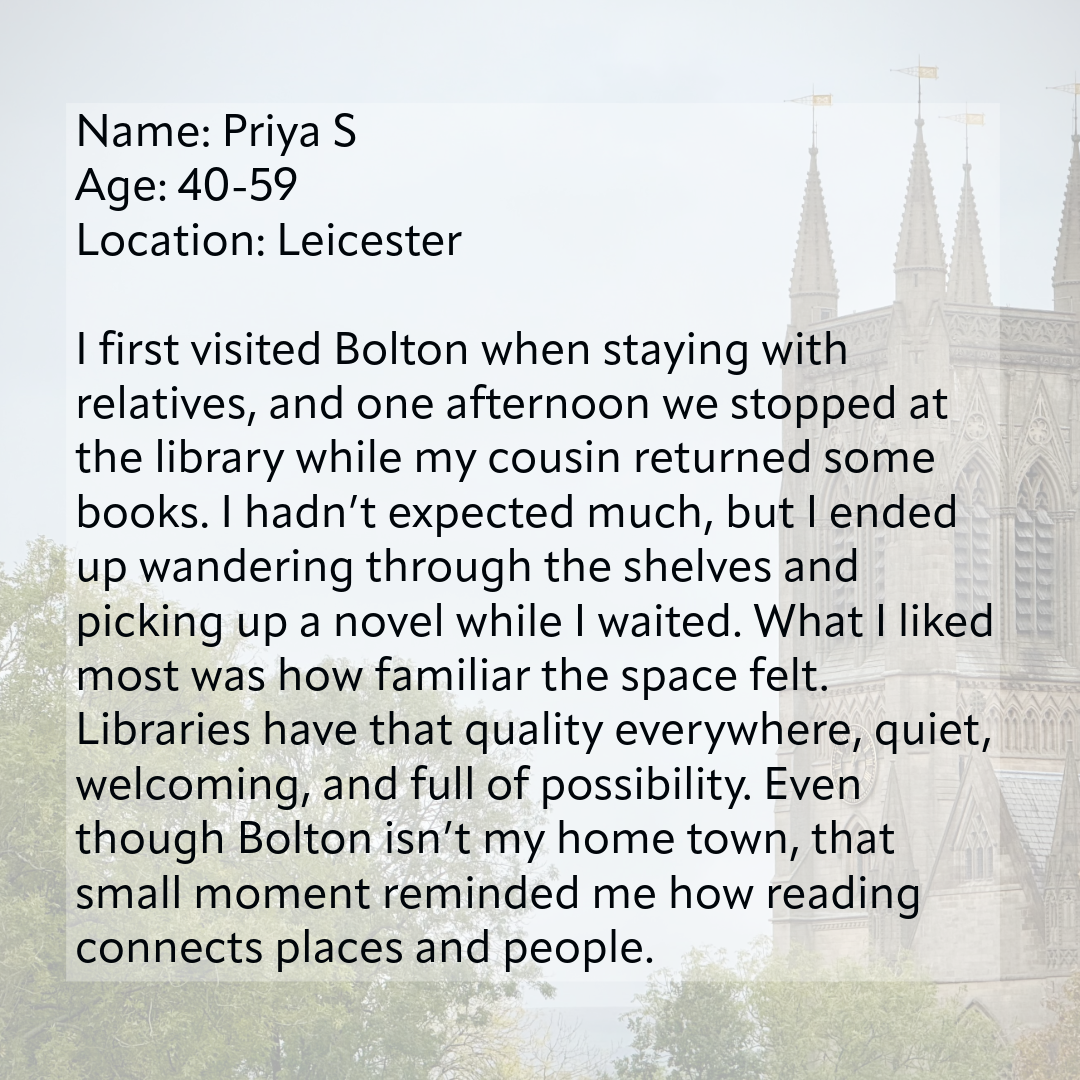
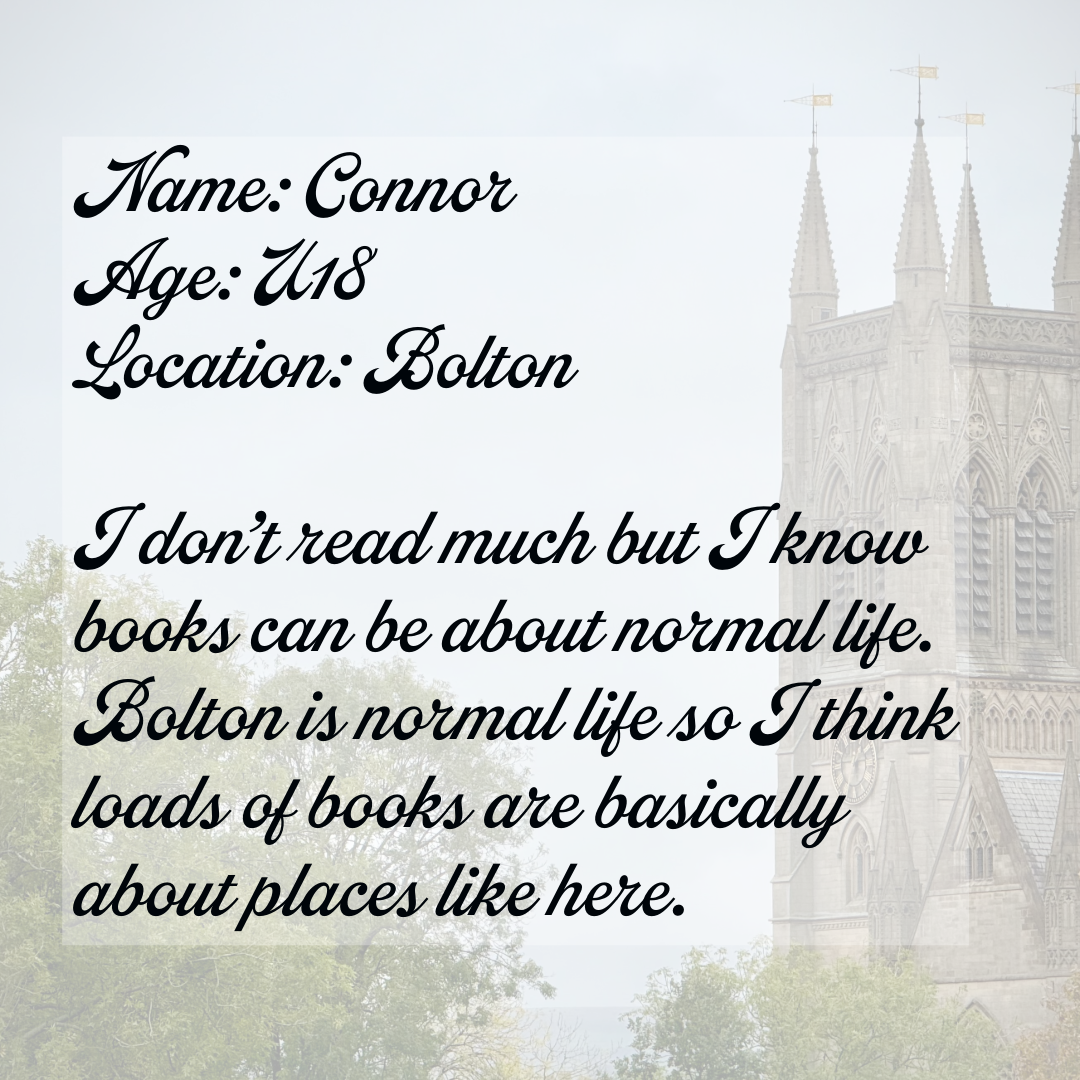
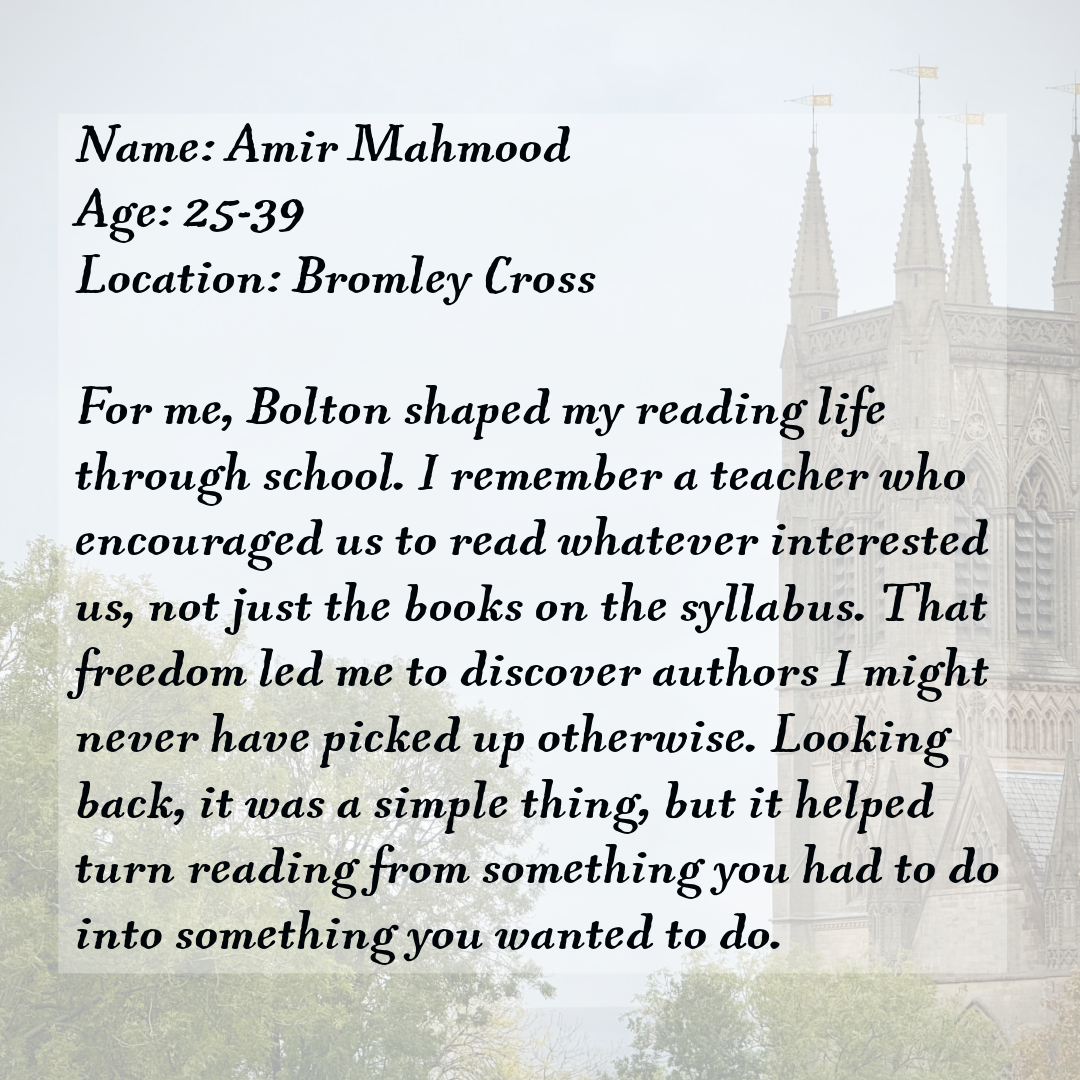
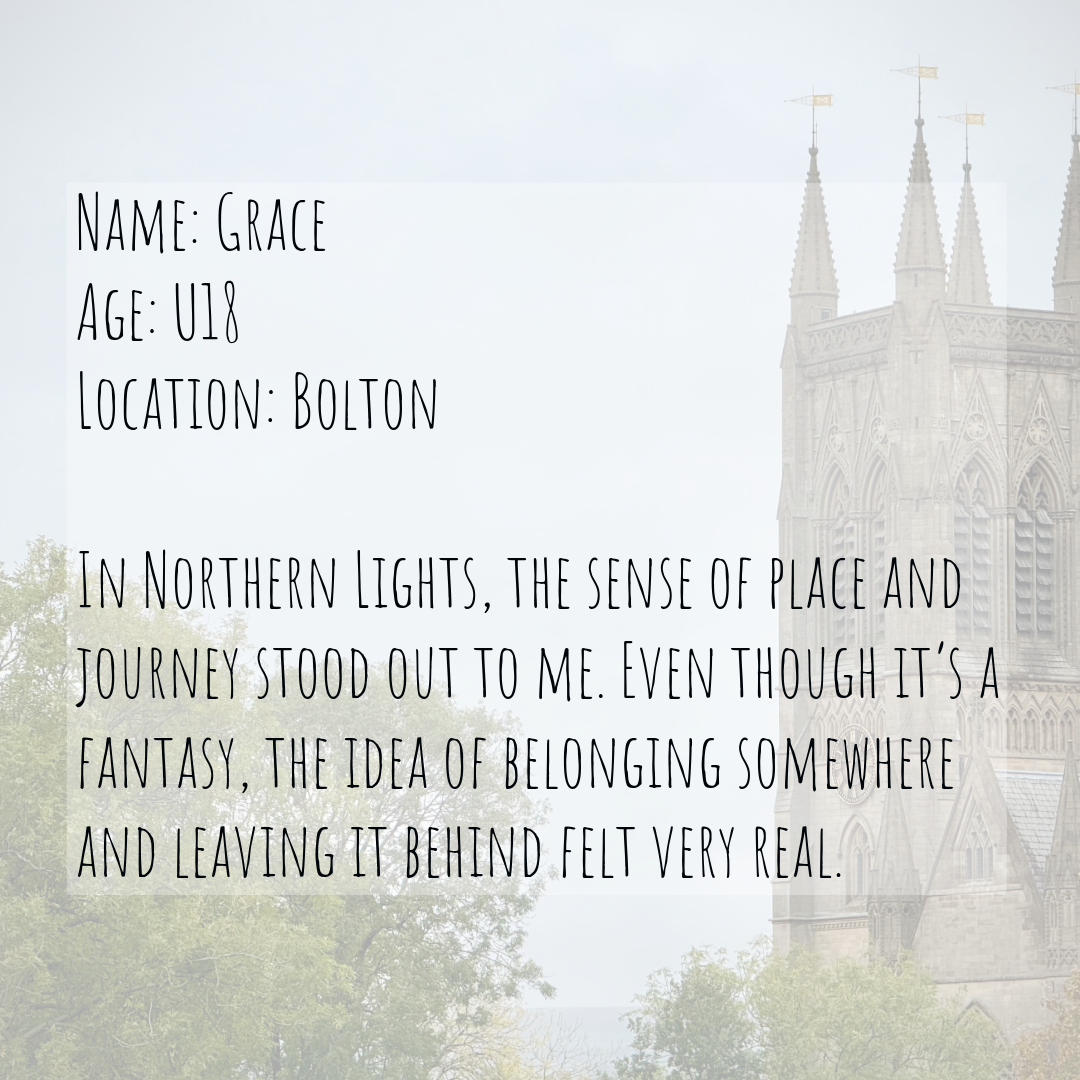
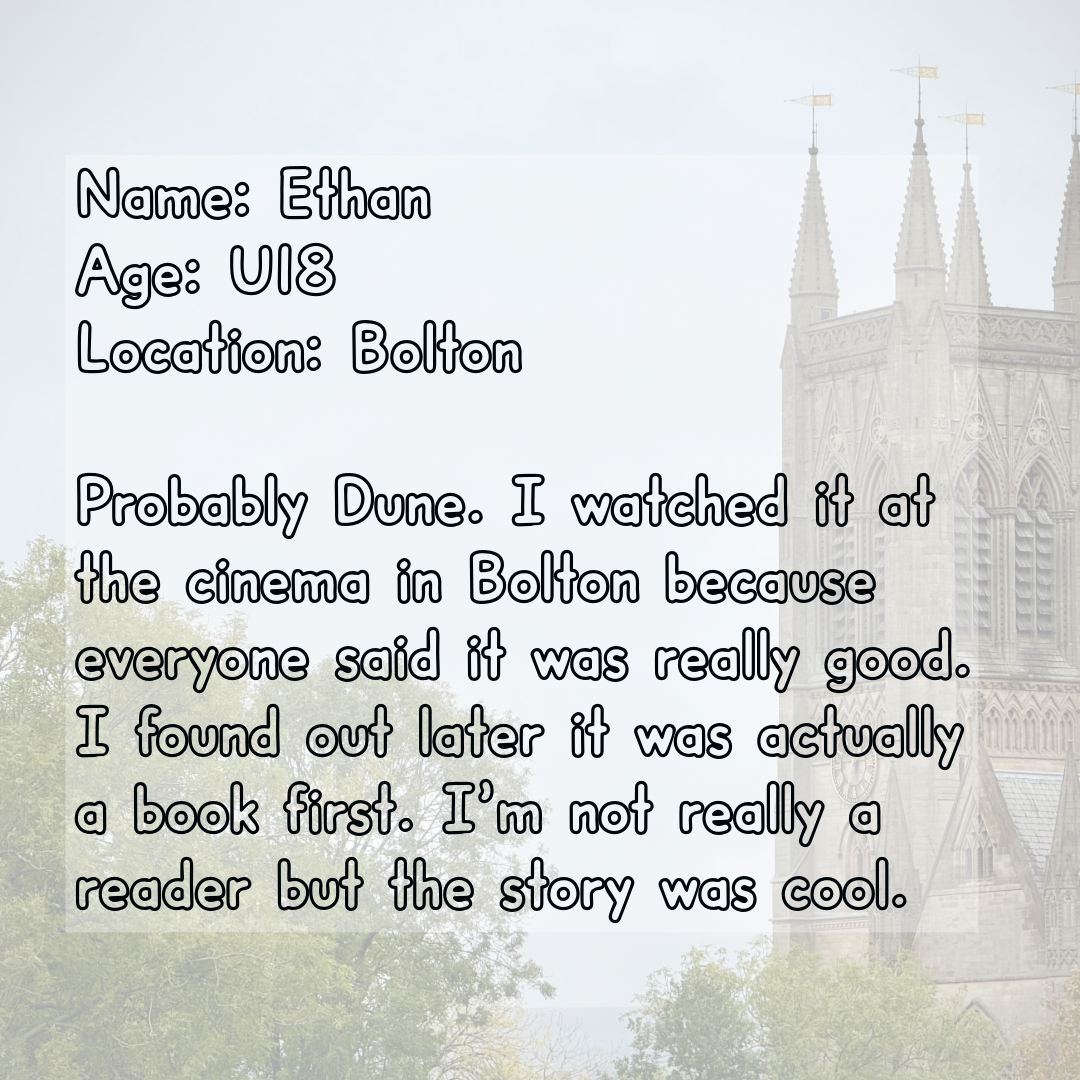
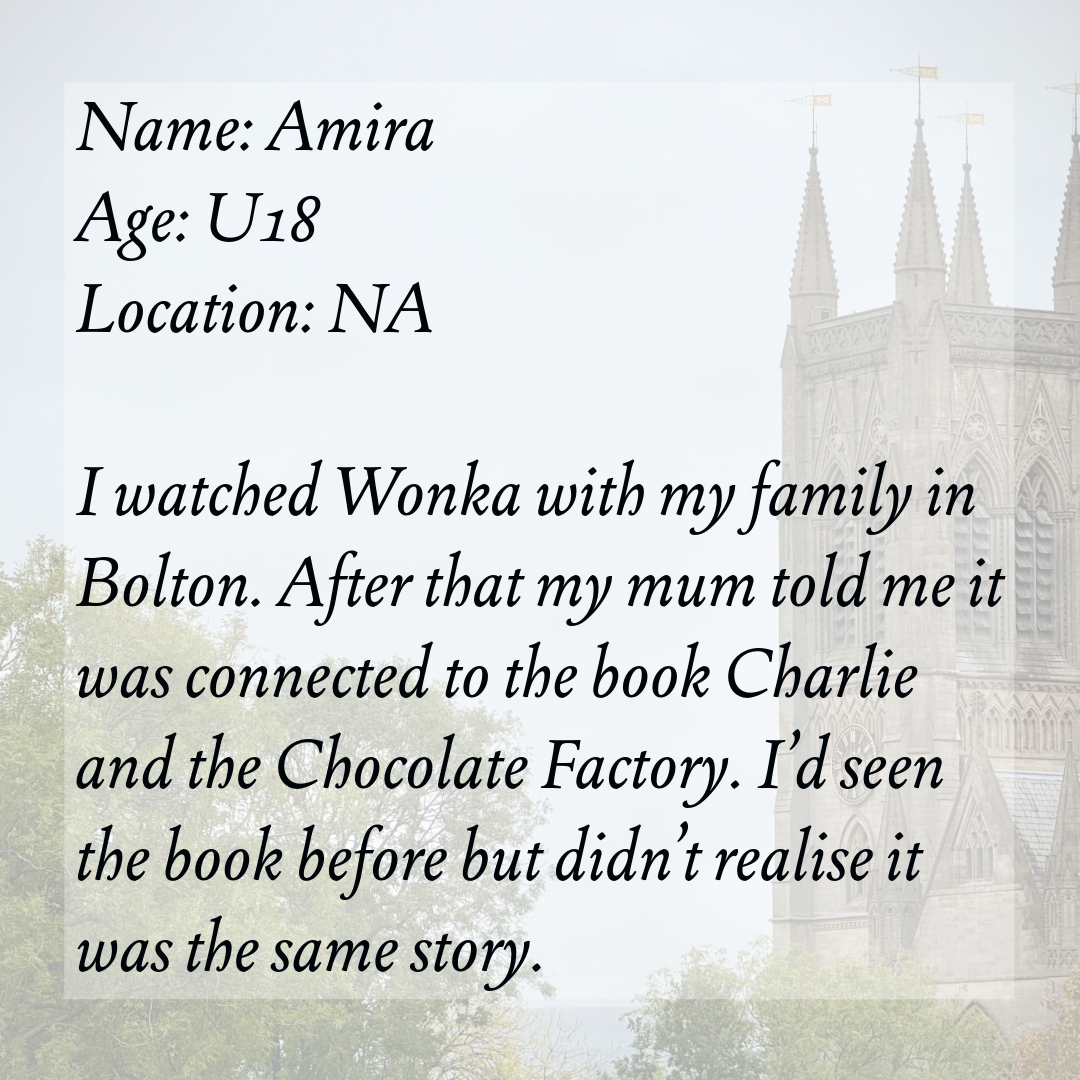
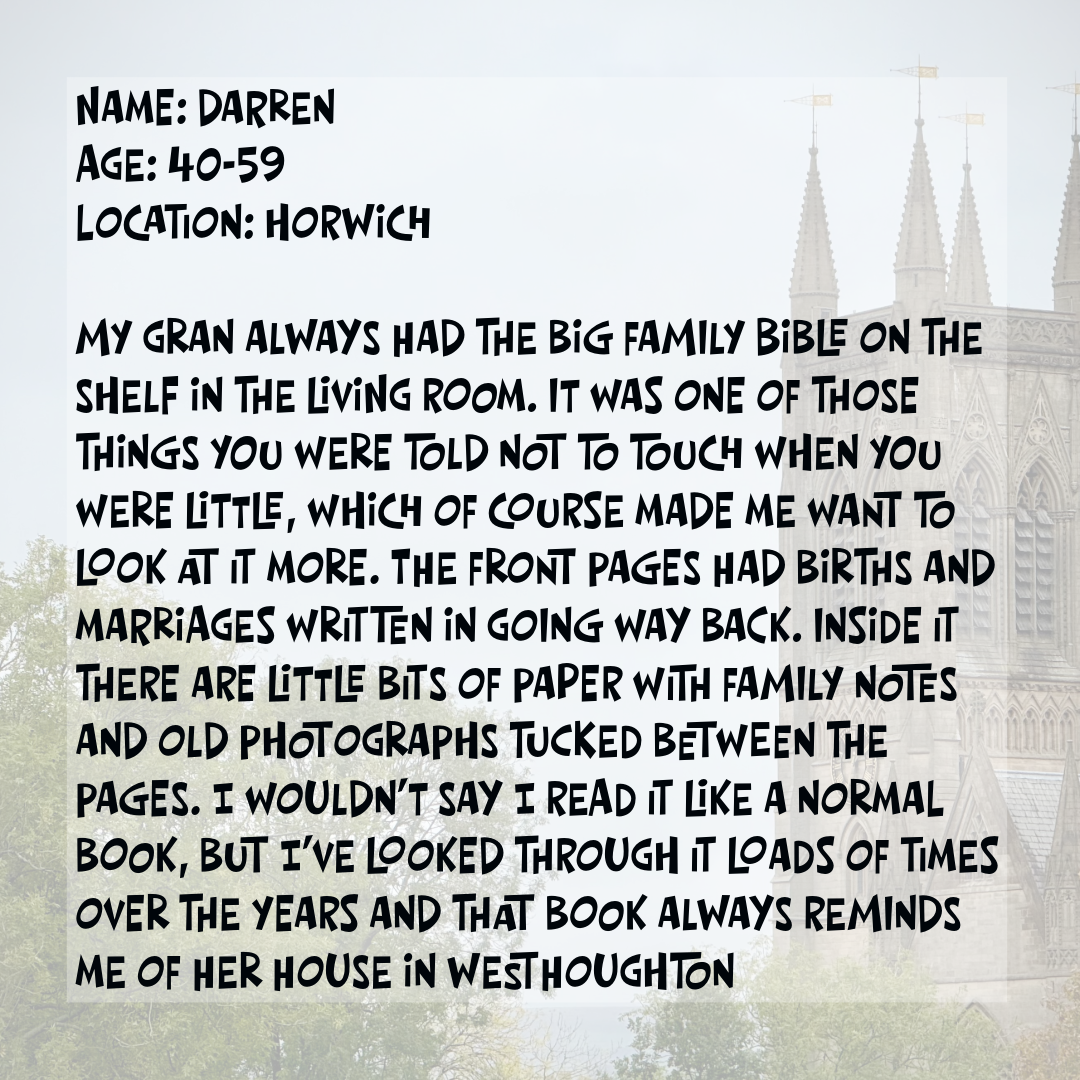
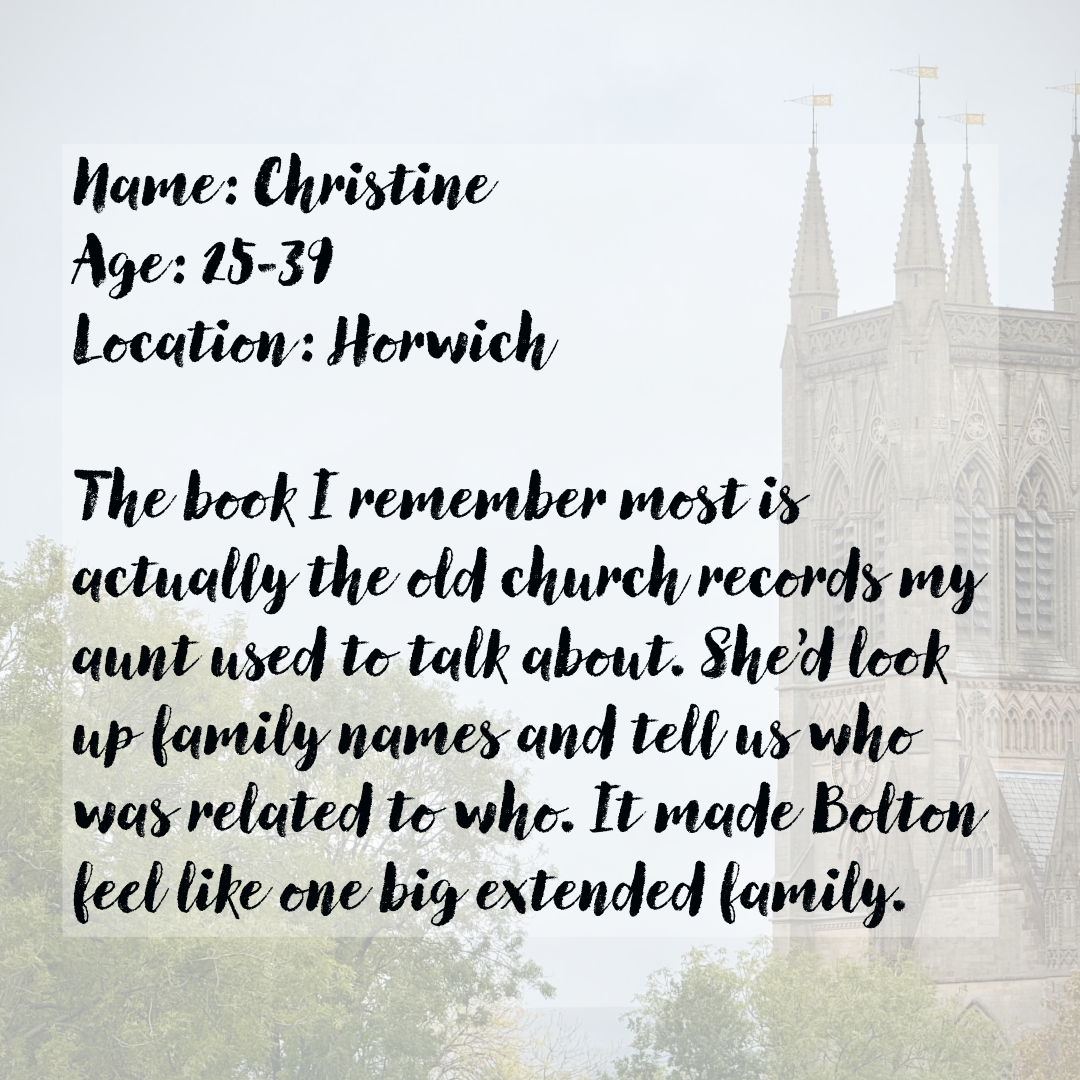
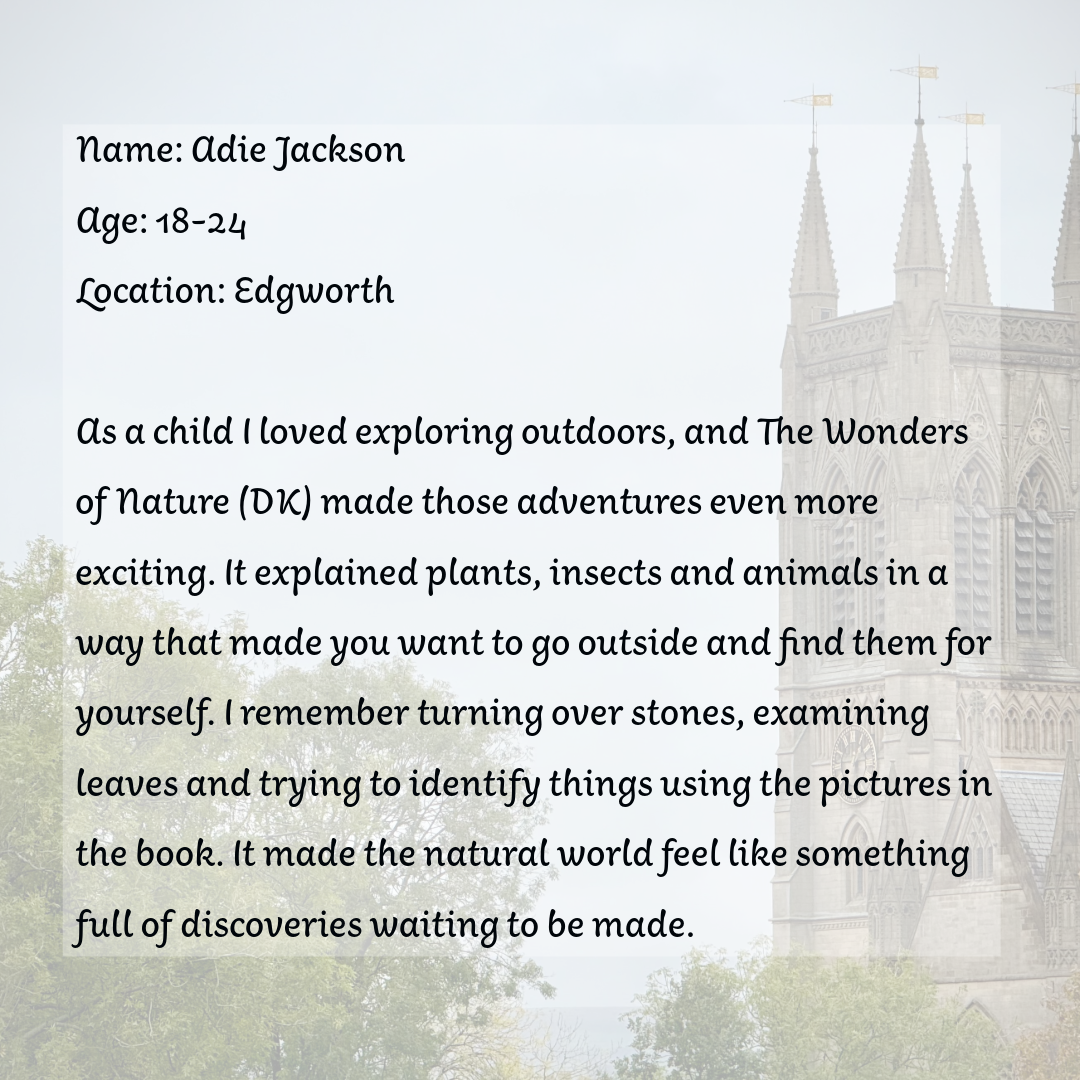
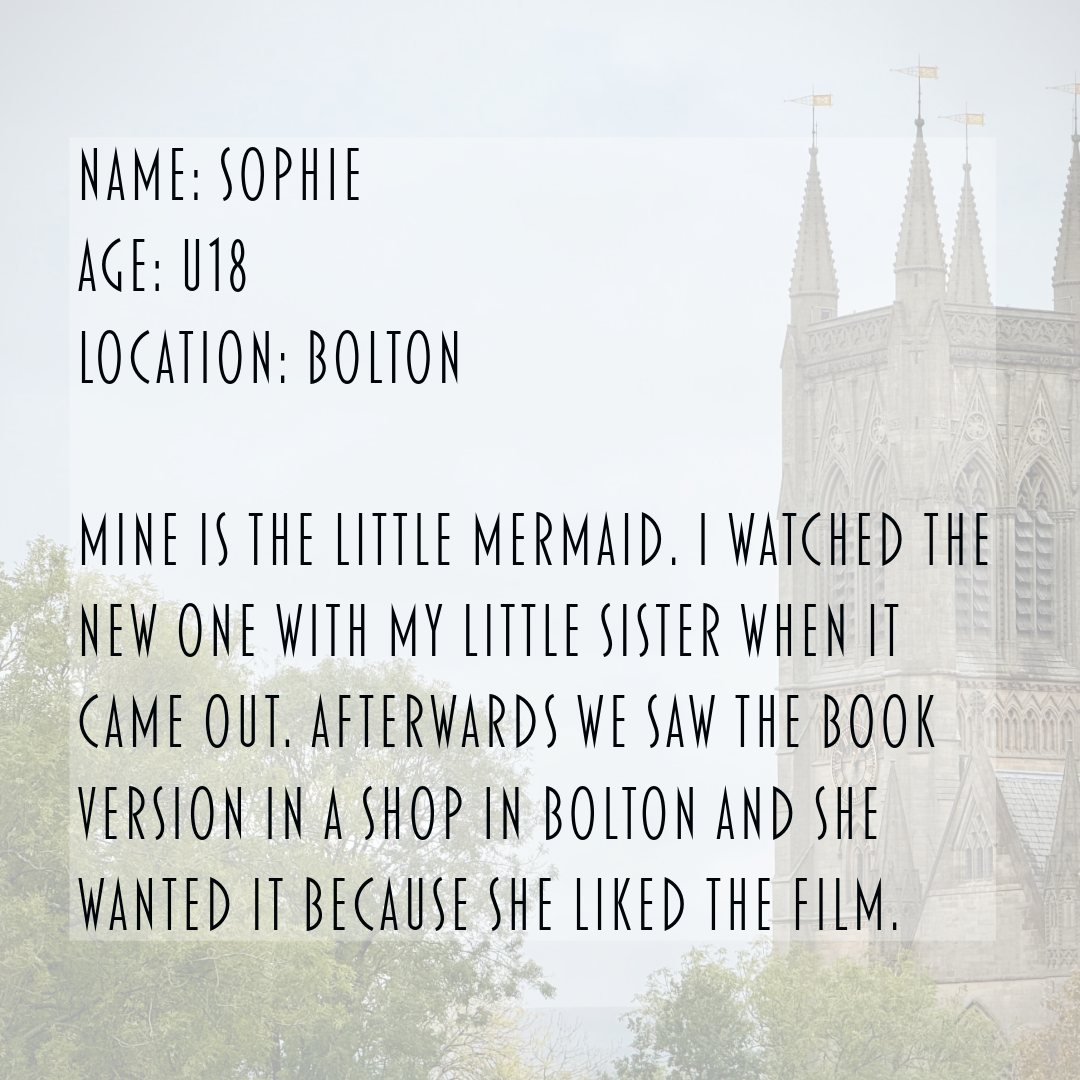
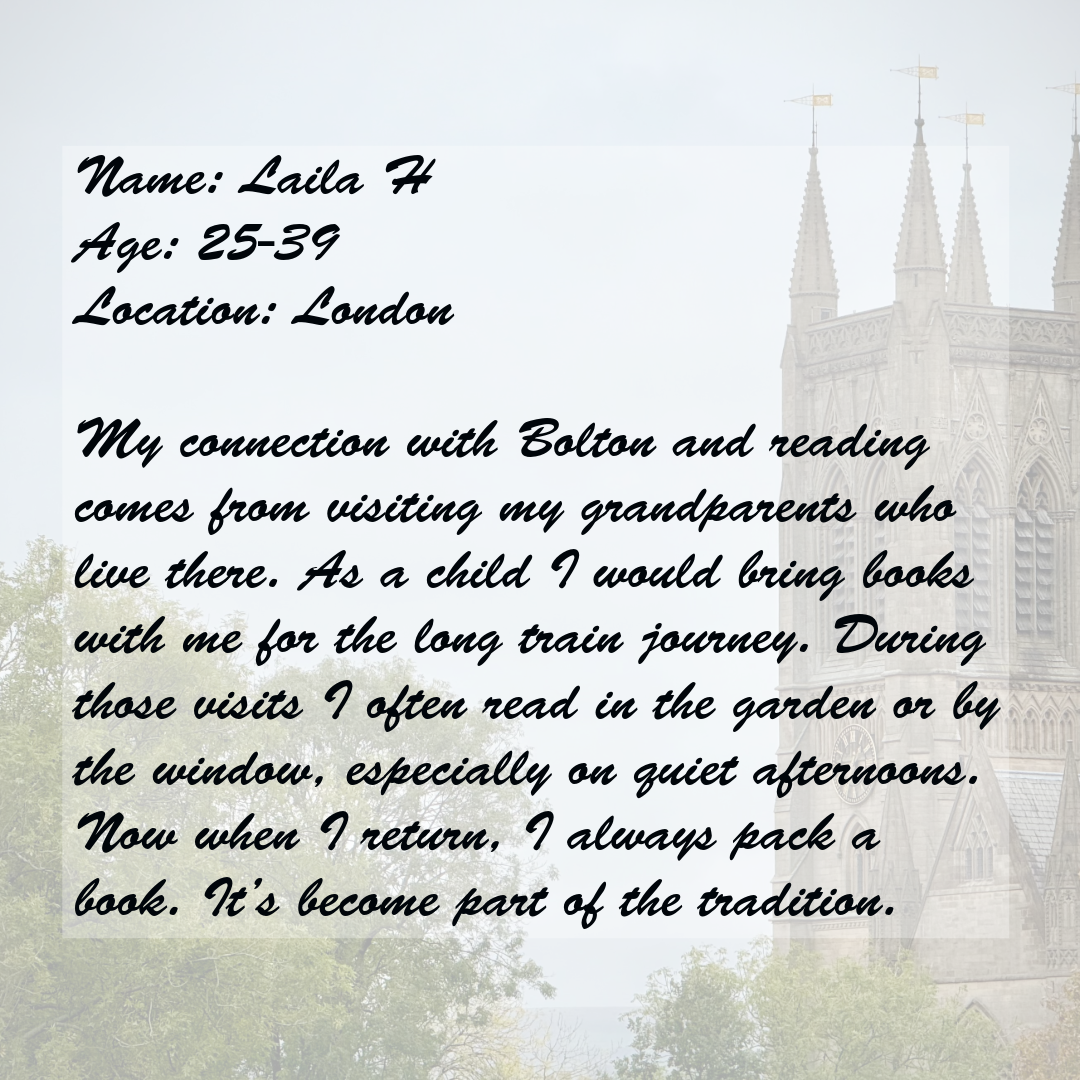
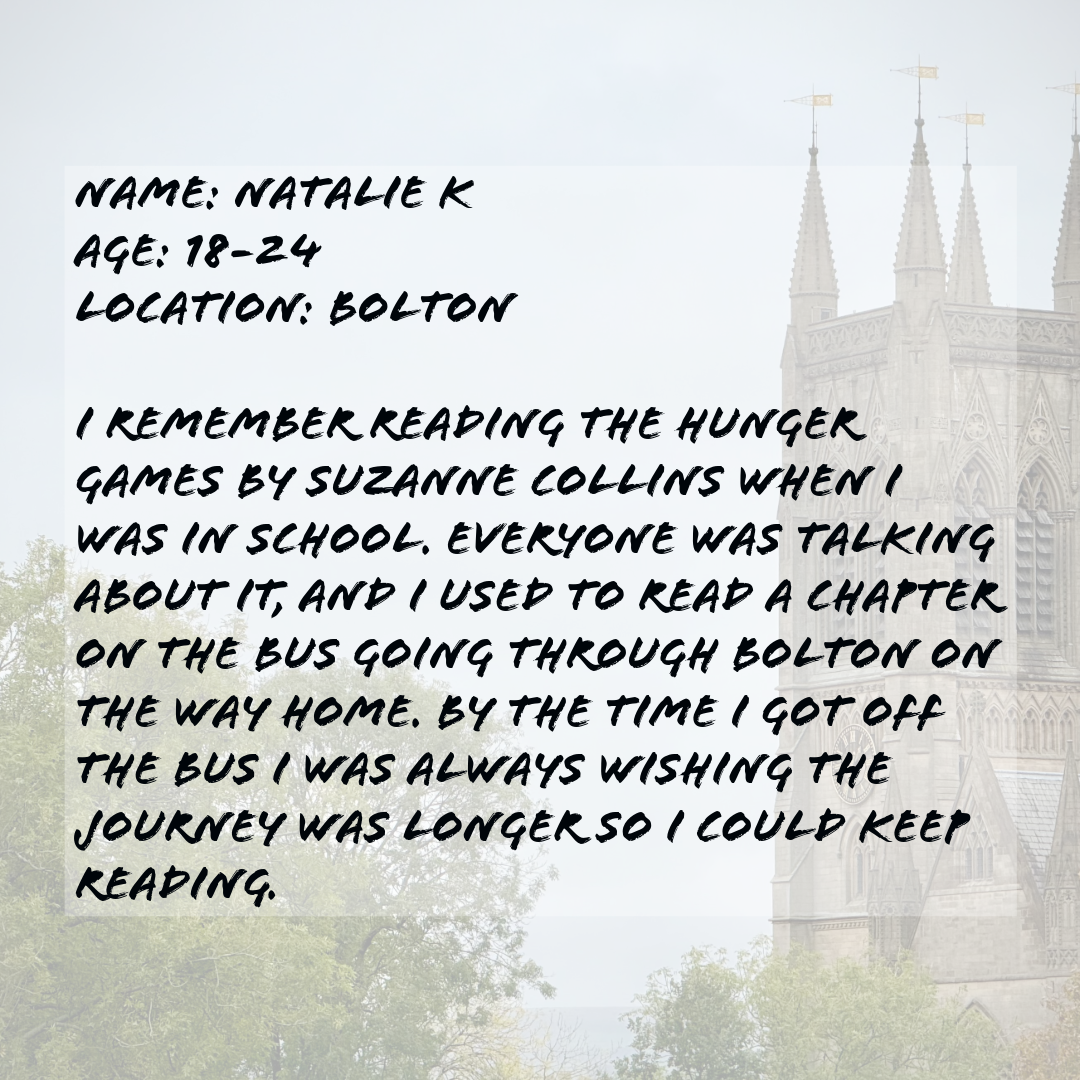
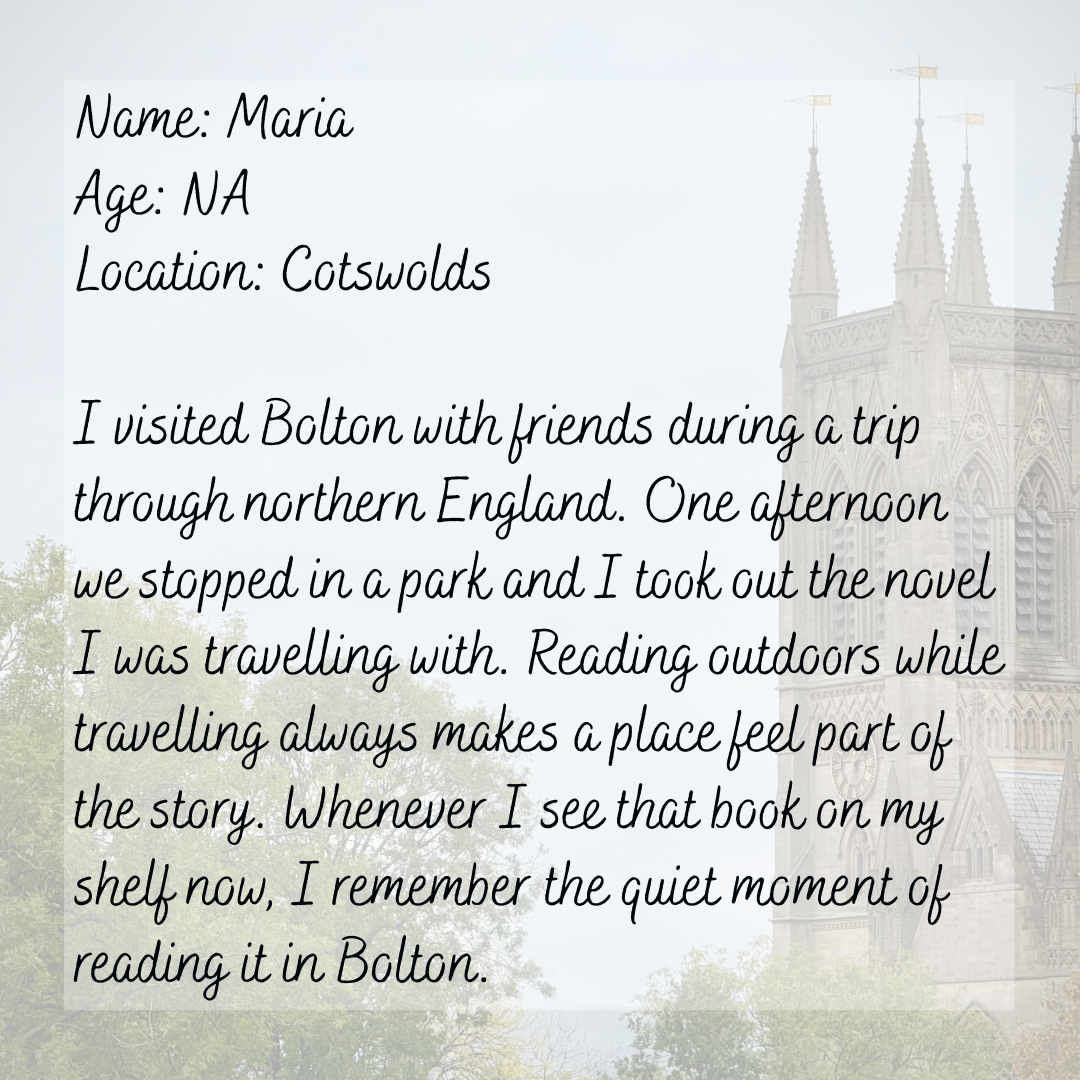
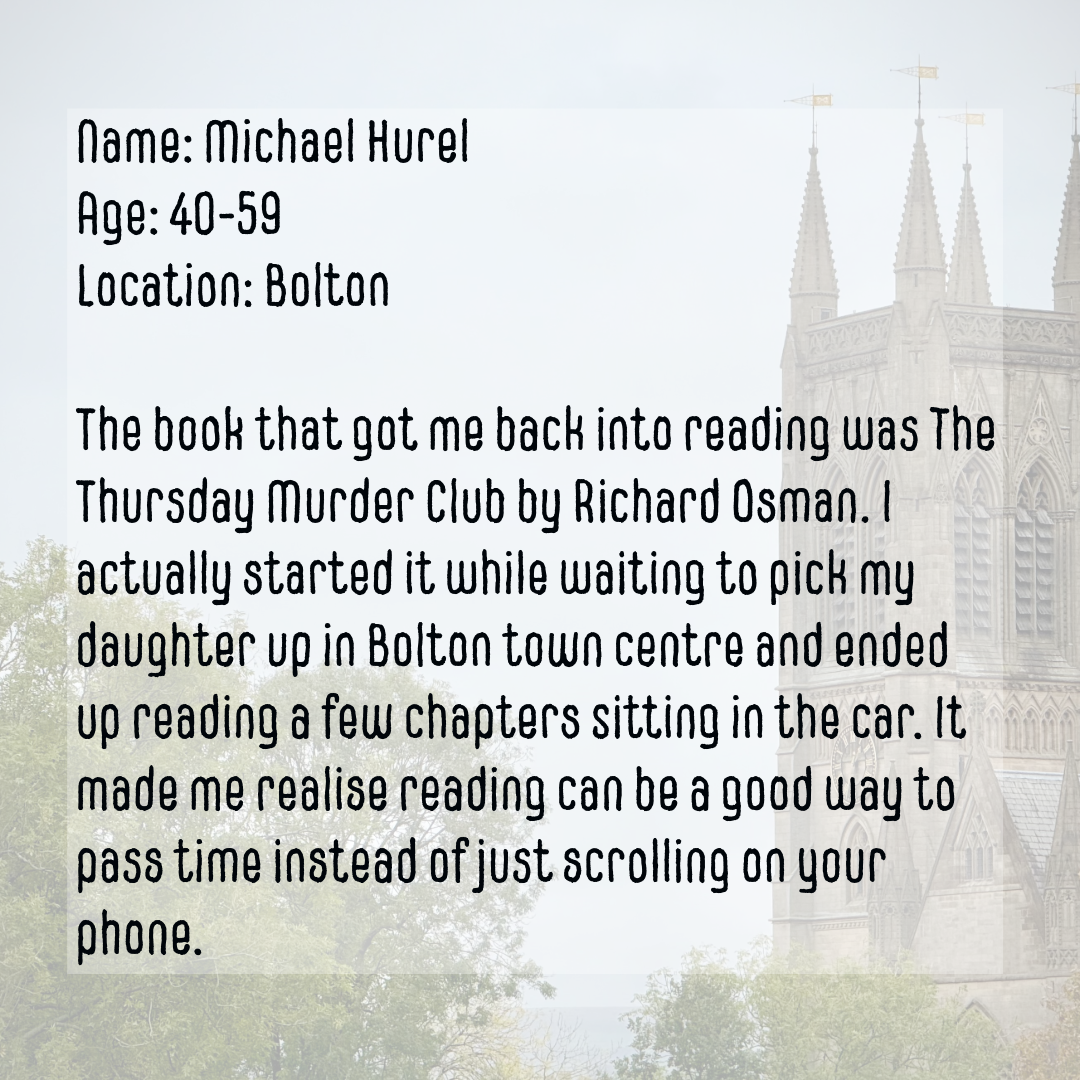
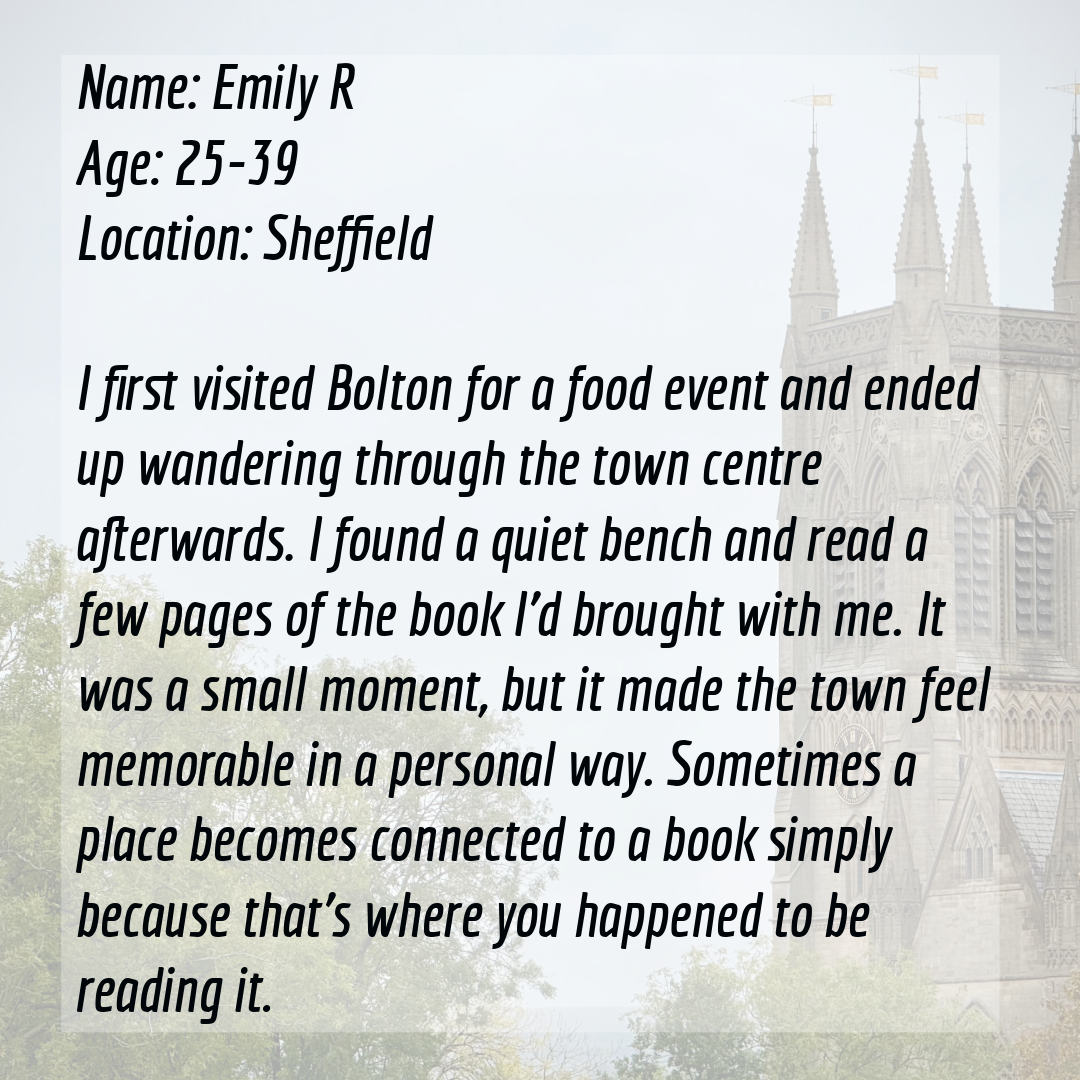
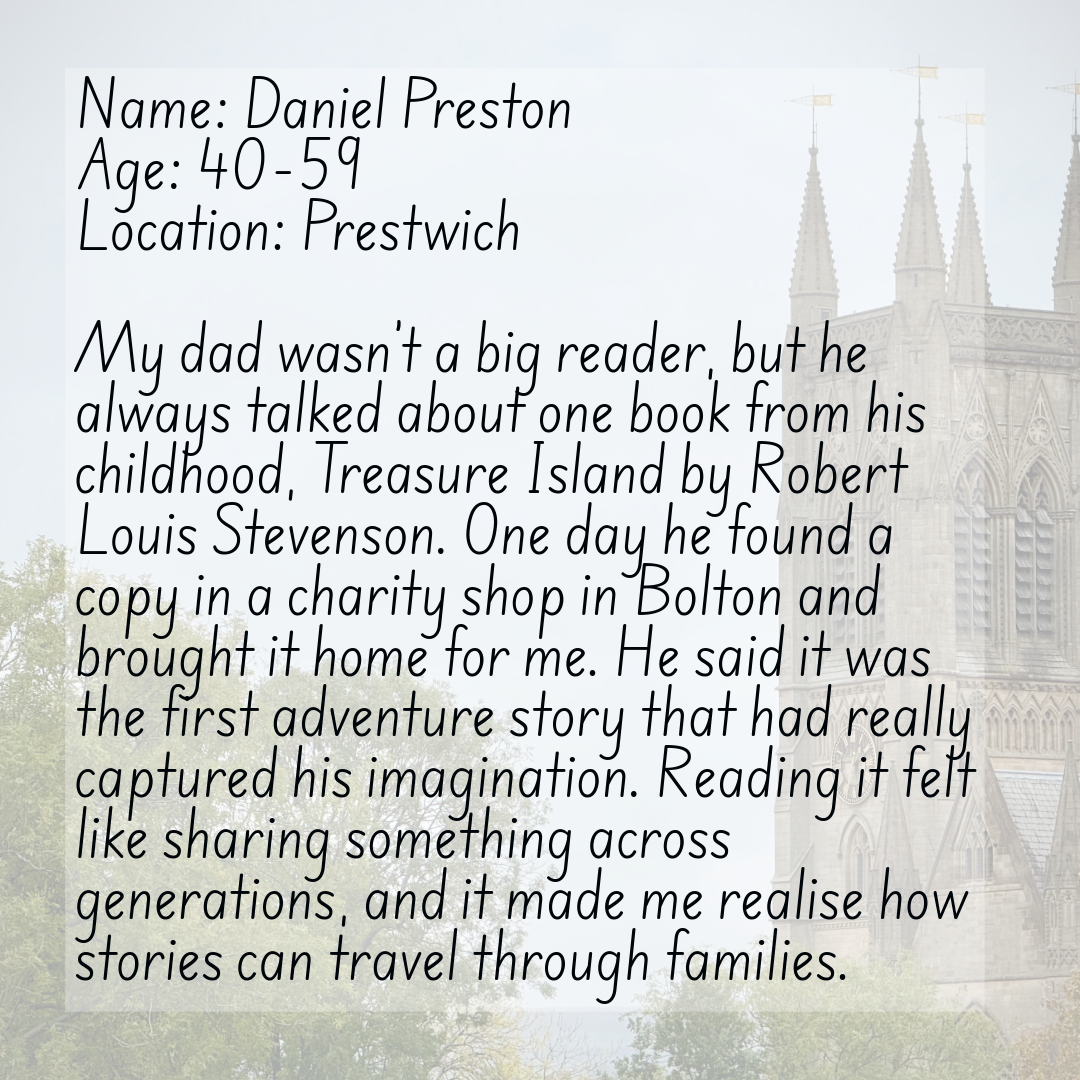
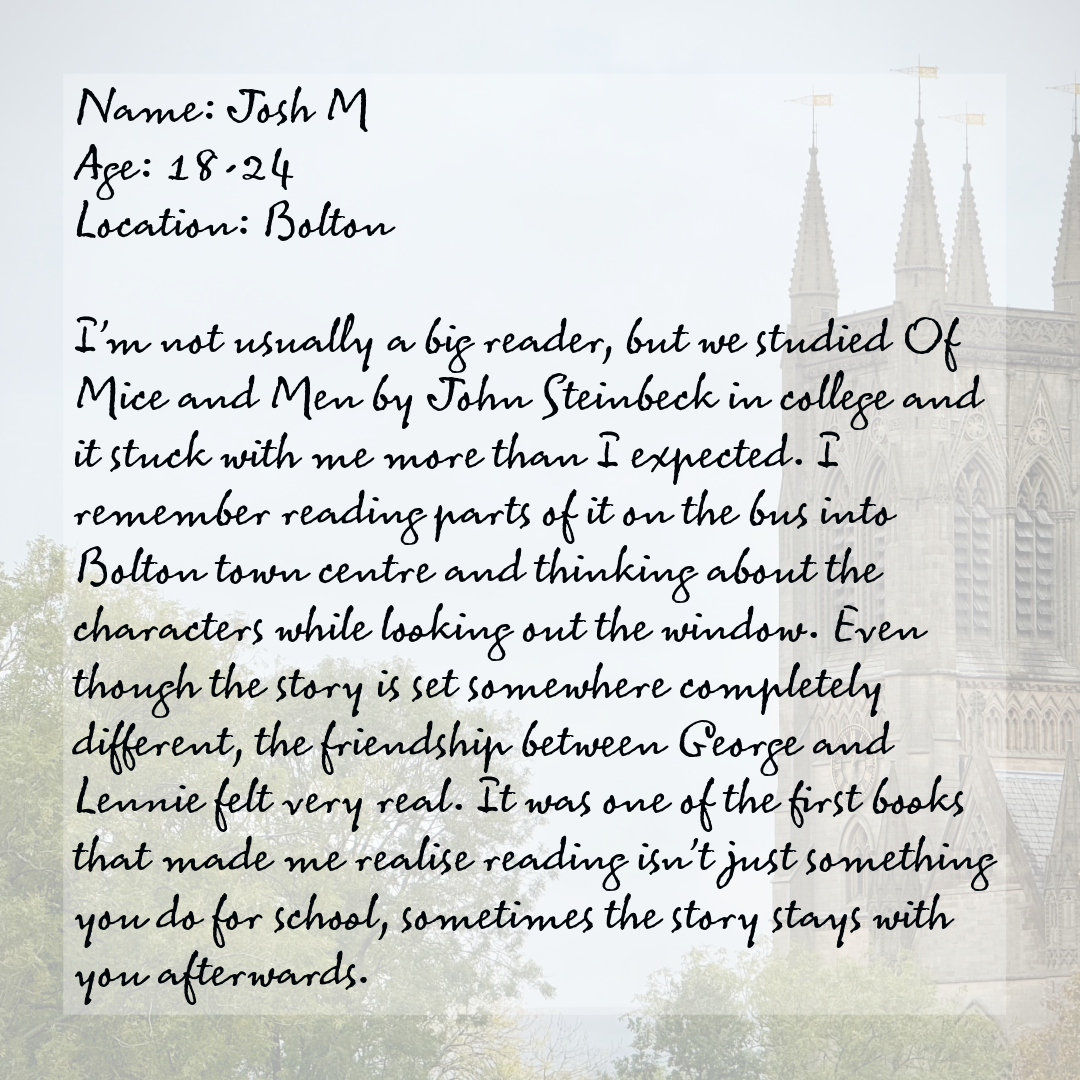
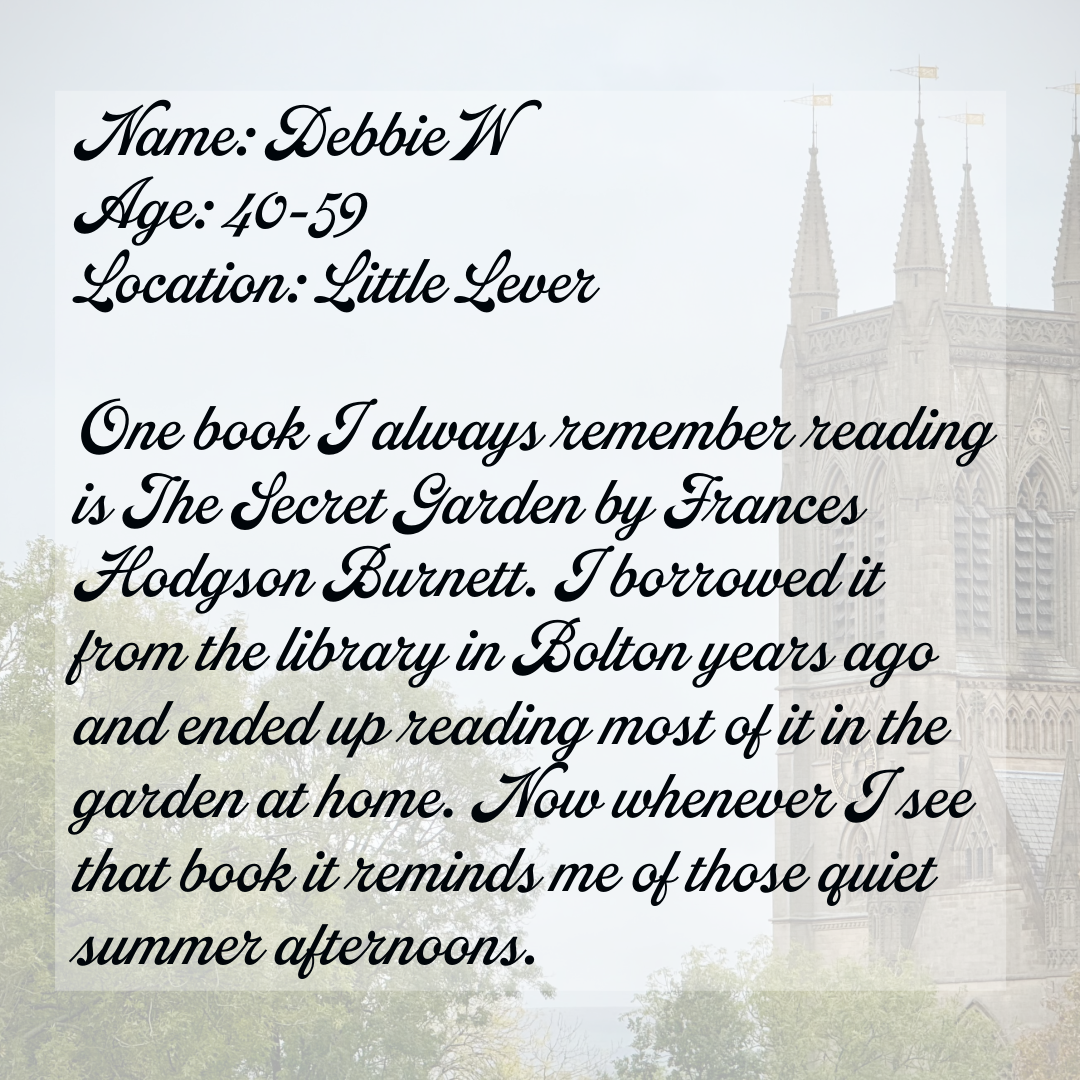
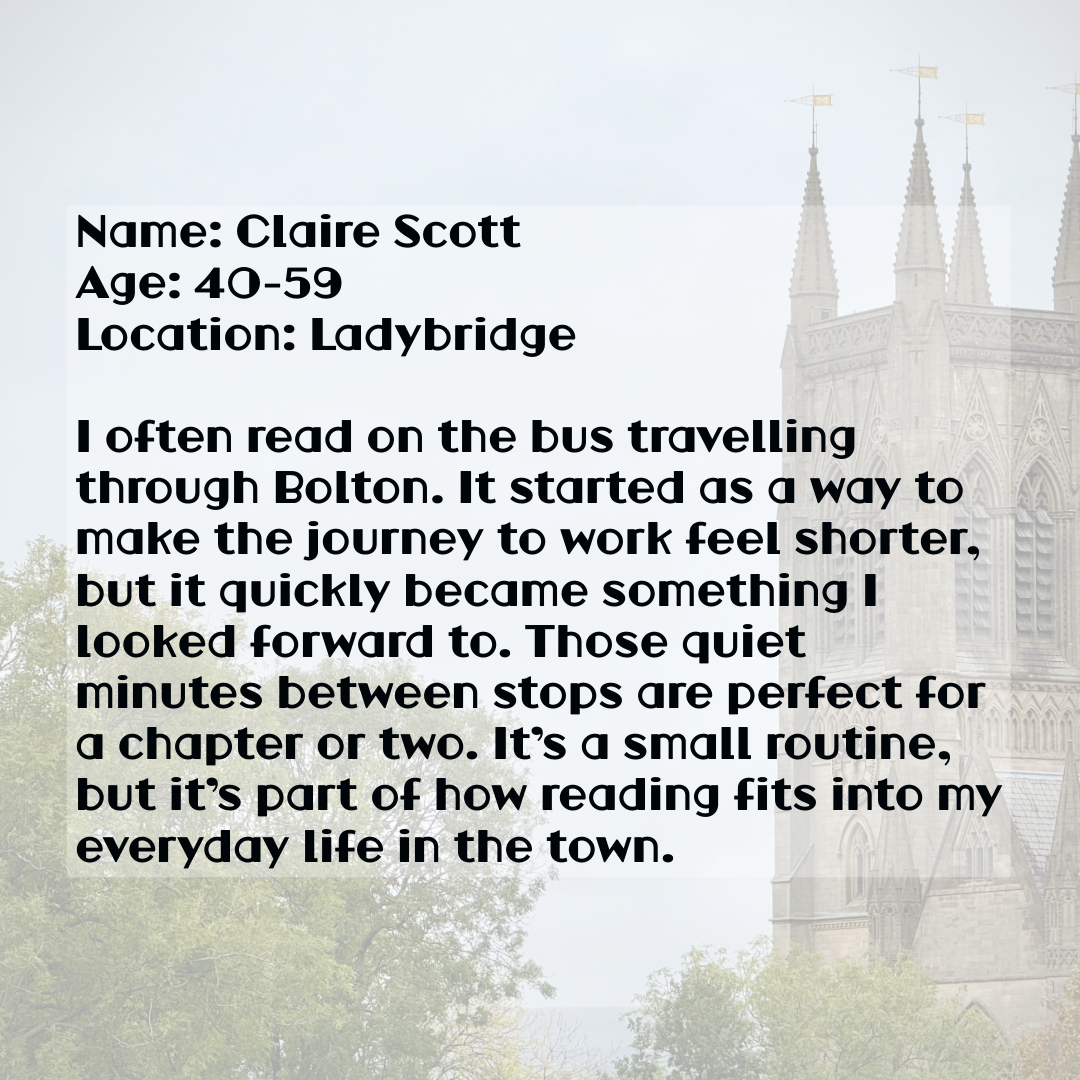
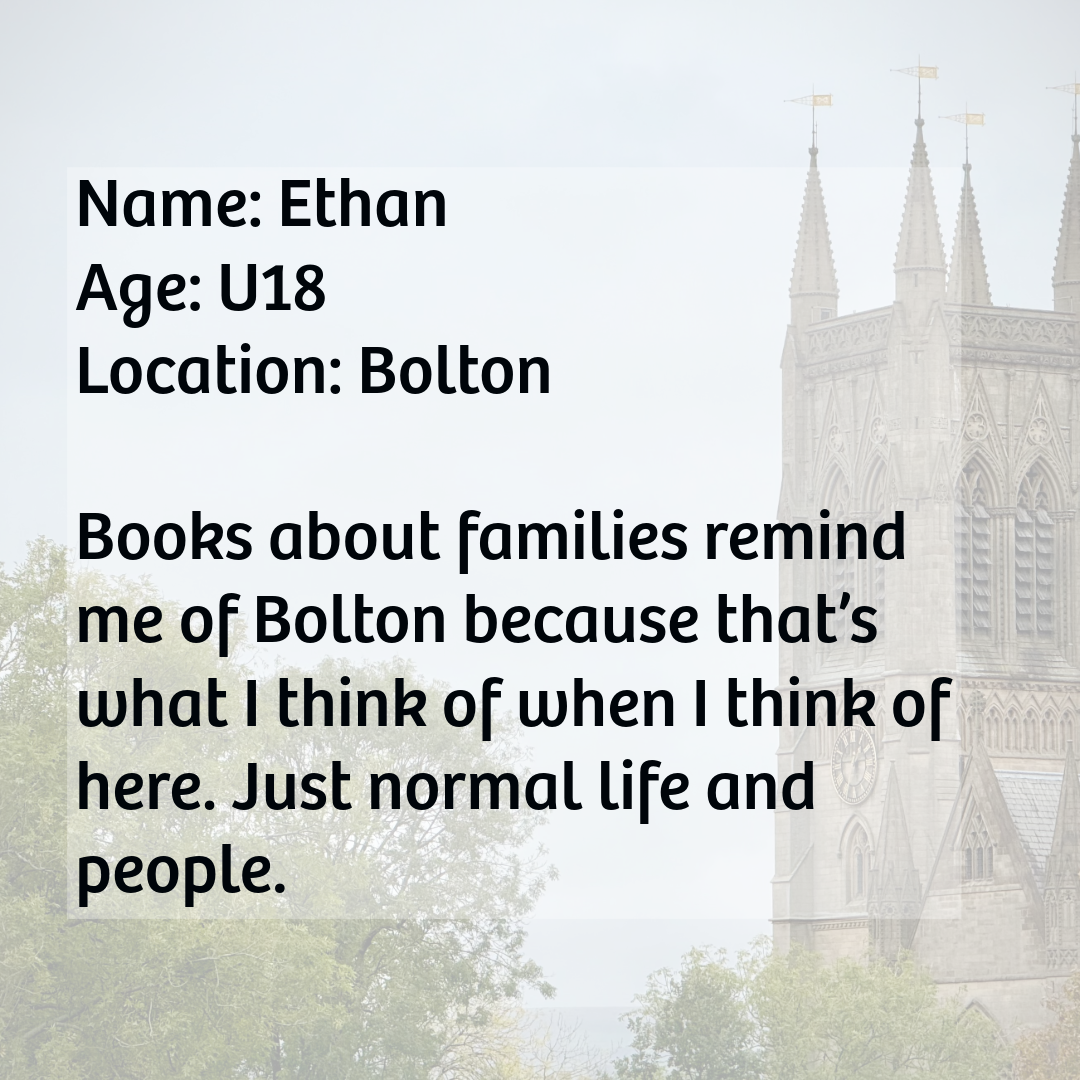
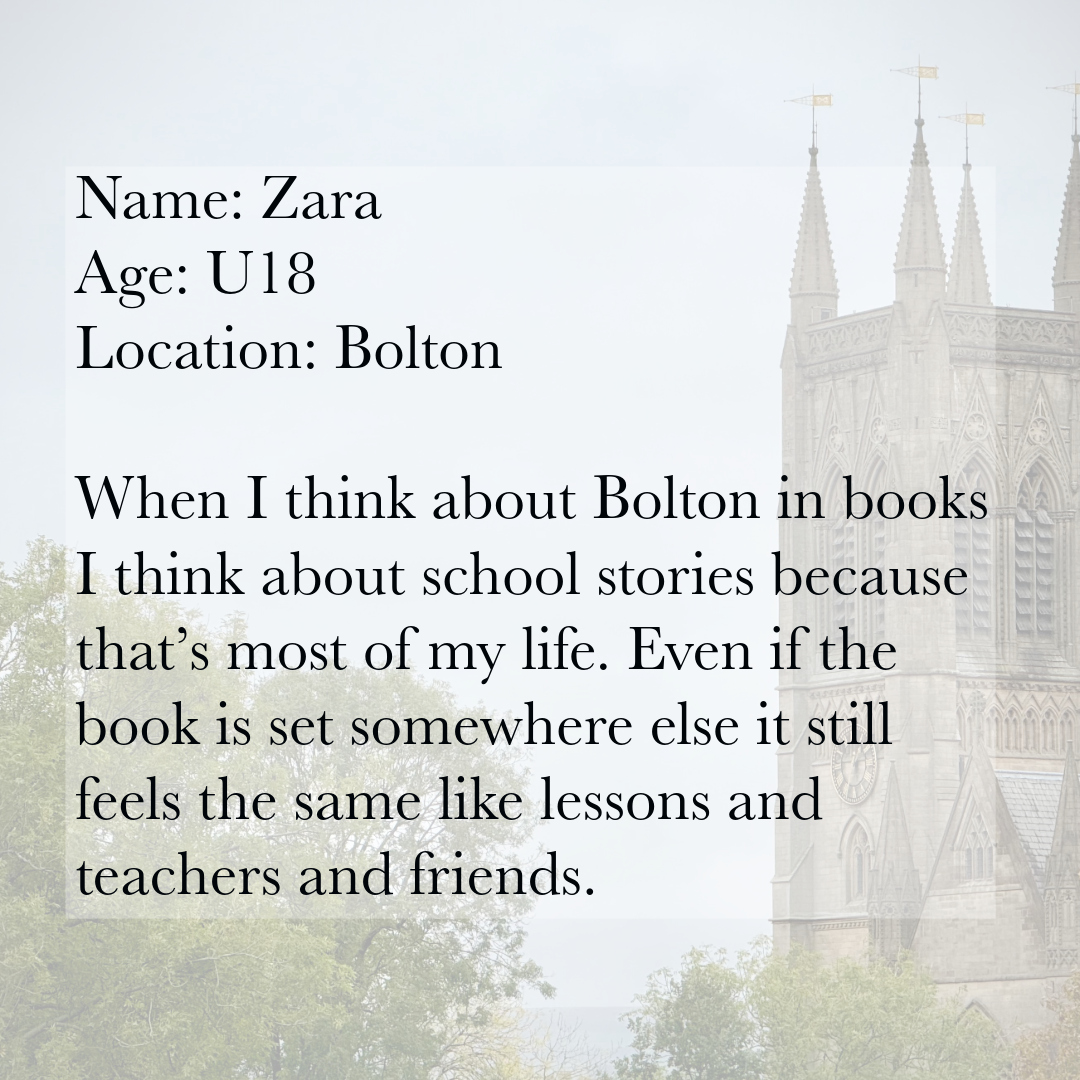
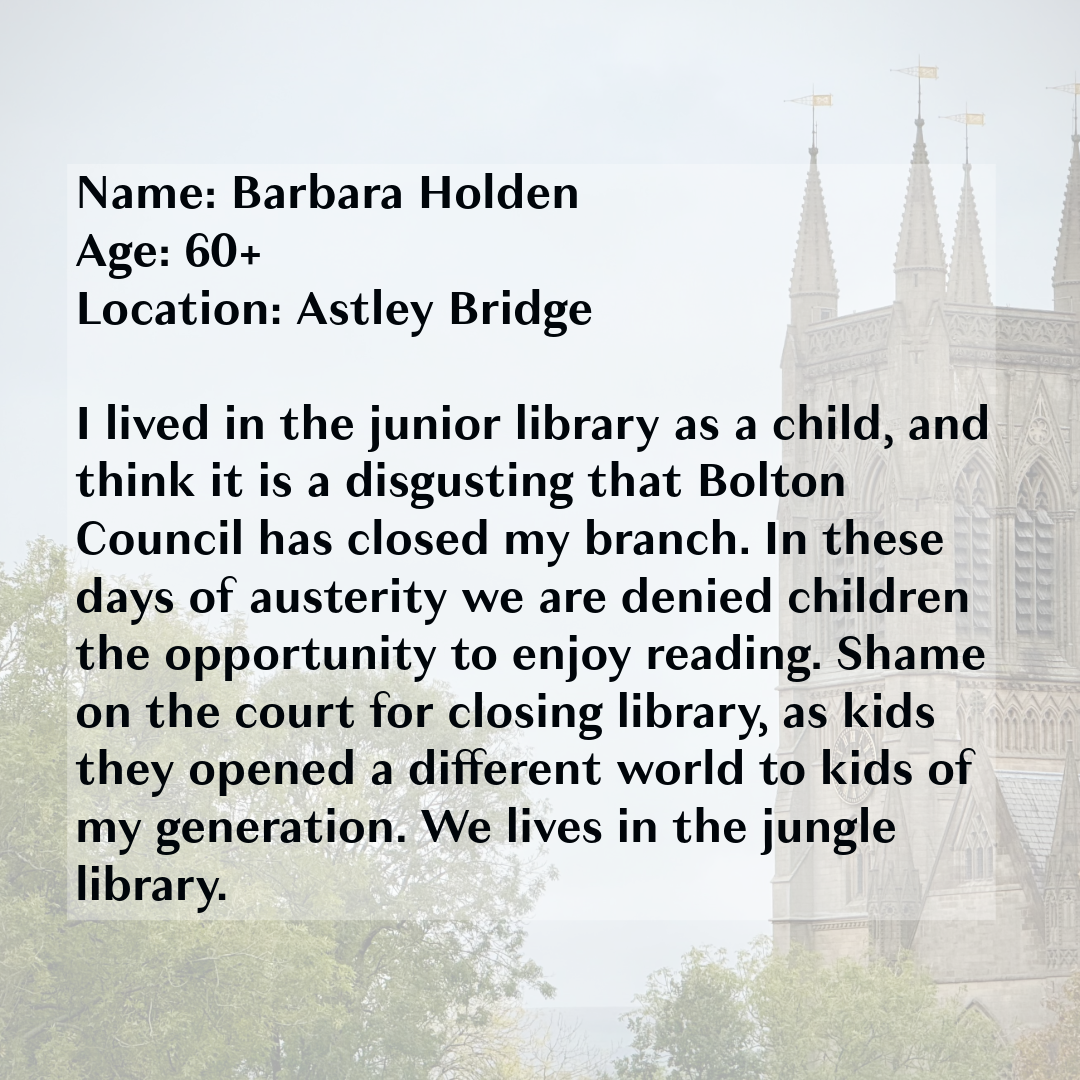
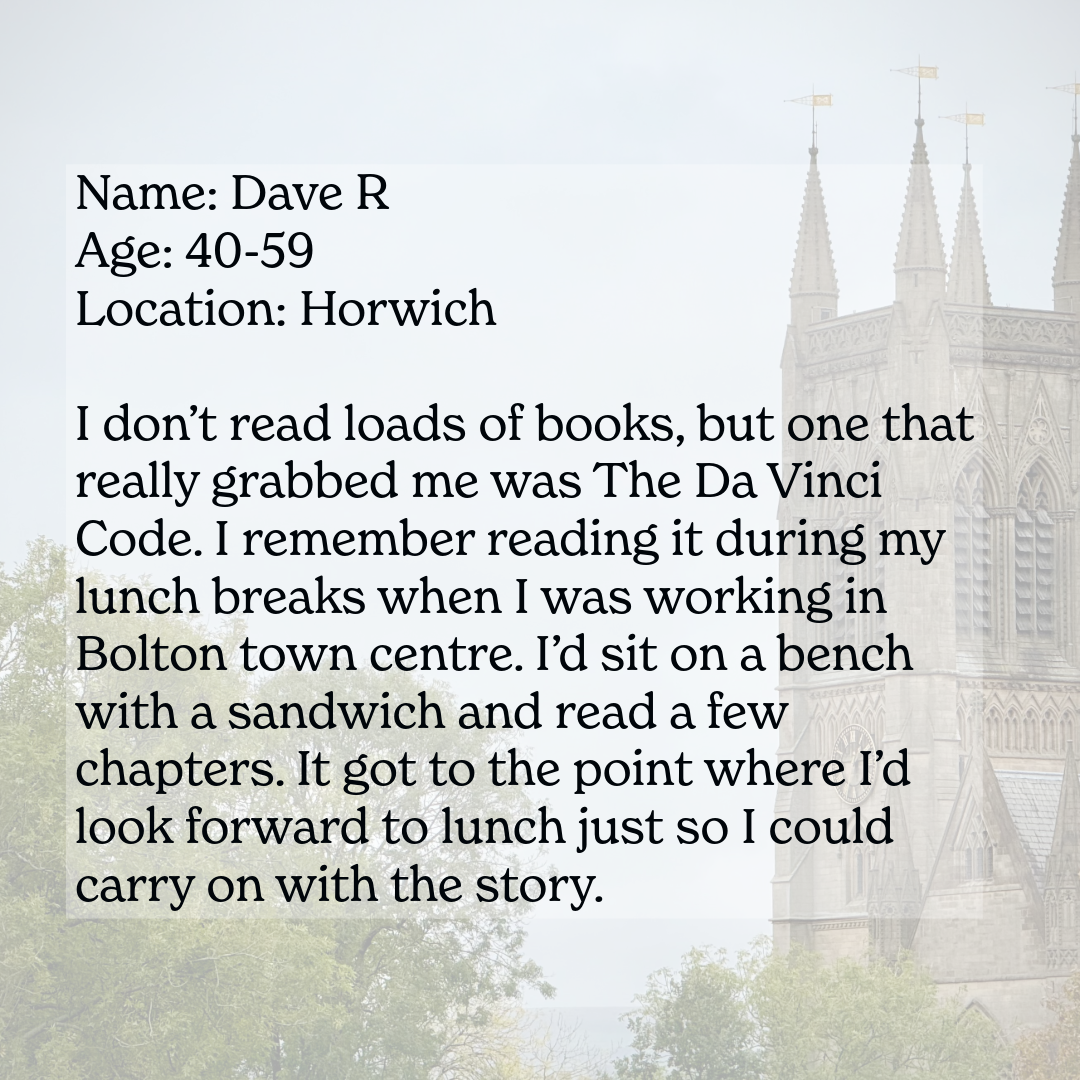
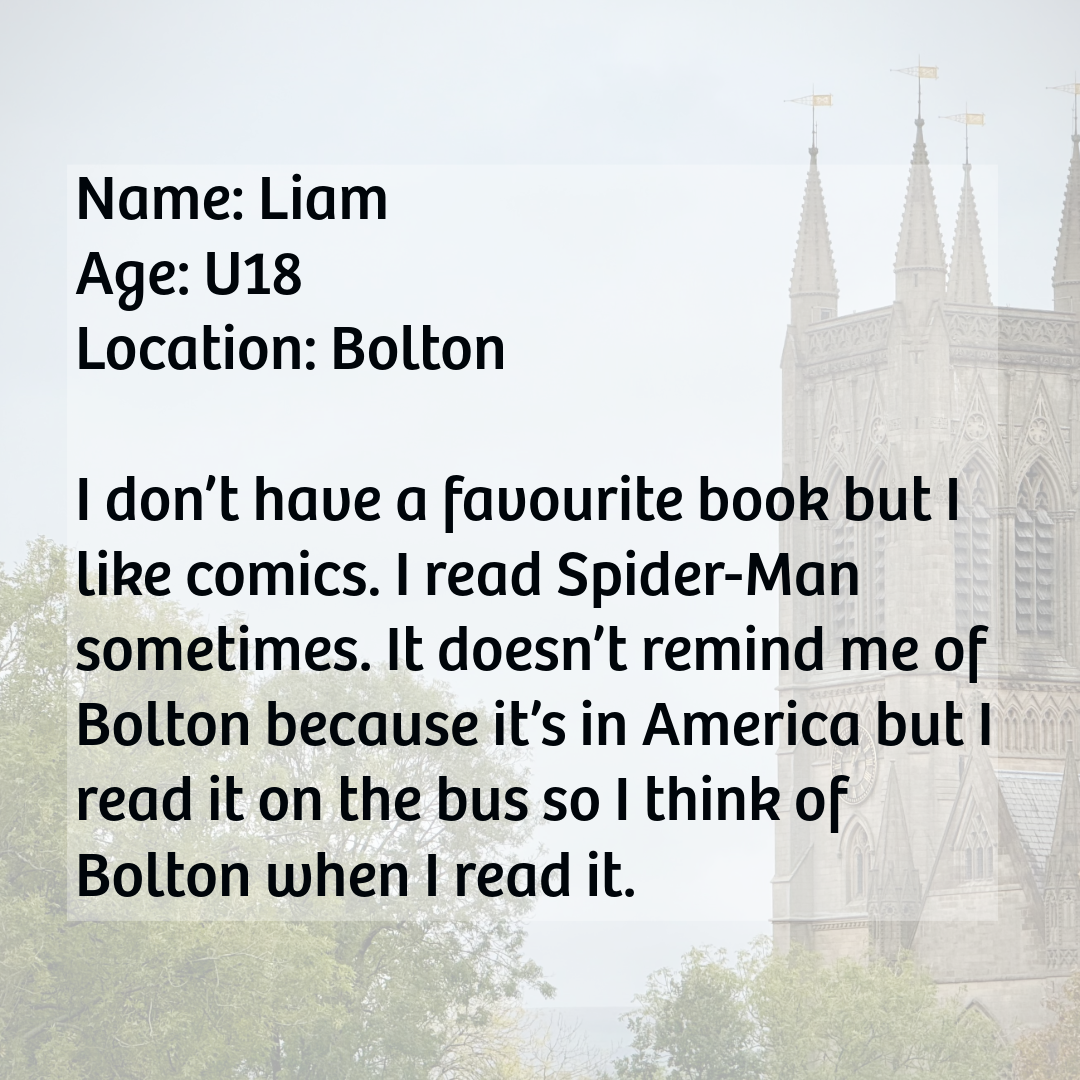
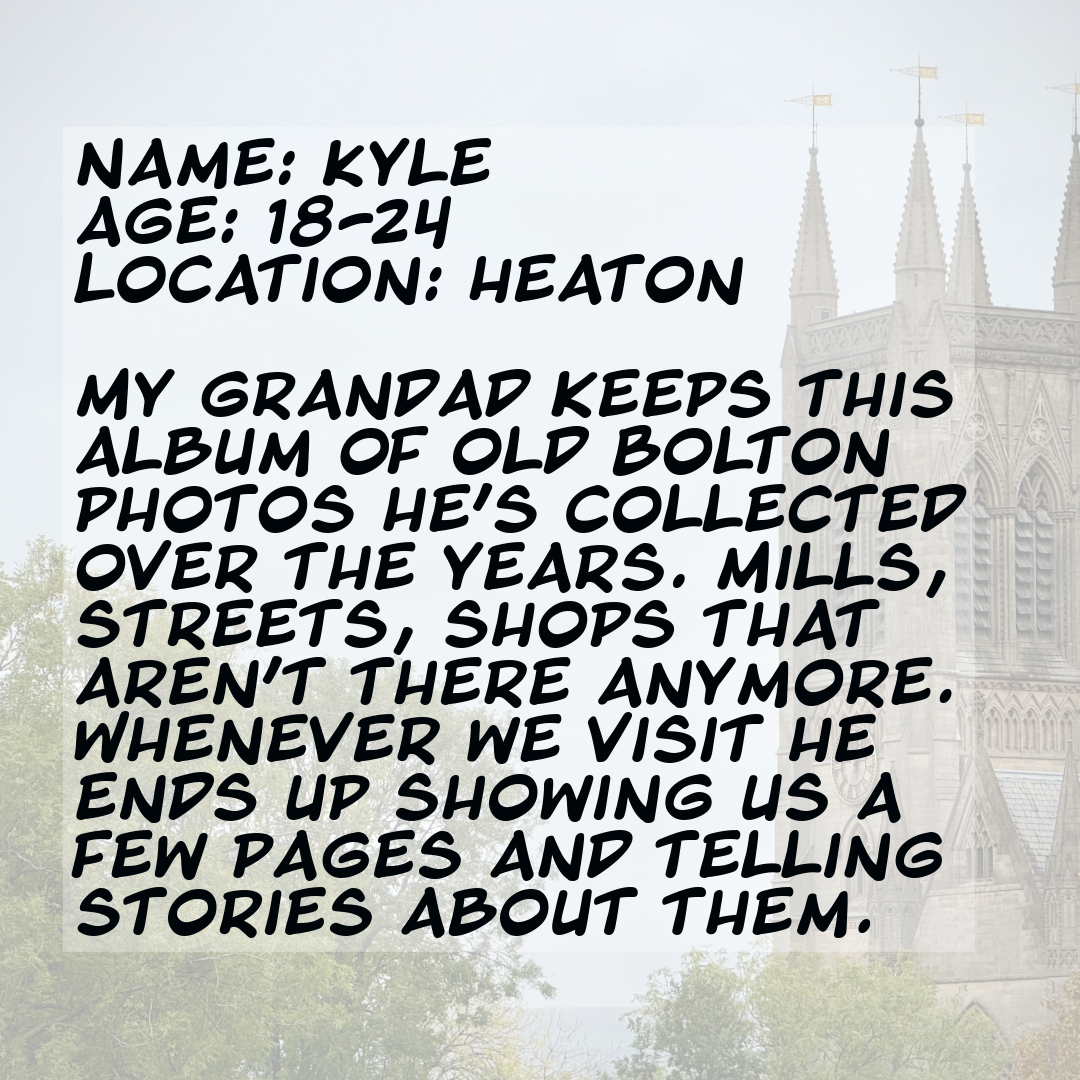
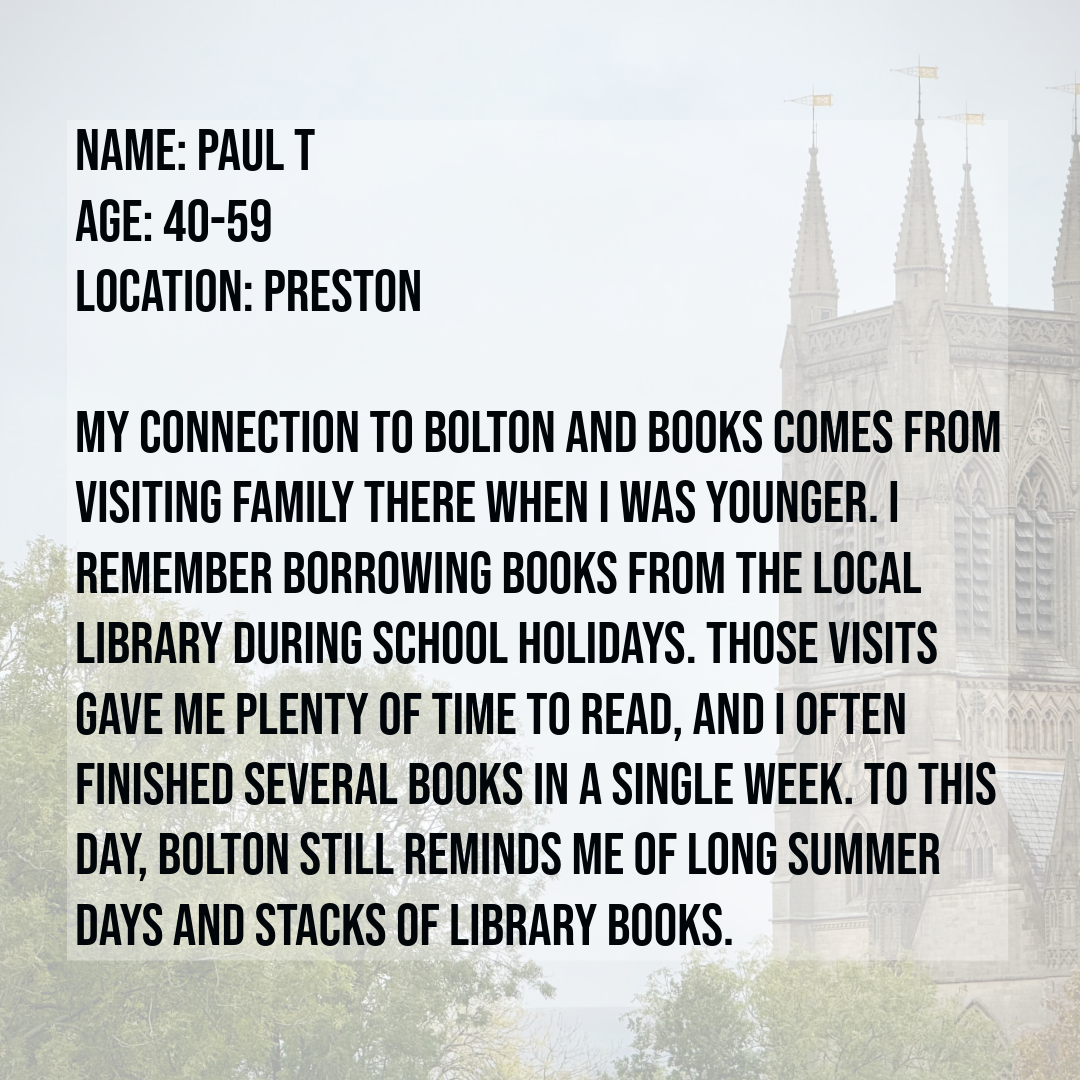
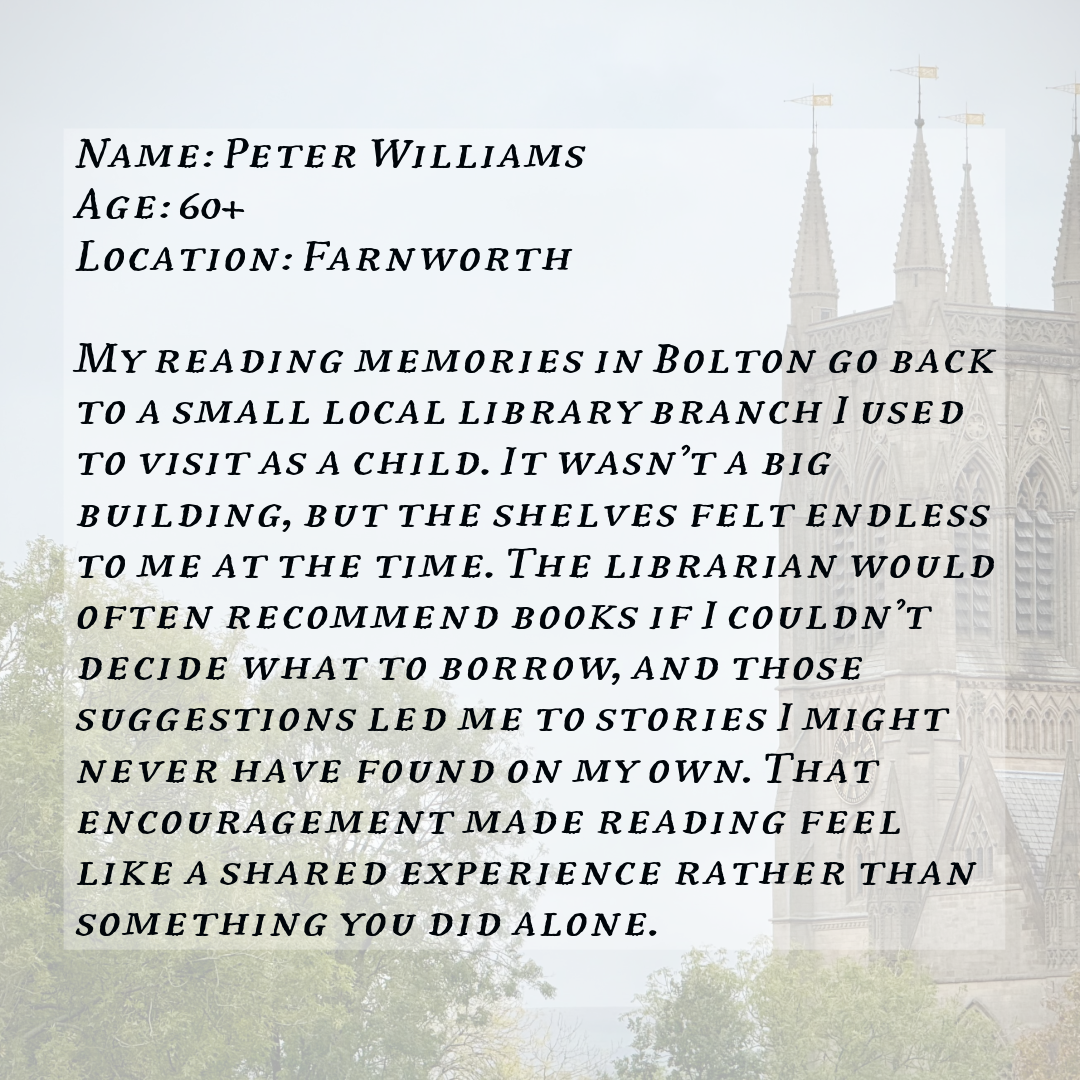
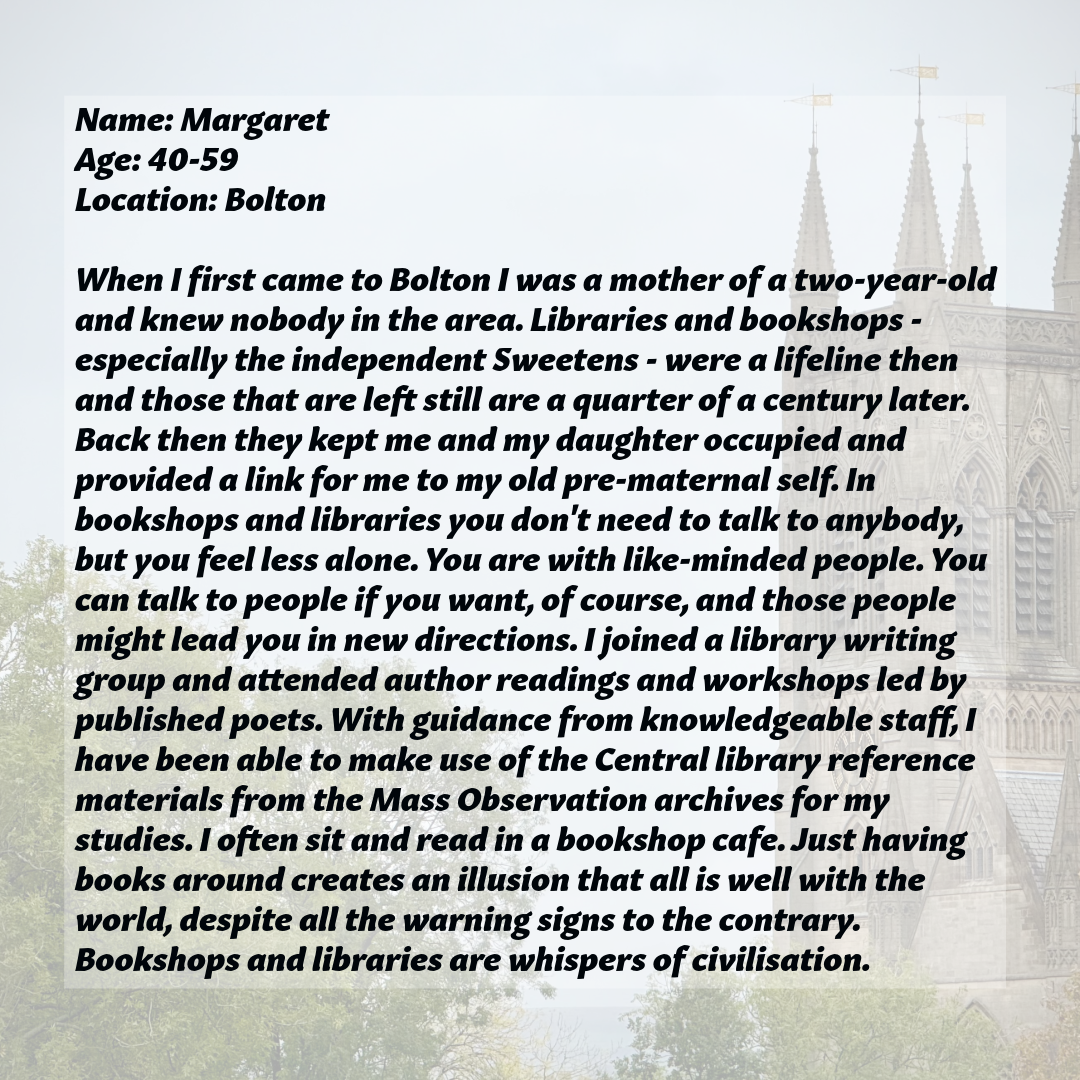
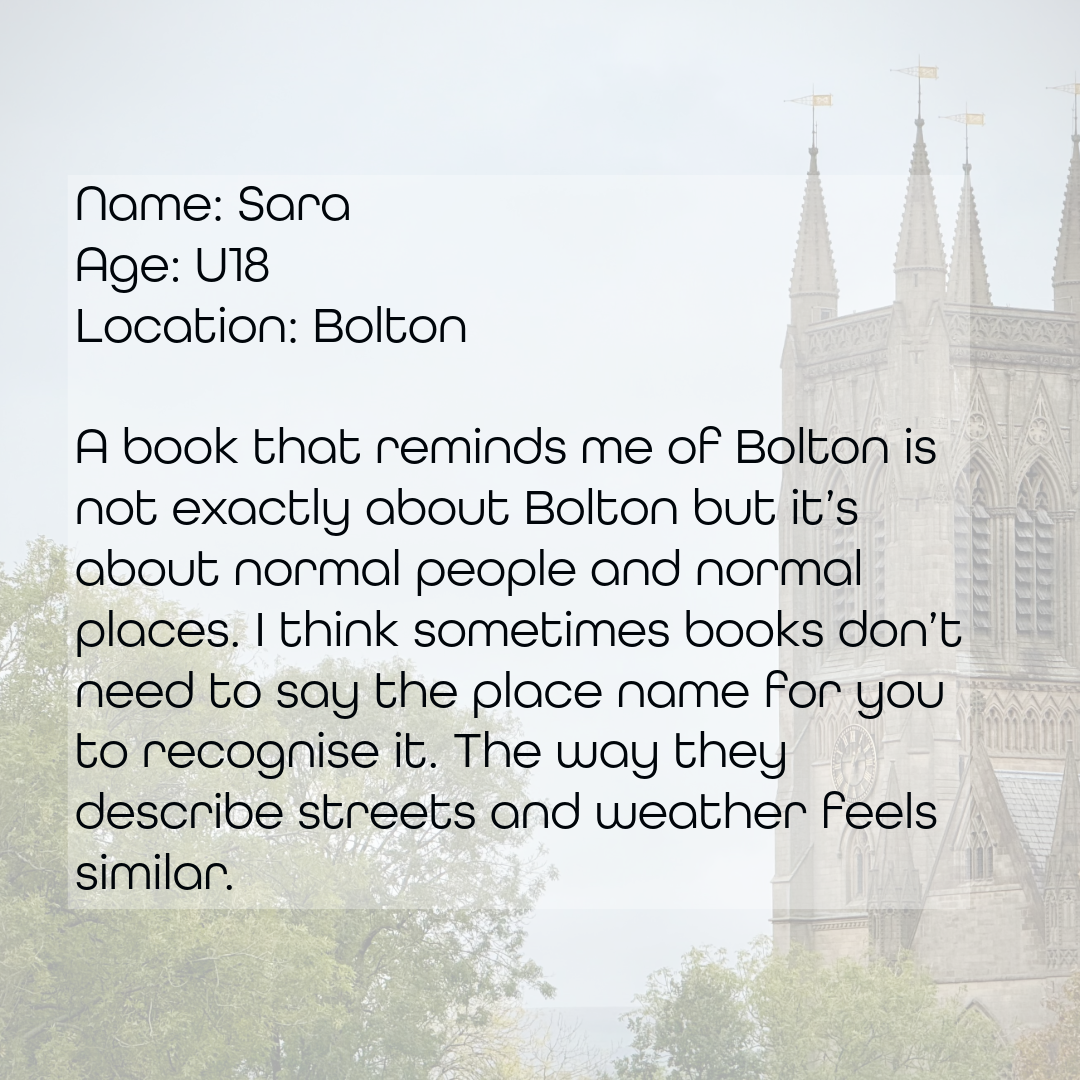
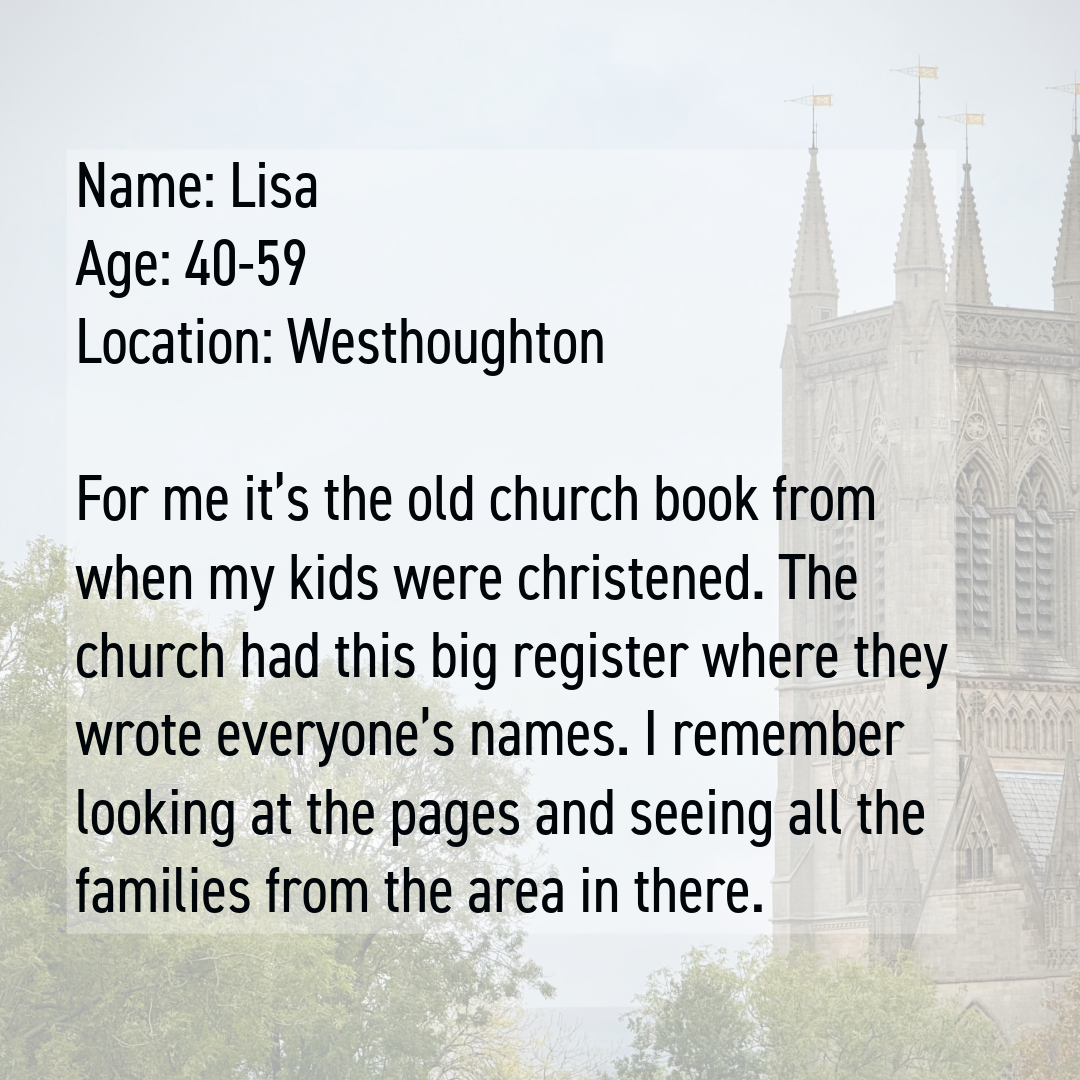
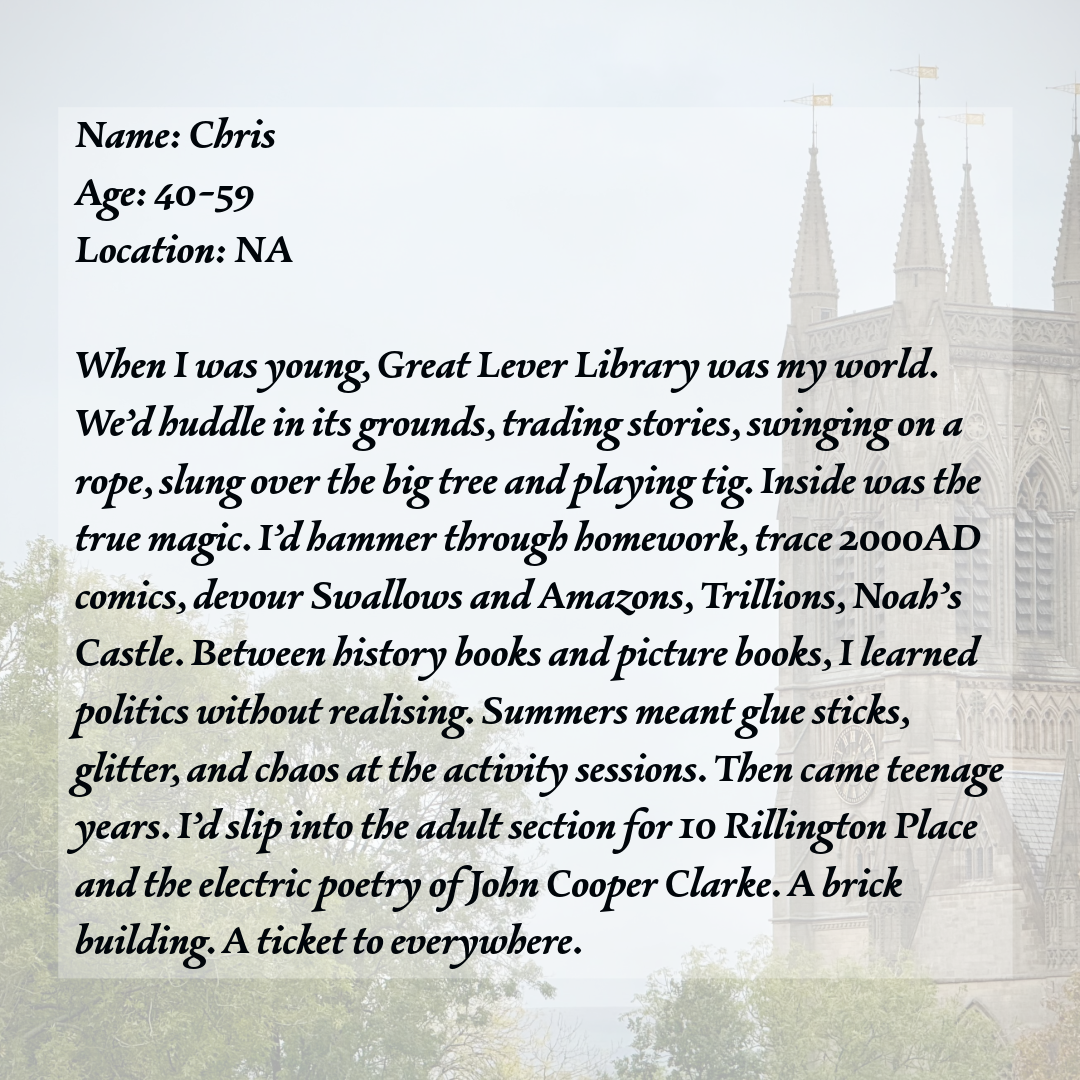
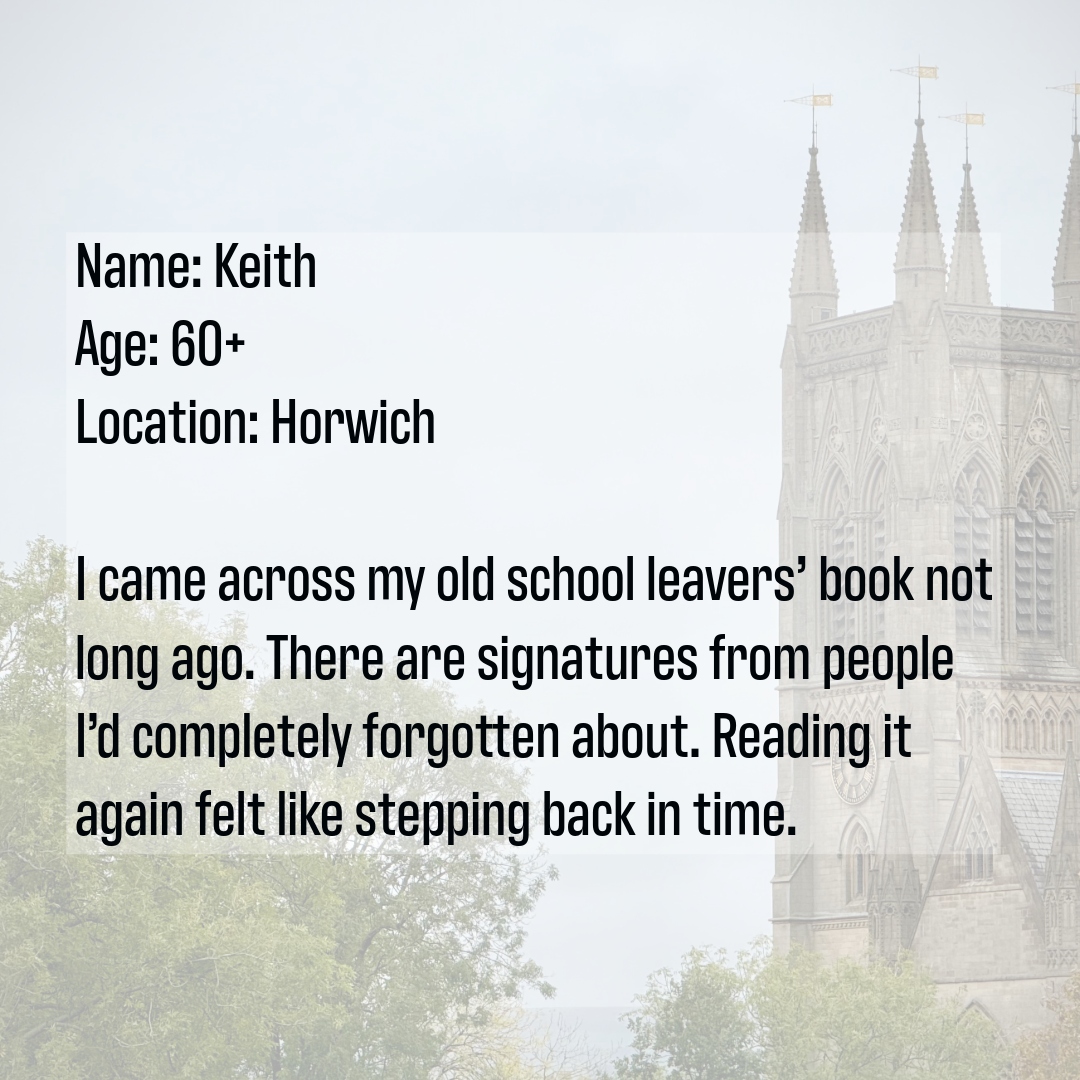
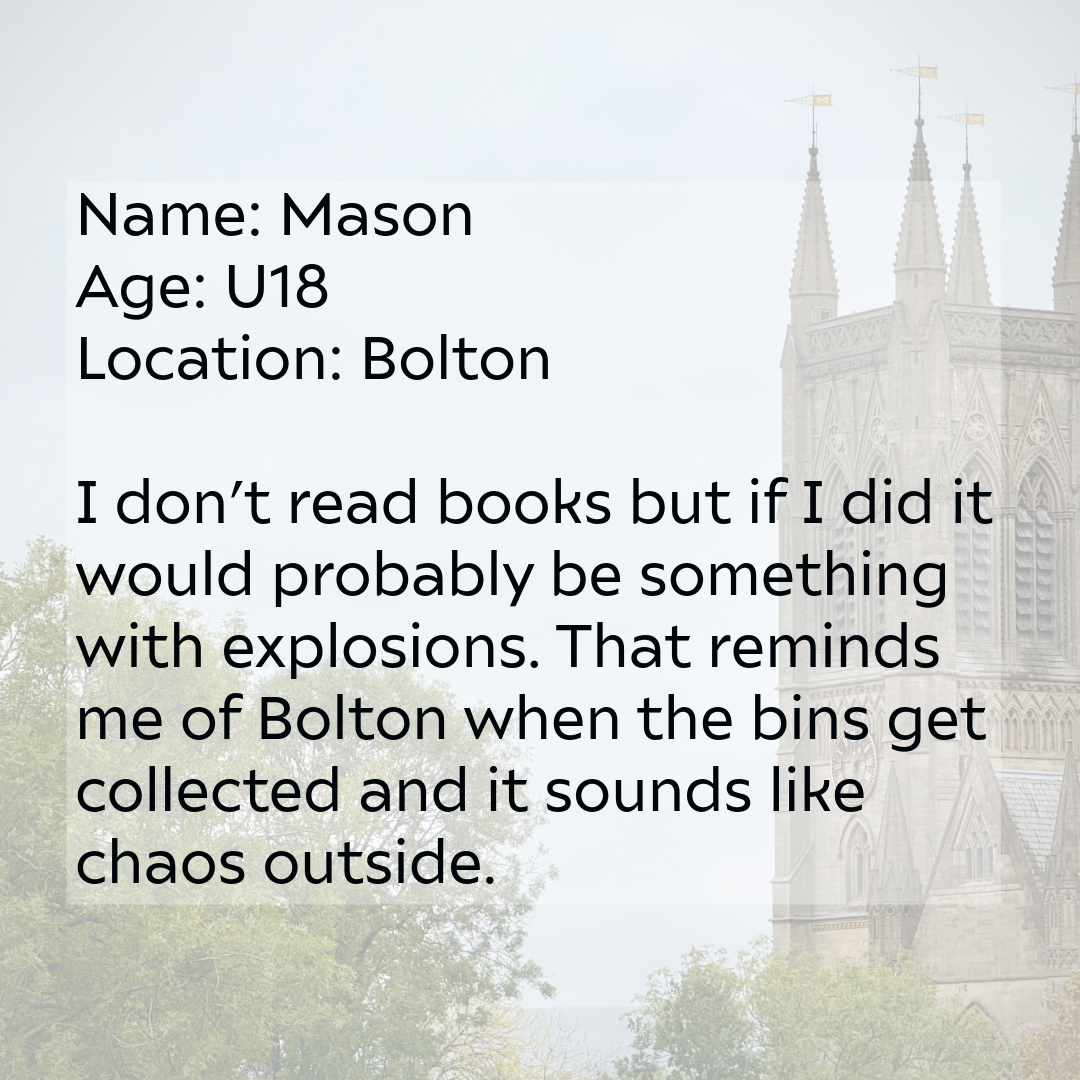
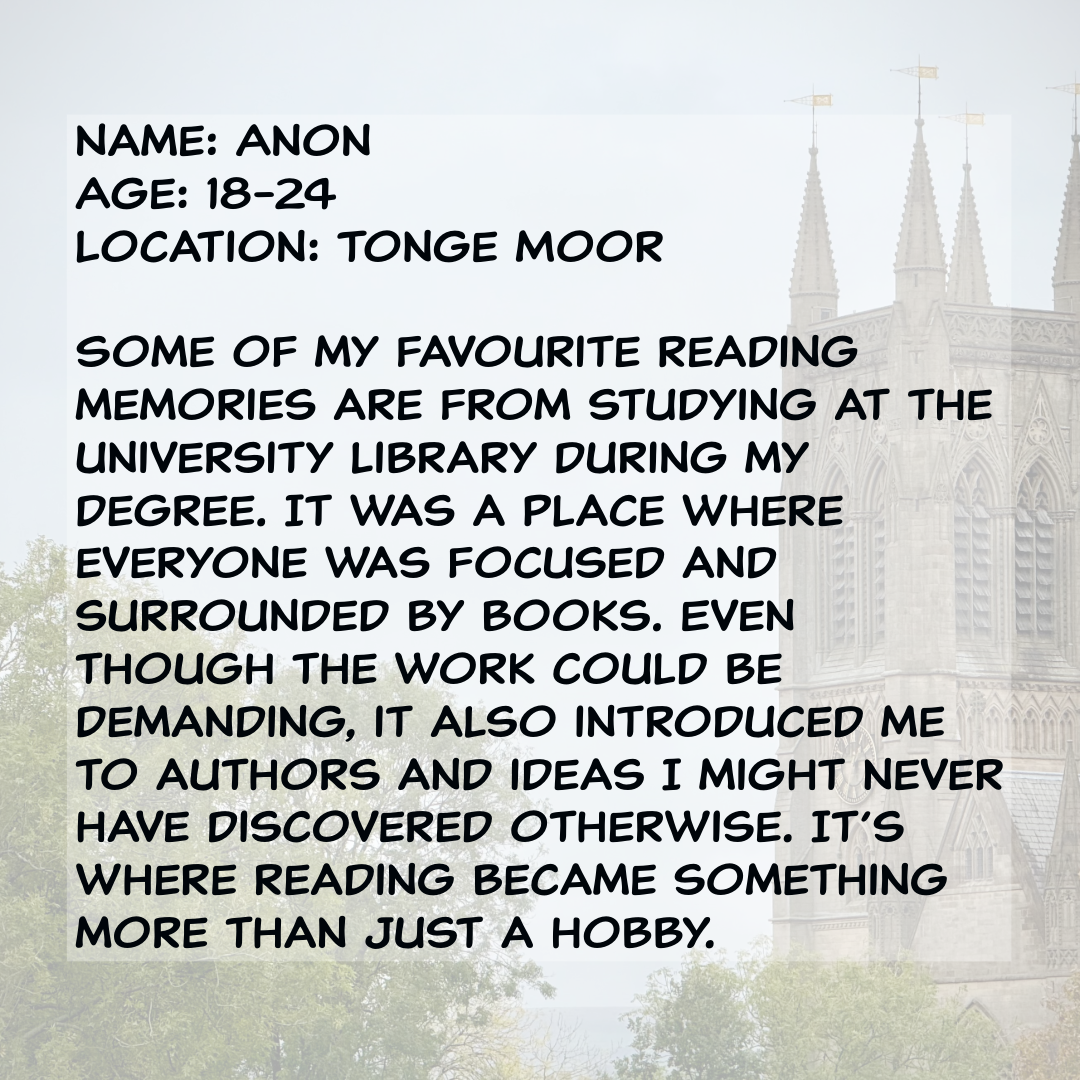
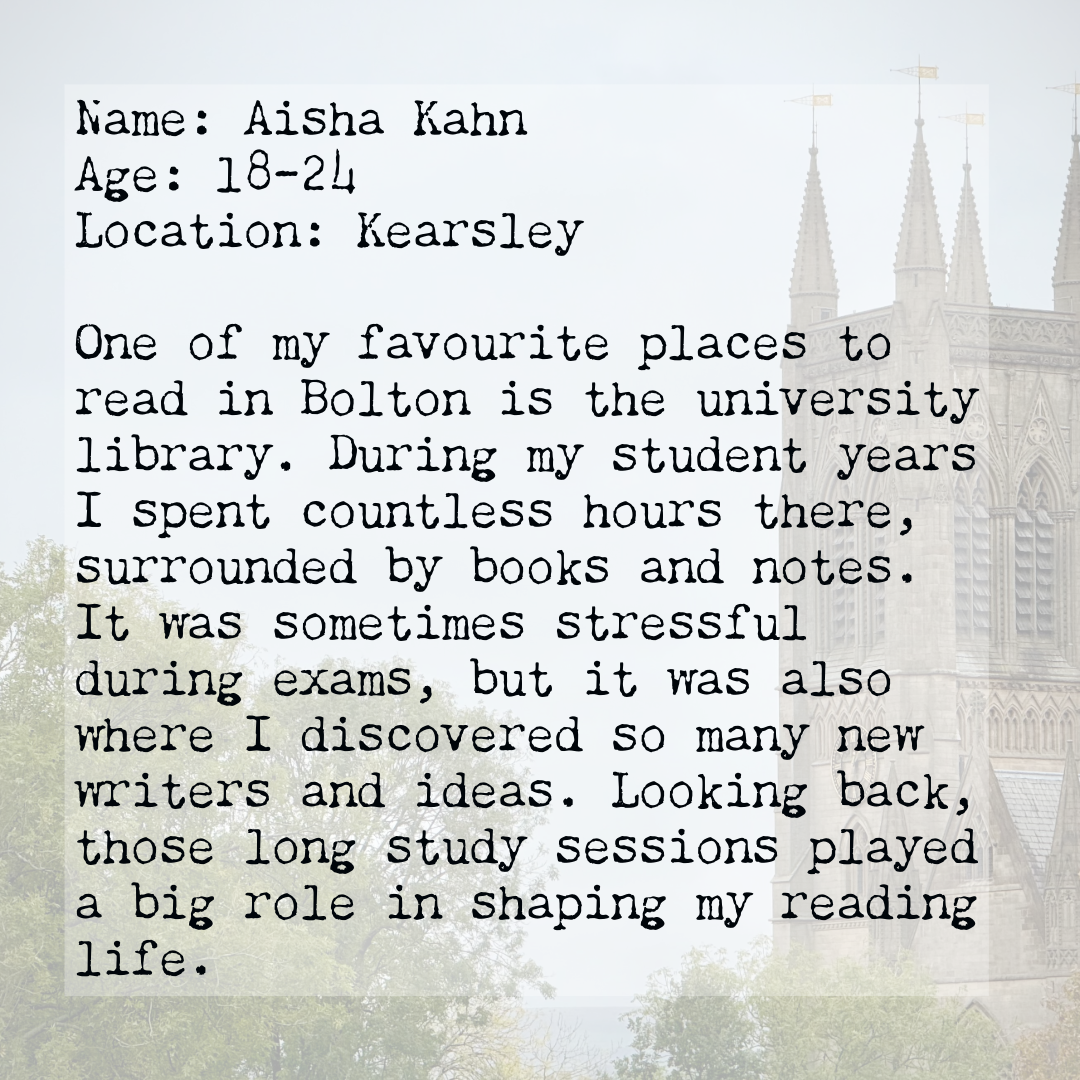
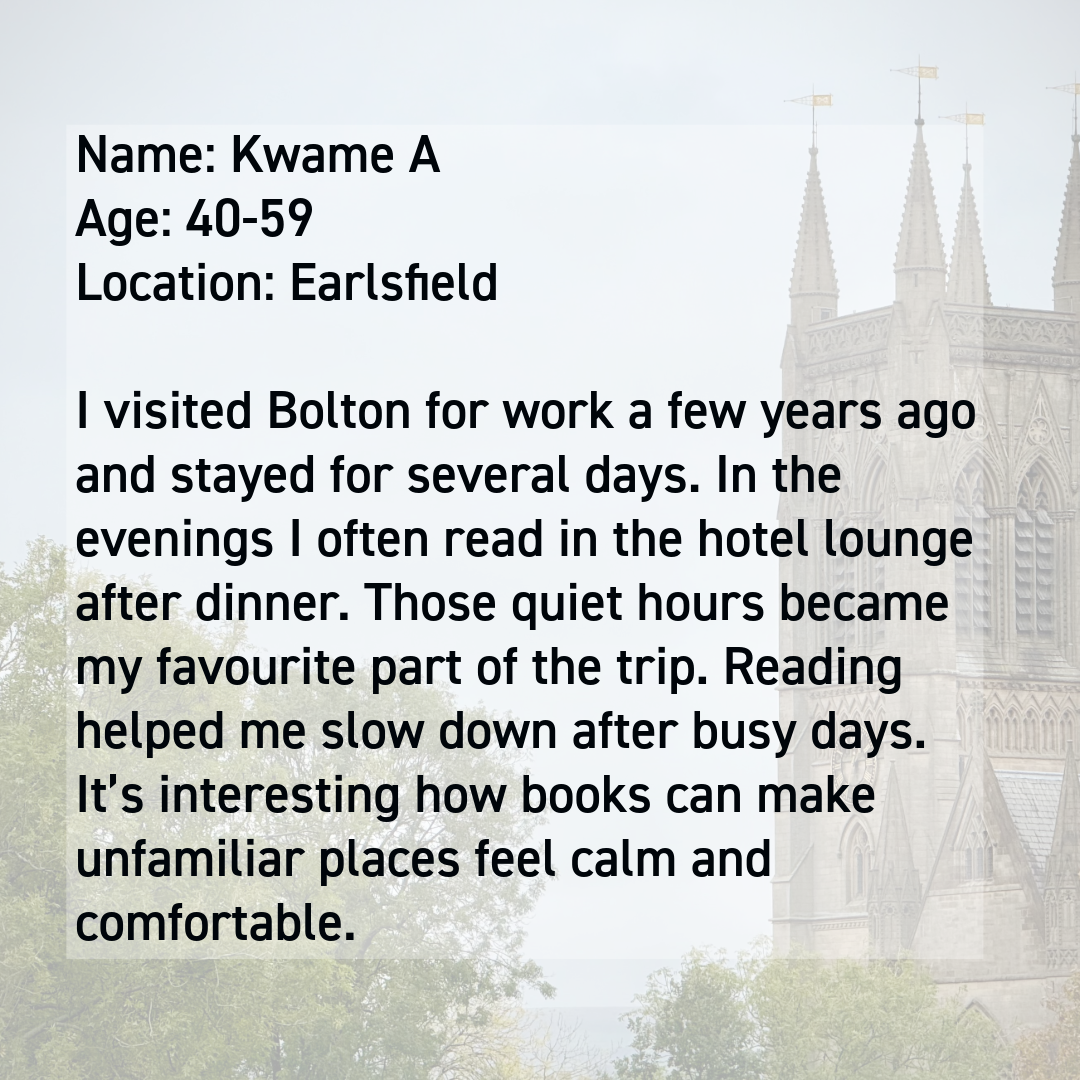
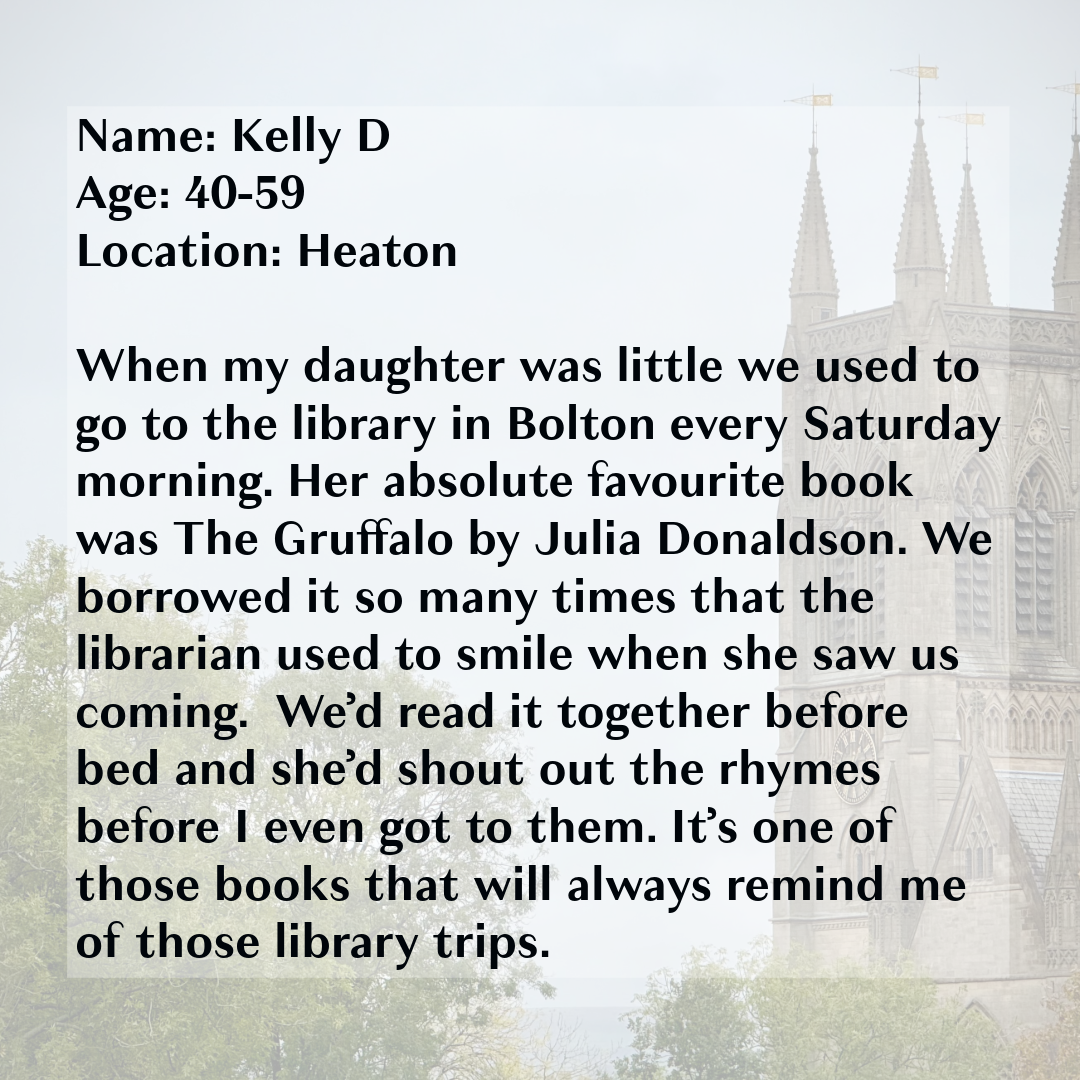
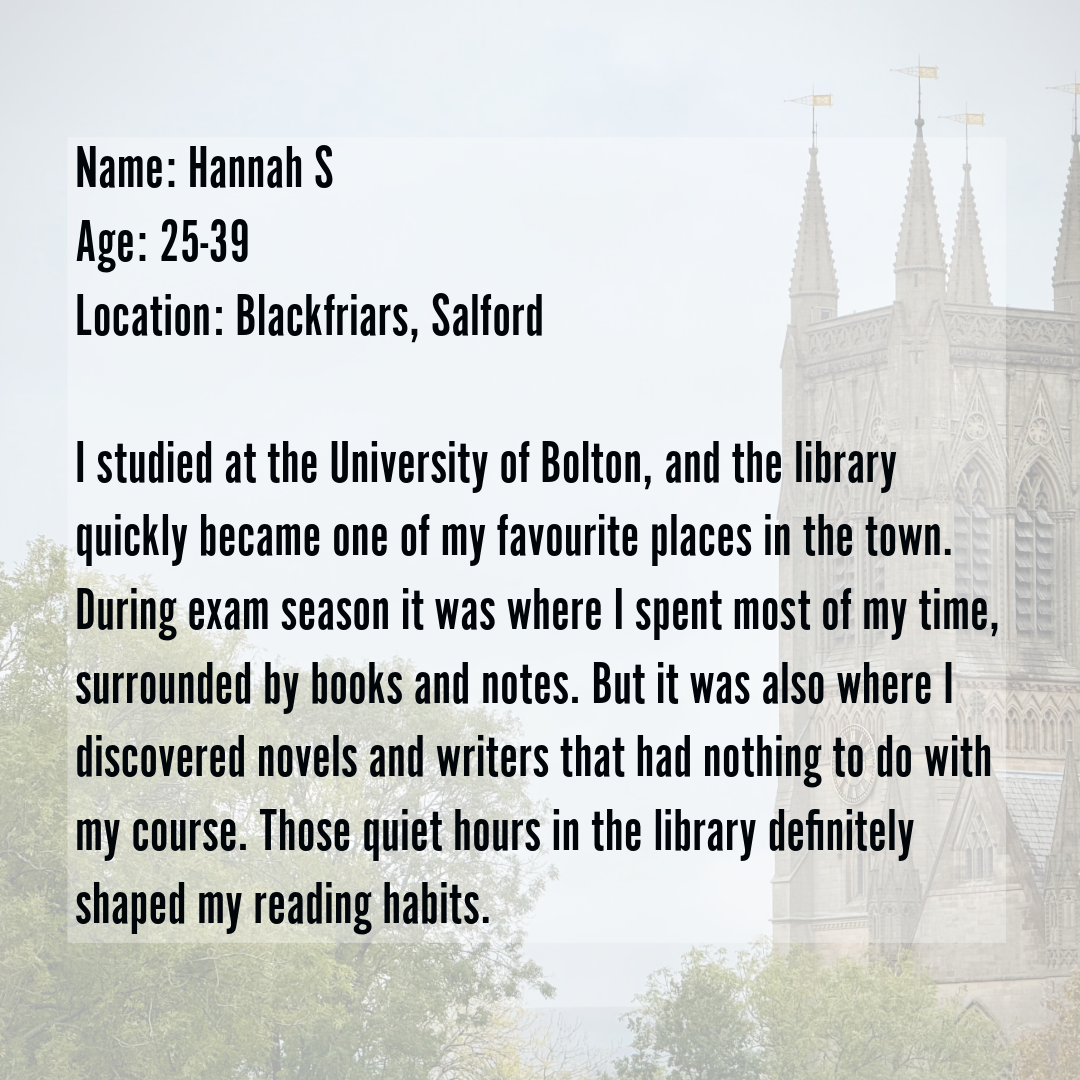
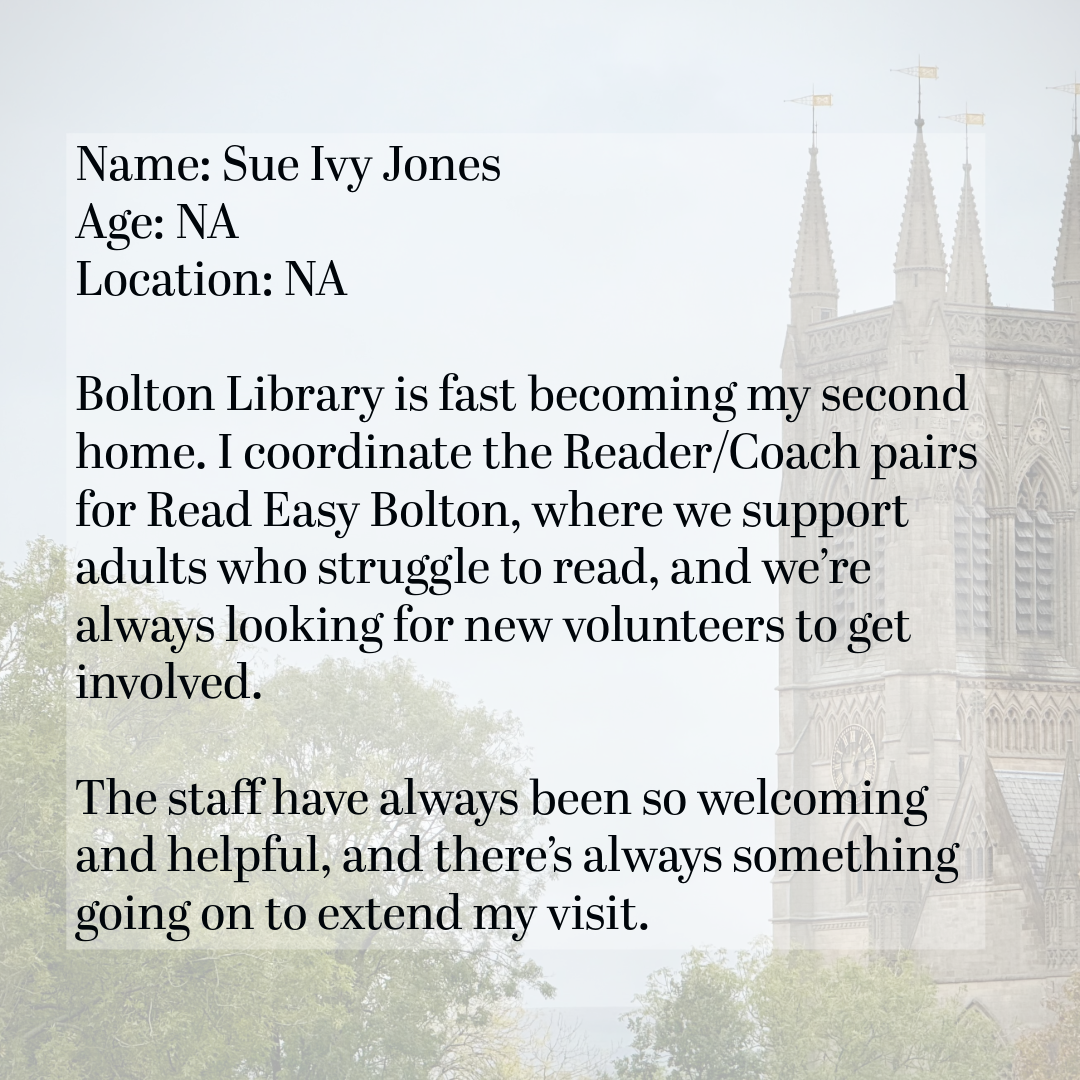
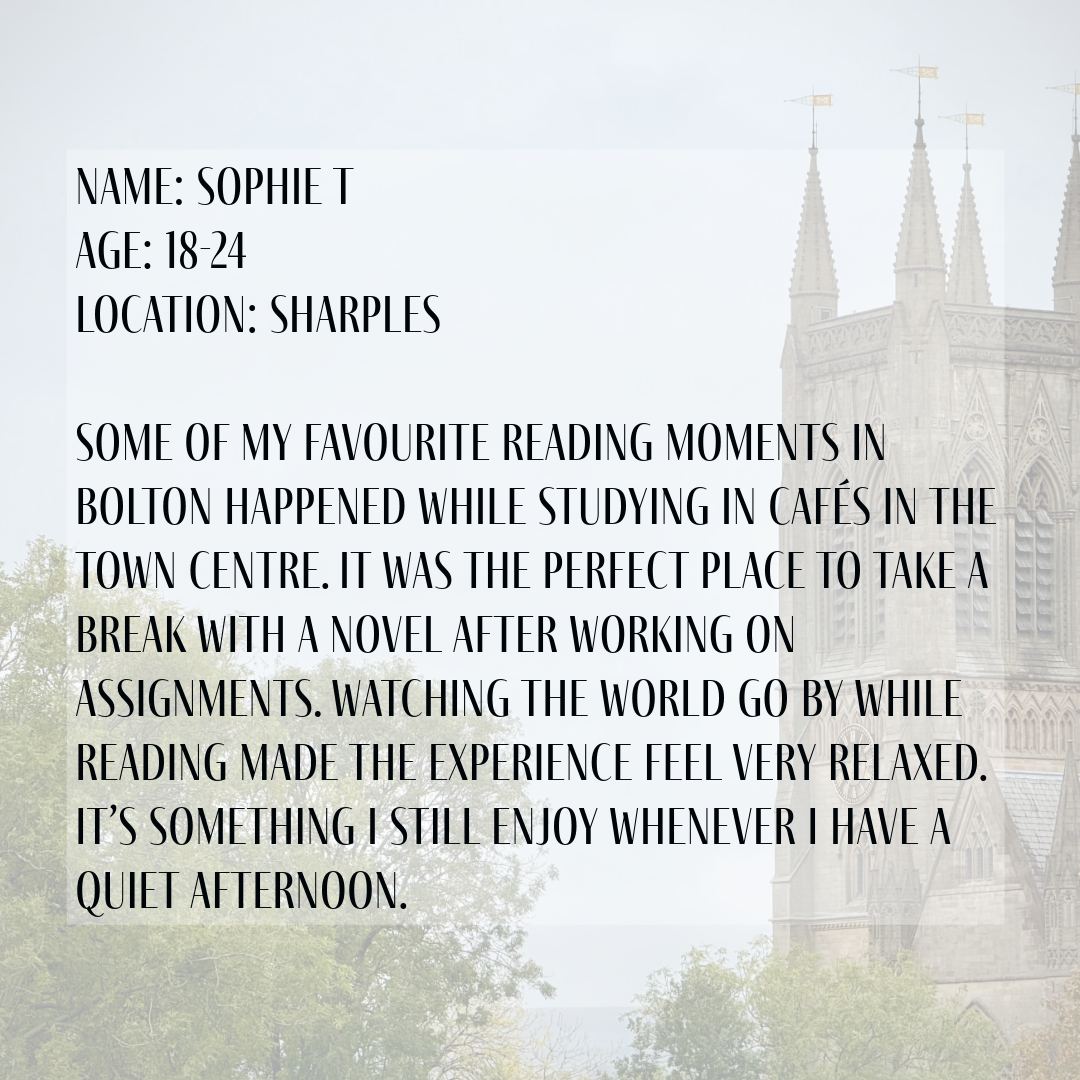
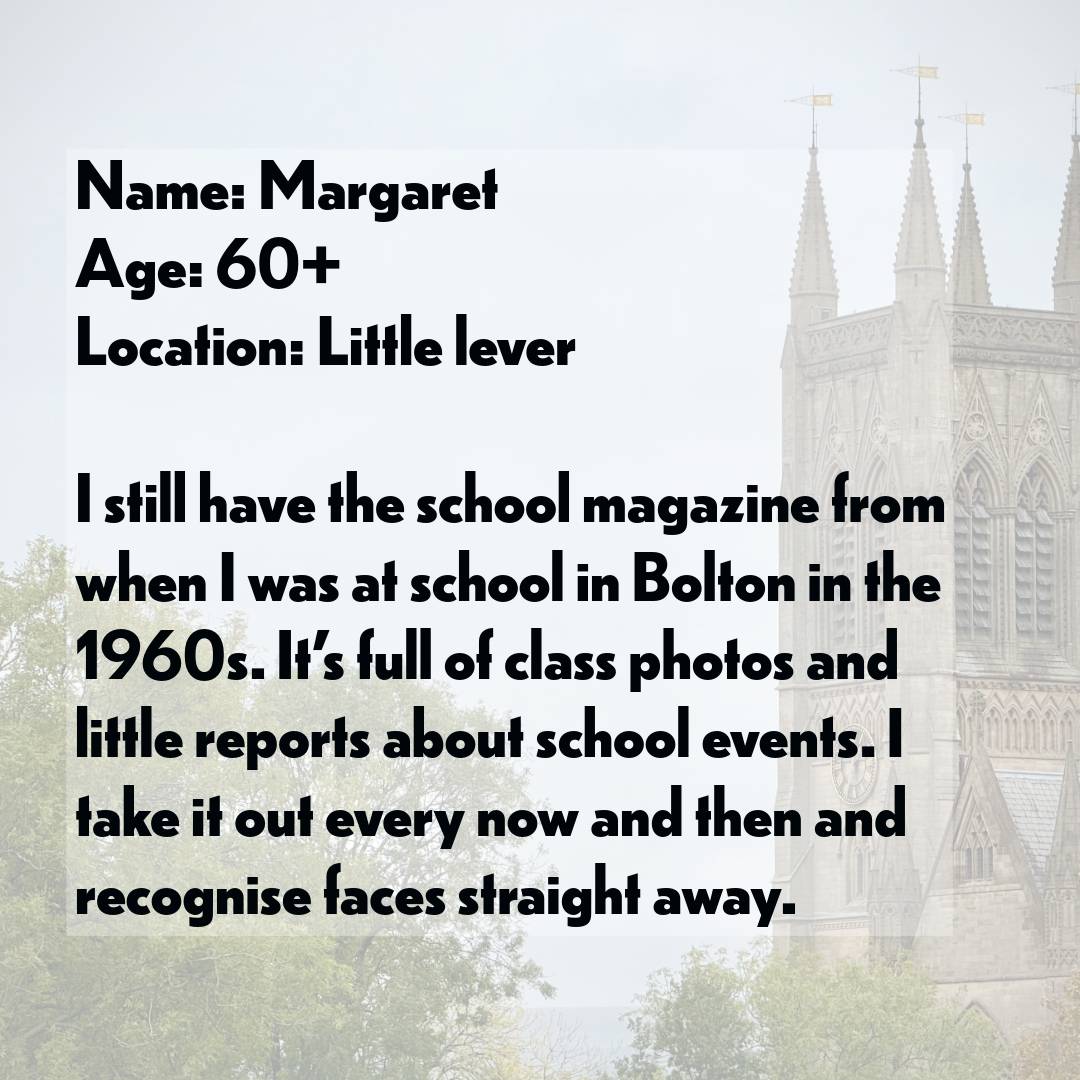
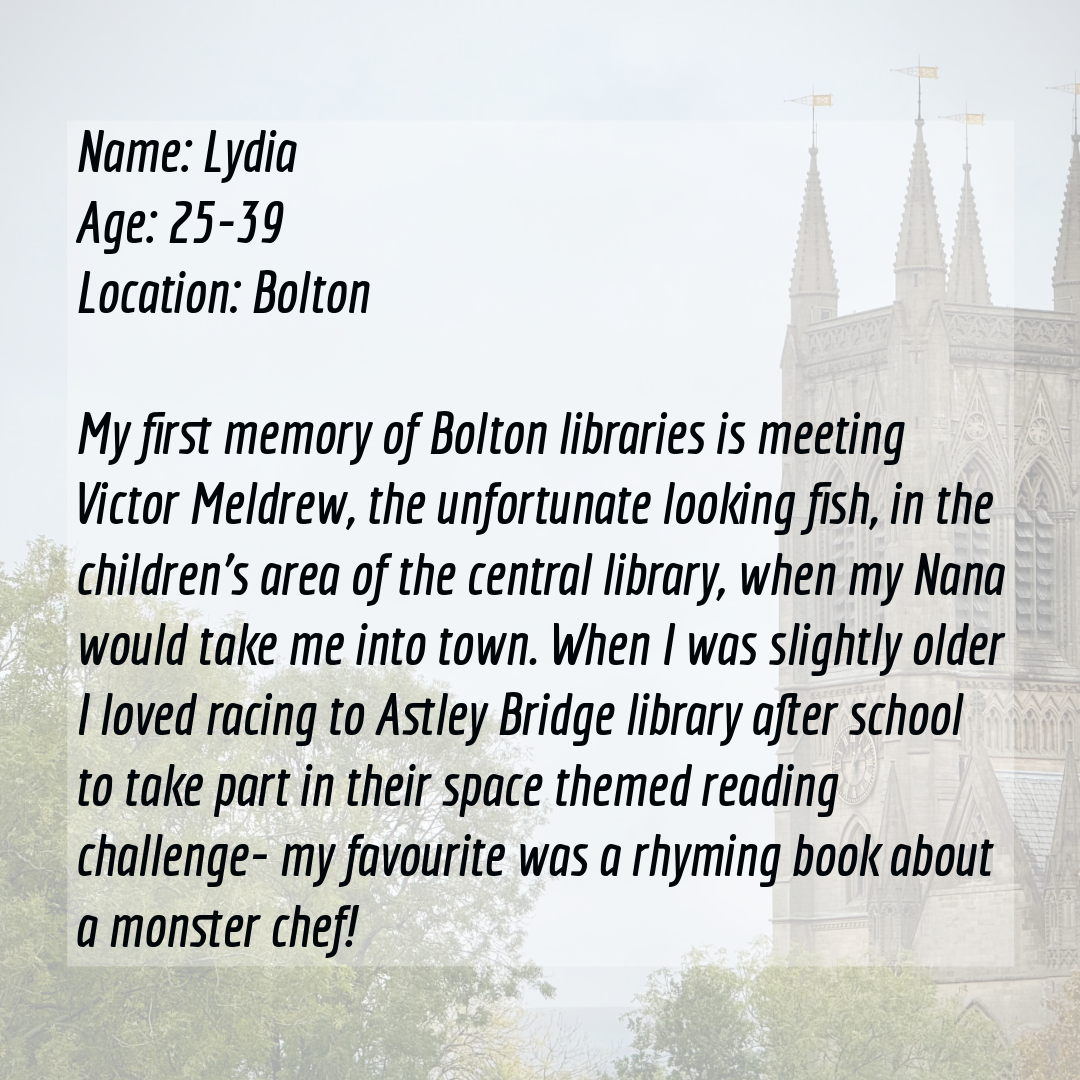
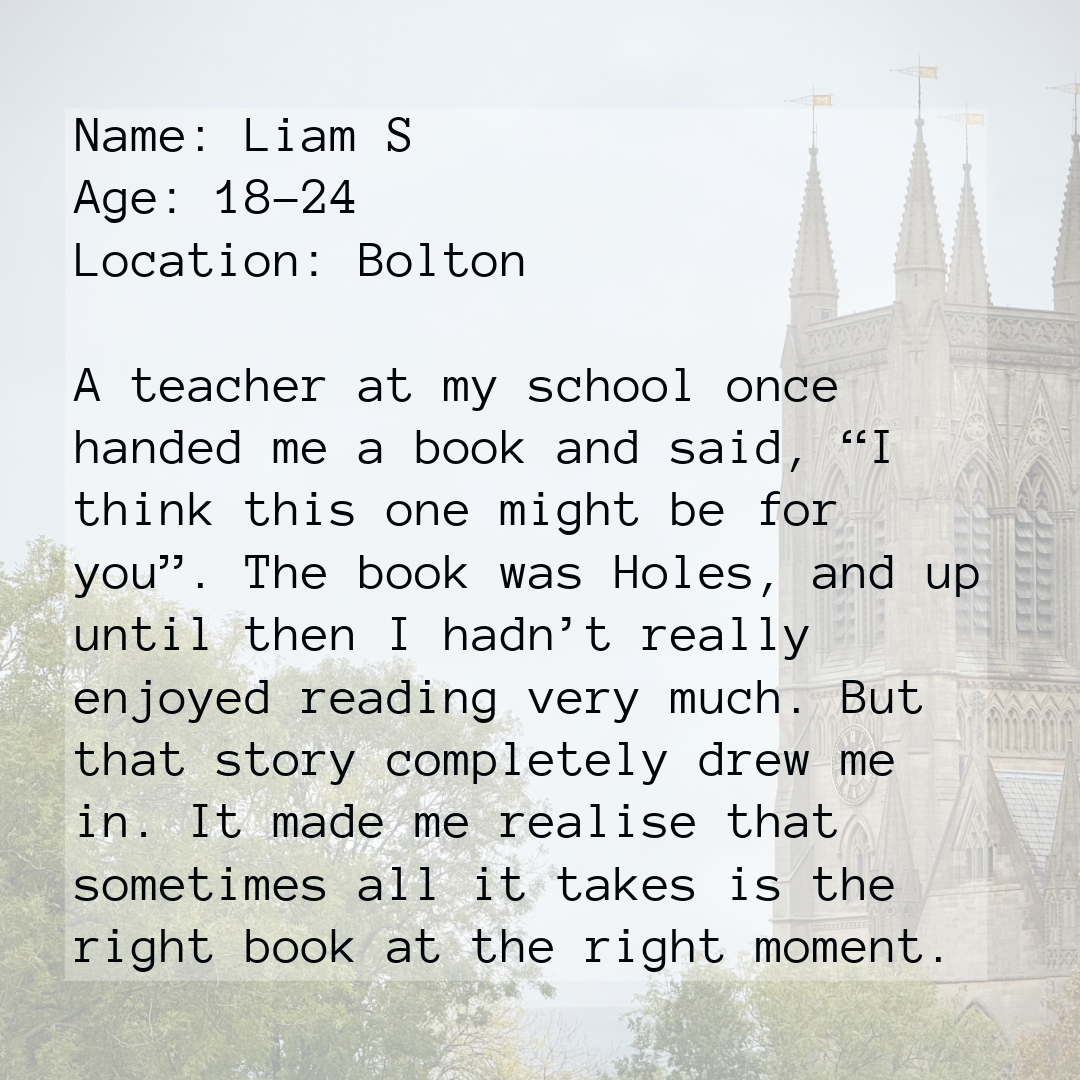
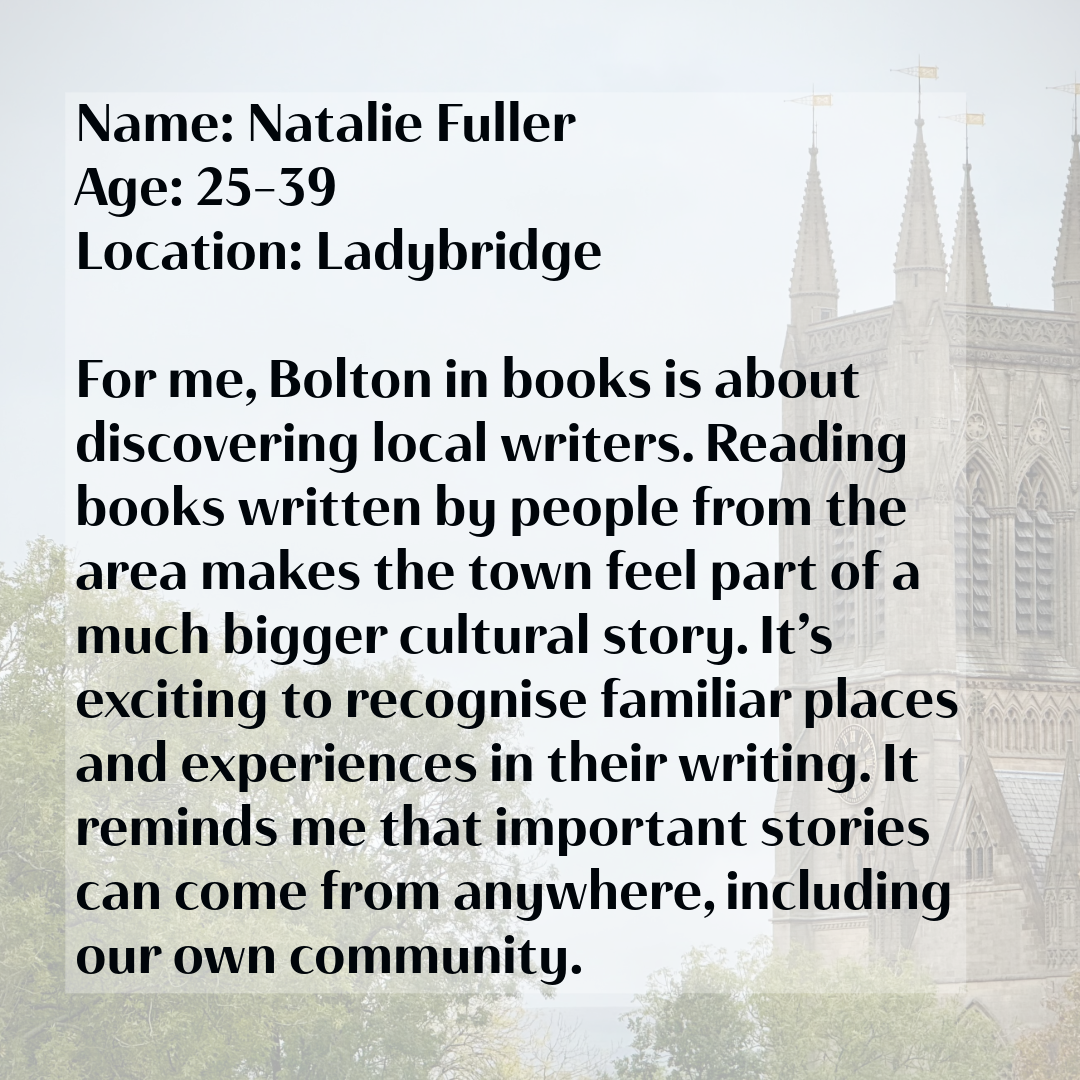
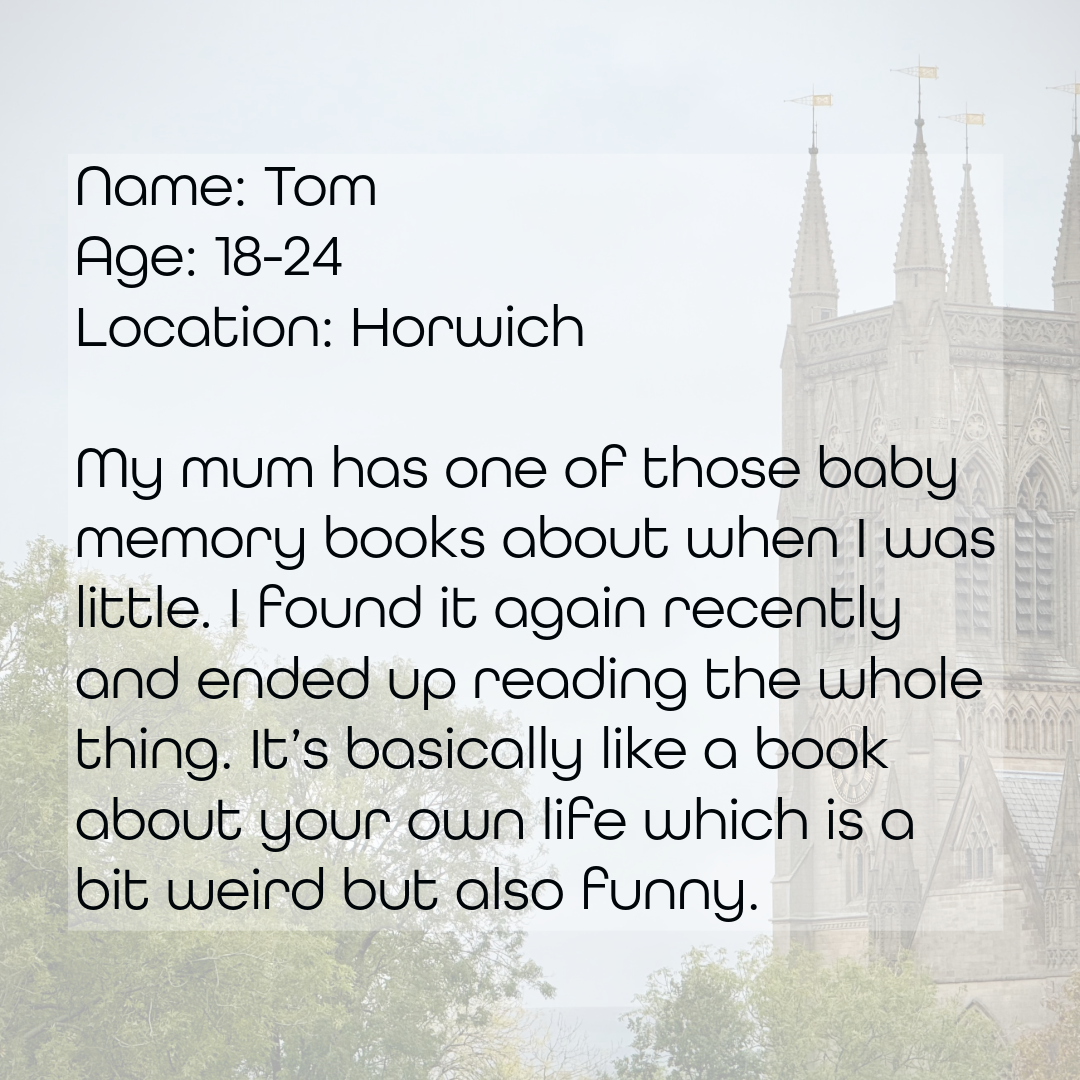
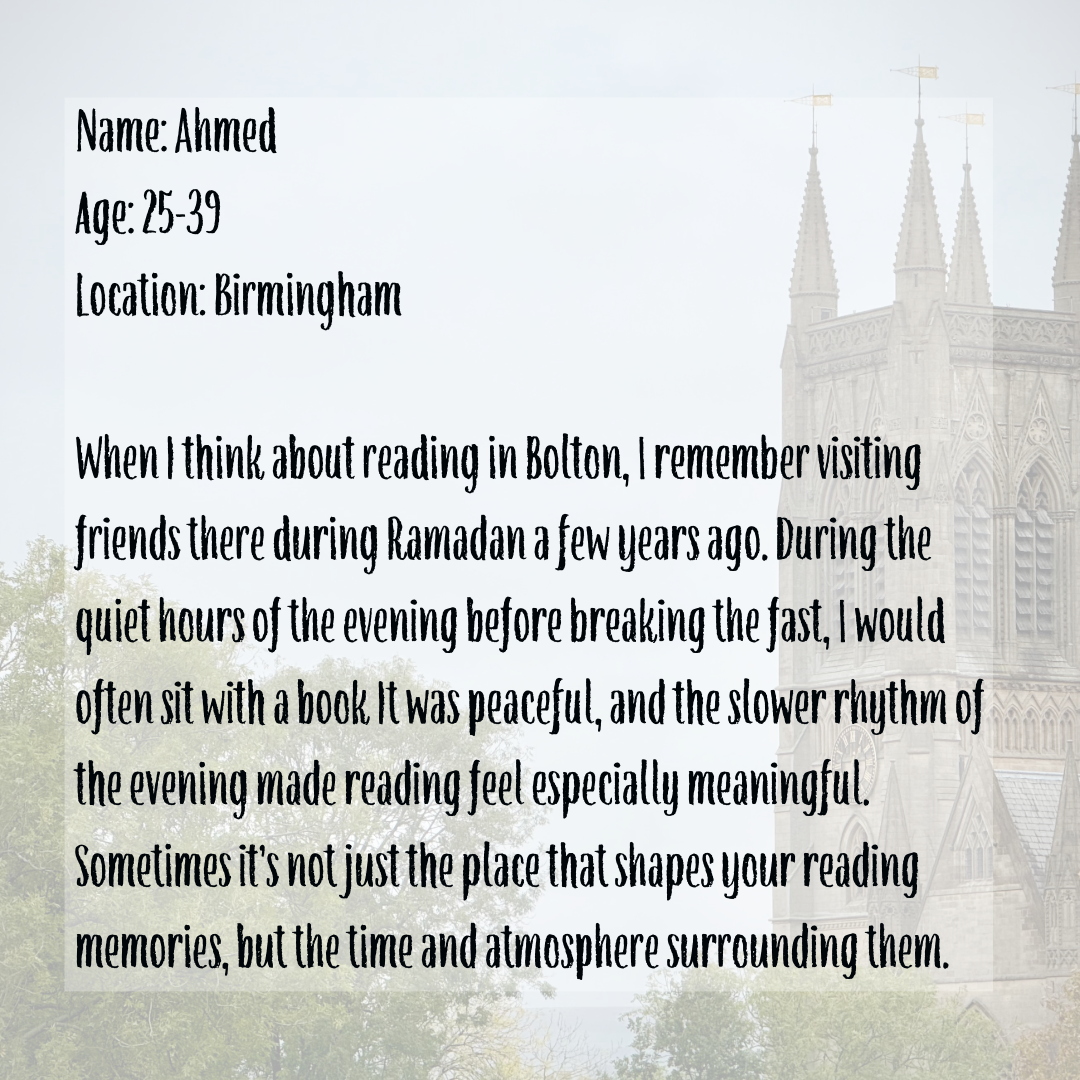
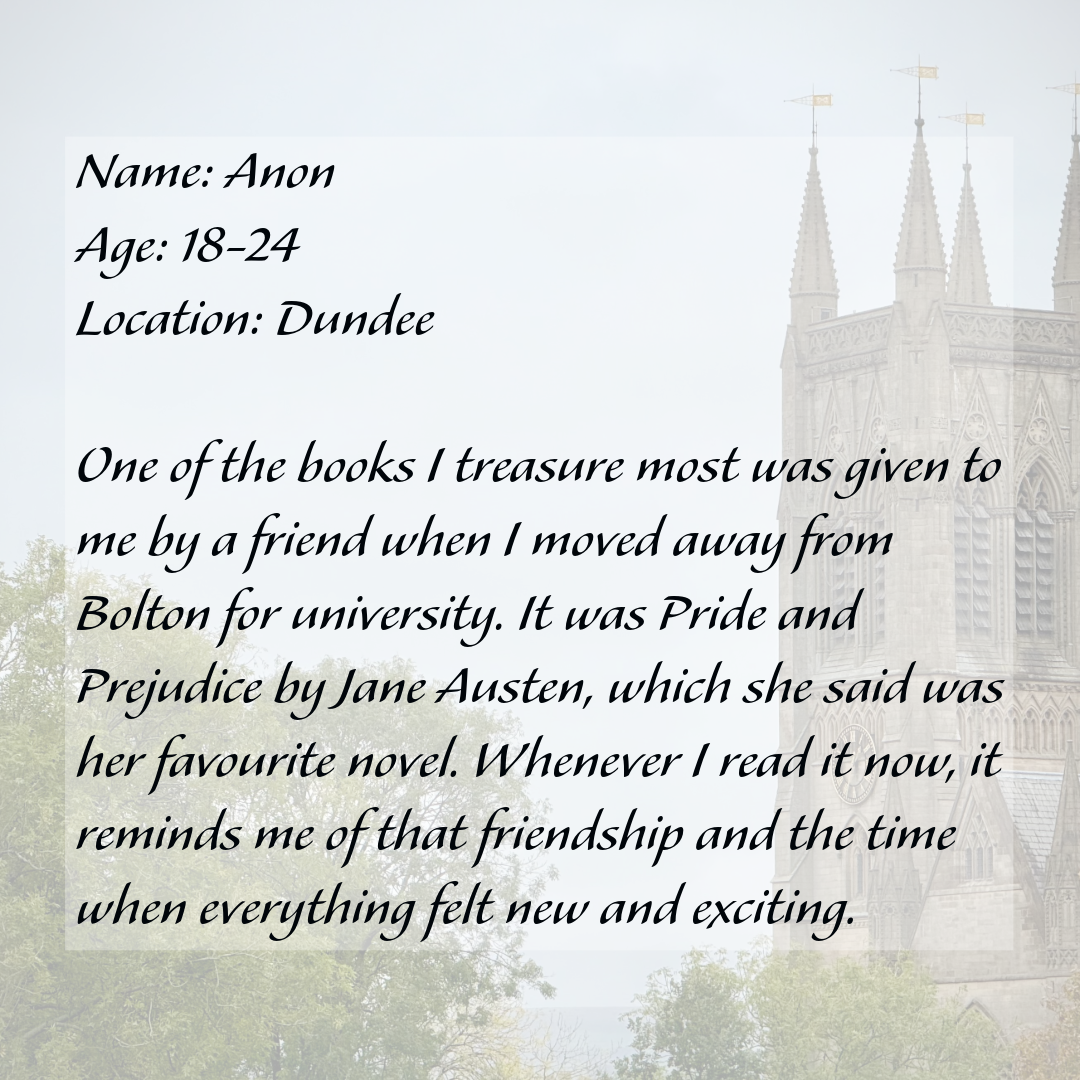
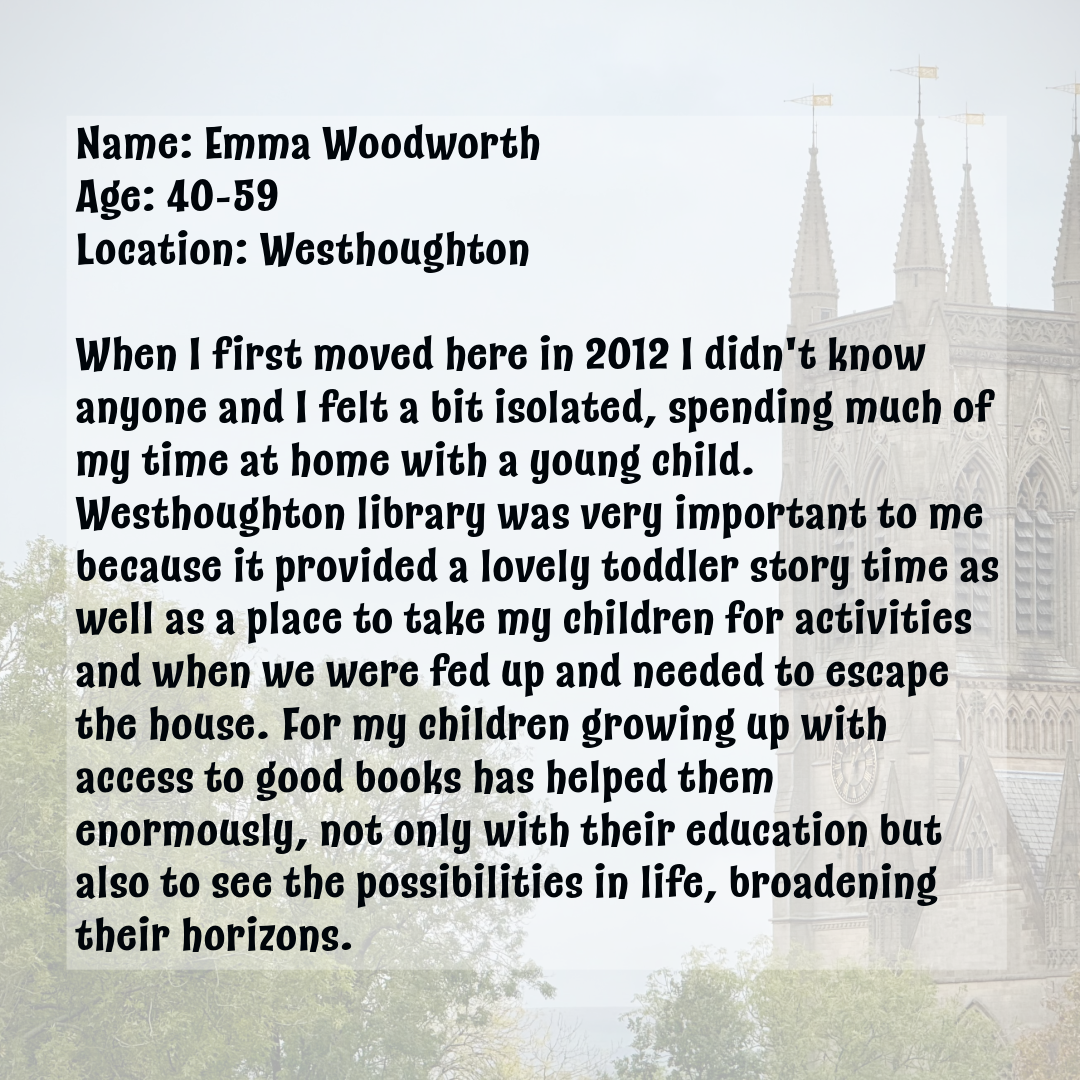





I took part in Month 2 and honestly nearly didn’t – I don’t think of myself as a “reading” person, I just have opinions about the town I grew up in. Reading this back now, six months on, it’s strange to see it described as data. It didn’t feel like data when I was writing it. It felt like being asked a real question for once.