

Reading from the Archive: The Clatter of Clogs in the Early Morning
While exploring the Lancashire Authors Collection at the University of Greater Manchester, one book that immediately caught my attention was The Clatter of Clogs in the Early Morning by Fred Wilde (Collins, St James’s Place, London).
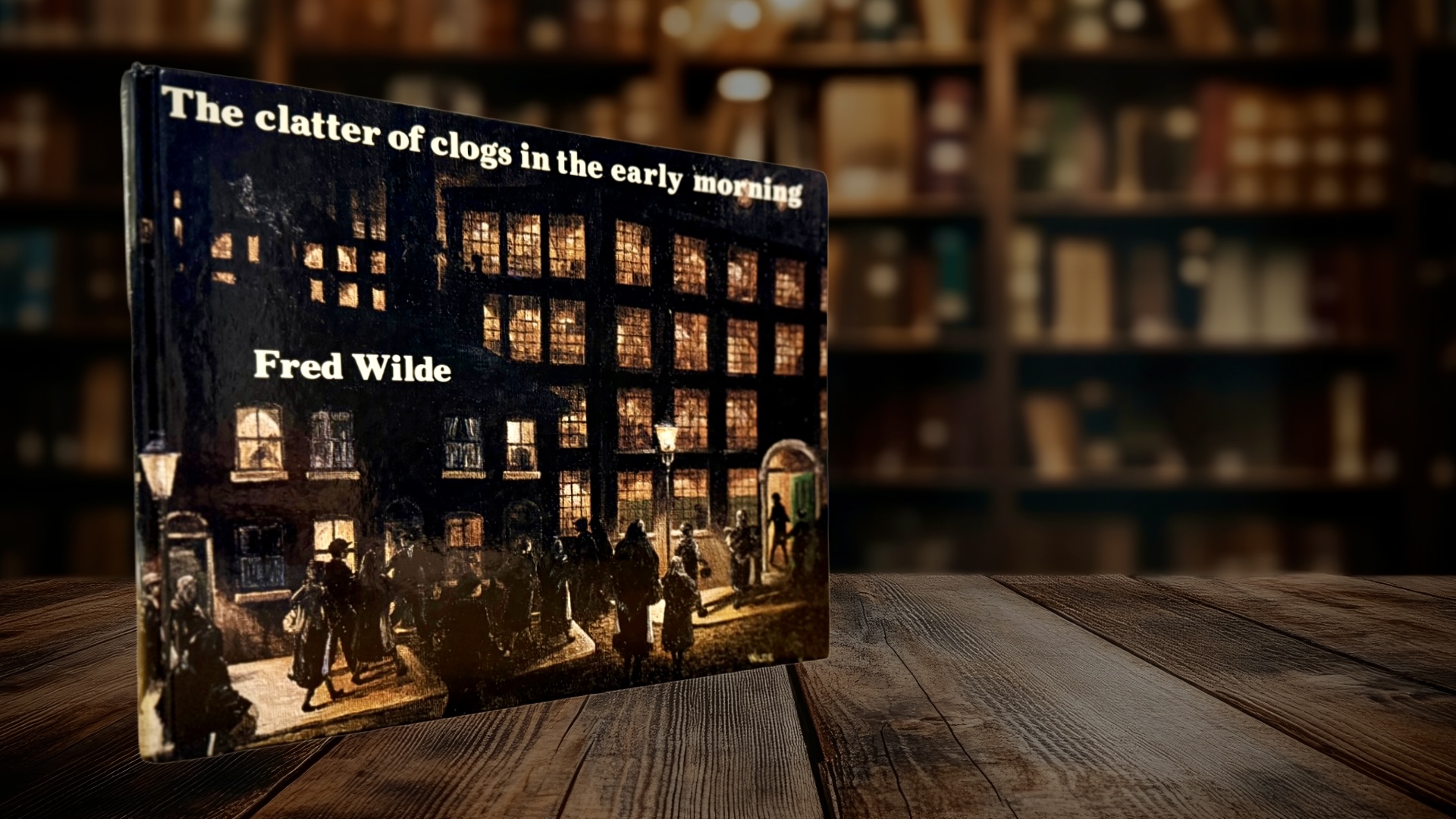
The book brings together Wilde’s paintings and written reflections on life in the mill towns of the early twentieth century. Each page pairs a hand-painted scene with memories of everyday life: the rhythms of the mills, the streets filled with workers in clogs and cloth caps, and the small details that shaped daily life in the 1920s and 1930s.
One passage describing the end of the working day in the mills captures the atmosphere vividly:
“The end-of-shift buzzer soon gave way to another sound, the clatter of clog-iron on the flags and cobbles as the workers hurried home.”
Wilde’s paintings and descriptions together create a powerful sense of place. His scenes are not formal historical records, but affectionate recollections of the communities he grew up in. The images capture both the hardships of mill life and the warmth of the people who lived through it, families, neighbours, and the shared humour and resilience of everyday life.
Looking through the book, it is easy to see why it remains such an engaging read. The illustrations are full of character, and the accompanying stories make you want to keep turning the pages to see what memory comes next. It’s the kind of book you can return to again and again, noticing new details each time.
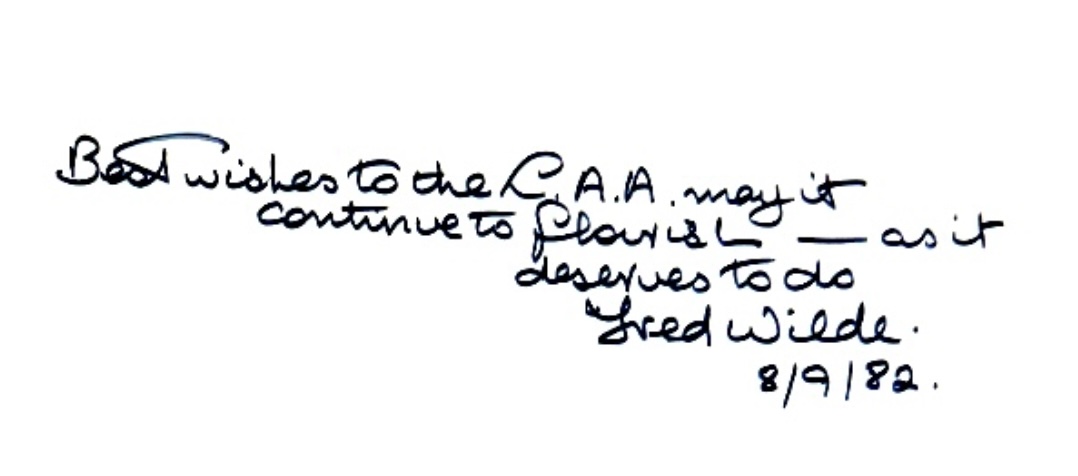
This particular copy is also special because it was signed by Fred Wilde when he donated it to the Lancashire Authors Association, and it now forms part of the Lancashire Authors Collection at the University of Greater Manchester. The collection contains a wide range of writing connected to the region, and browsing the shelves can reveal unexpected discoveries and forgotten local voices.
Writing Prompt: Inspired by the Archive
Wilde’s paintings and memories are a wonderful example of how images and words can work together to tell a story. This idea connects with our previous research on ekphrastic writing, writing inspired by an image or visual object.
Looking at Wilde’s painting of mill workers heading home, imagine the scene. What might someone see, hear, or feel at that moment?
Perhaps someone is walking home with a book under their arm. Perhaps a child is waiting at home to read with a parent who has just finished their shift. Perhaps stories are shared on the walk home through the streets of Bolton.
If the image sparks an idea, we’d love to hear it.
You can leave a short response in the comments, or submit a longer reflection to the Reading Bolton project. Our ekphrastic writing resources, originally developed for the Being Human Festival 2025 workshop, are also available for schools, writing groups, and anyone interested in trying this approach for themselves.
Sometimes a single image, object, or memory can be enough to start a story.
All of these small reflections help build a picture of reading and storytelling in everyday life in Bolton.

Related Posts




Words That Stayed With Me
We are collecting reflections from readers of all ages as part of the National…