

Chapter Four: Women Who Write
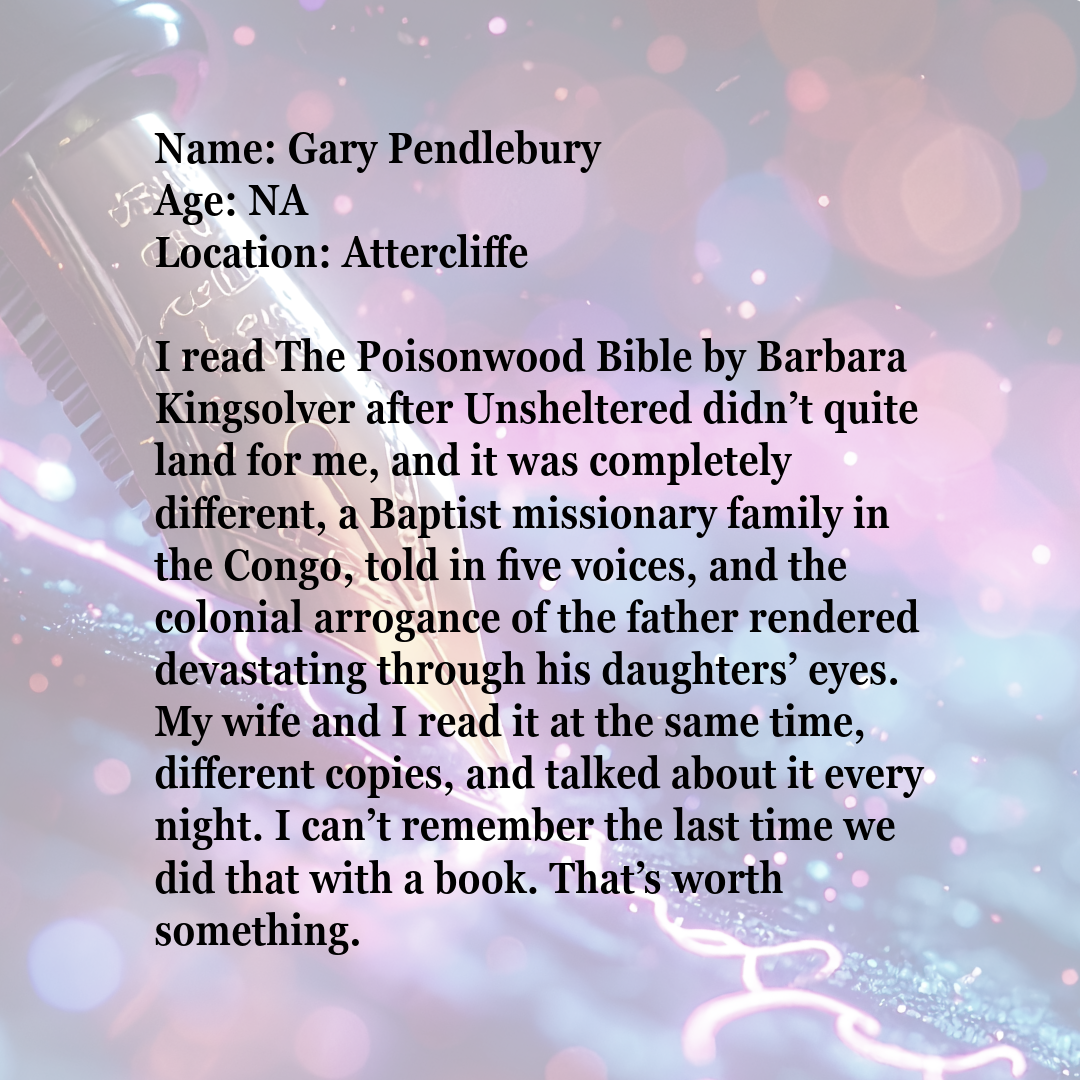
We asked:
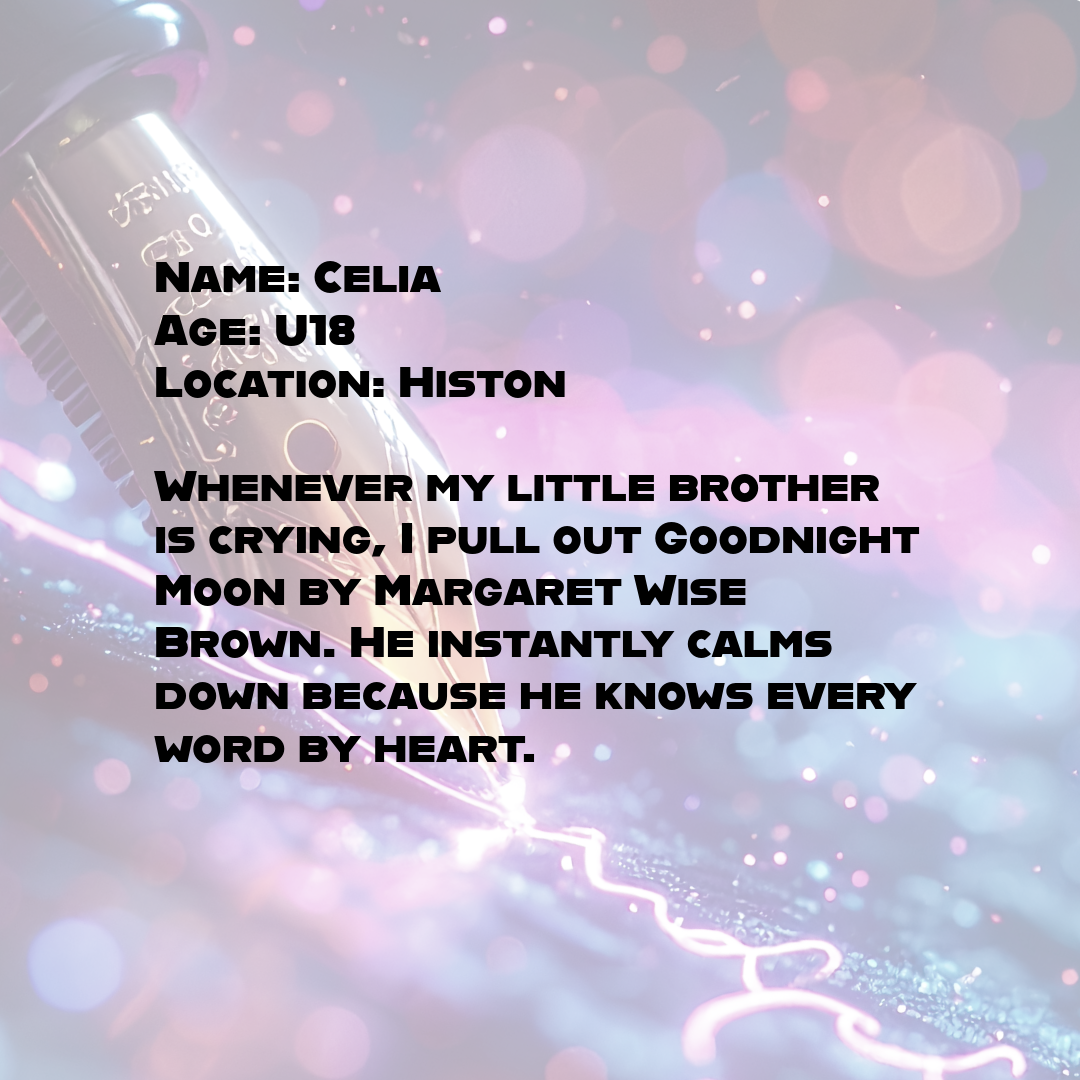
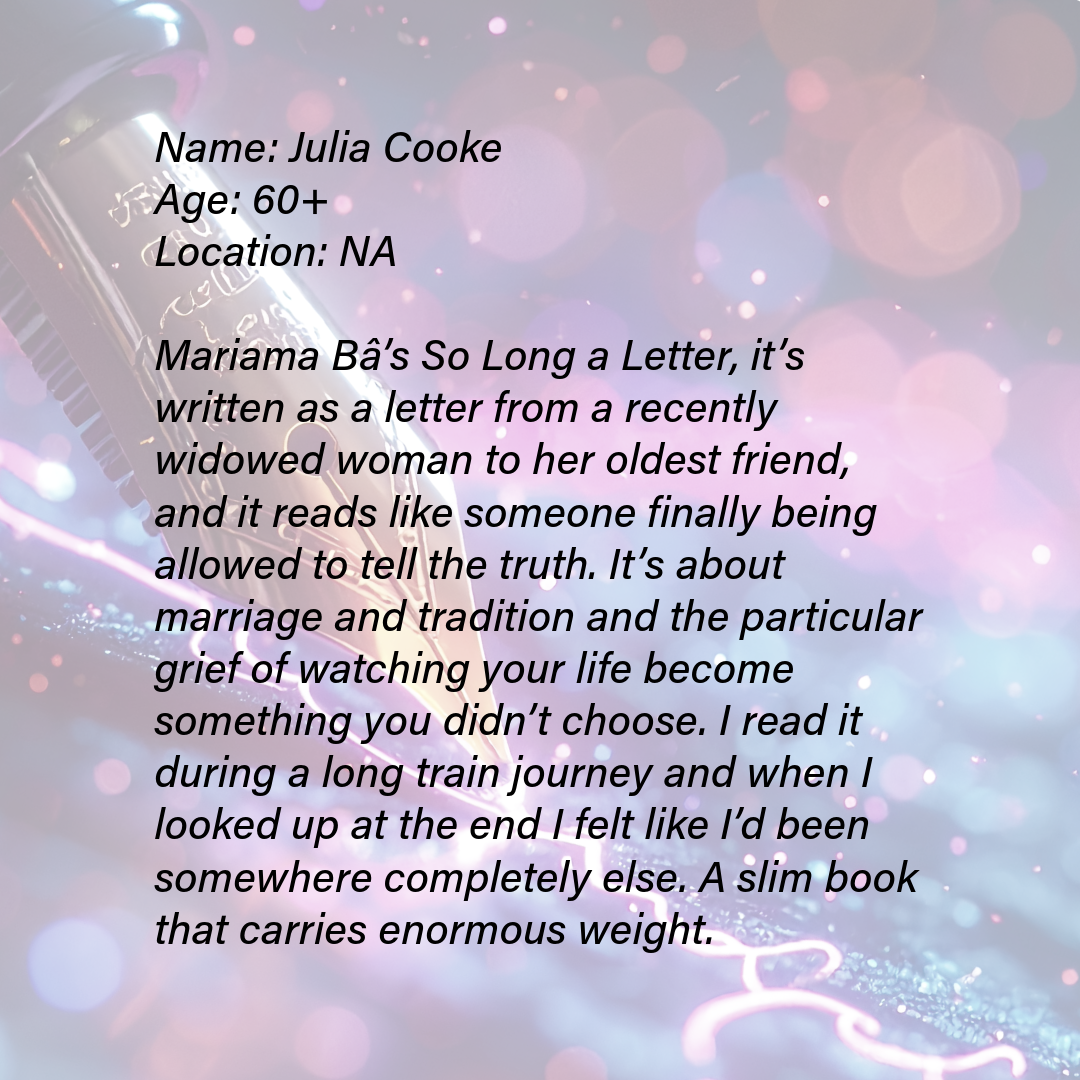
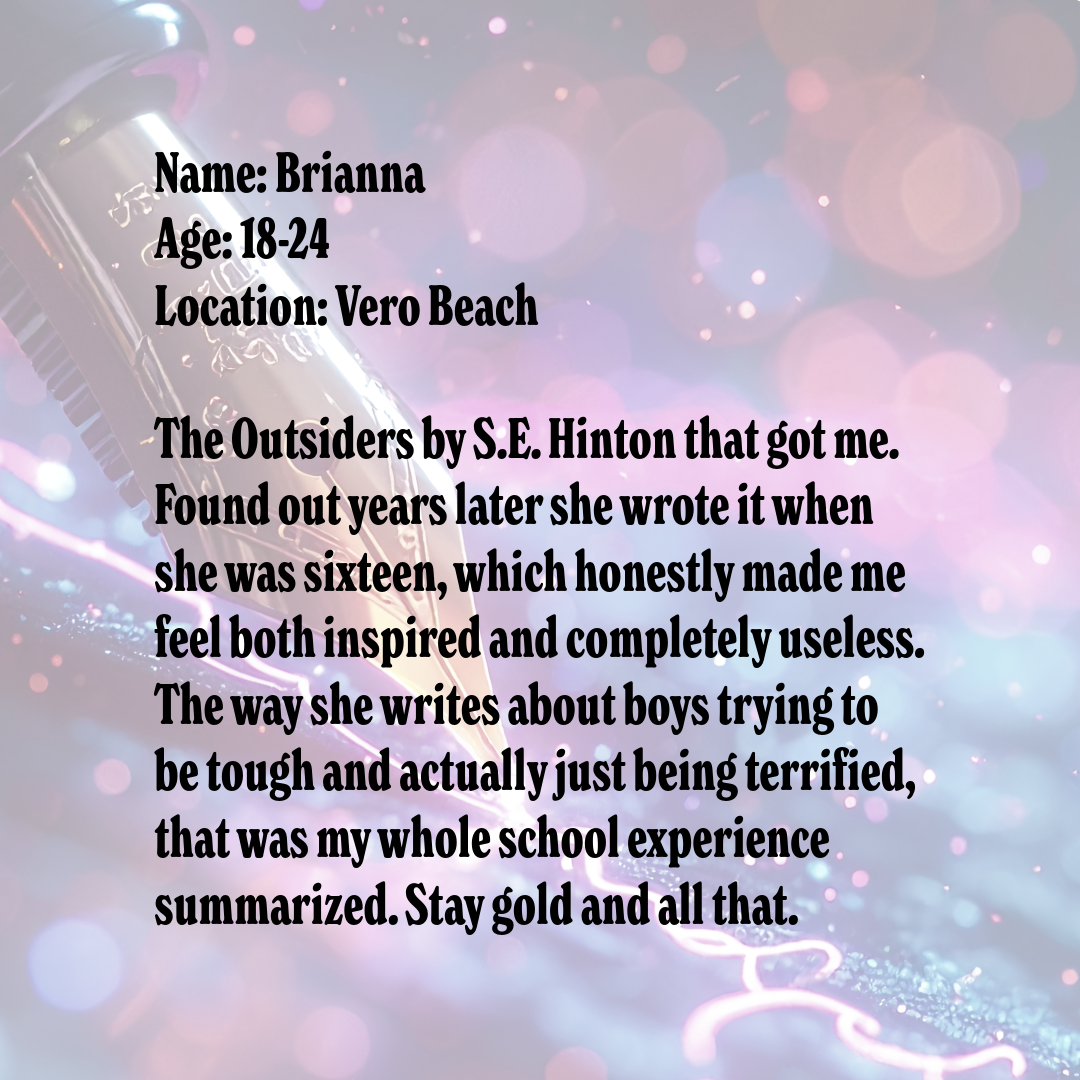
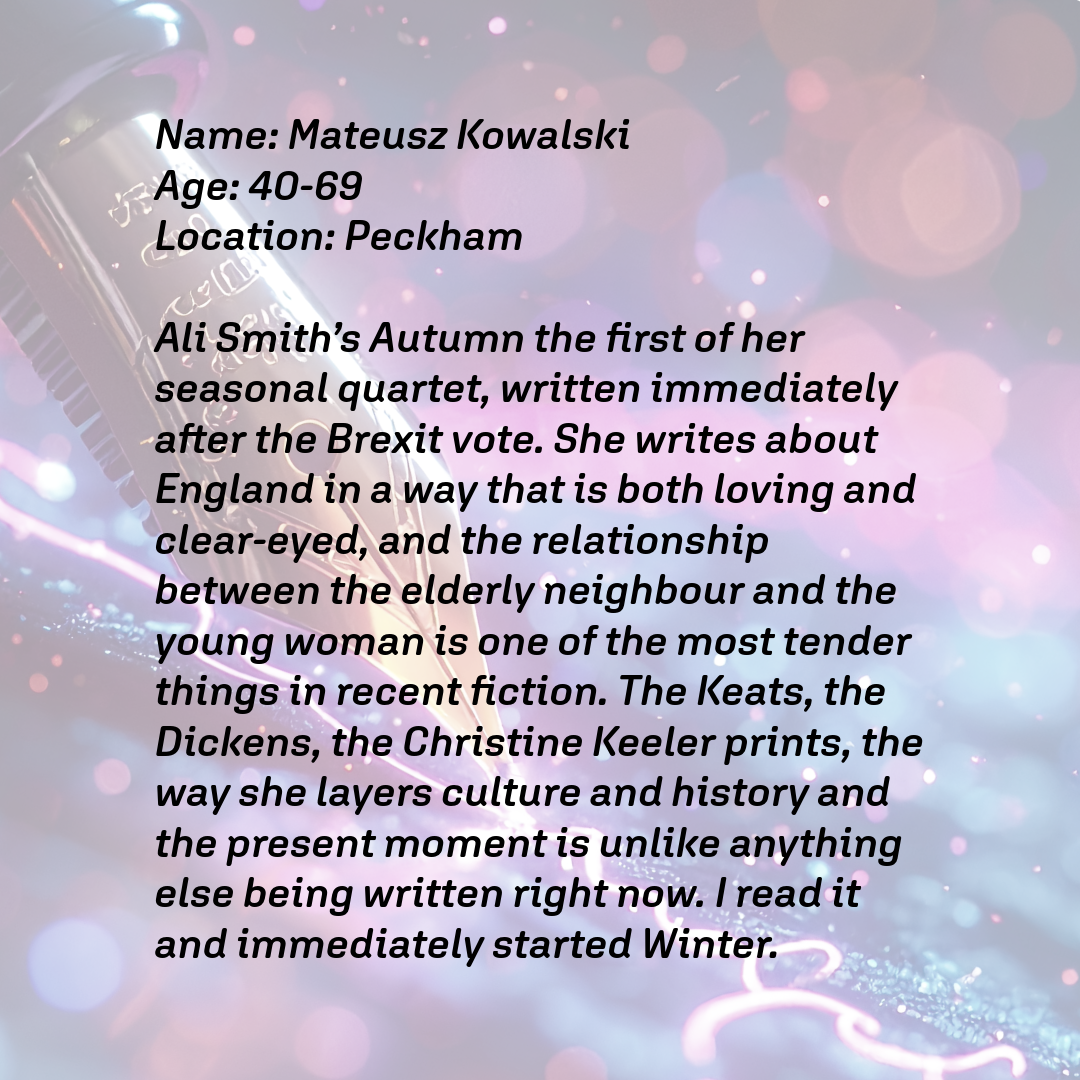
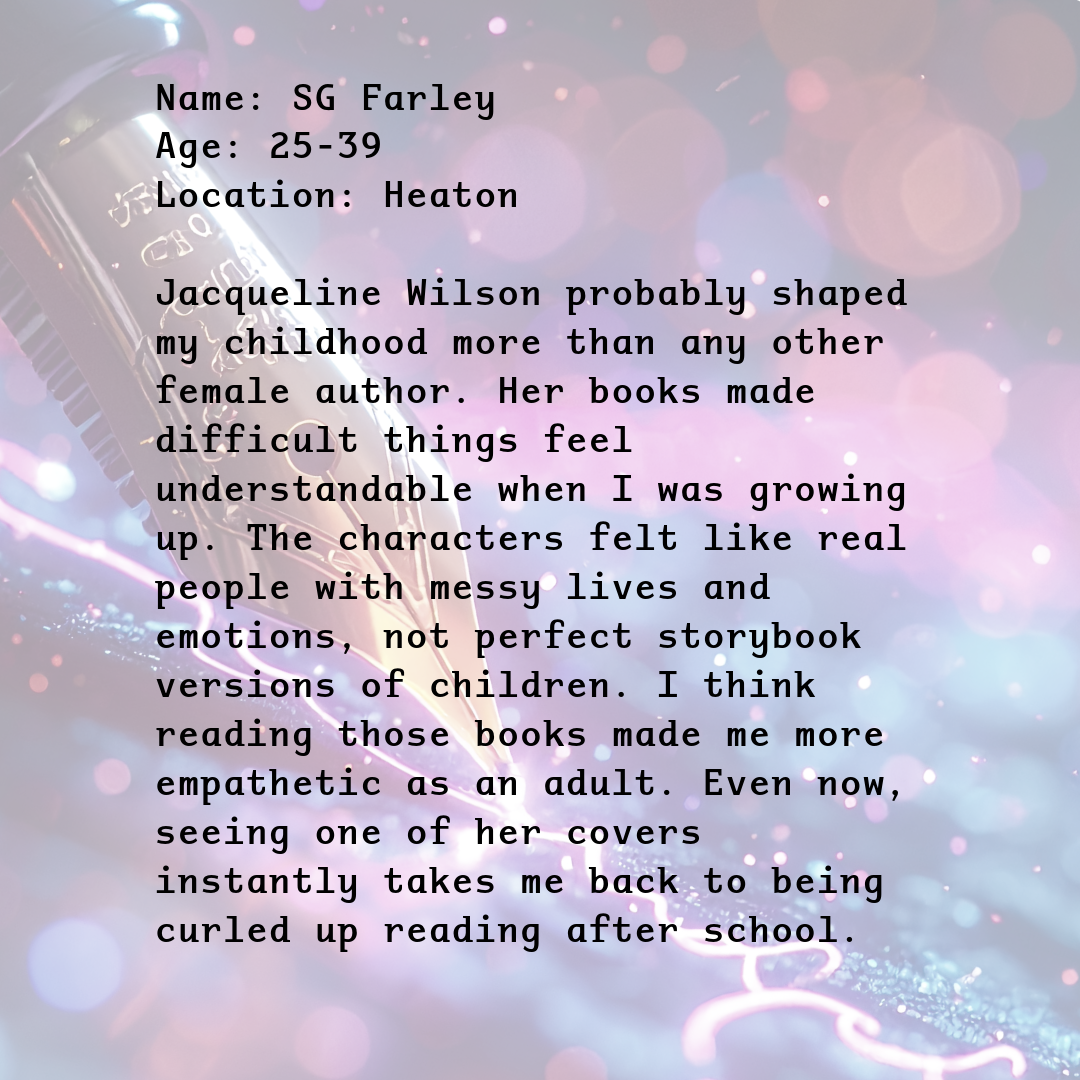
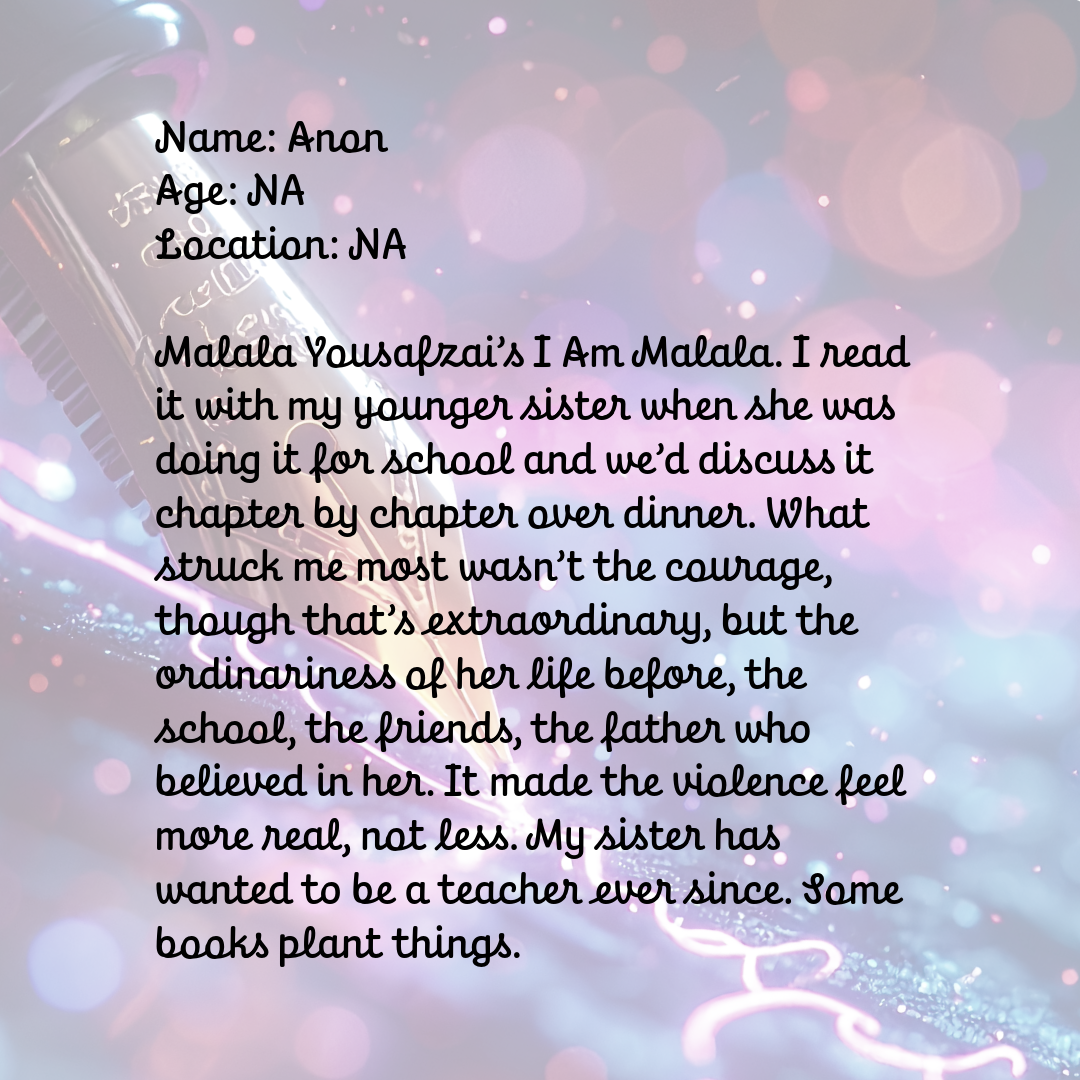
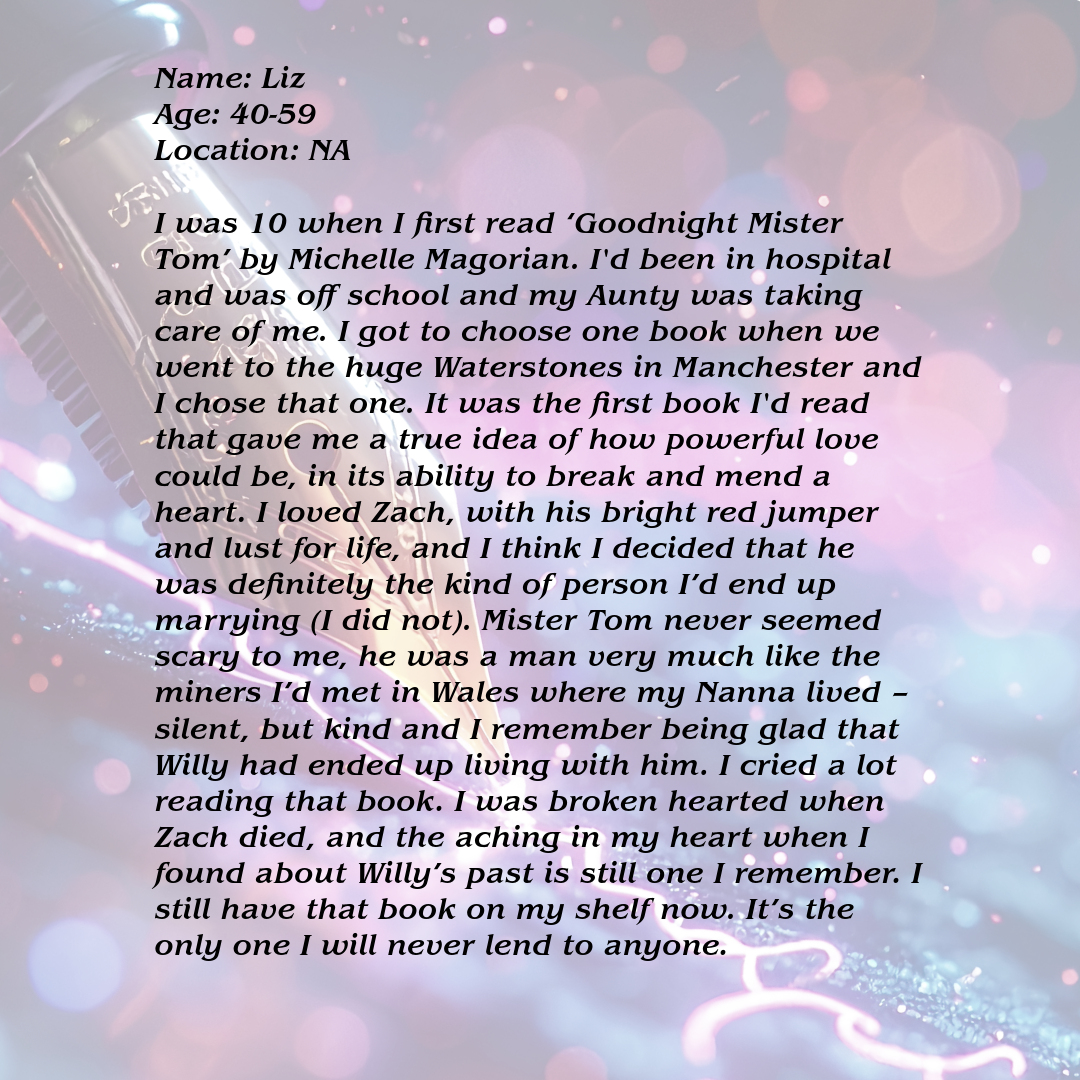
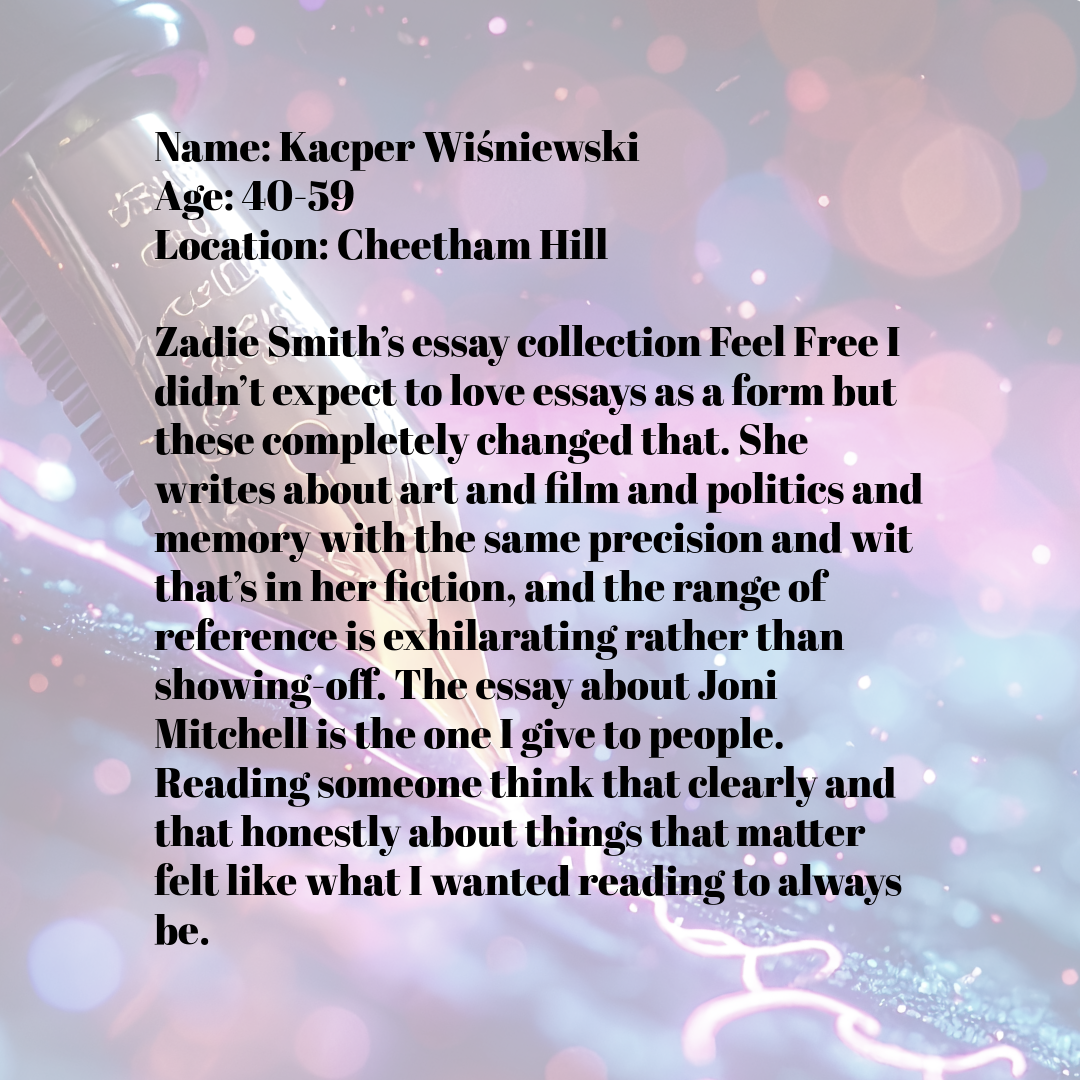
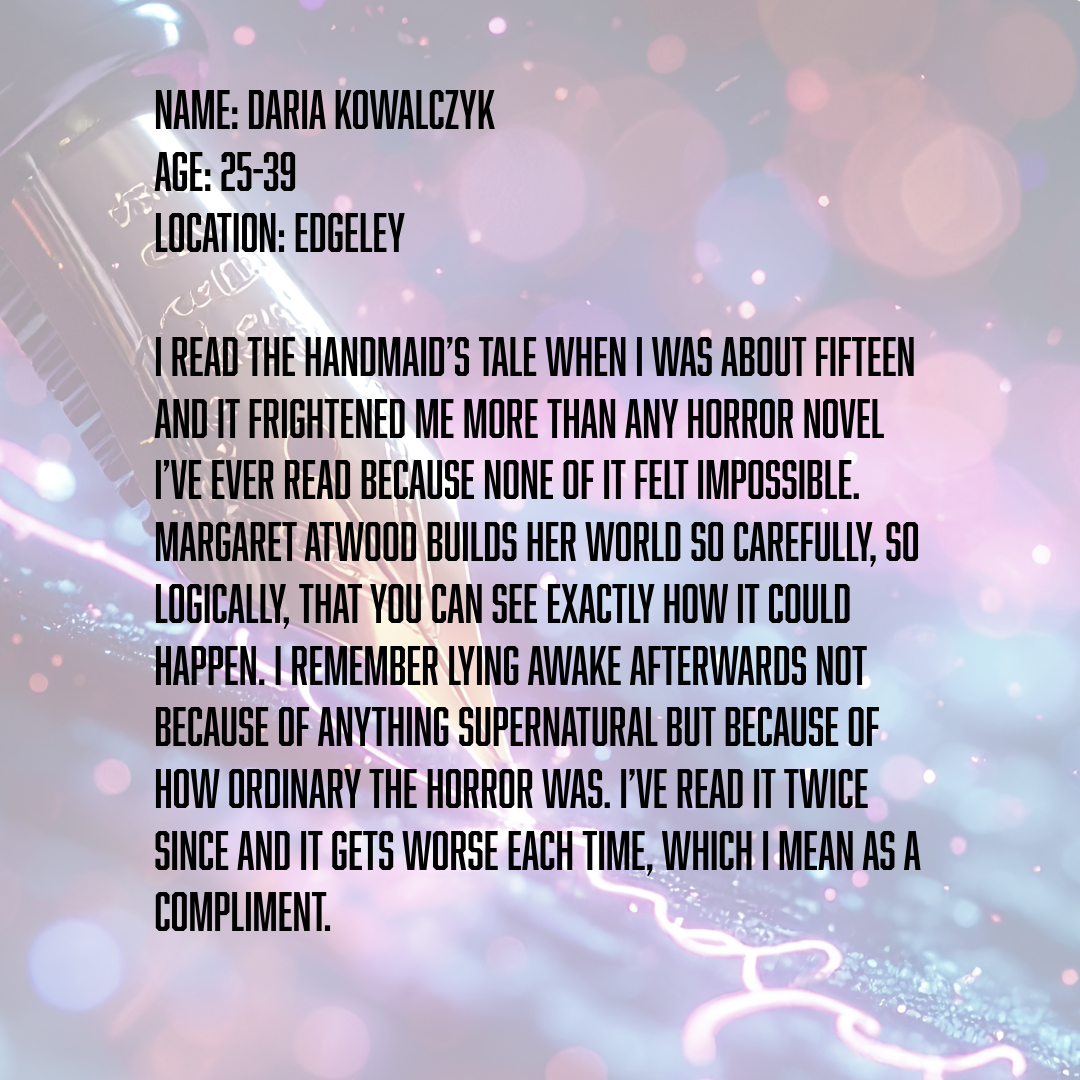
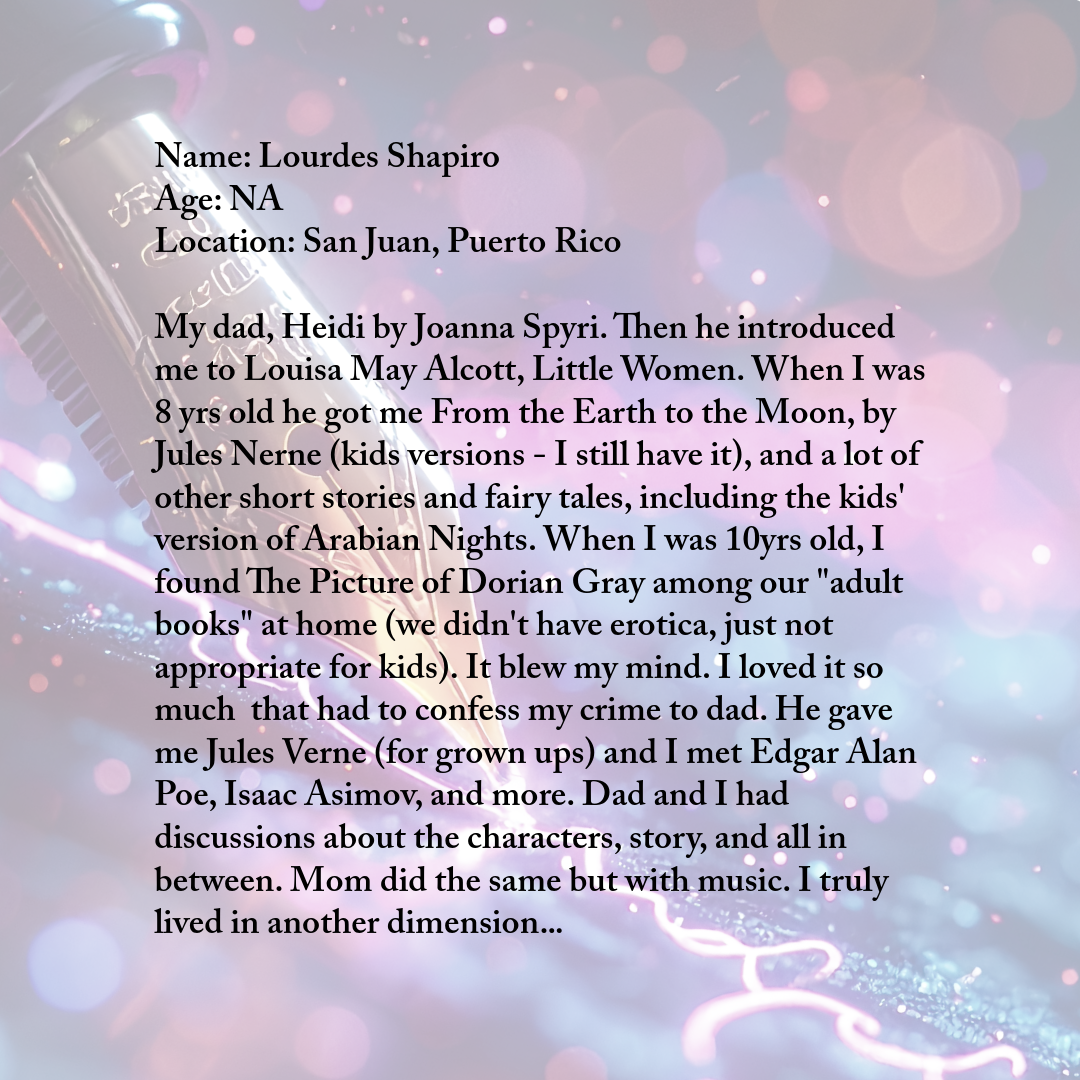
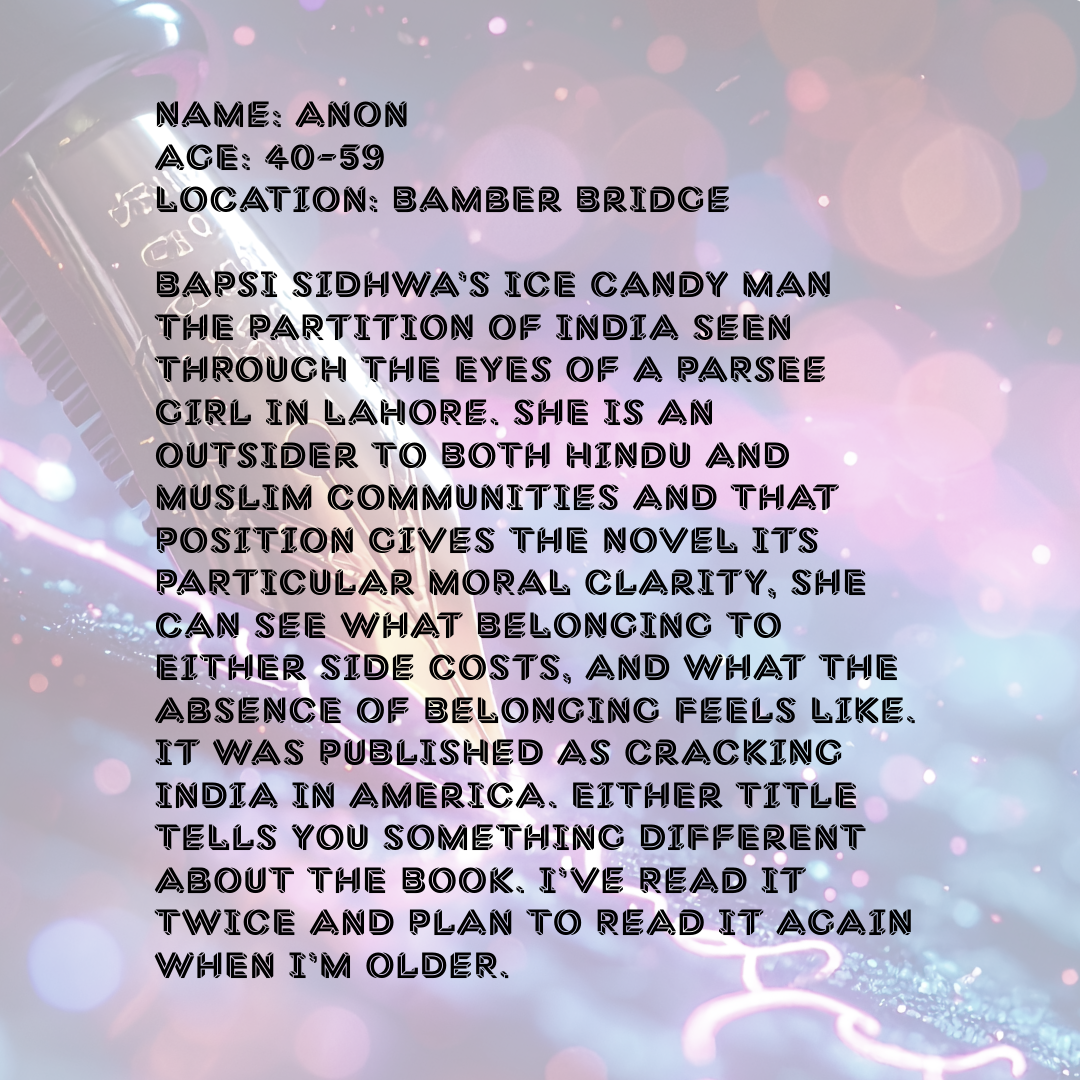
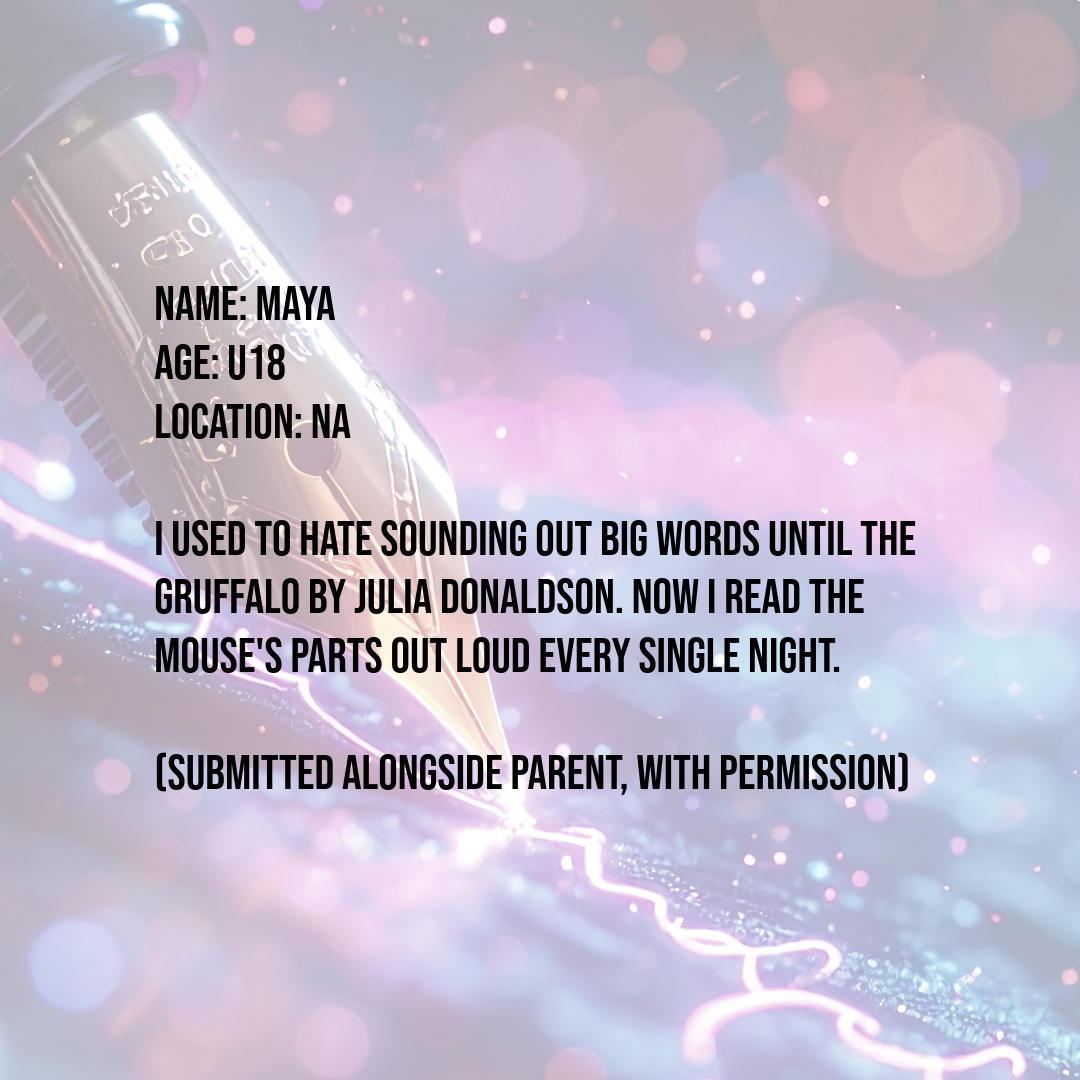
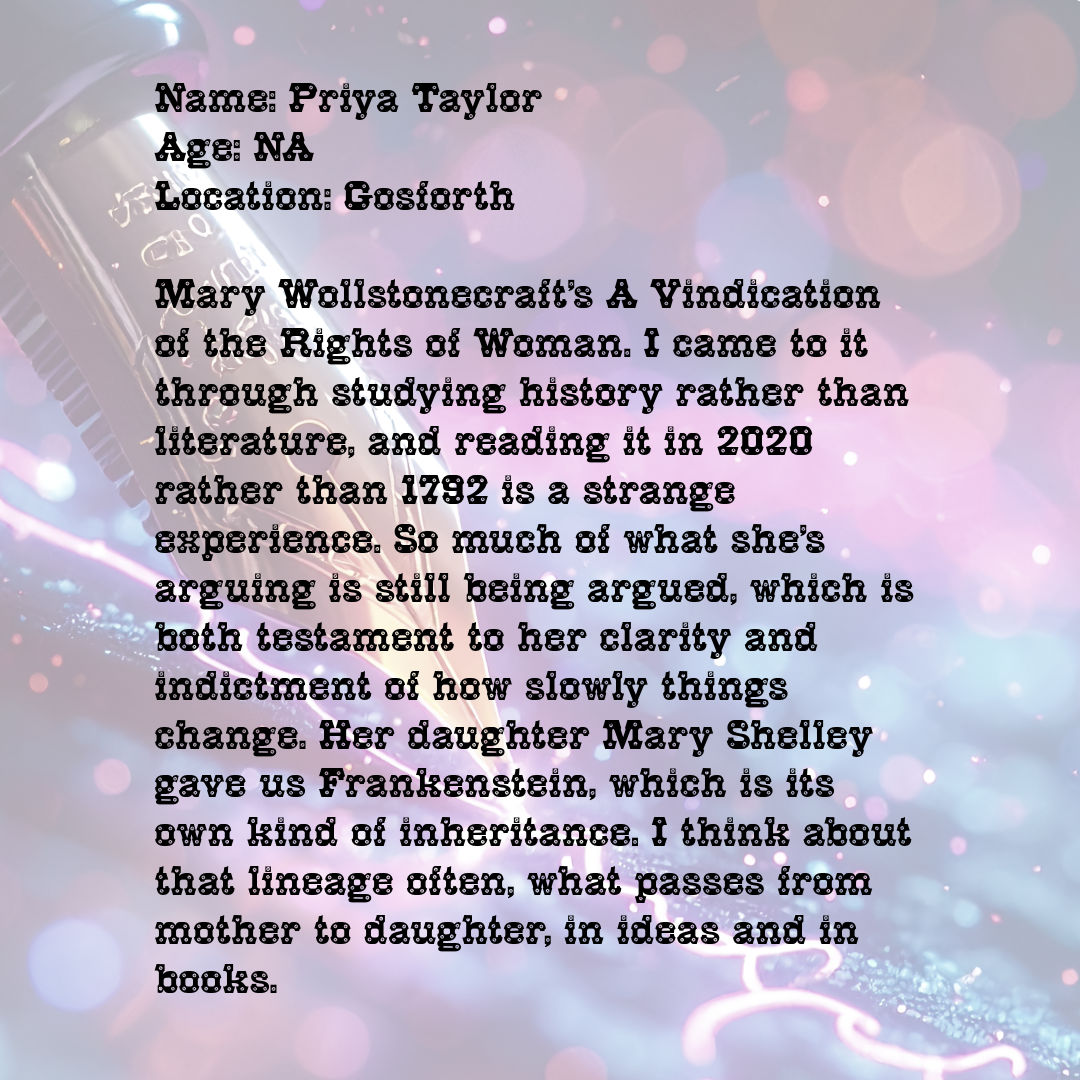
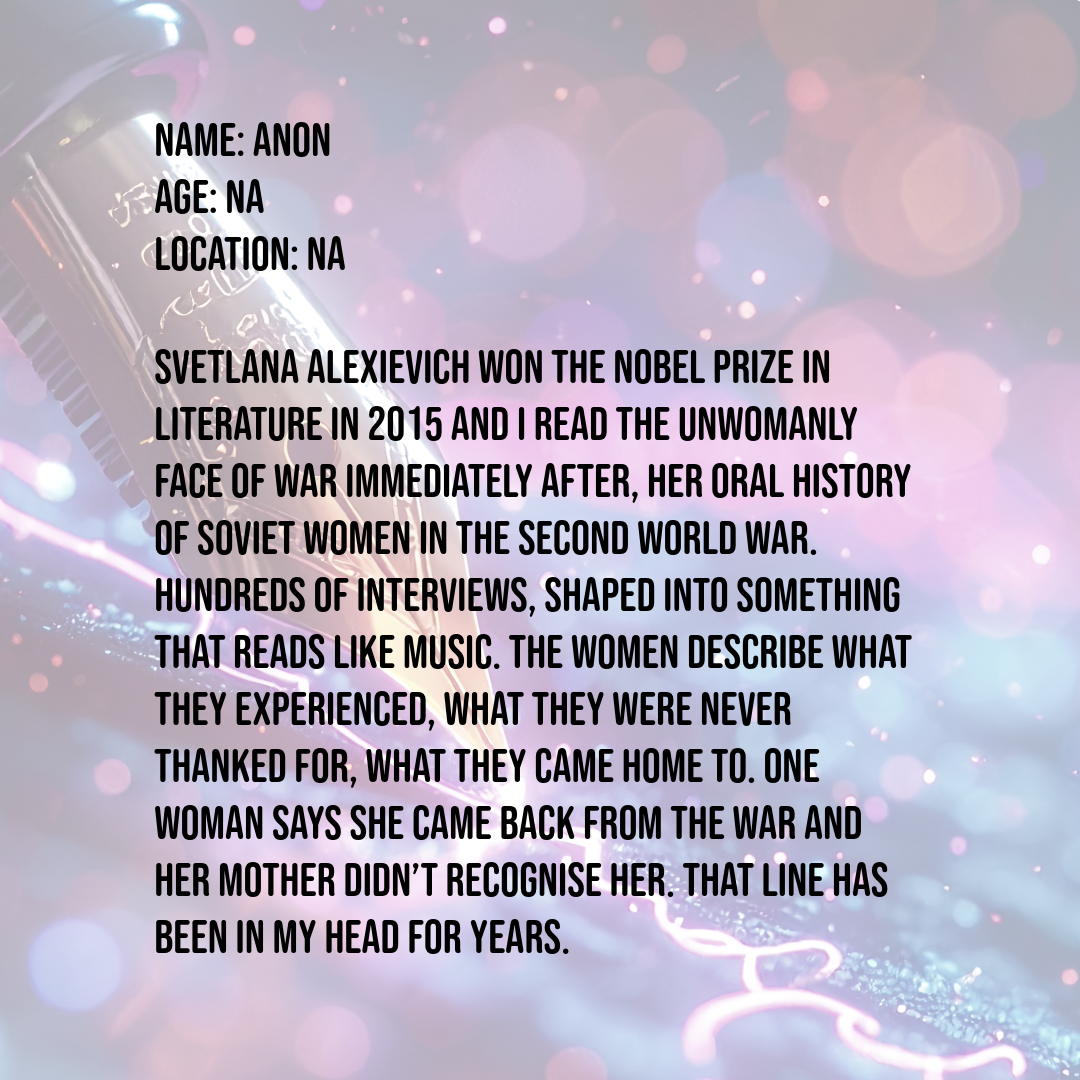
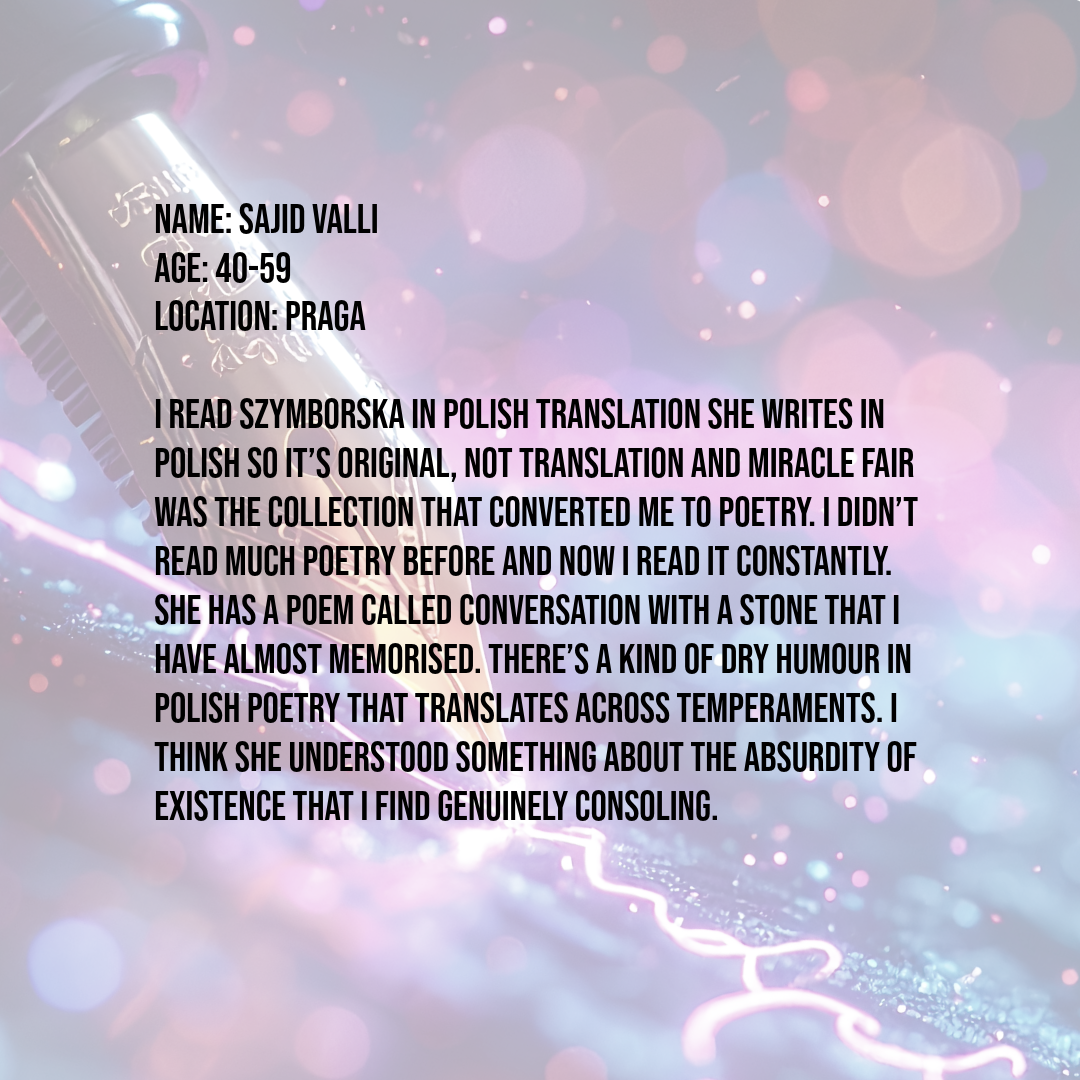
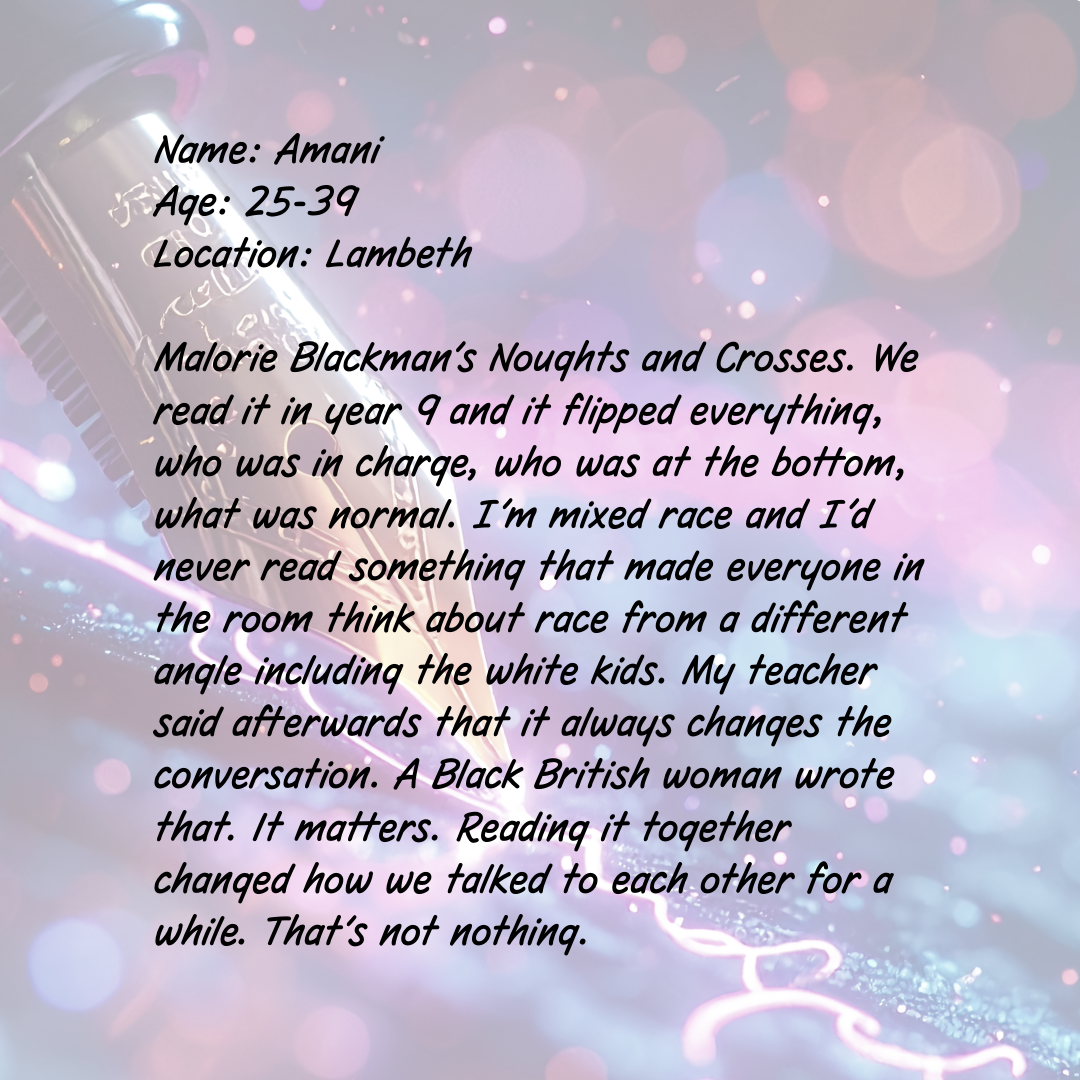
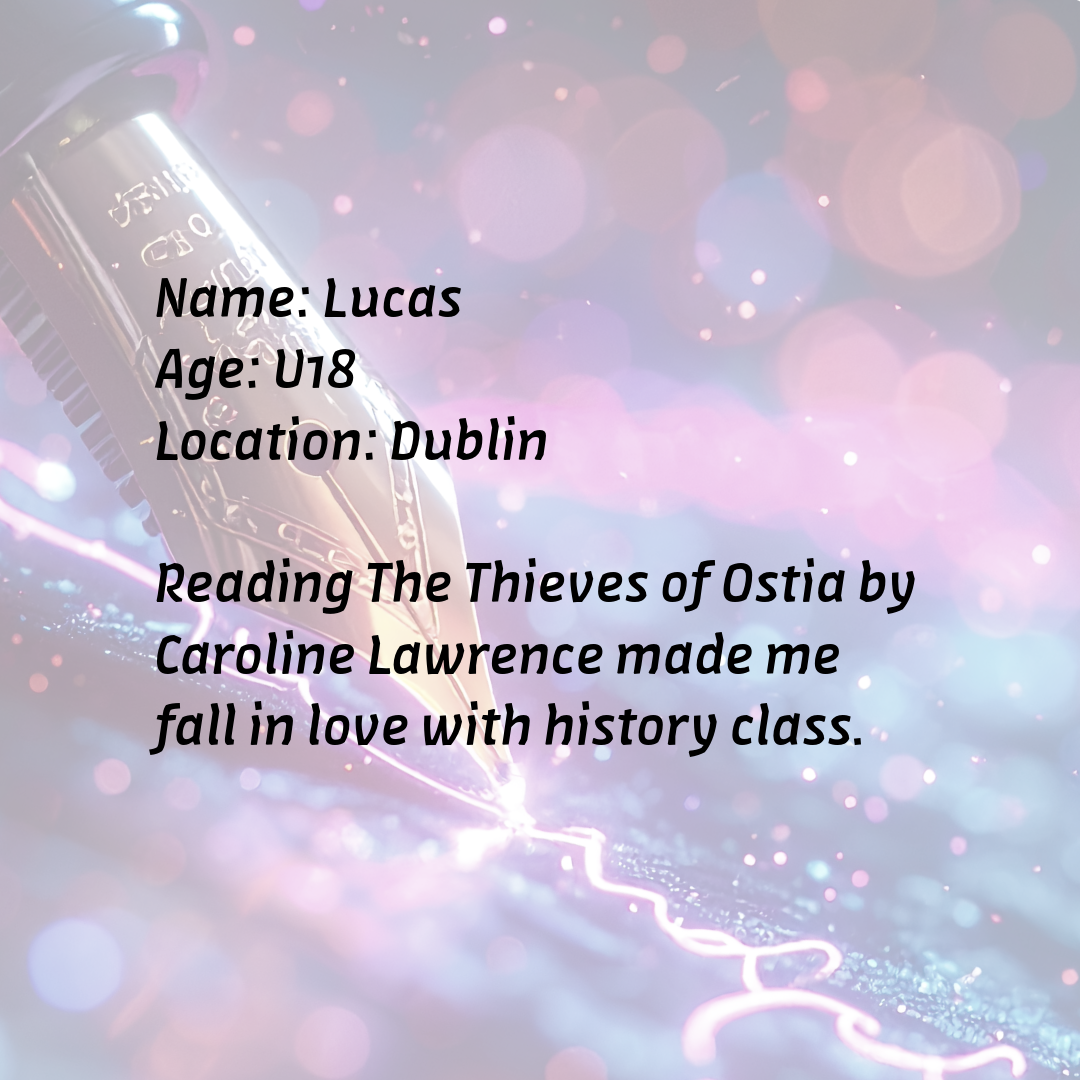
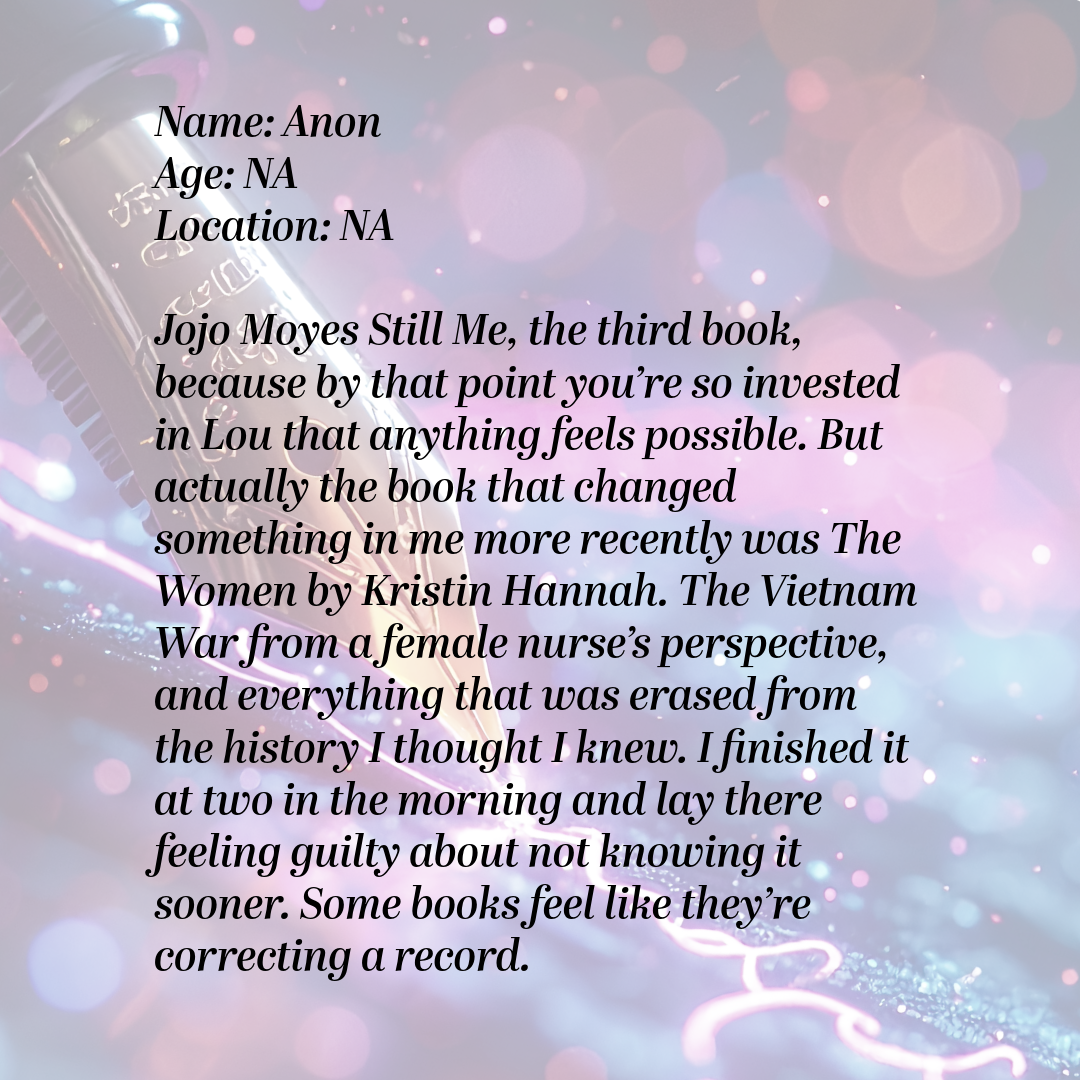
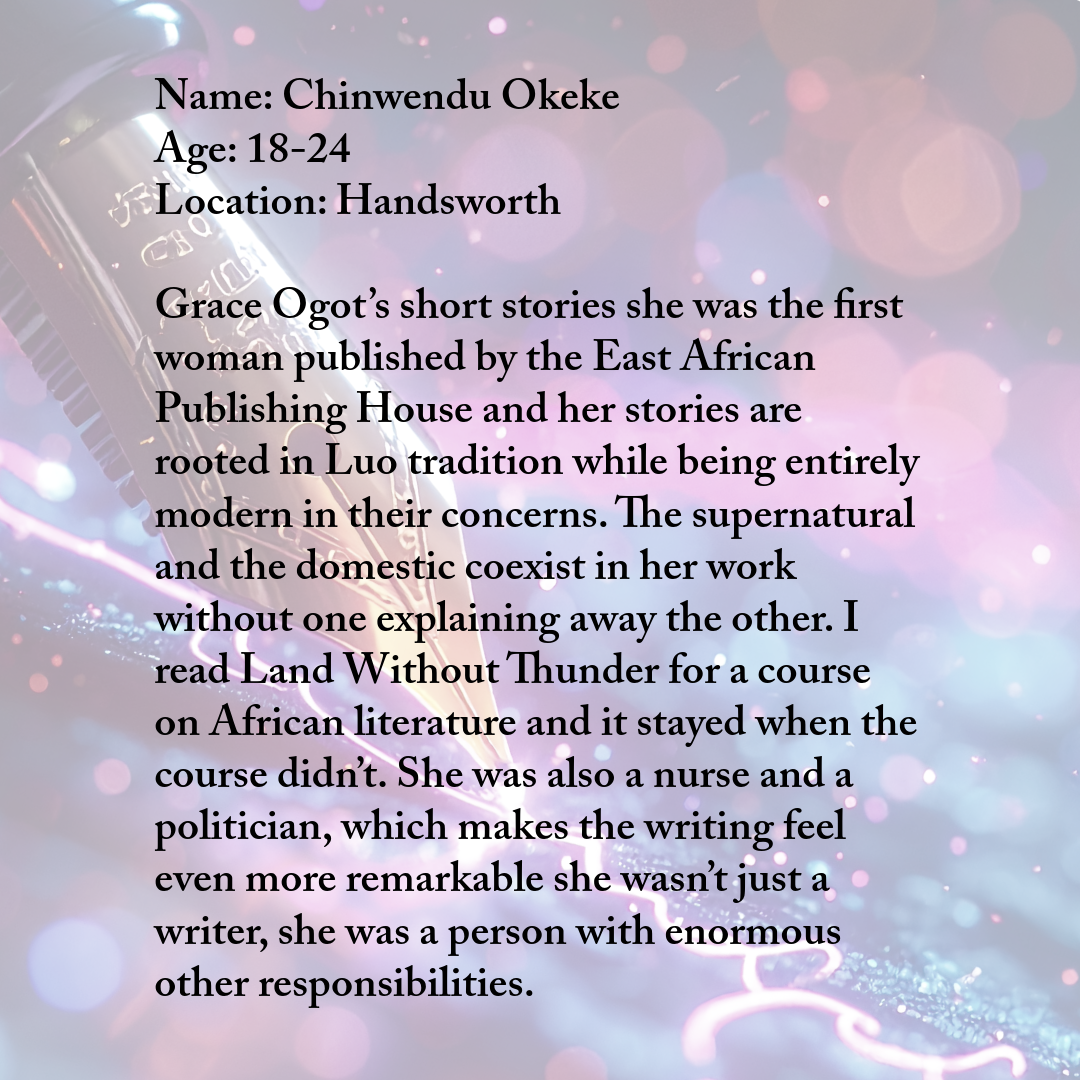
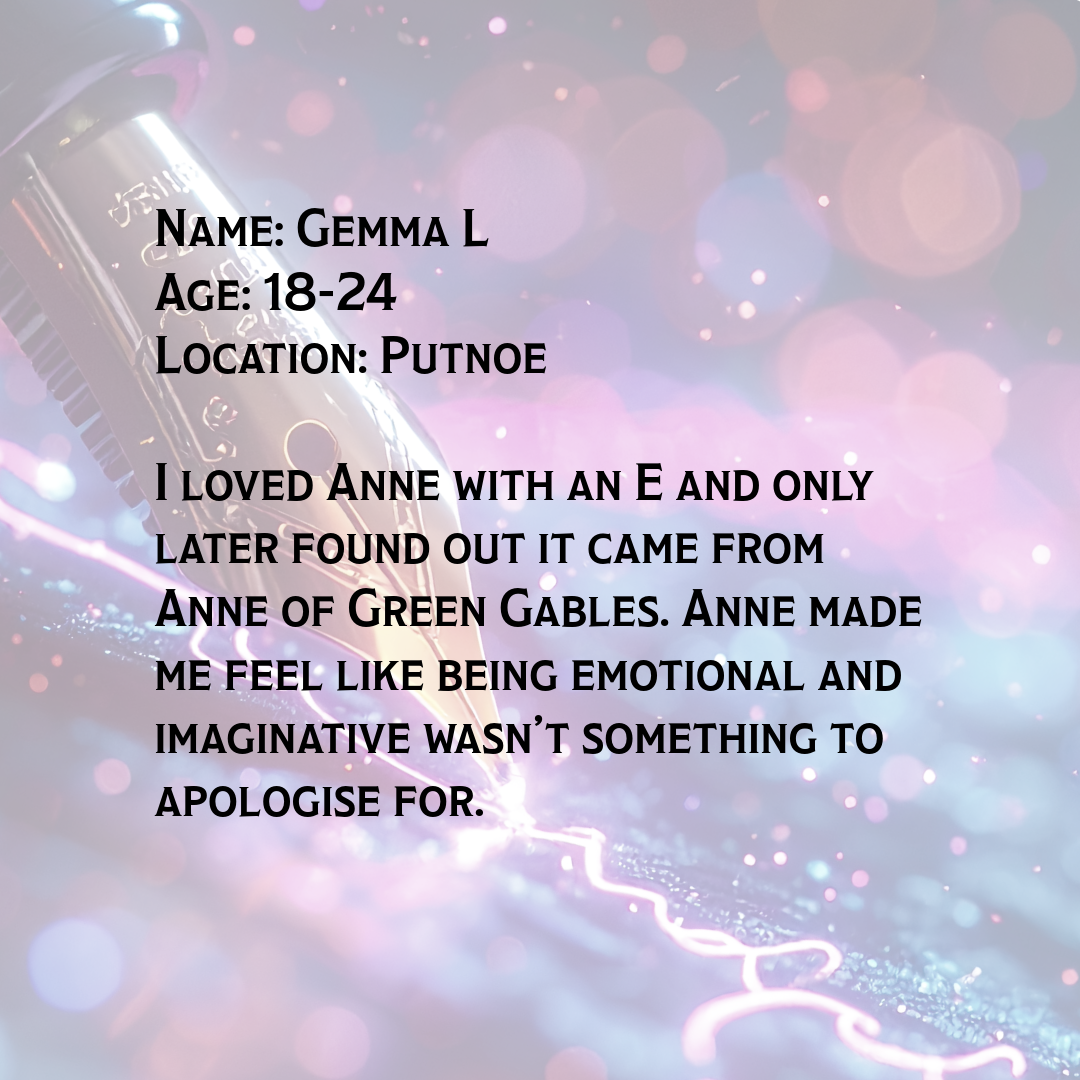
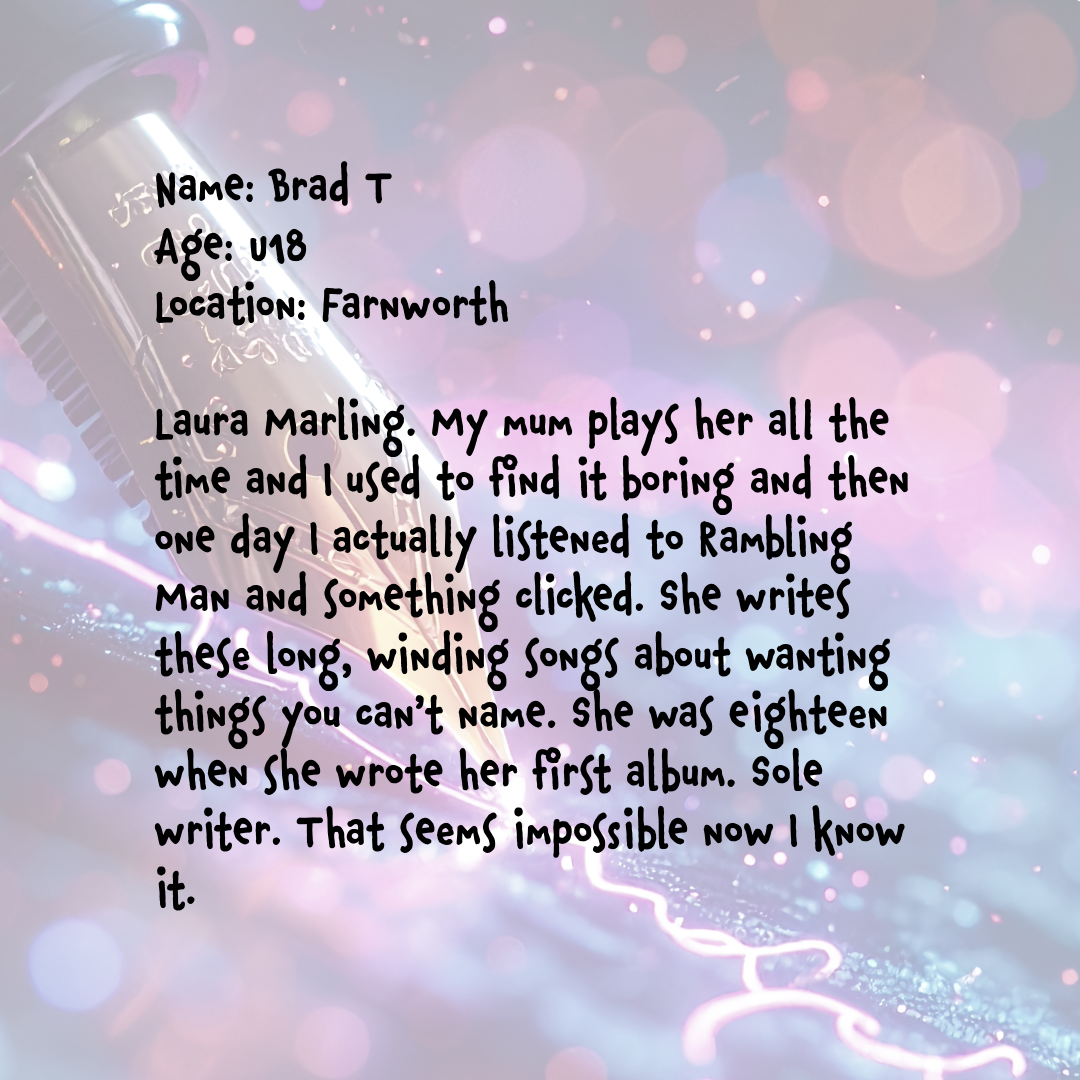
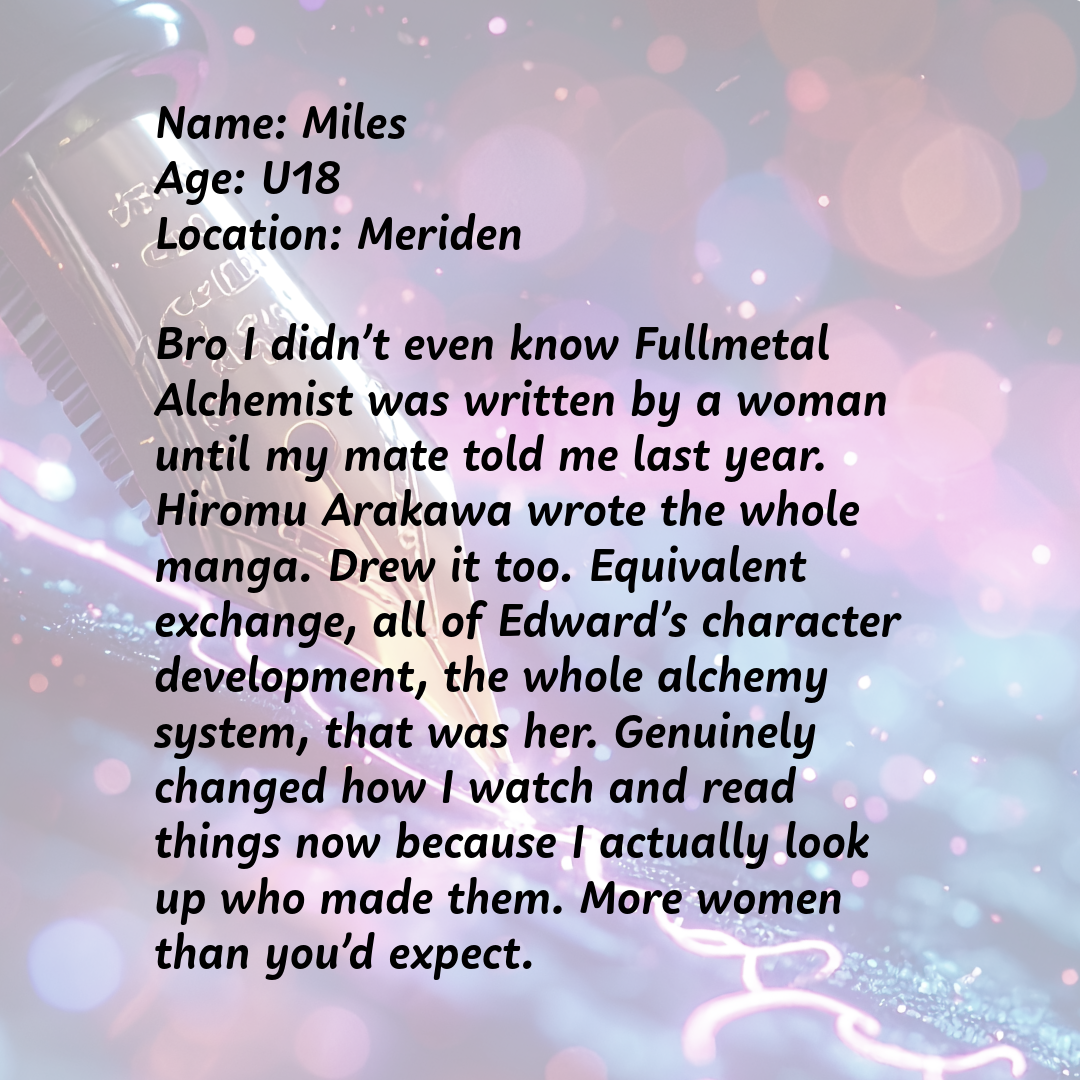
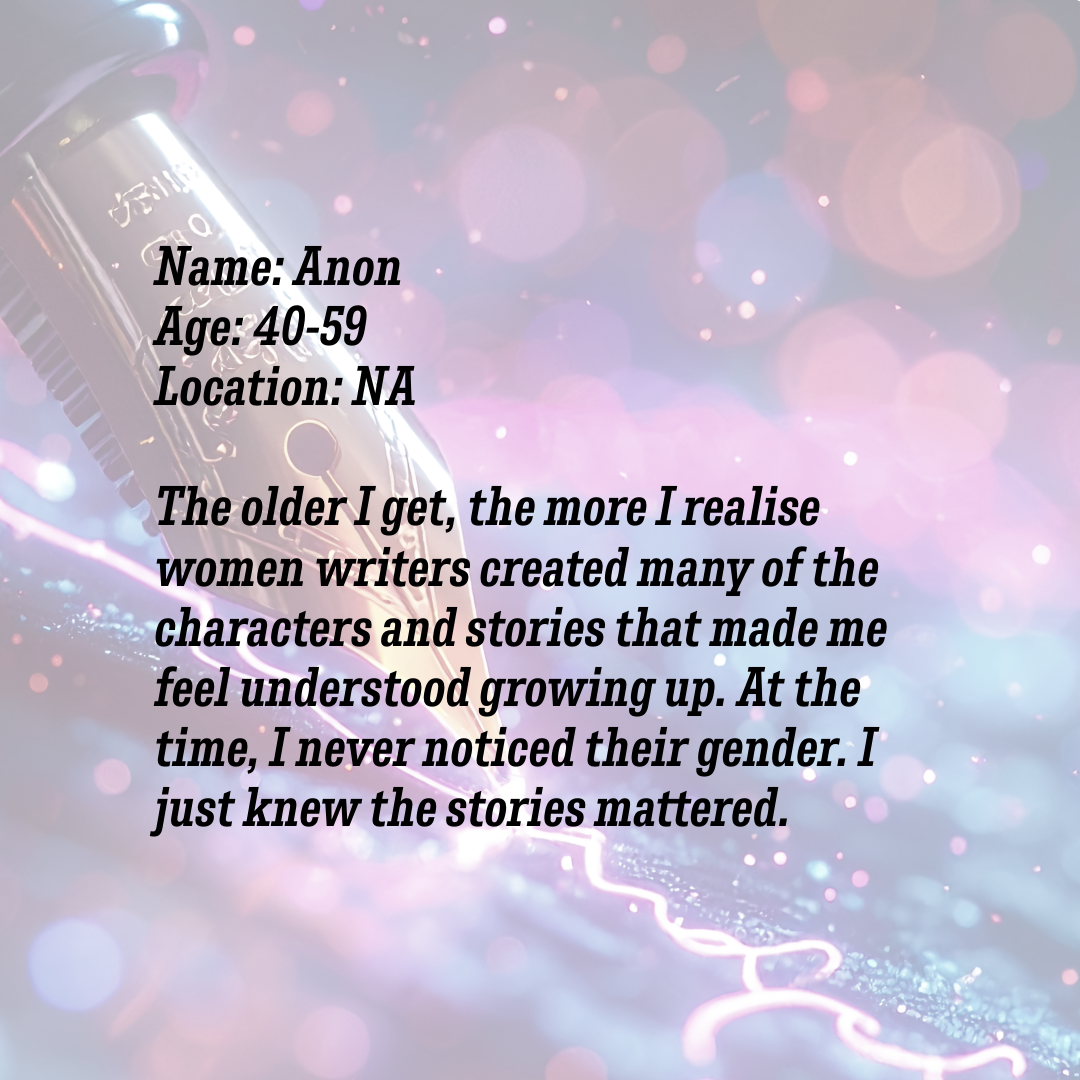
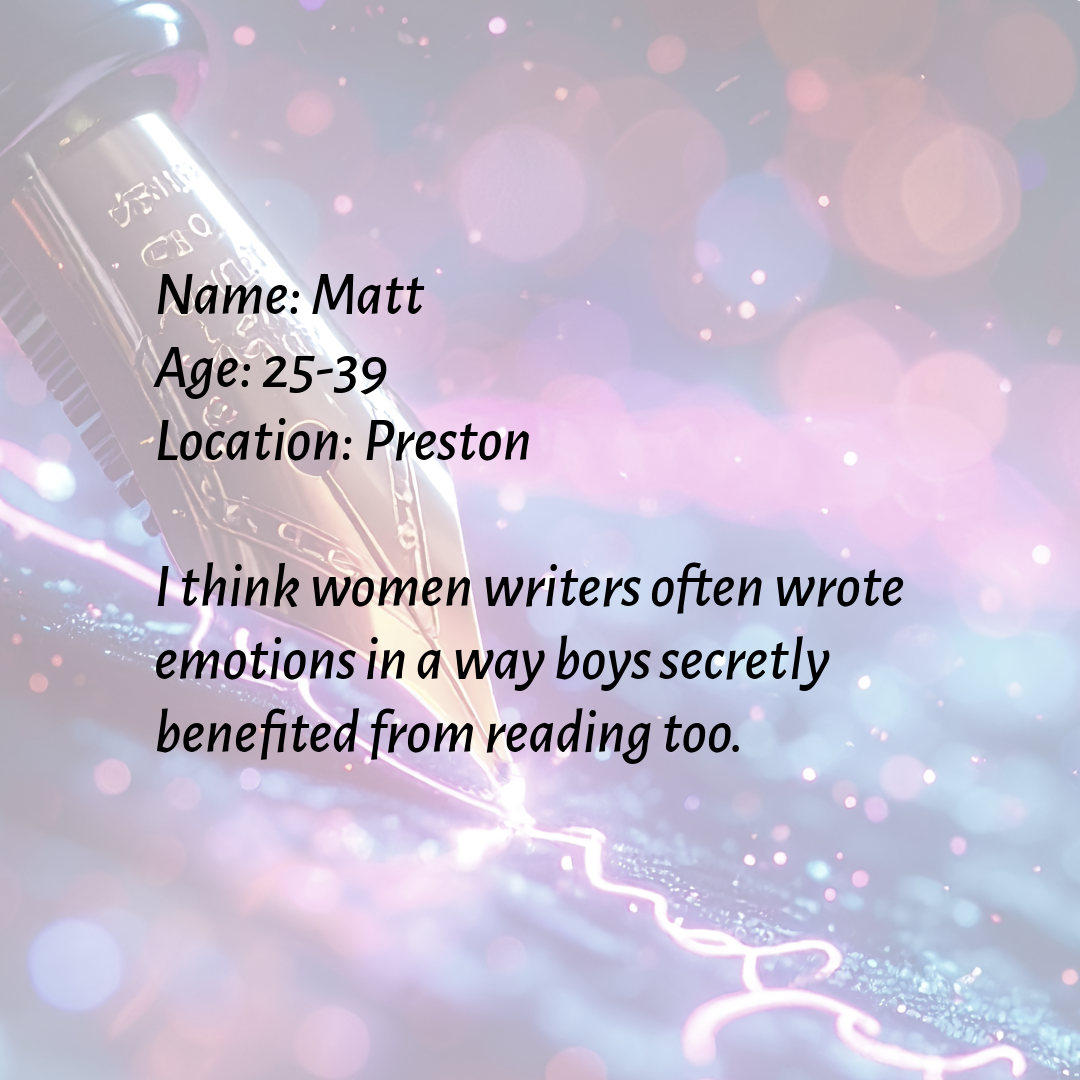
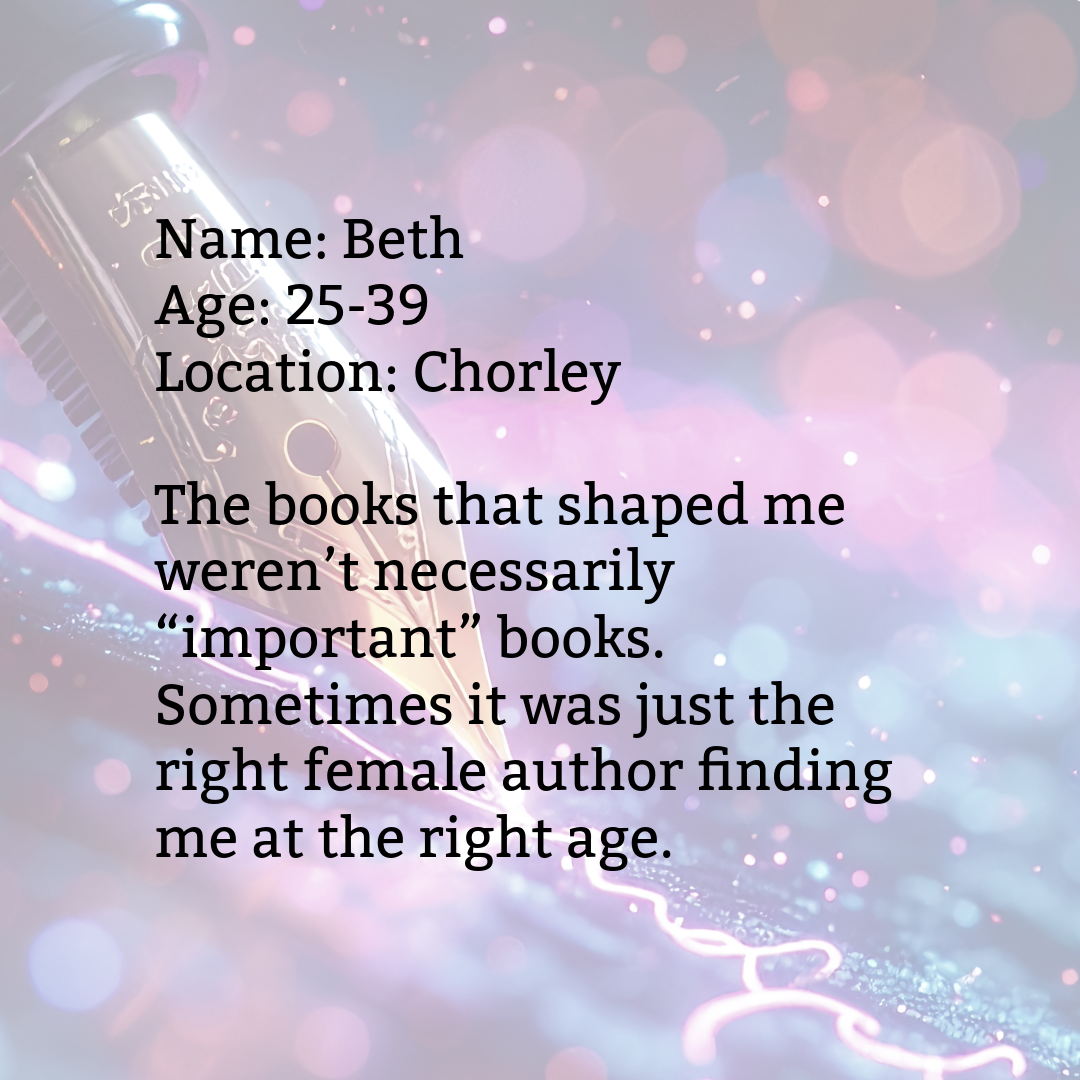
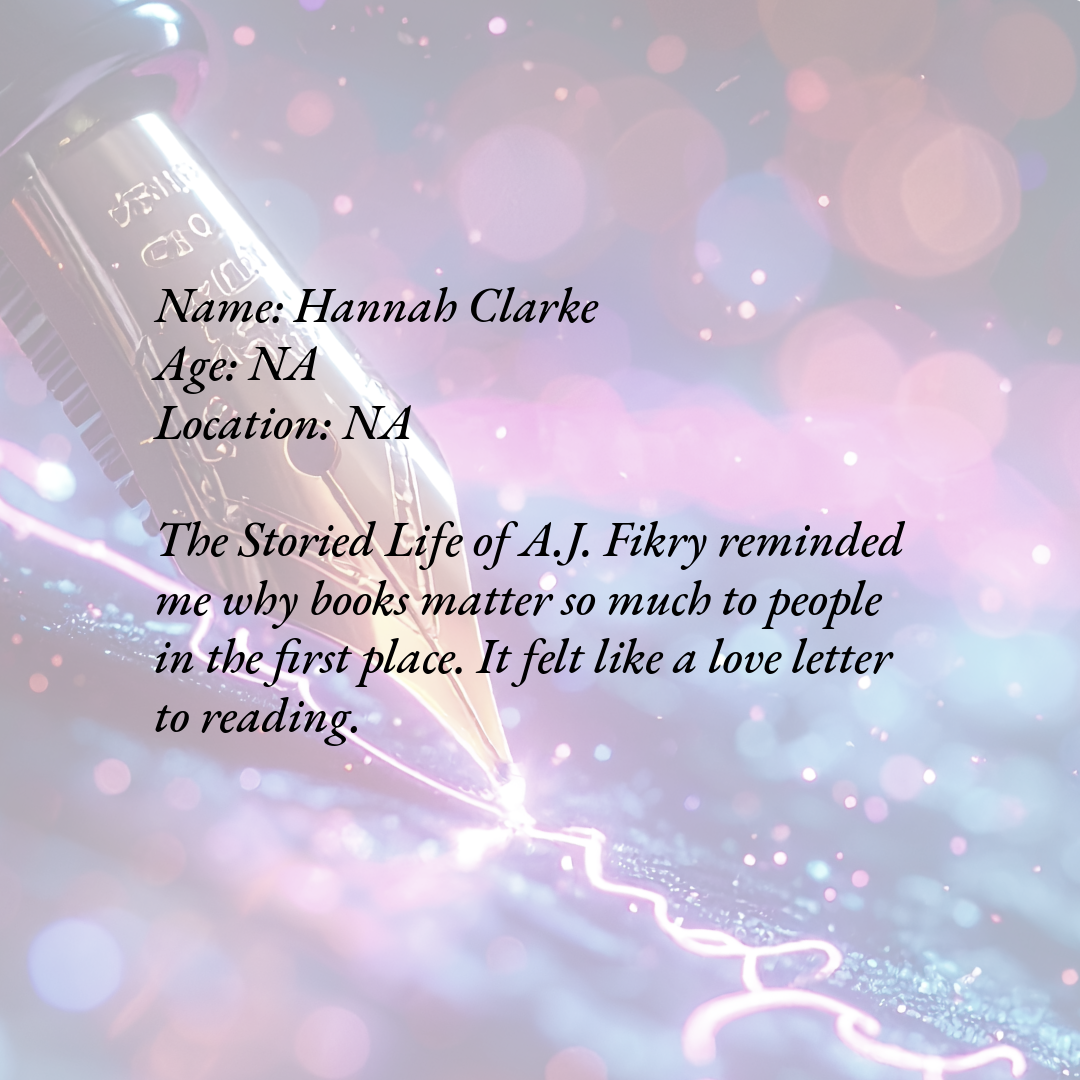
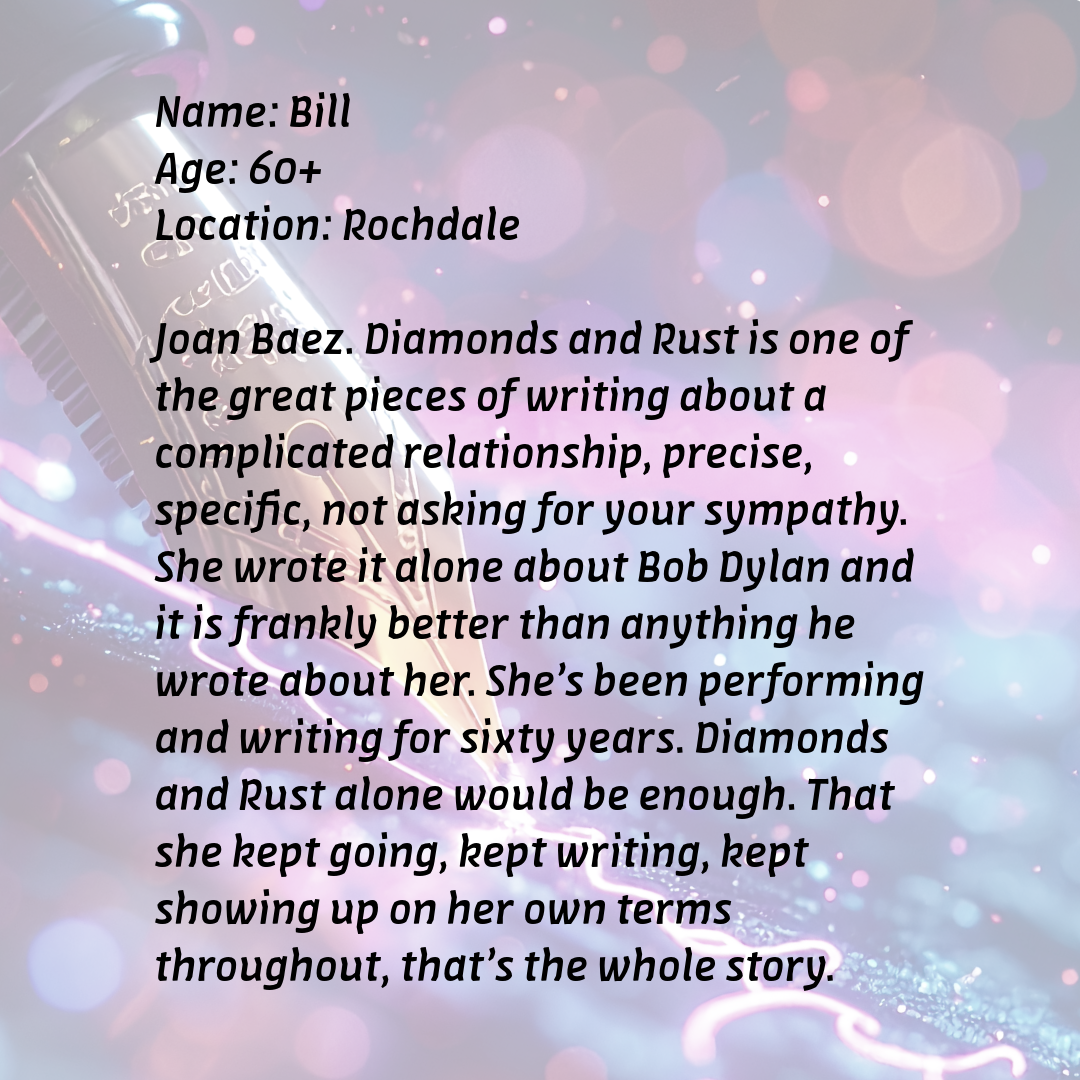
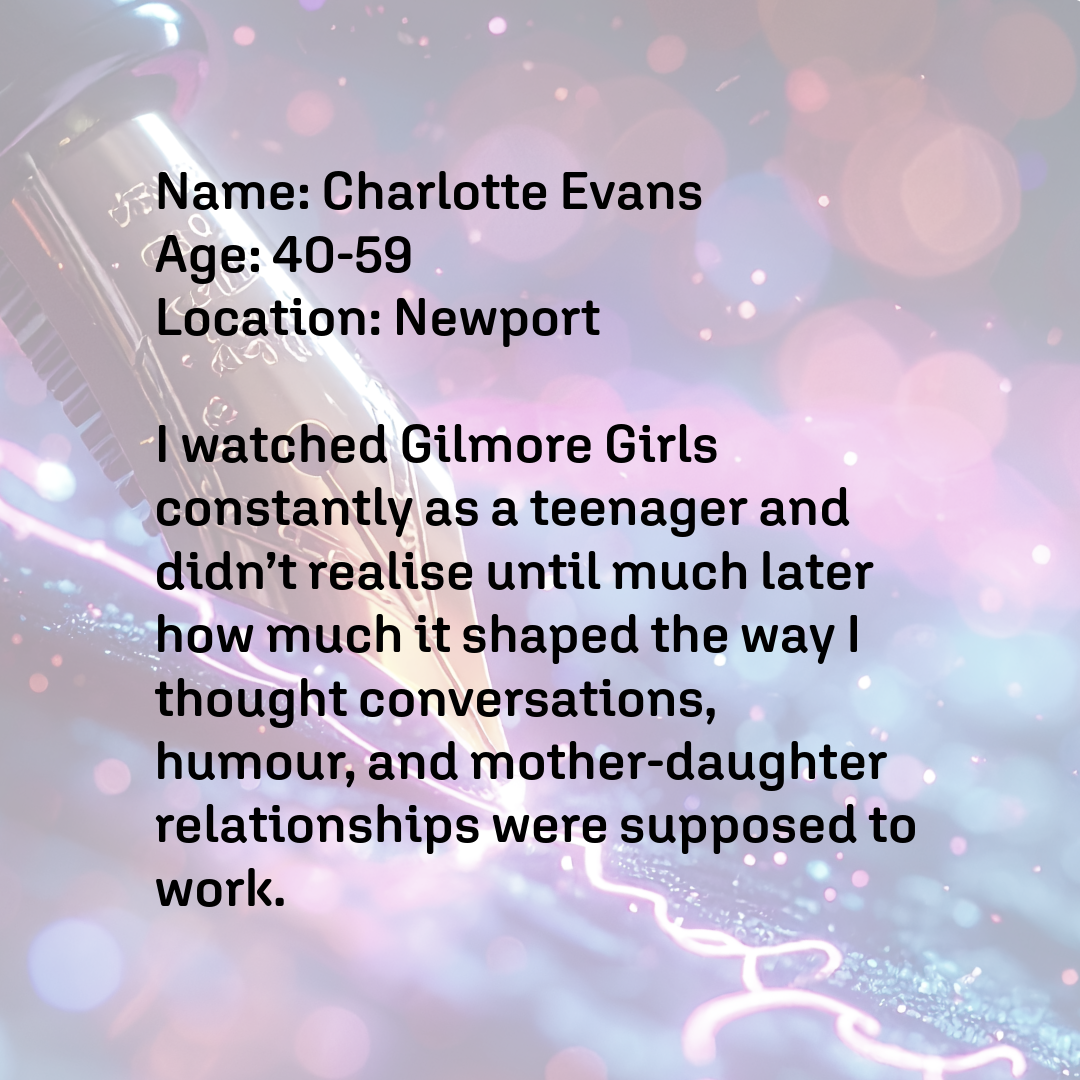
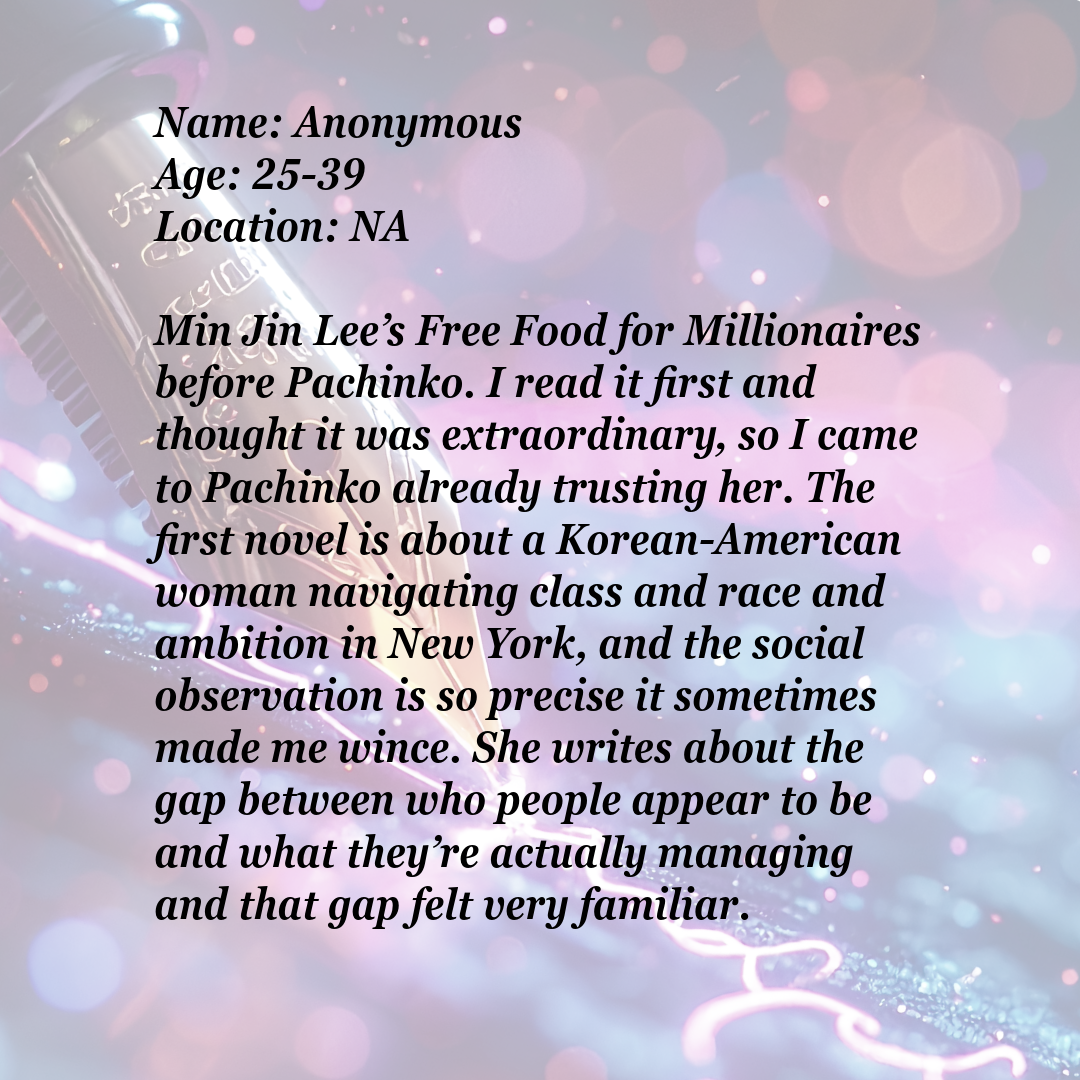
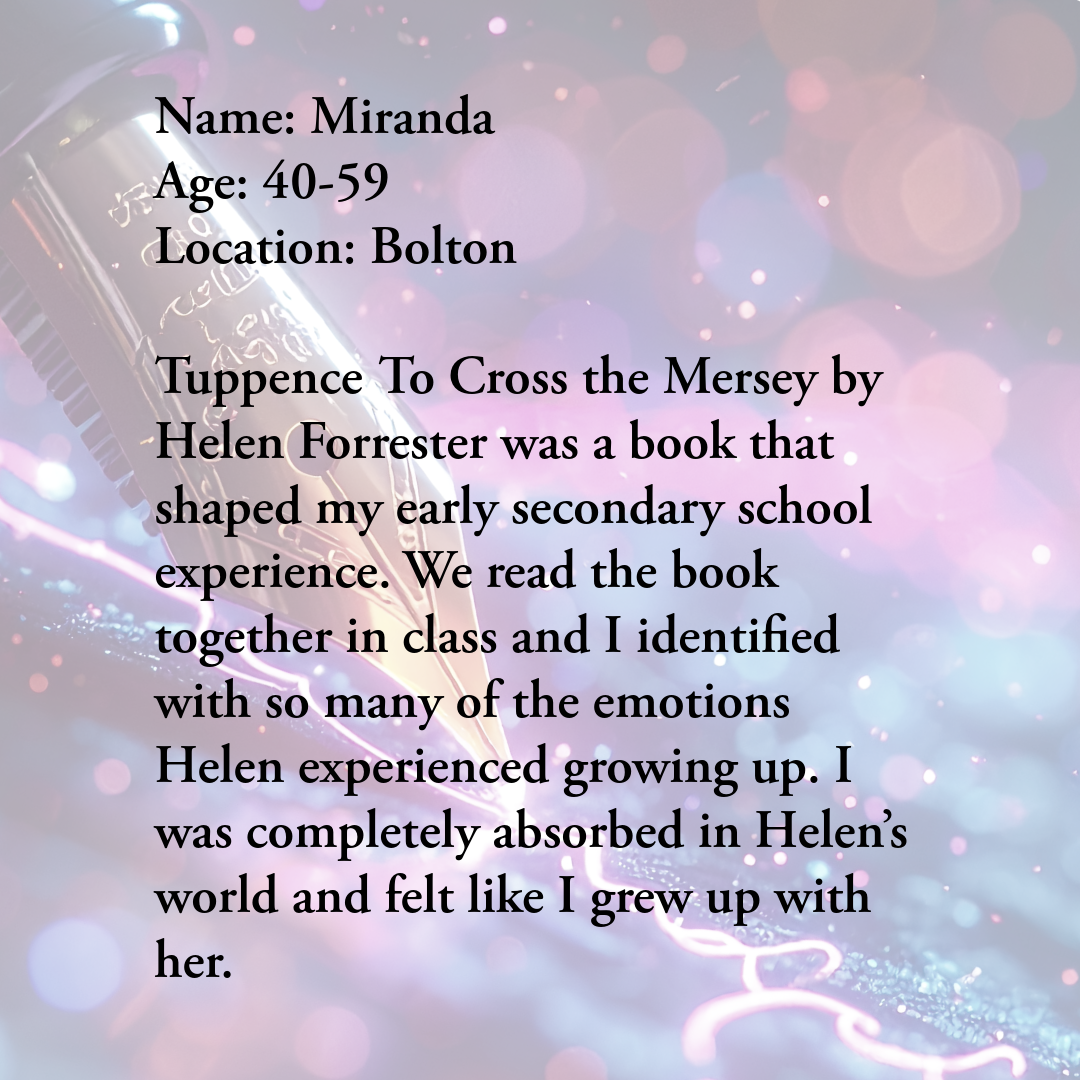
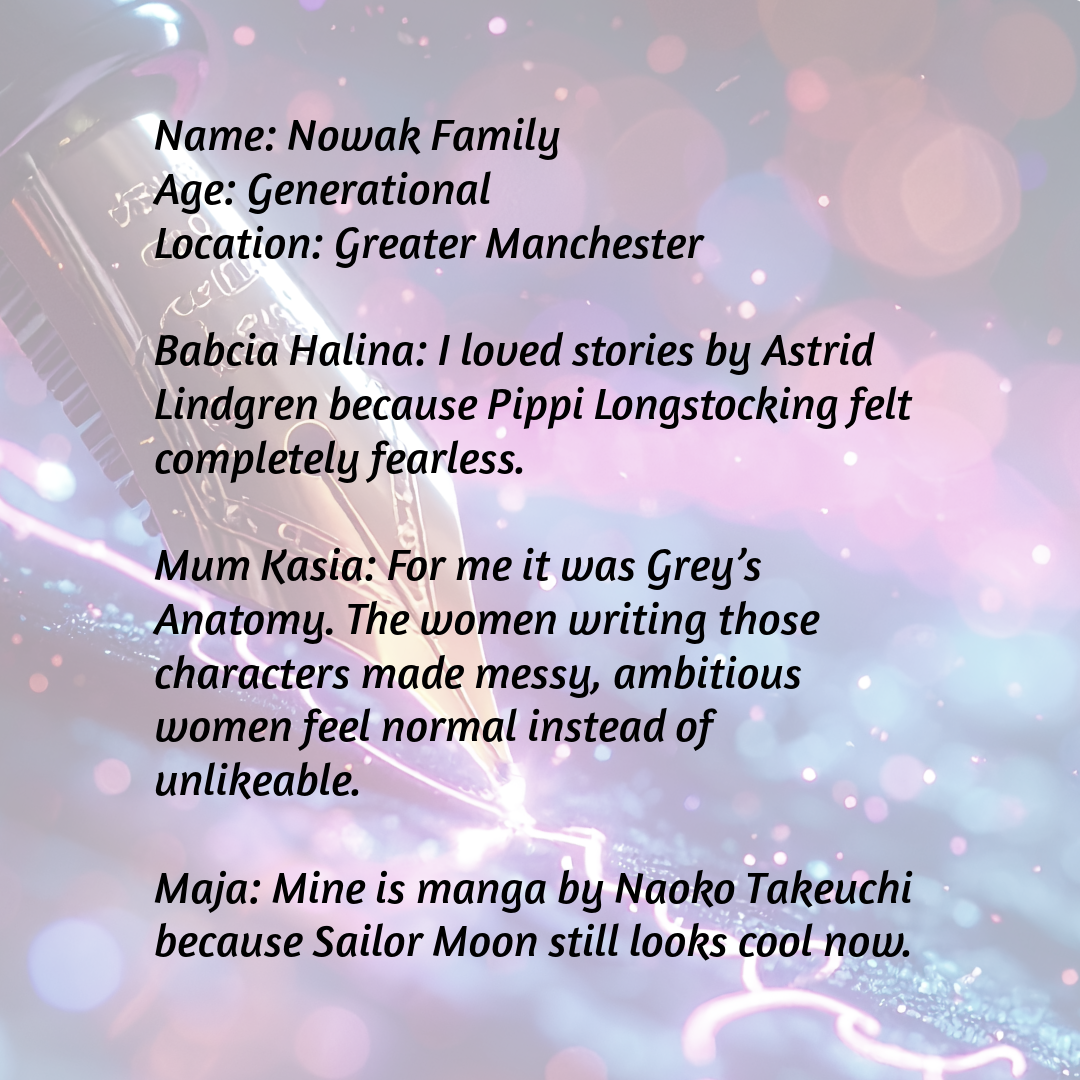
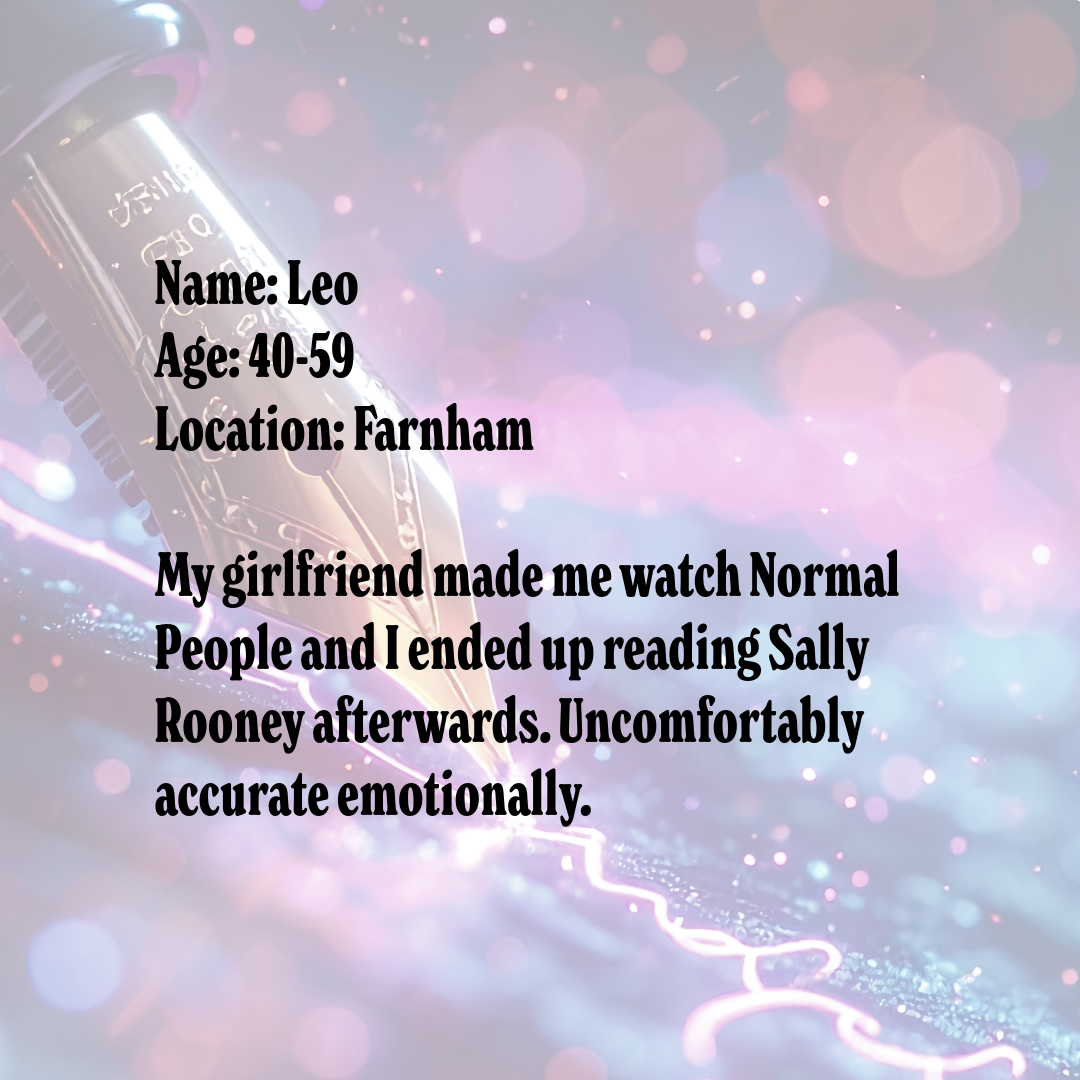
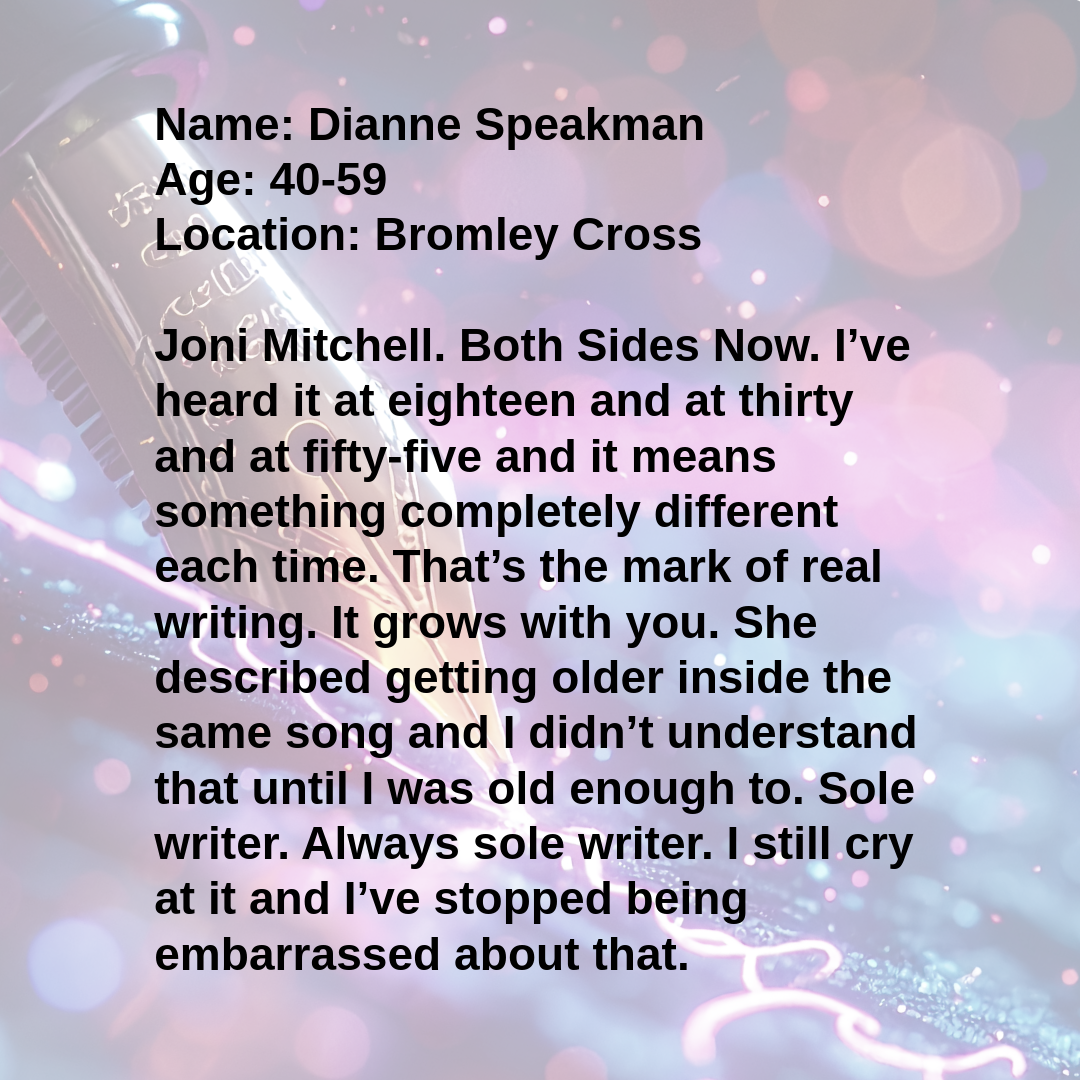
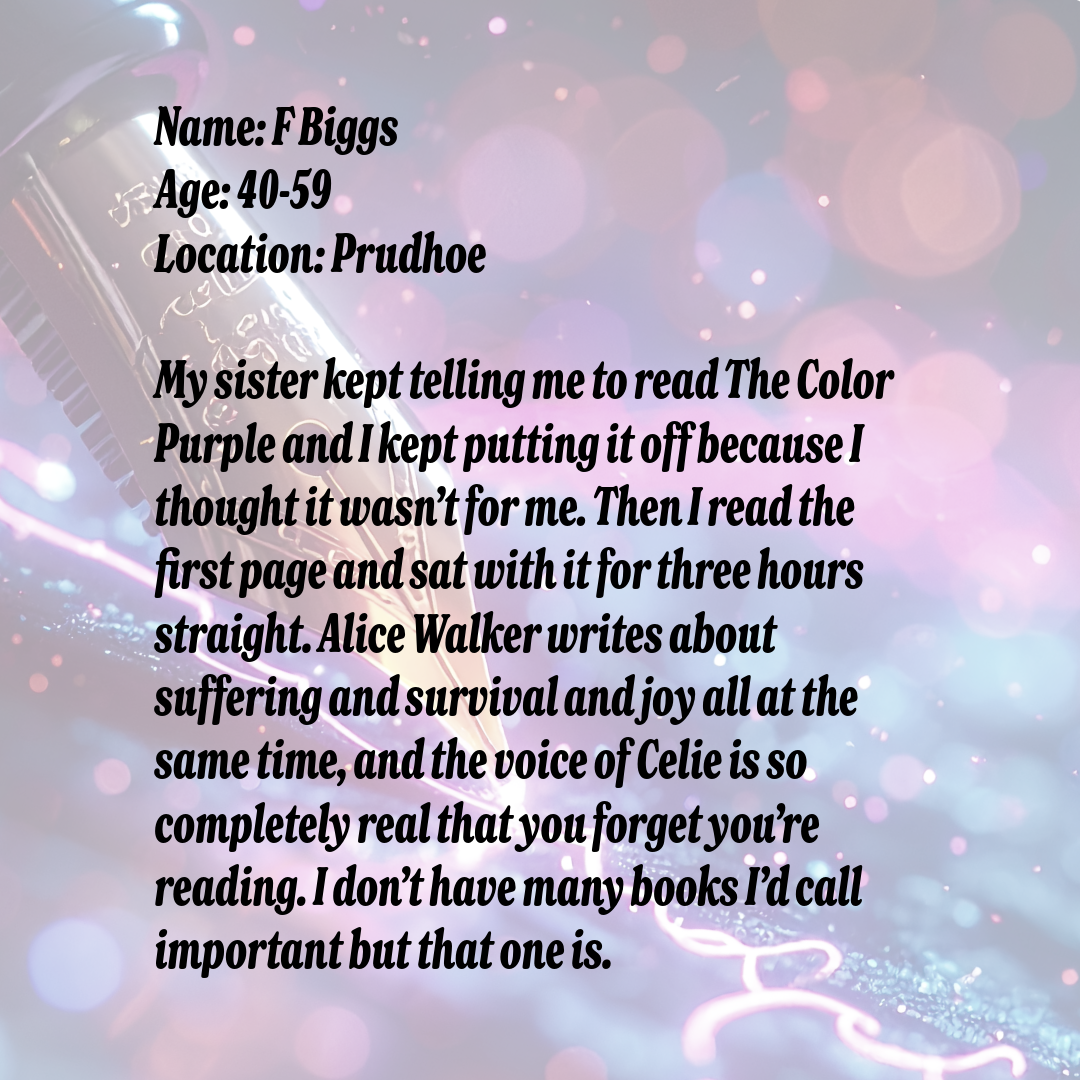
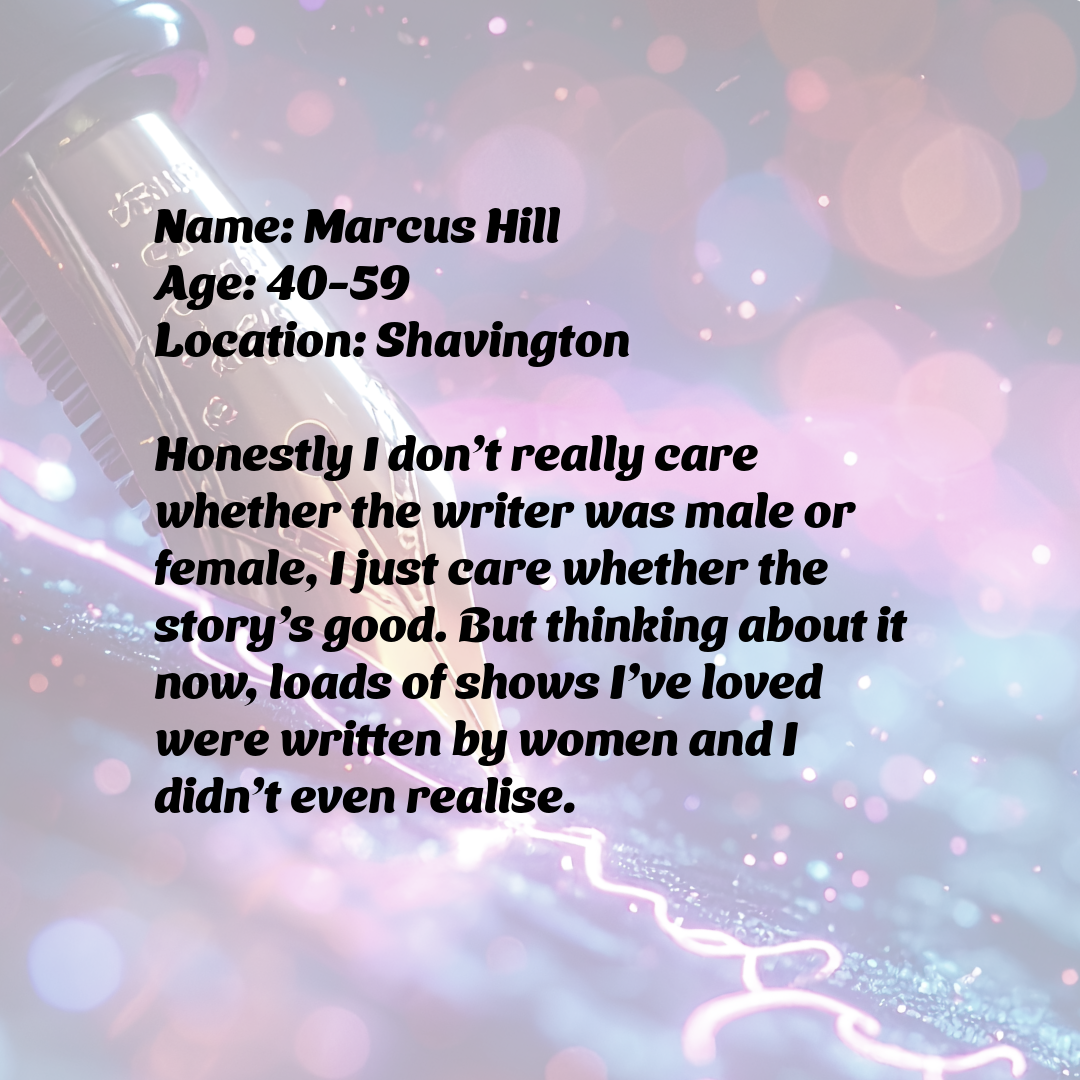
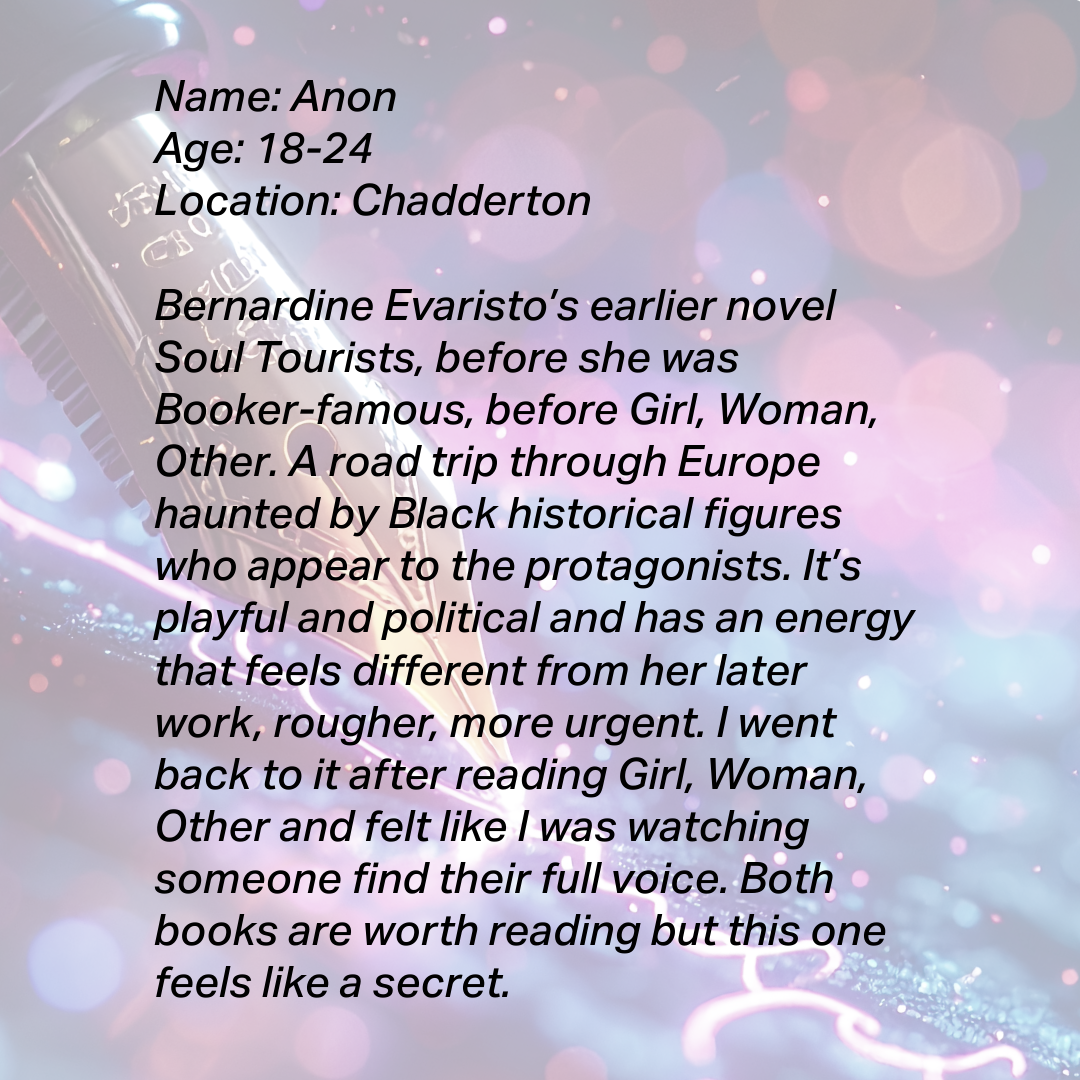
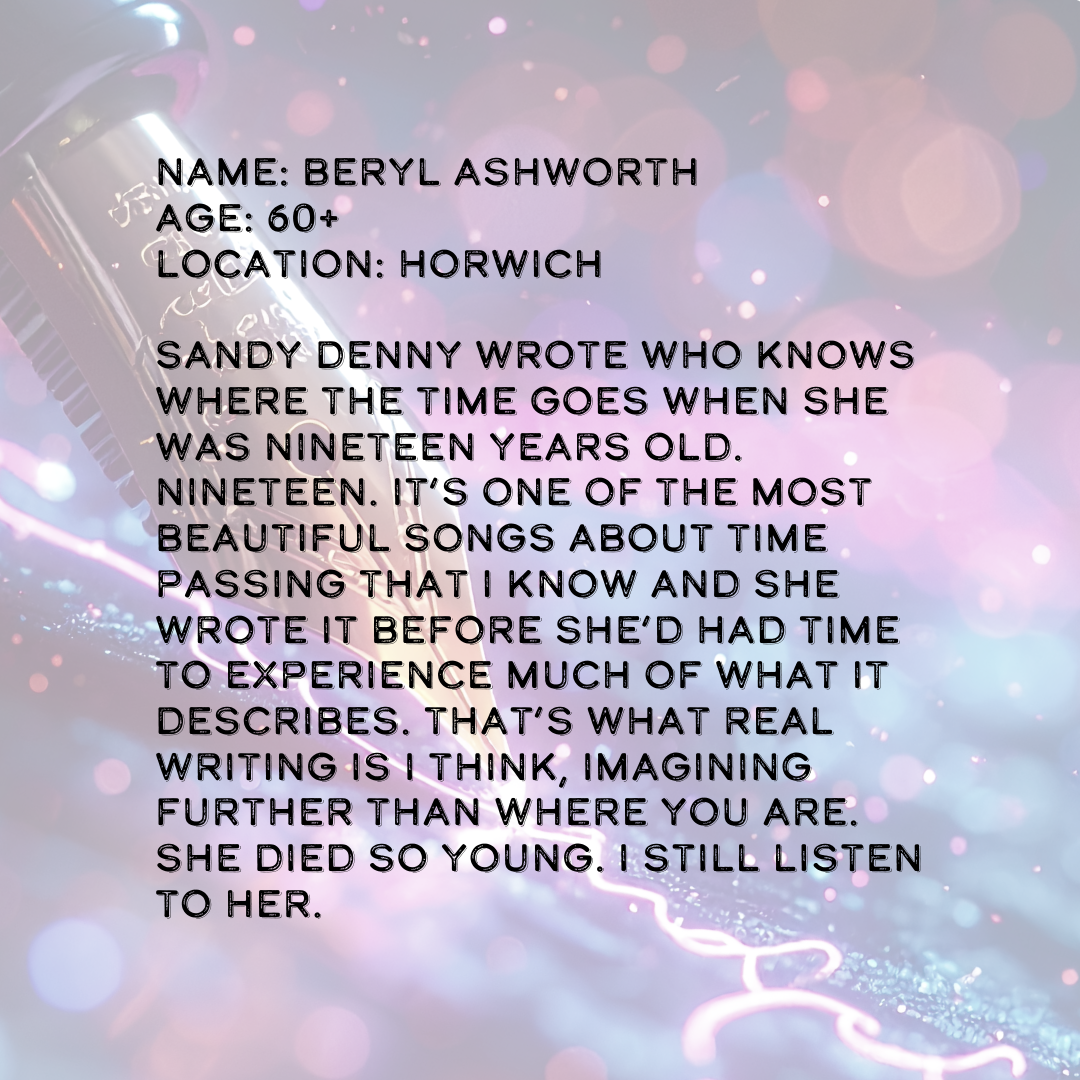
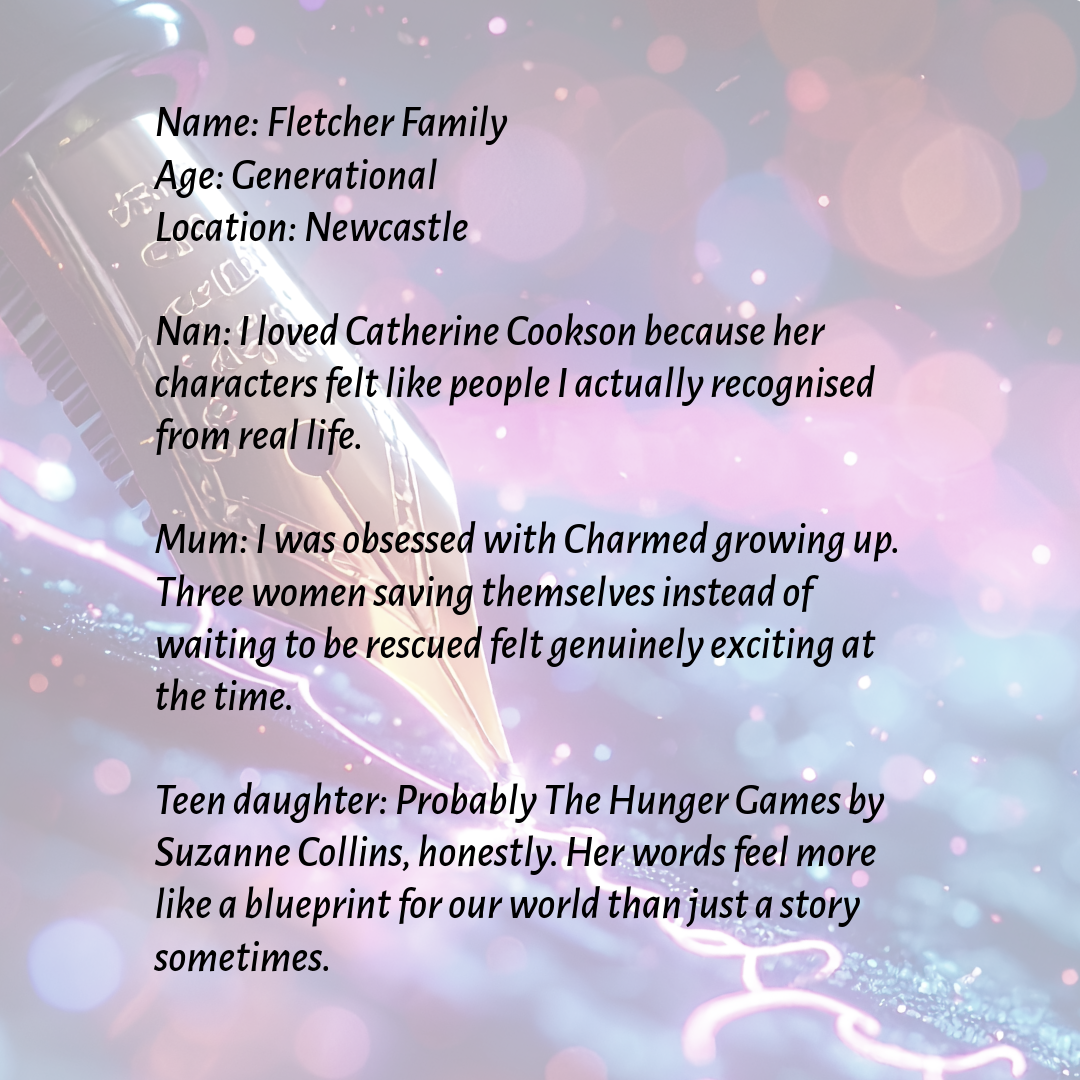
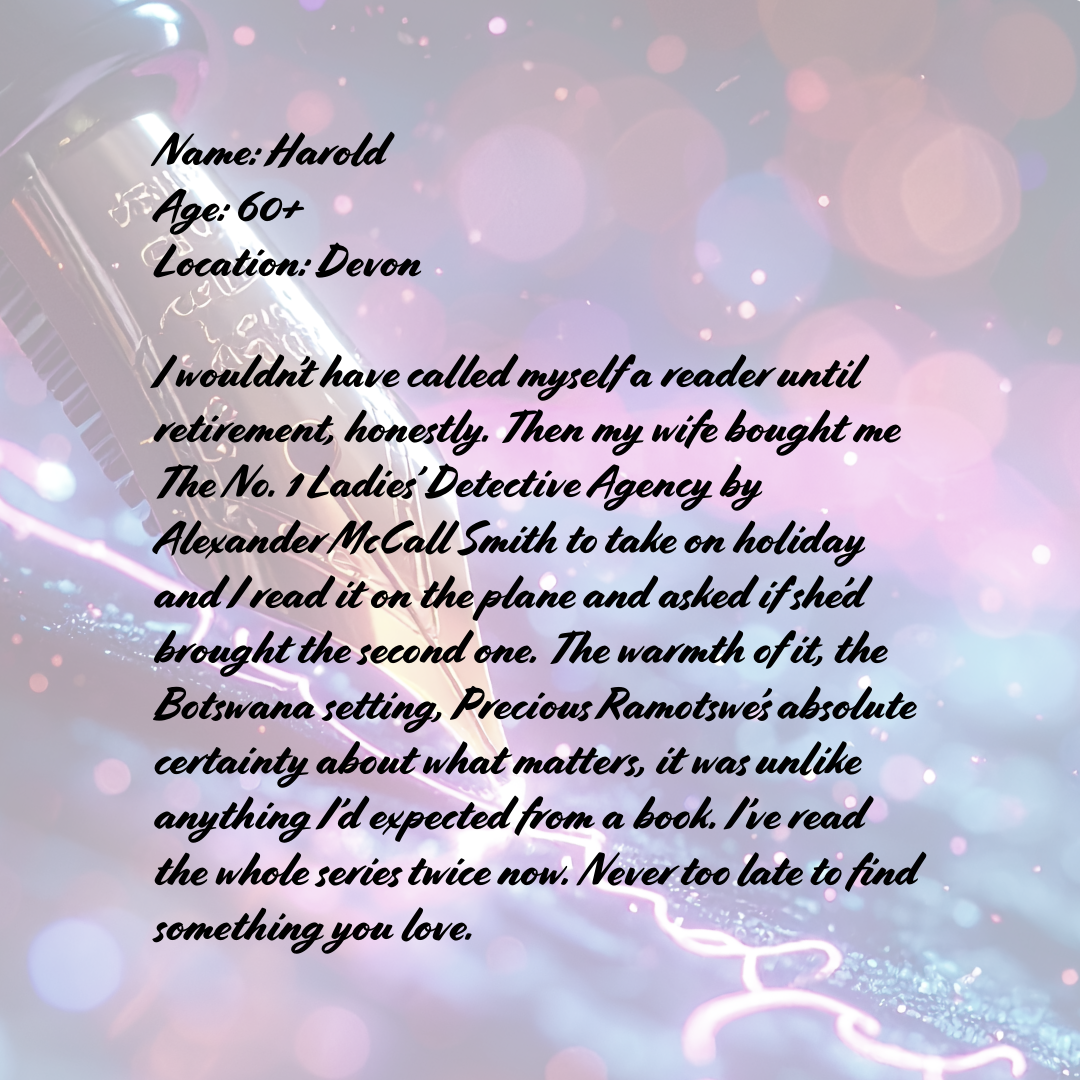
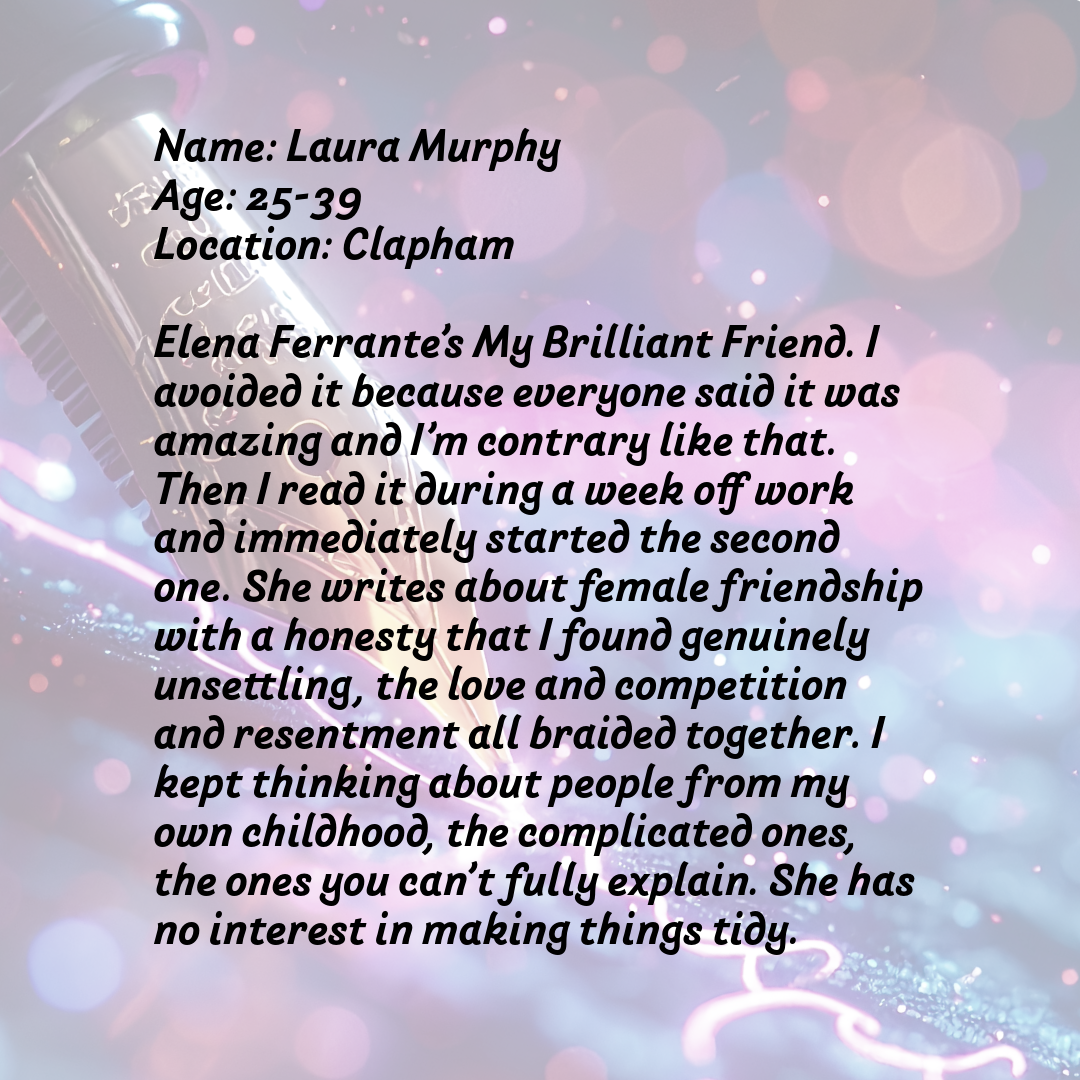
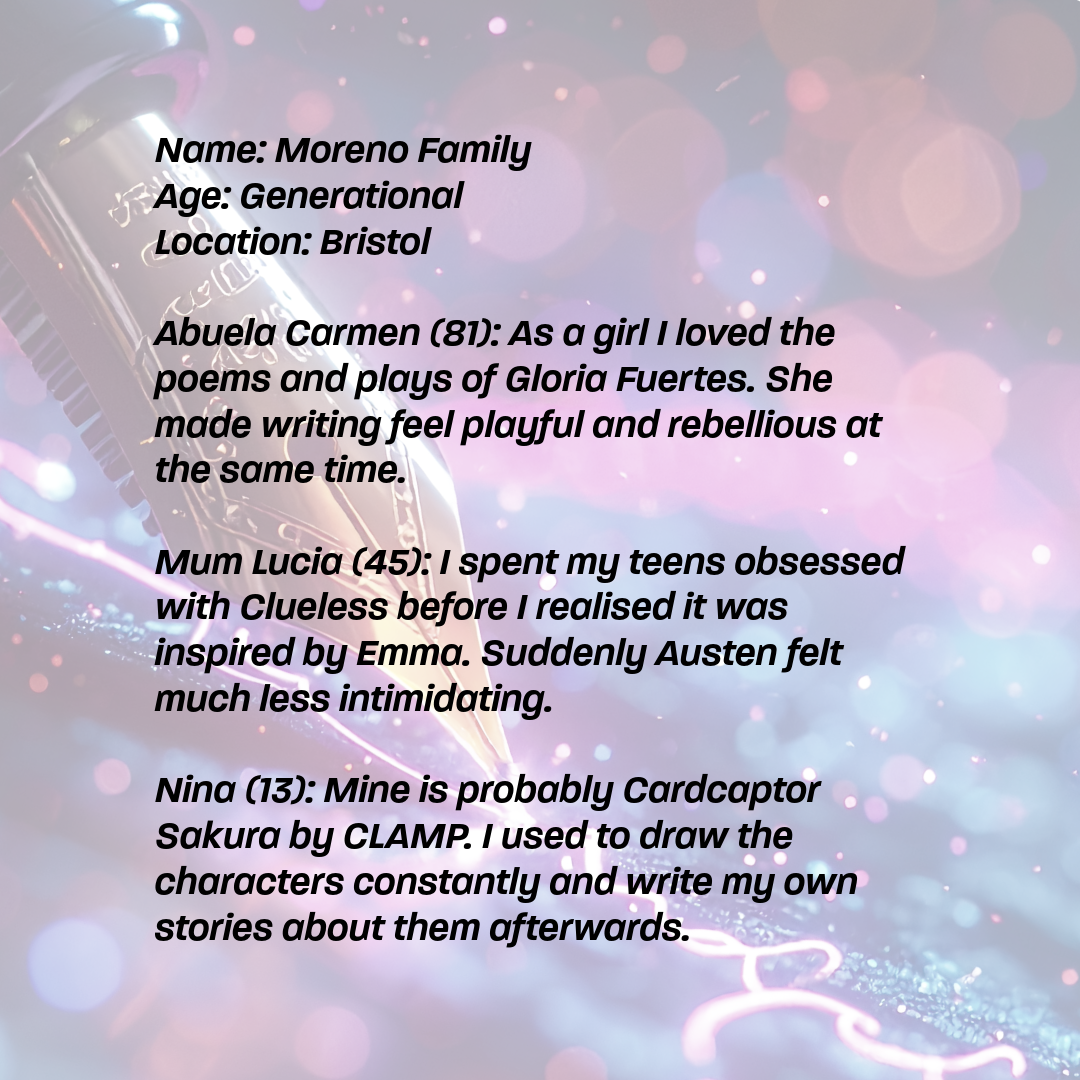
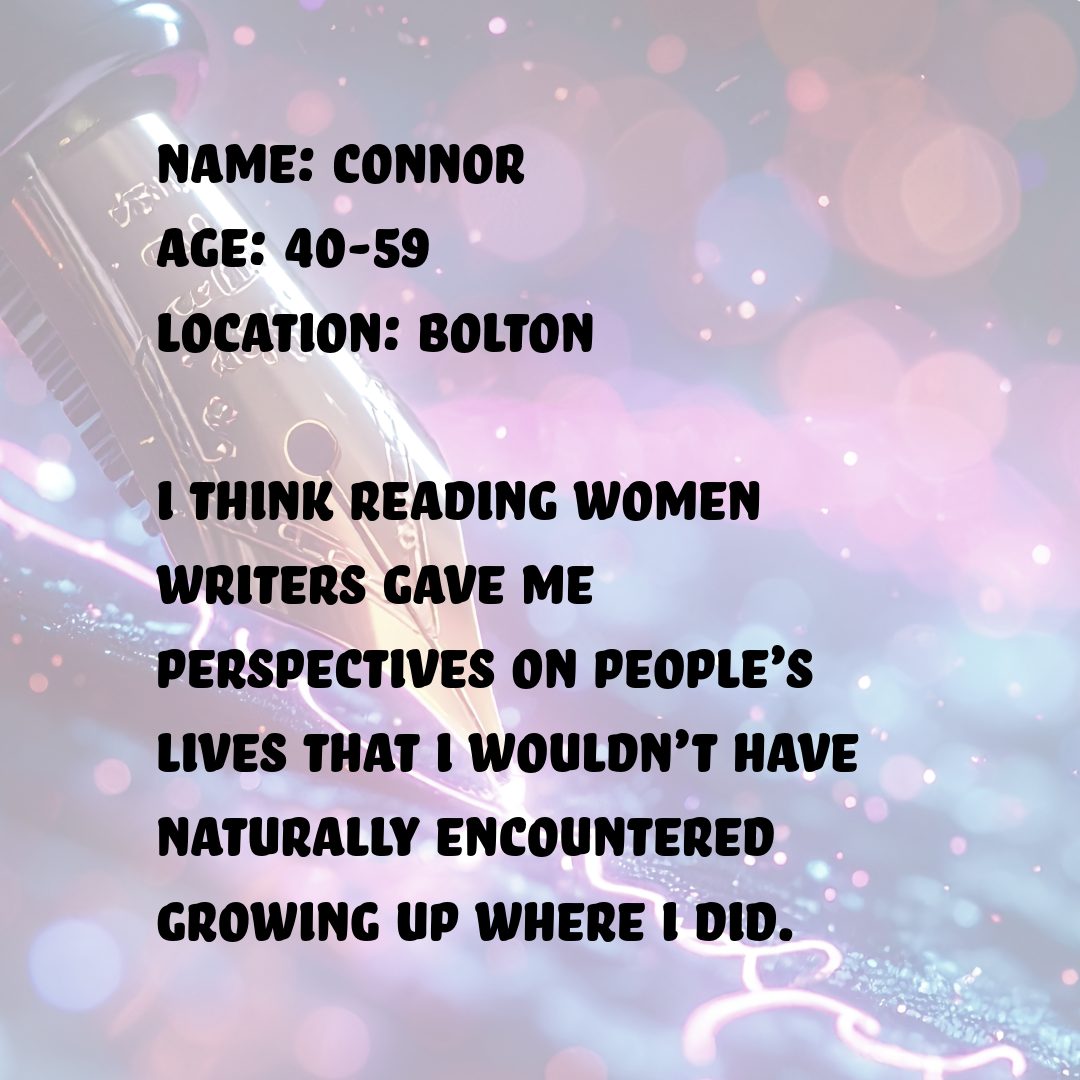
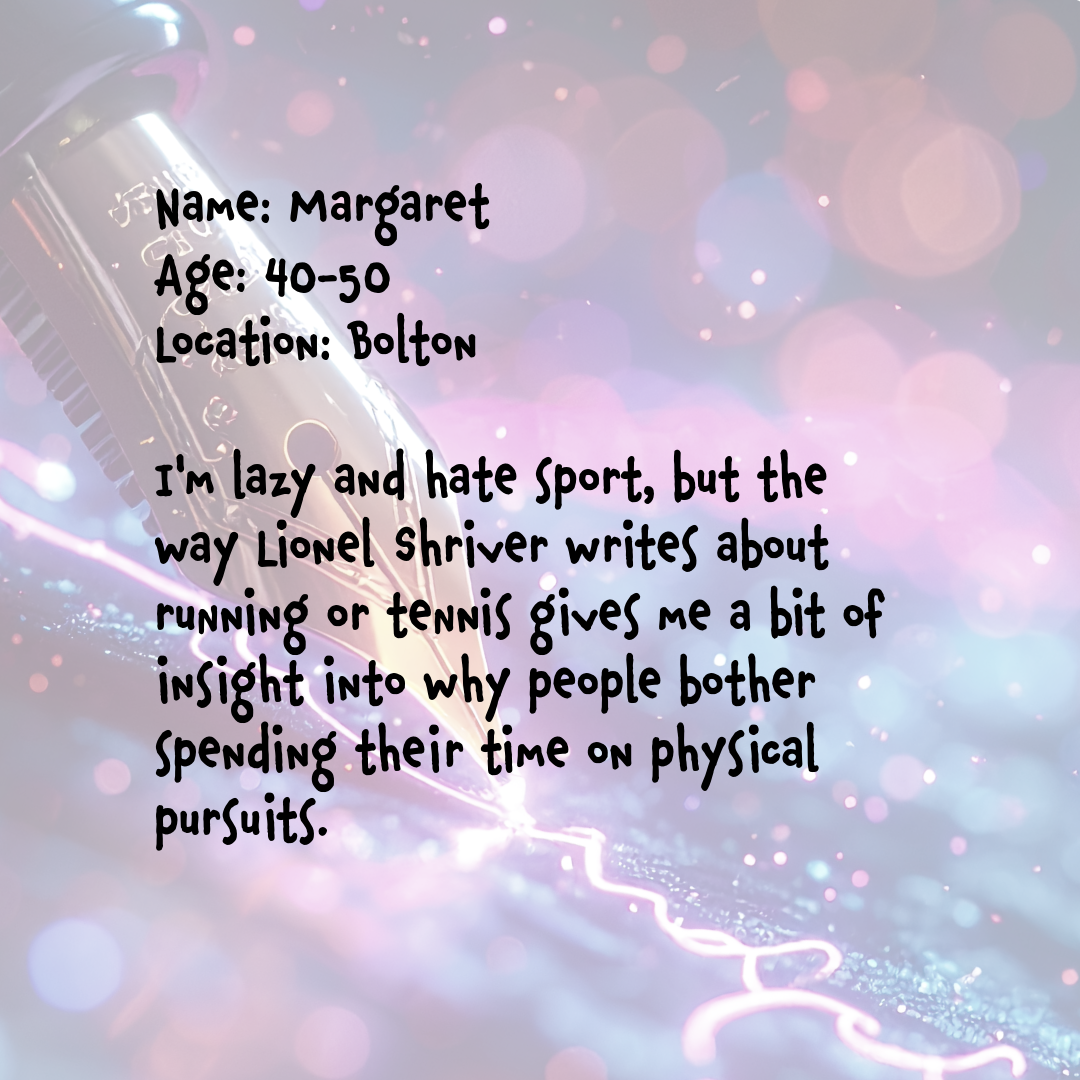
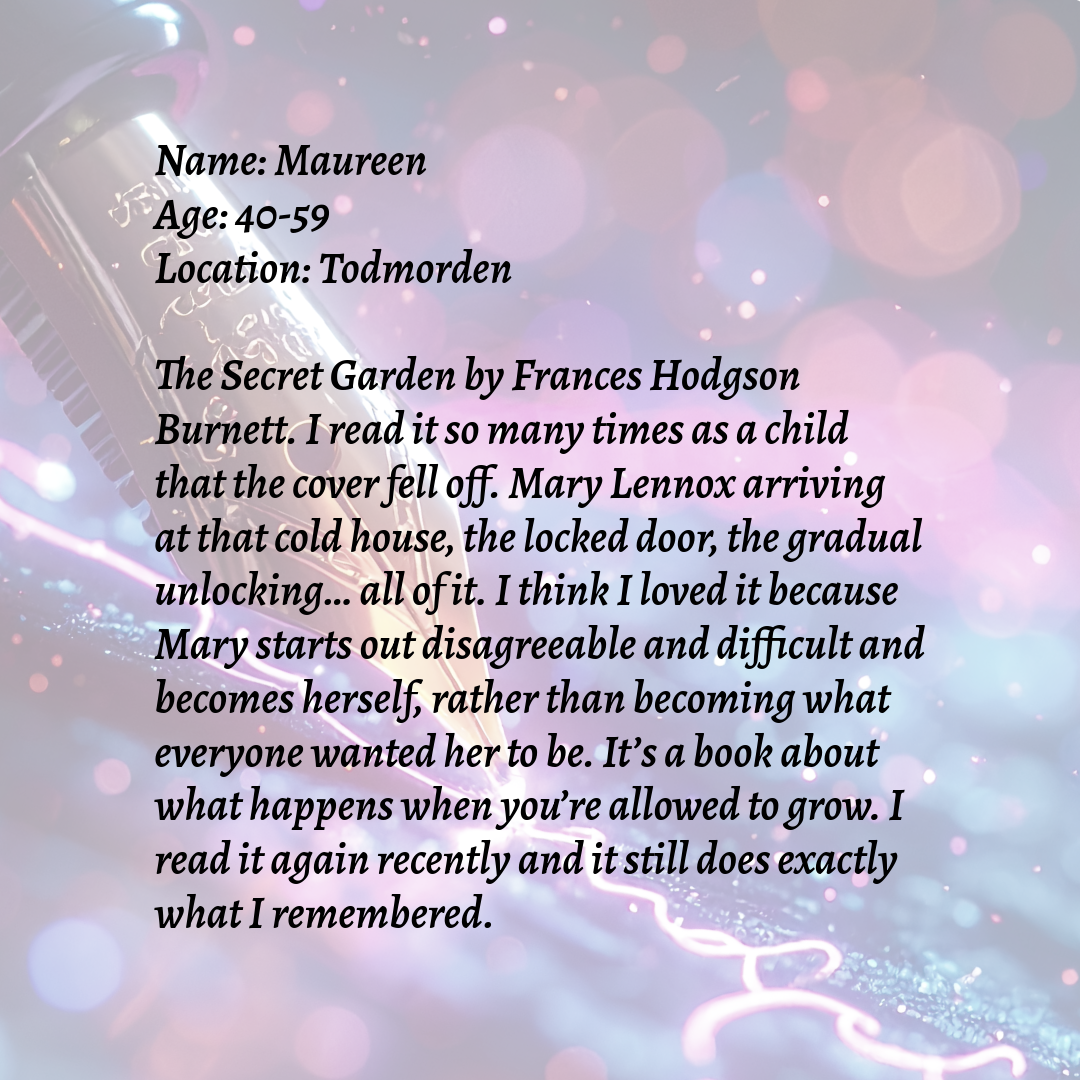
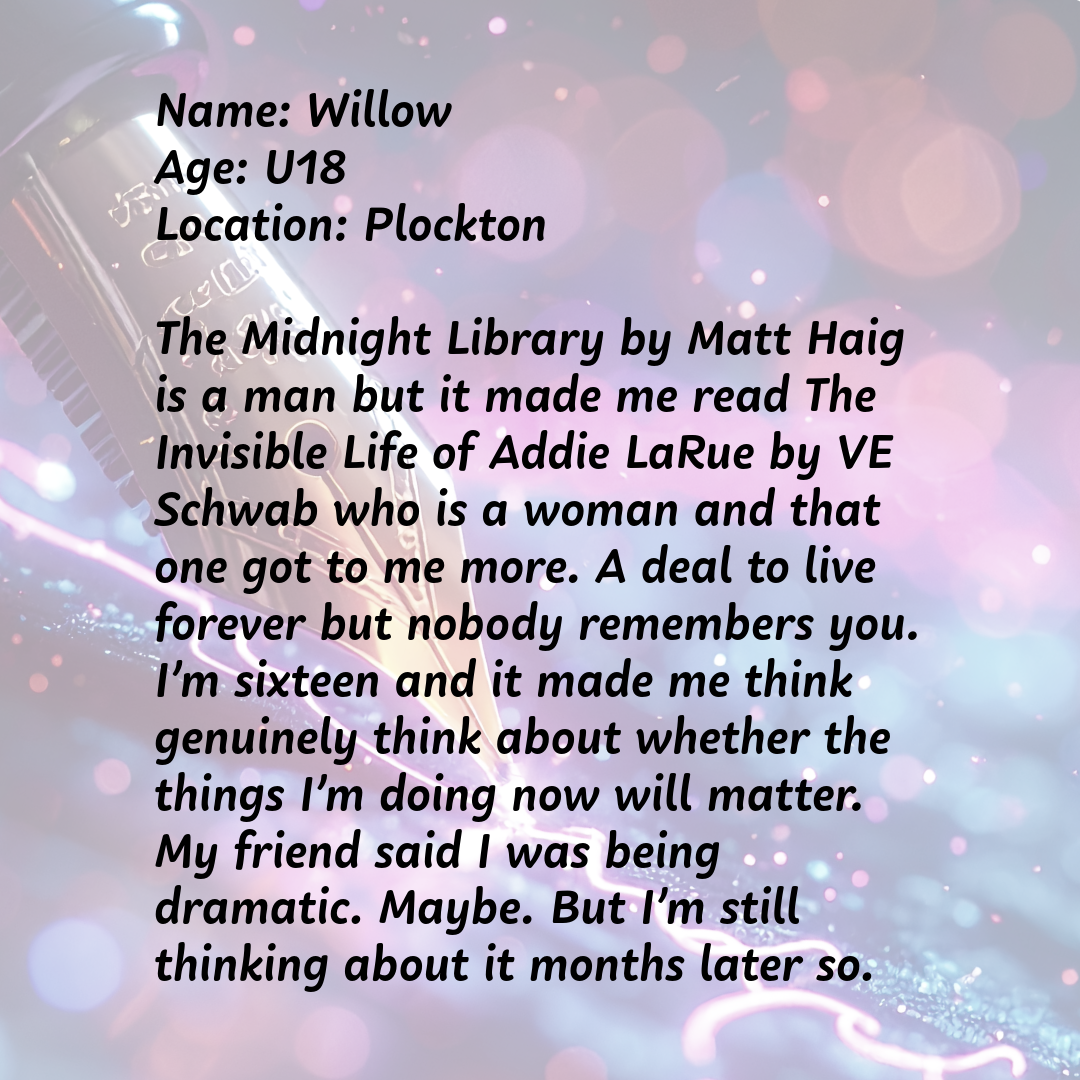
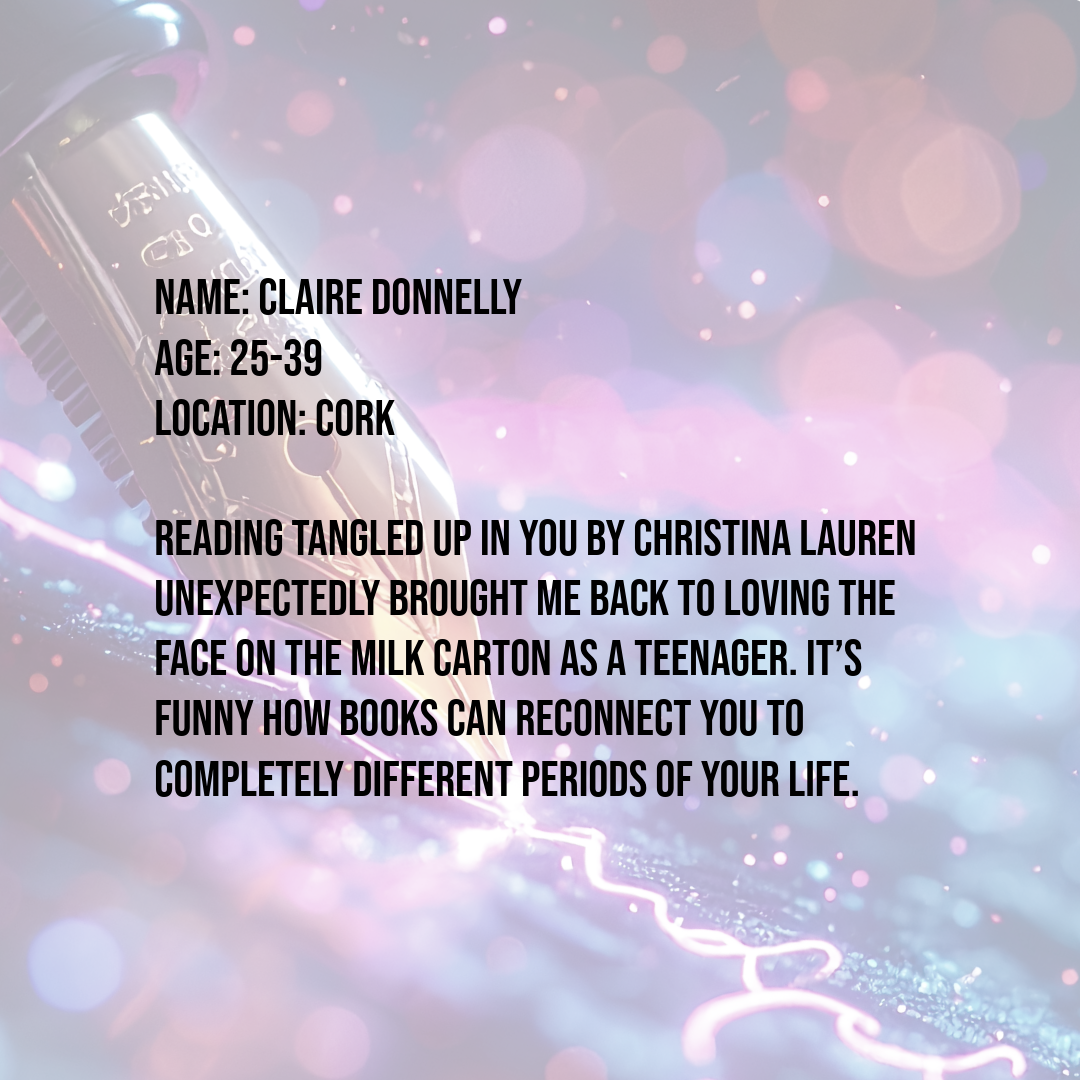
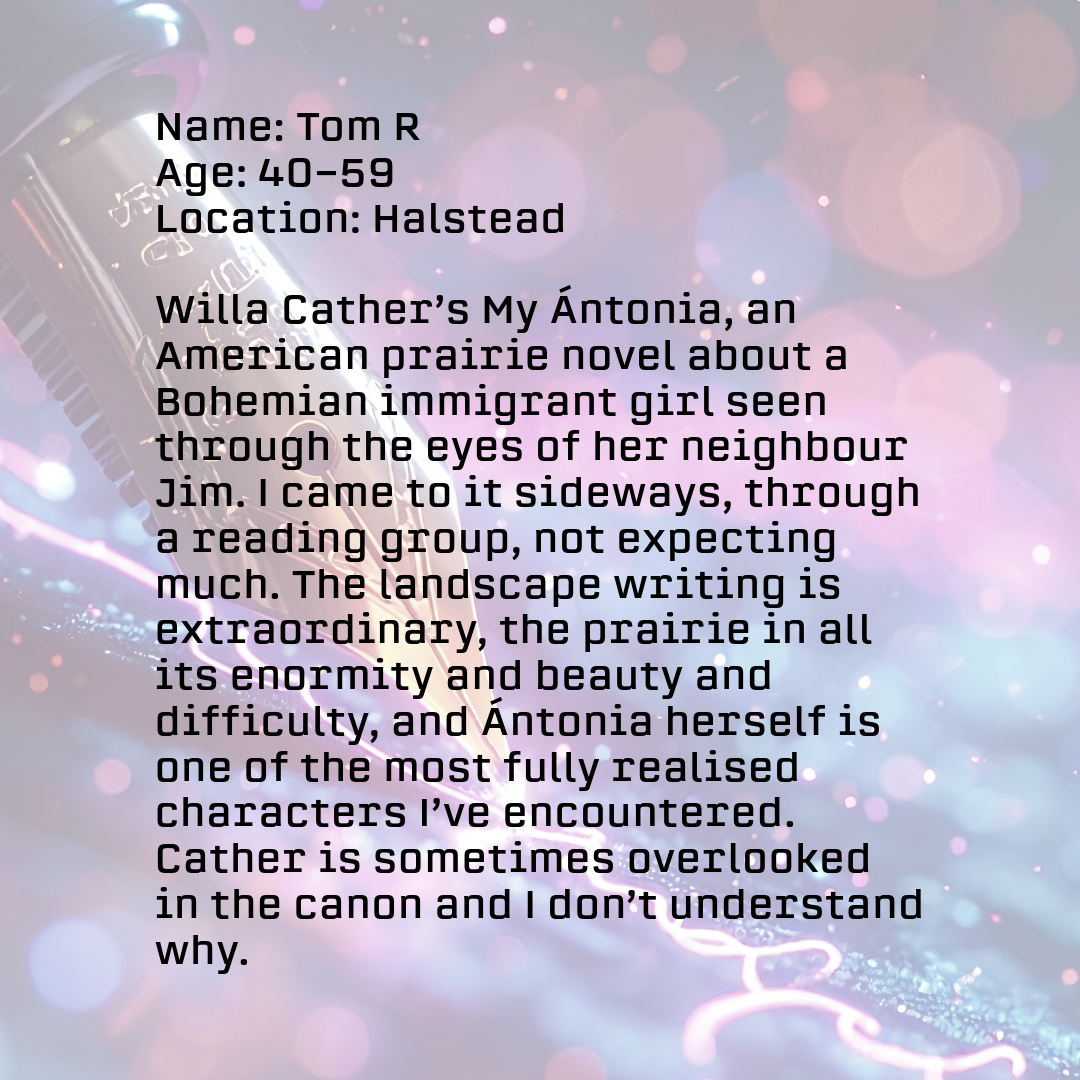
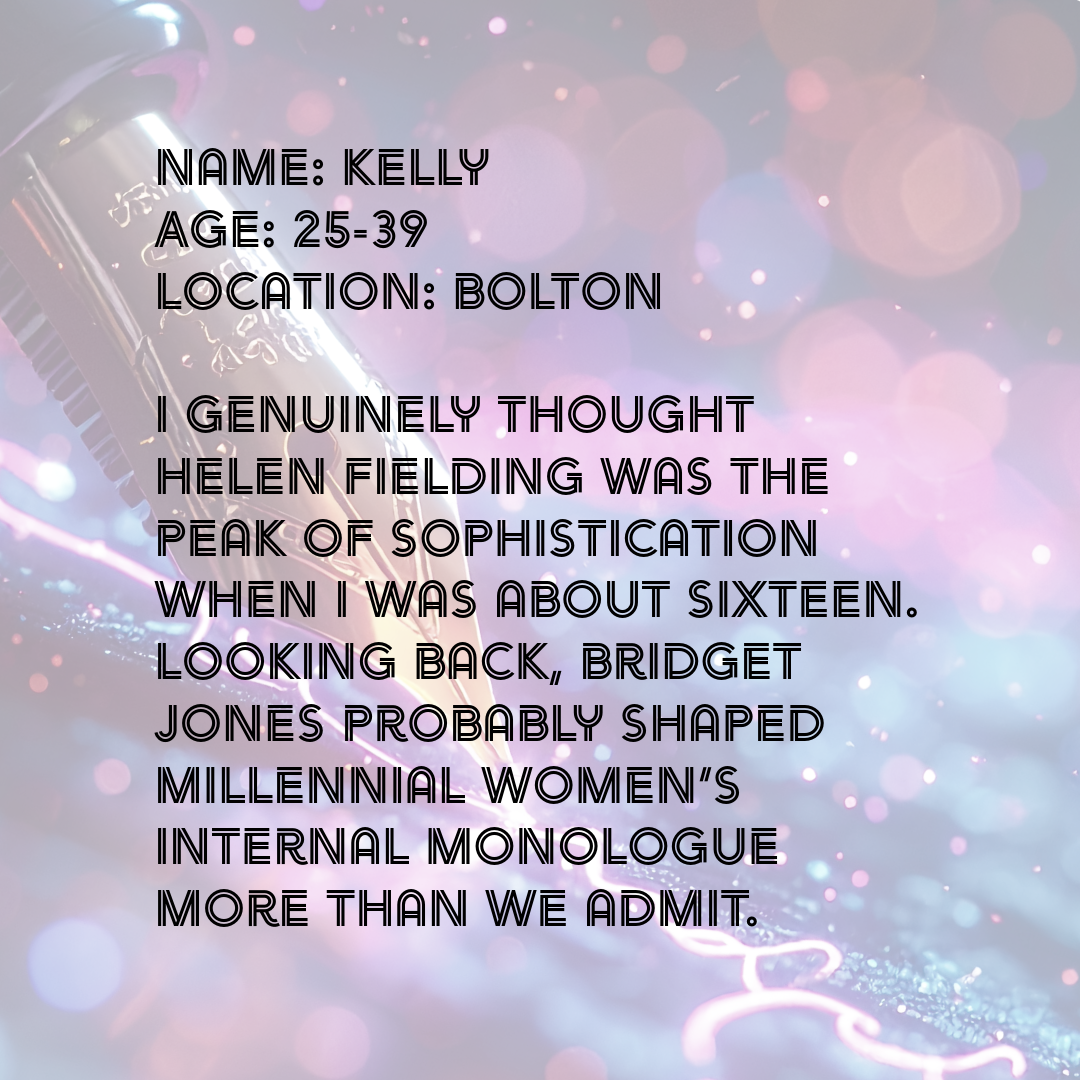
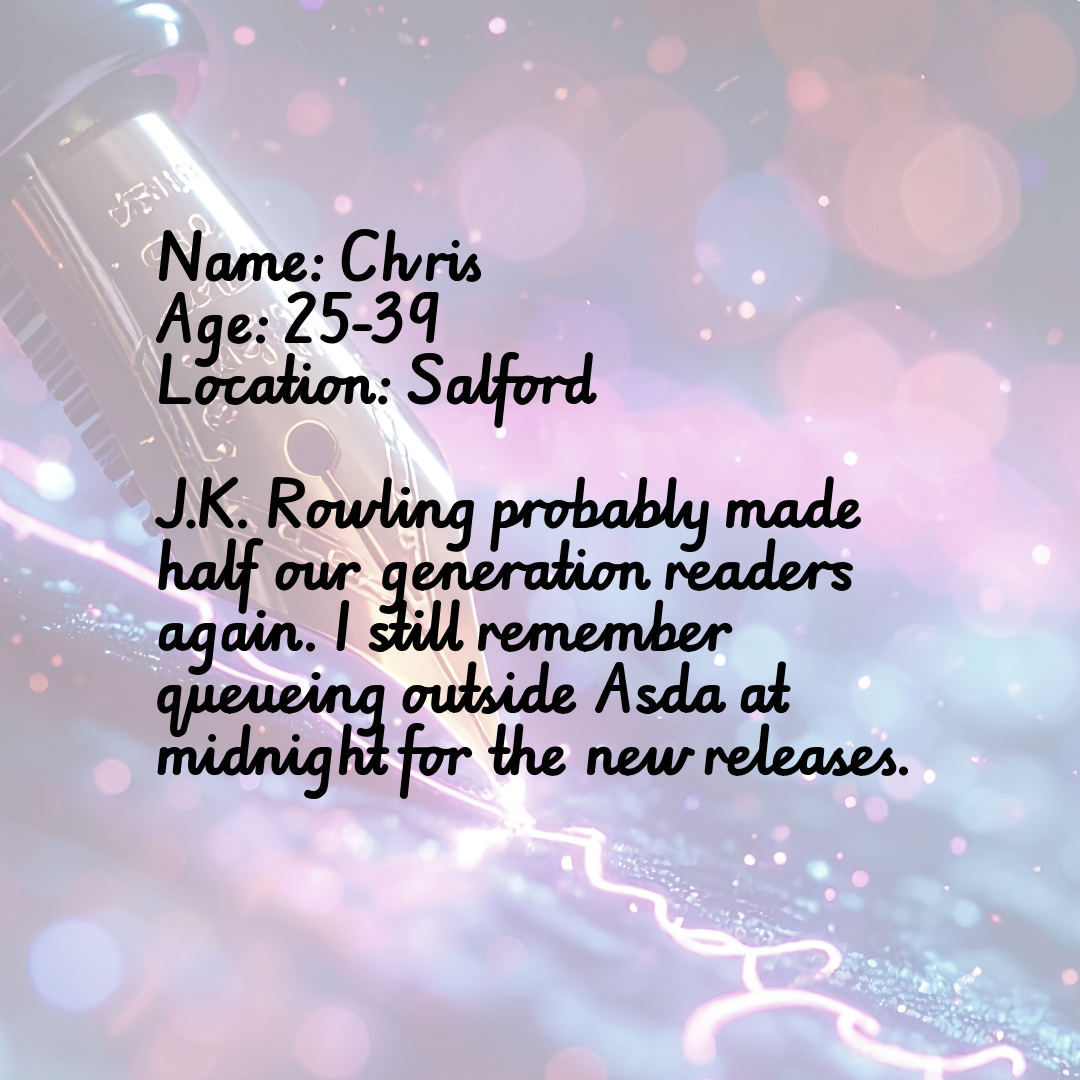
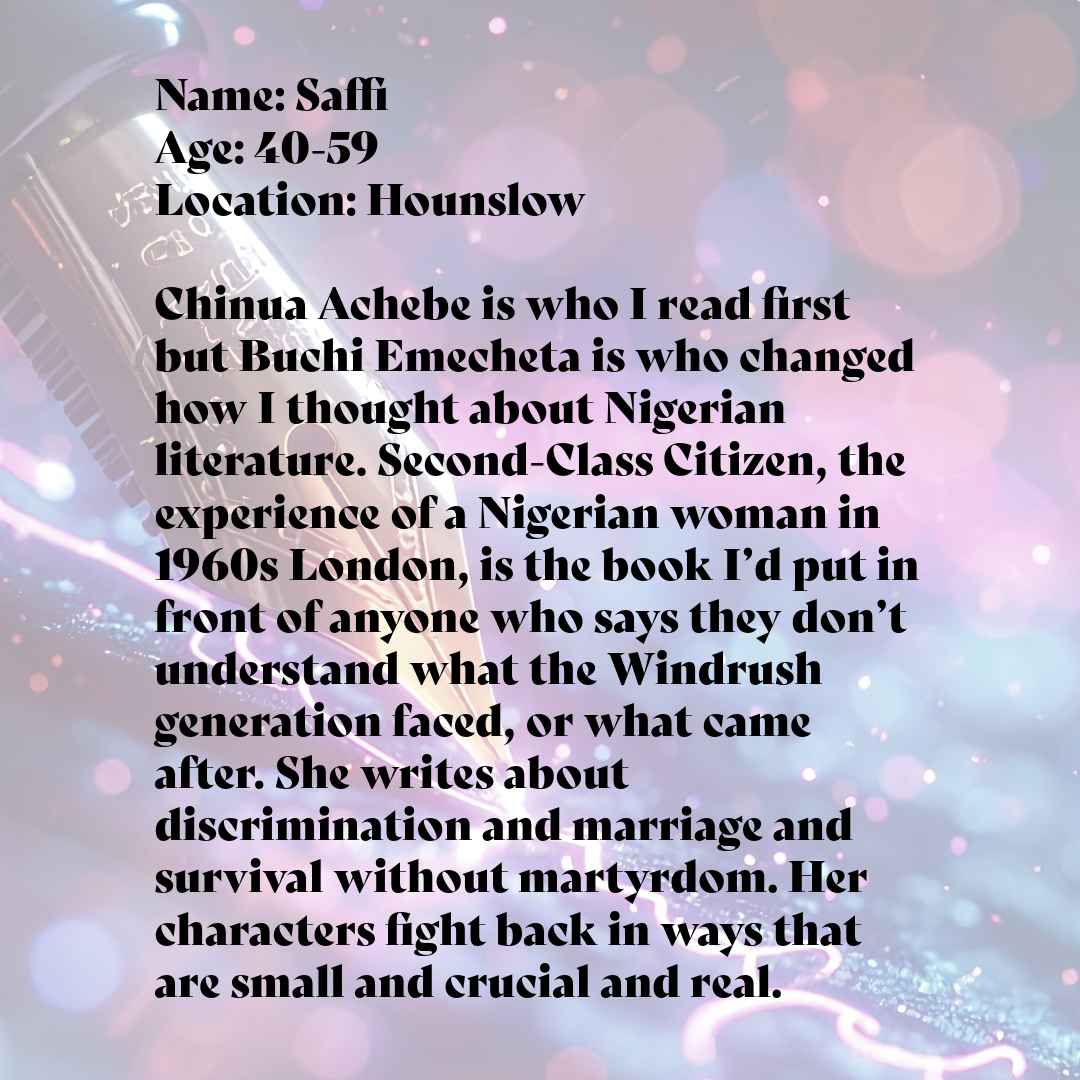
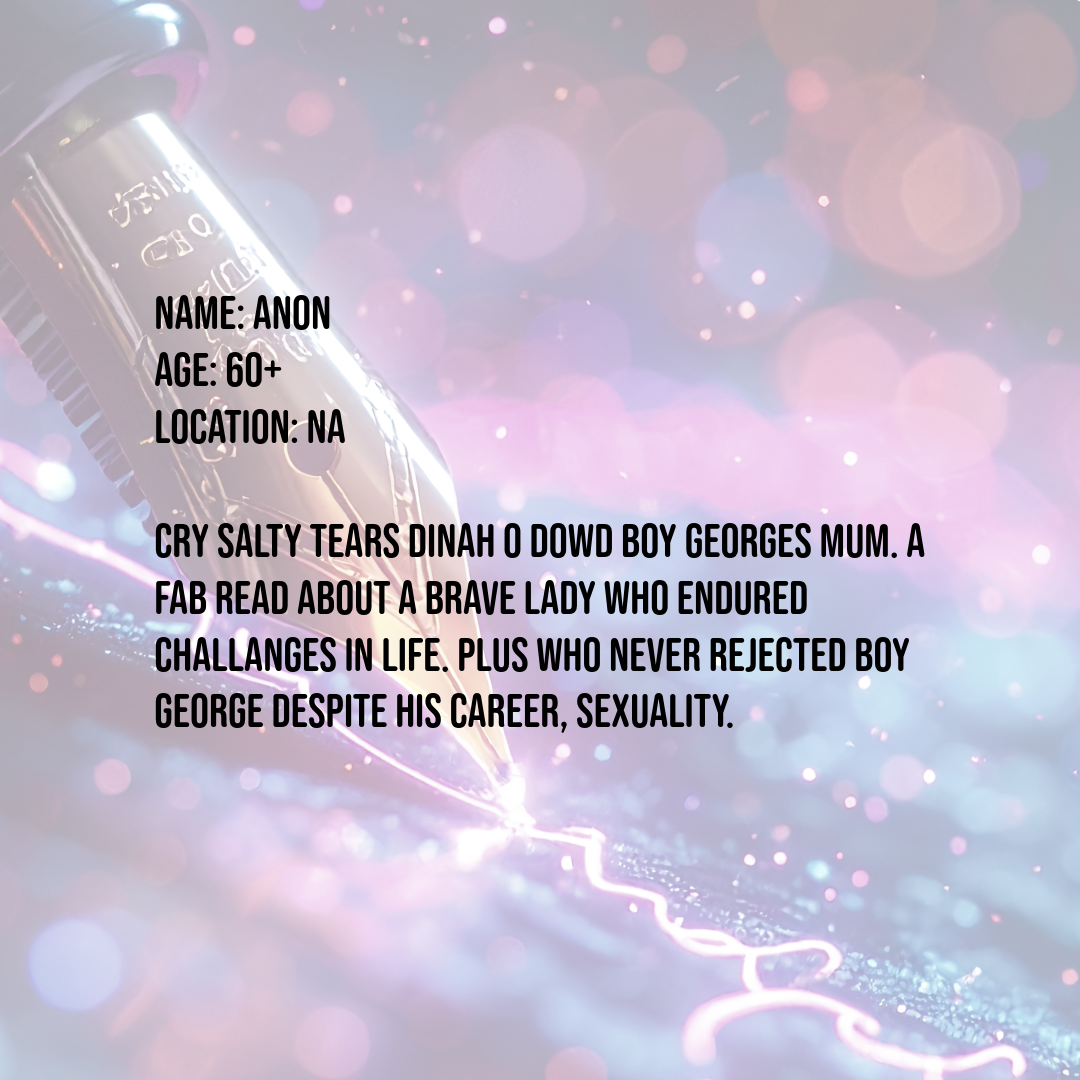
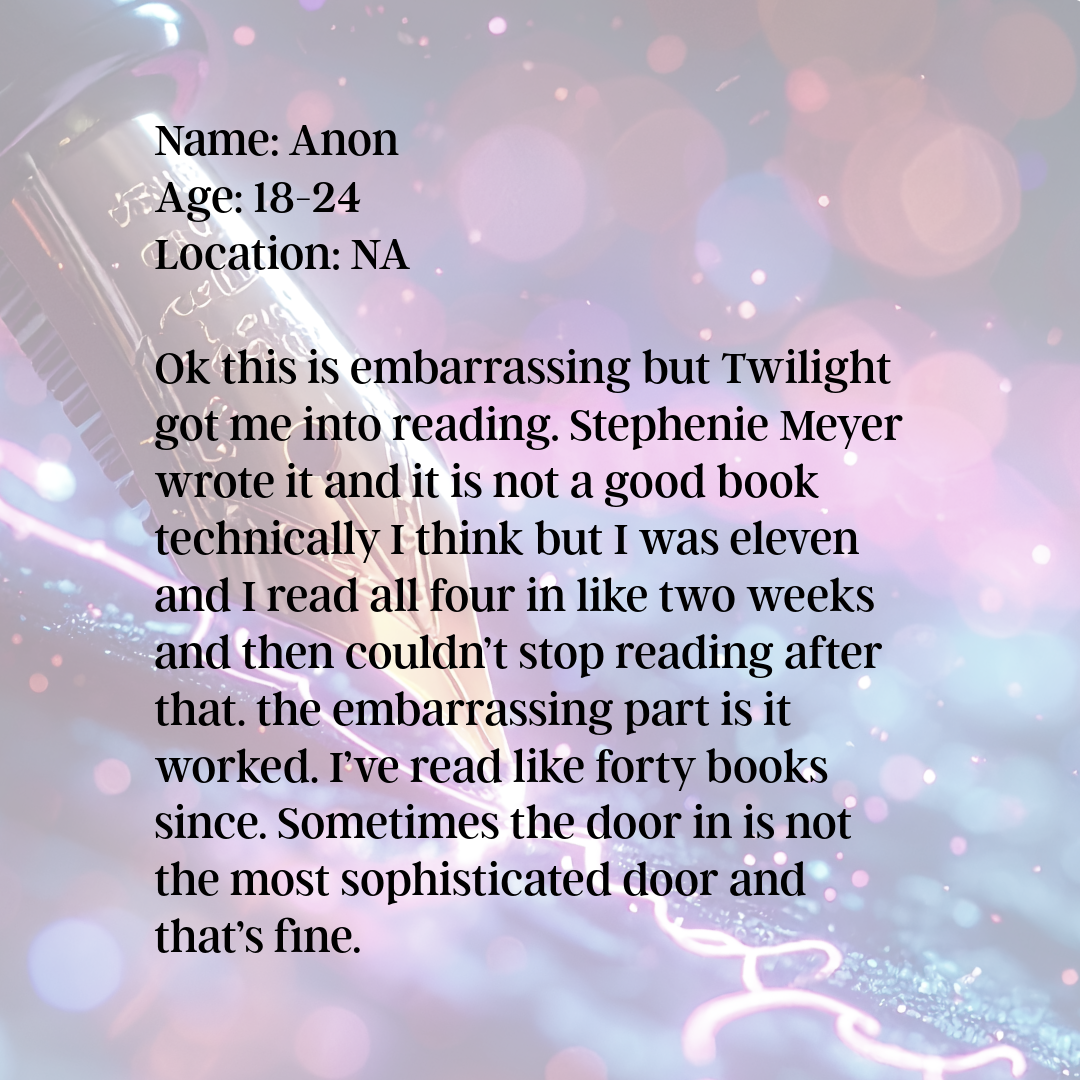
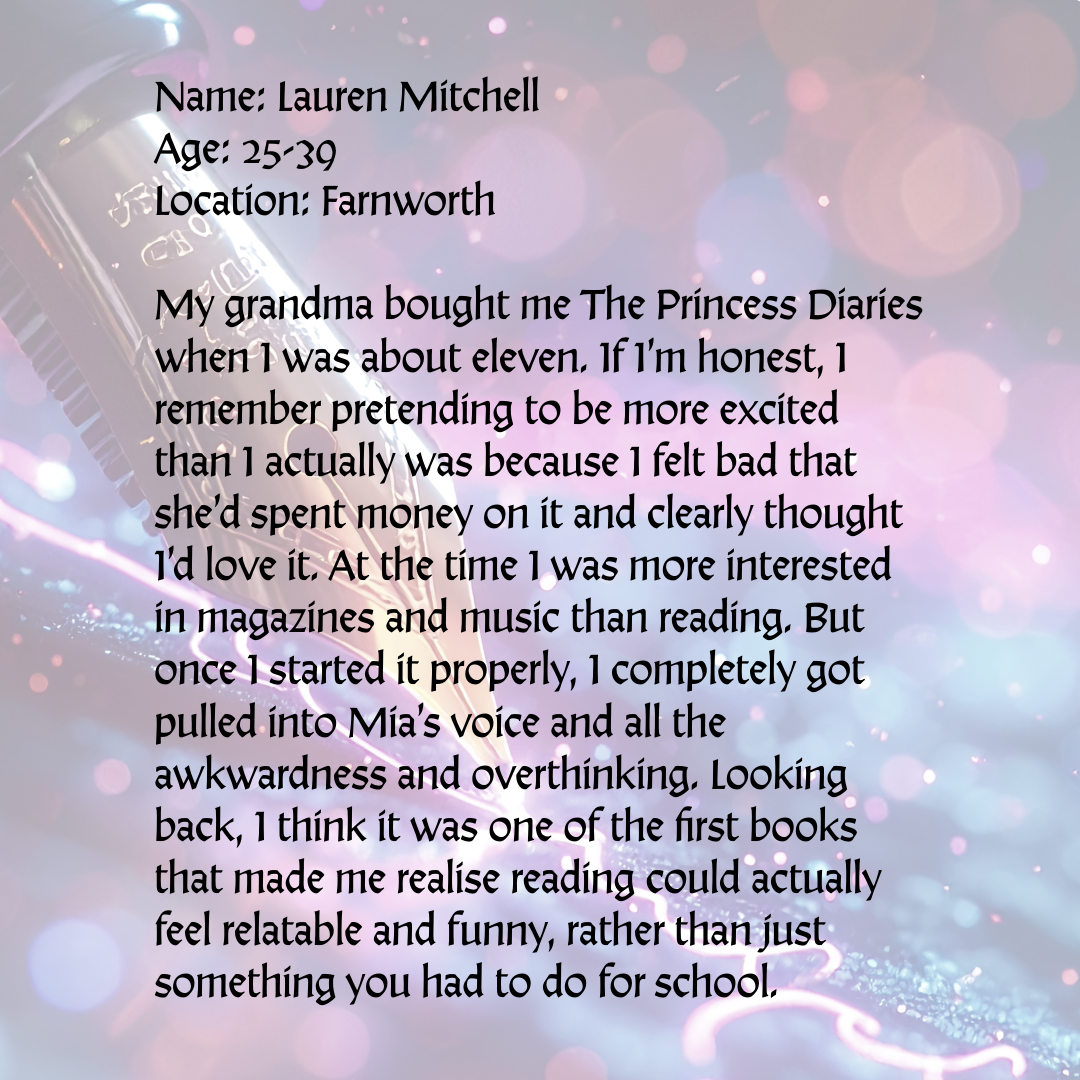
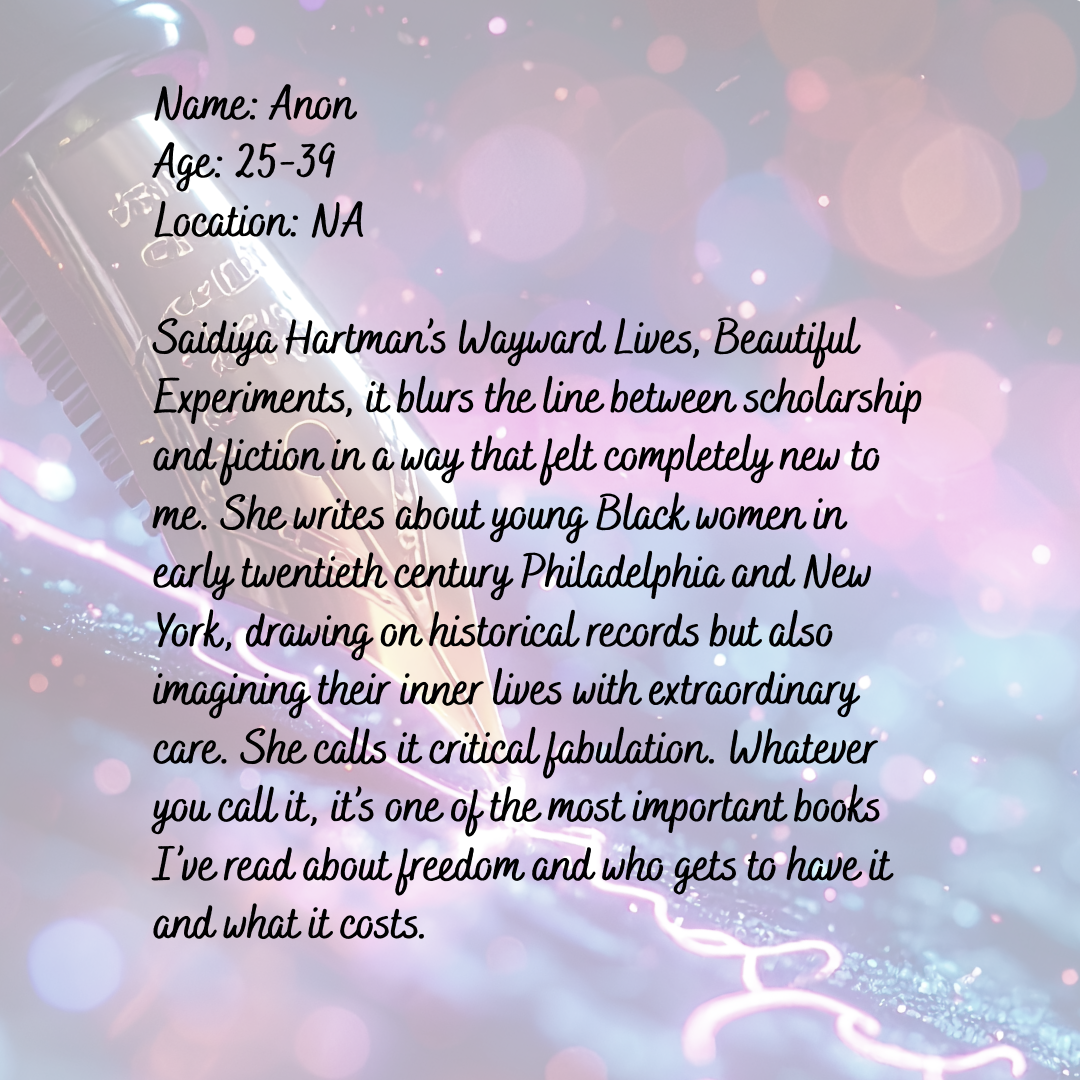
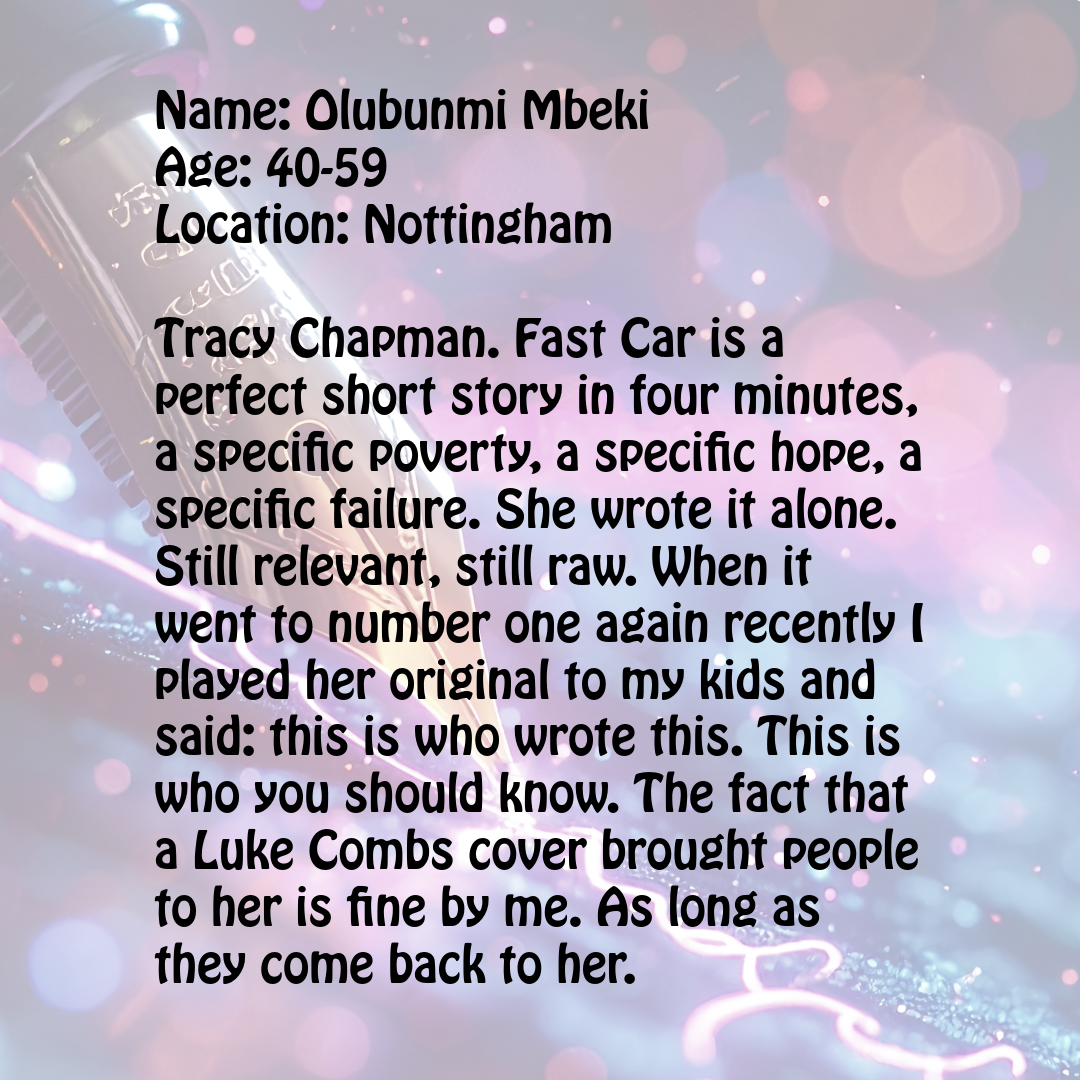
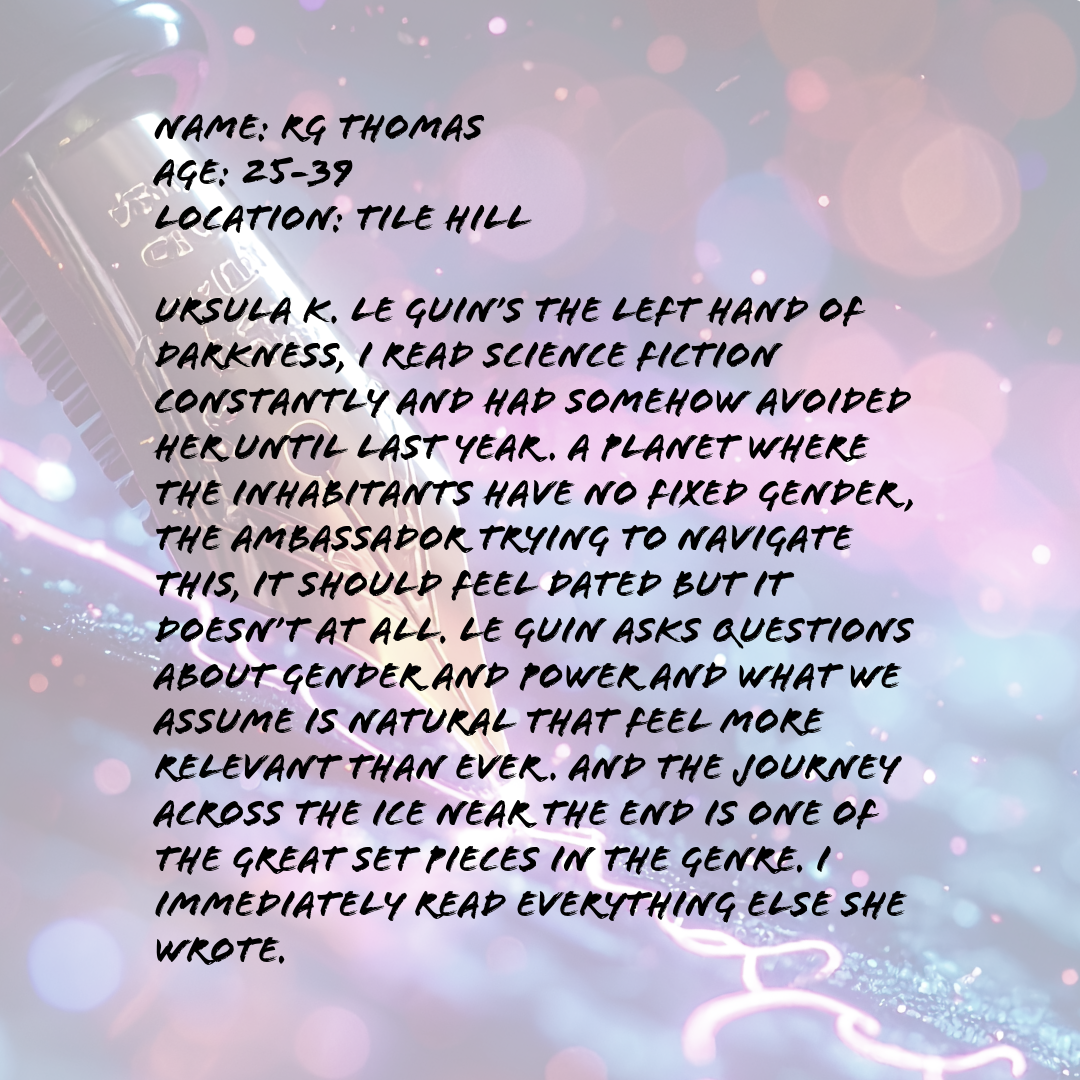
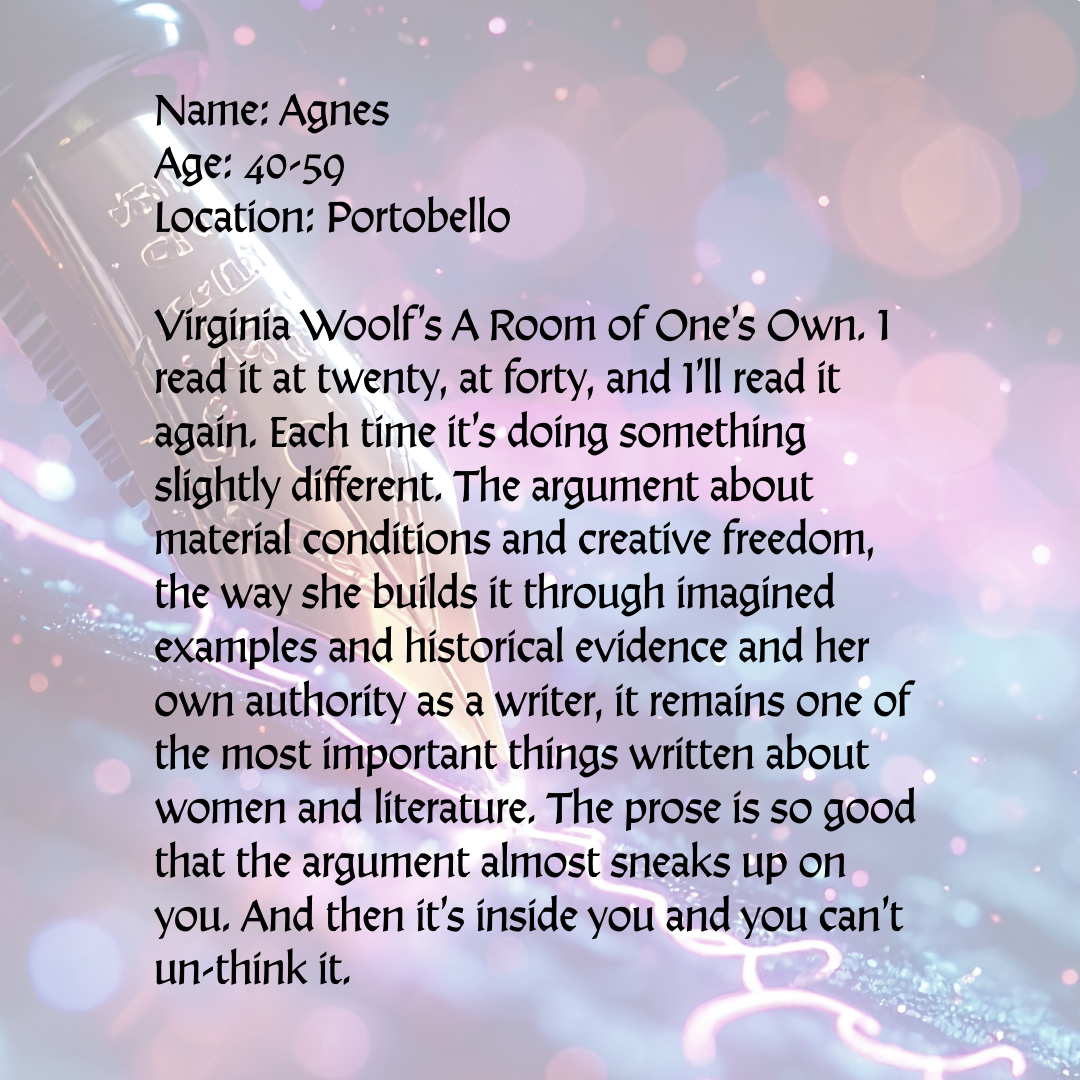
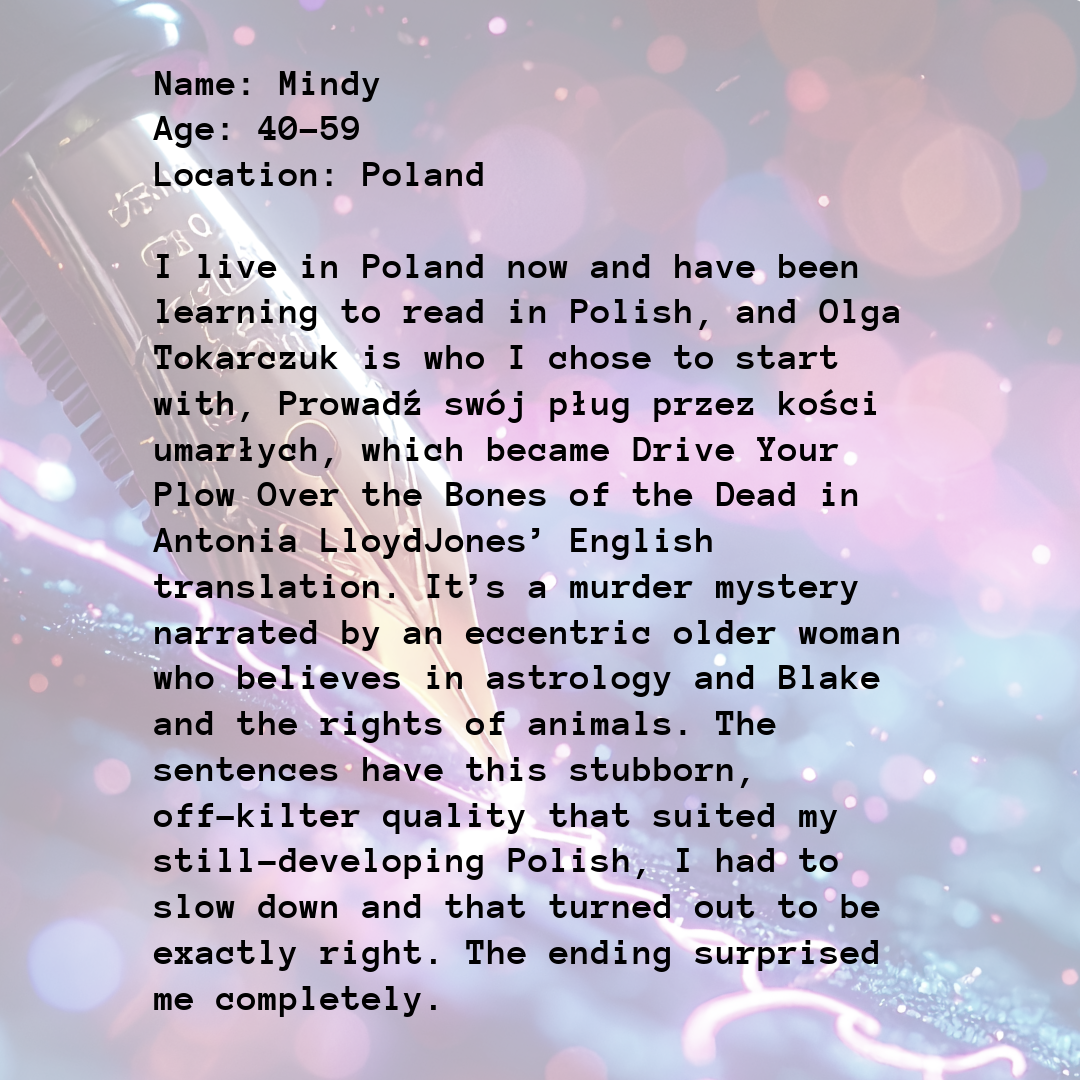
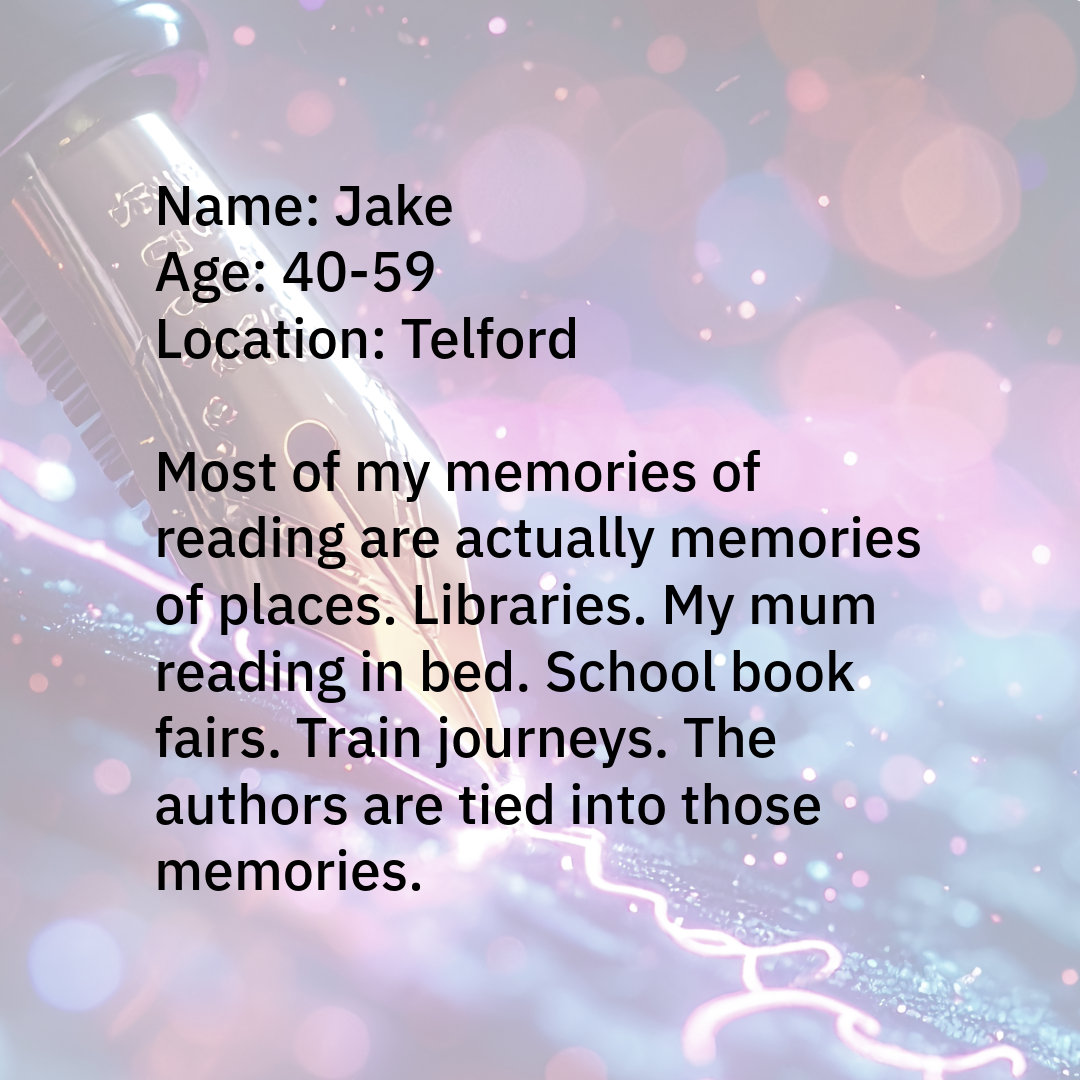
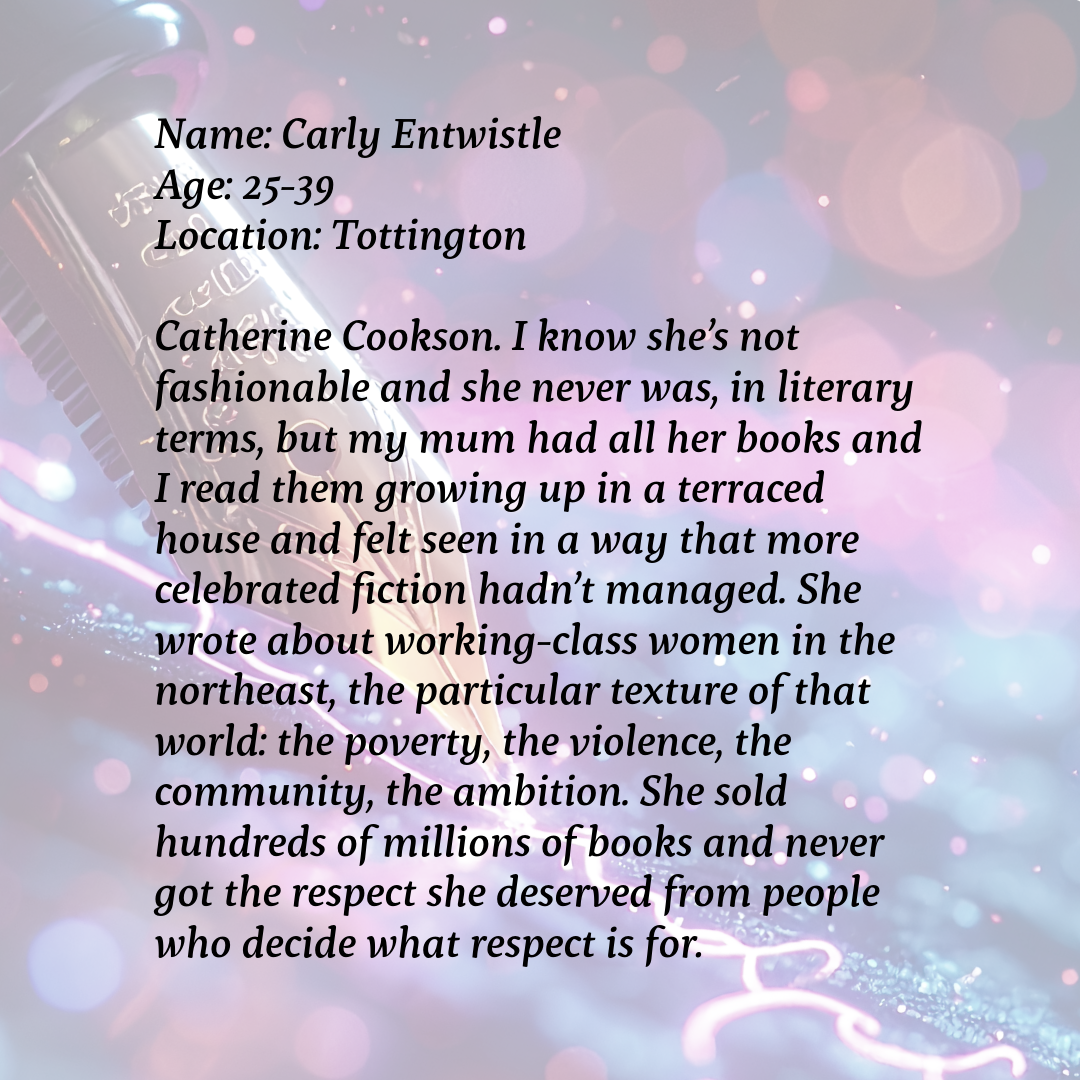
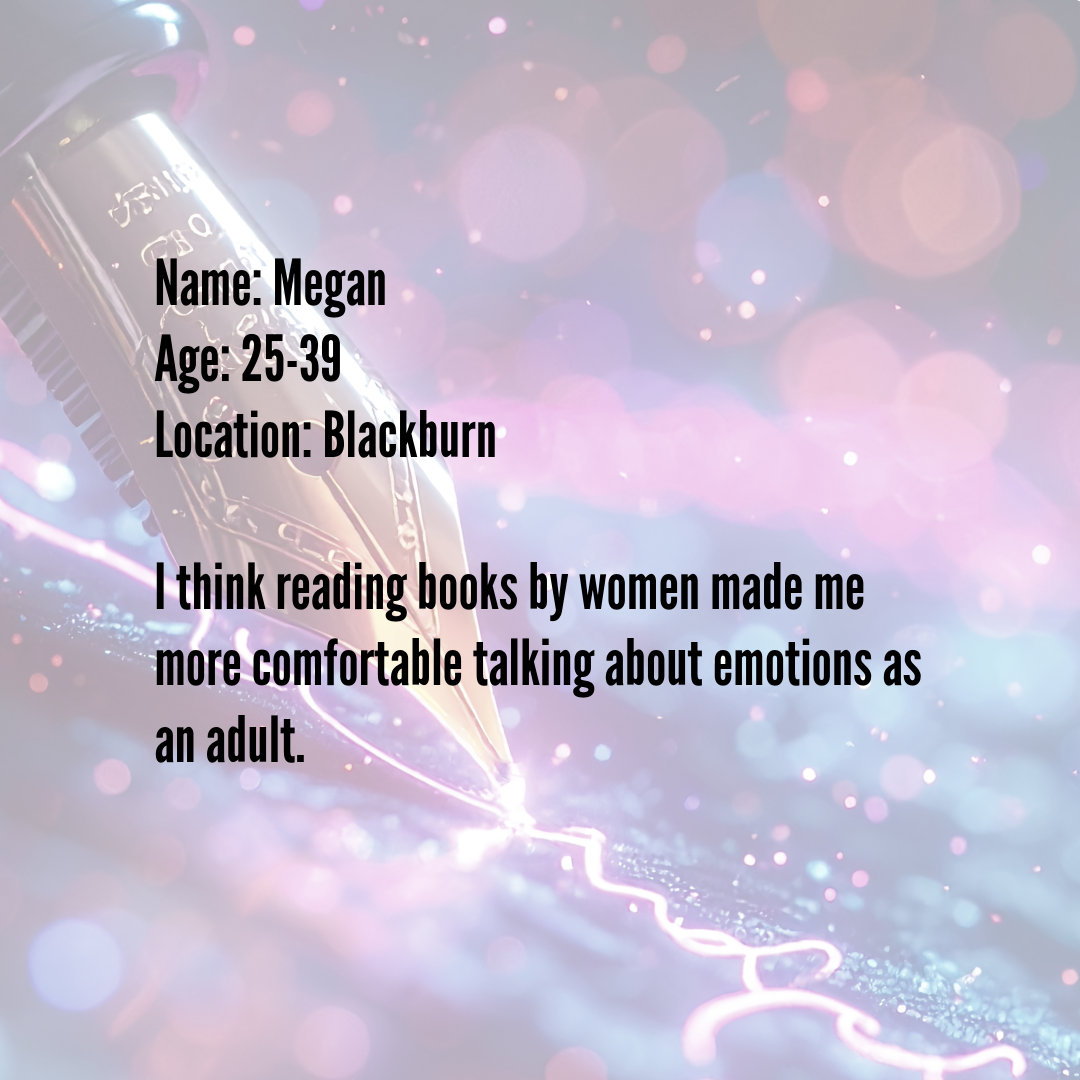
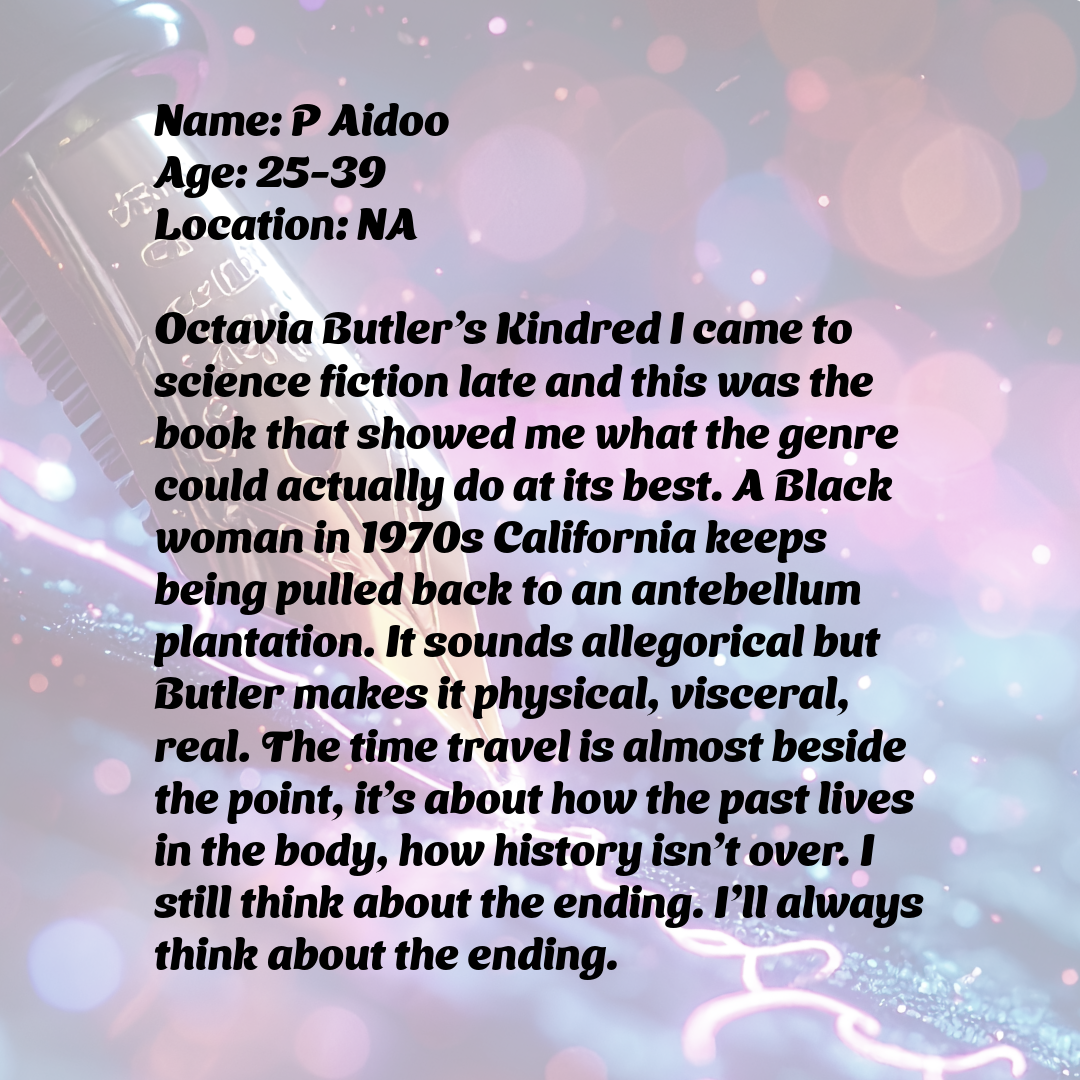
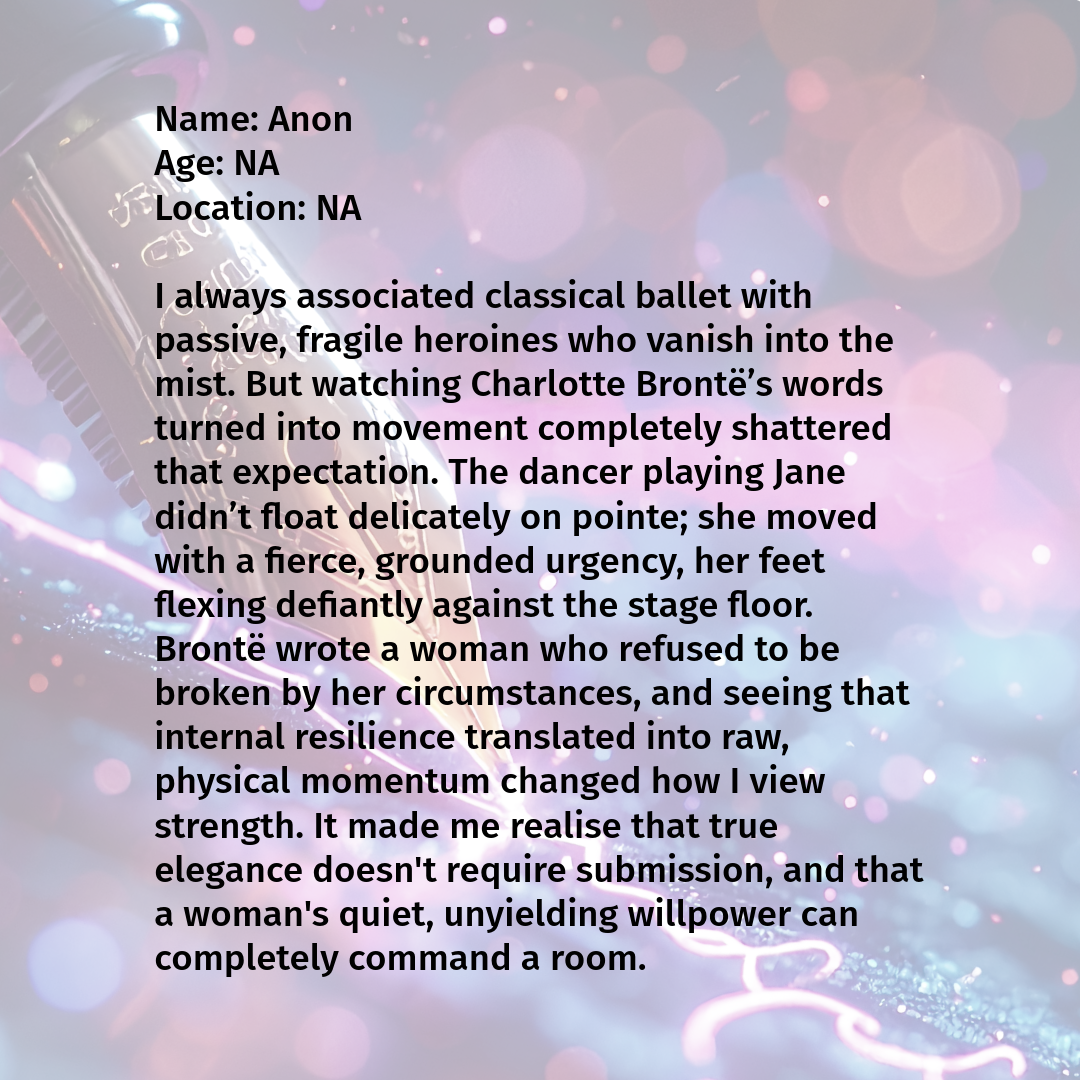
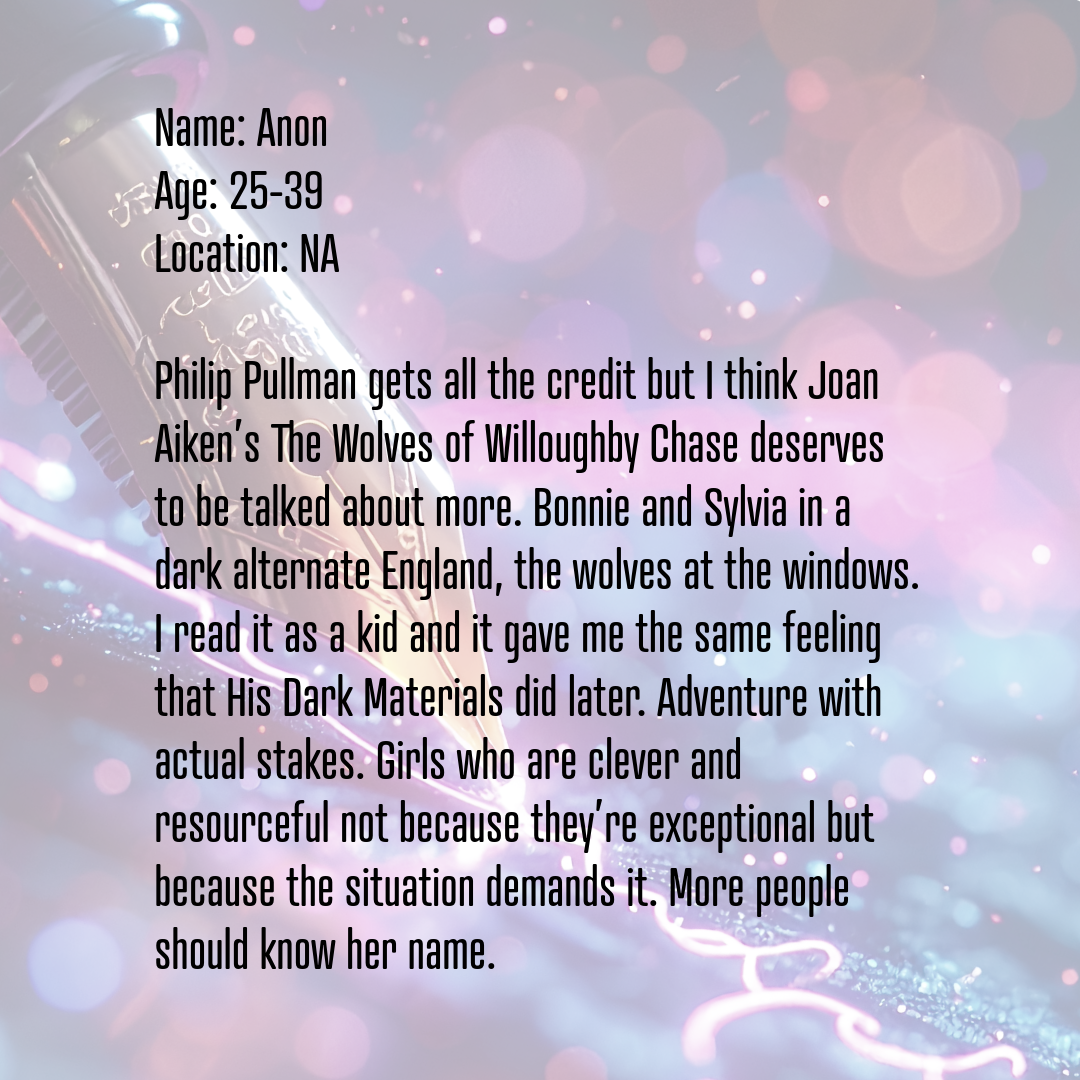
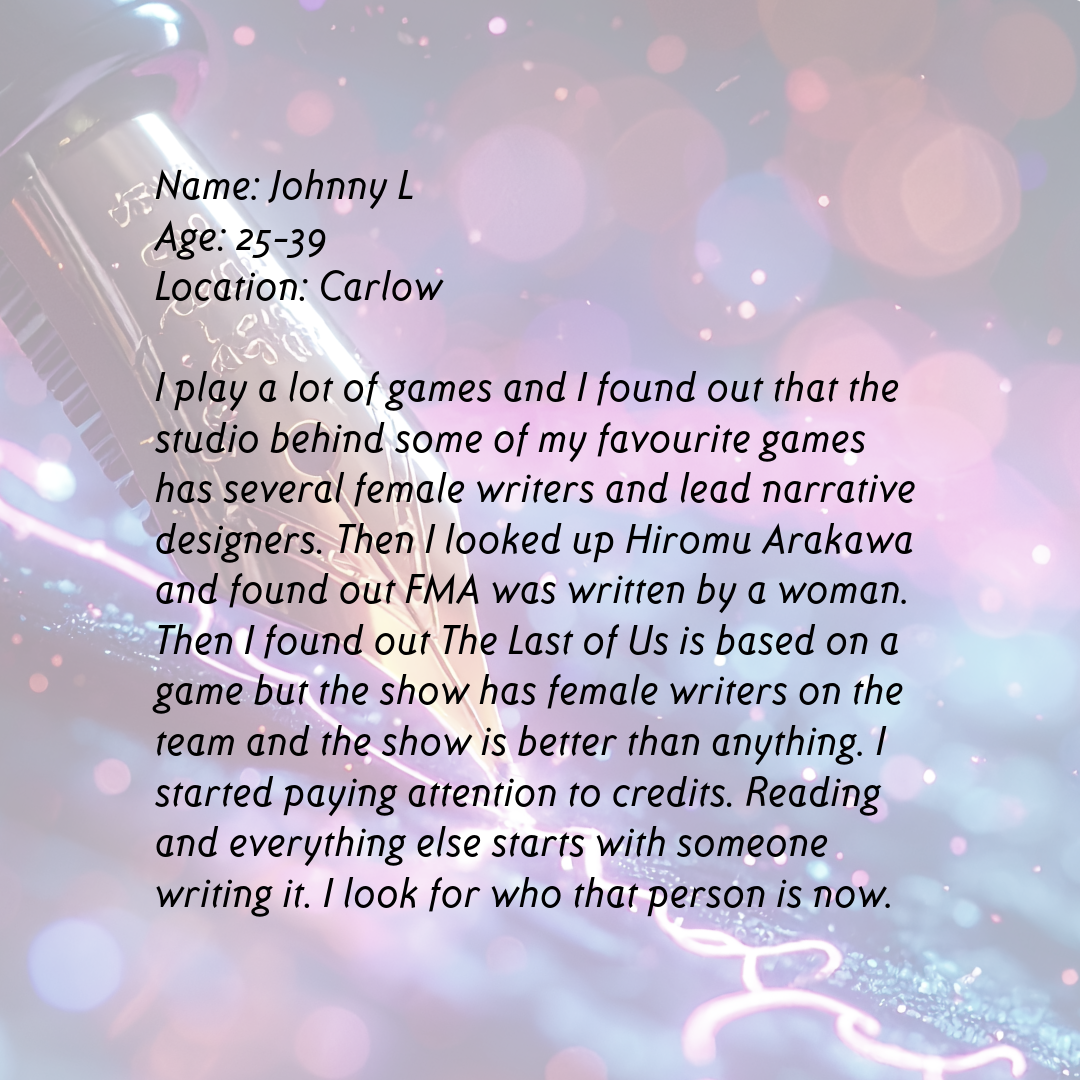
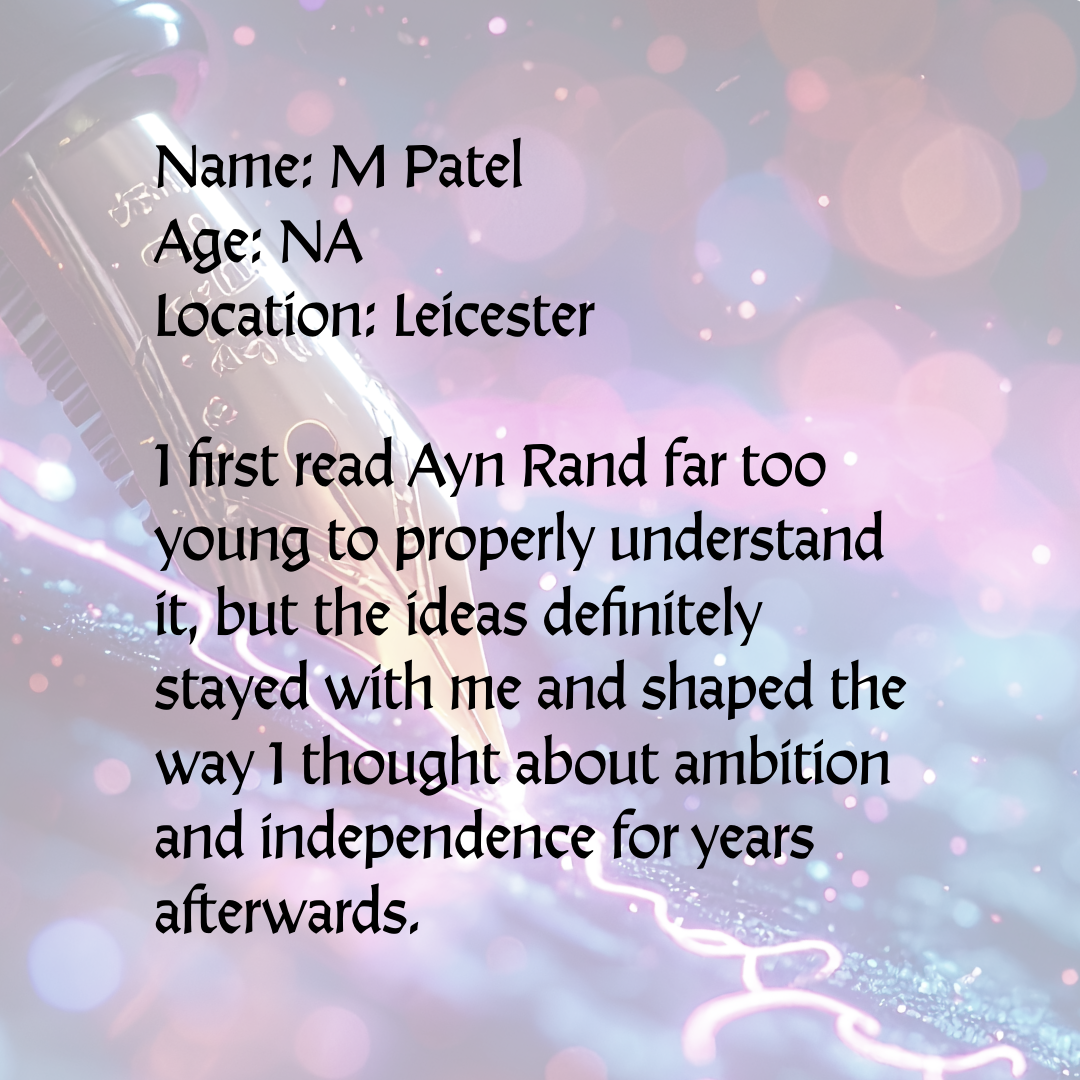
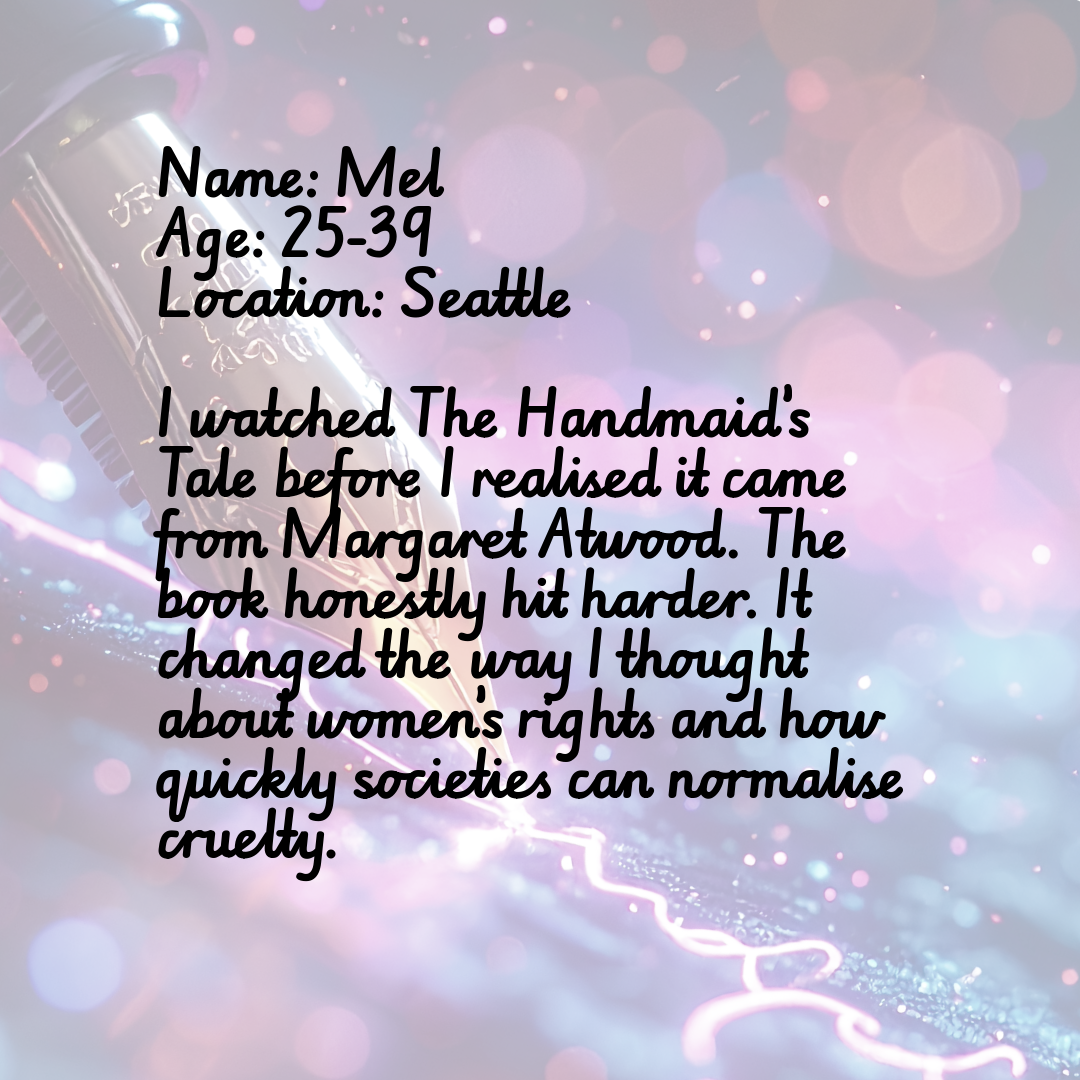
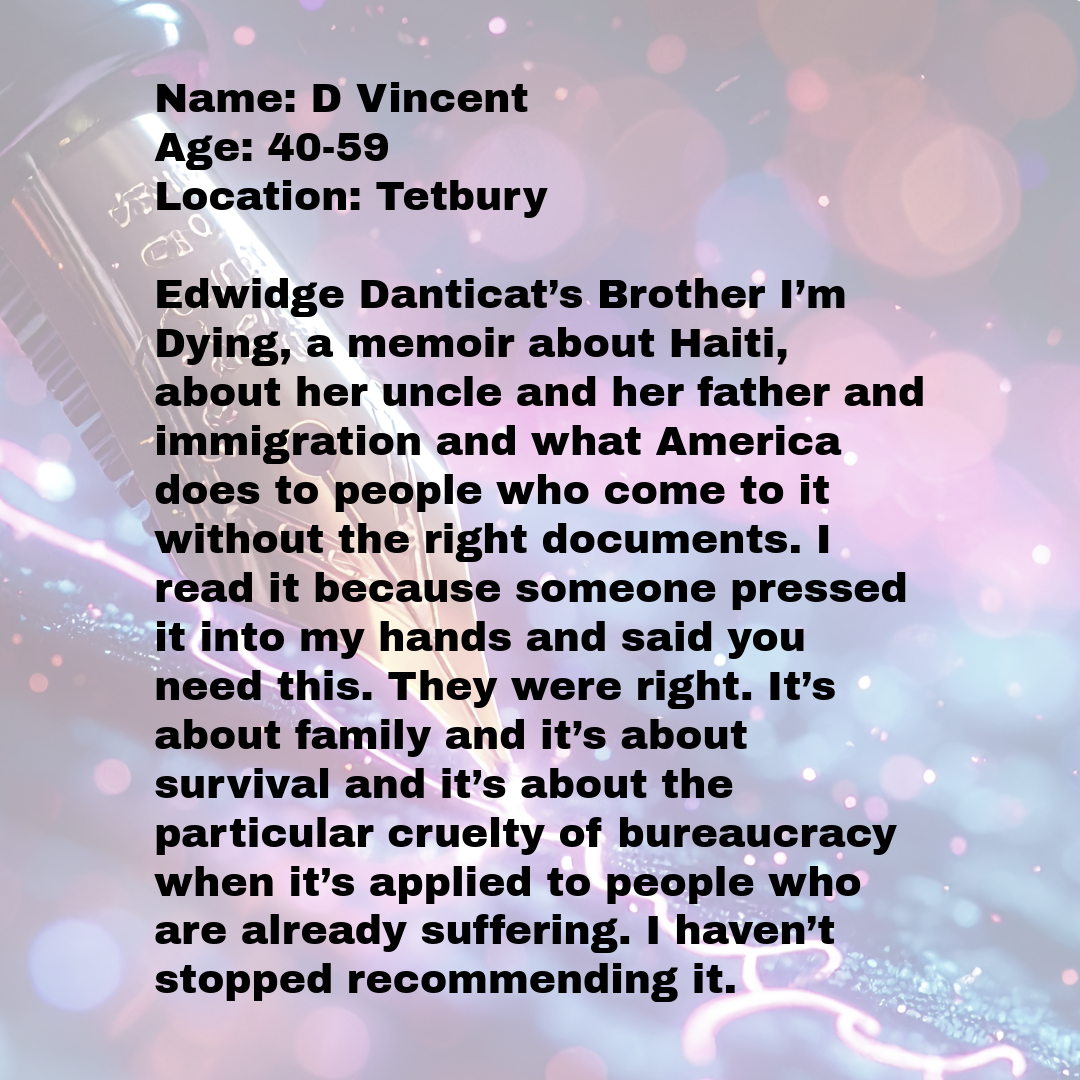
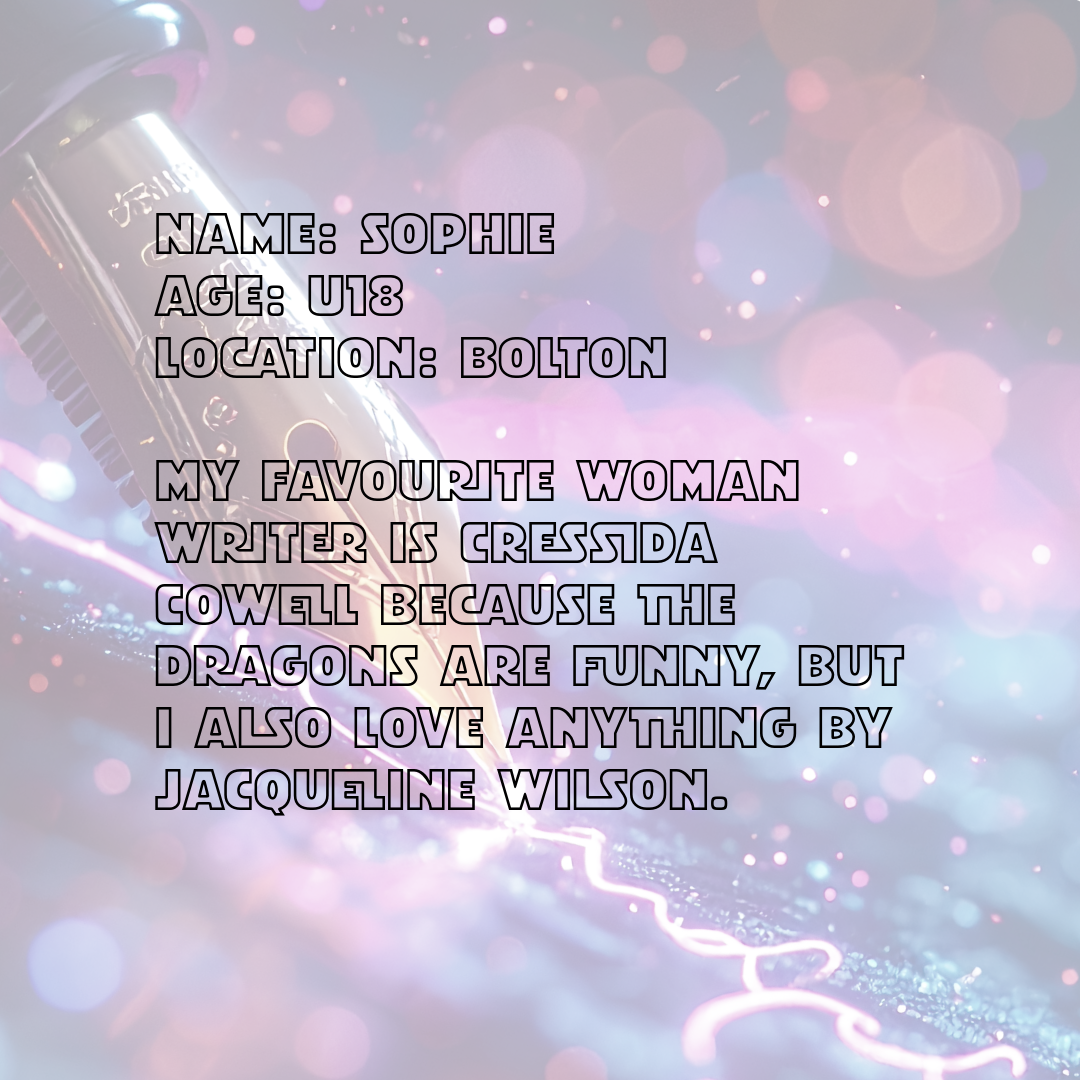
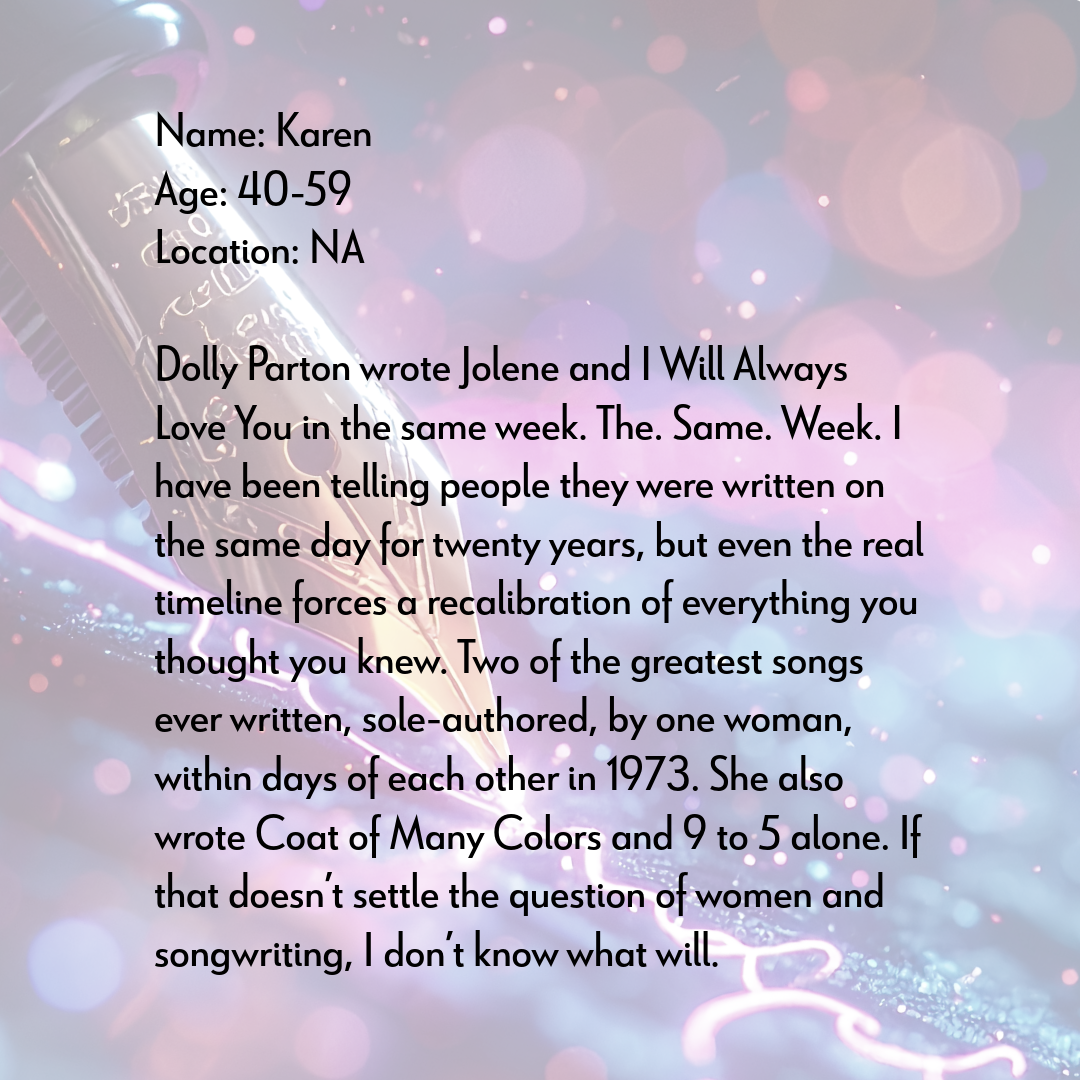
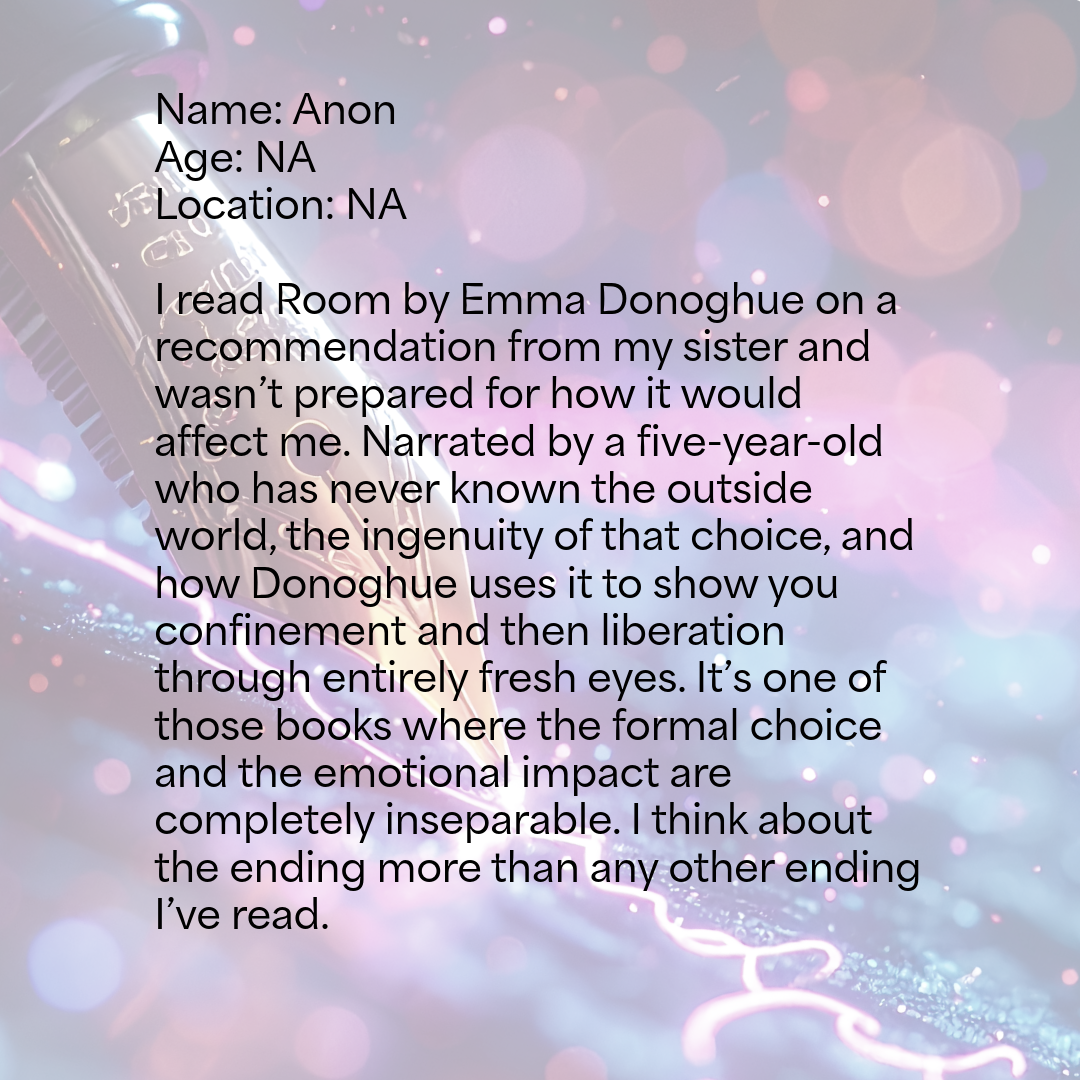
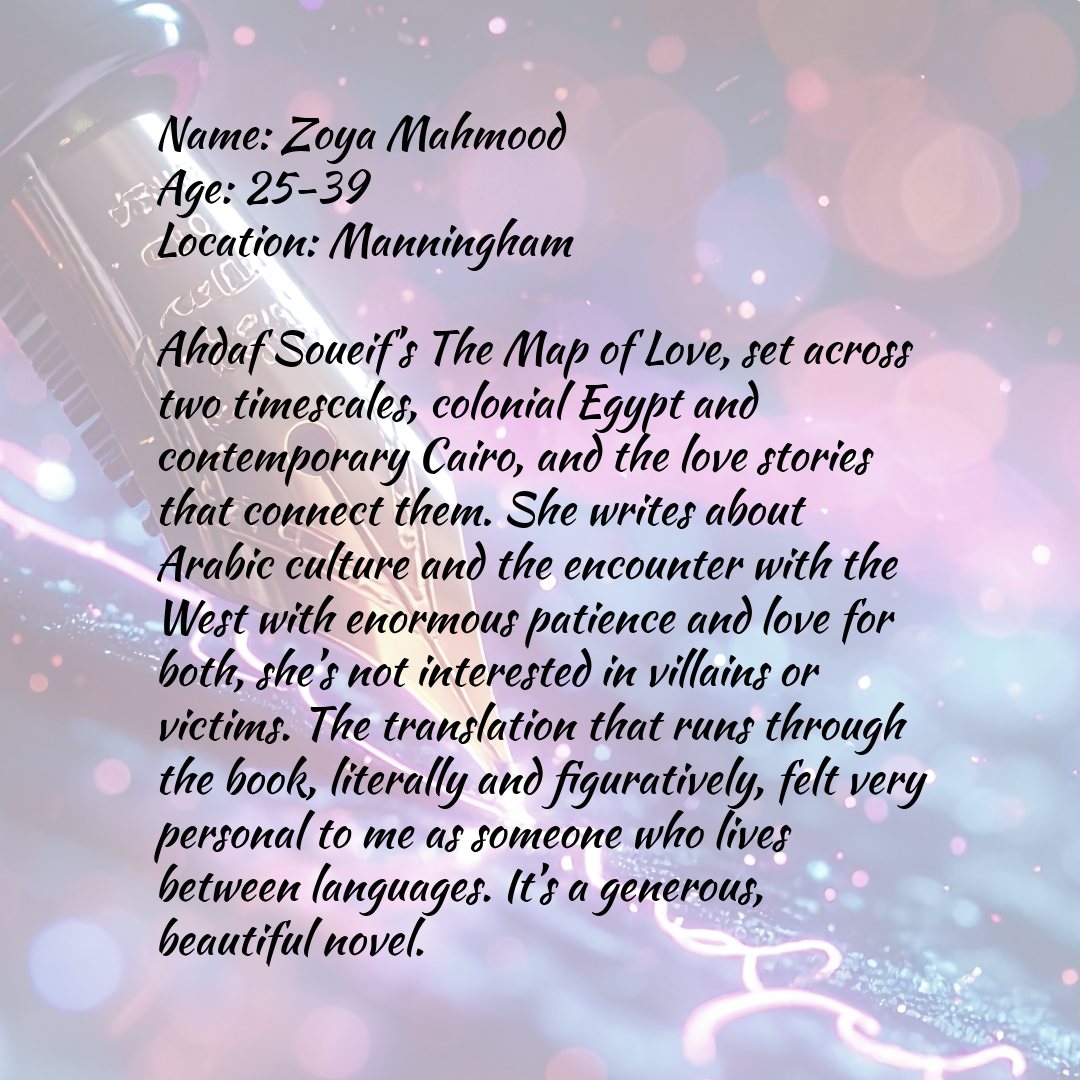
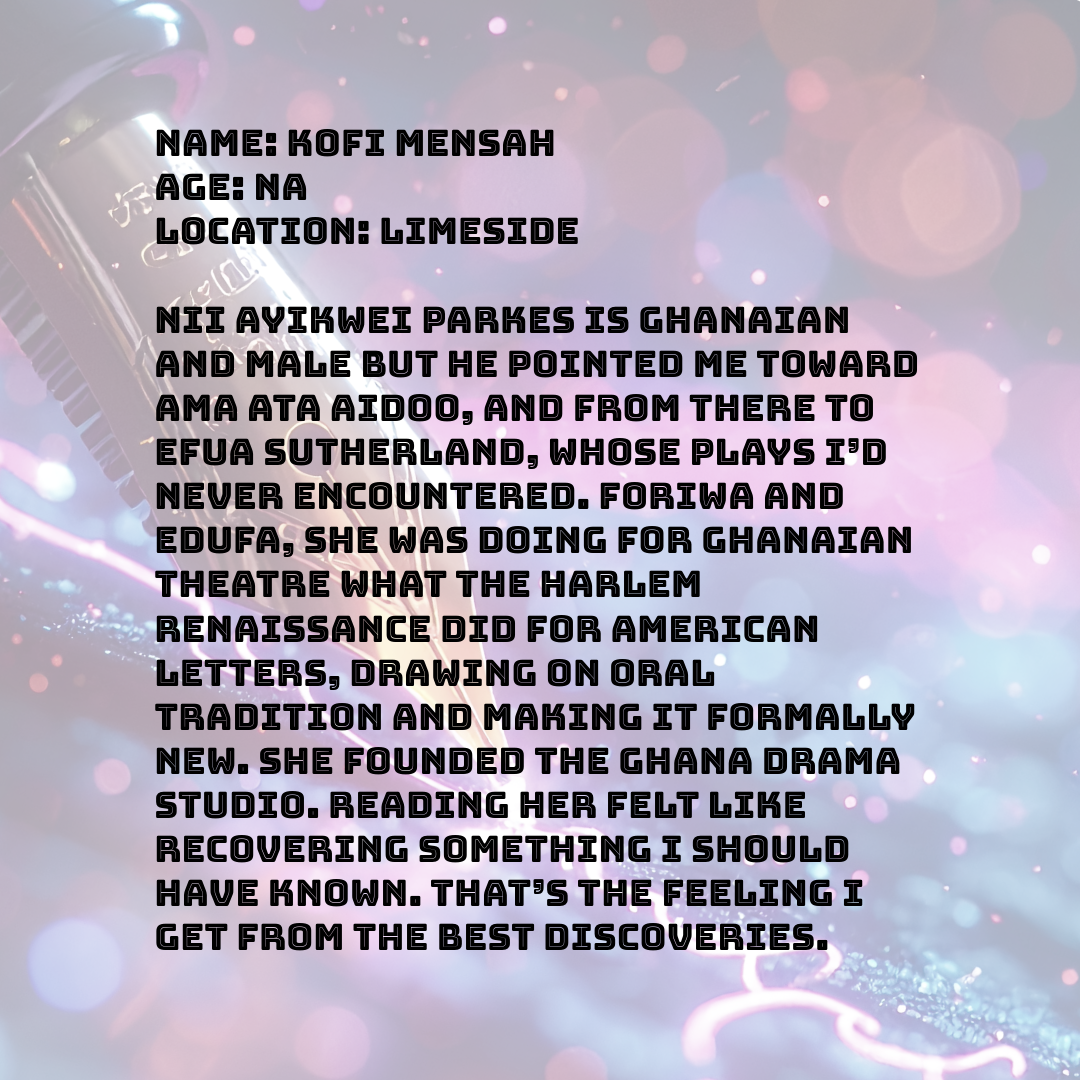
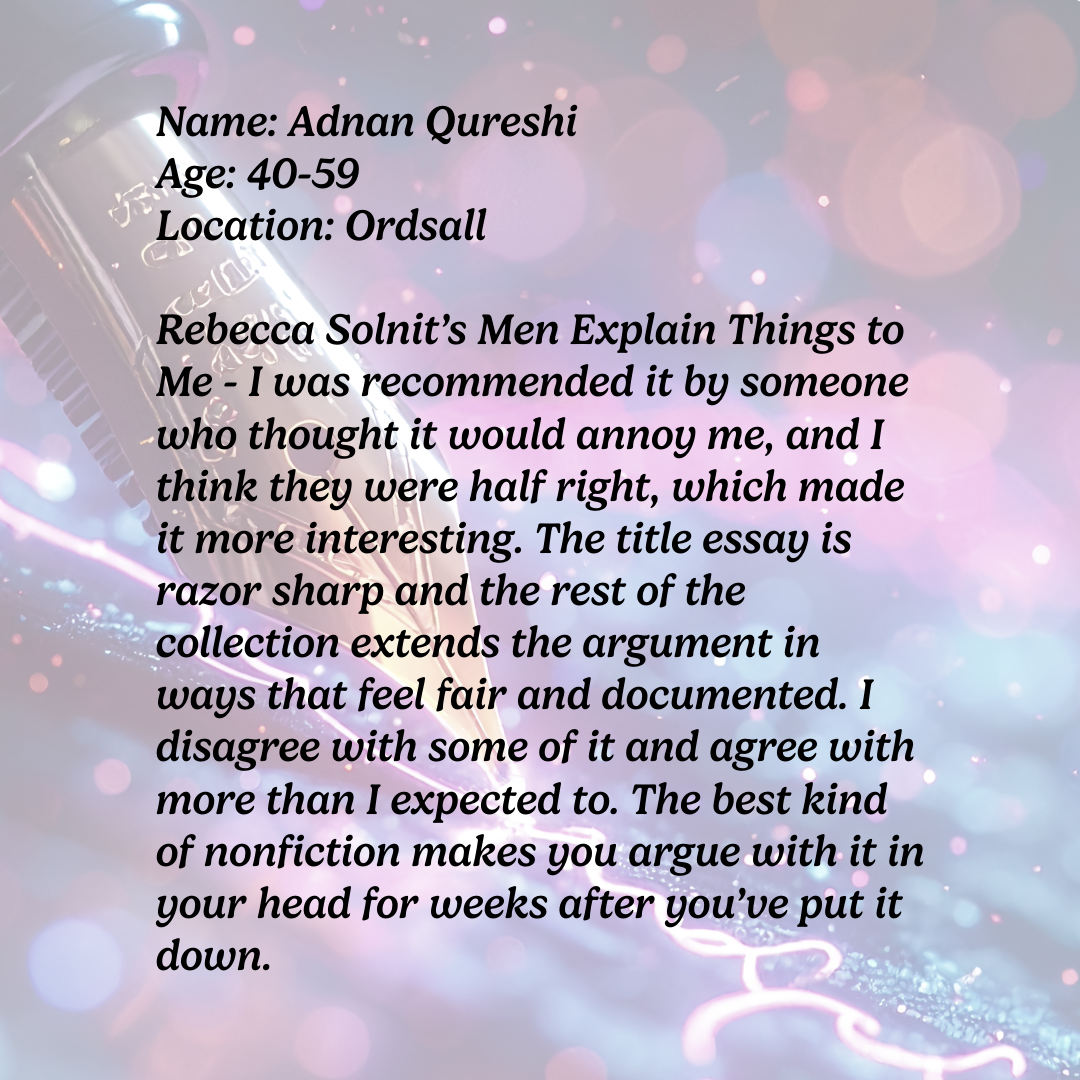
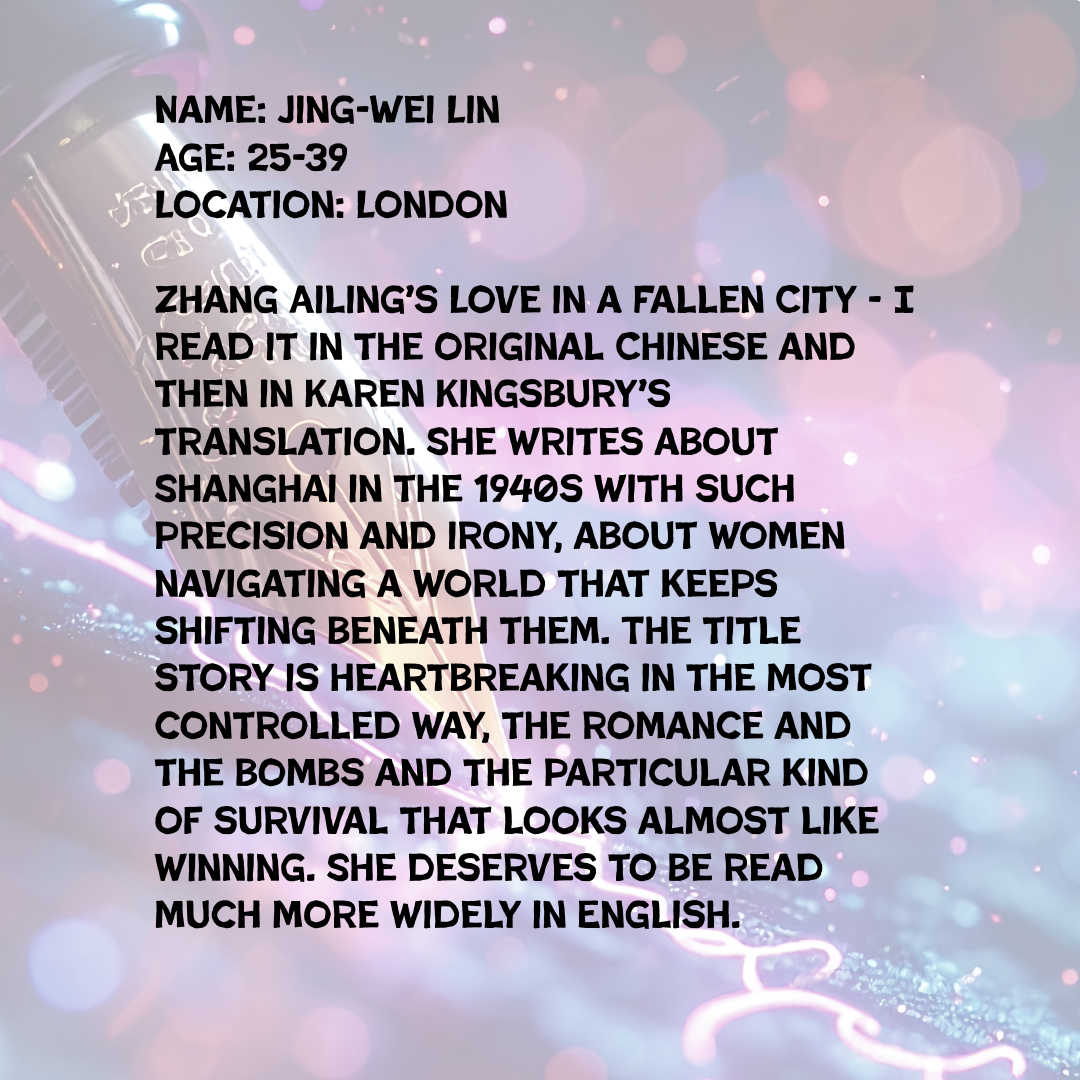
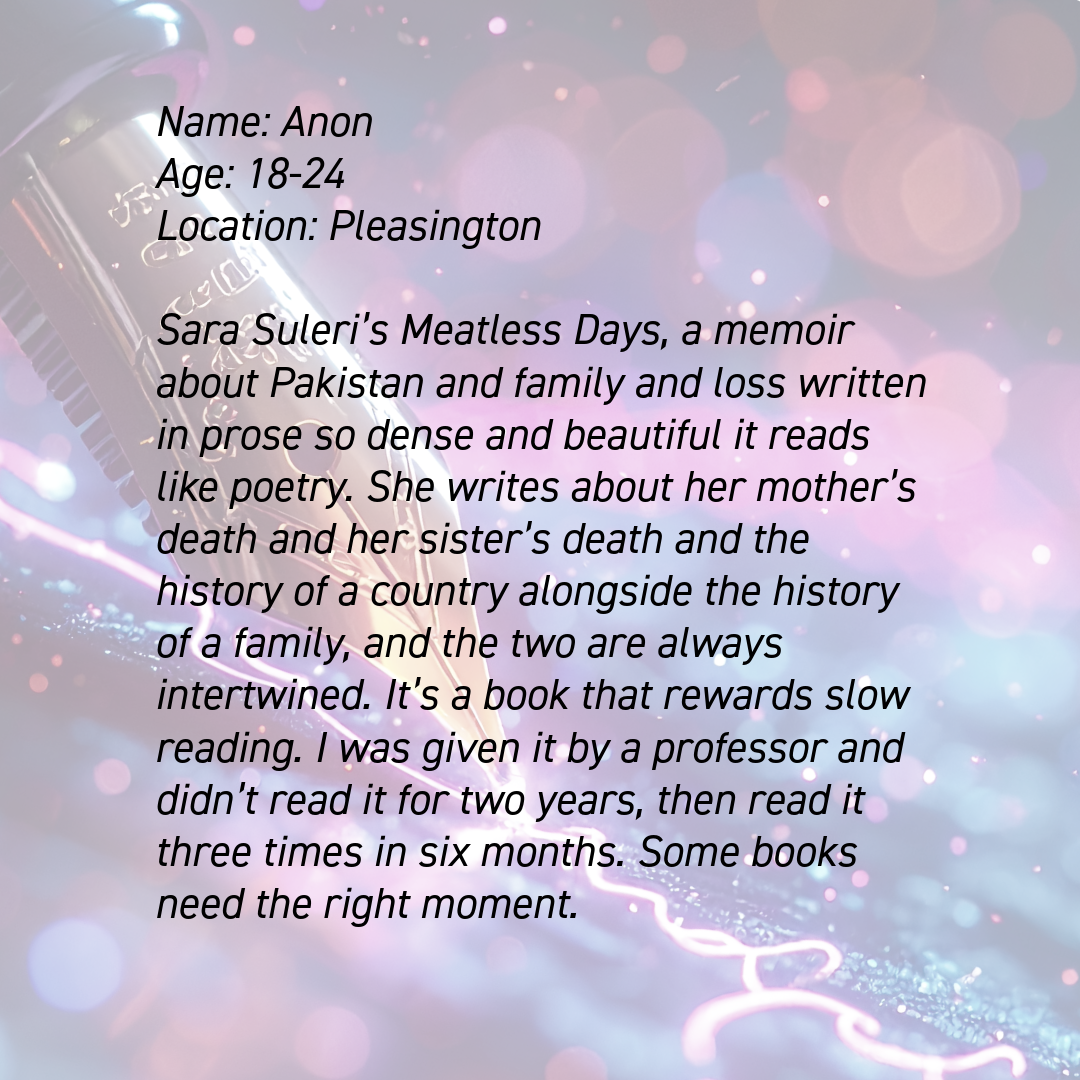
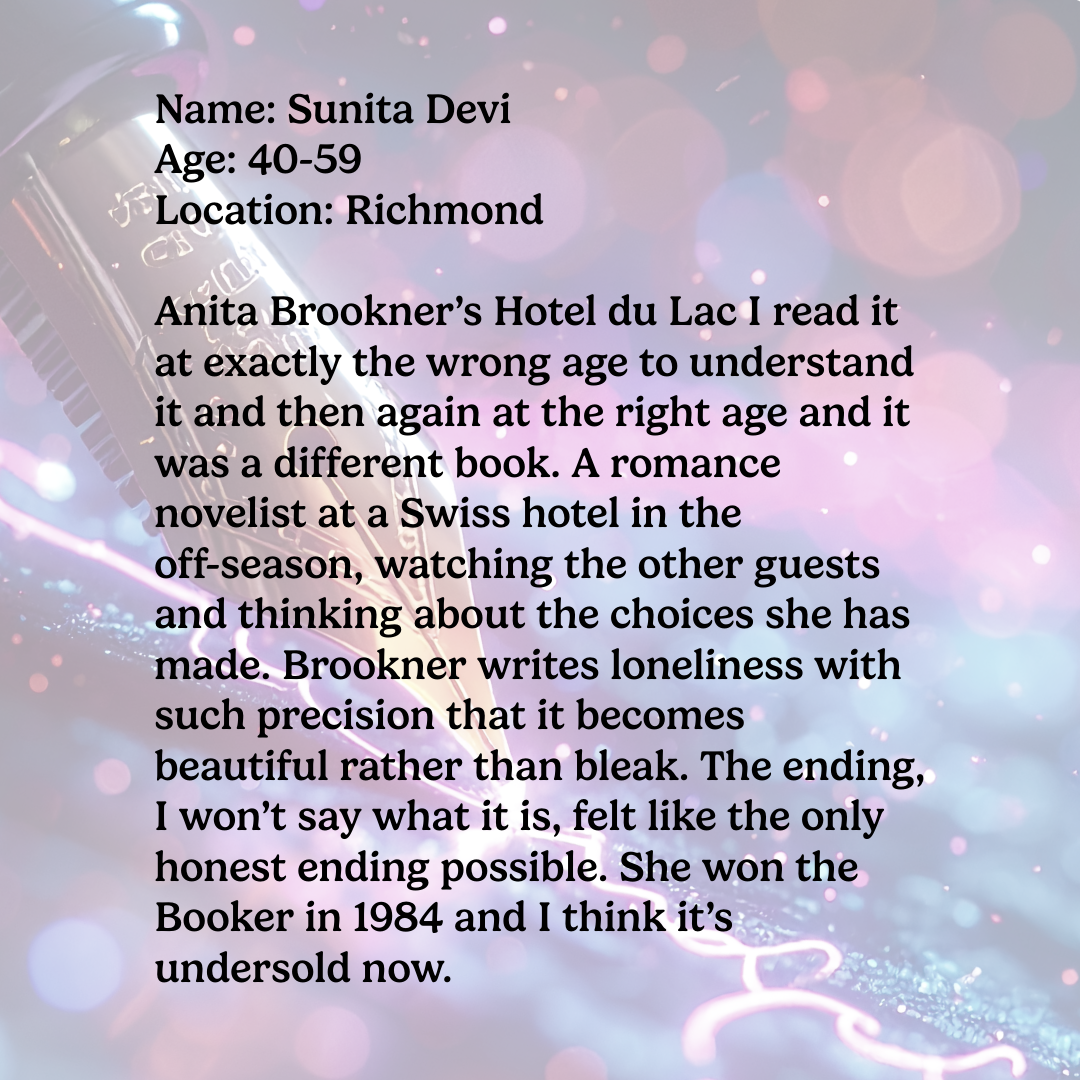
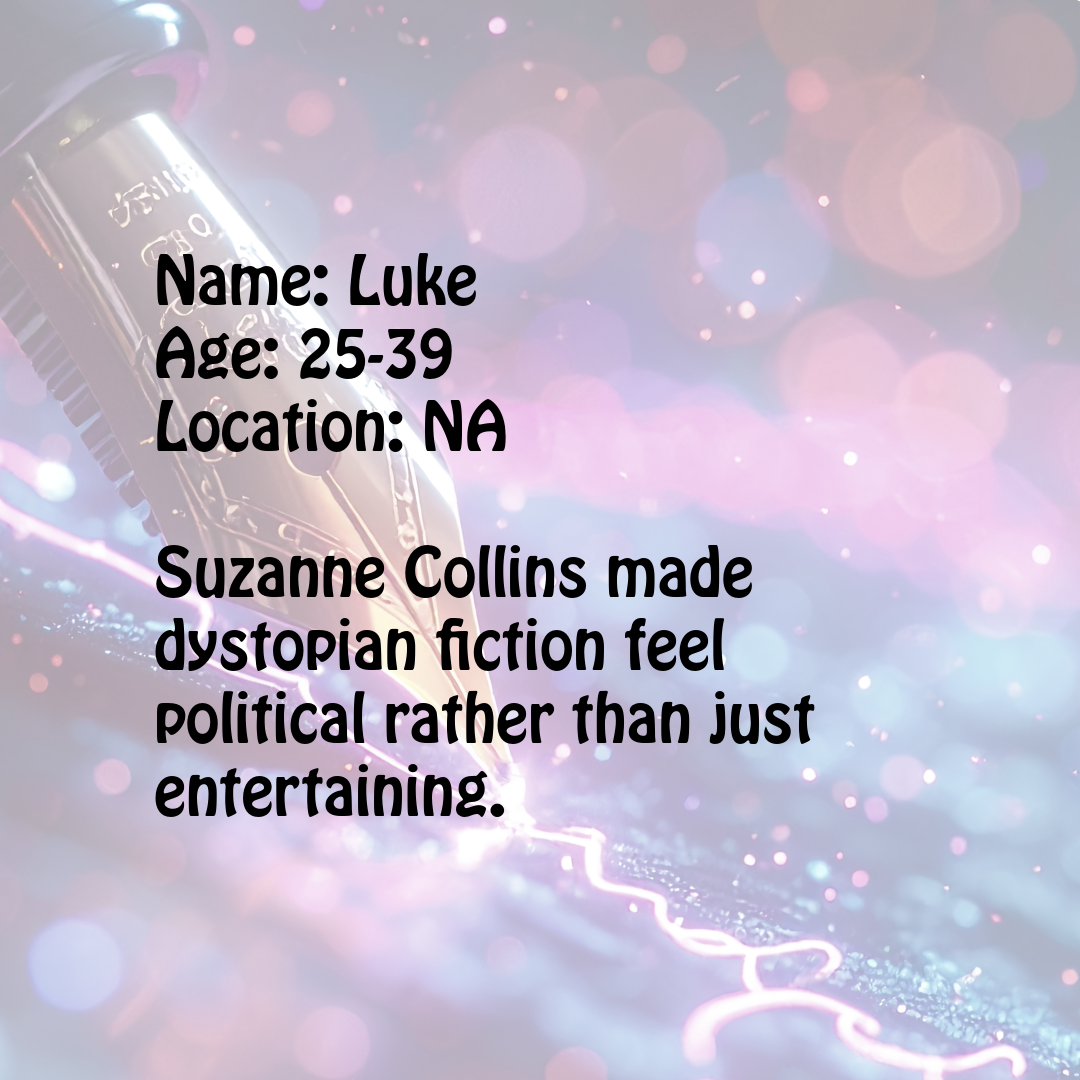
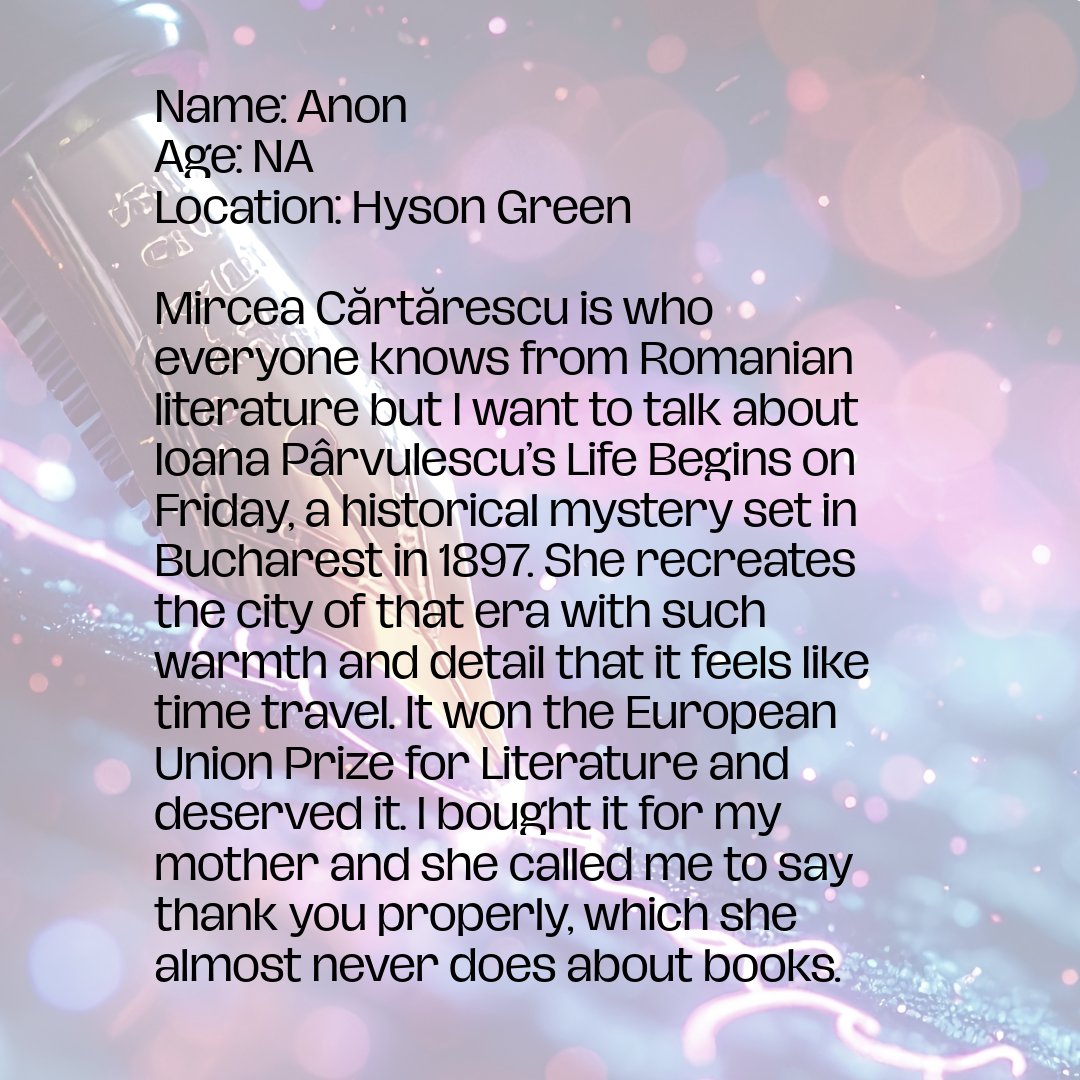
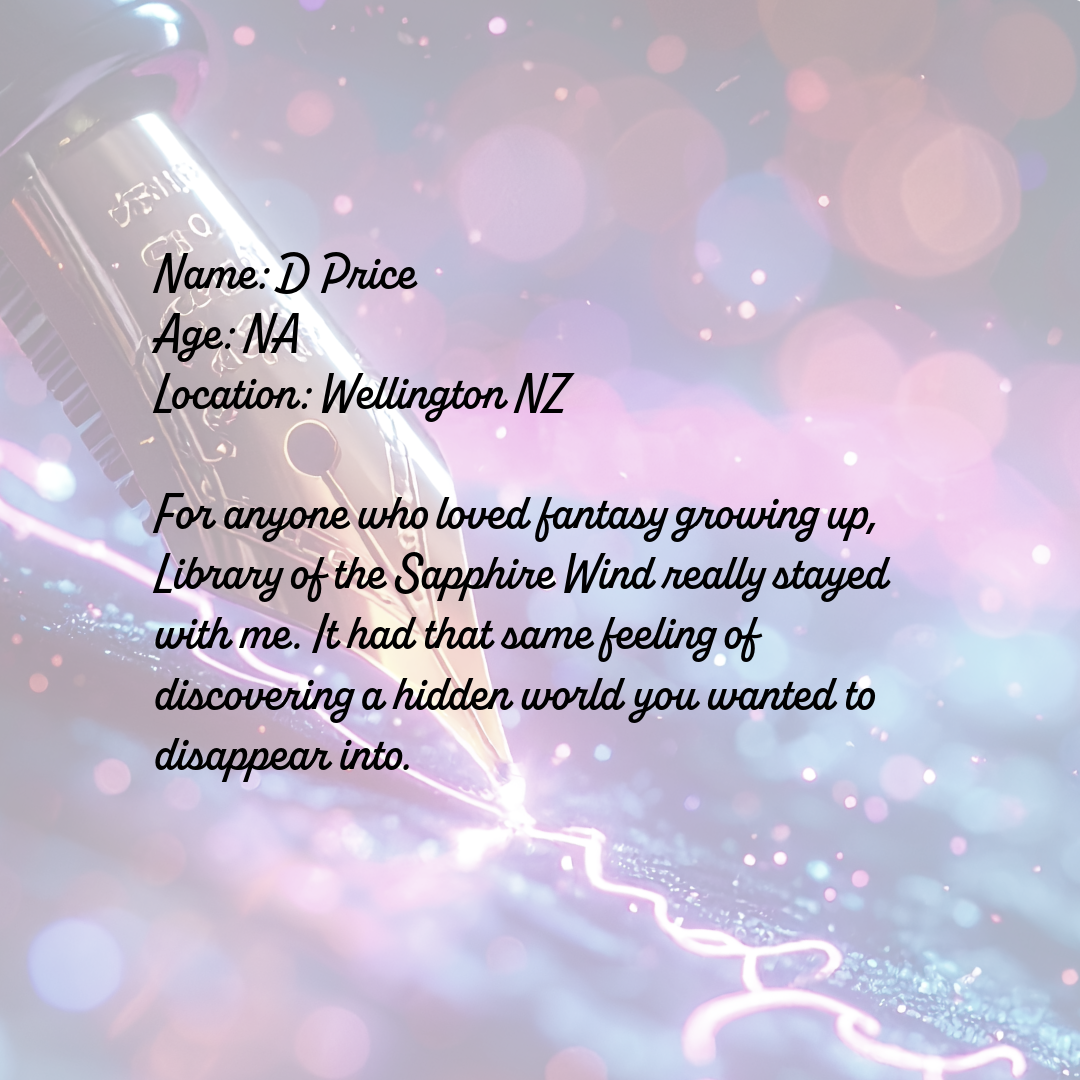
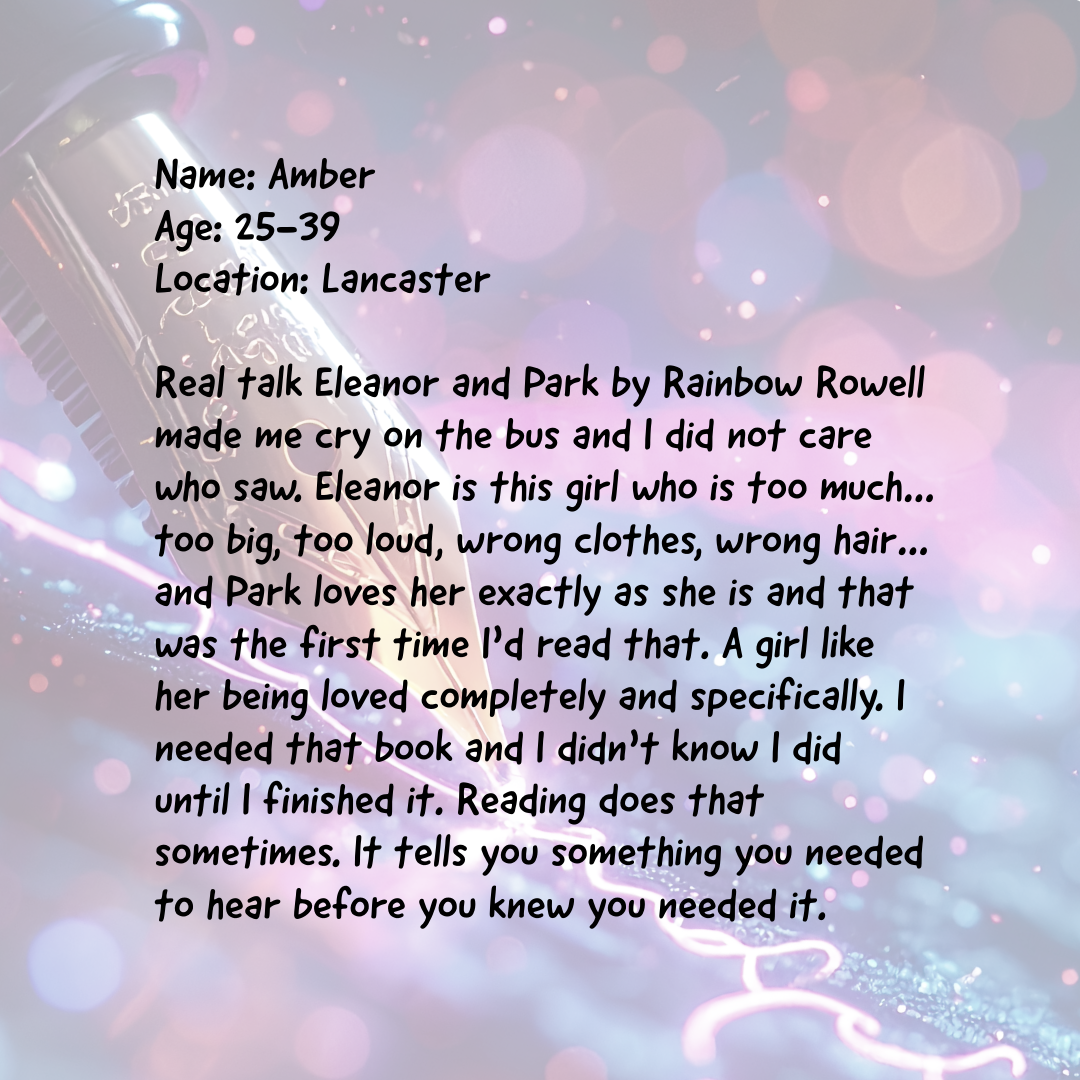
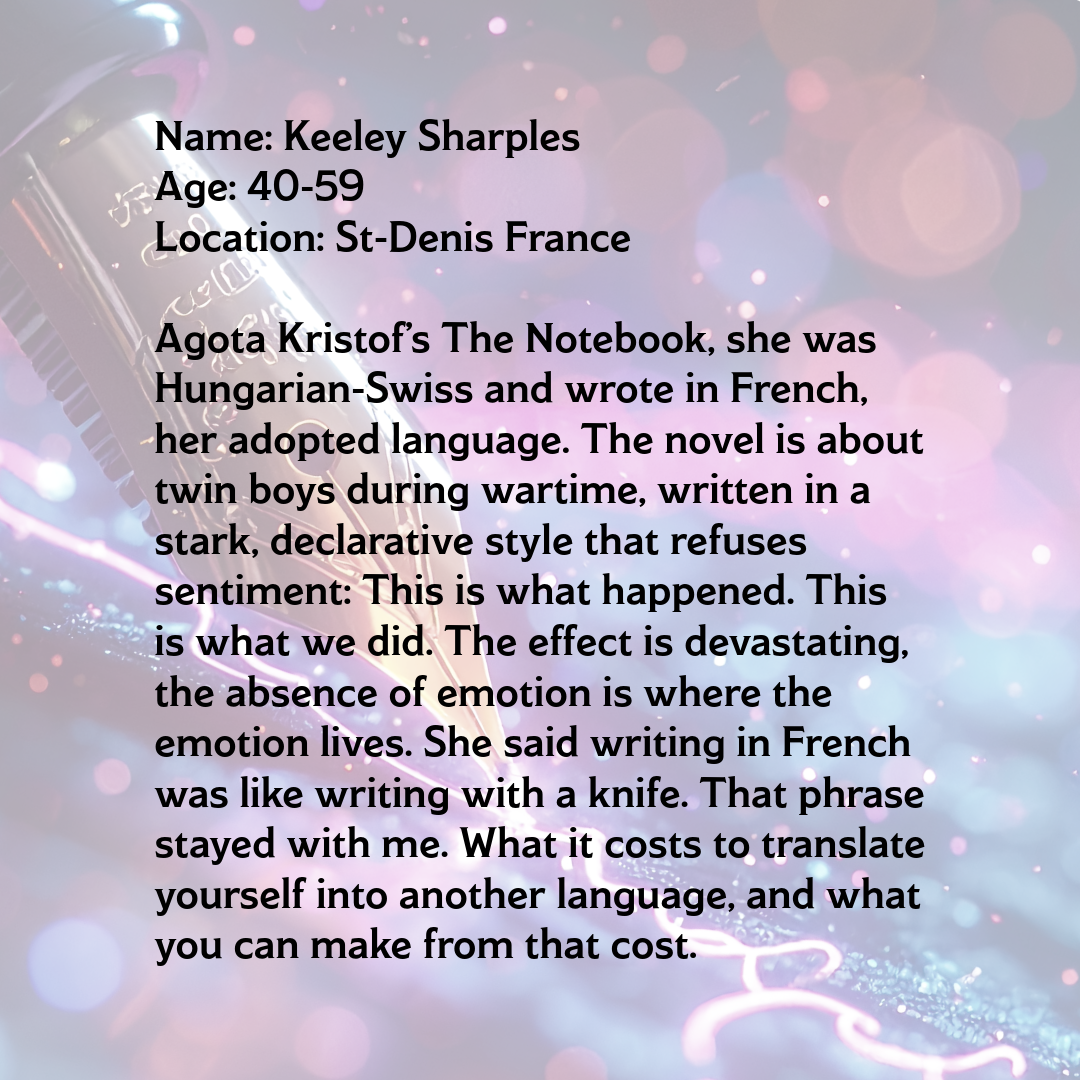
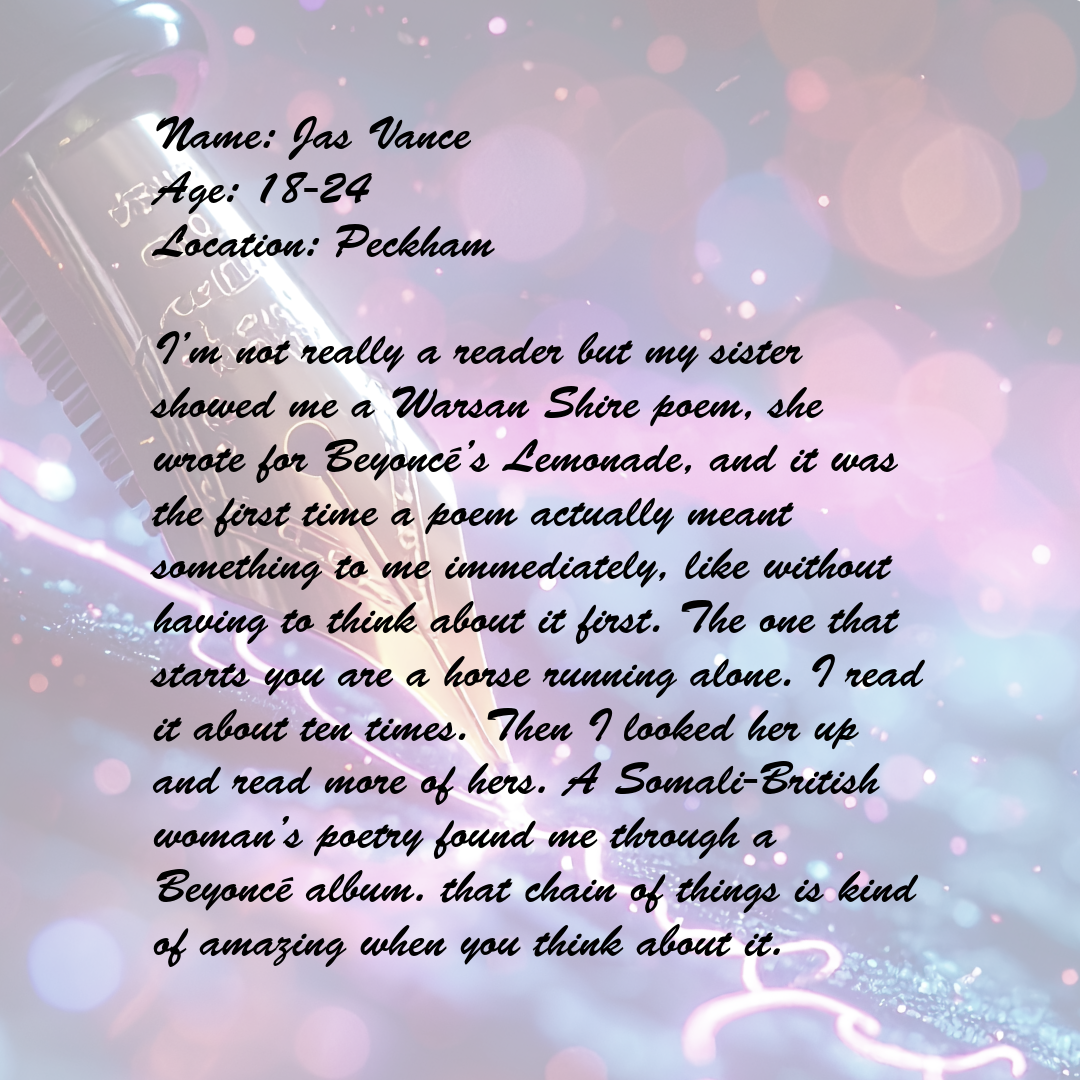
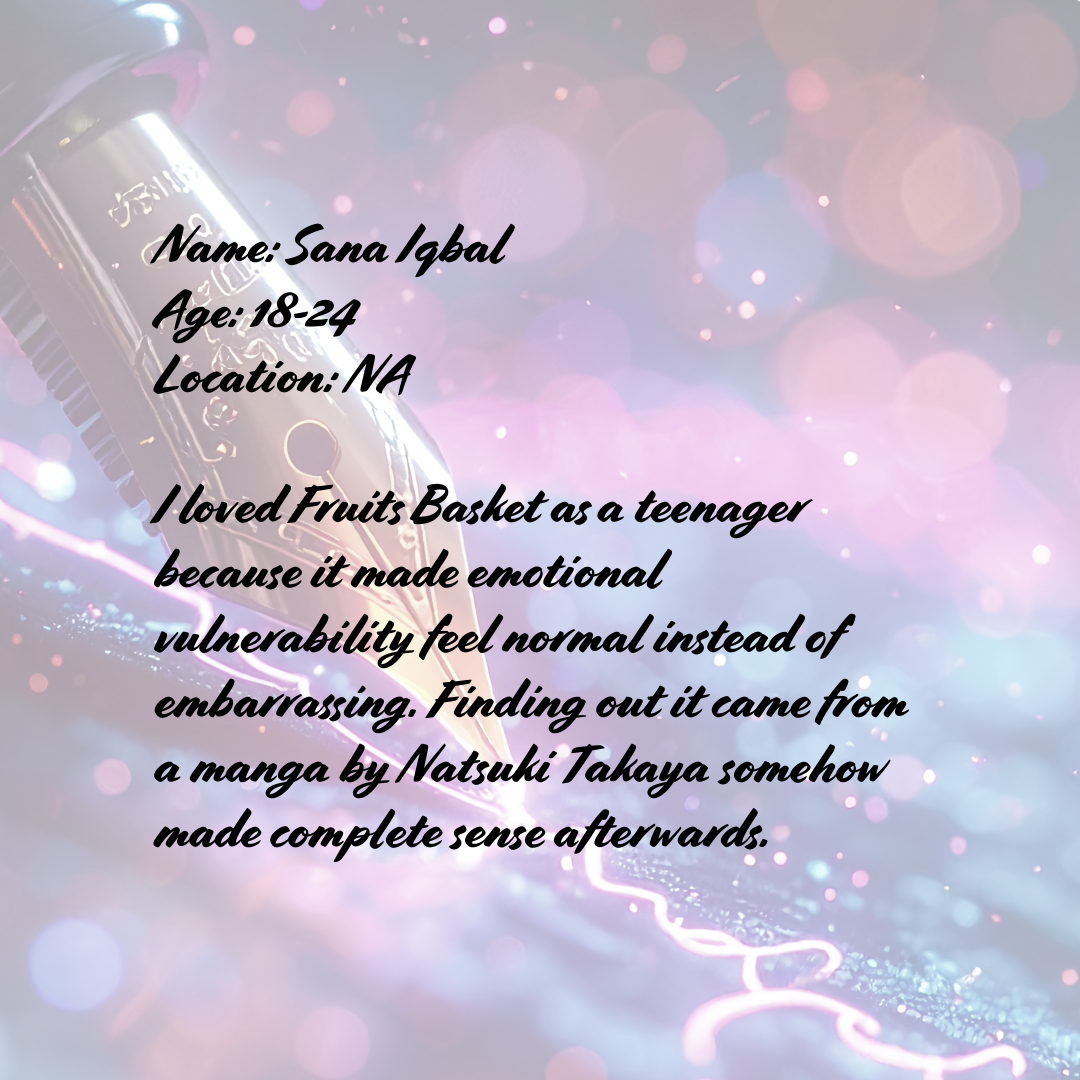
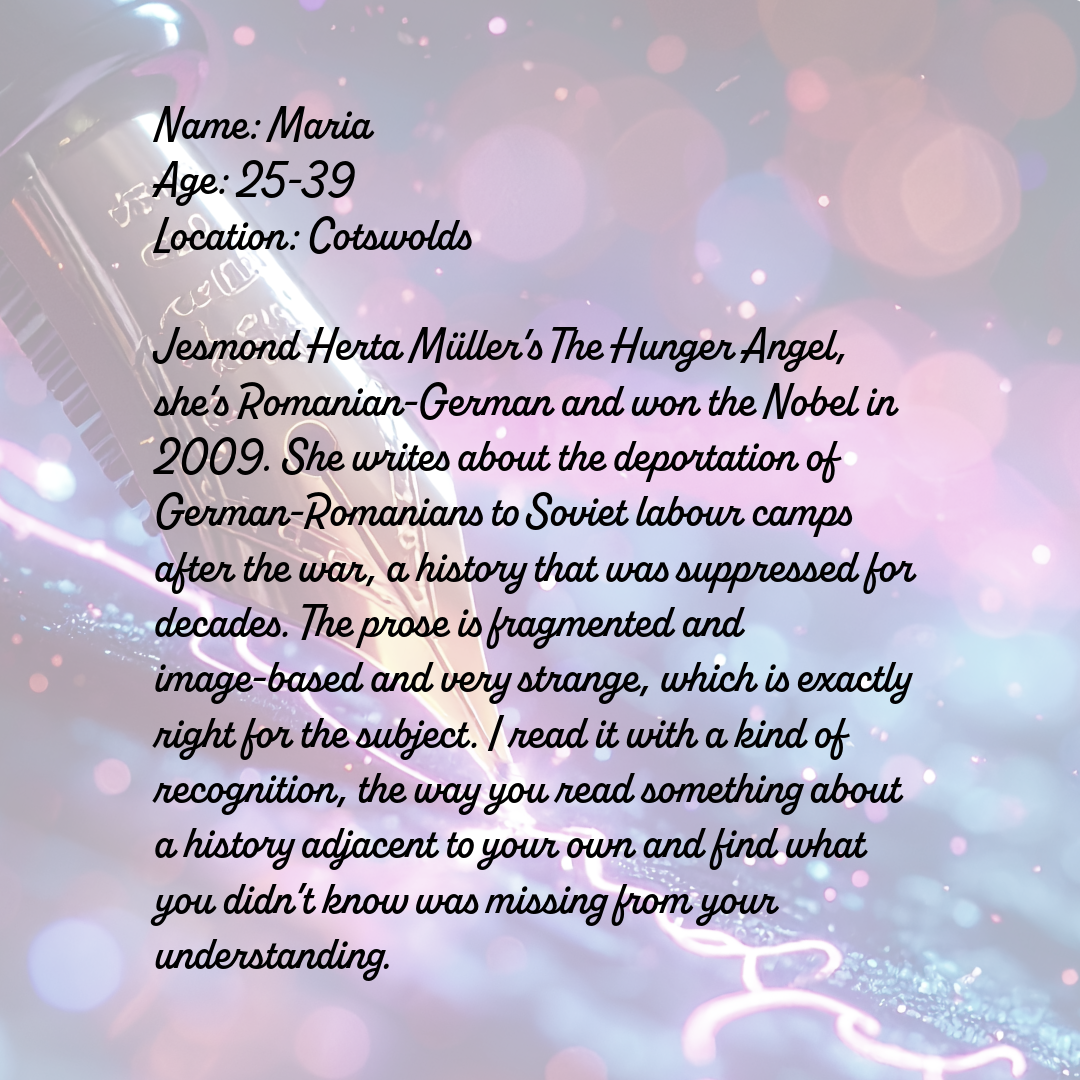
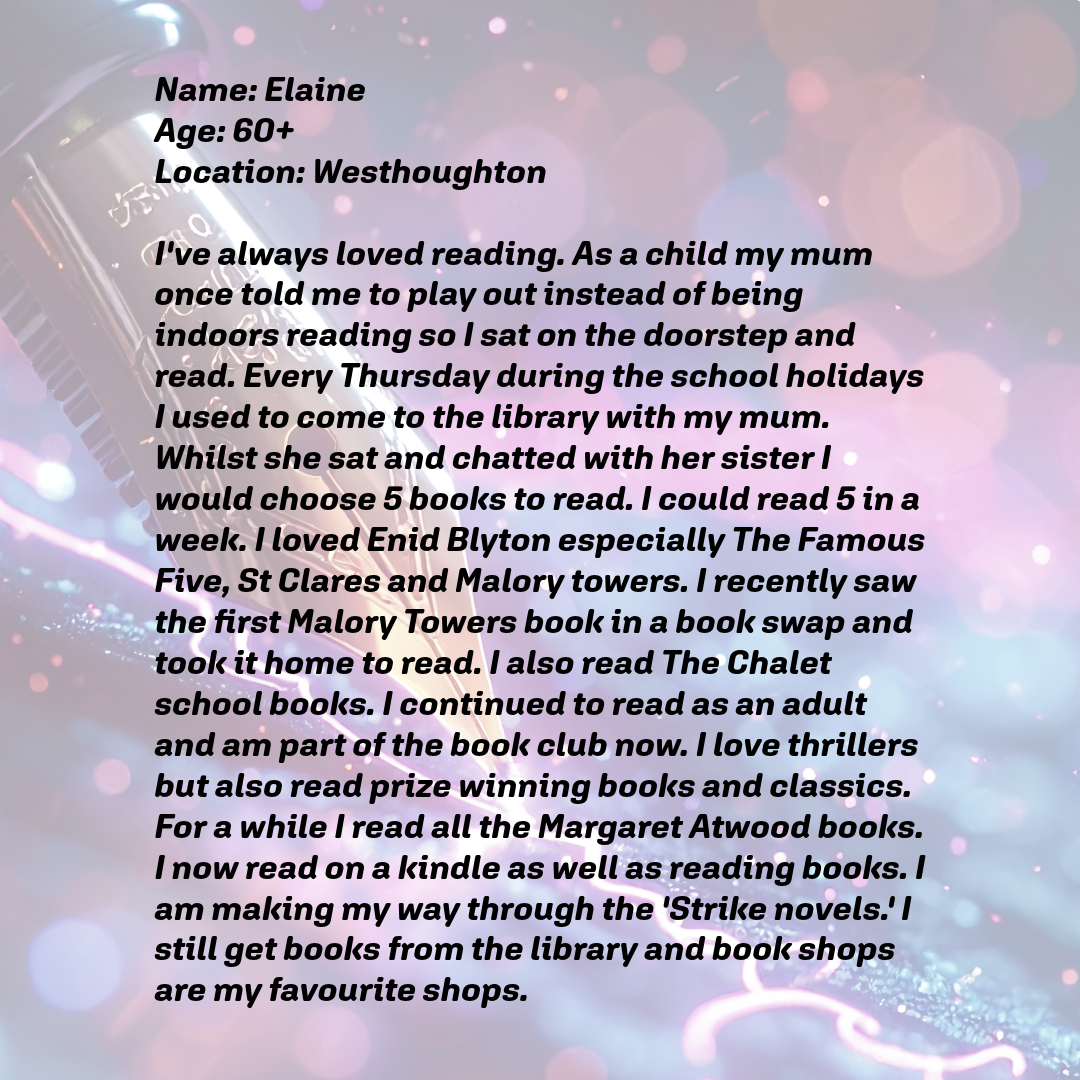
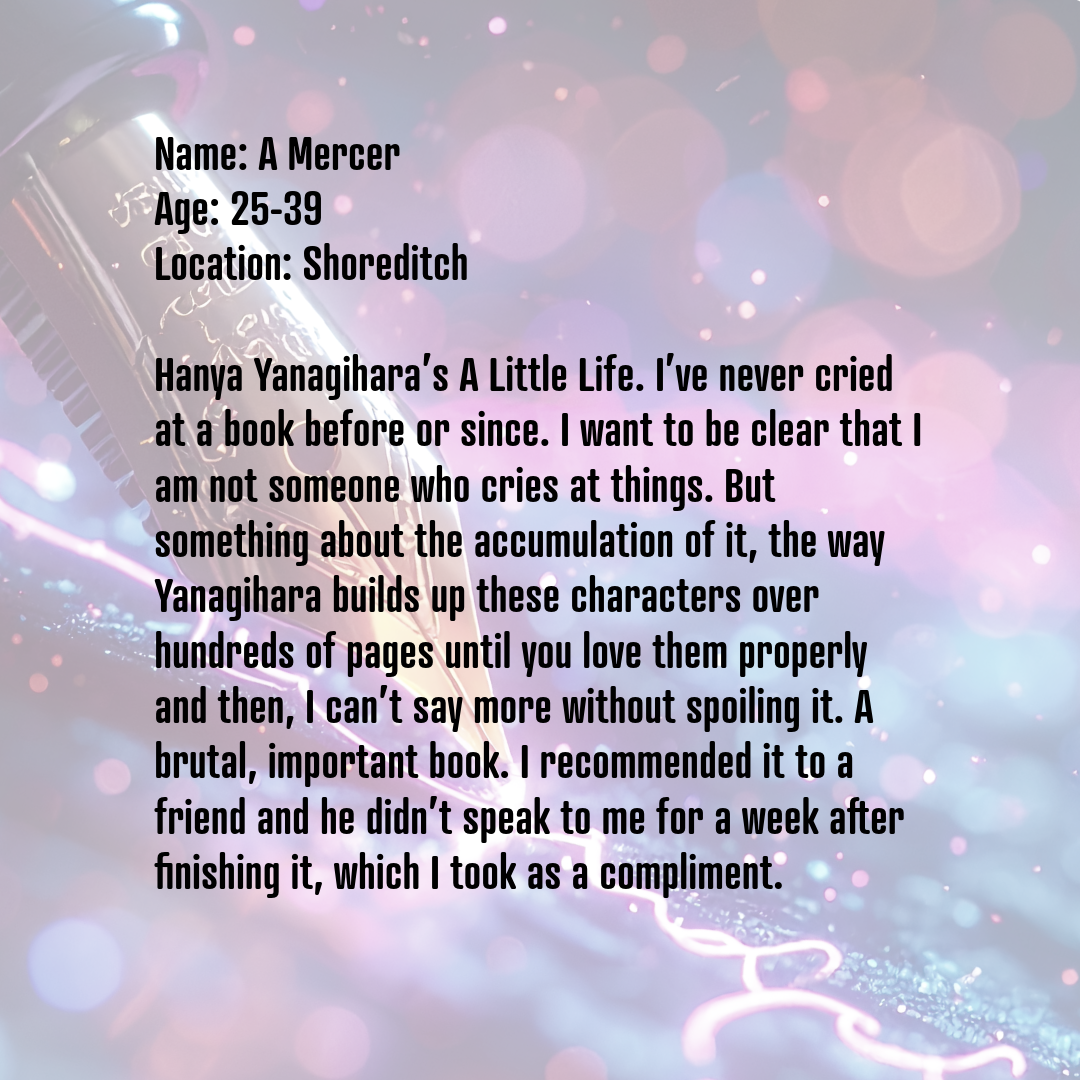
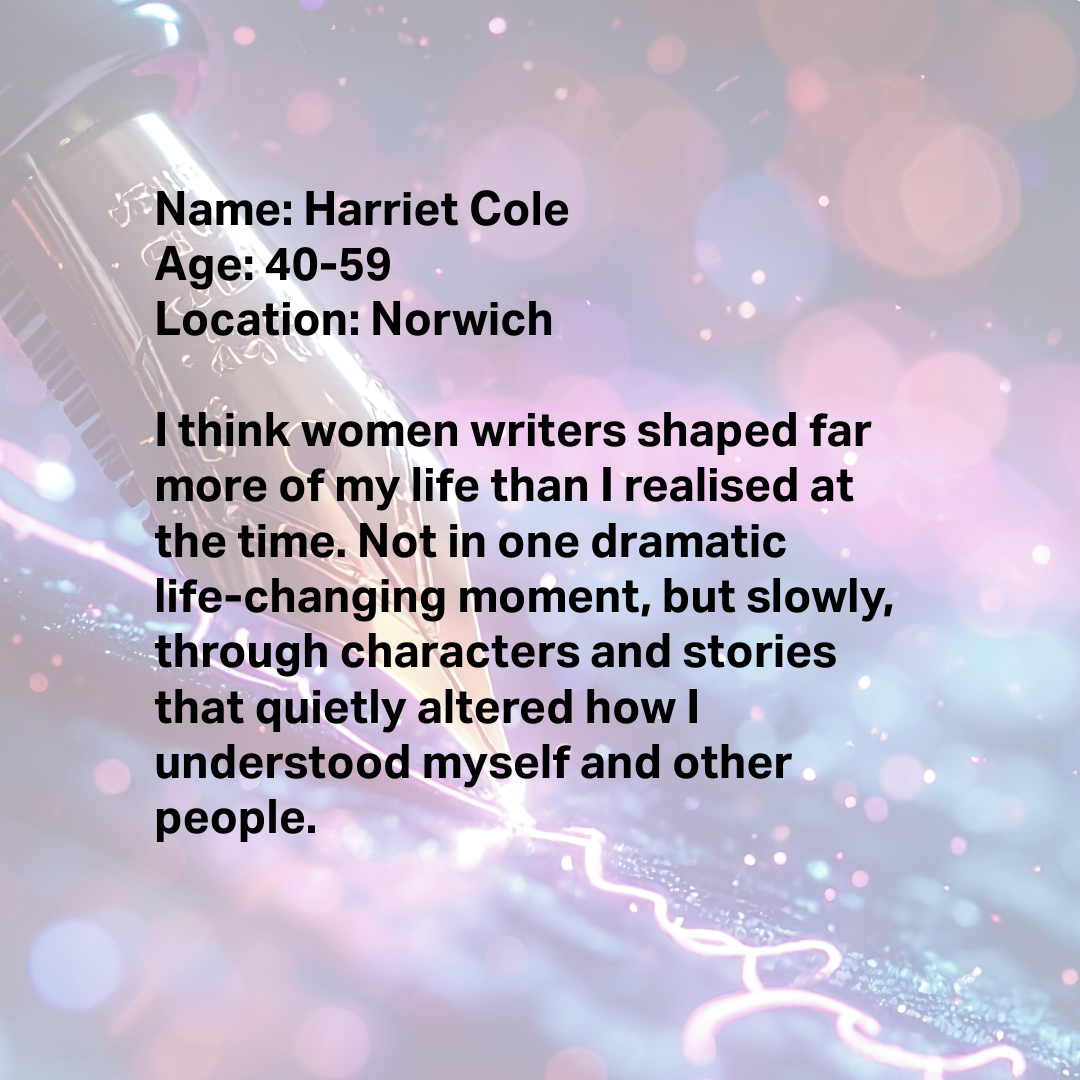
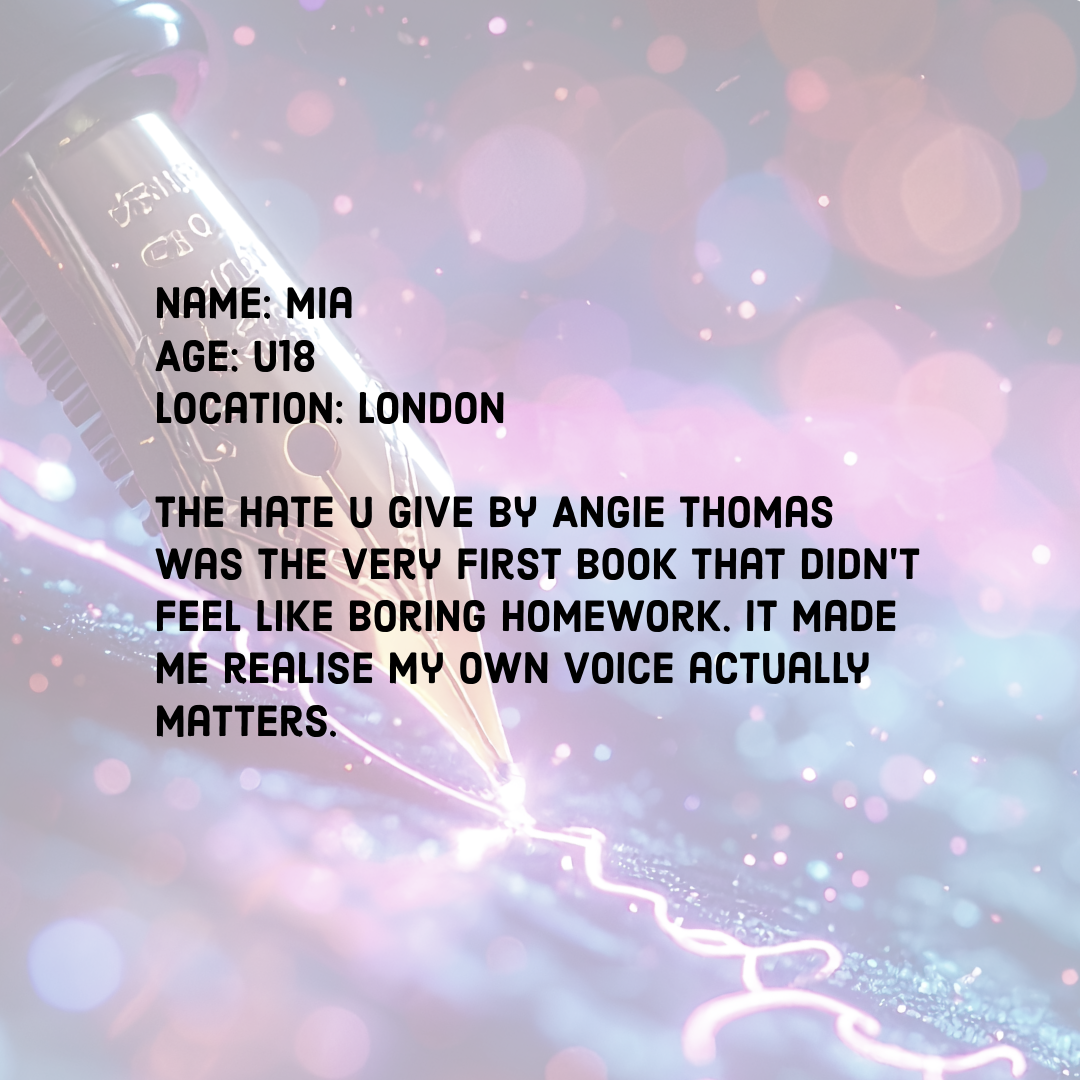
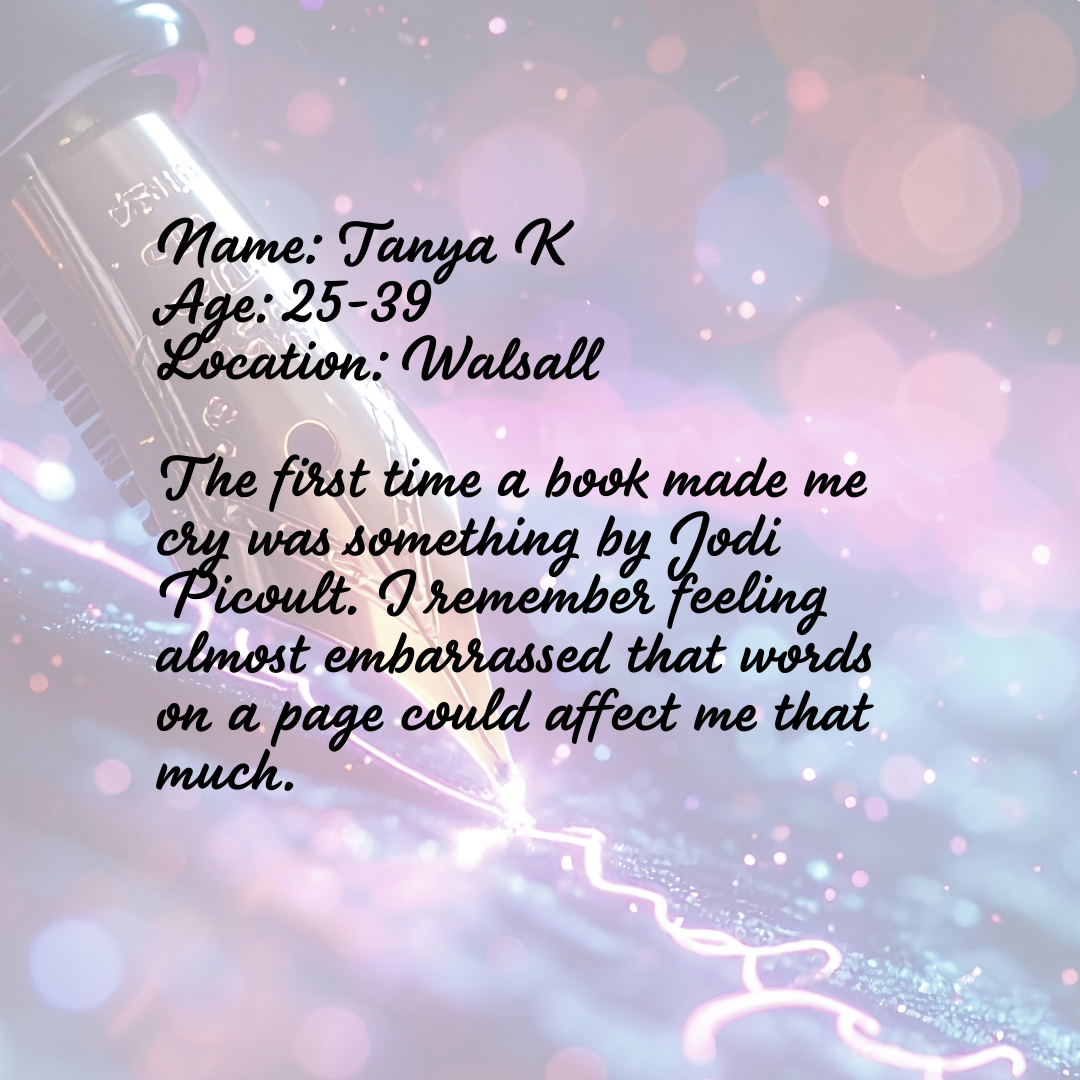
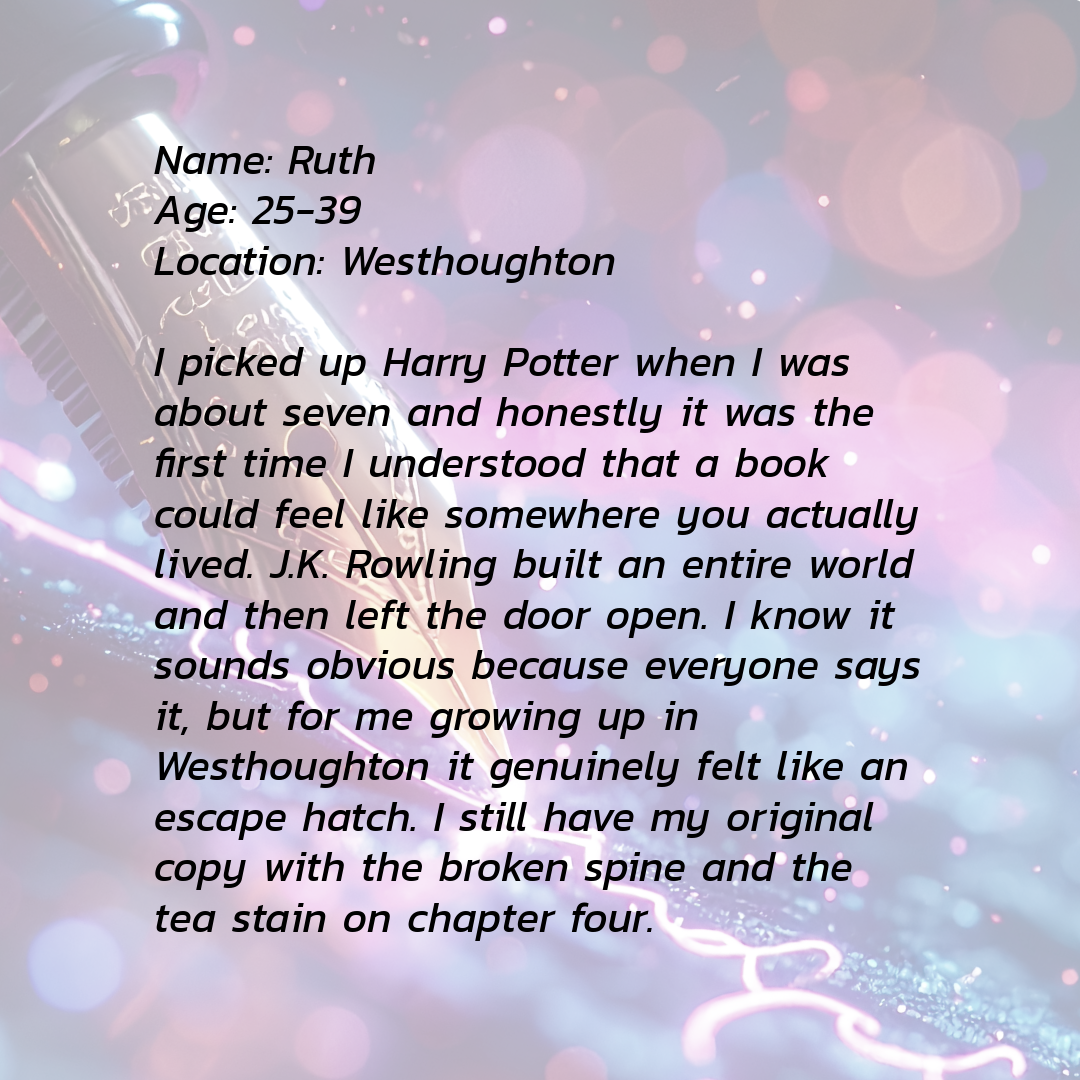
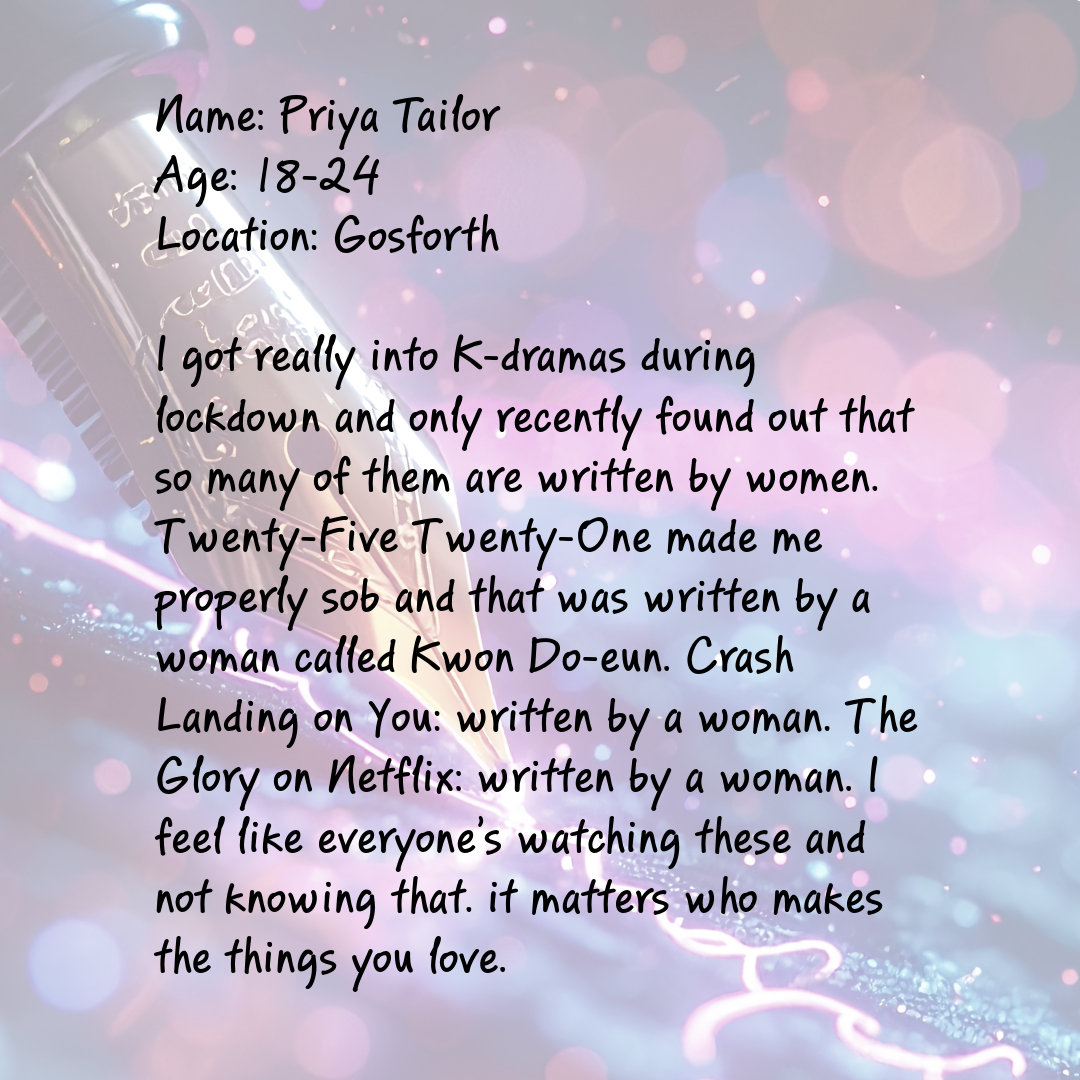
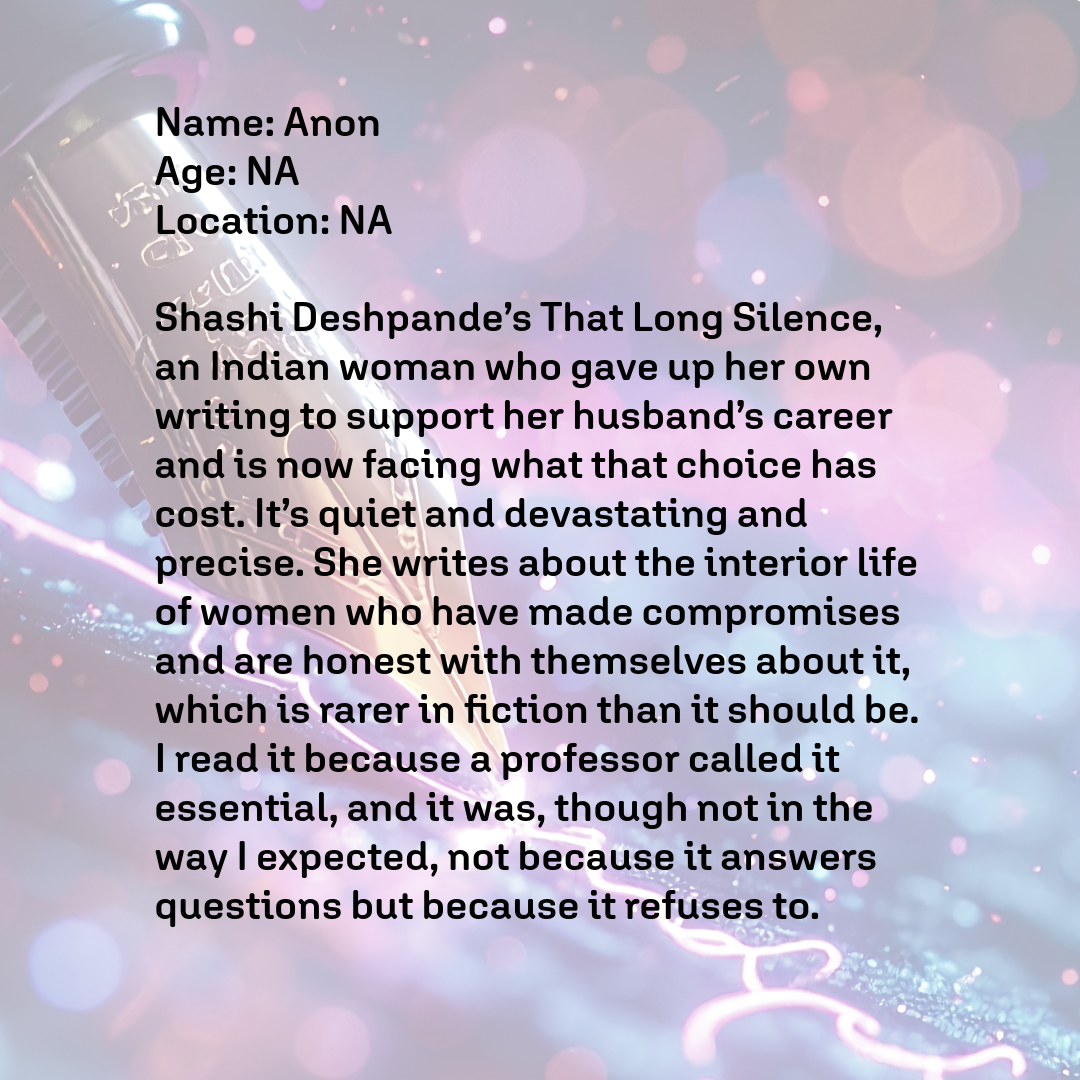
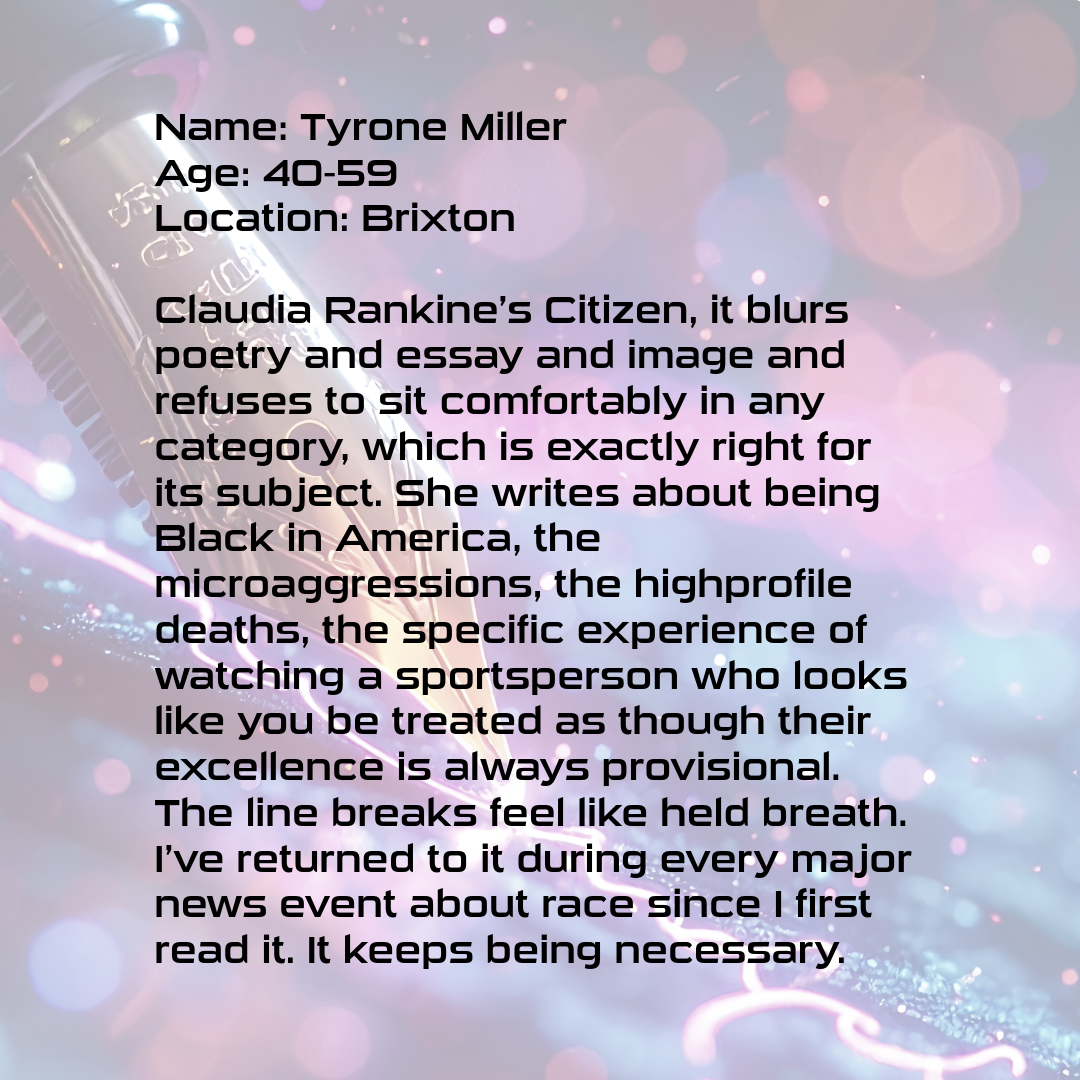
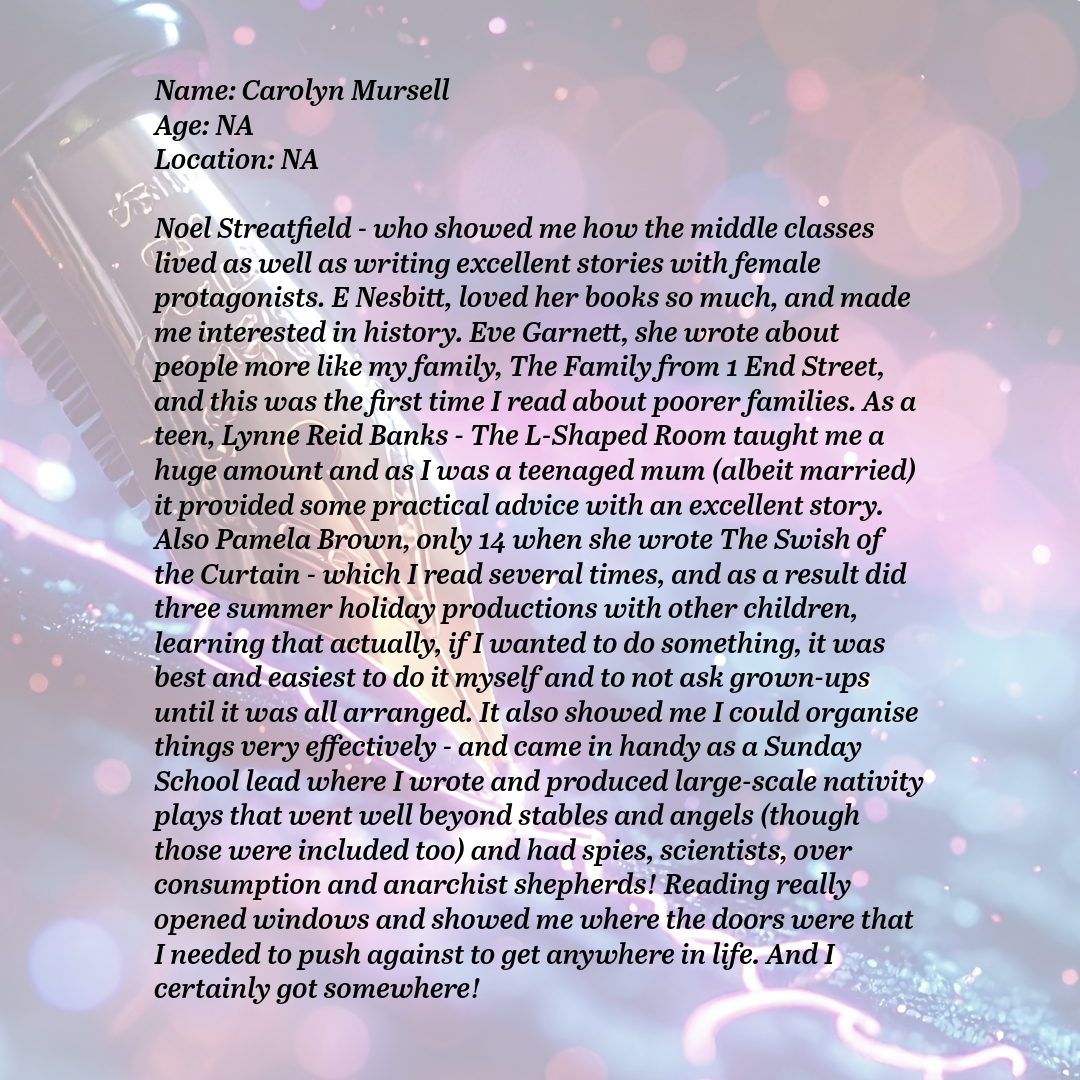
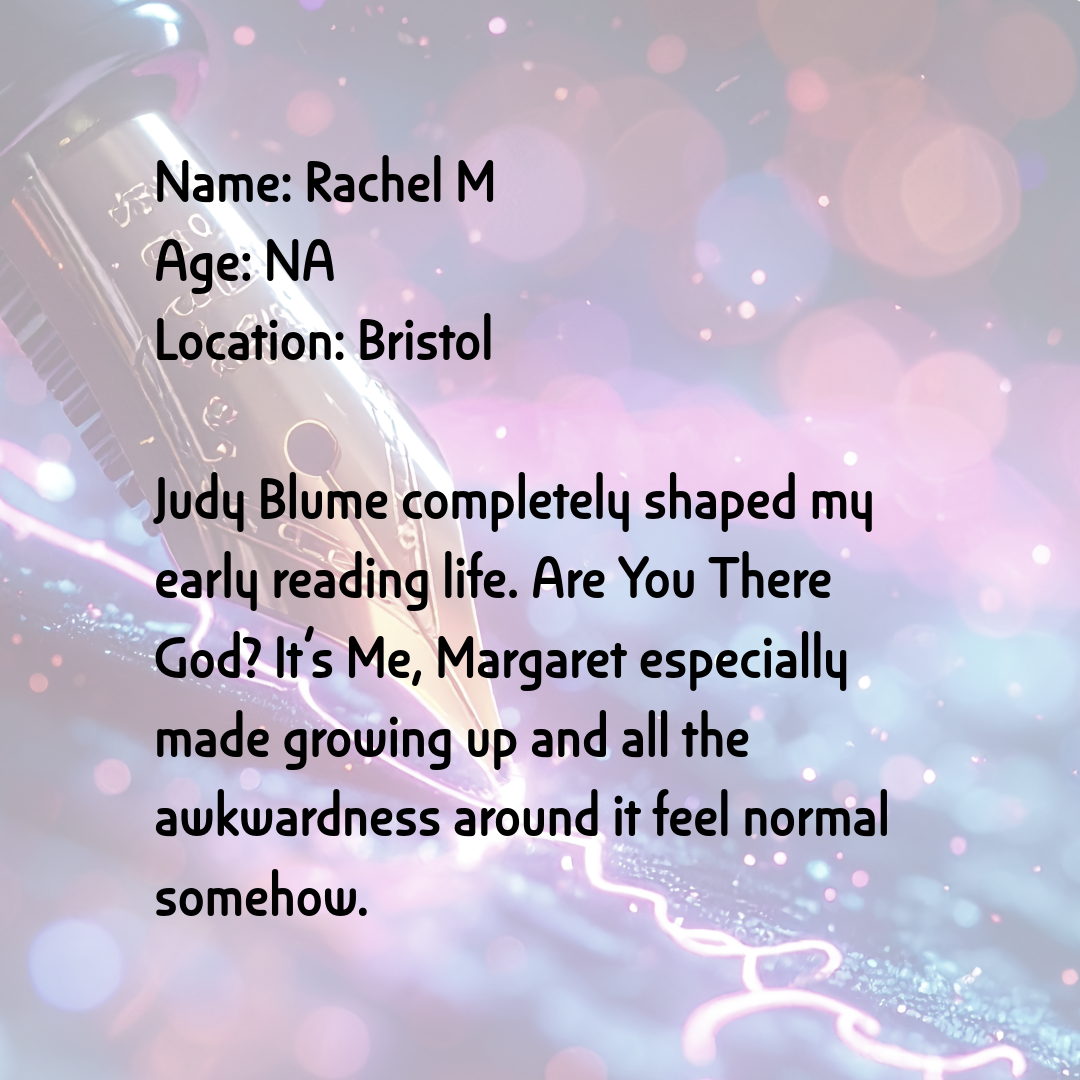
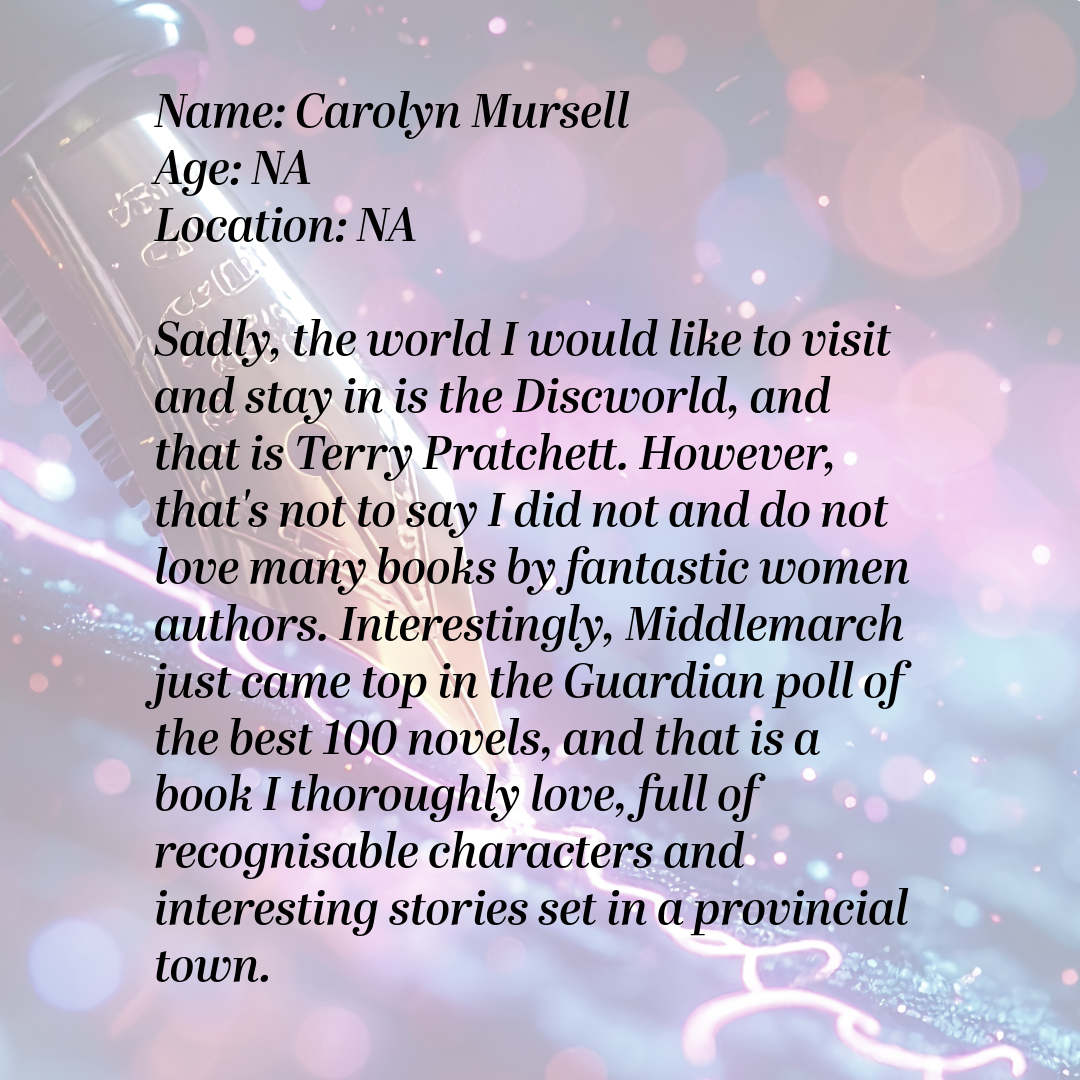
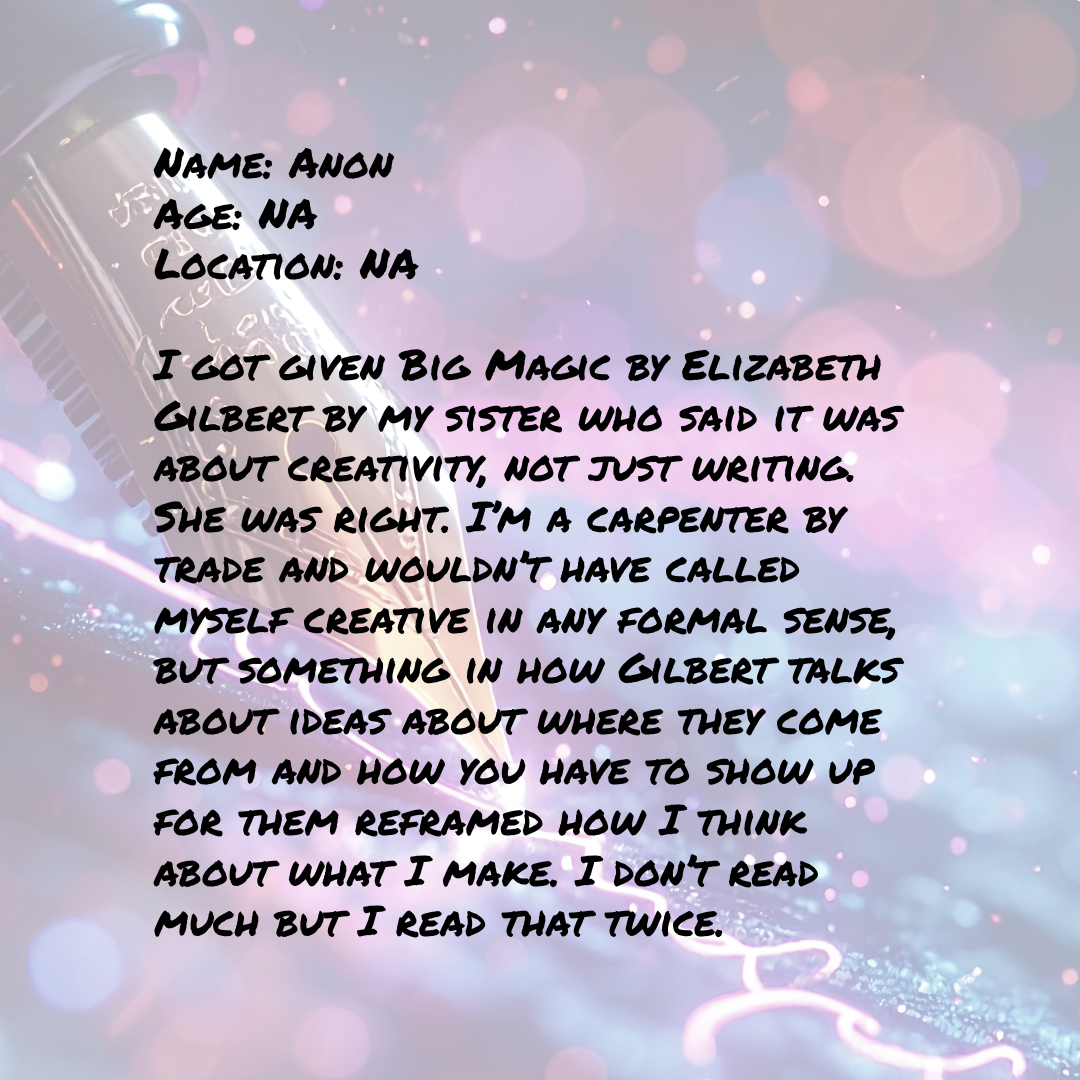
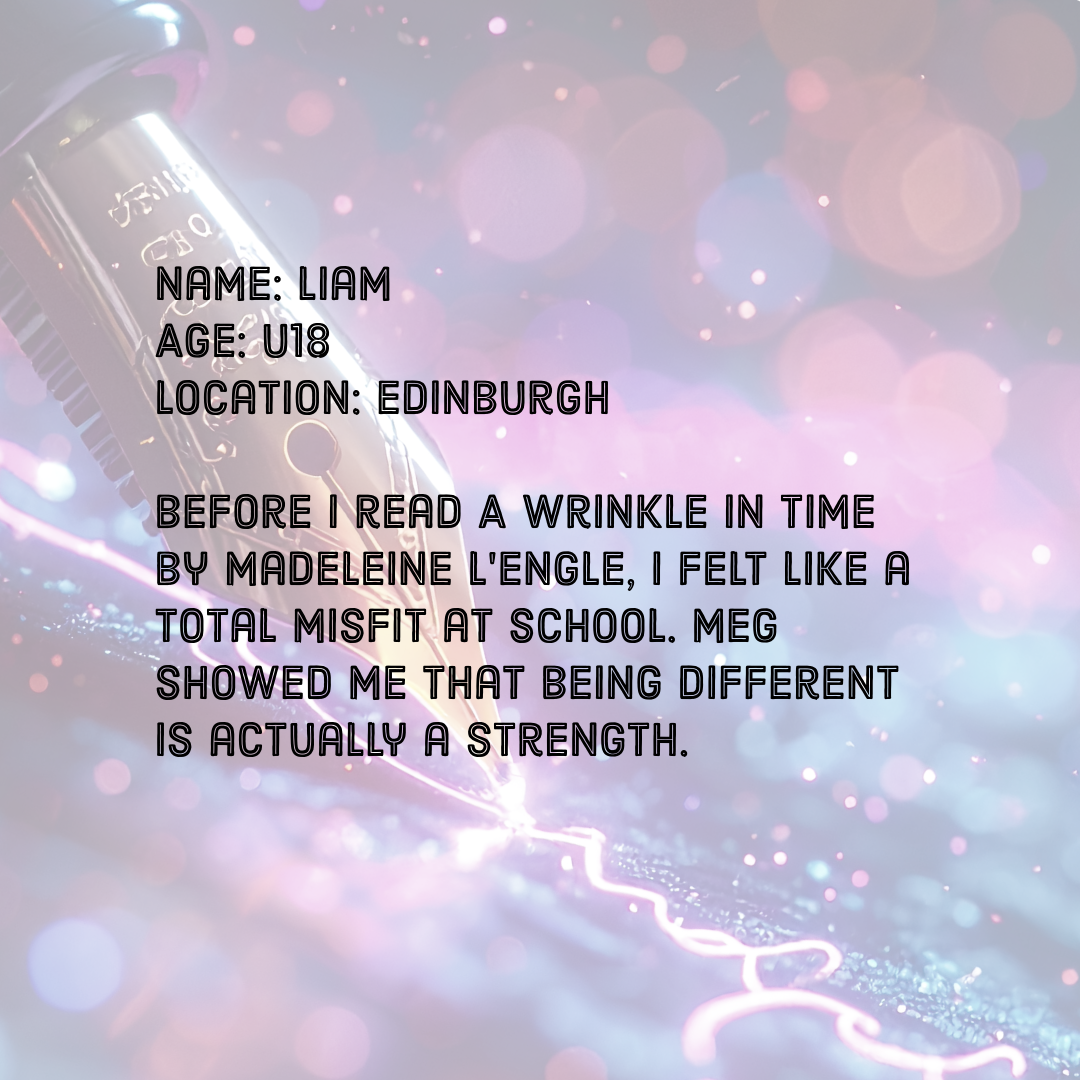
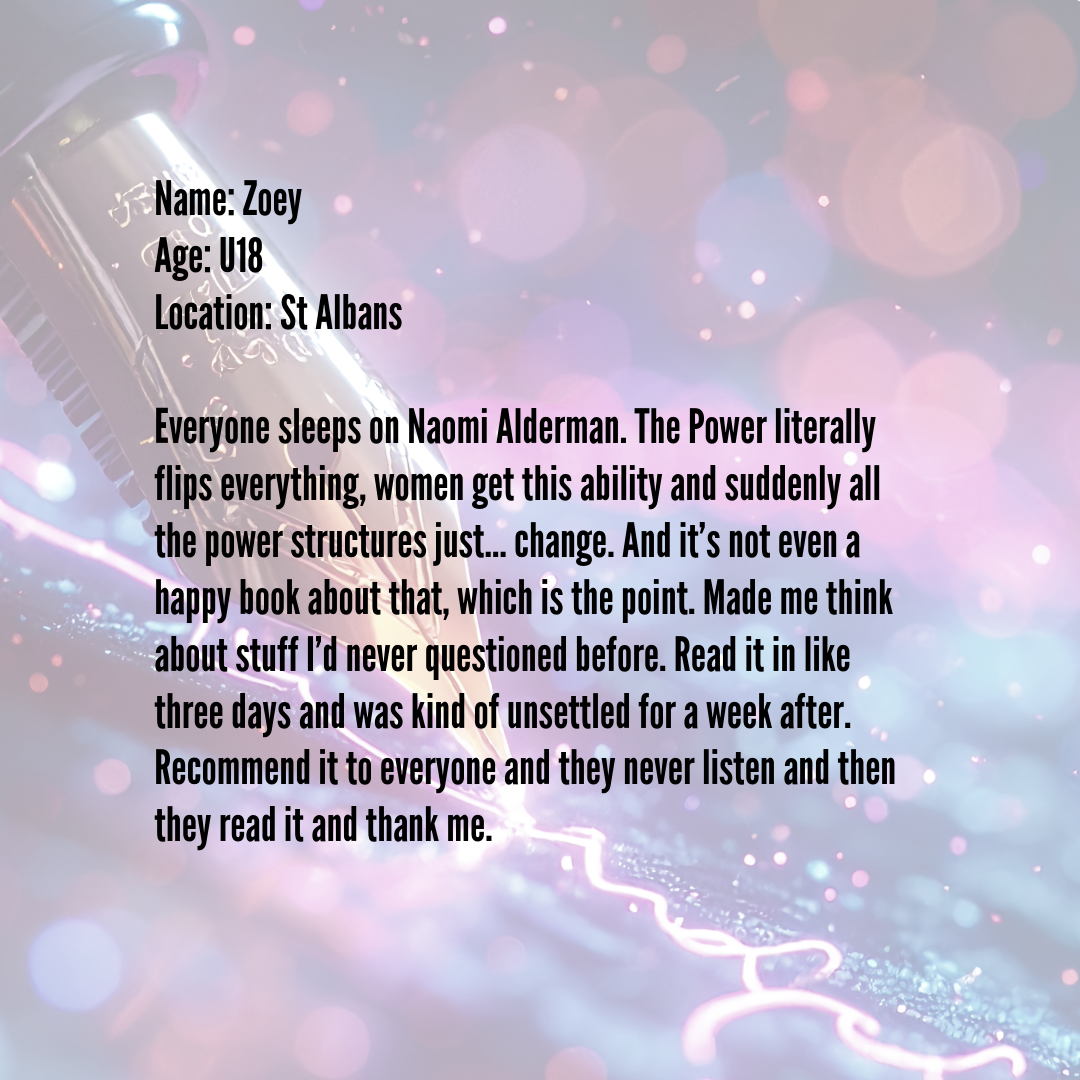
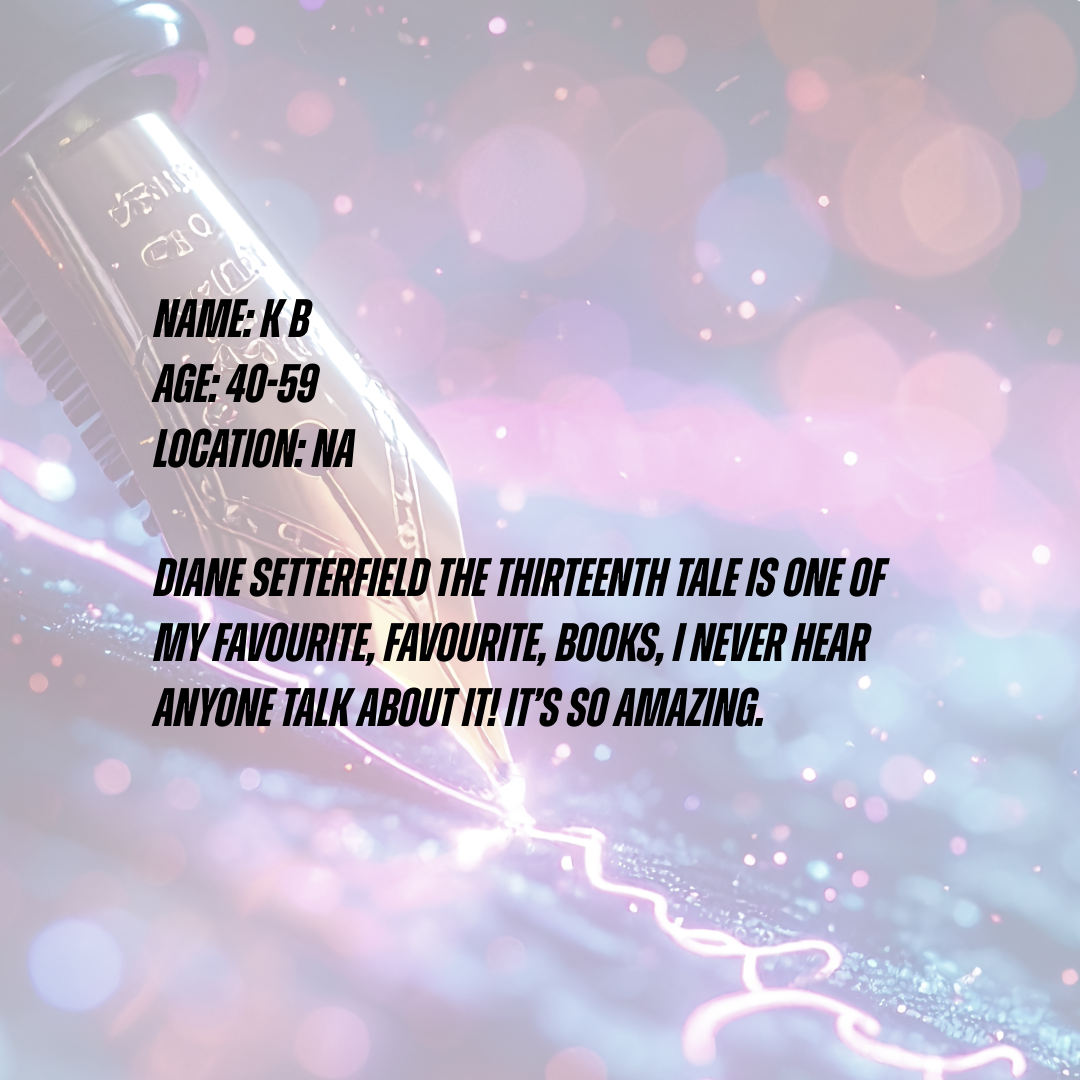
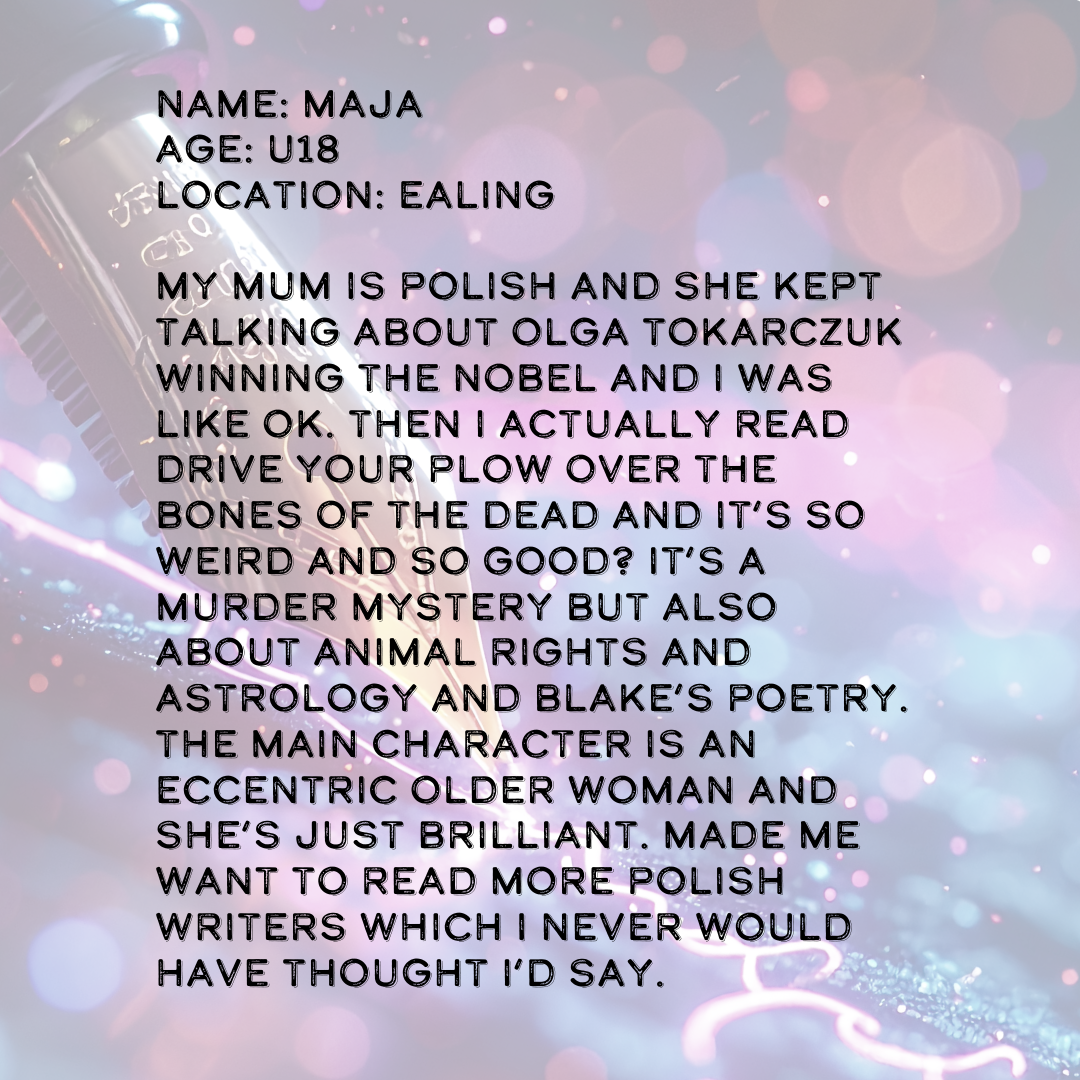
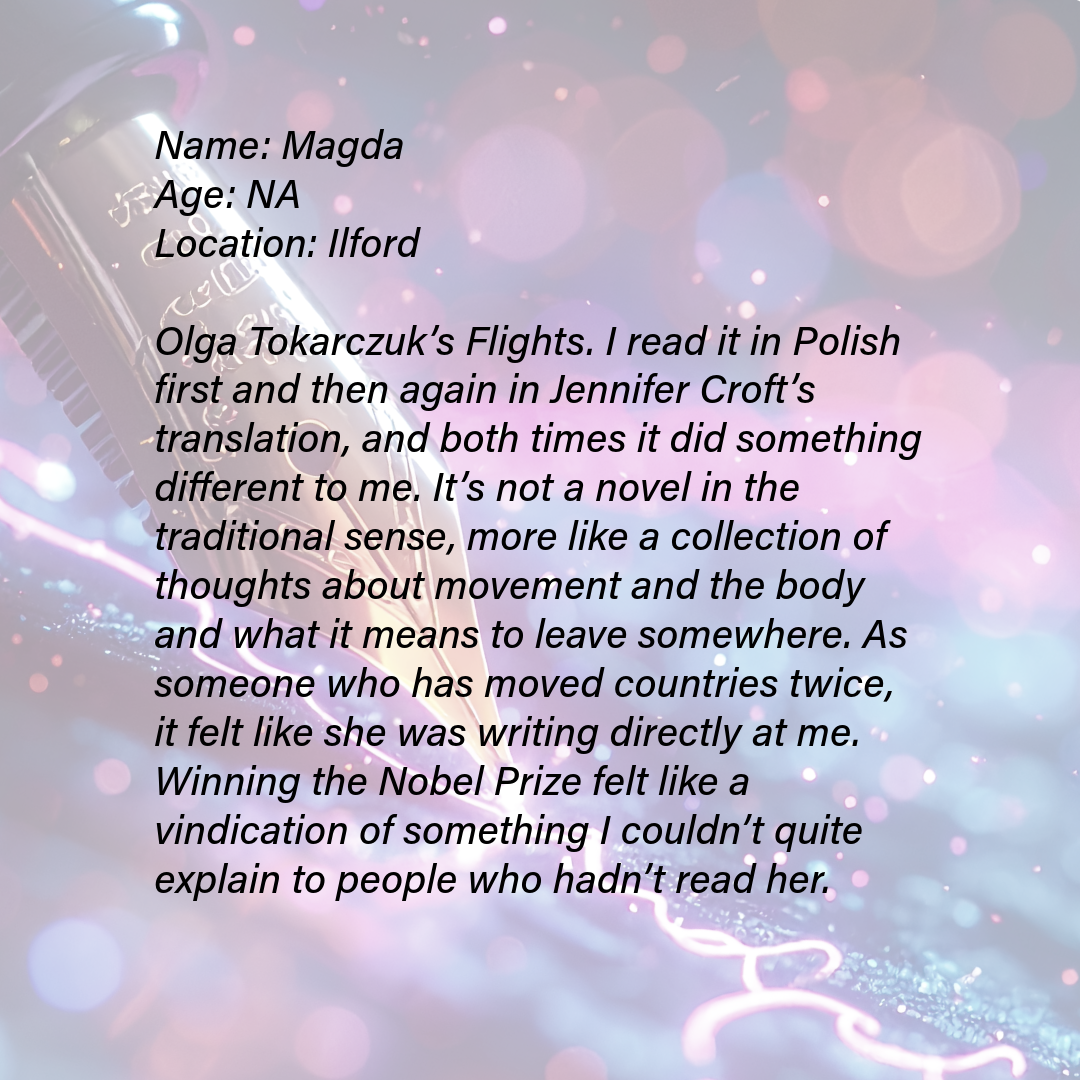
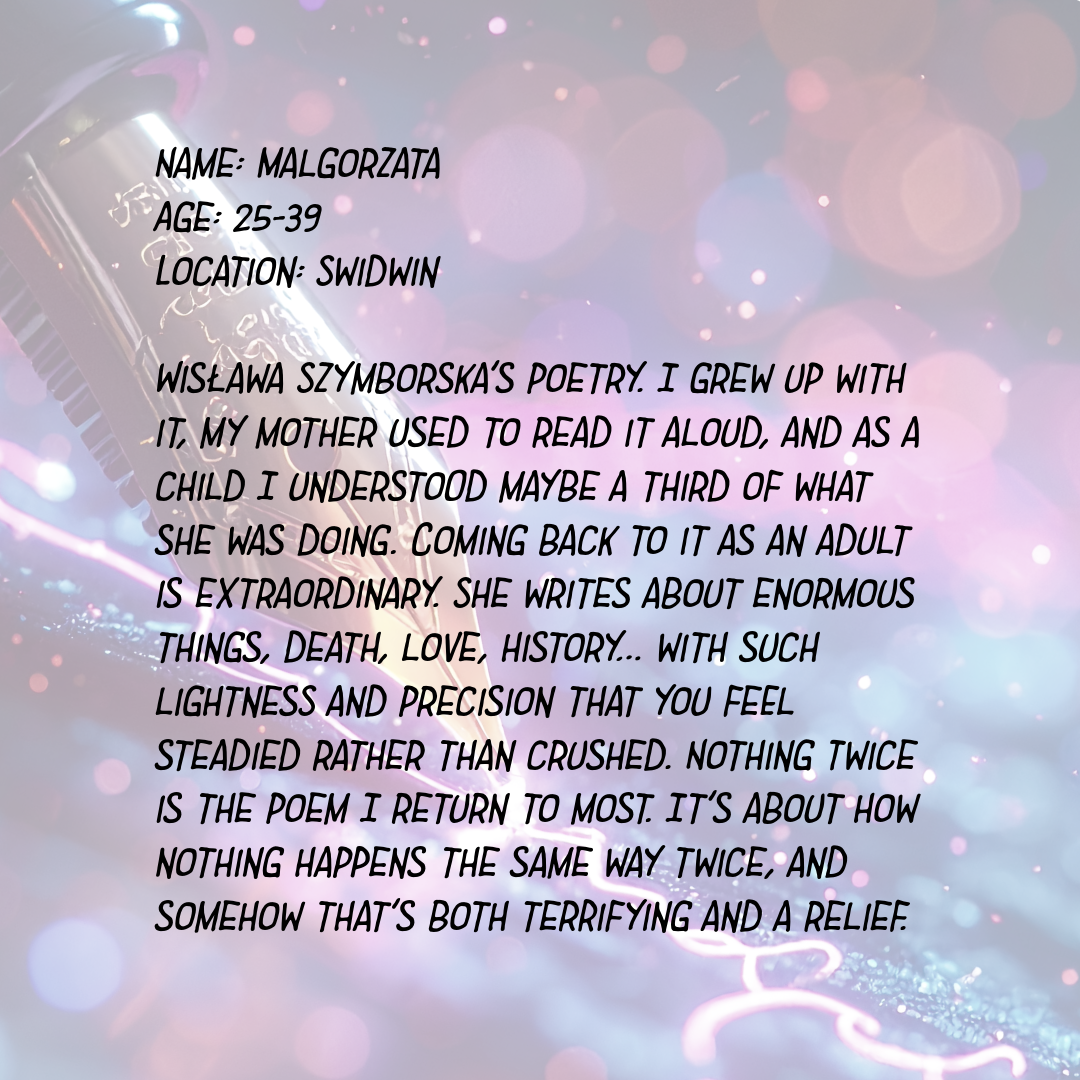
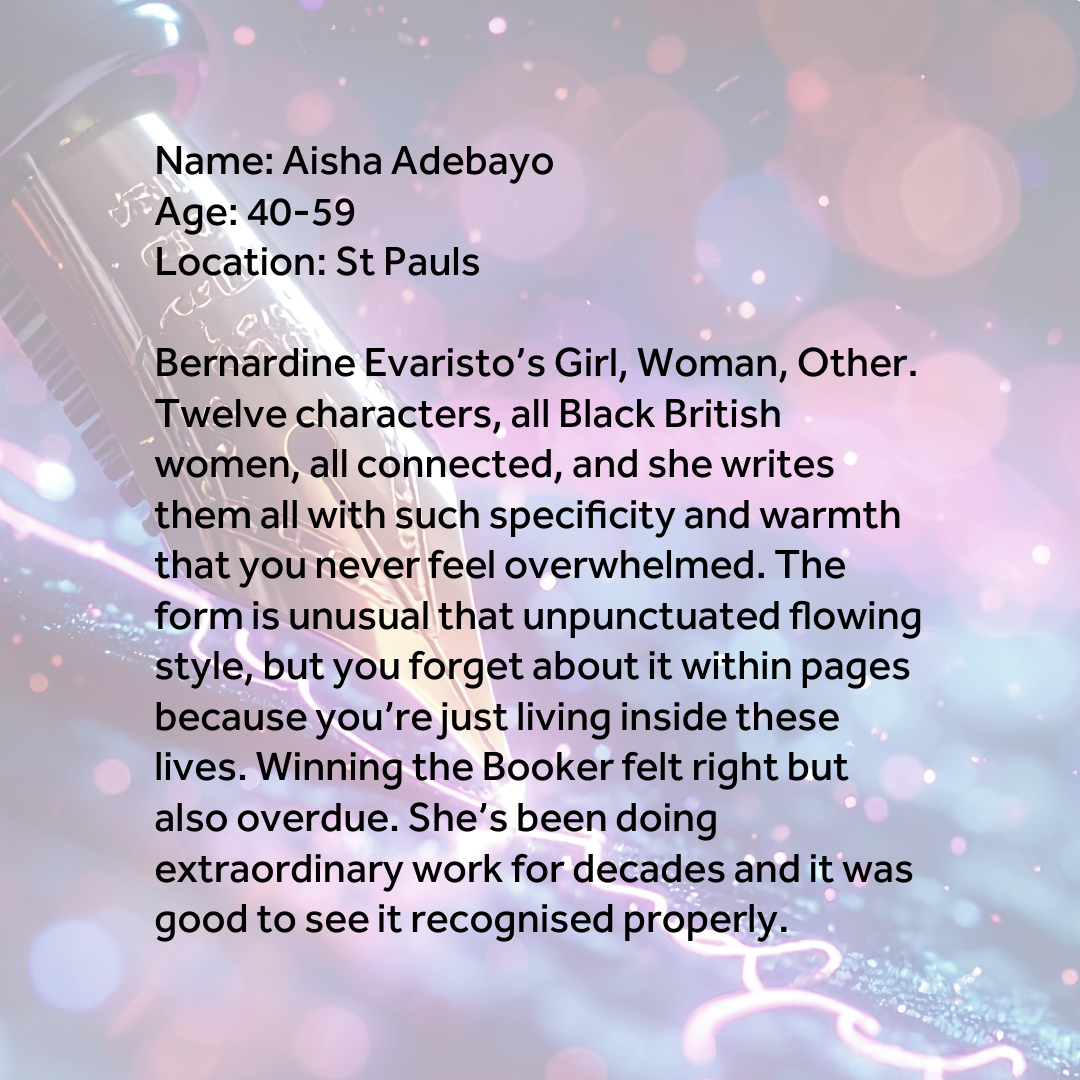
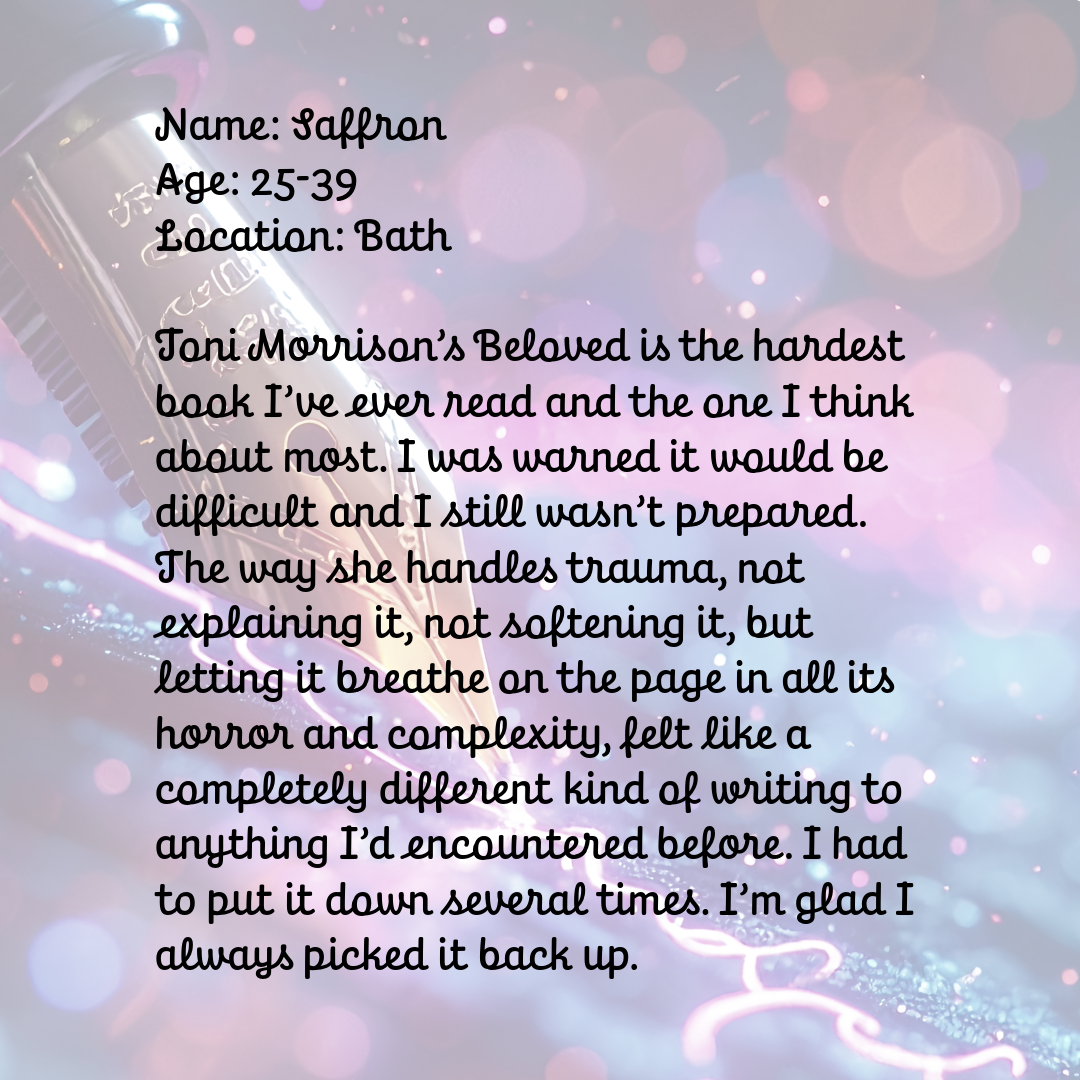
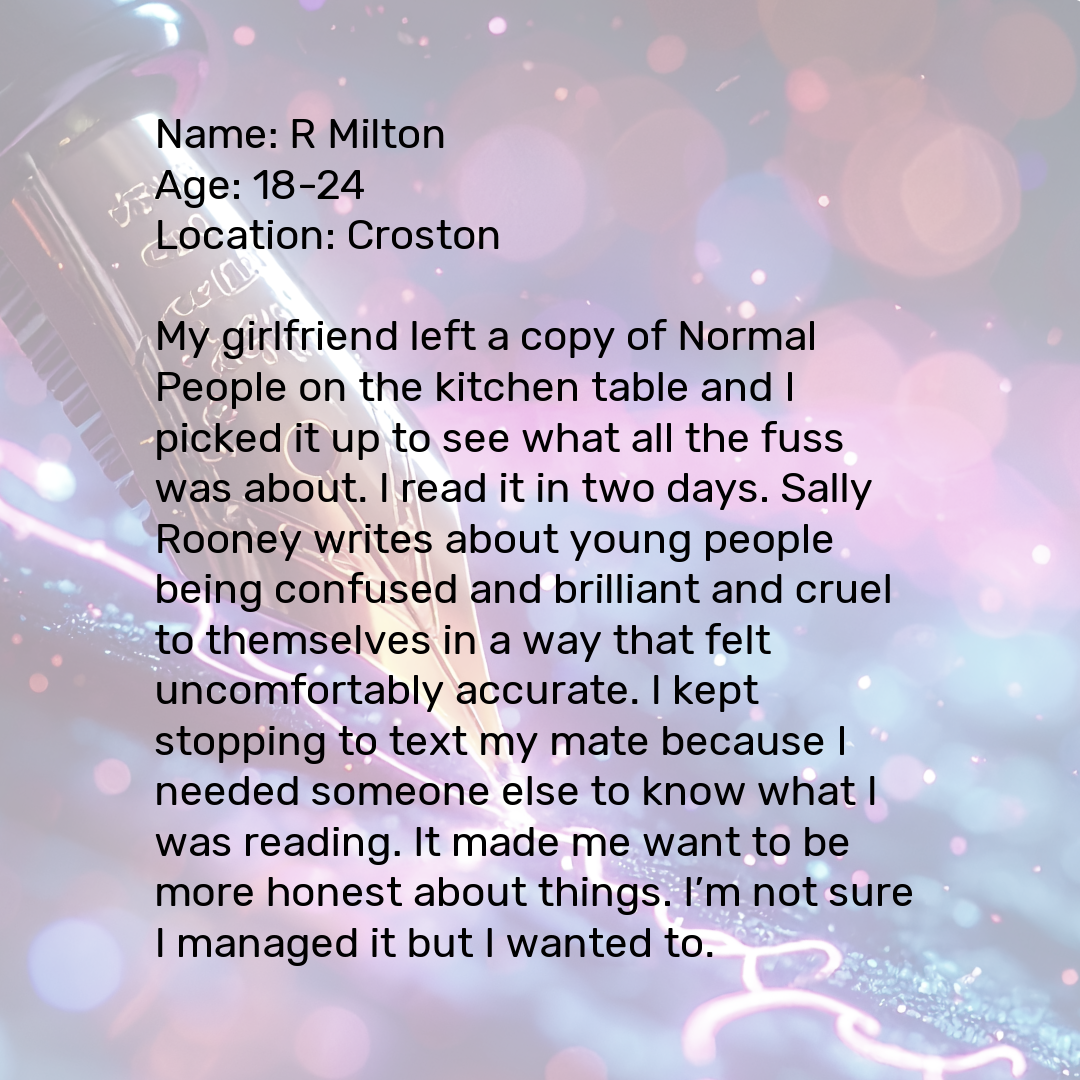
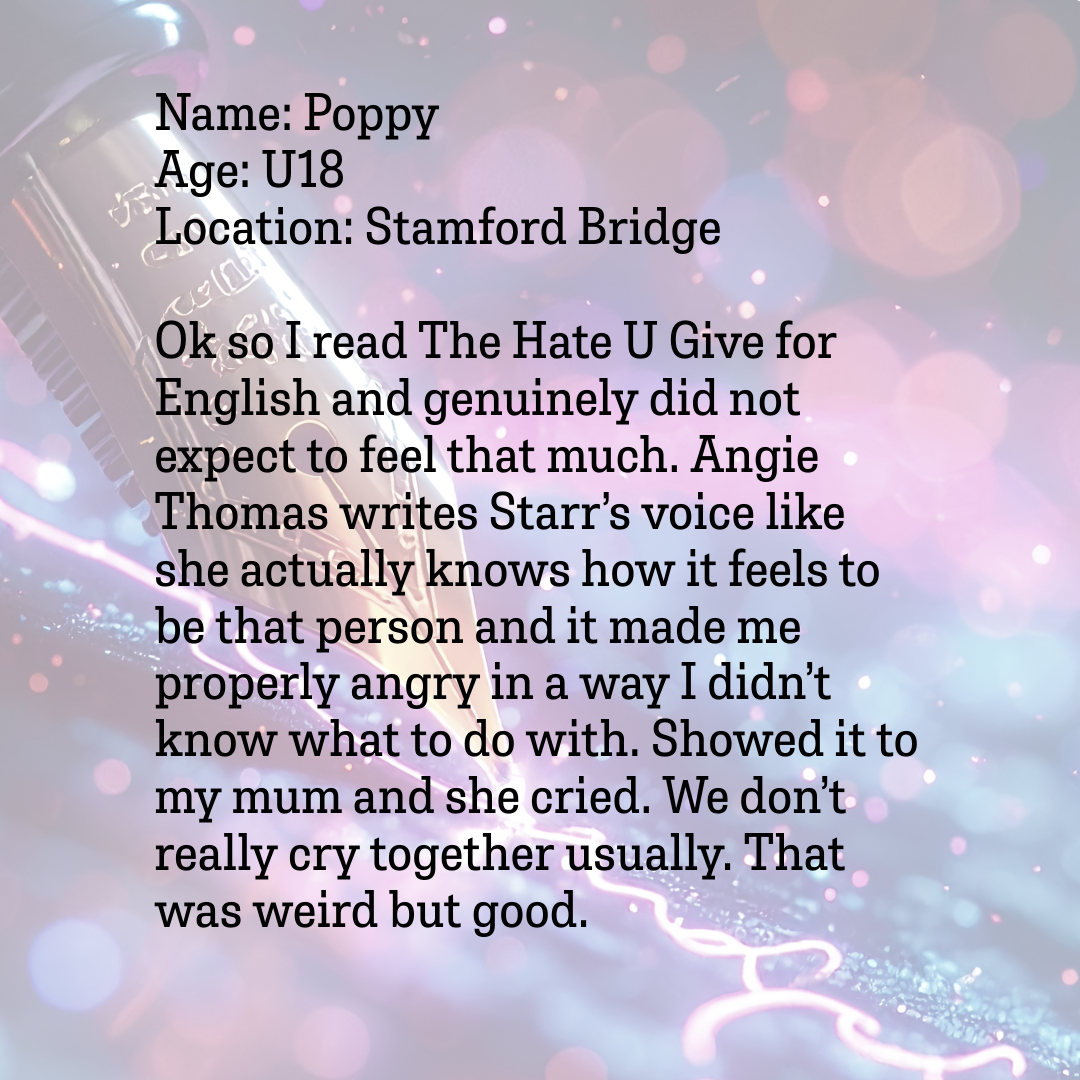
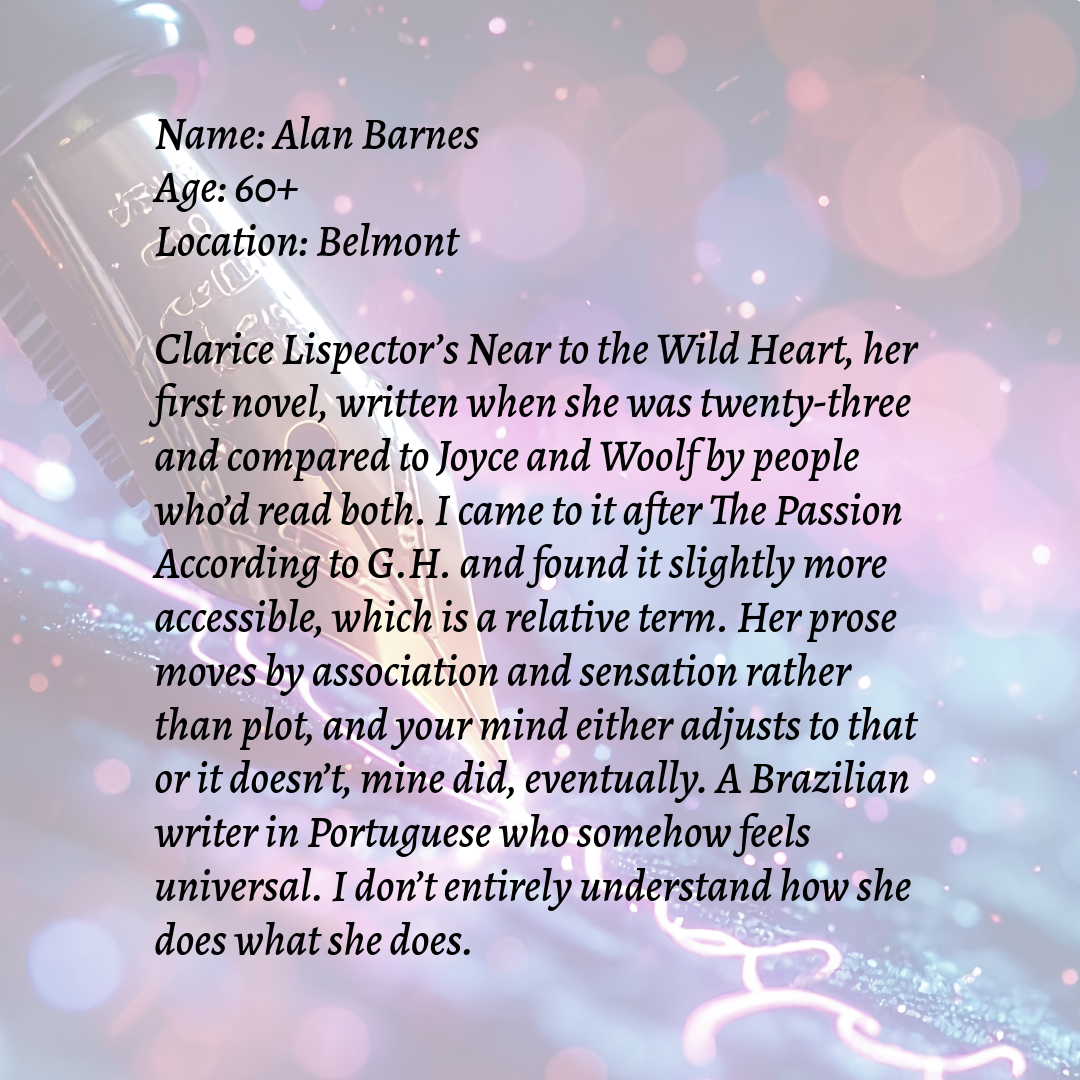
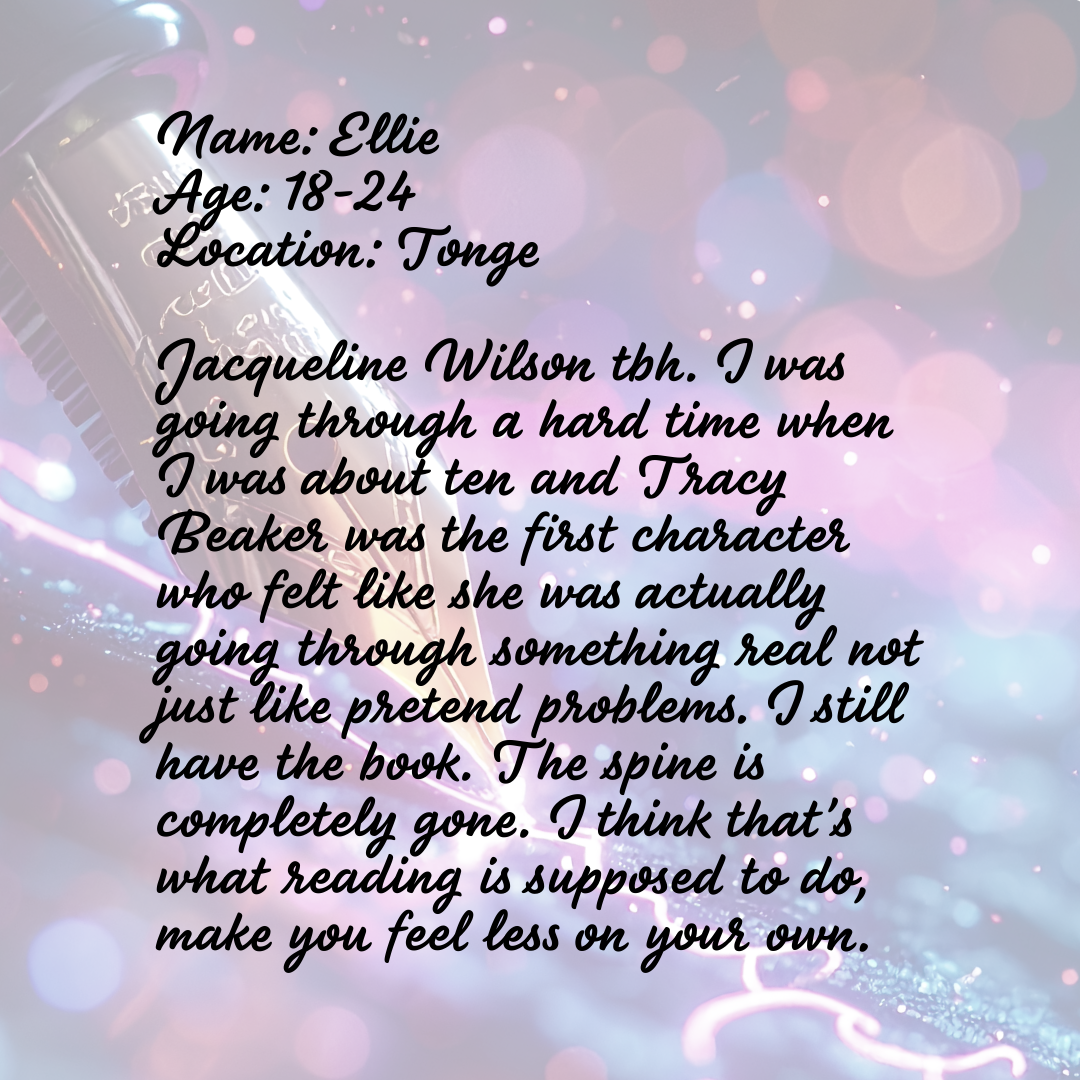
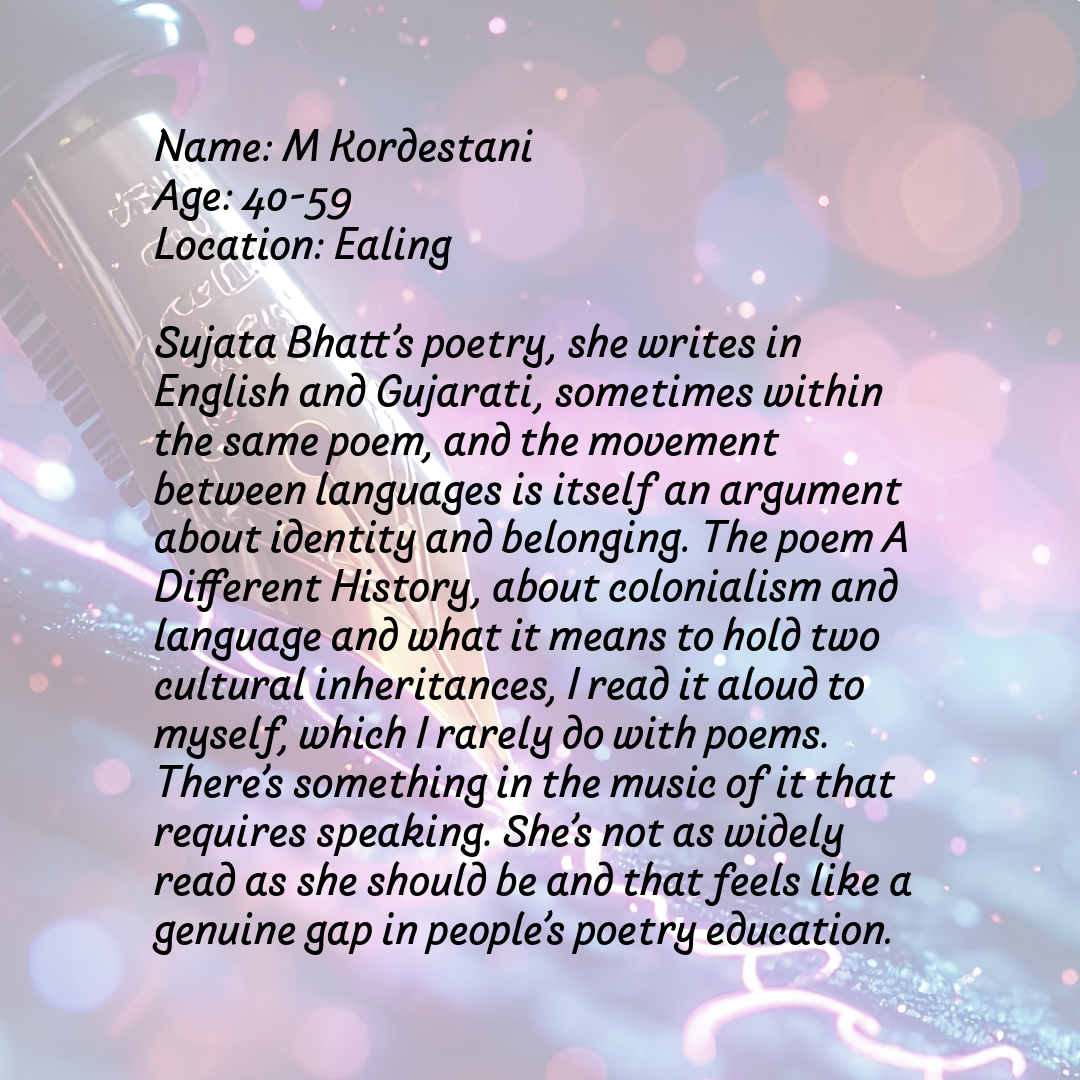
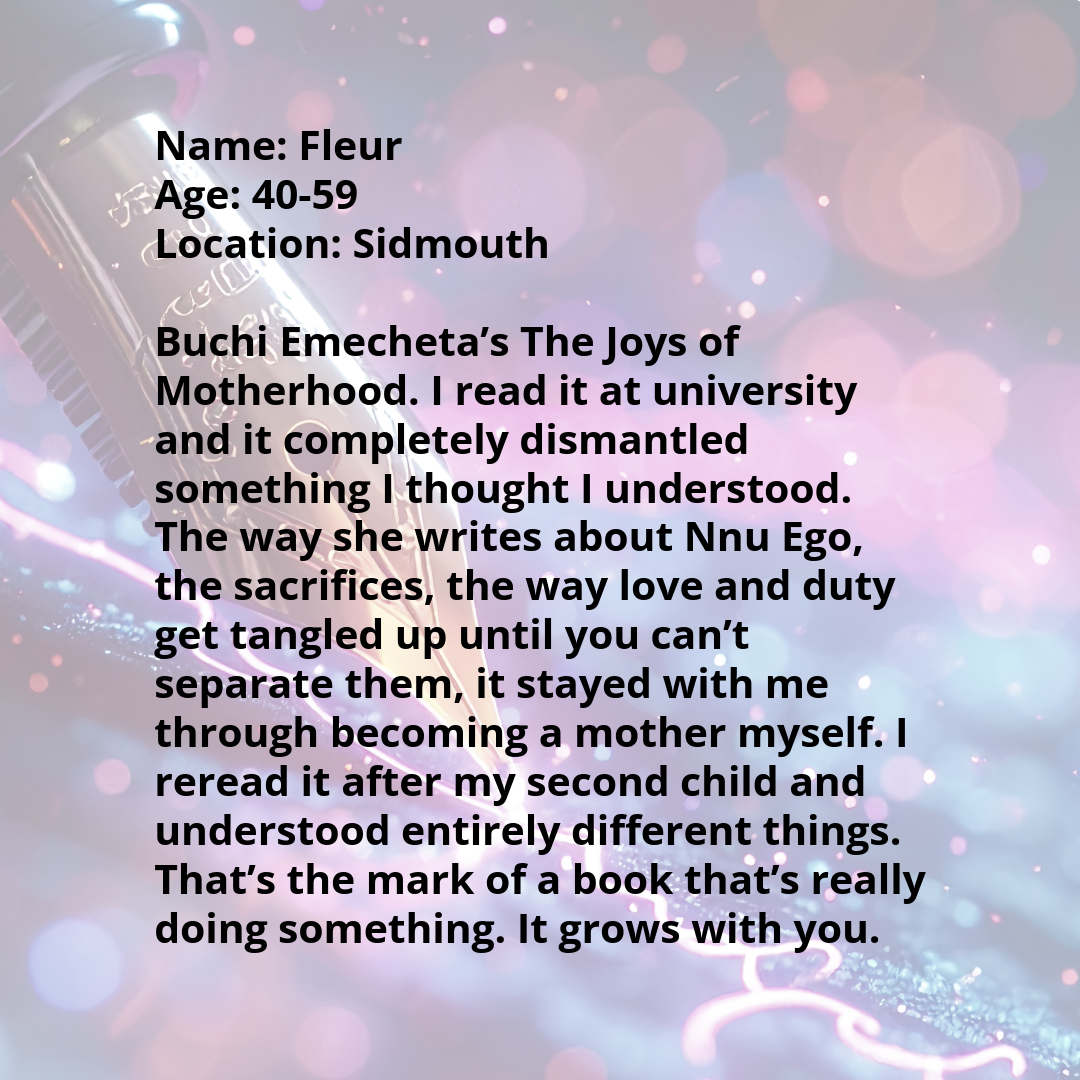
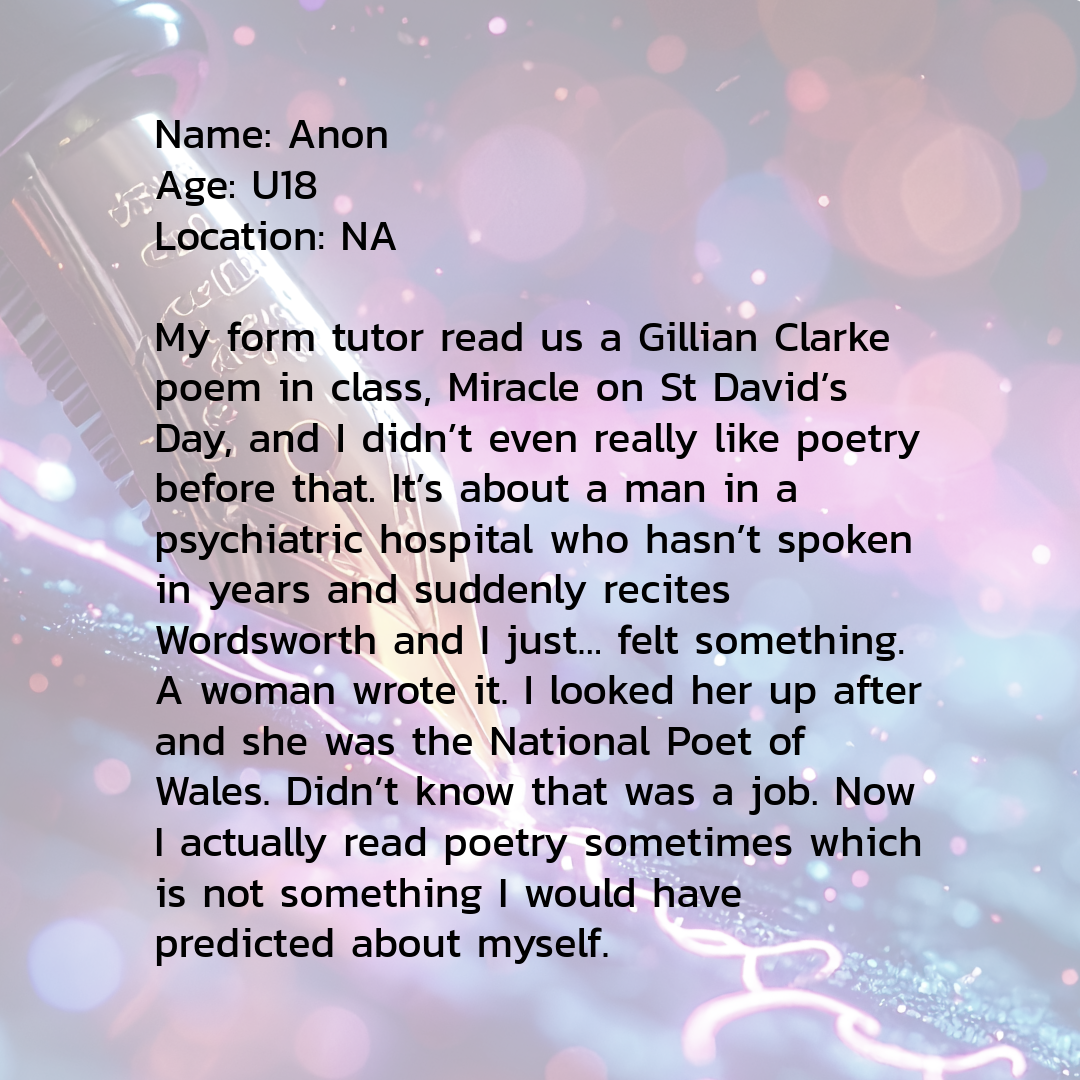
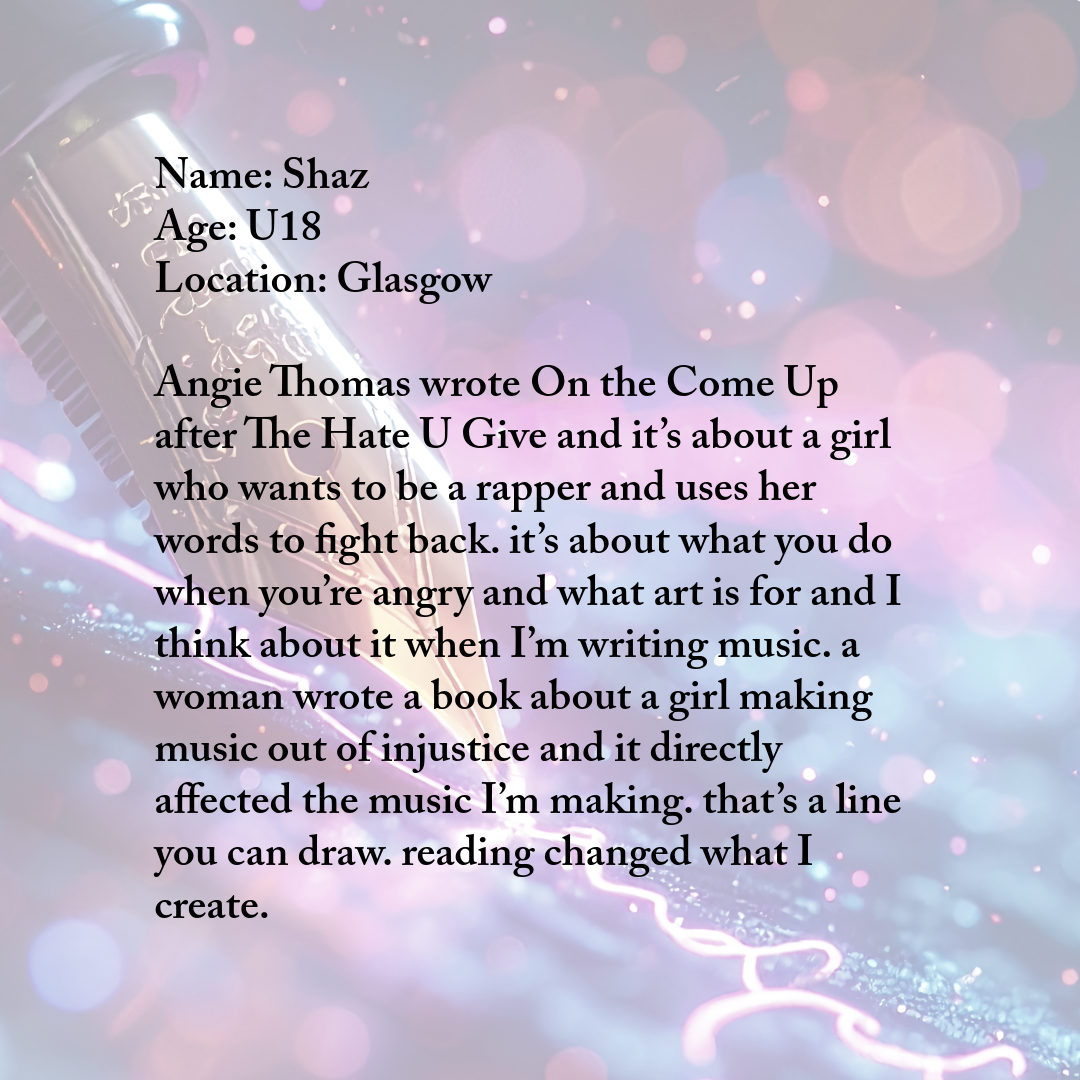
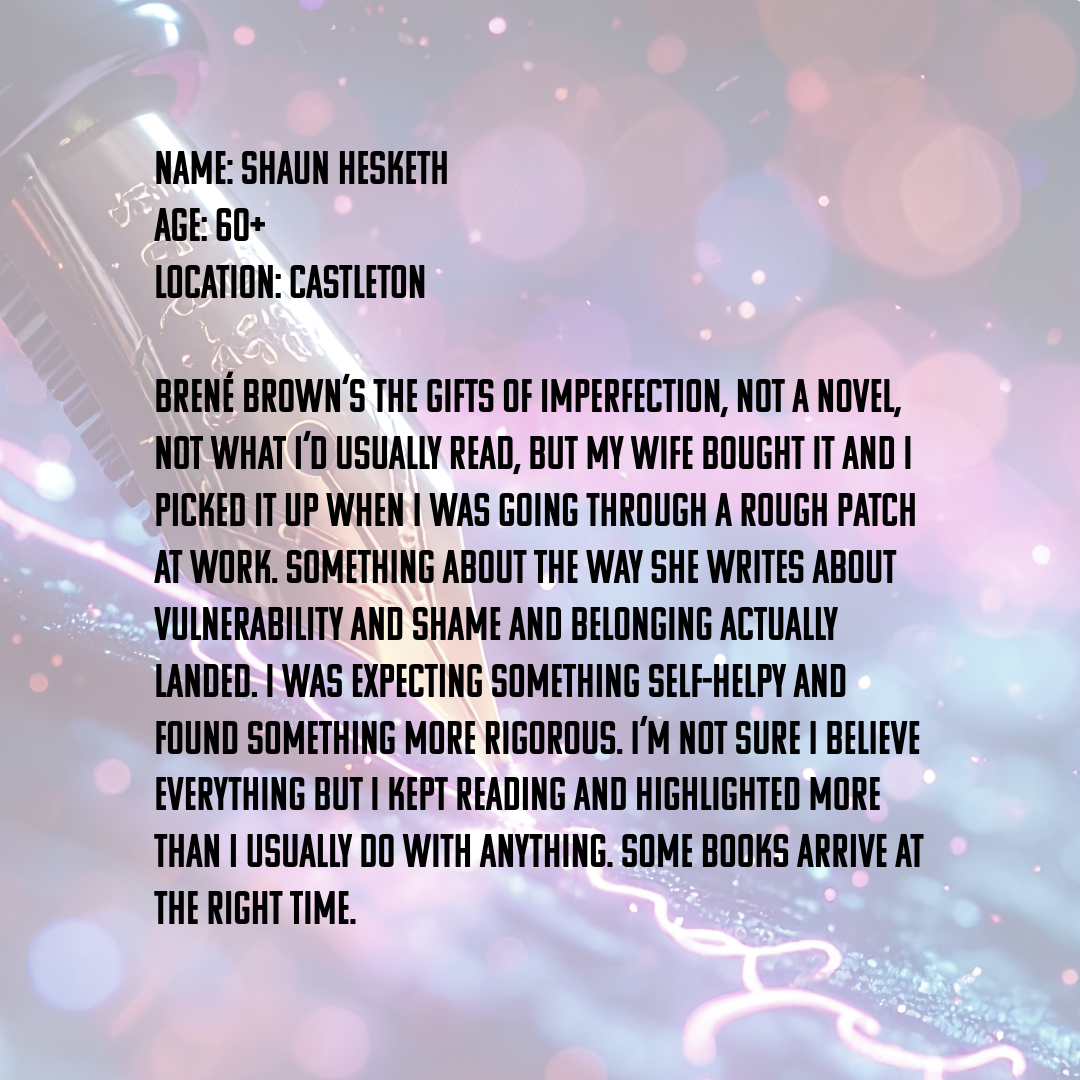
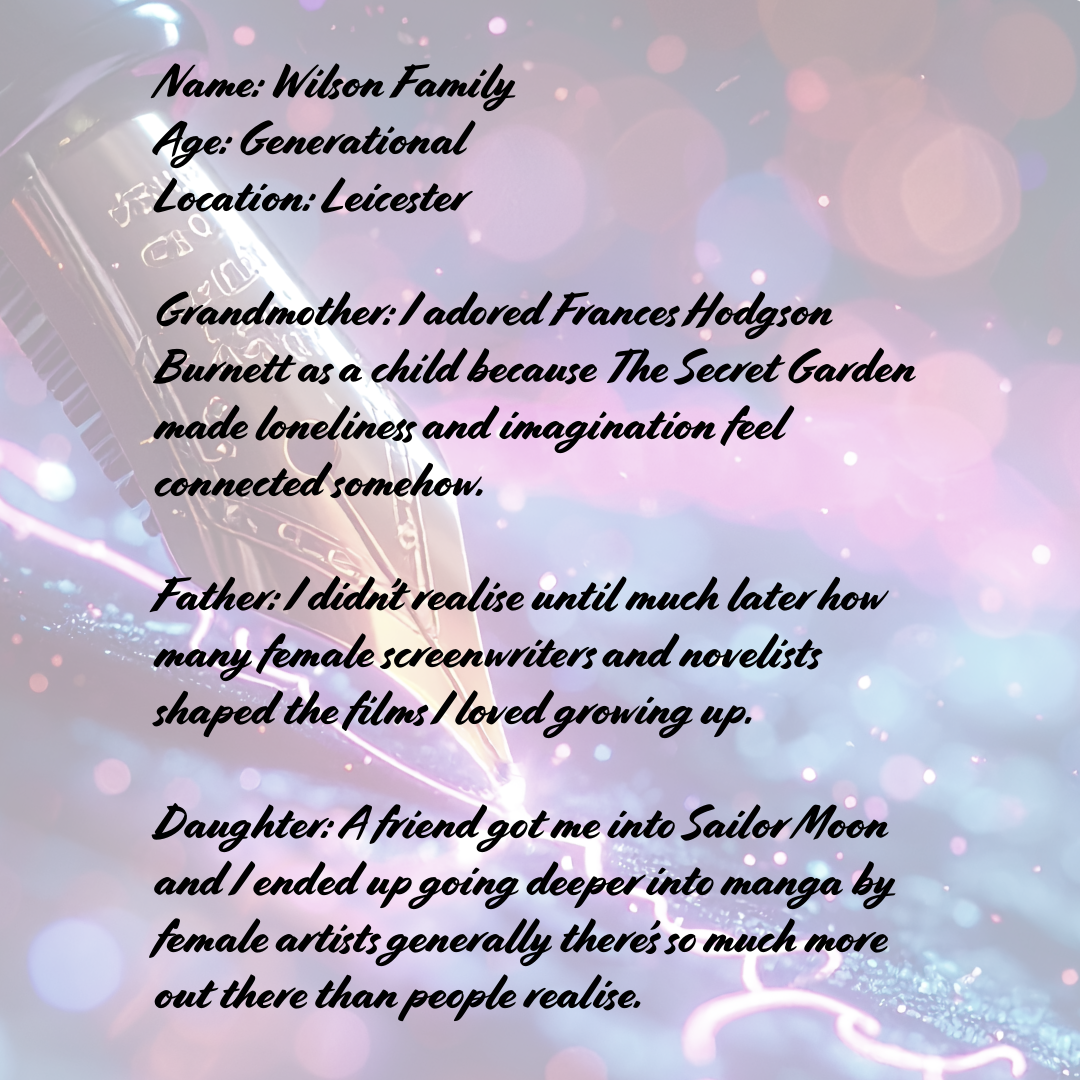
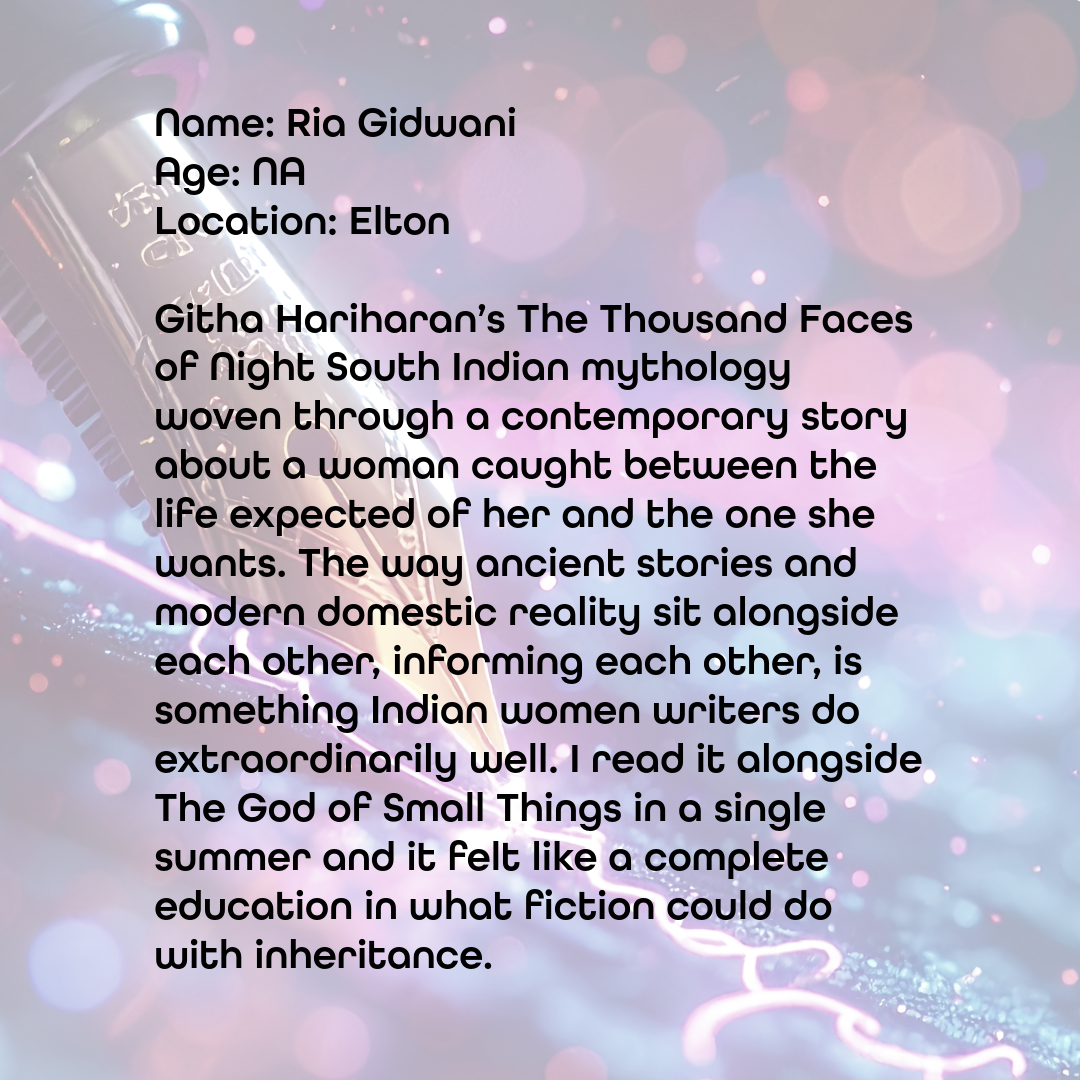
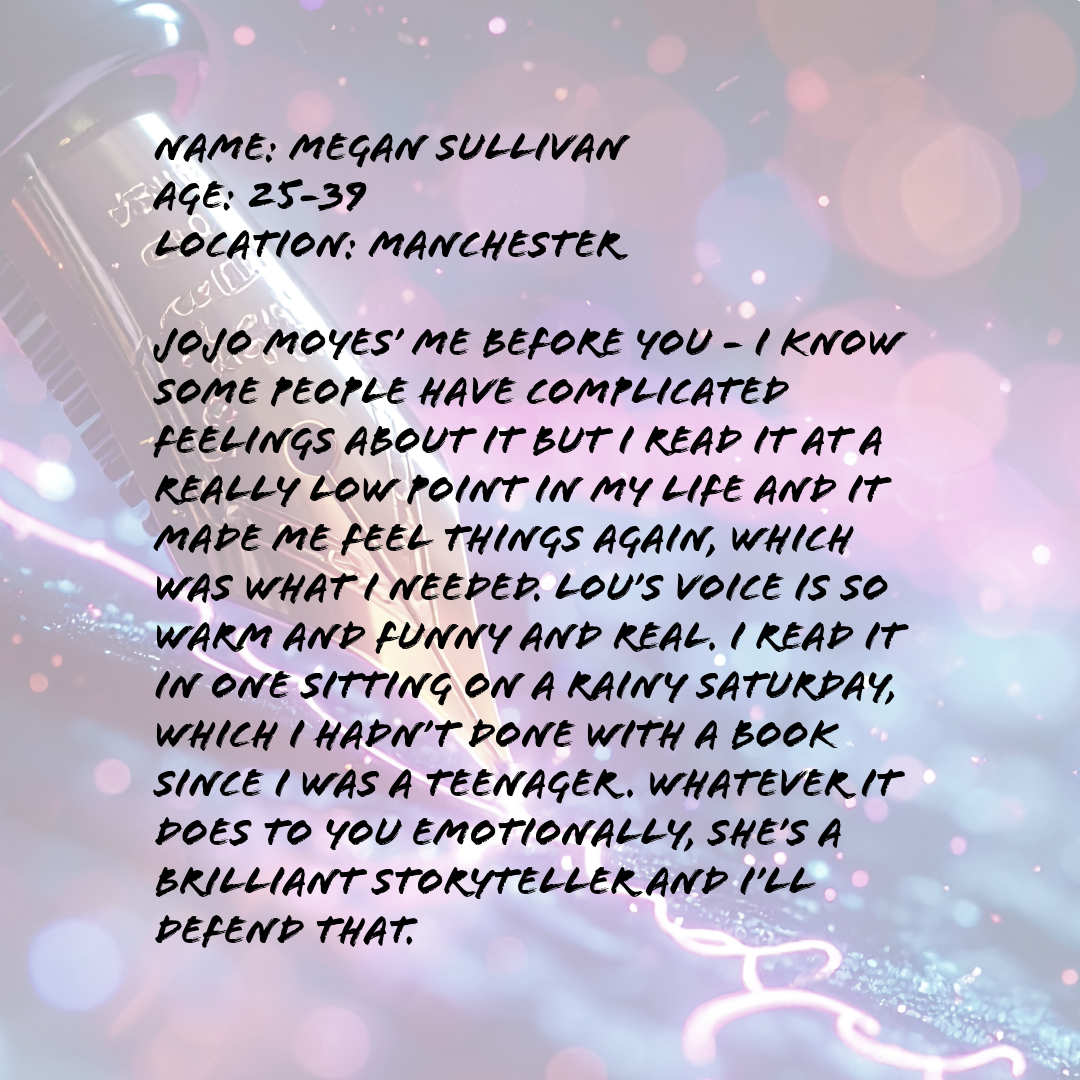
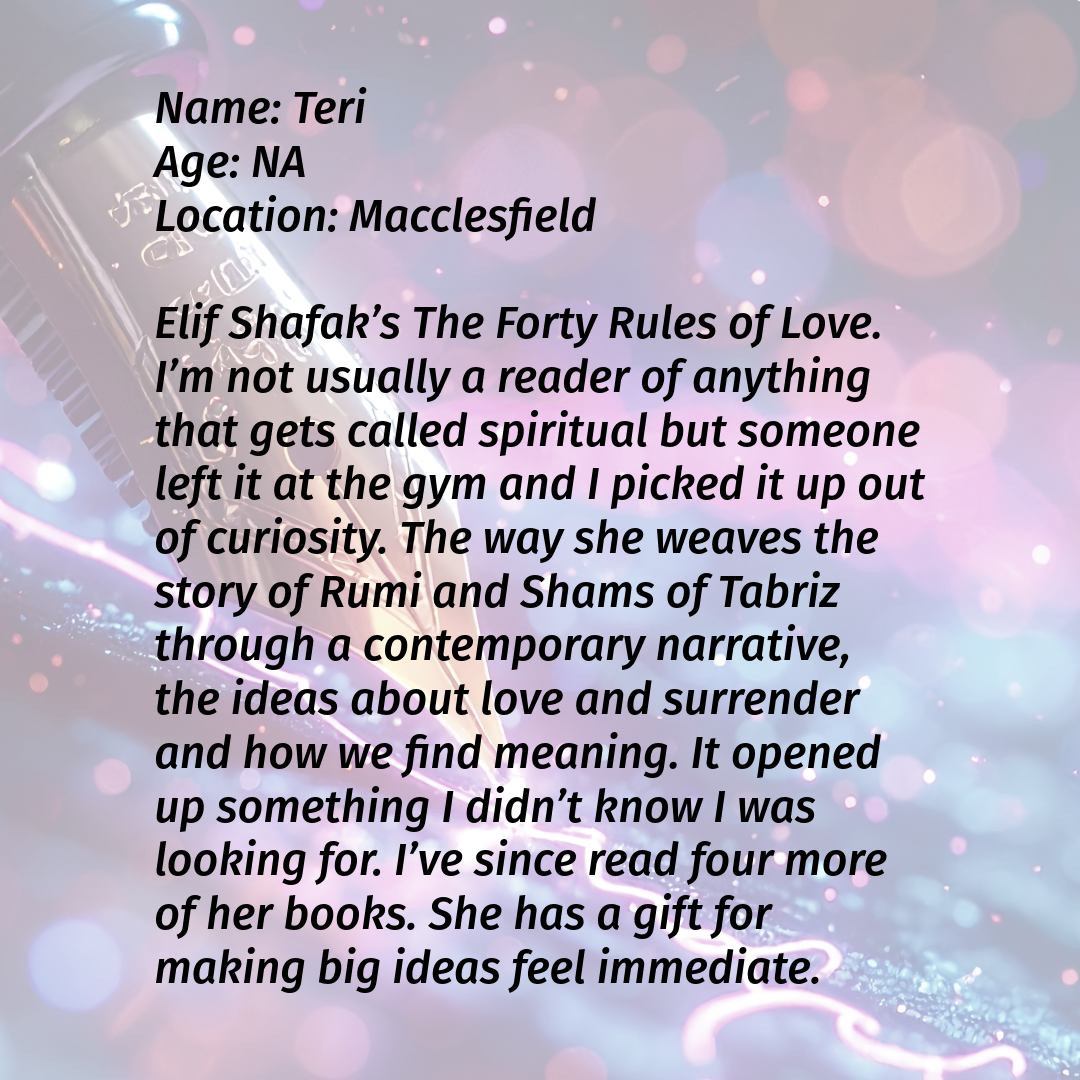
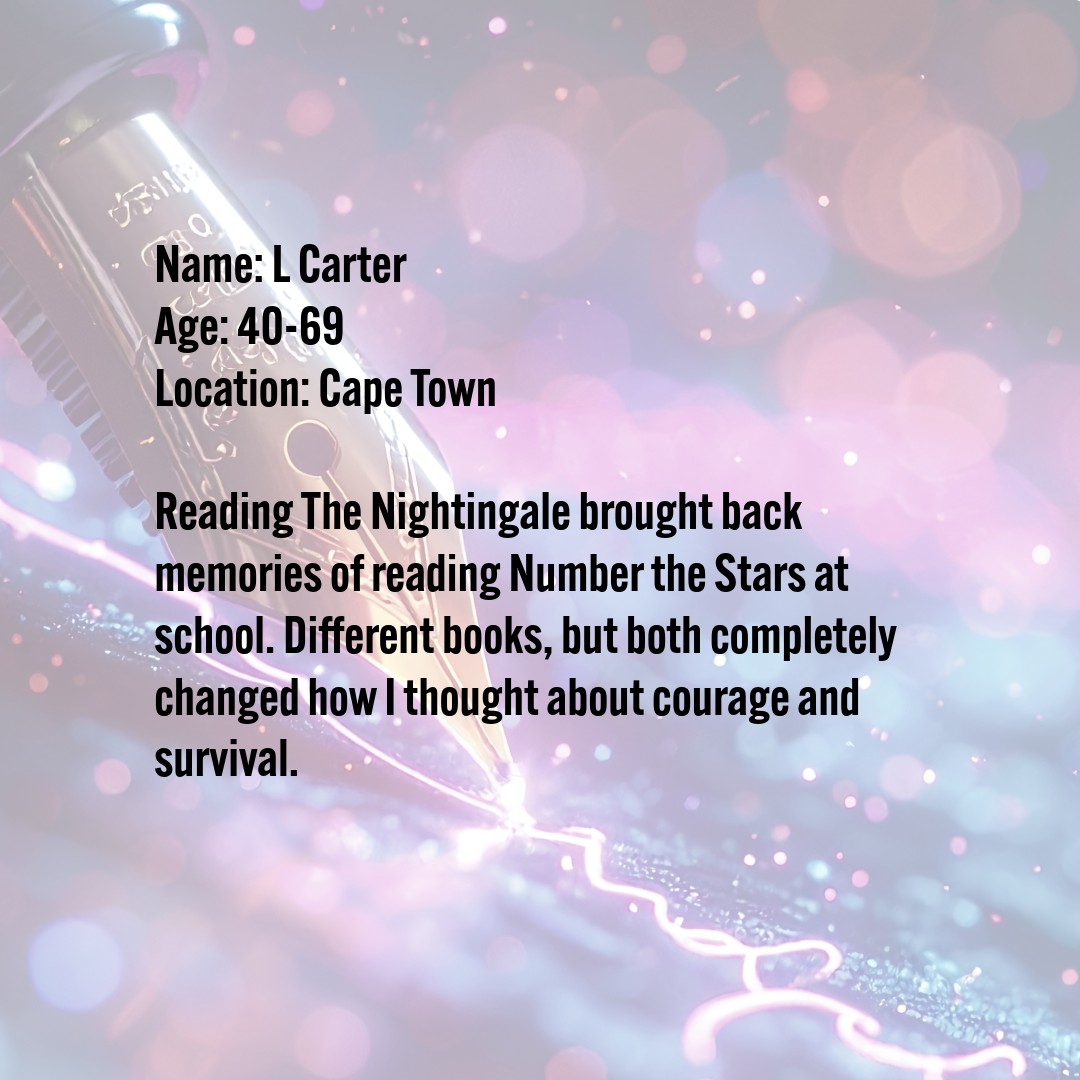
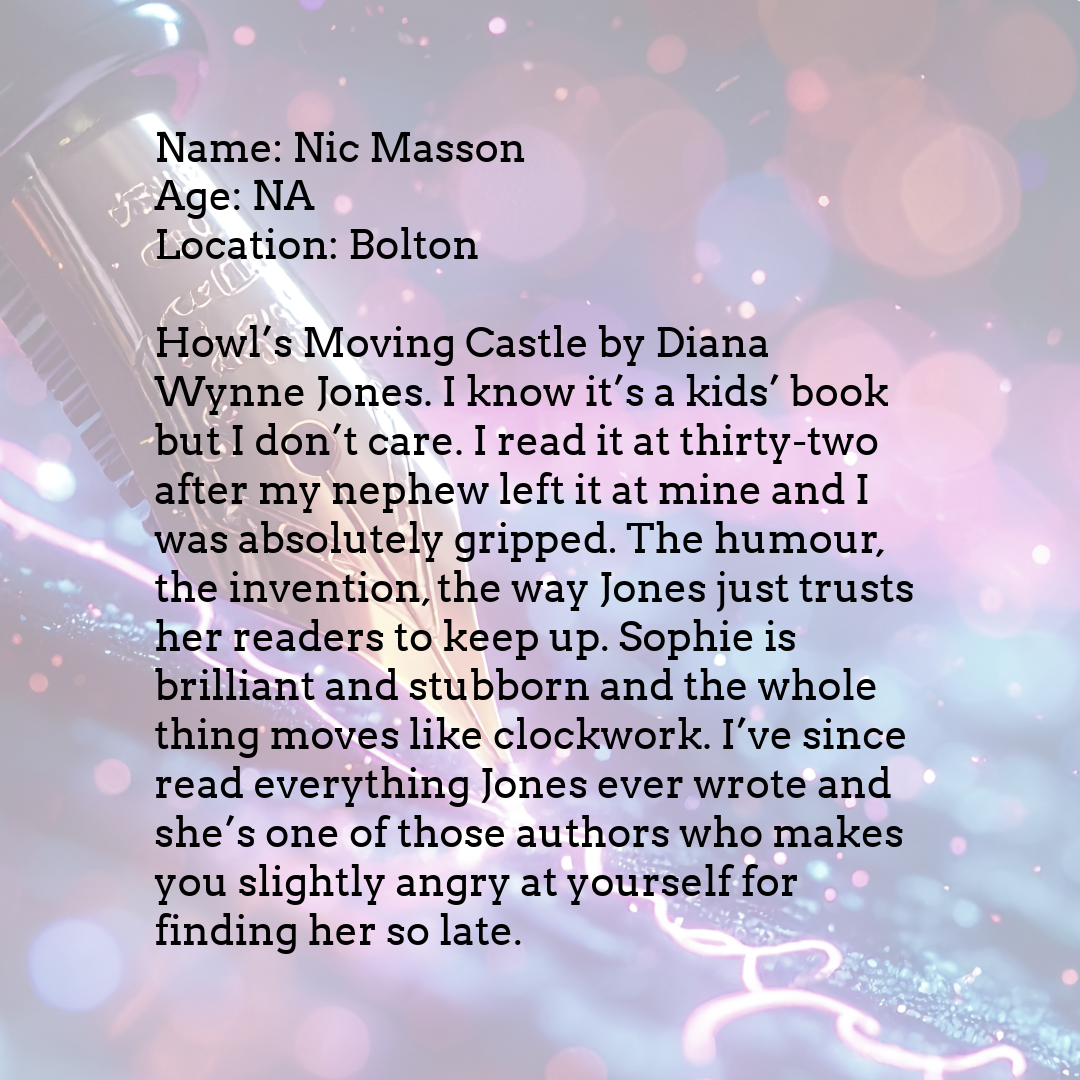
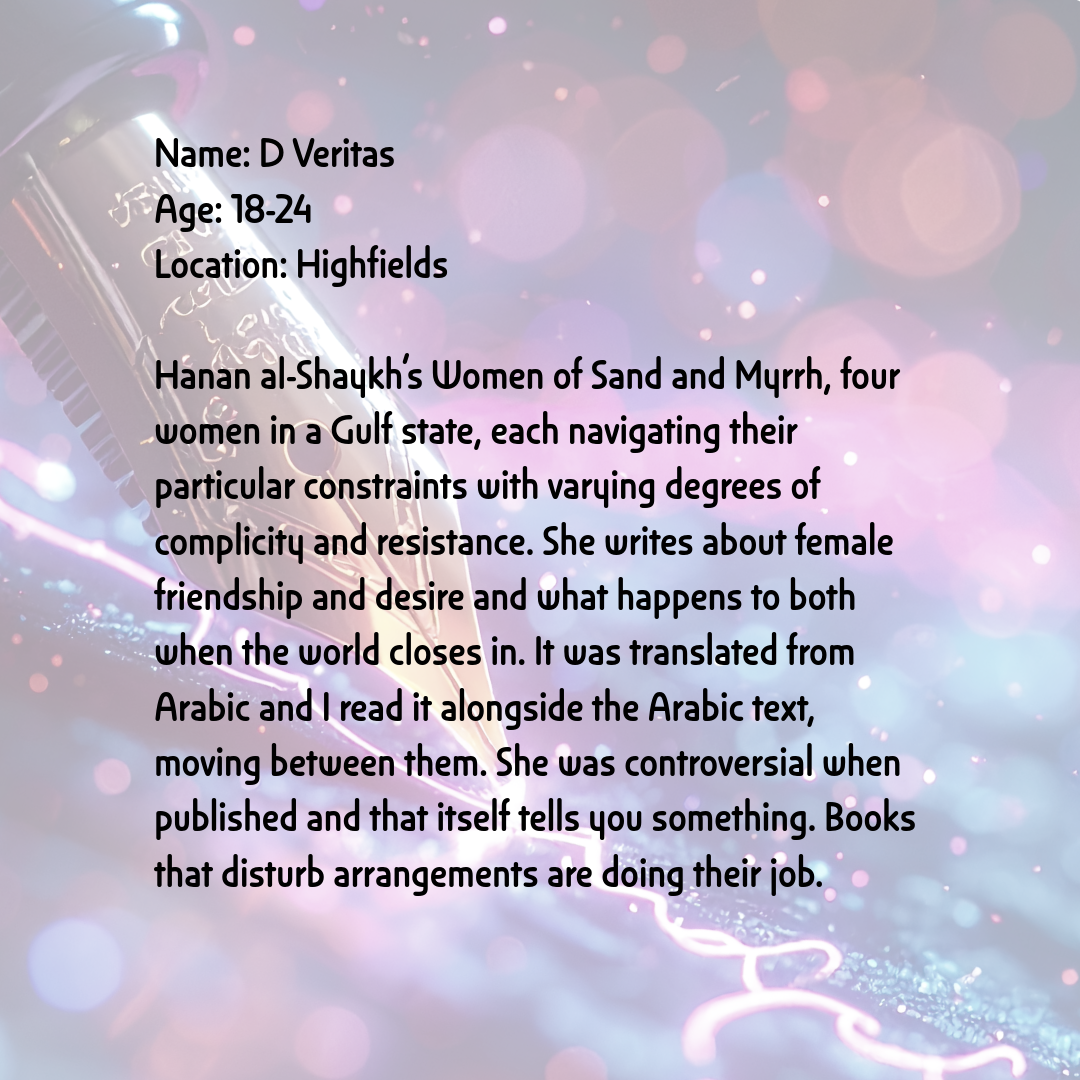
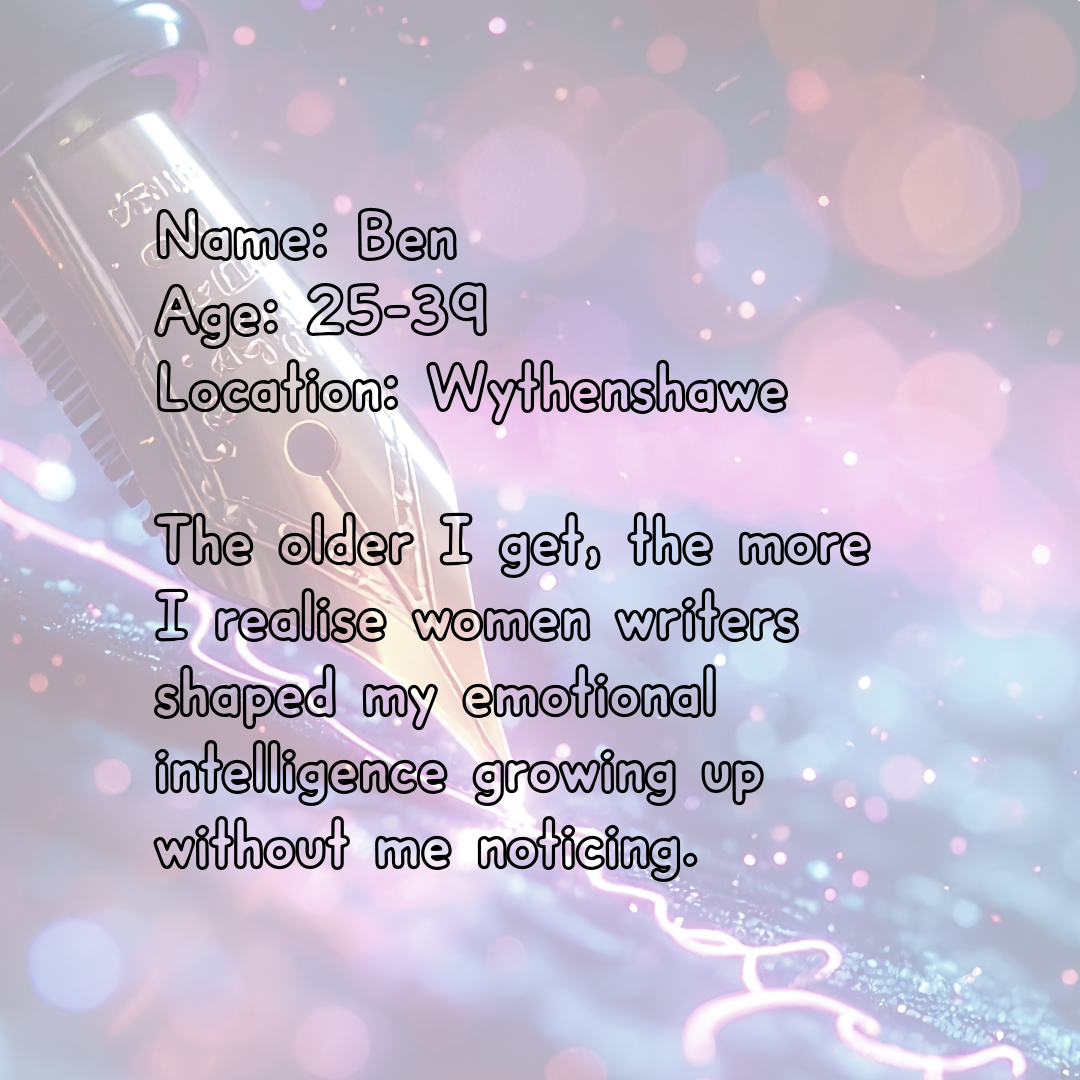
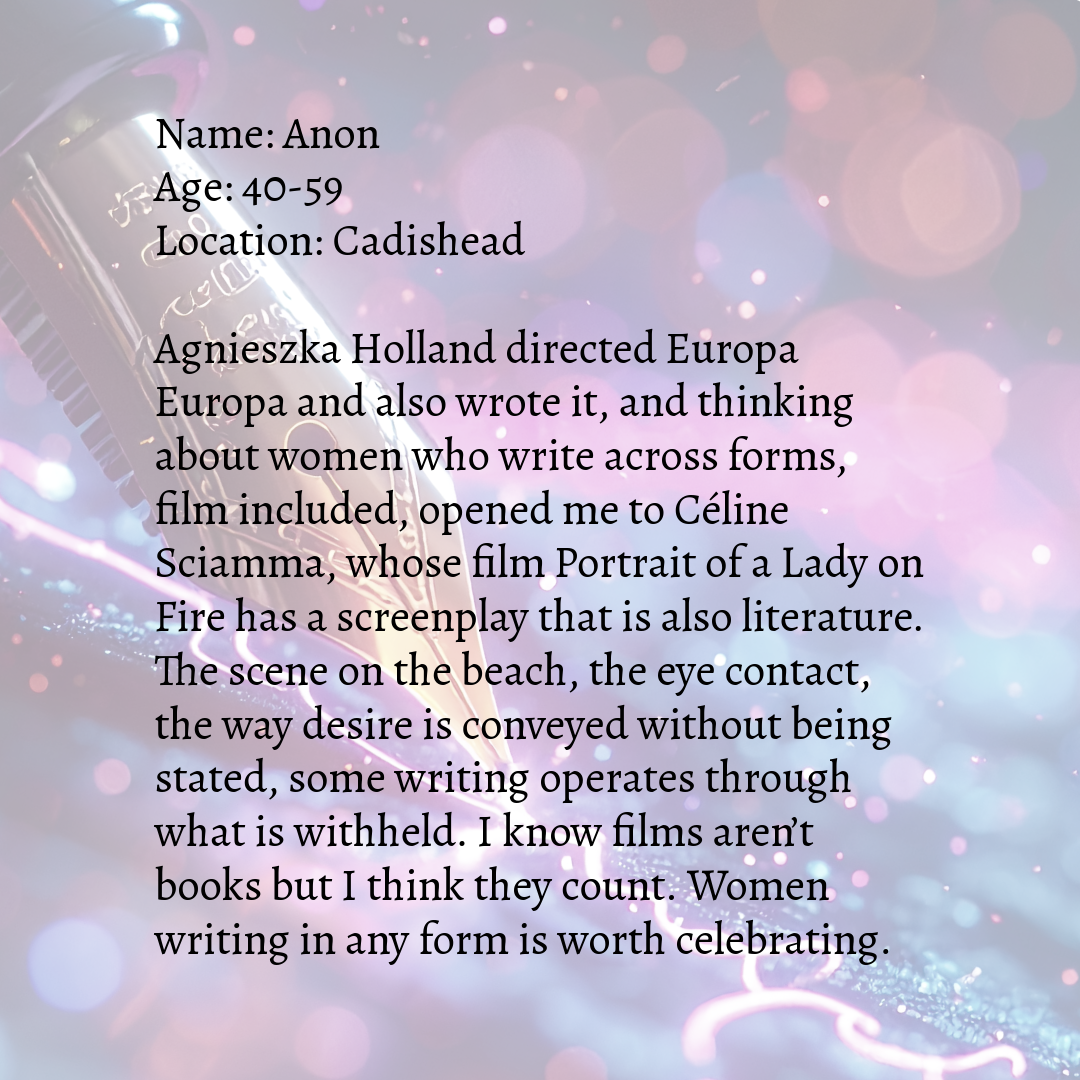
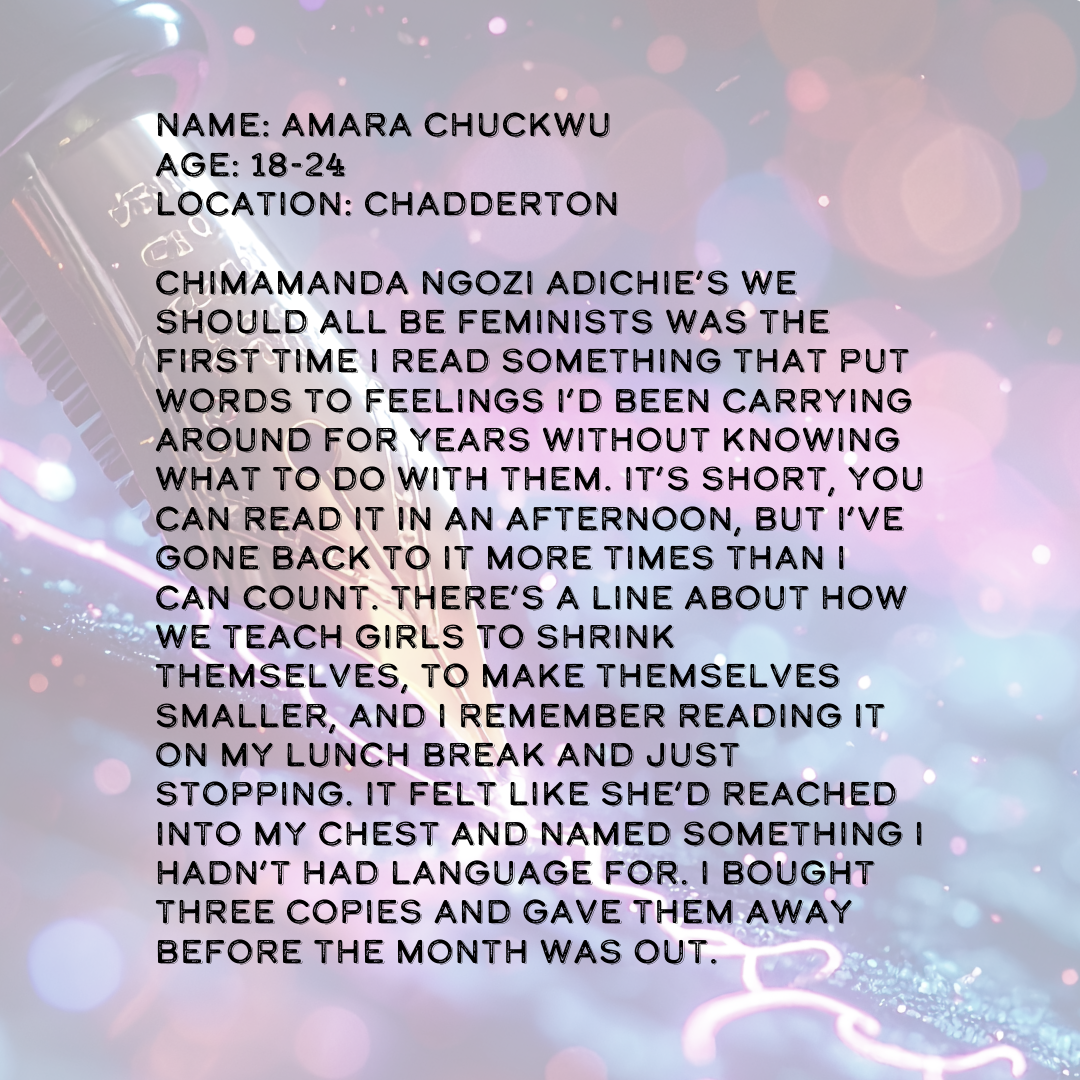
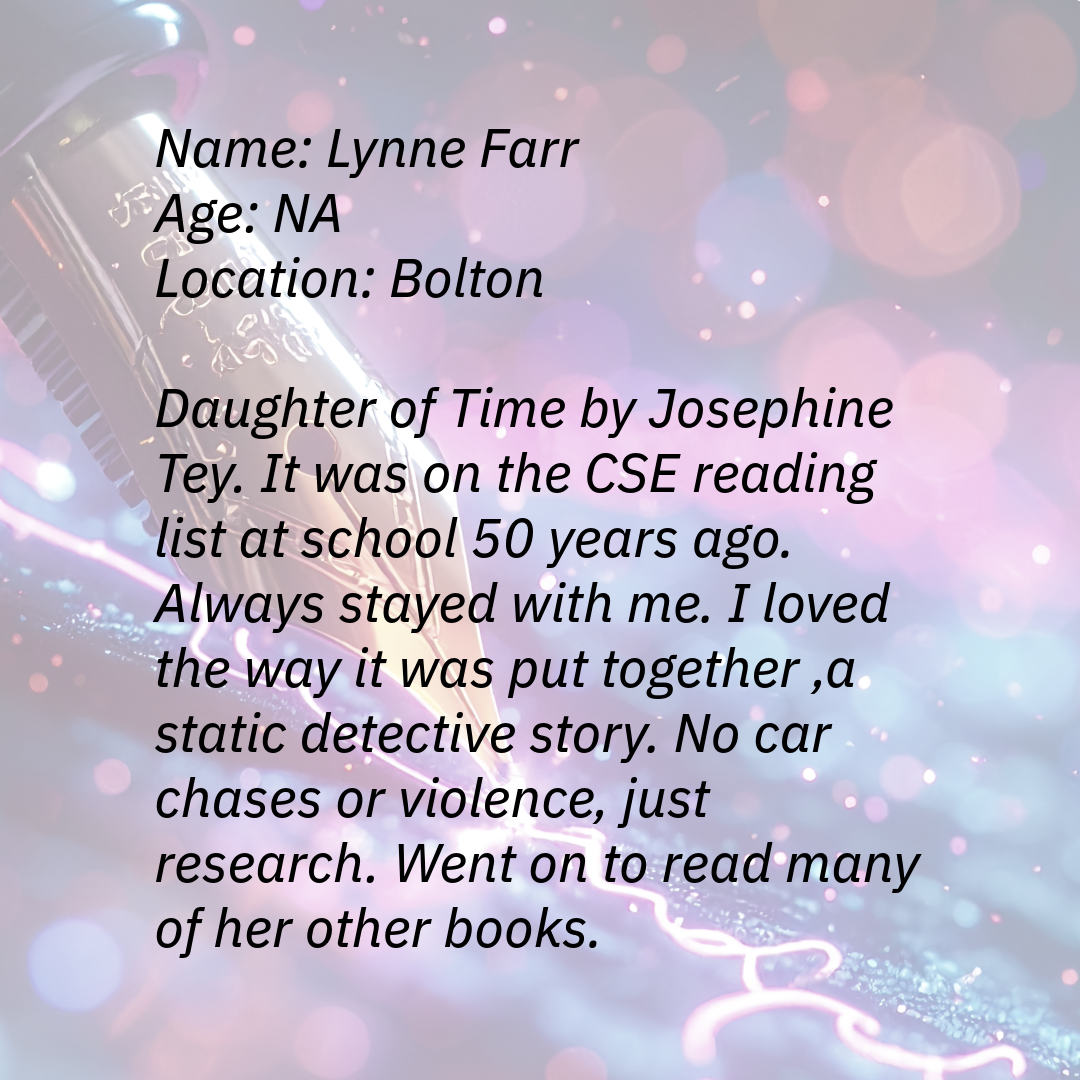
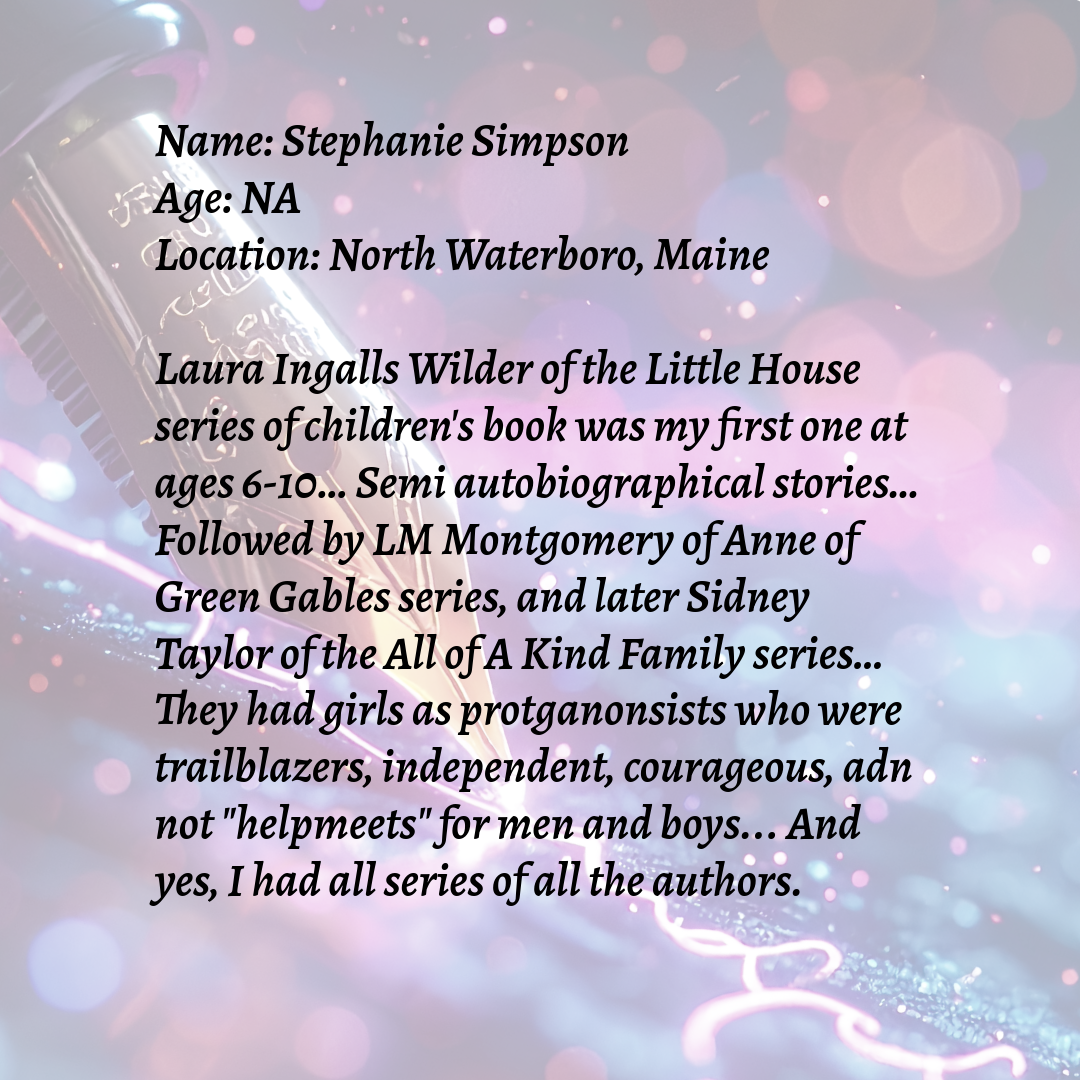
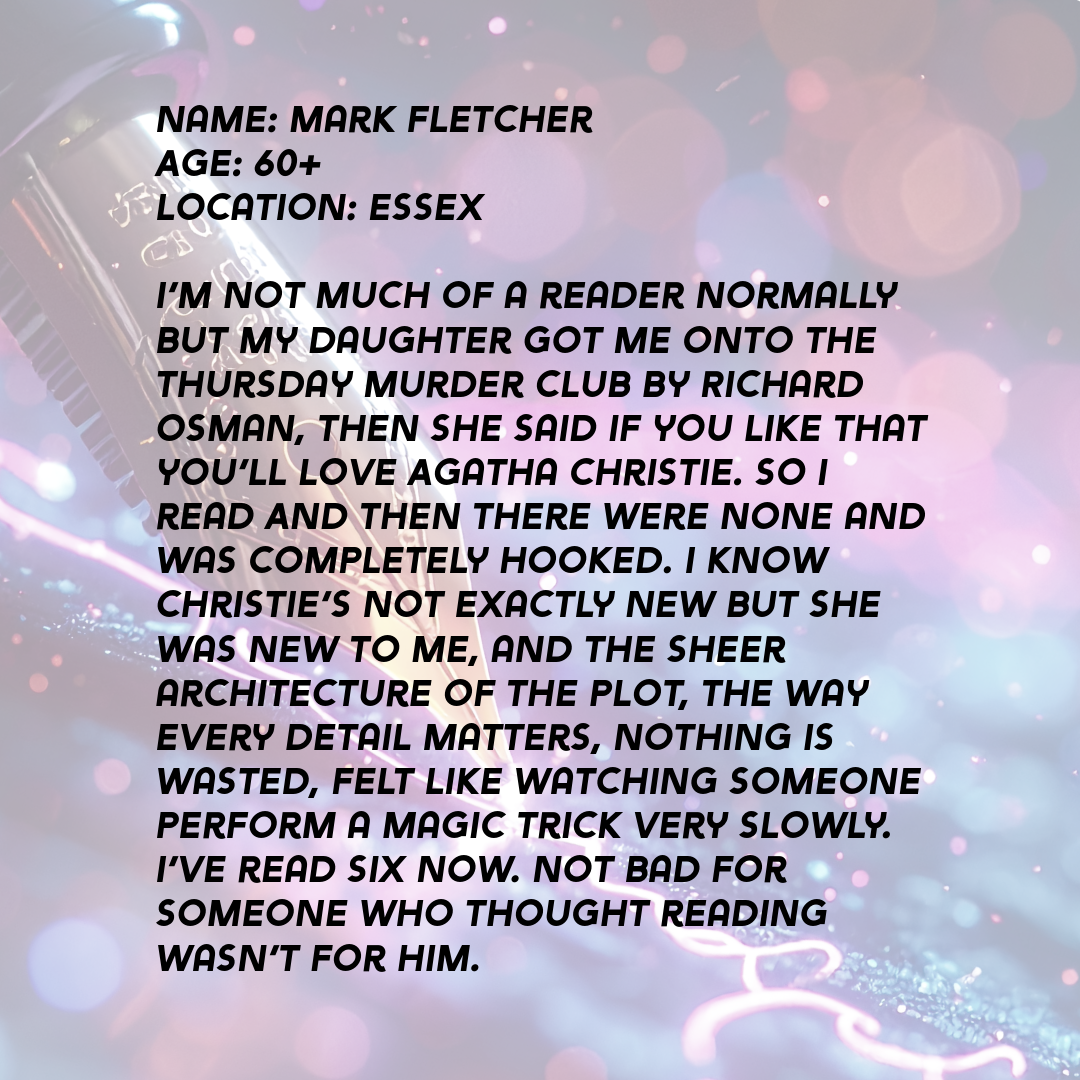
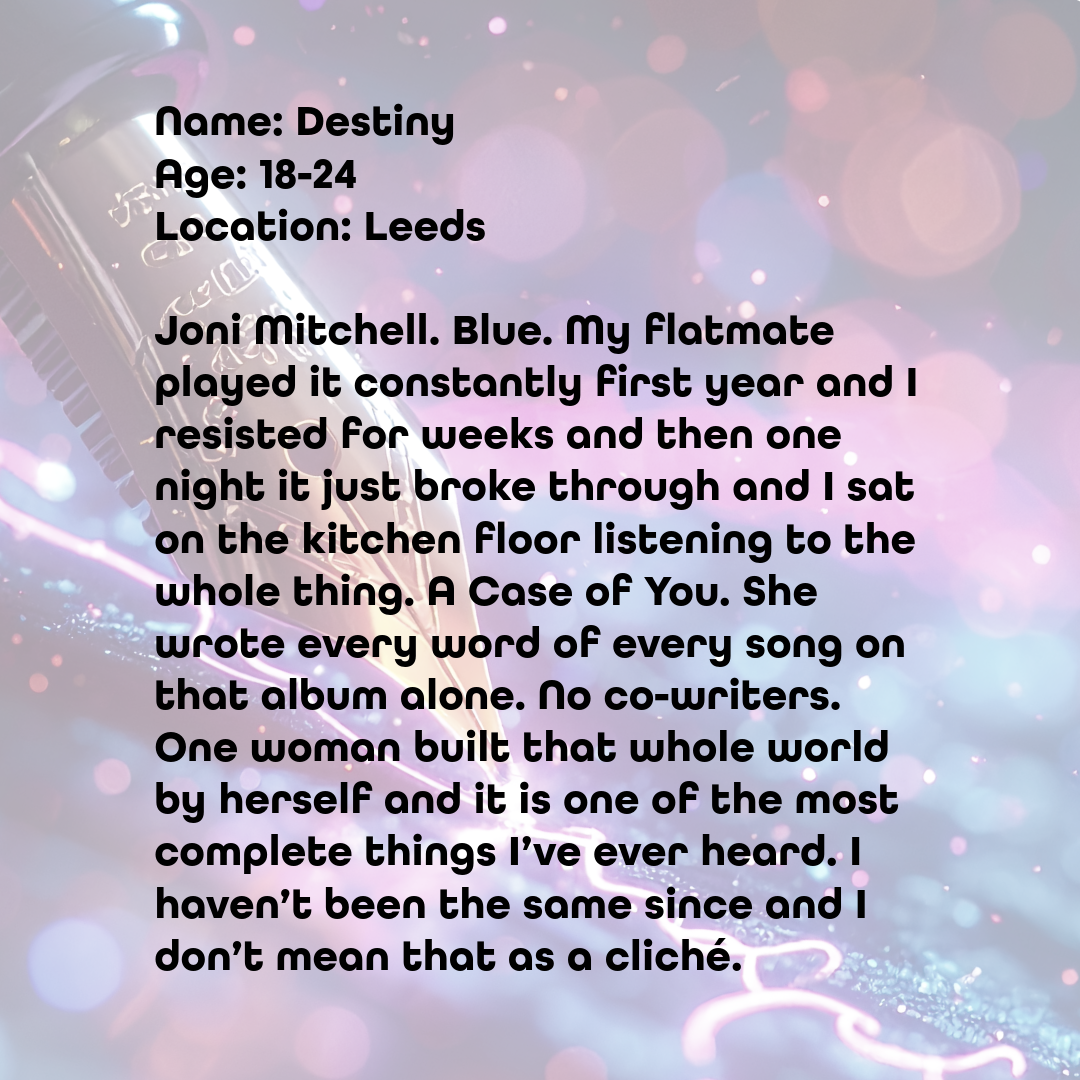
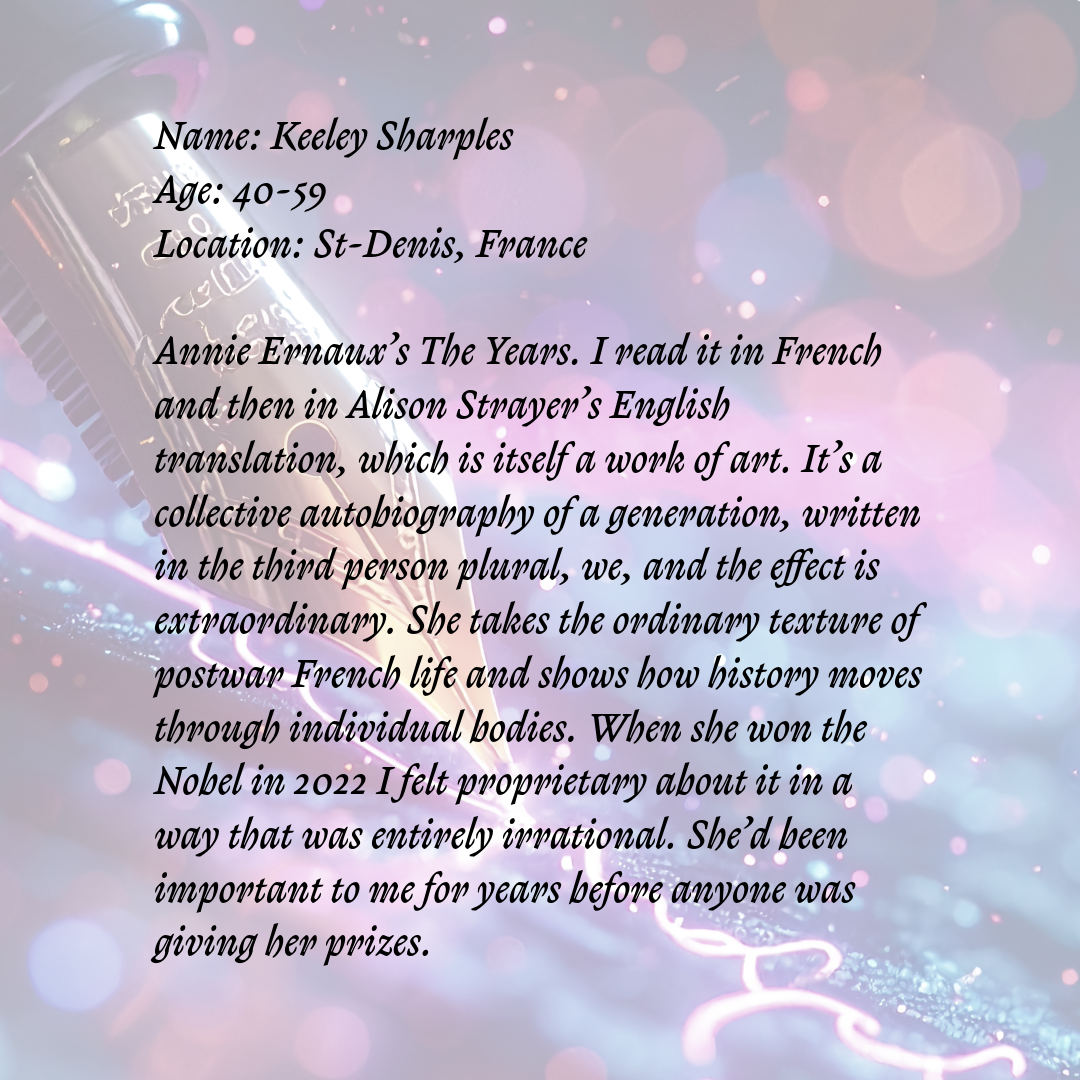
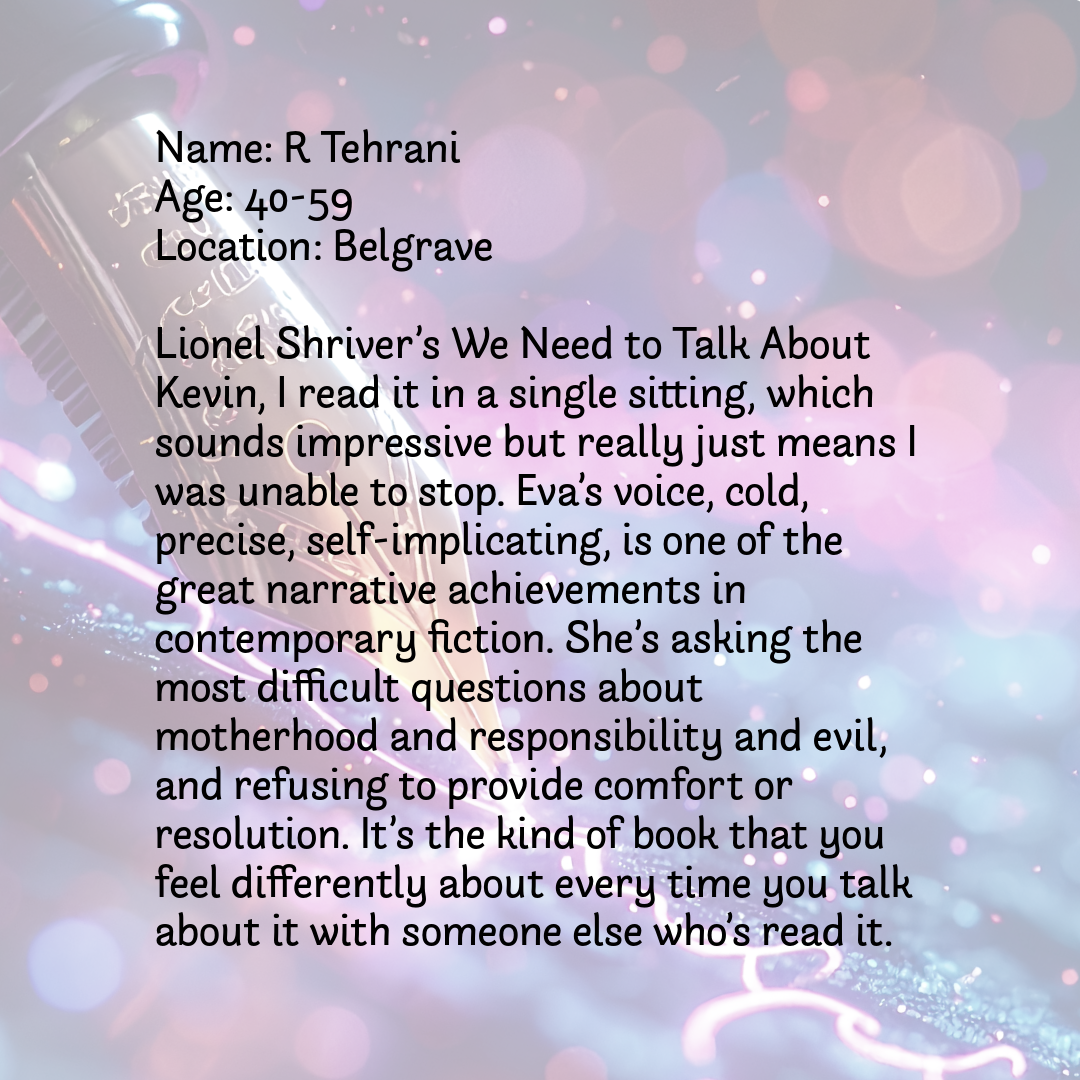
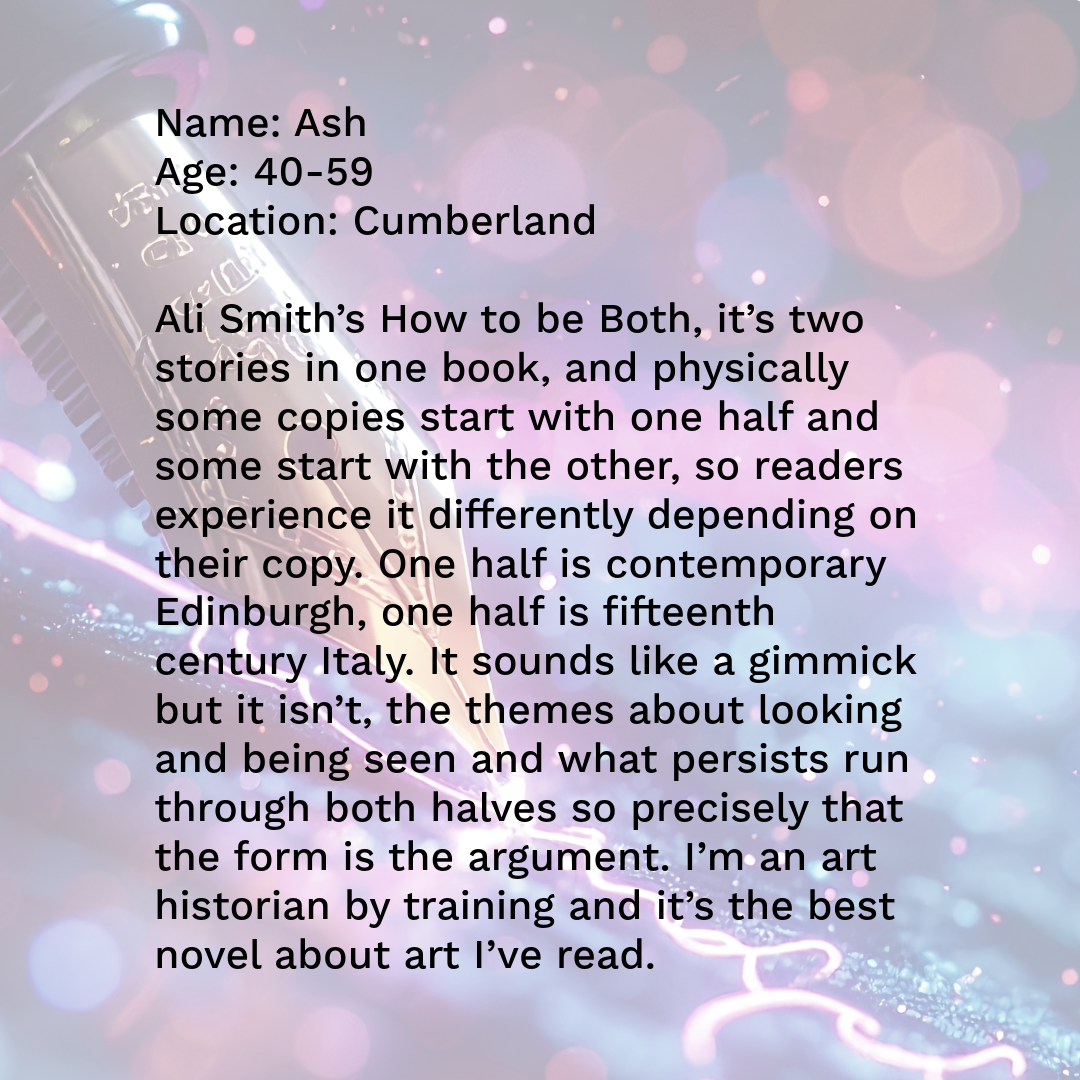
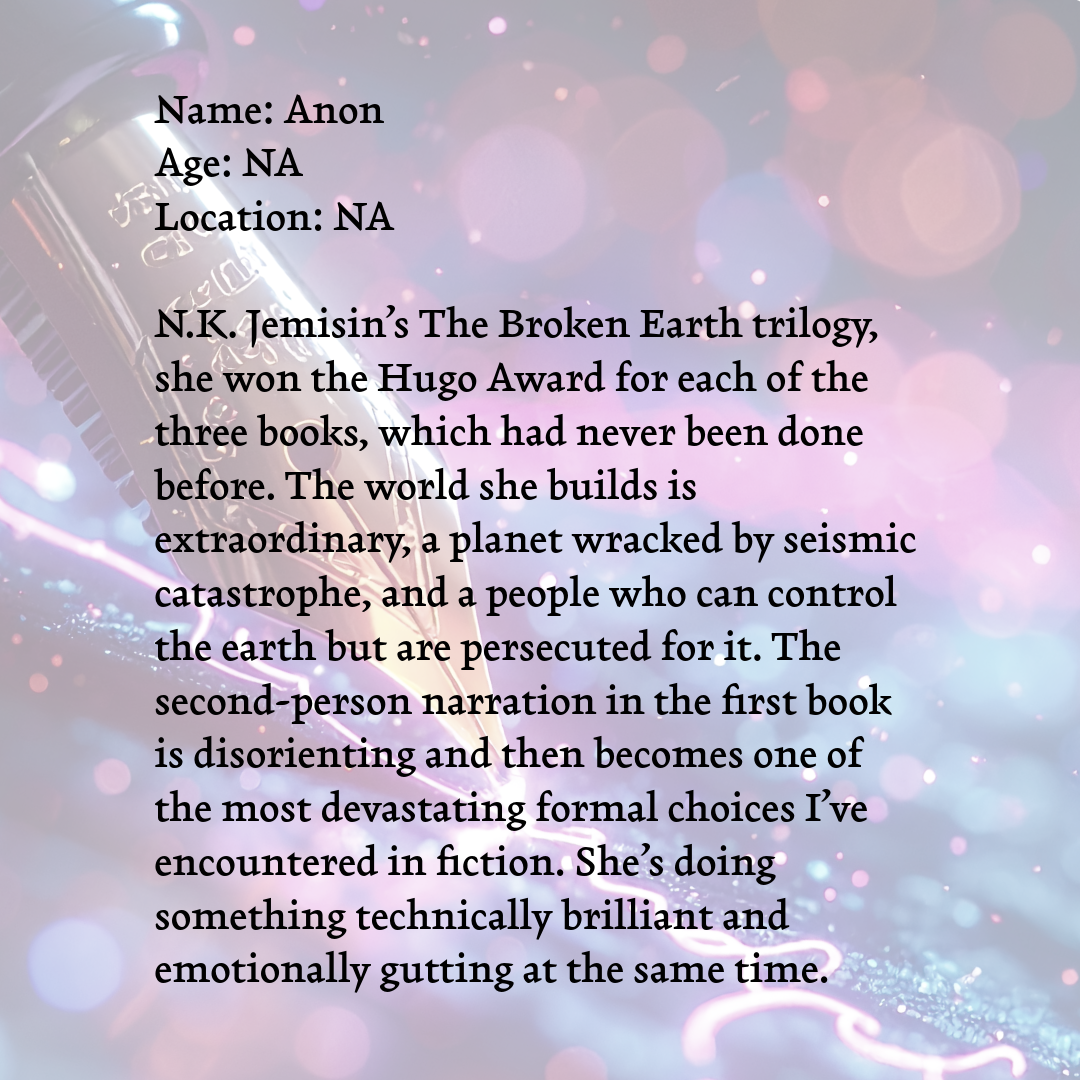
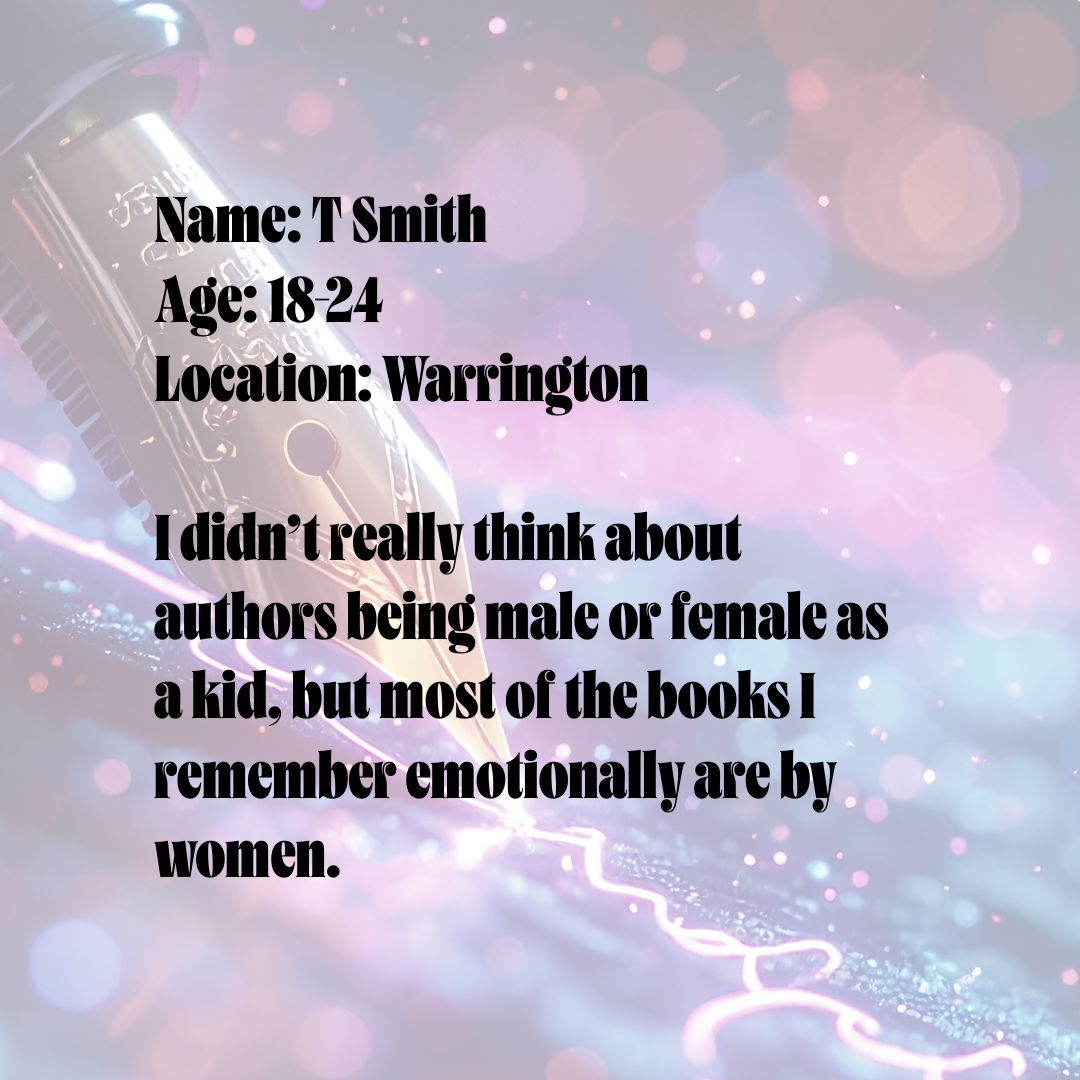
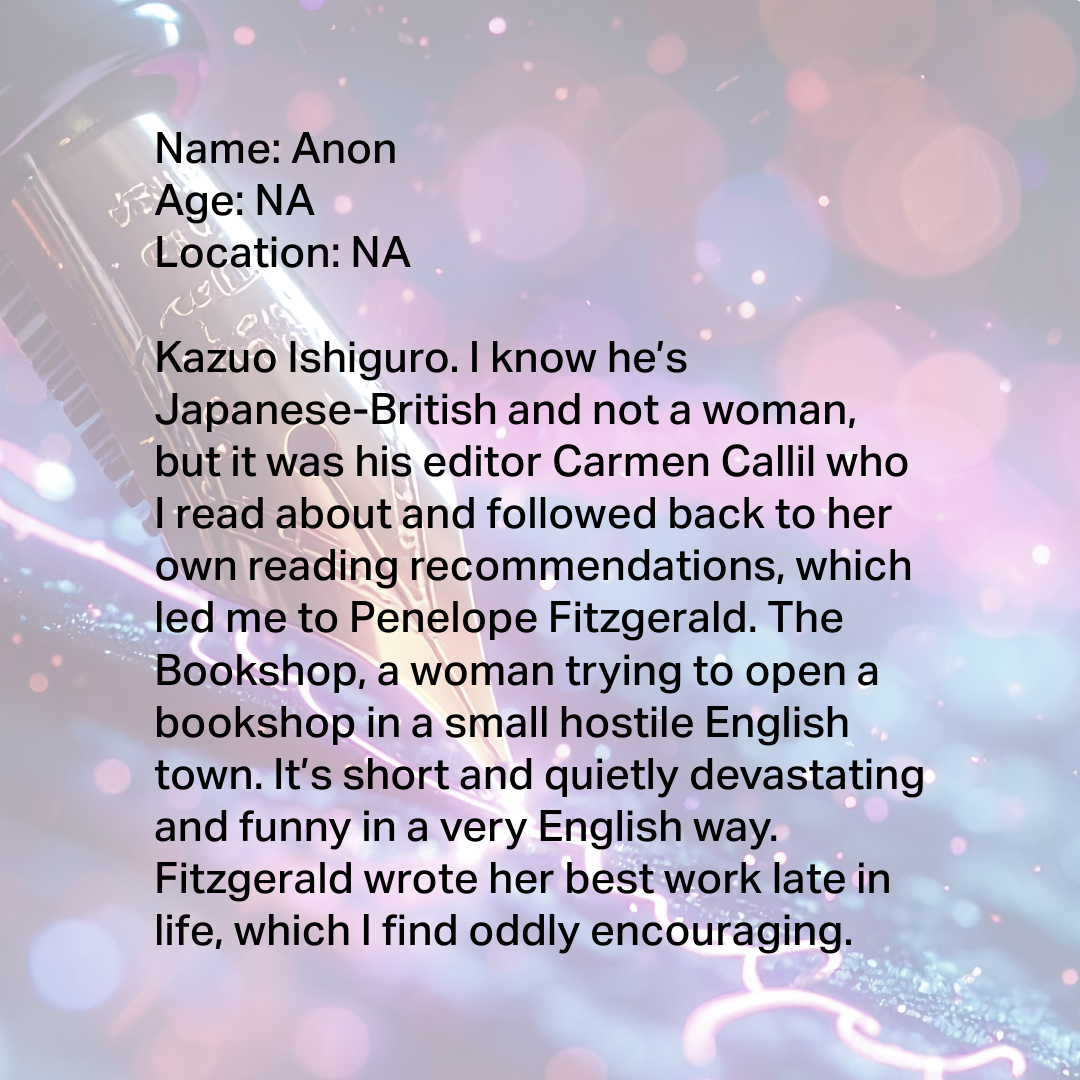
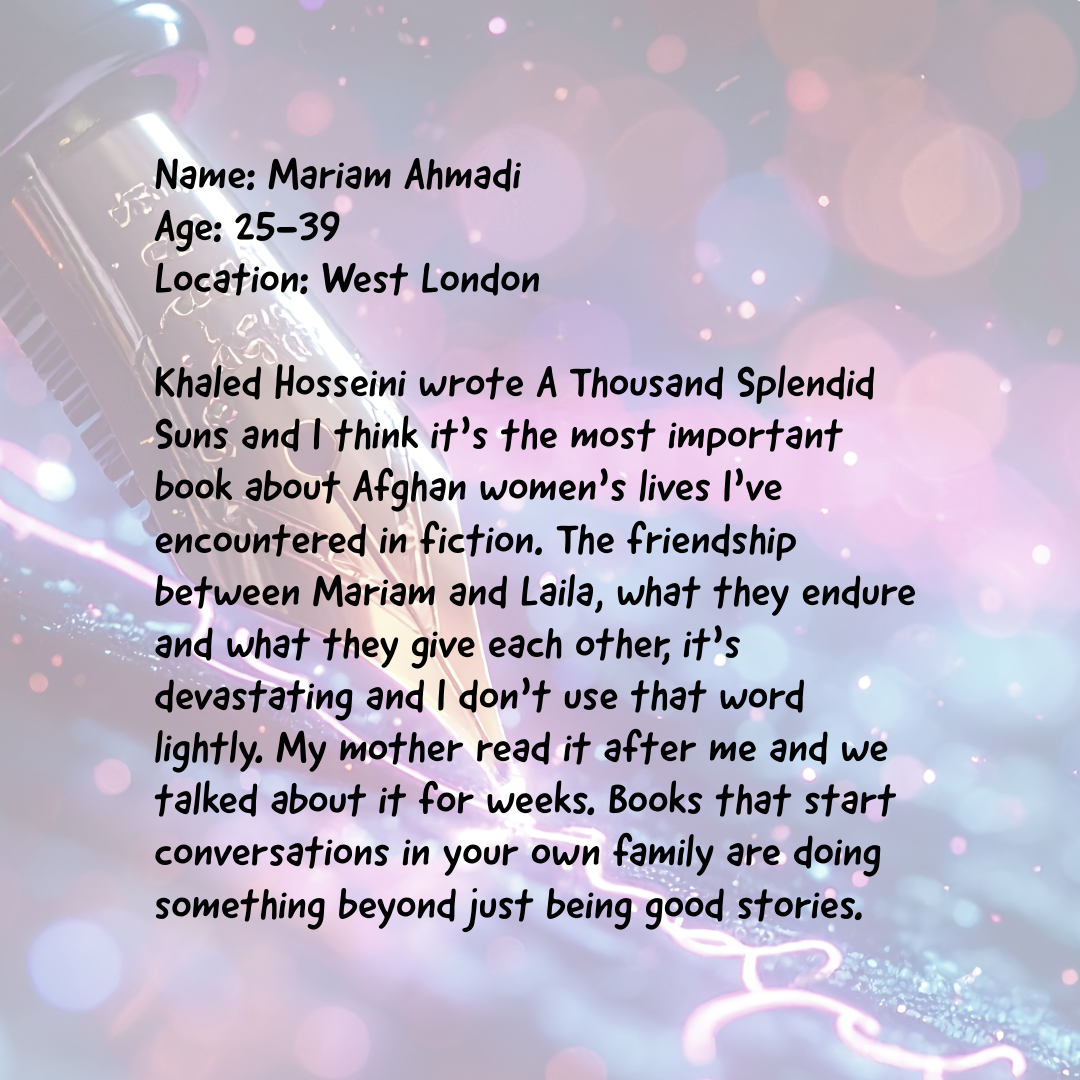
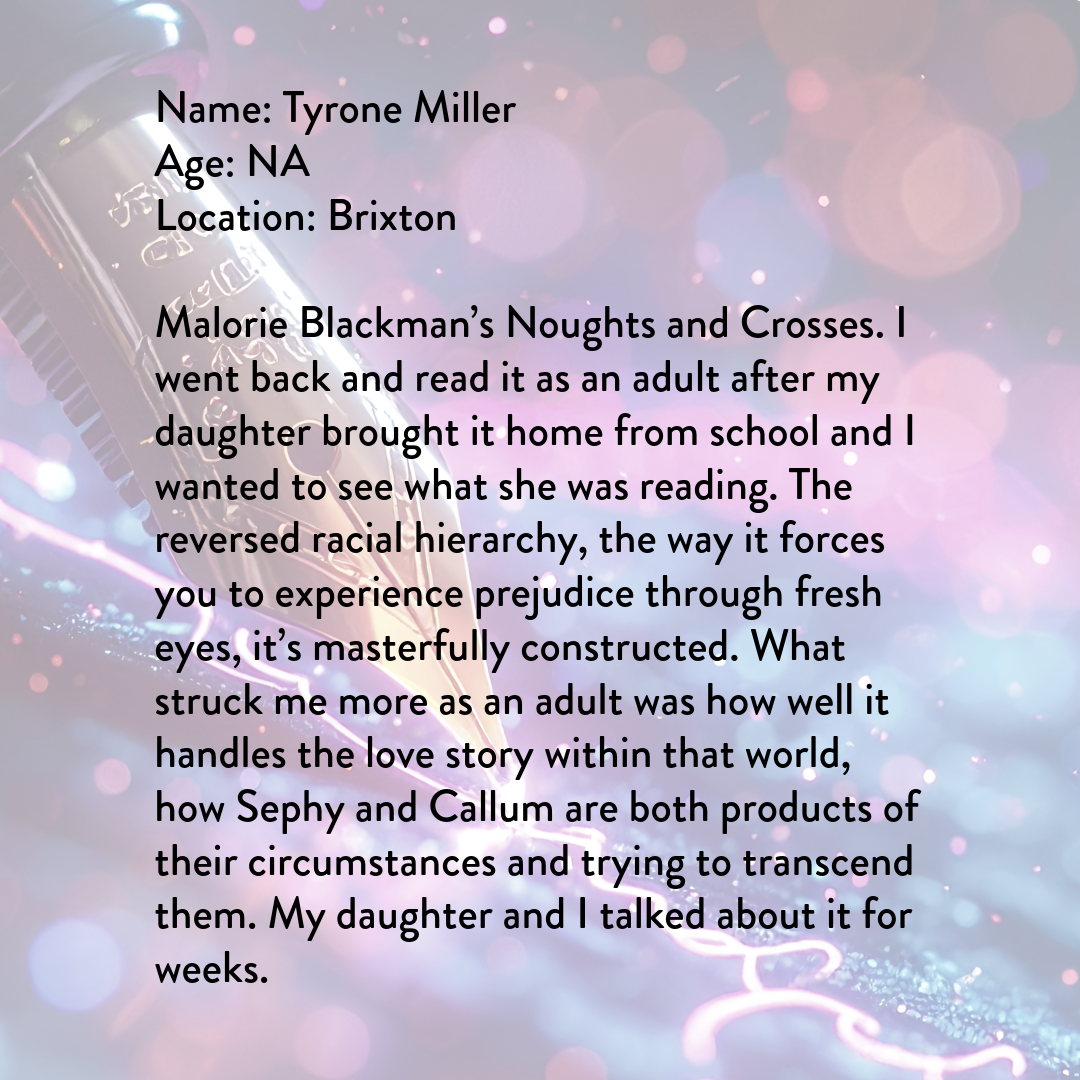
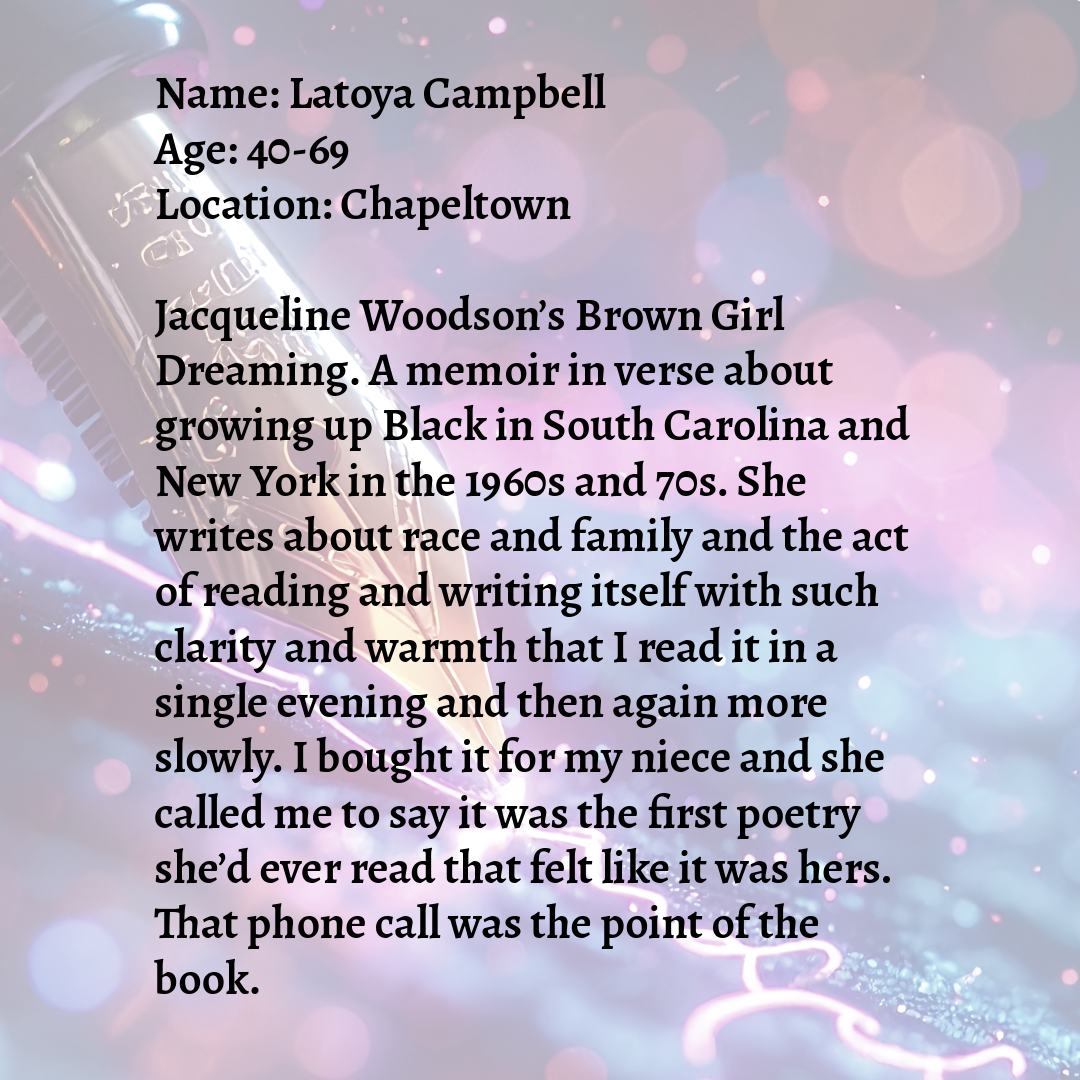
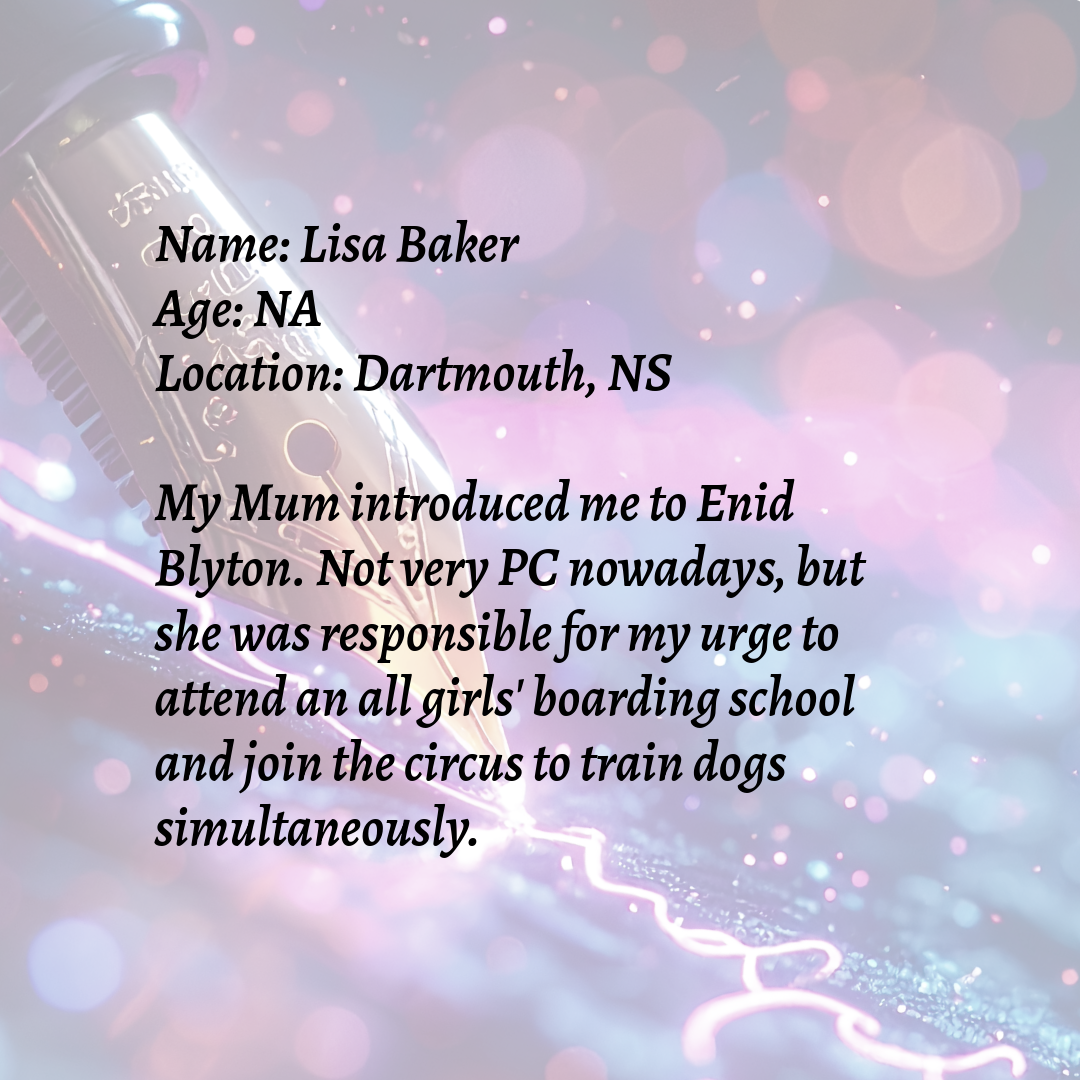
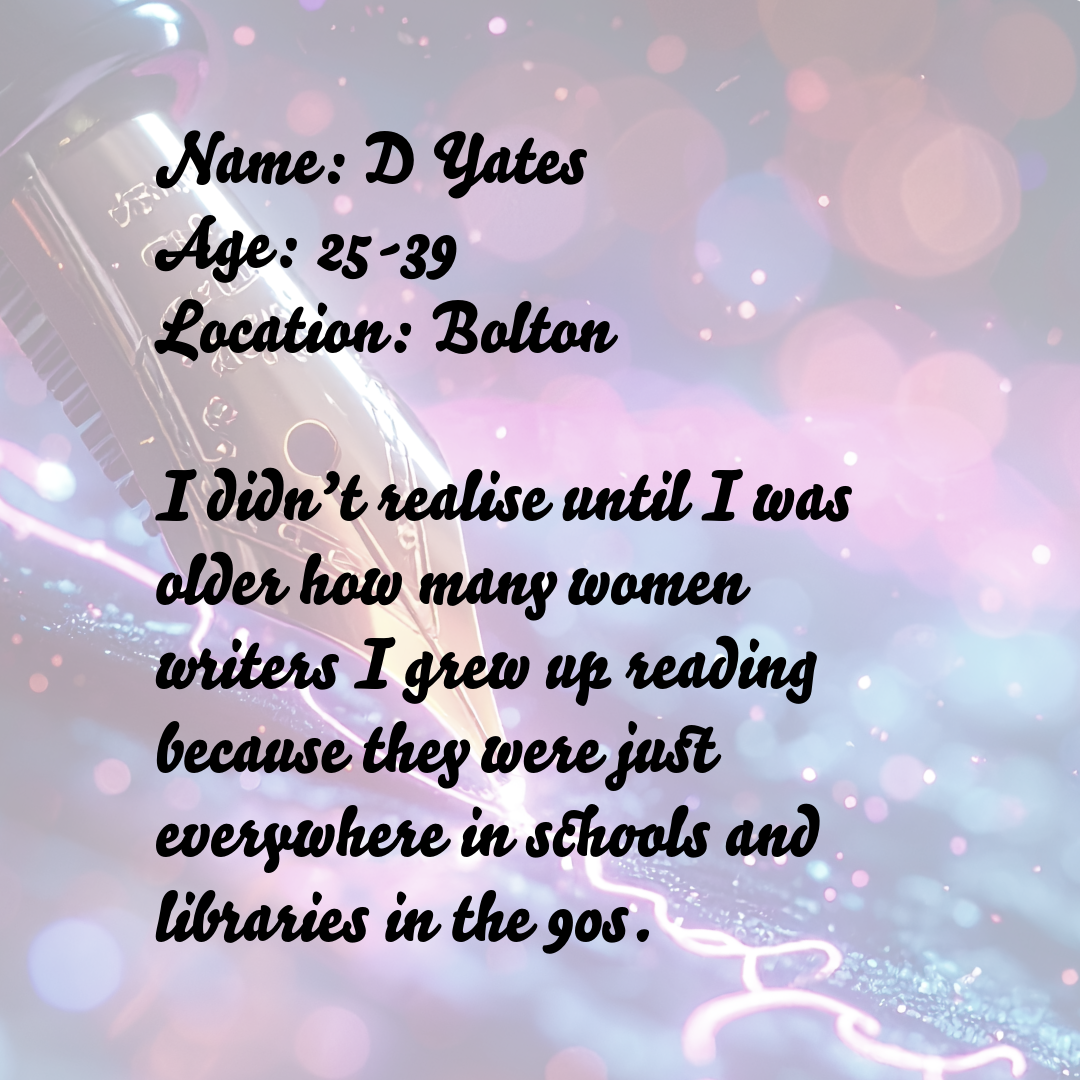
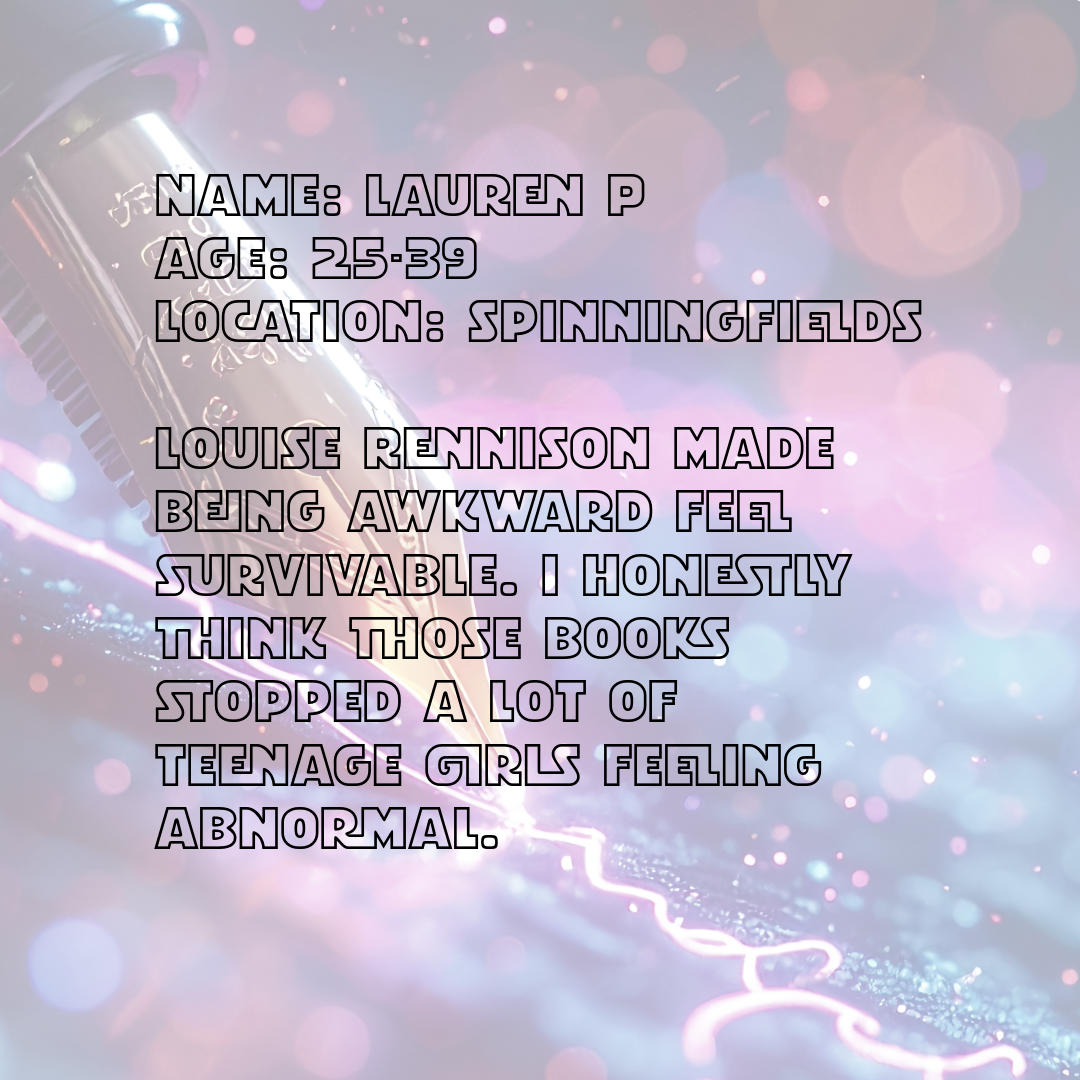
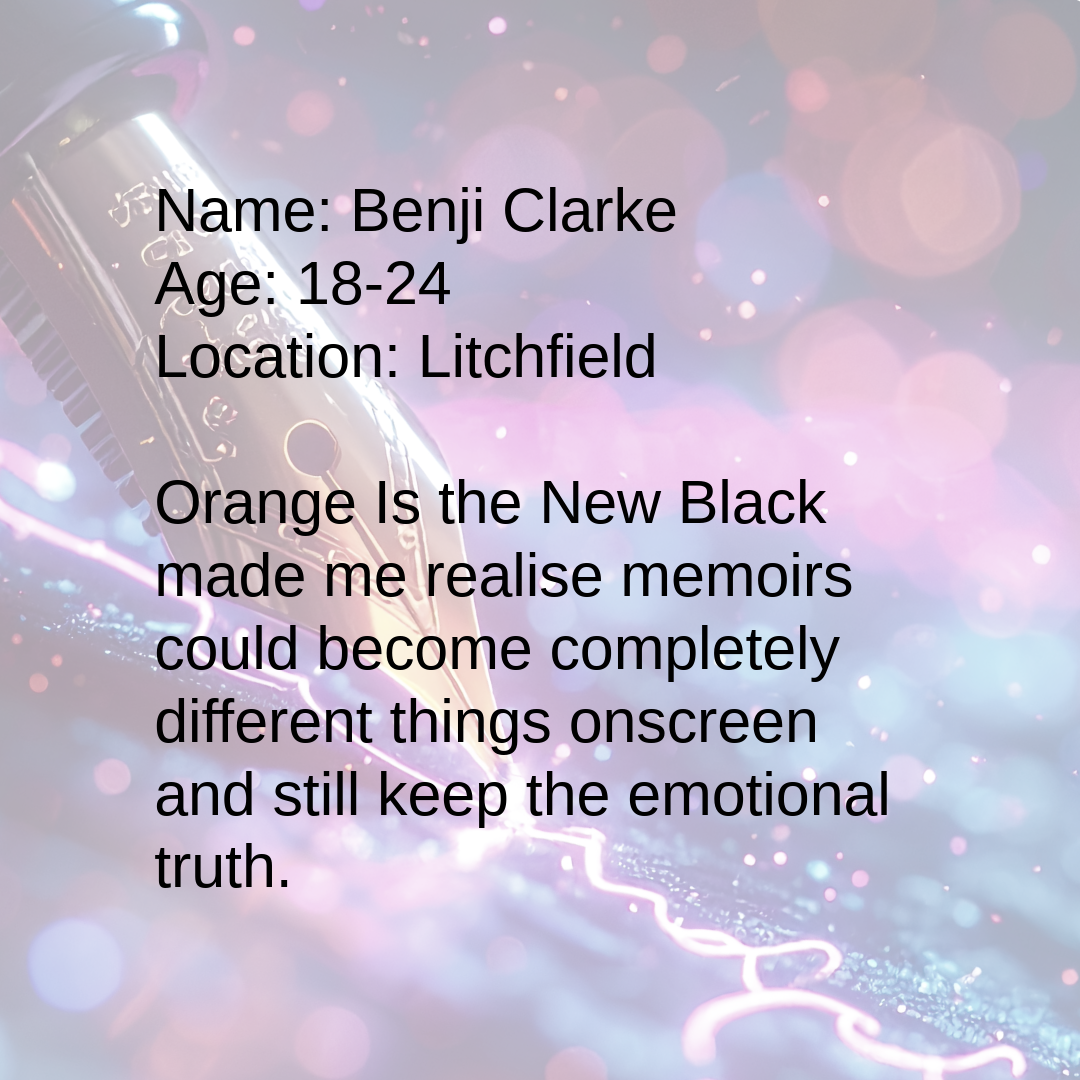
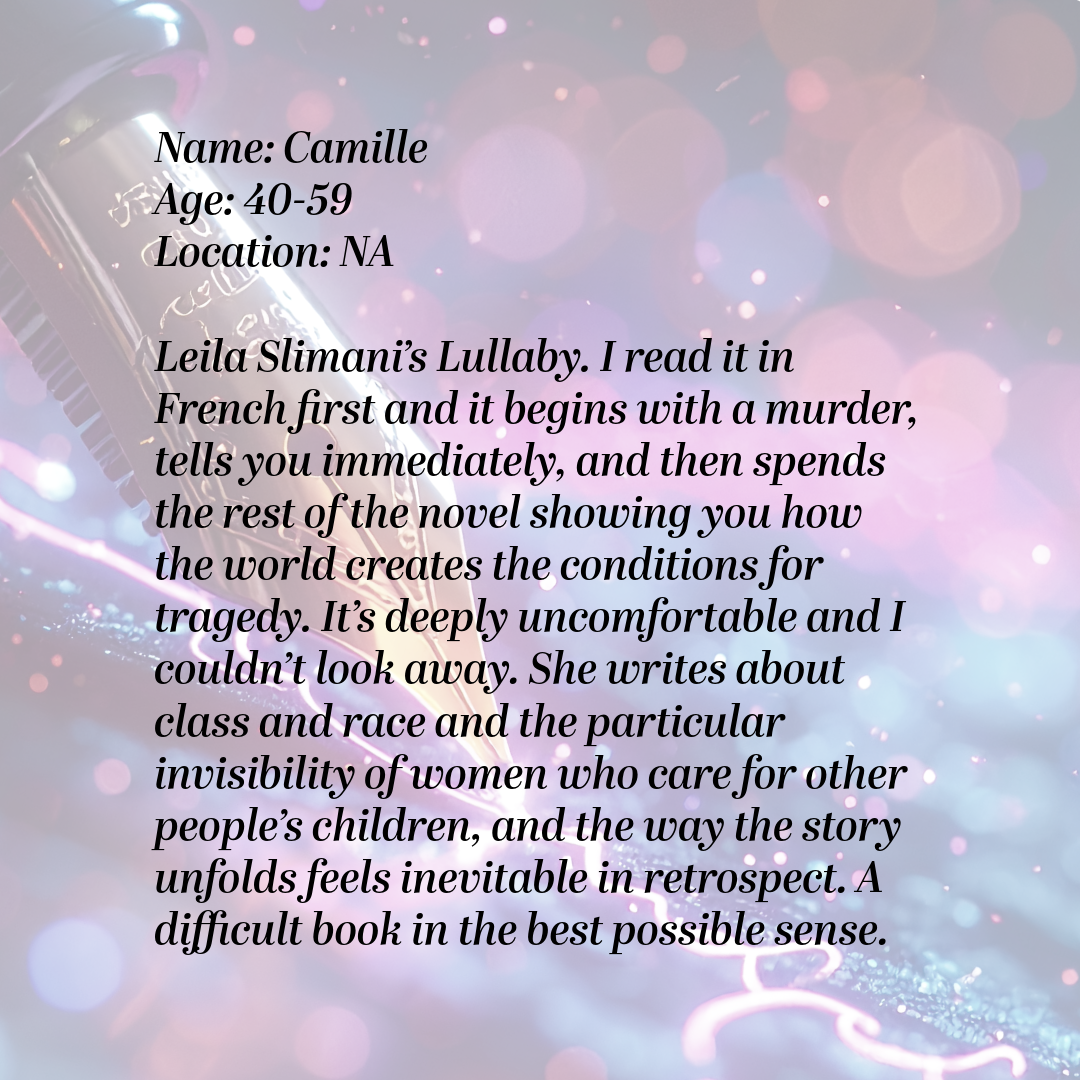
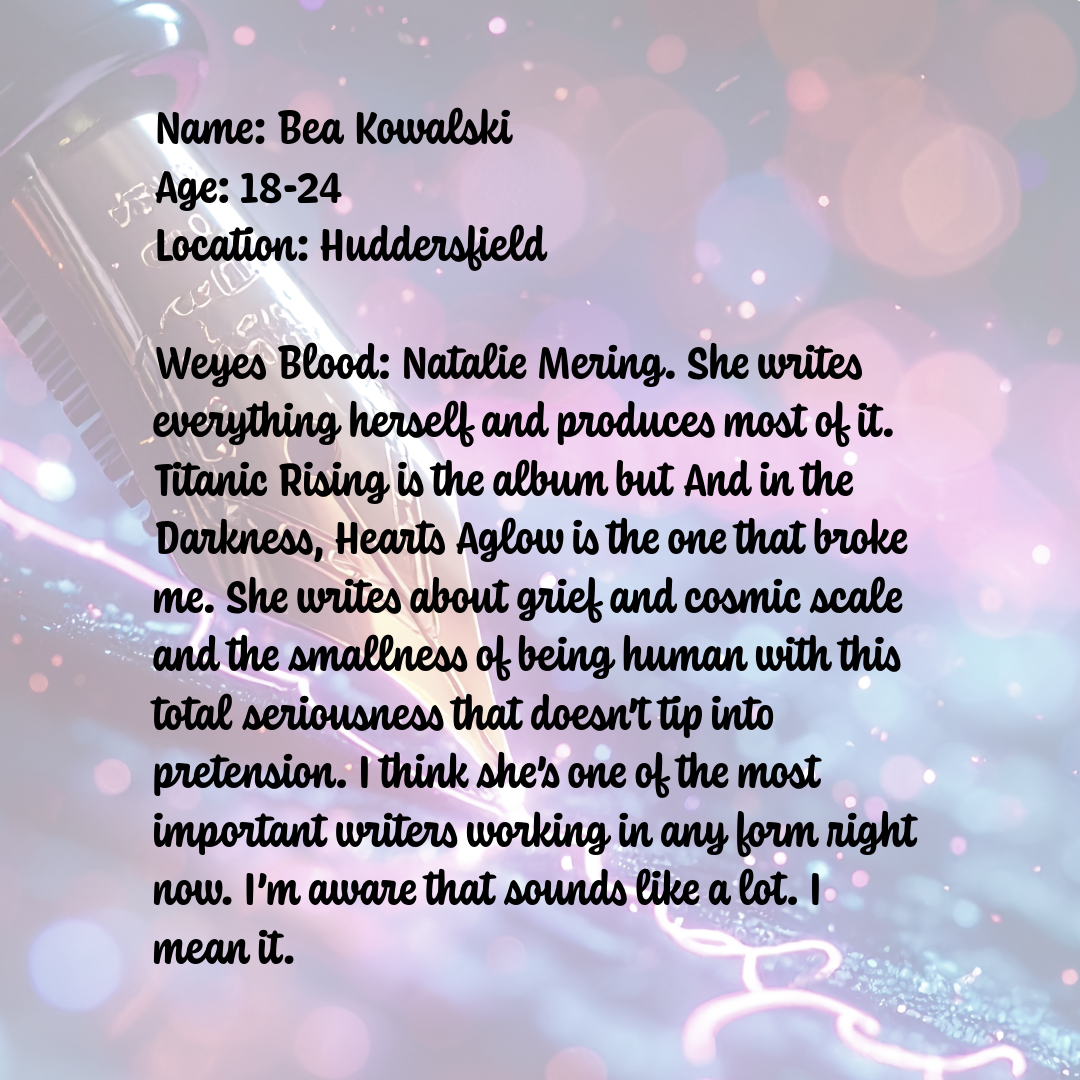
‘Think of something written by a woman that
changed how you felt, thought, or saw the world, even for just a moment.
What was it, and why has it stayed with you?’
As always, your responses took us in unexpected directions.
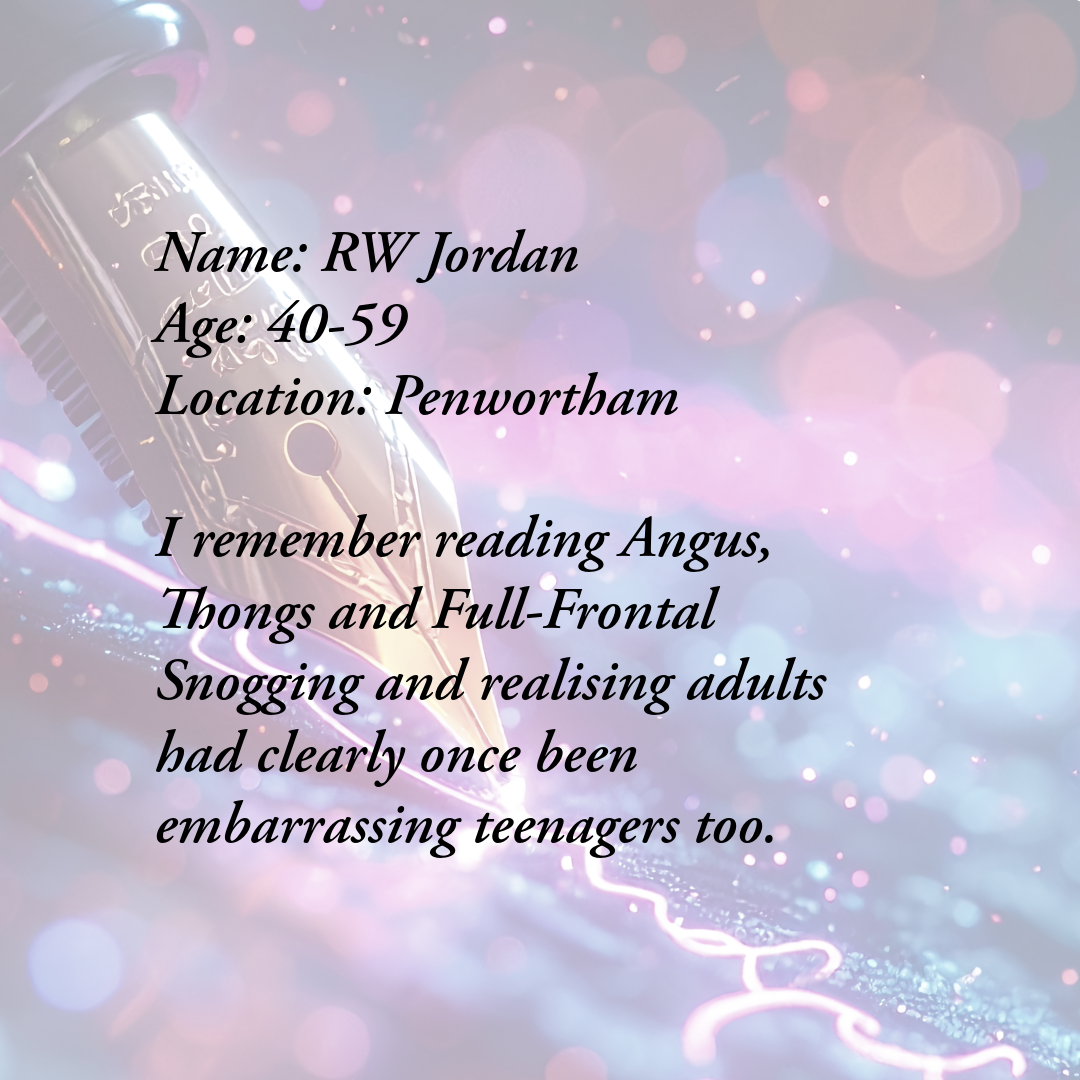
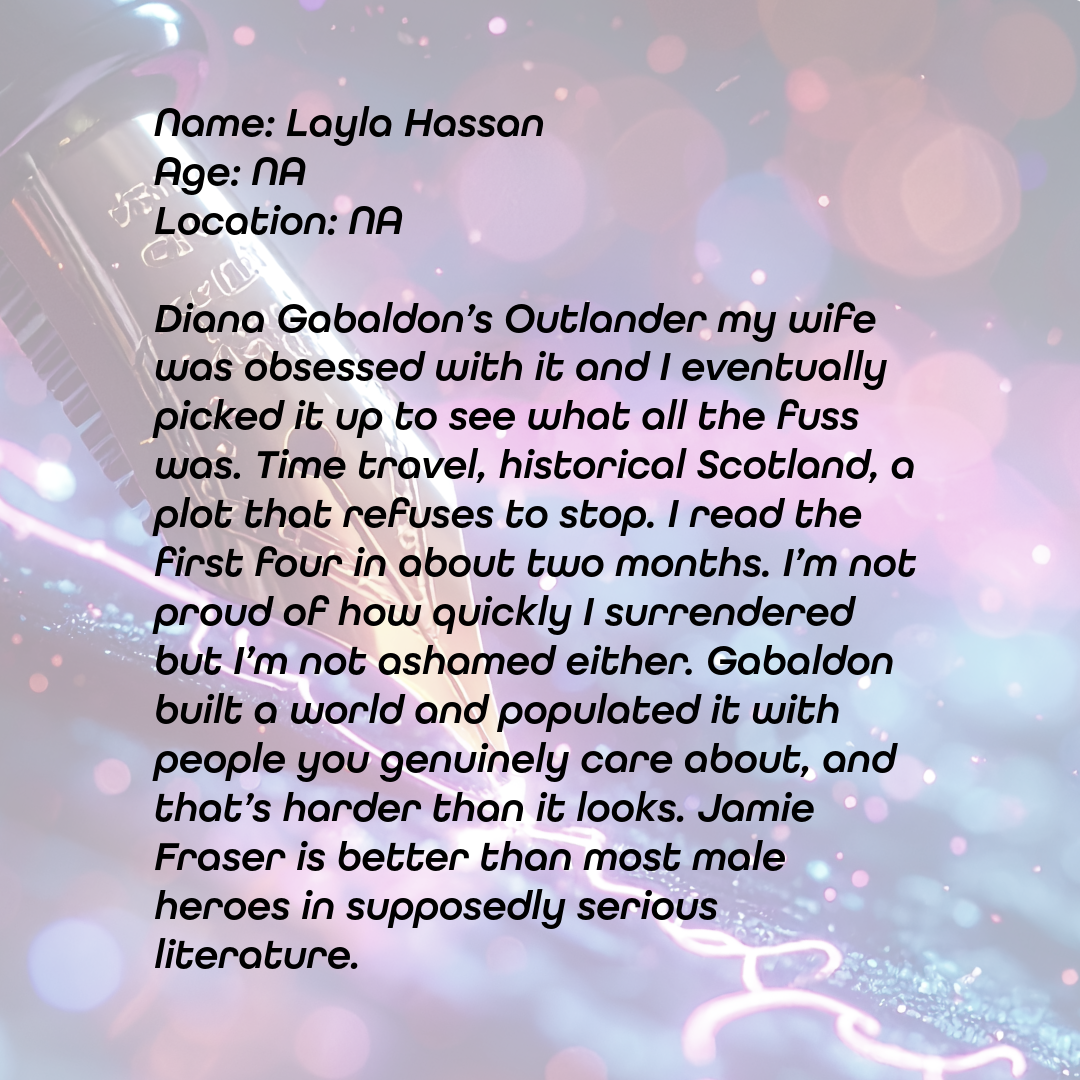
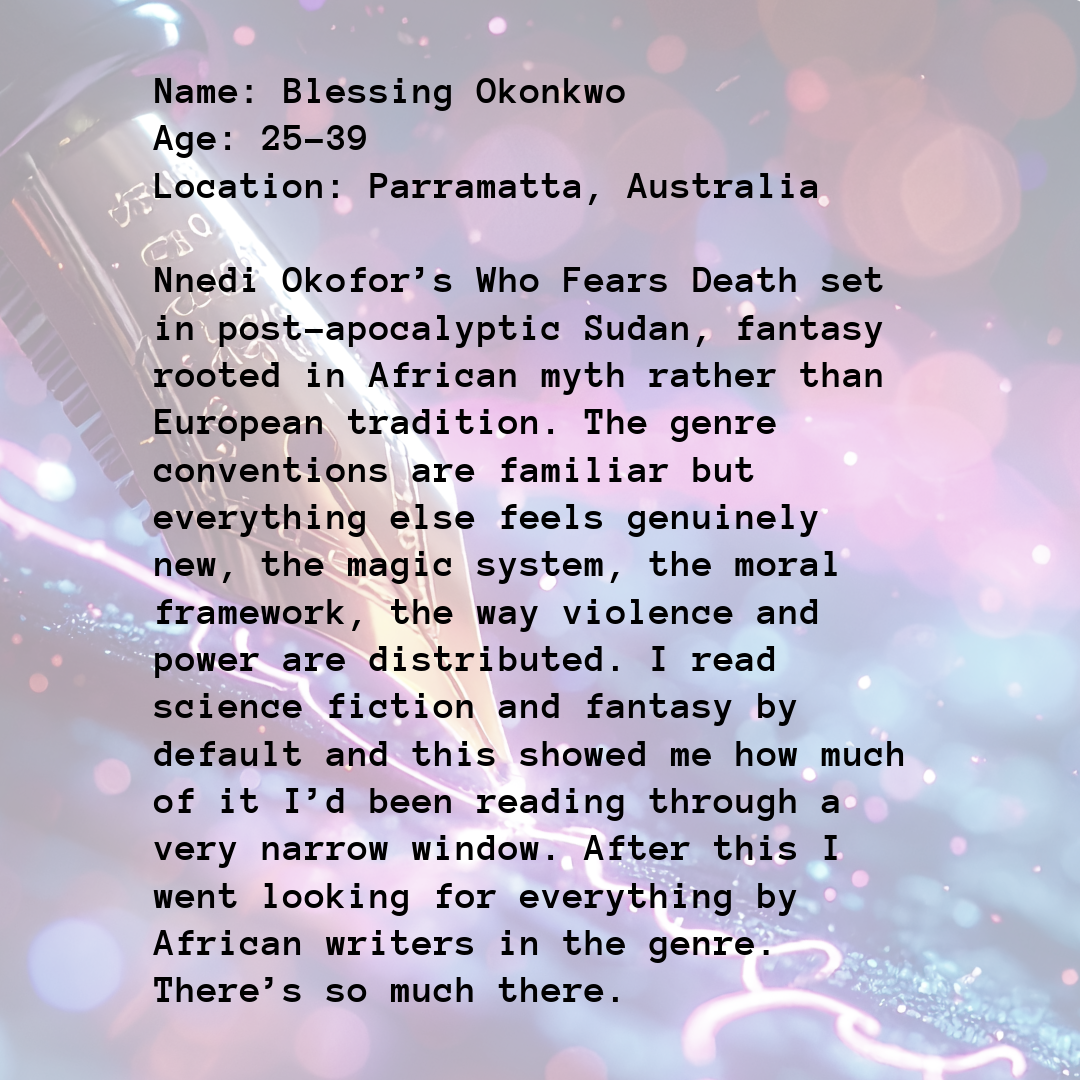
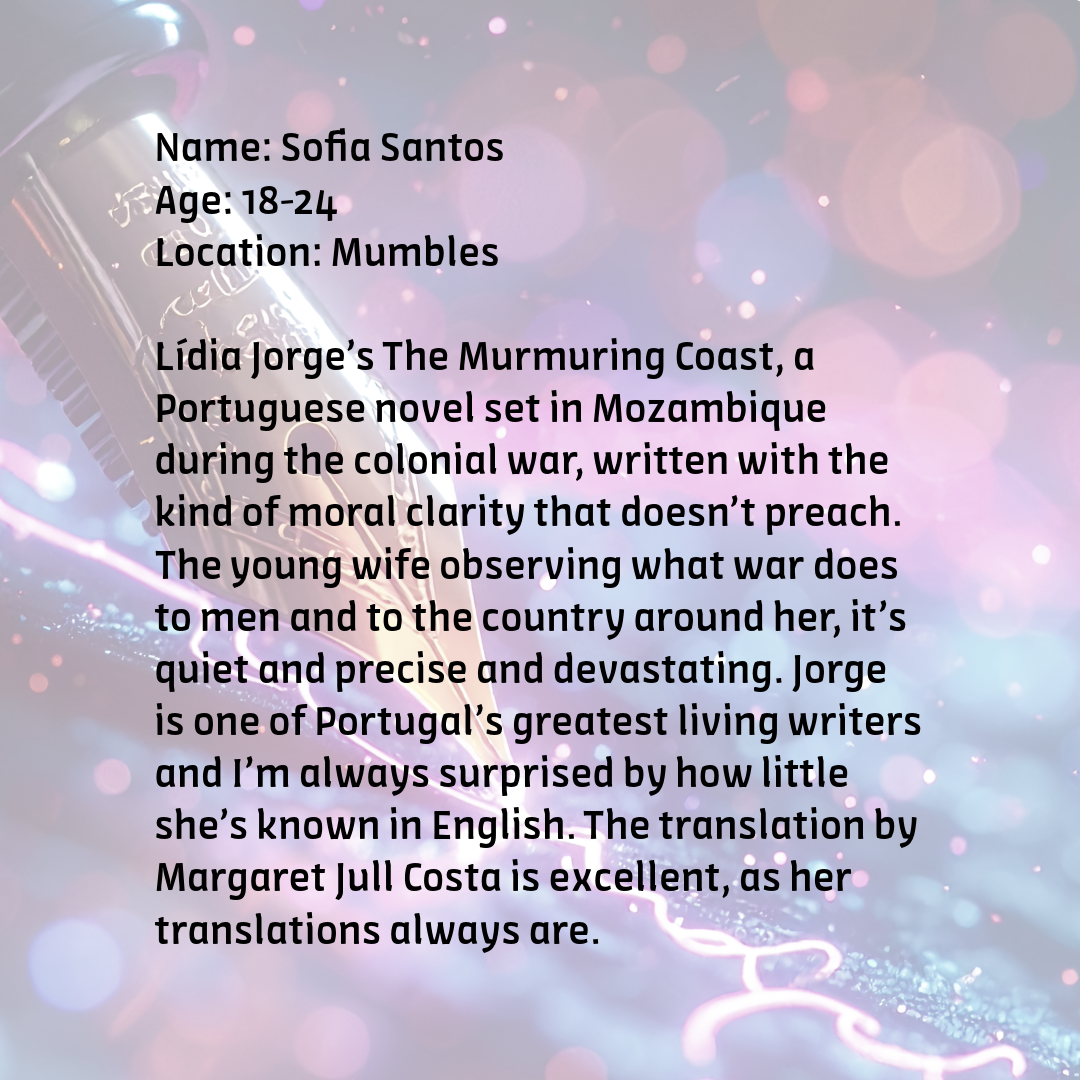
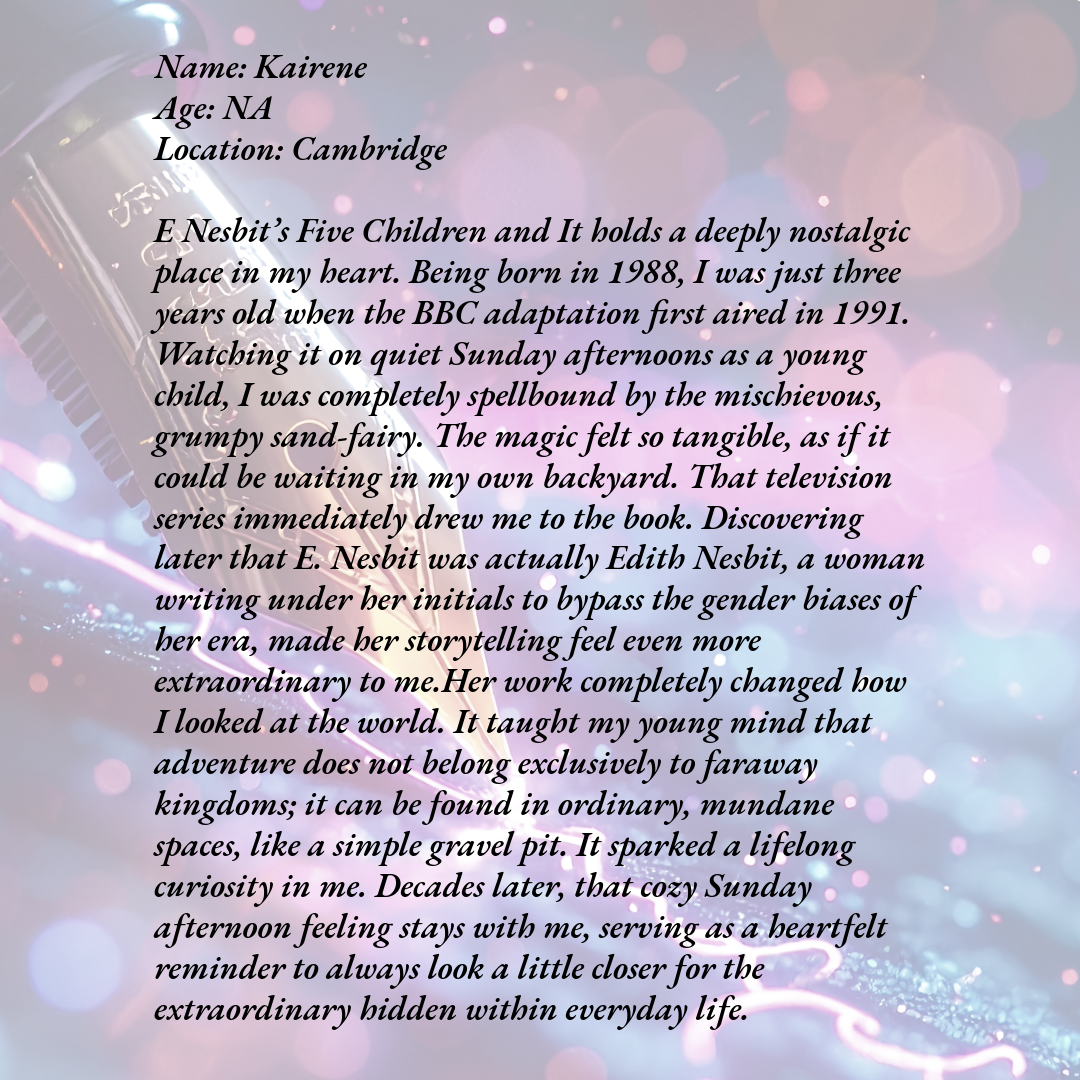
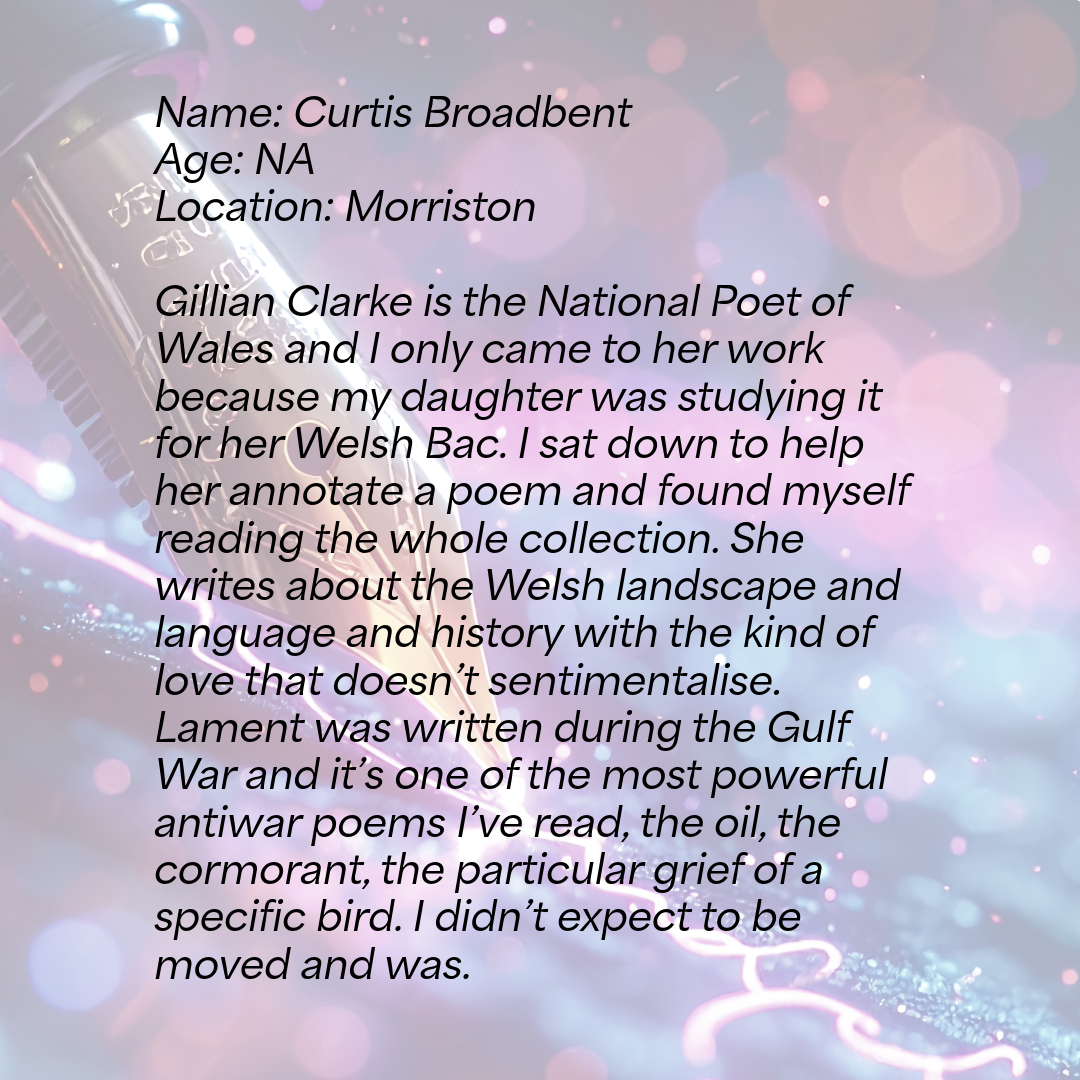
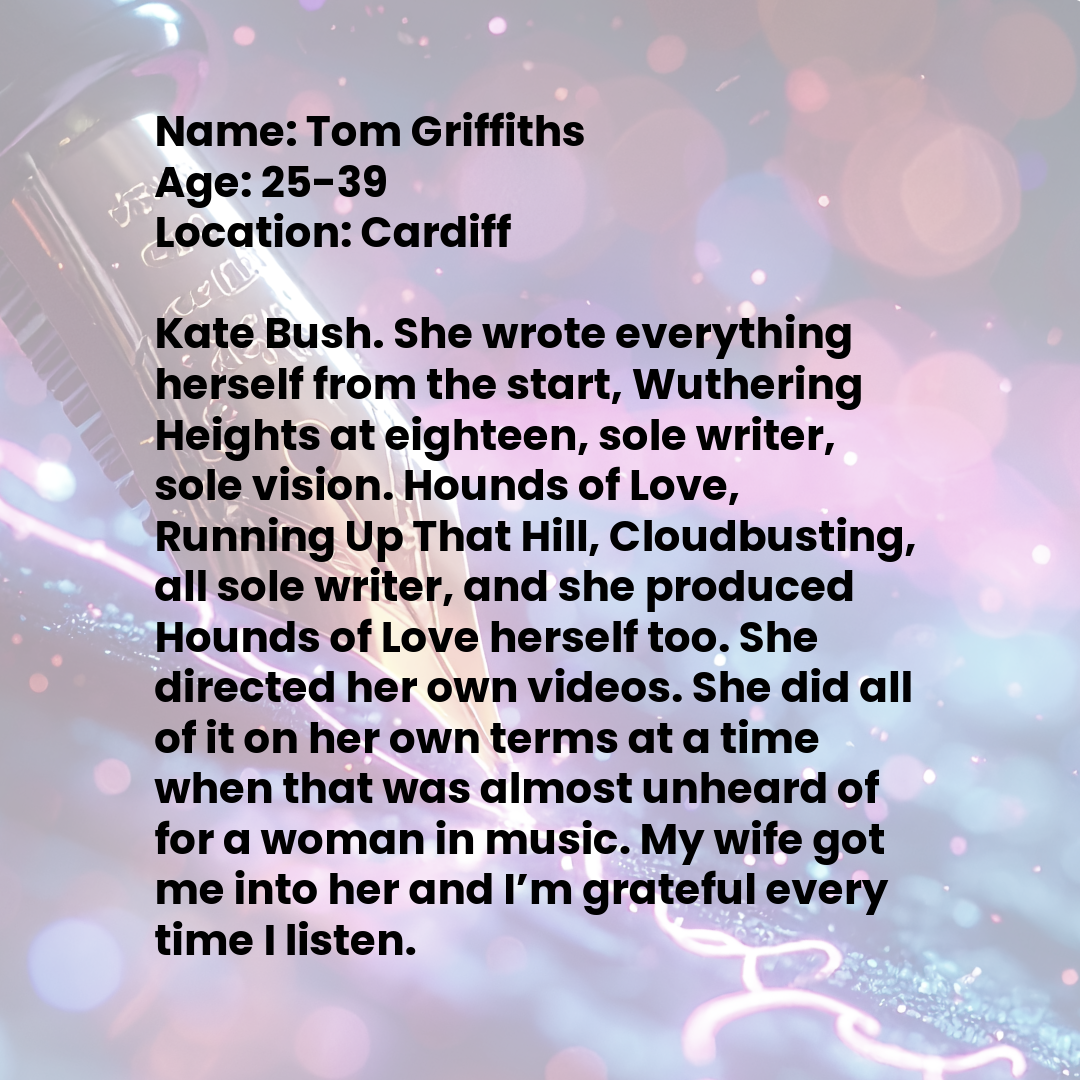
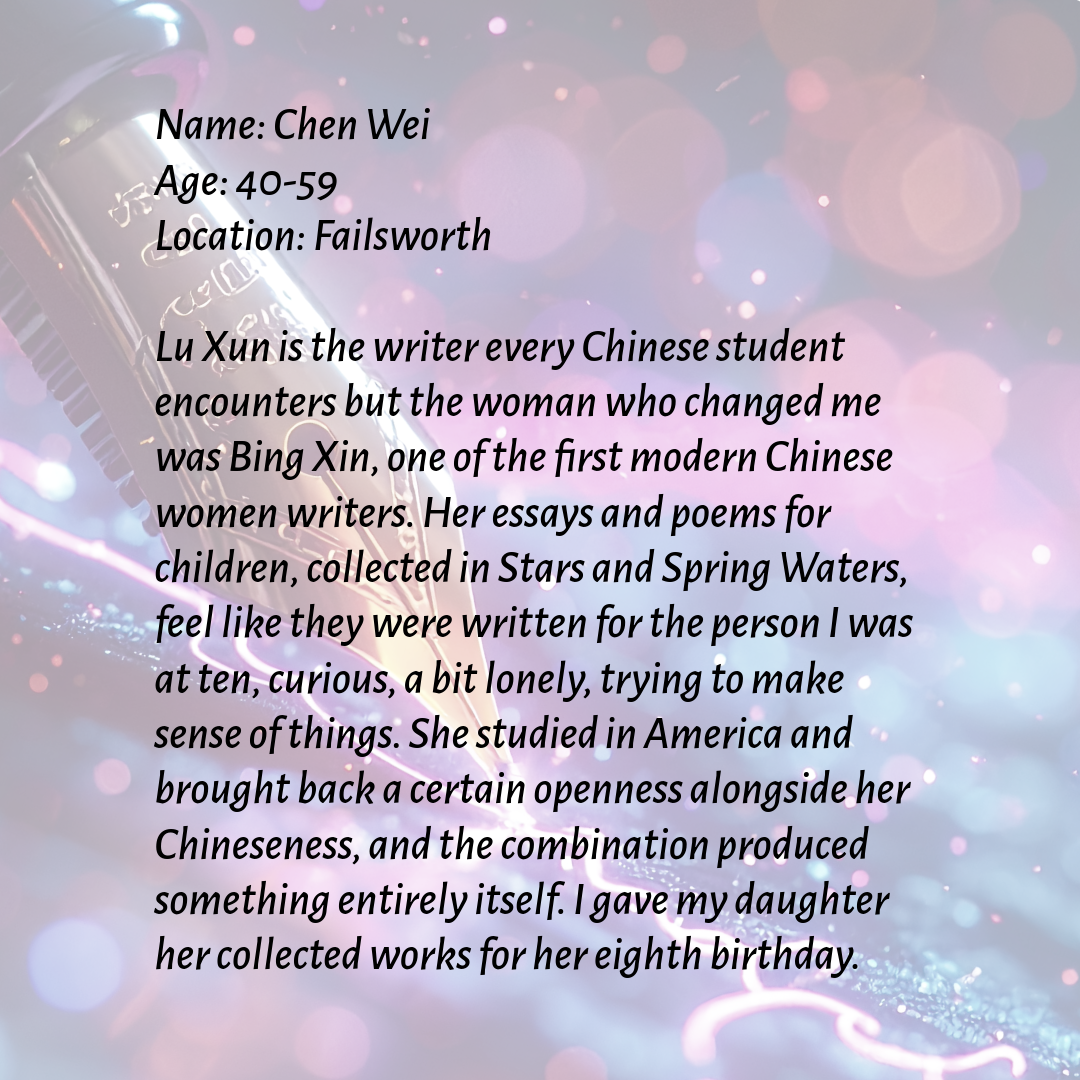
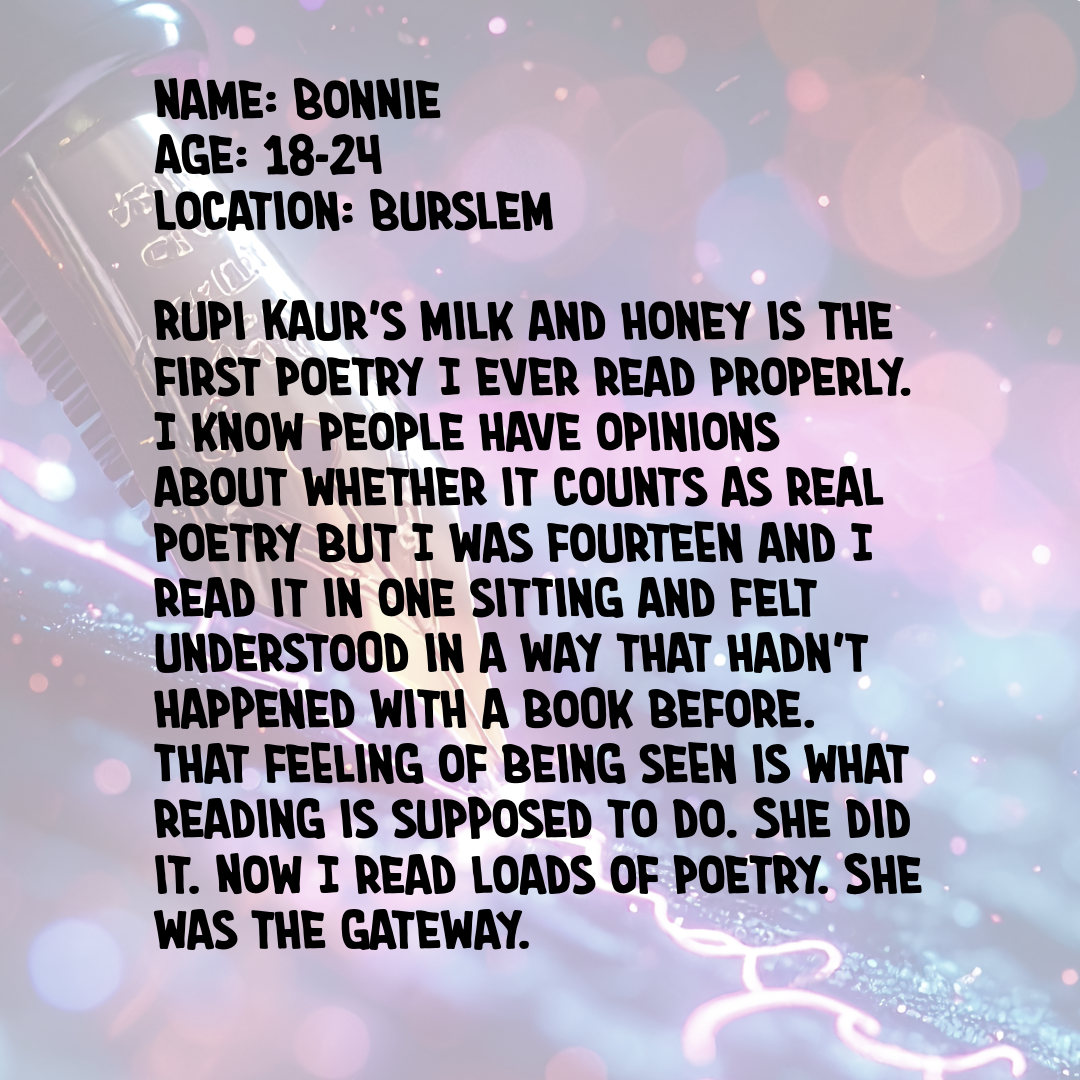
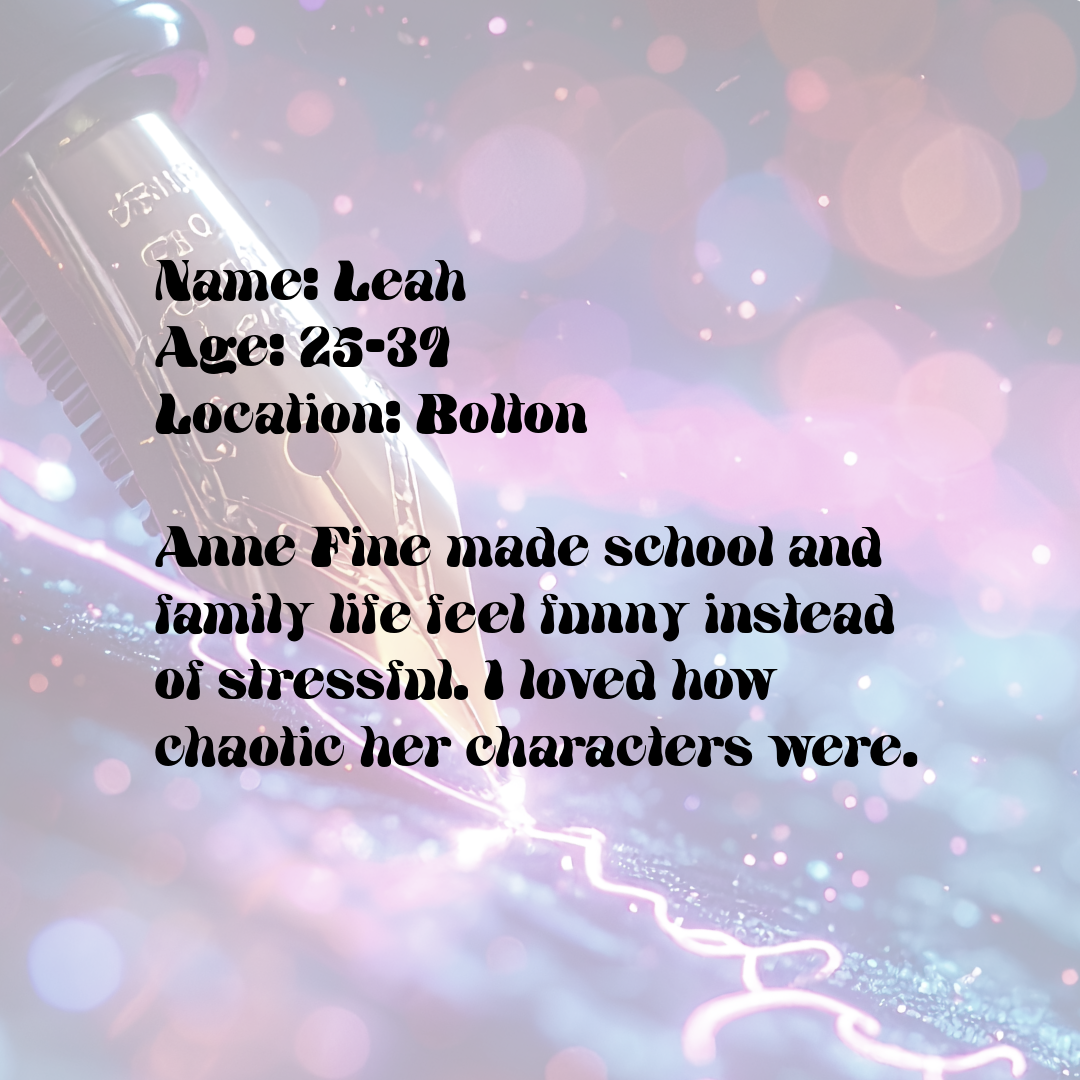
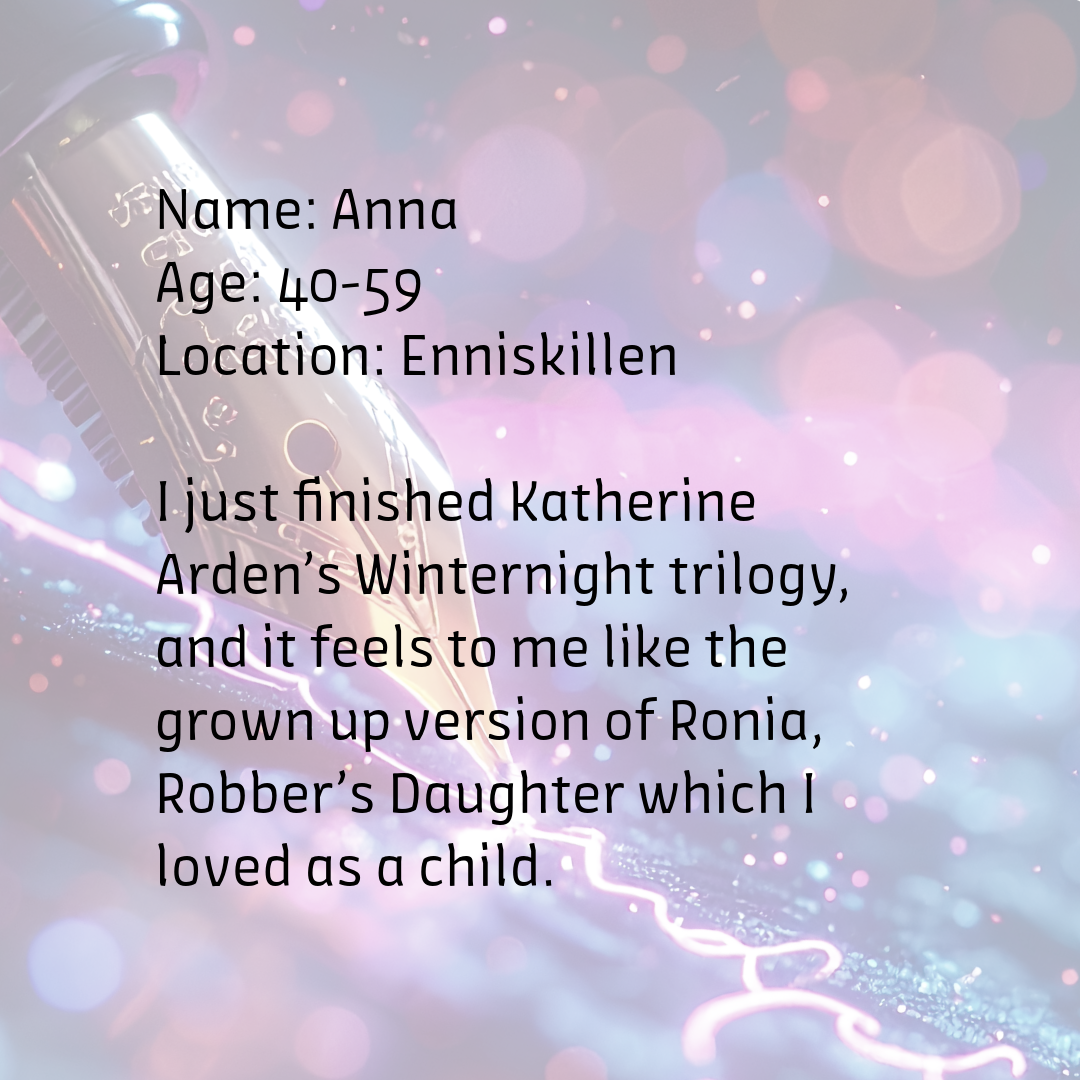
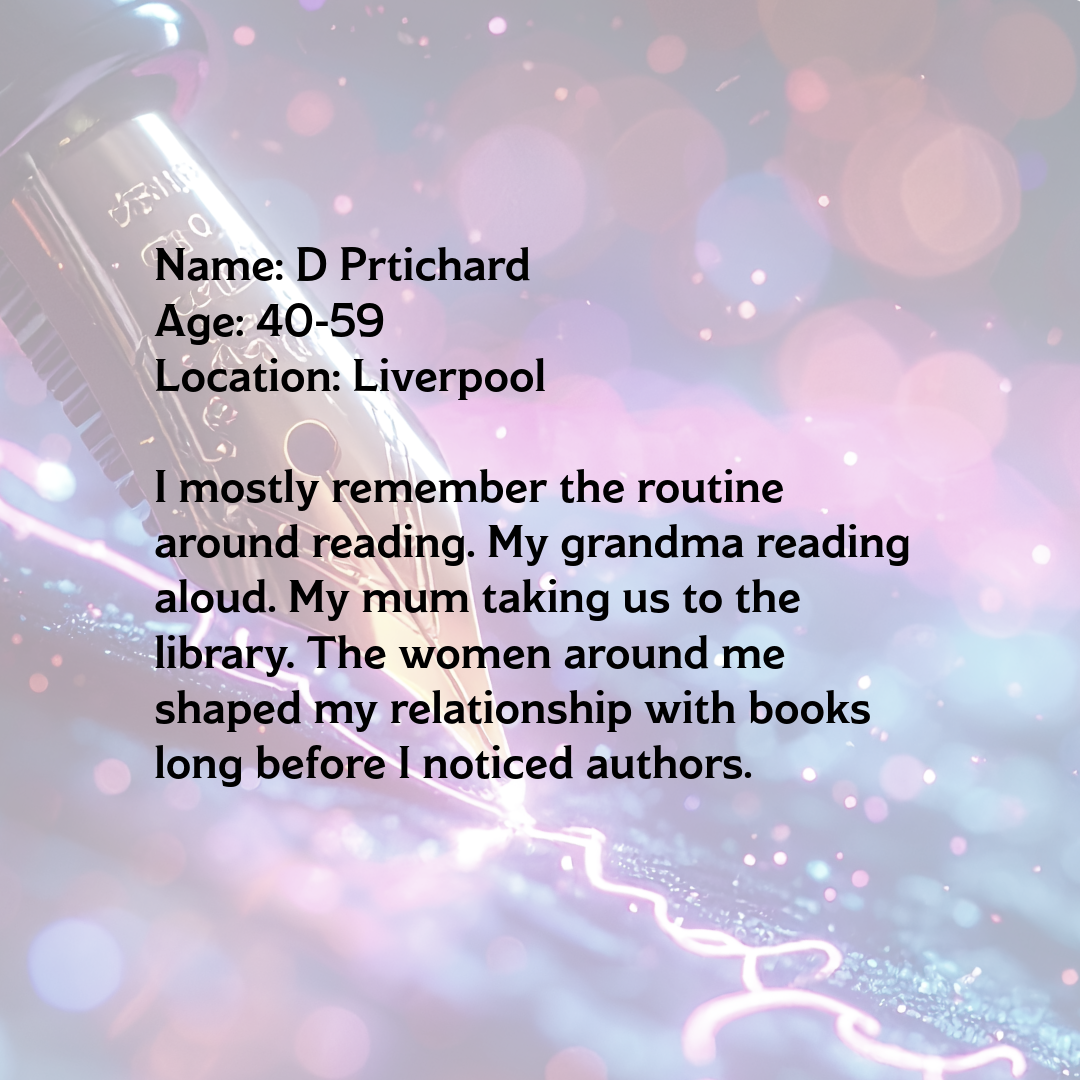
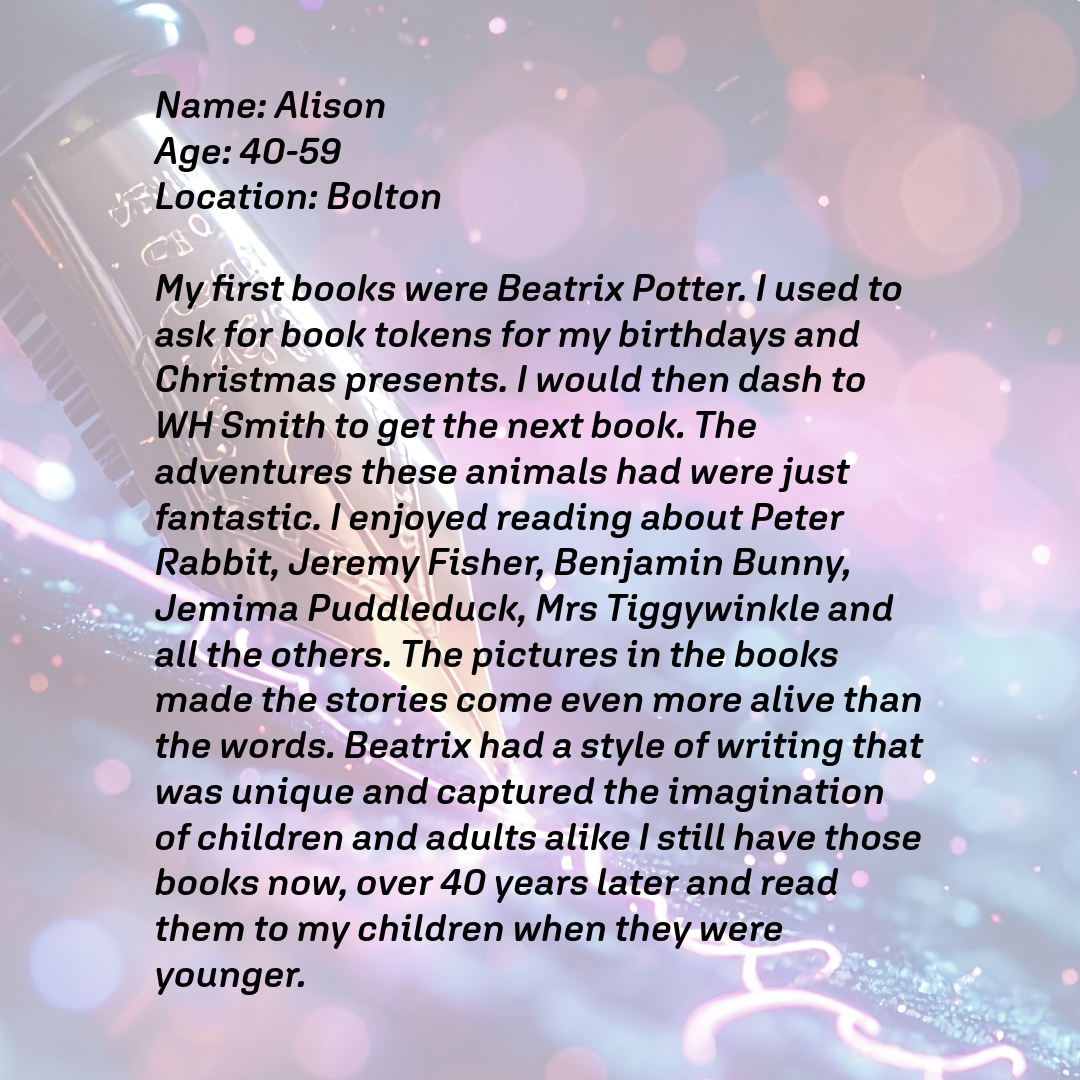
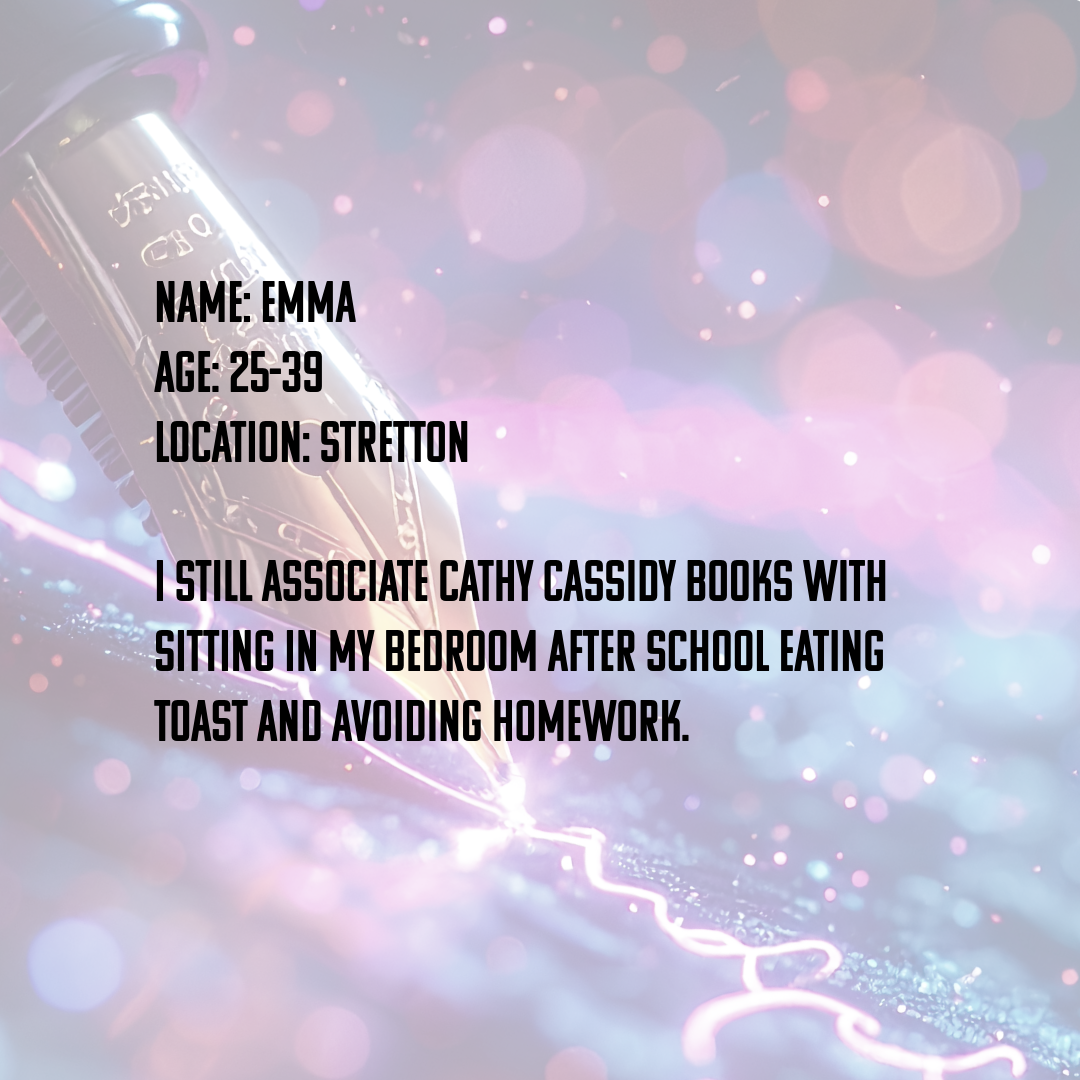
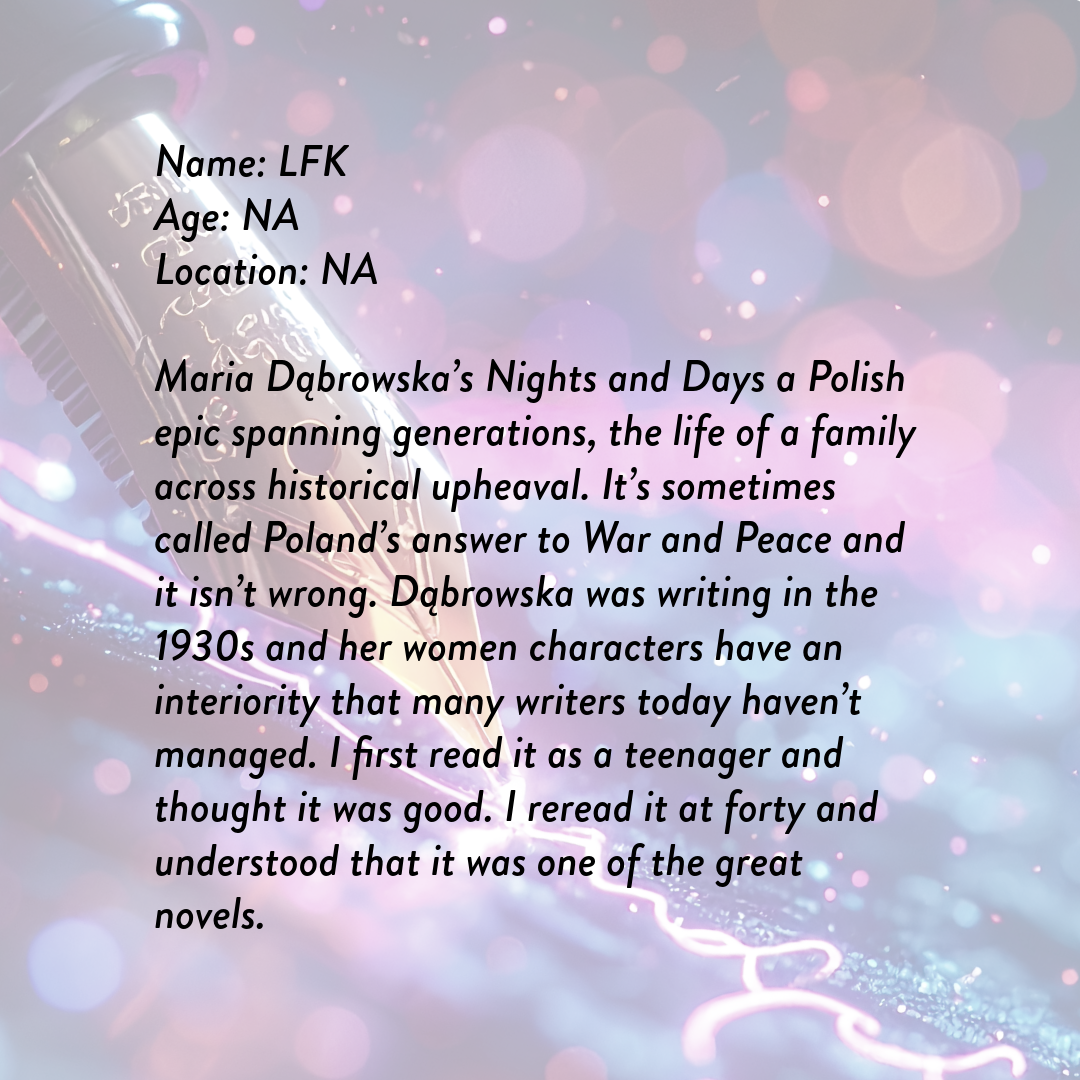
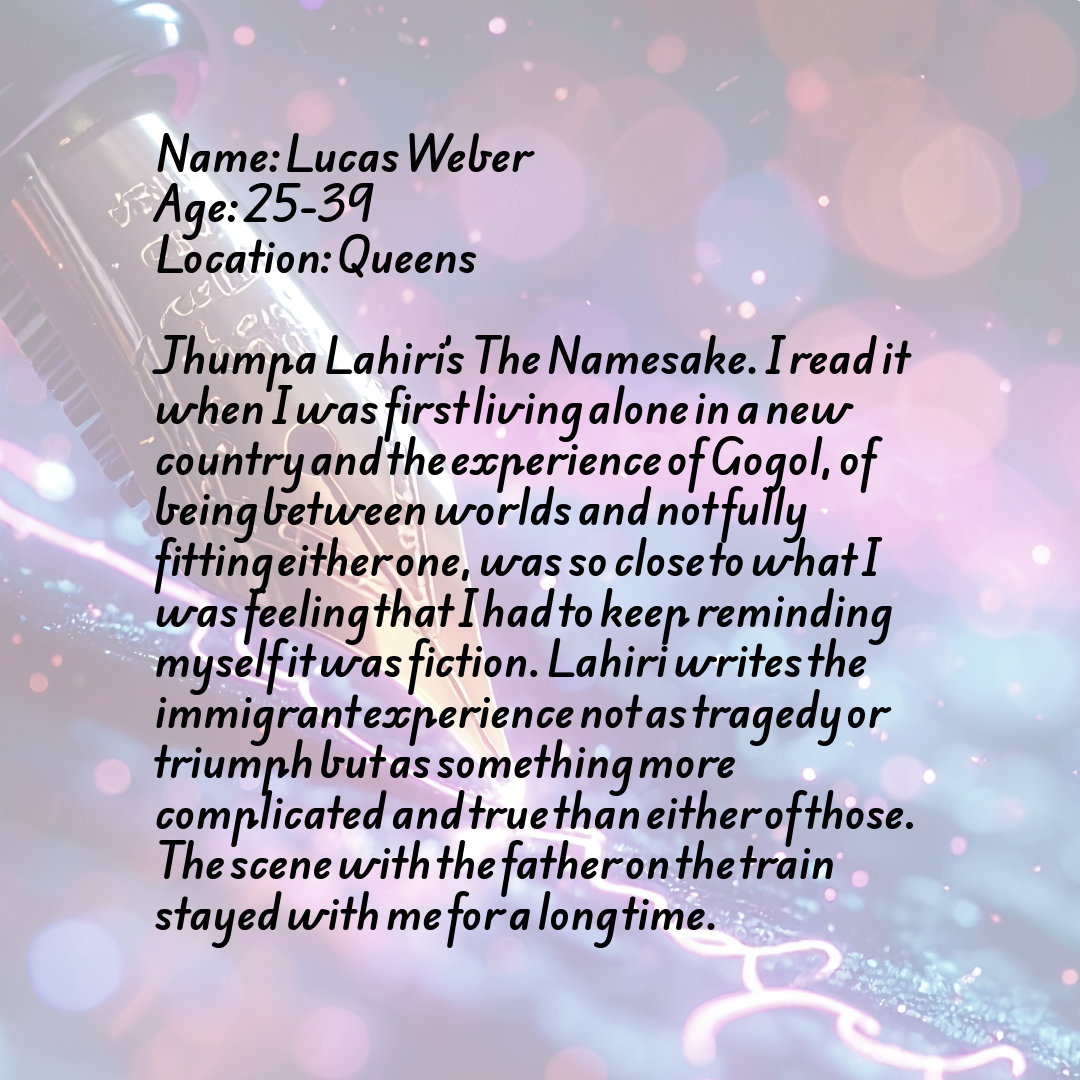
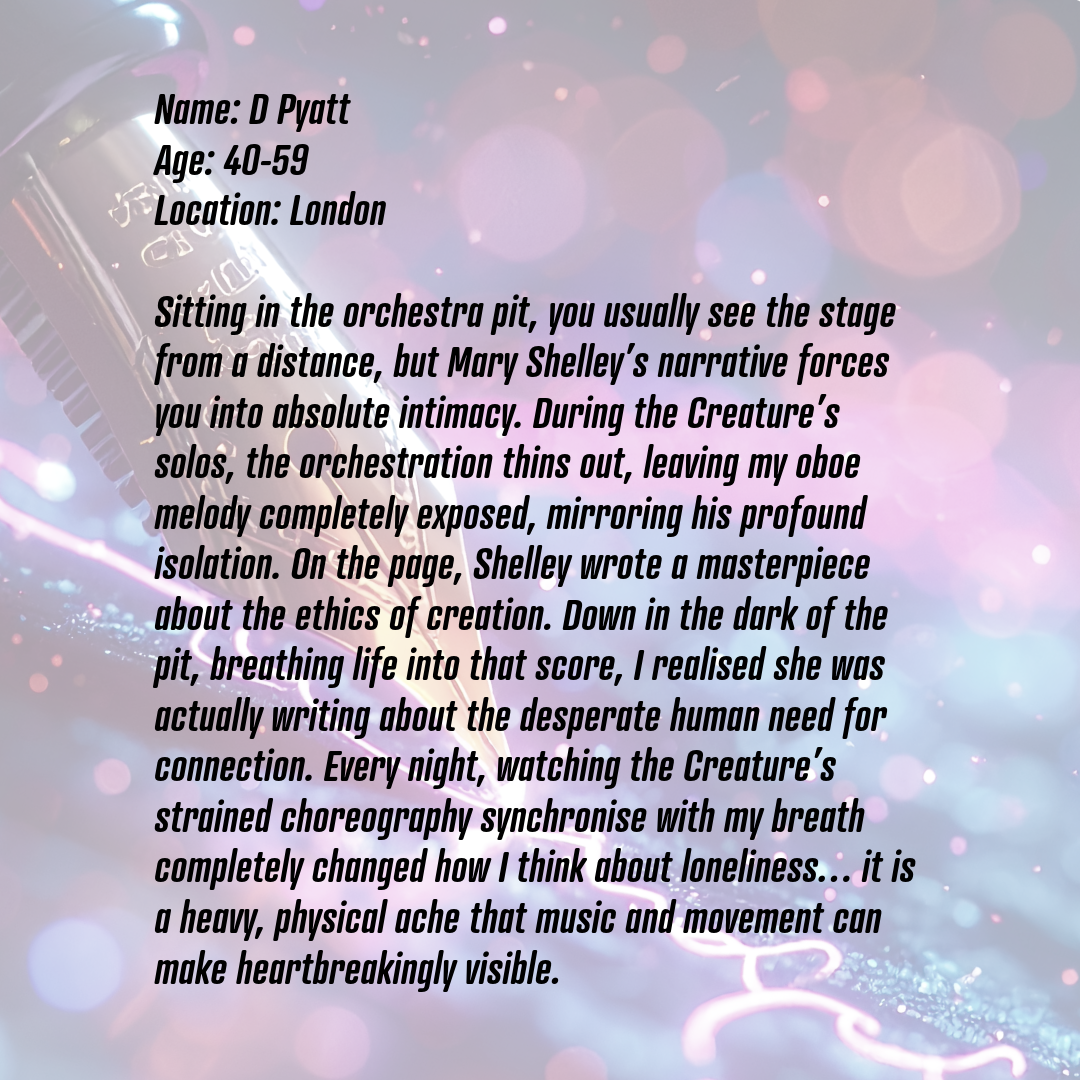
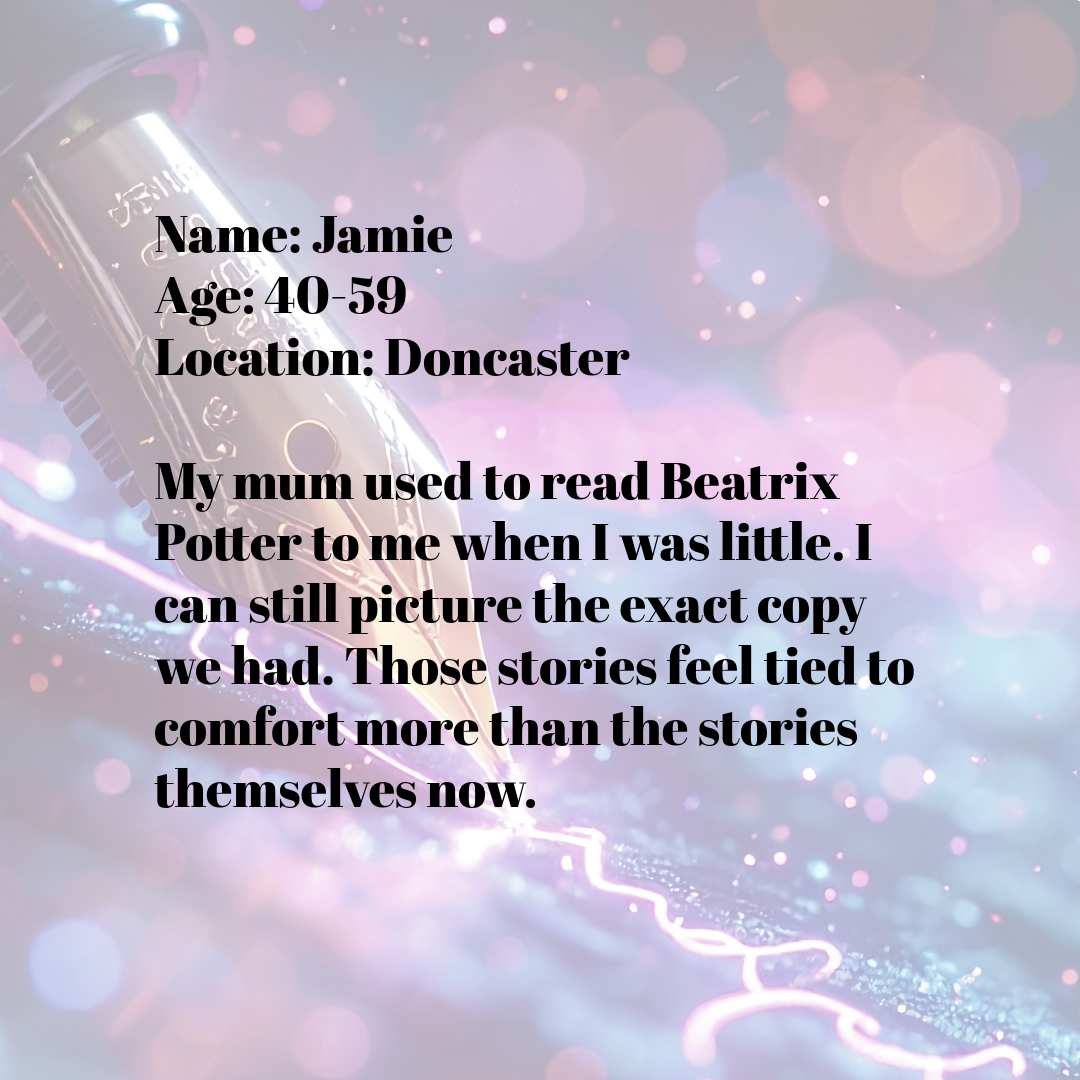
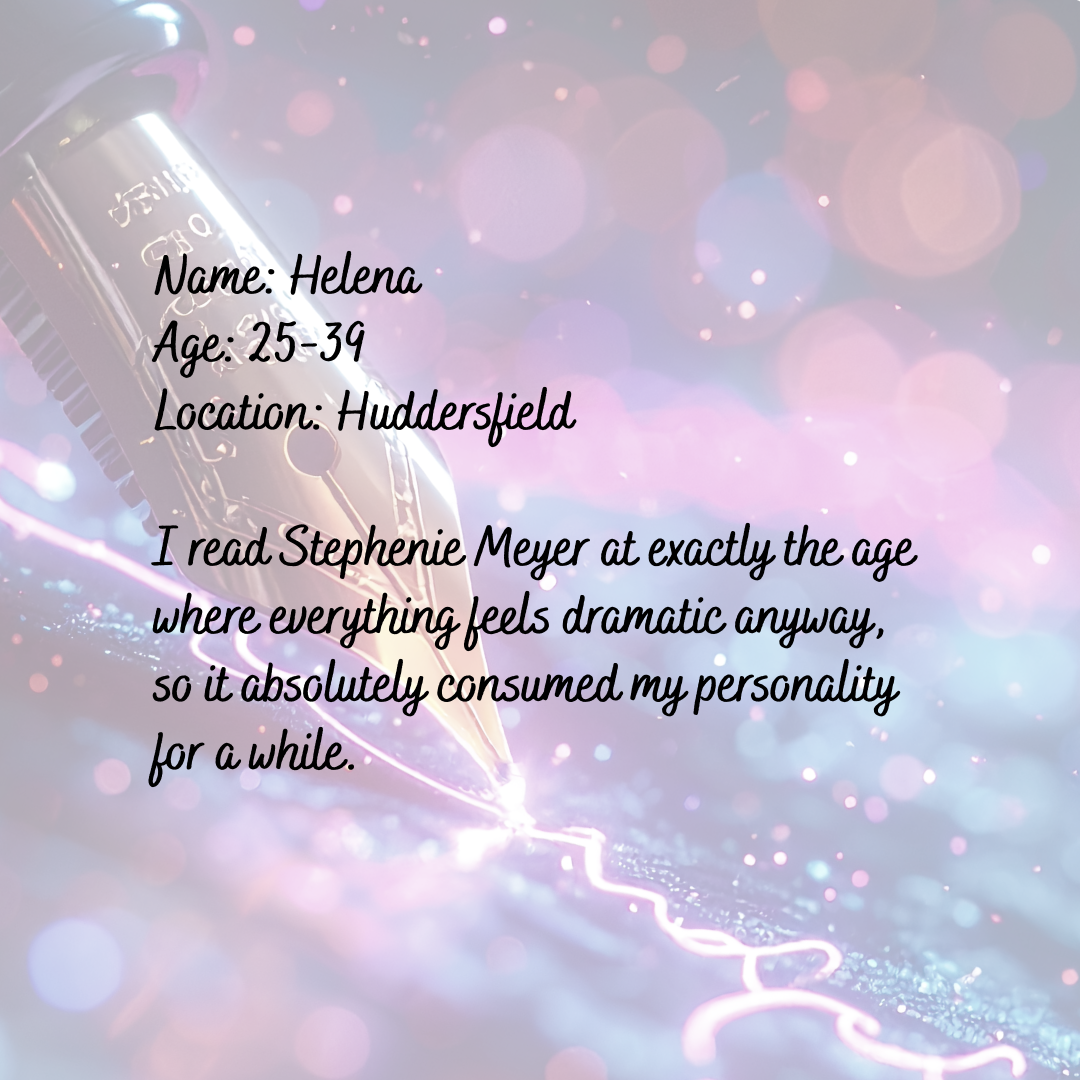
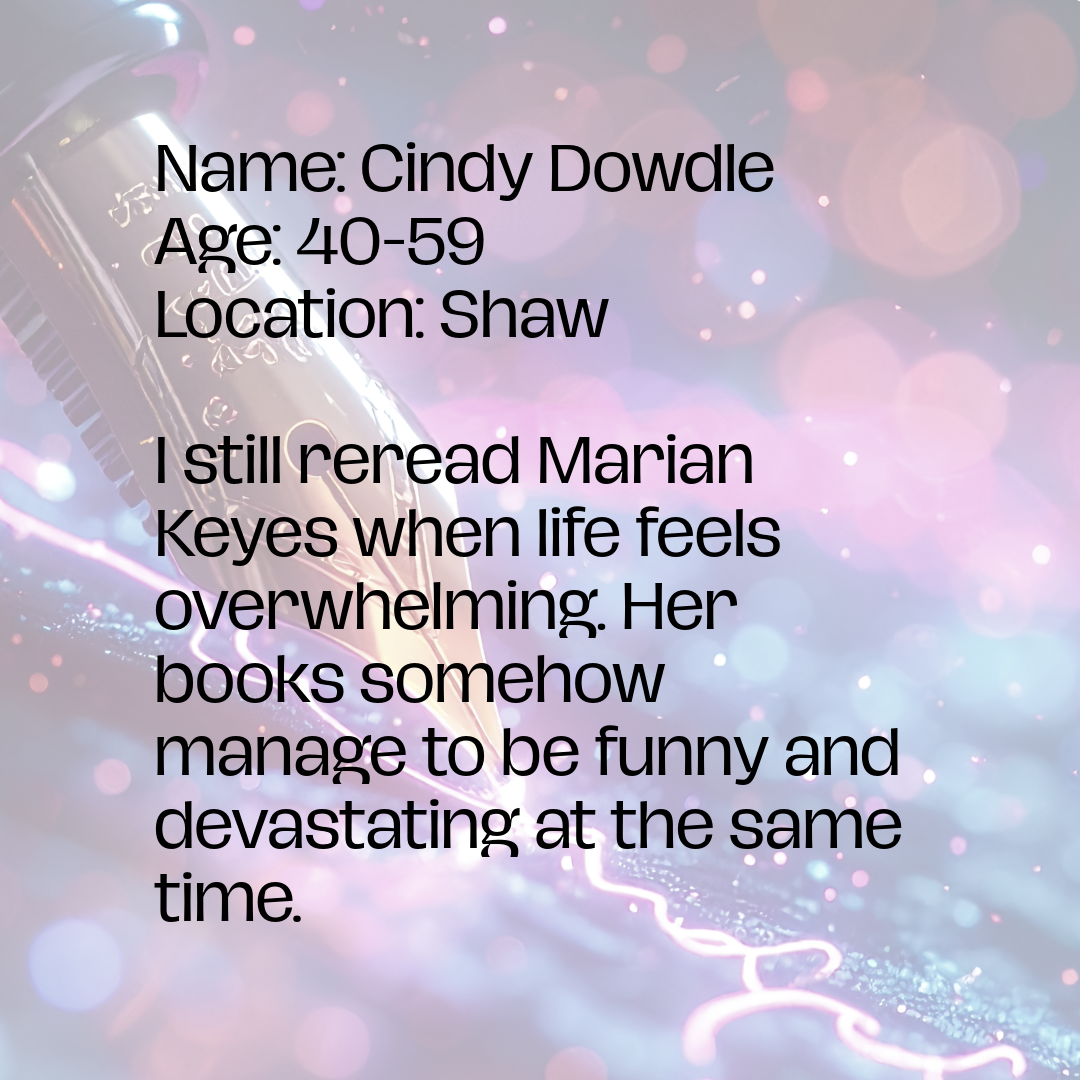
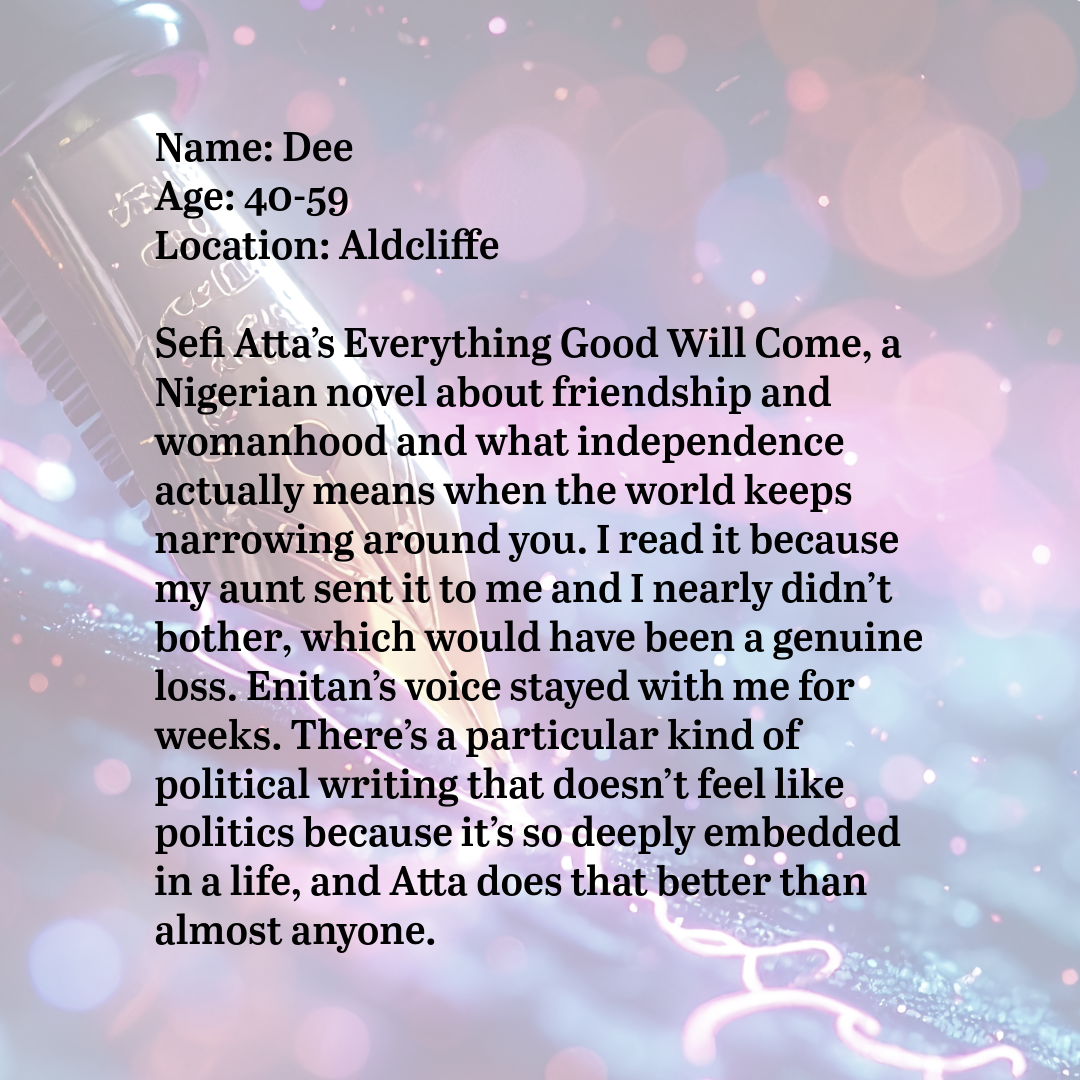
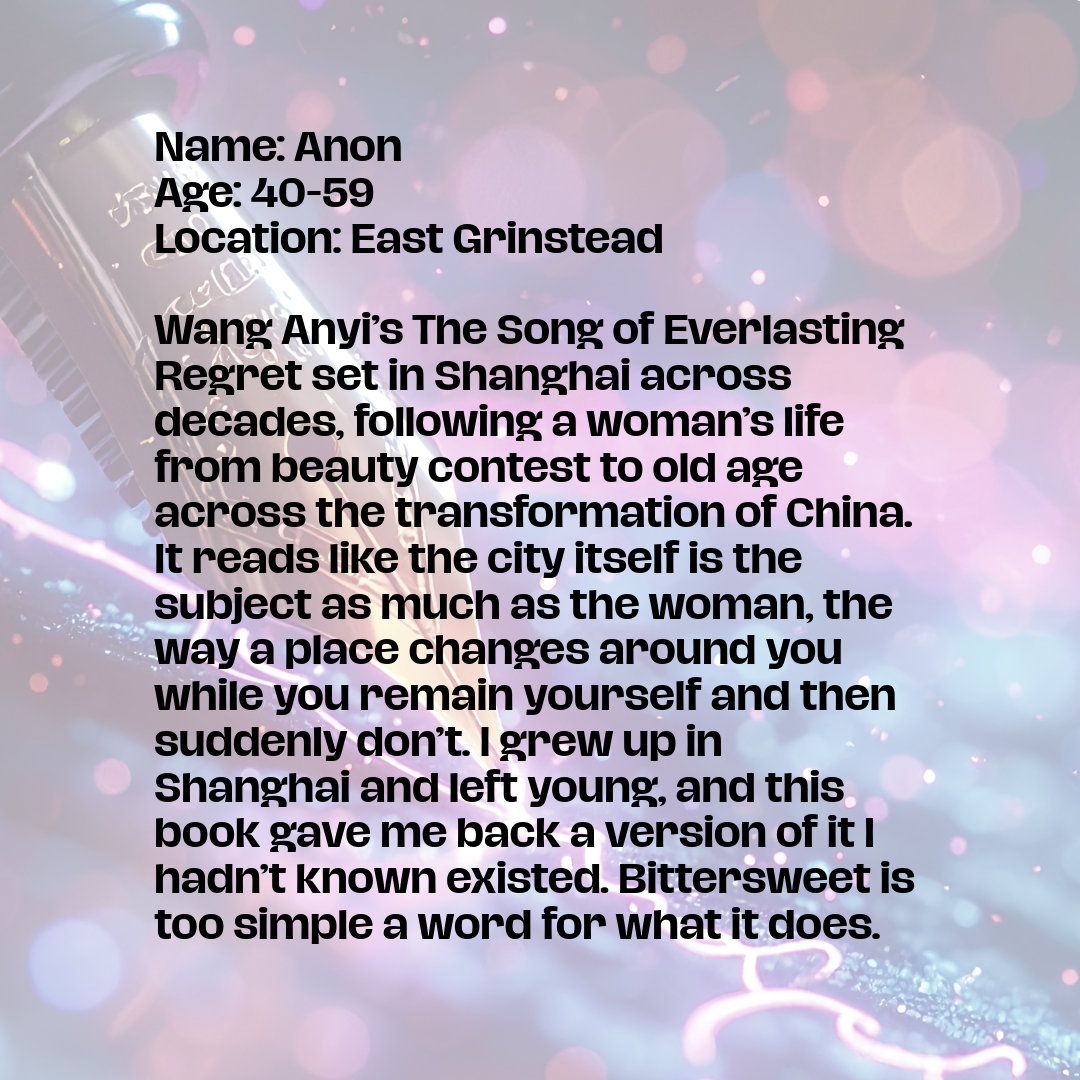
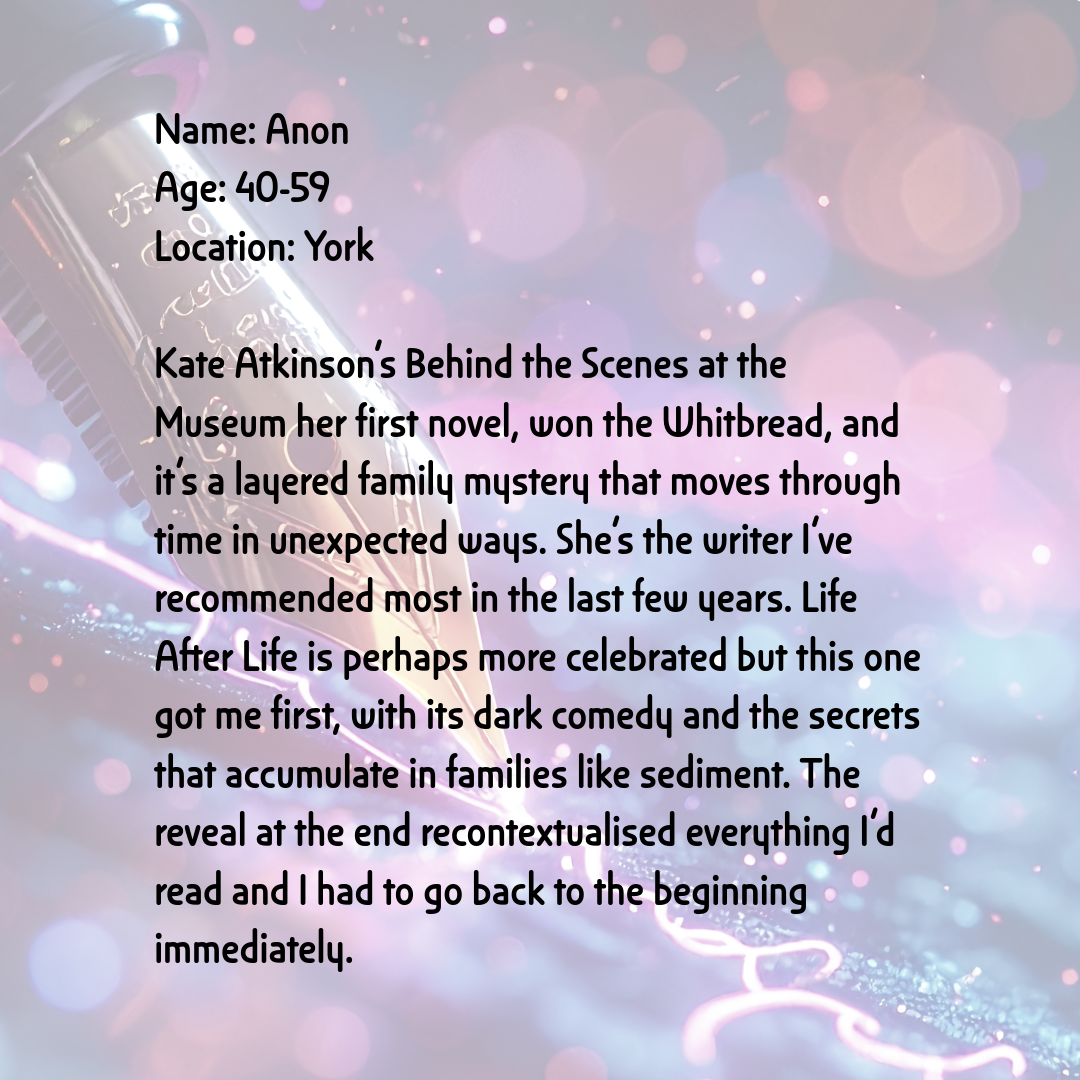
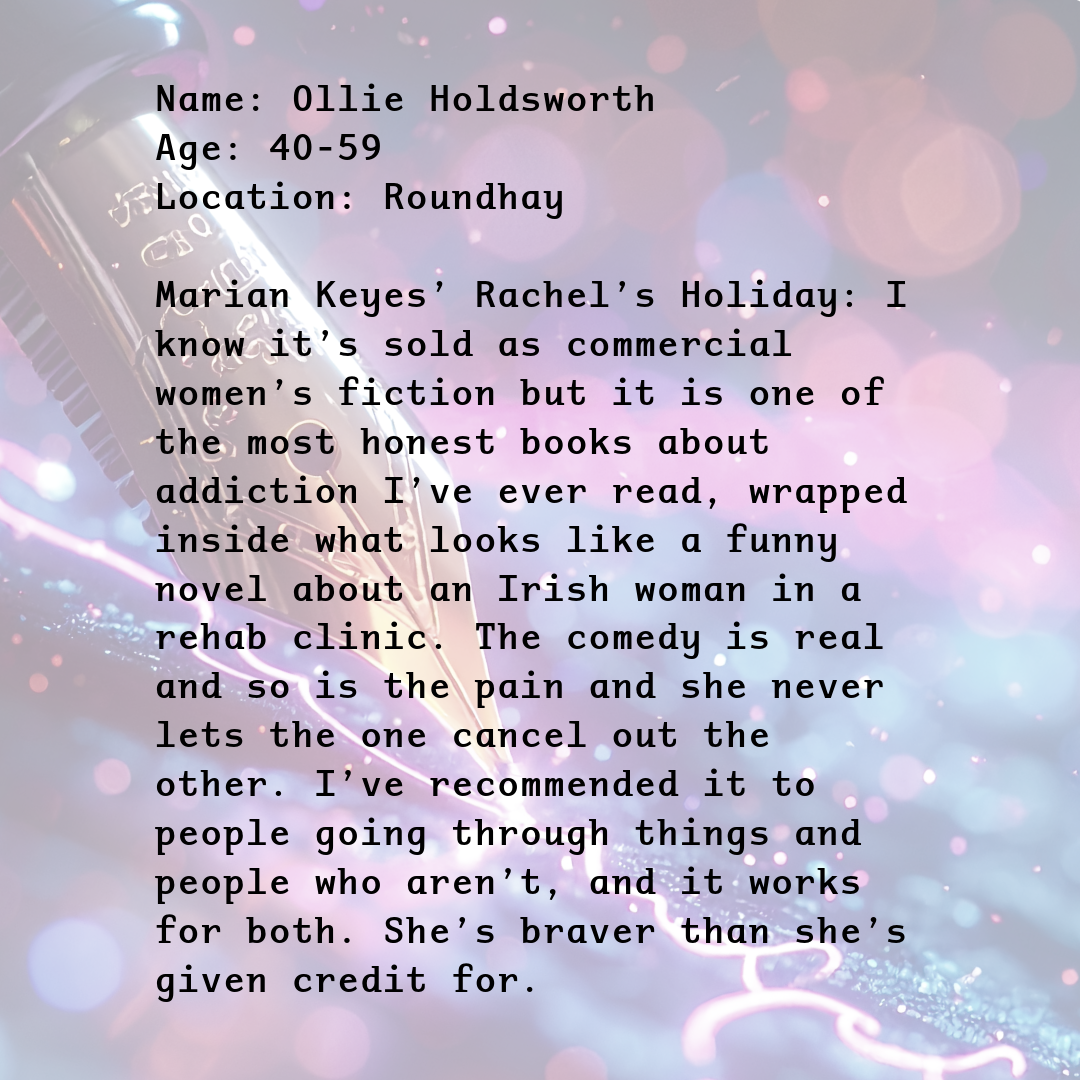
People shared books they first read as children and have never forgotten. They told us about novels discovered during difficult times, poems that seemed to say exactly what they needed to hear, and characters who felt so real they have stayed with them for years.
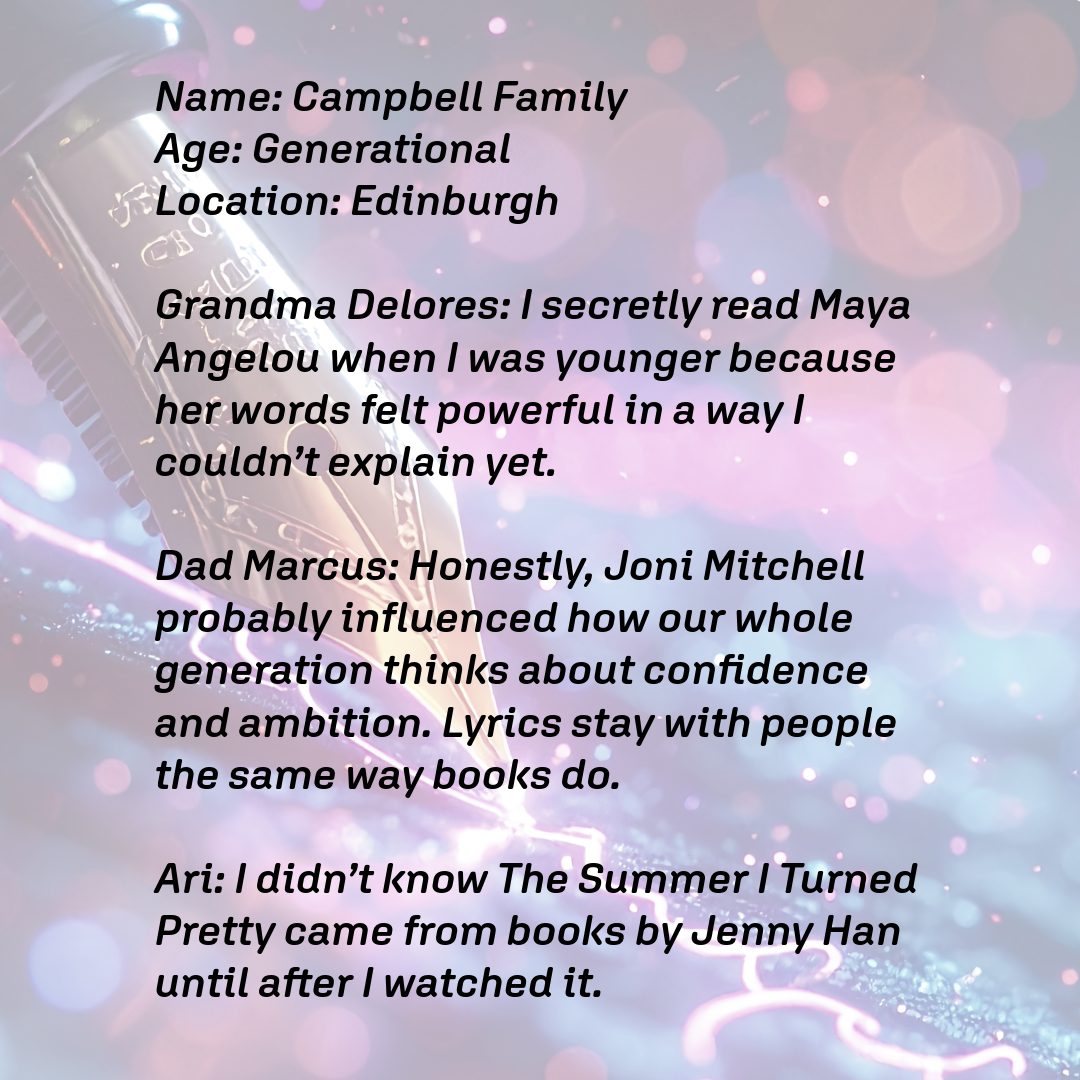
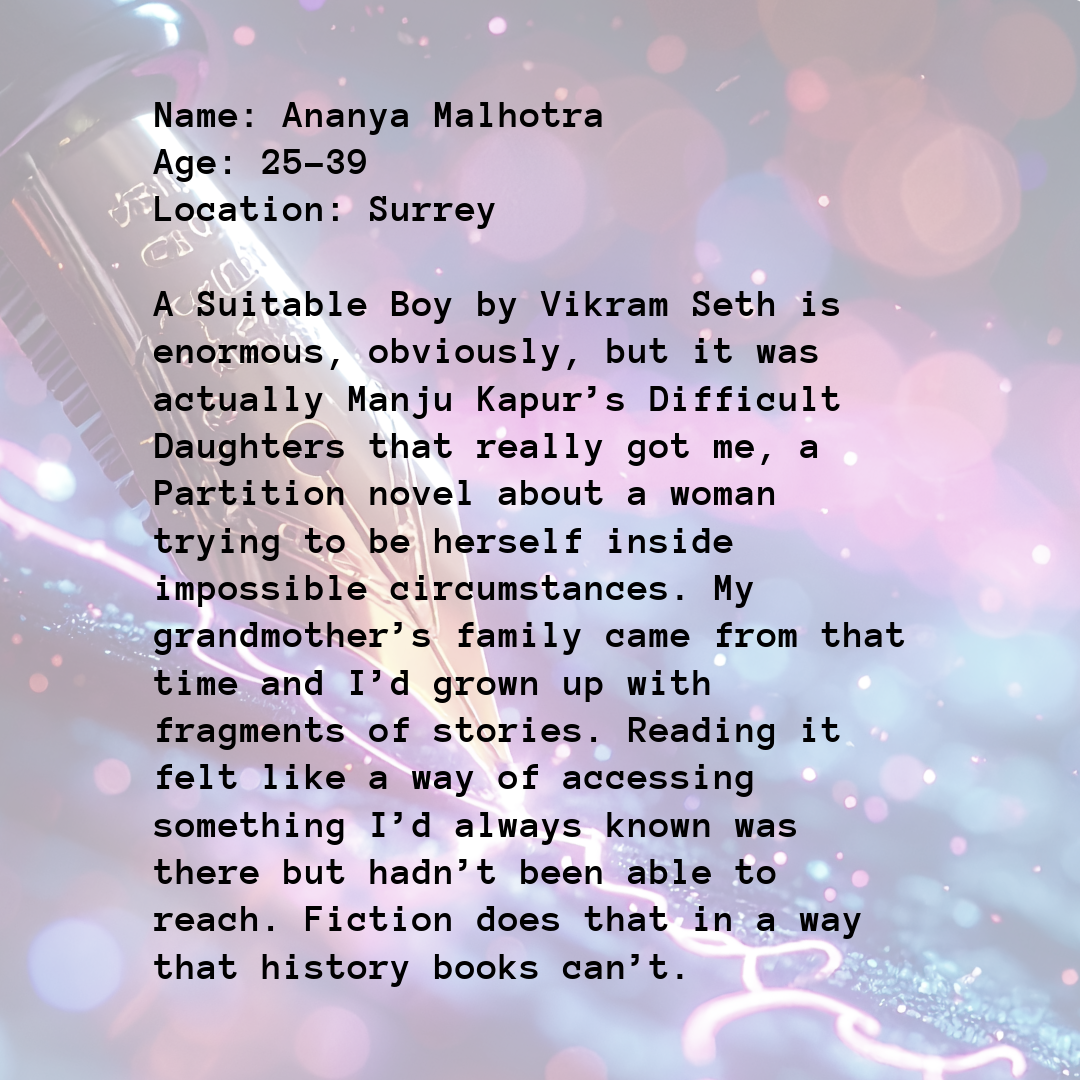
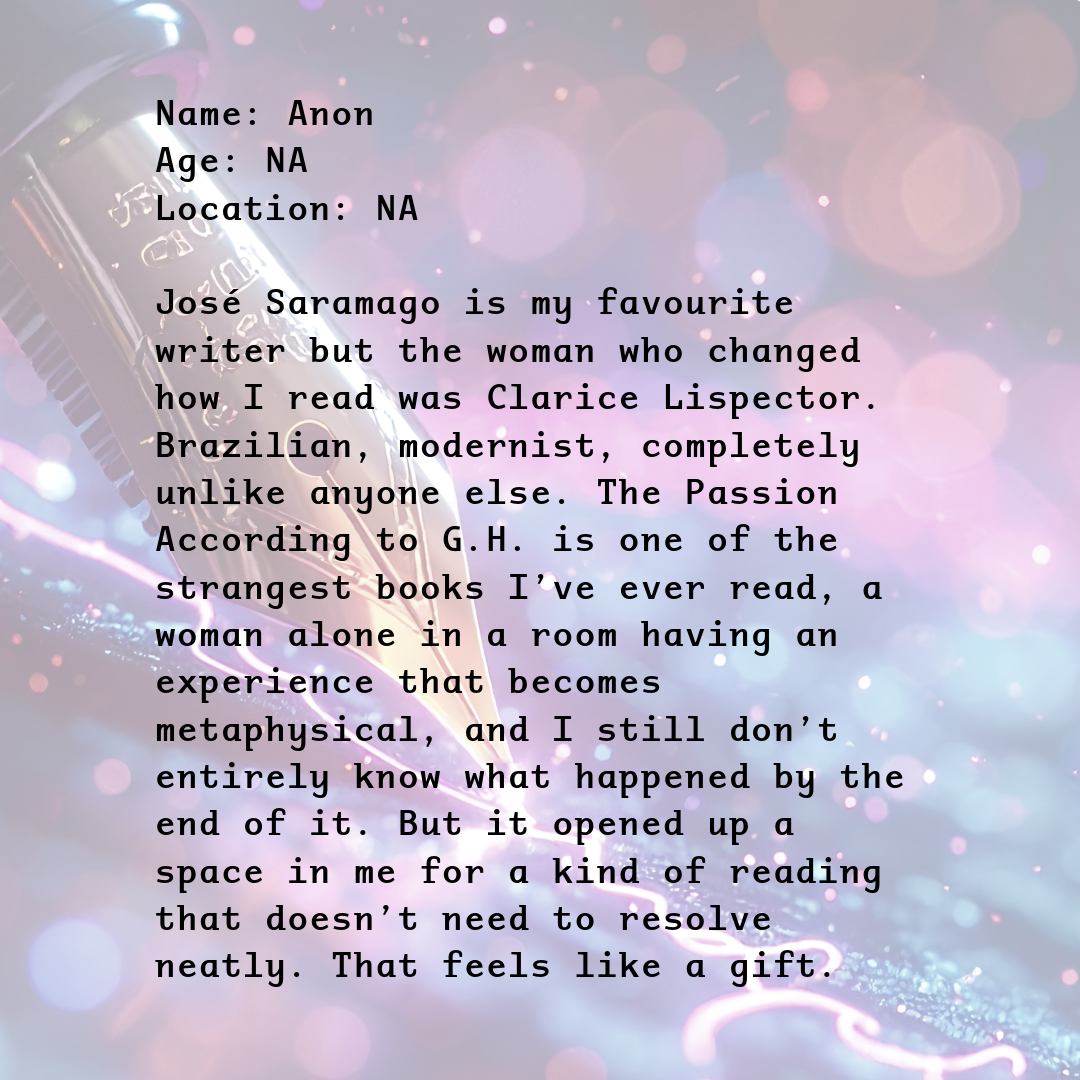
The writers mentioned spanned generations, countries, genres and styles. Some contributors chose authors whose work is read all over the world. Others introduced us to writers we hadn’t heard of before. Some responses were detailed and reflective; others were just a sentence or two. Yet there was something strikingly consistent across them all.
People rarely talked first about plot.
Instead, they talked about how a piece of writing made them feel.
They remembered feeling understood. Challenged. Comforted. Inspired. Angry. Curious. Less alone.
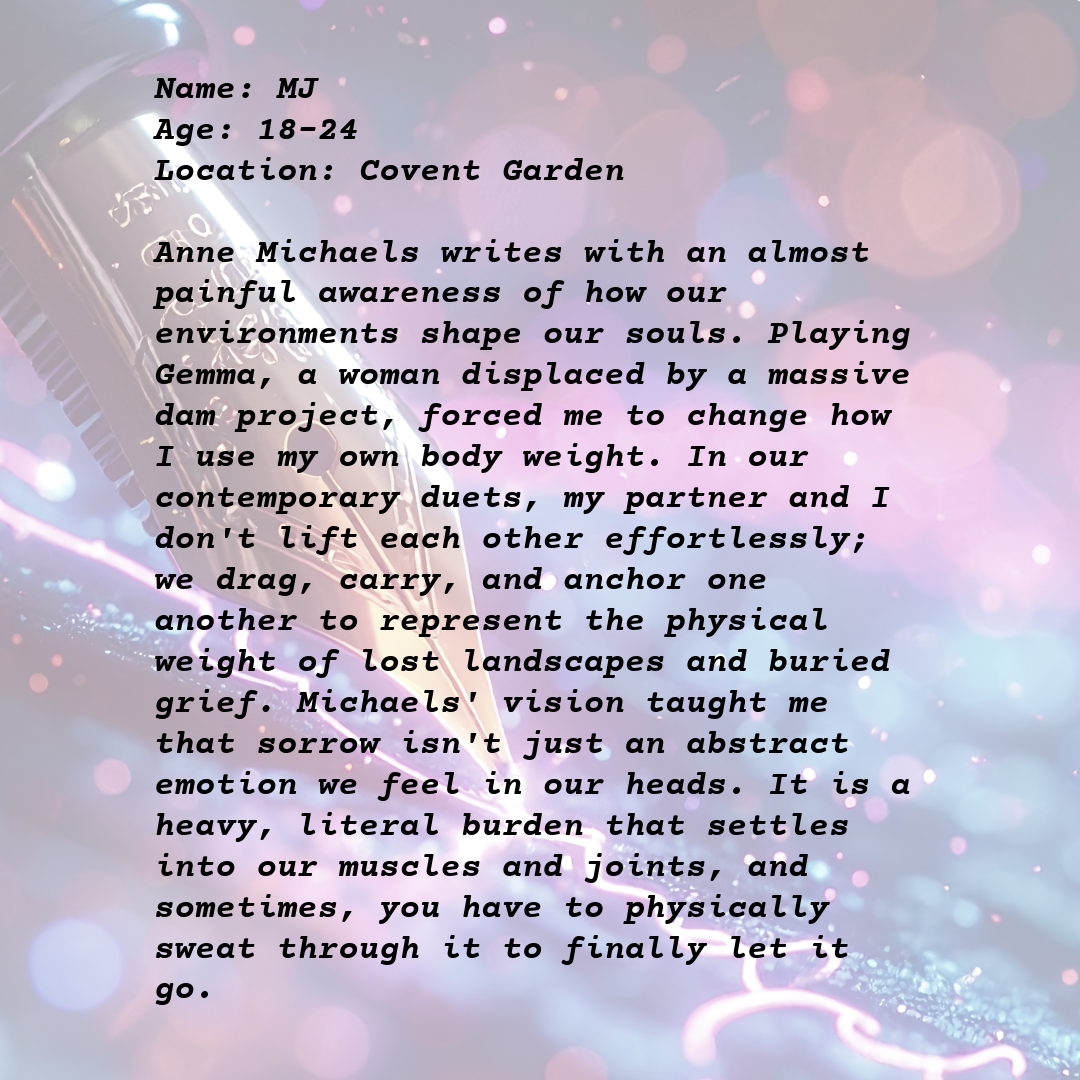
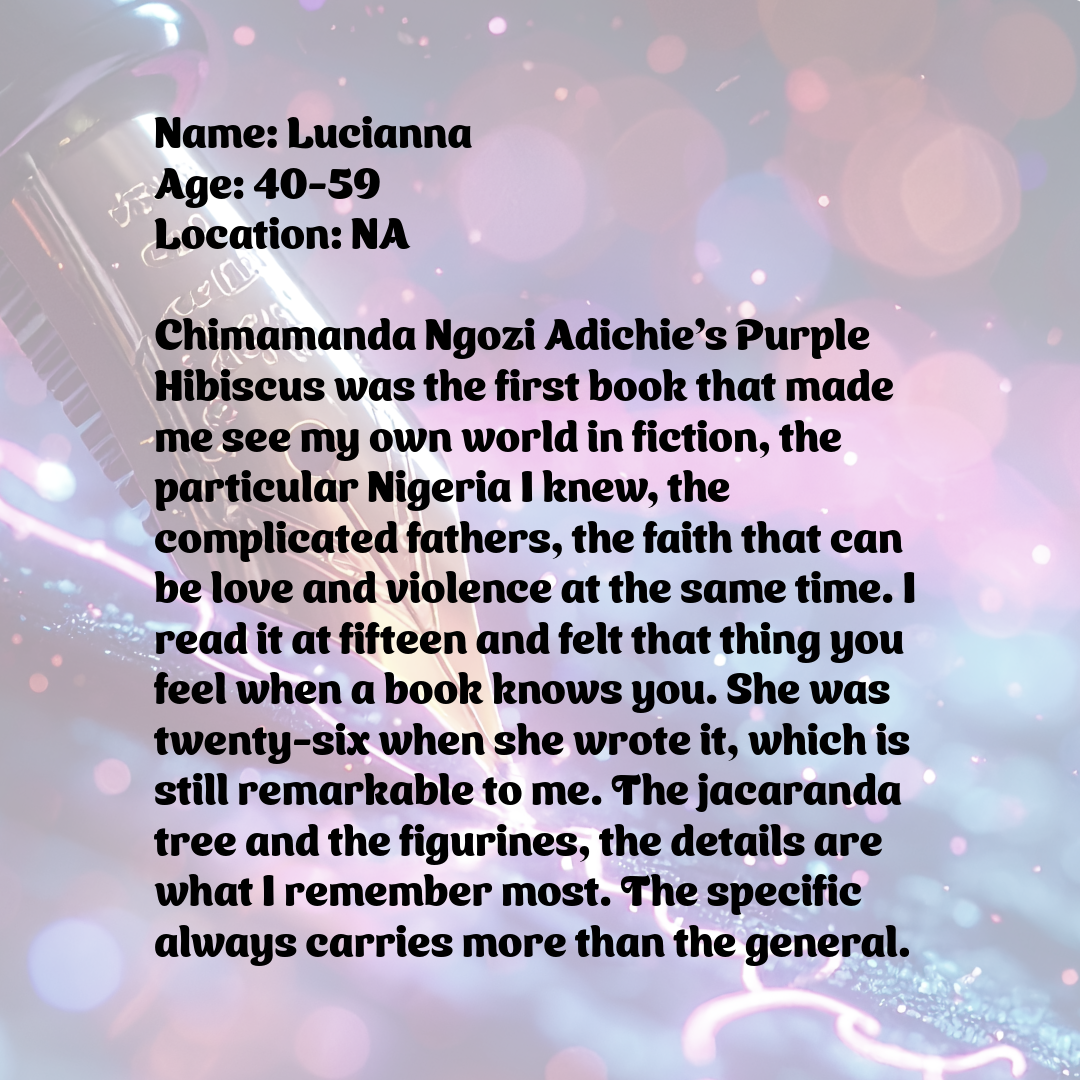
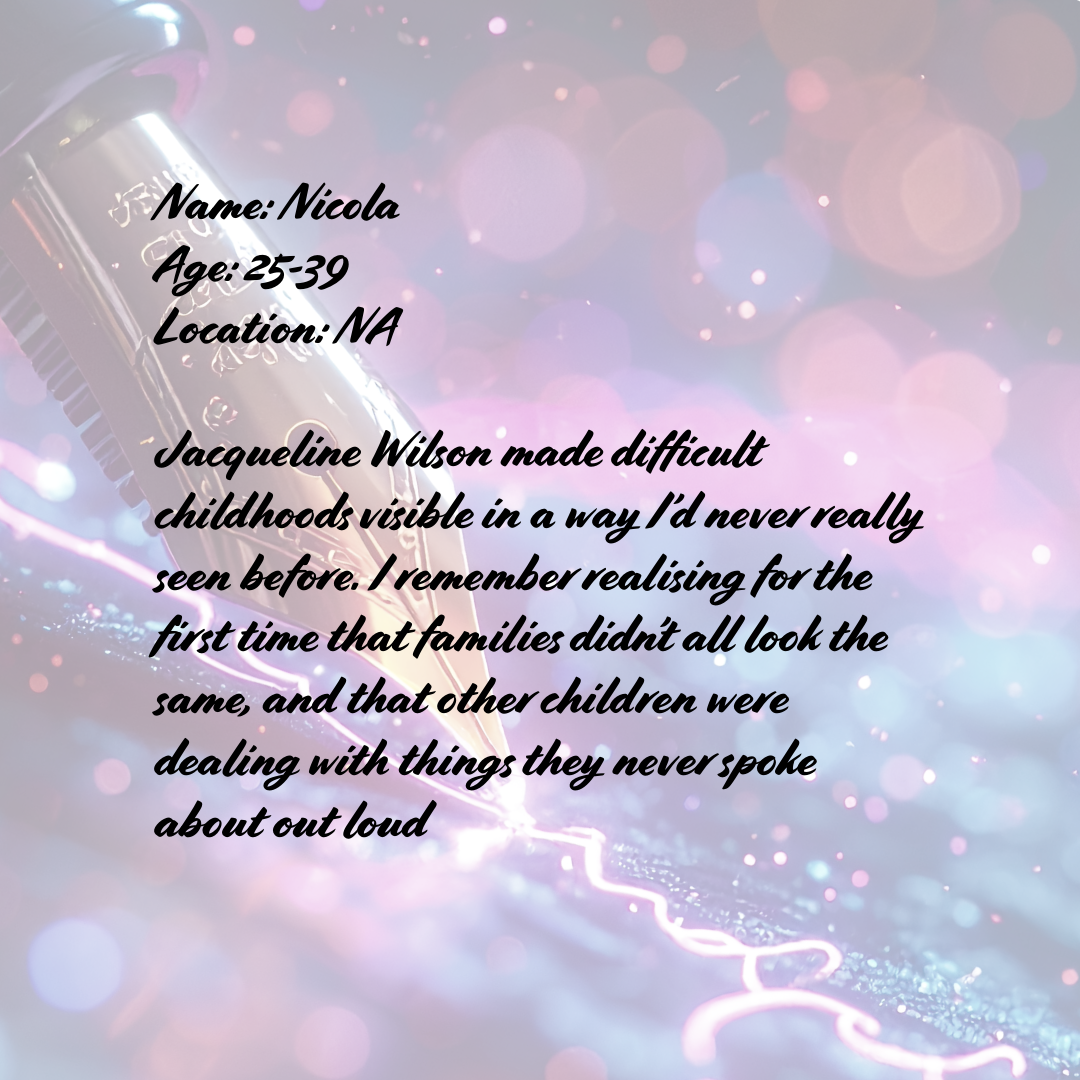
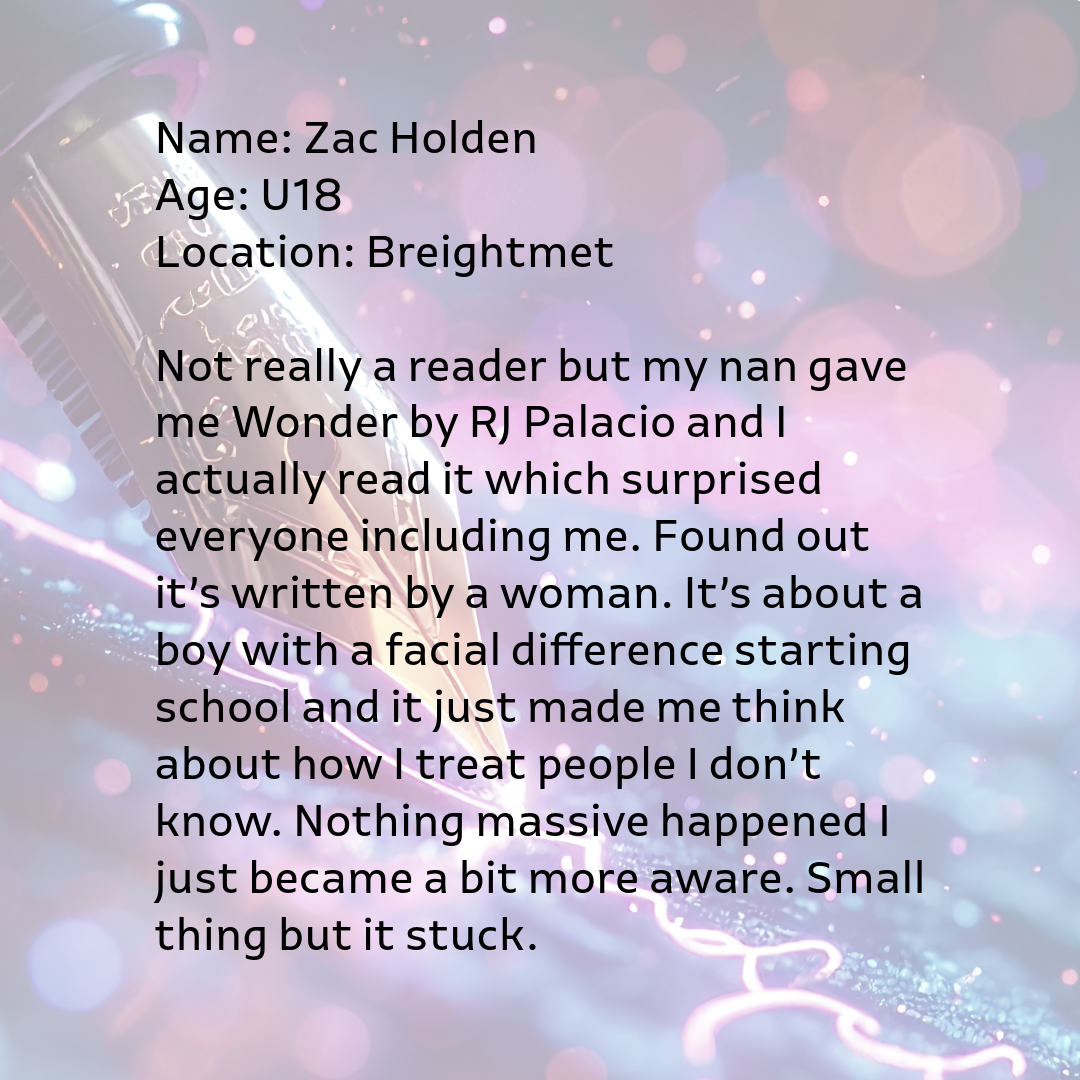
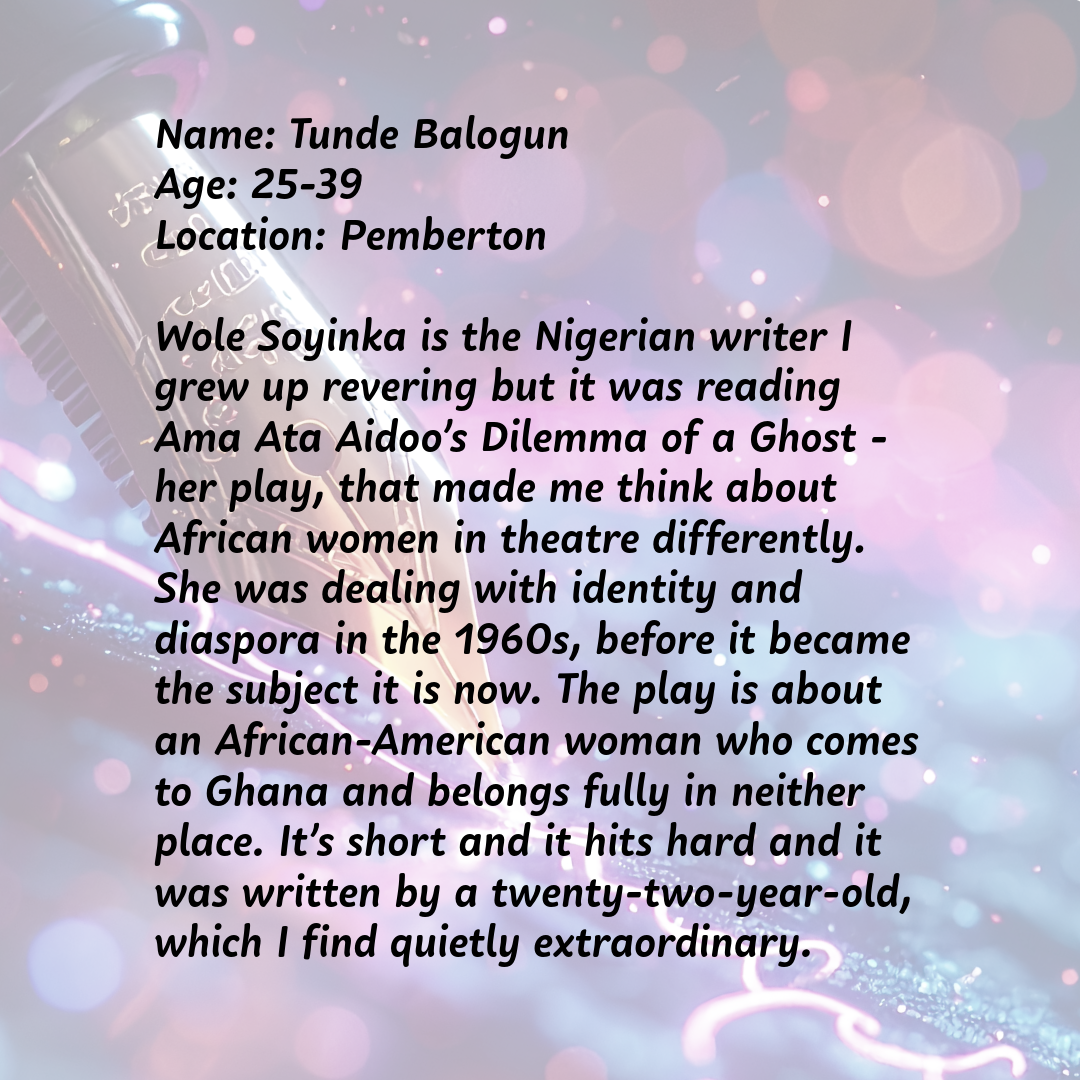
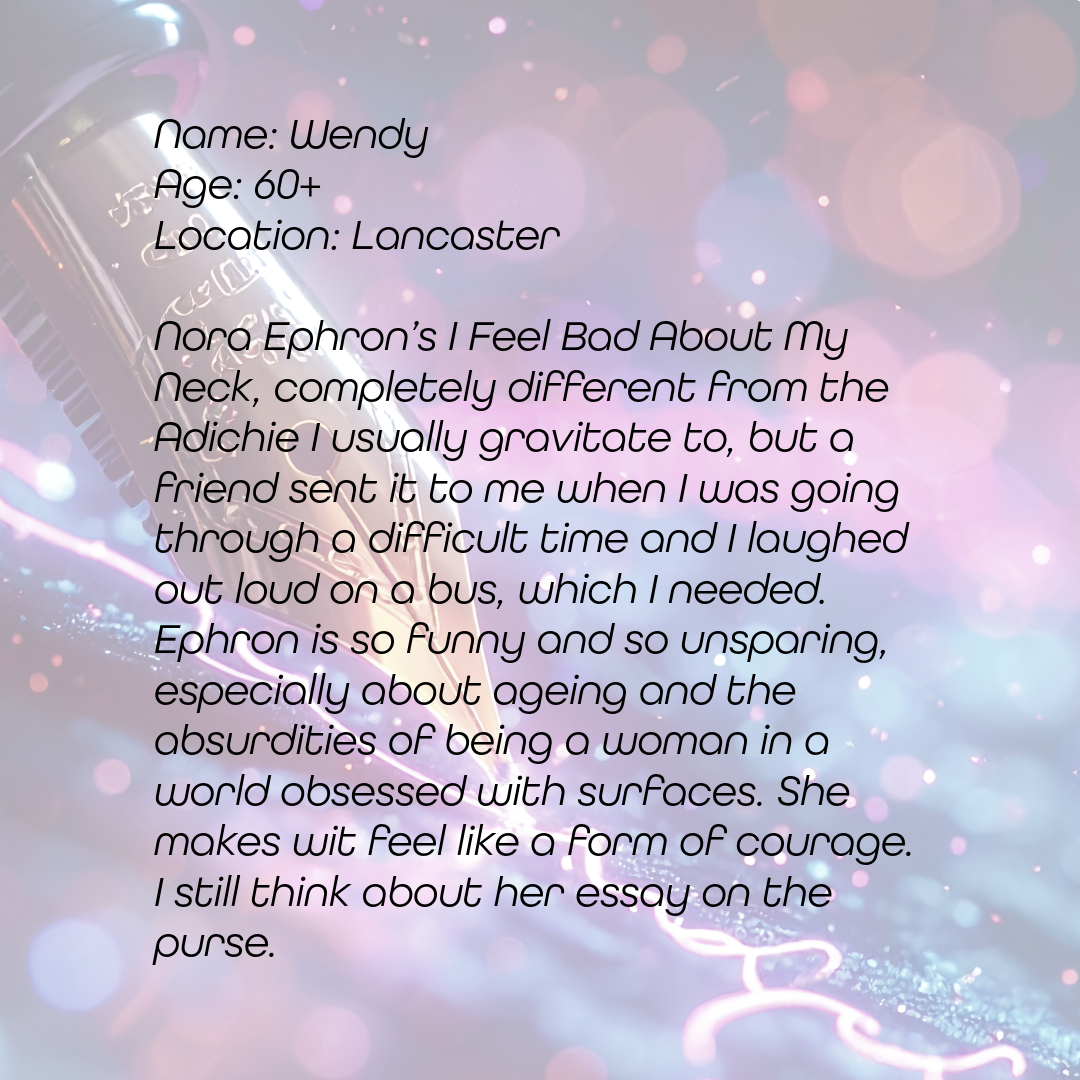
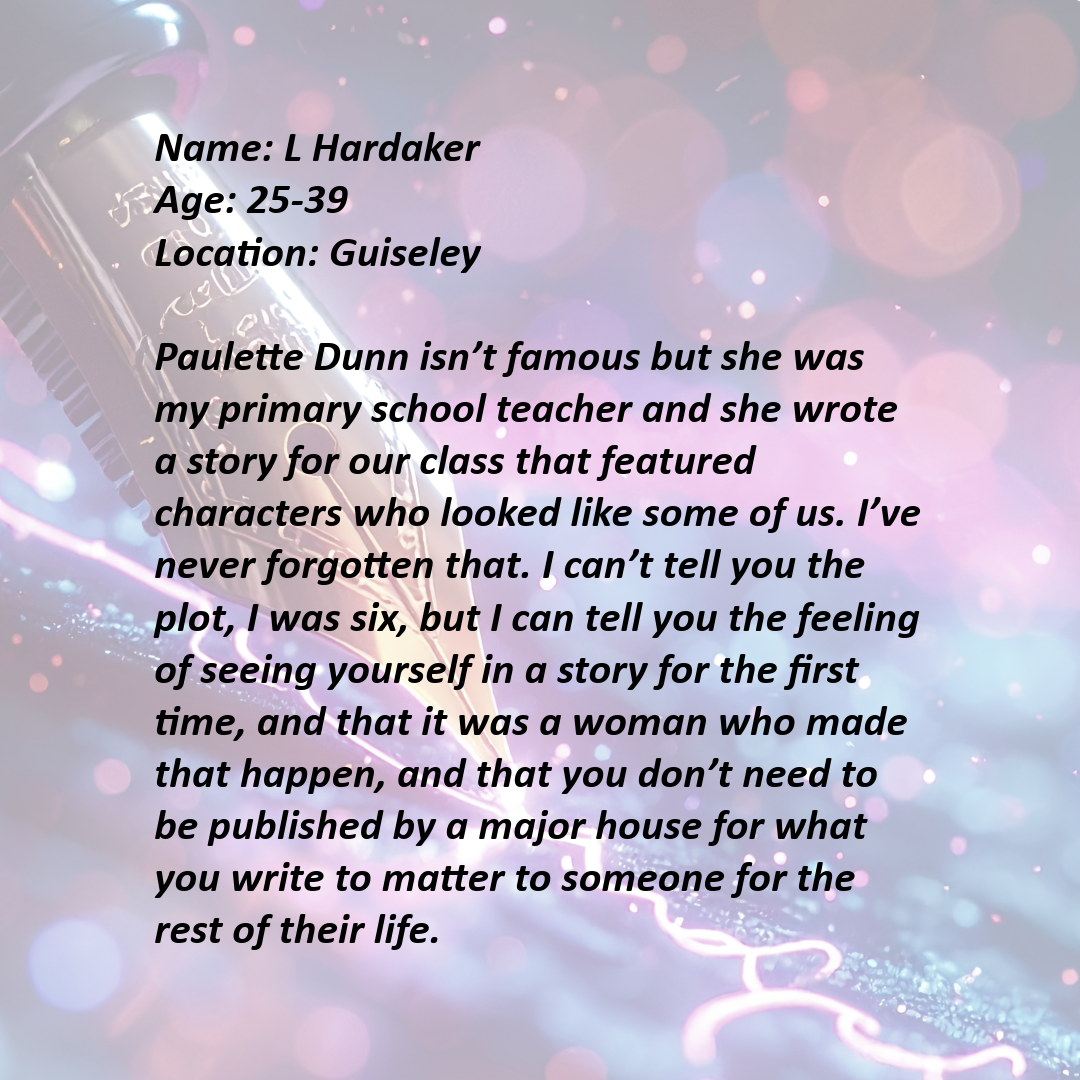
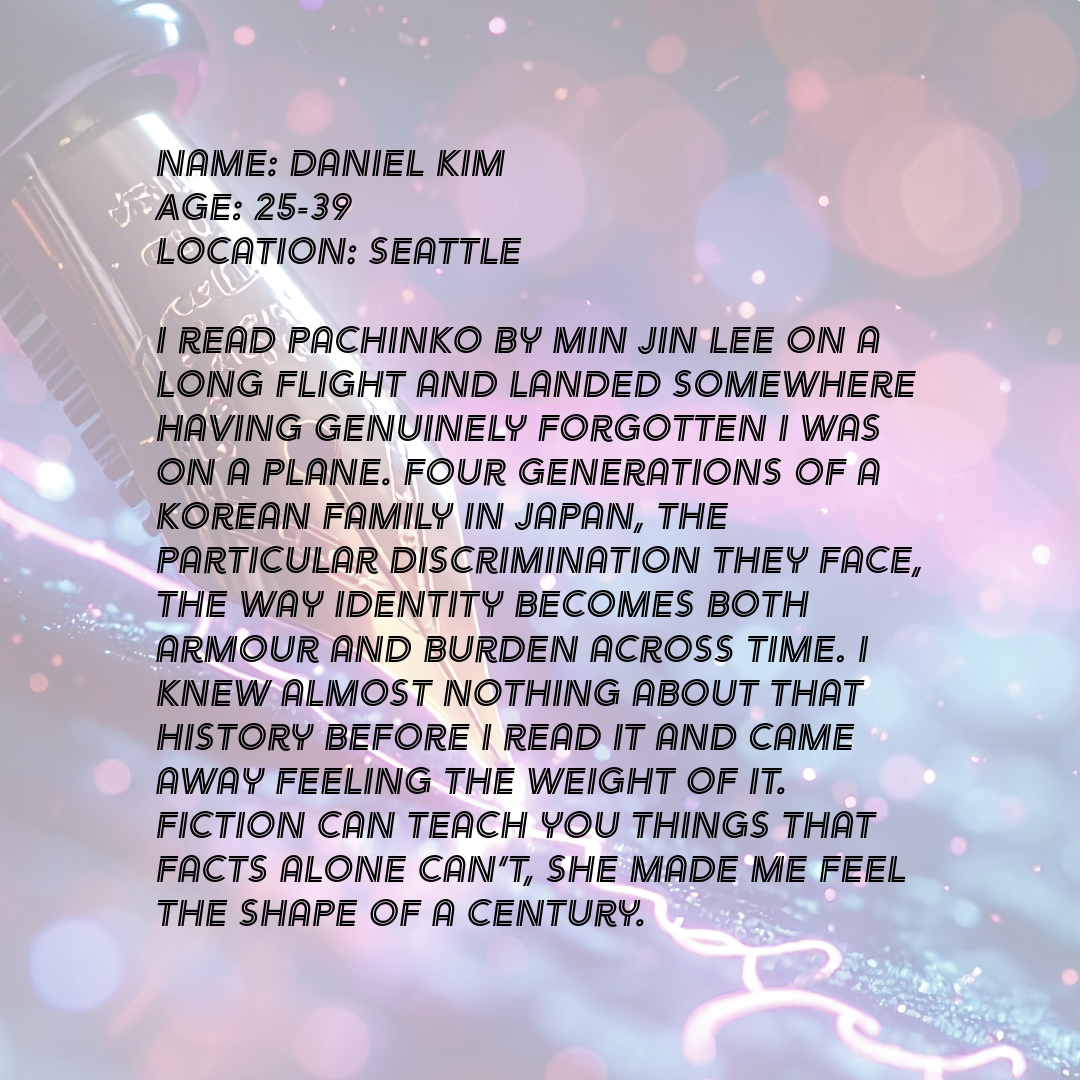
One contributor described seeing the world differently after reading a particular book. Another reflected on how a writer had helped them understand experiences beyond their own. Several people spoke about recognising something of themselves in a story for the first time.
For some, these memories stretched back decades. The details of the story had faded, but the feeling remained.
Reading through the responses, we were reminded that books often stay with us not because we remember every page, but because they become attached to moments in our lives. A book read at the right time can shape how we think about friendship, family, identity, justice, grief, belonging, or hope. Long after we’ve forgotten the ending, we remember what it helped us understand.
What this tells us about reading:
One of the strongest themes to emerge this month was that reading is a way of making meaning.
The books people remembered most vividly were not necessarily the most recent books they had read, nor the ones they considered the most important in a literary sense. They were the books that helped them make sense of something.
Sometimes that was a feeling they had struggled to put into words. Sometimes it was a life experience, a relationship, or a question about who they were. Sometimes it was an encounter with a perspective very different from their own.
Again and again, contributors described moments of recognition and discovery. Reading helped them see themselves differently, understand someone else more deeply, or find language for an experience they had never quite been able to explain.
This matters because conversations about reading often focus on what books teach us, or the skills they help us develop. Those things are important. But the responses to this month’s prompt remind us of another kind of value.
Reading helps us interpret our lives.
It helps us connect our own experiences to those of other people. It gives us stories, ideas and language that we carry into conversations, relationships and communities. Through reading, we don’t just absorb information, we create meaning.
That is part of the social and cultural value of reading.
It can be found in the books we recommend to friends, the stories we return to at different stages of our lives, and the writers whose words continue to shape how we understand ourselves and the world around us.
The responses to this month’s prompt show that writing by women continues to do exactly that. Not through dramatic transformations, but through countless small moments of connection, reflection and recognition.
Thank you to everyone who shared a response with us this month. You’ve created a rich picture of the many ways reading leaves its mark on our lives.

































Great content! Keep up the good work!