
Chapter Three: Memorable Characters
Who Do You Remember? What Our Community Told Us About Memorable Characters
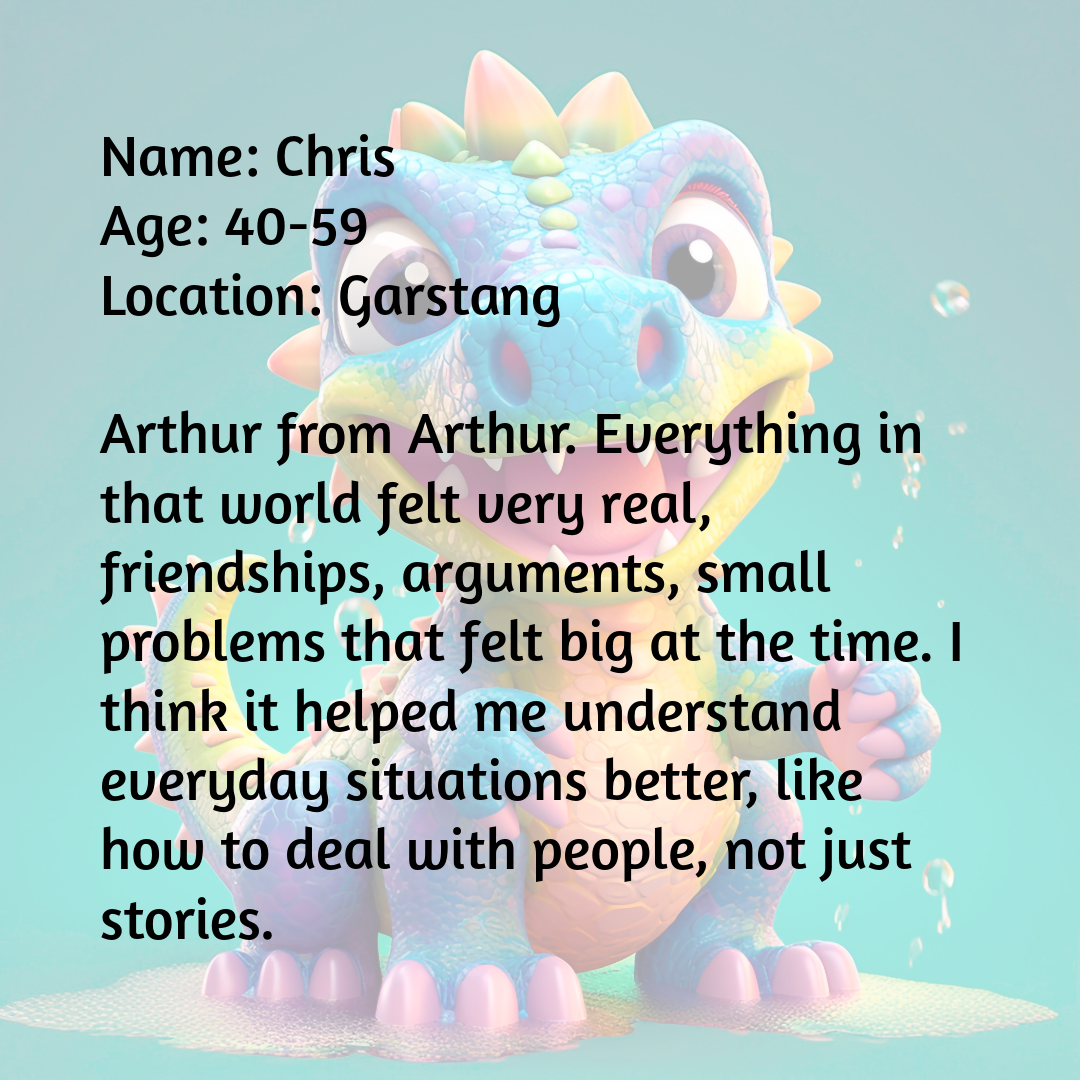
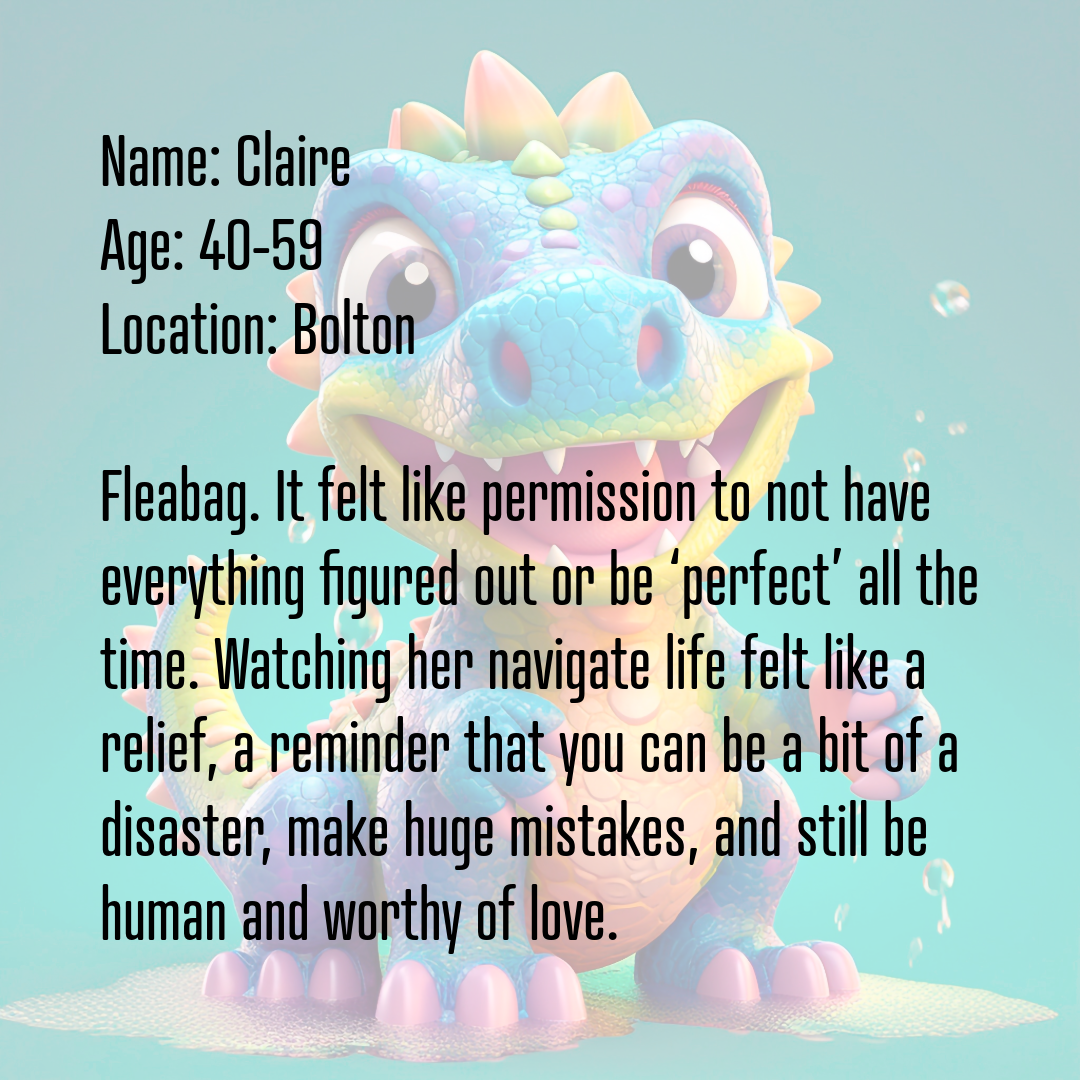
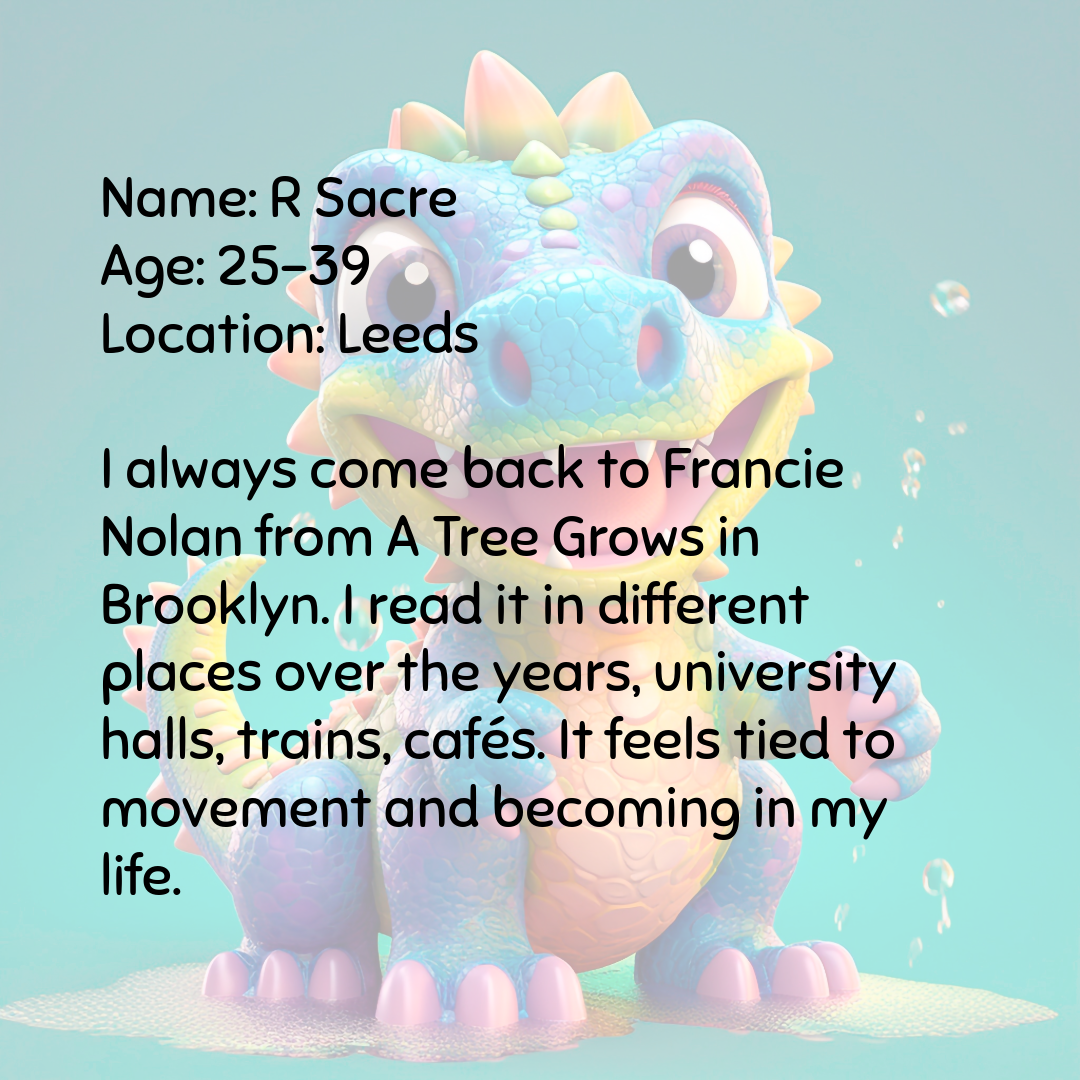
Last month we asked a simple question: think of a character you vividly remember from a book or story. What were they like, and why do you think they stayed with you?
We didn’t expect simple answers. And we didn’t get them.
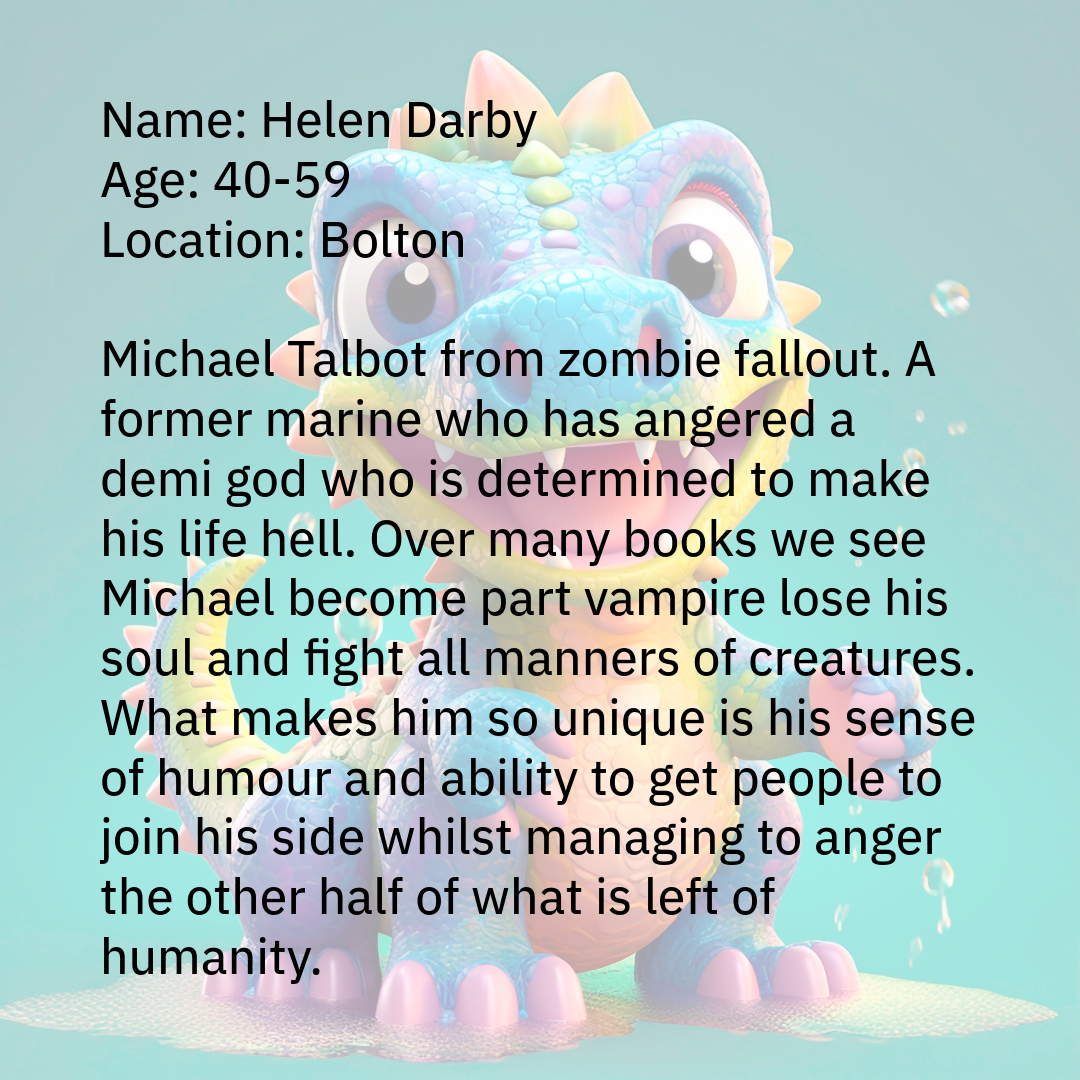
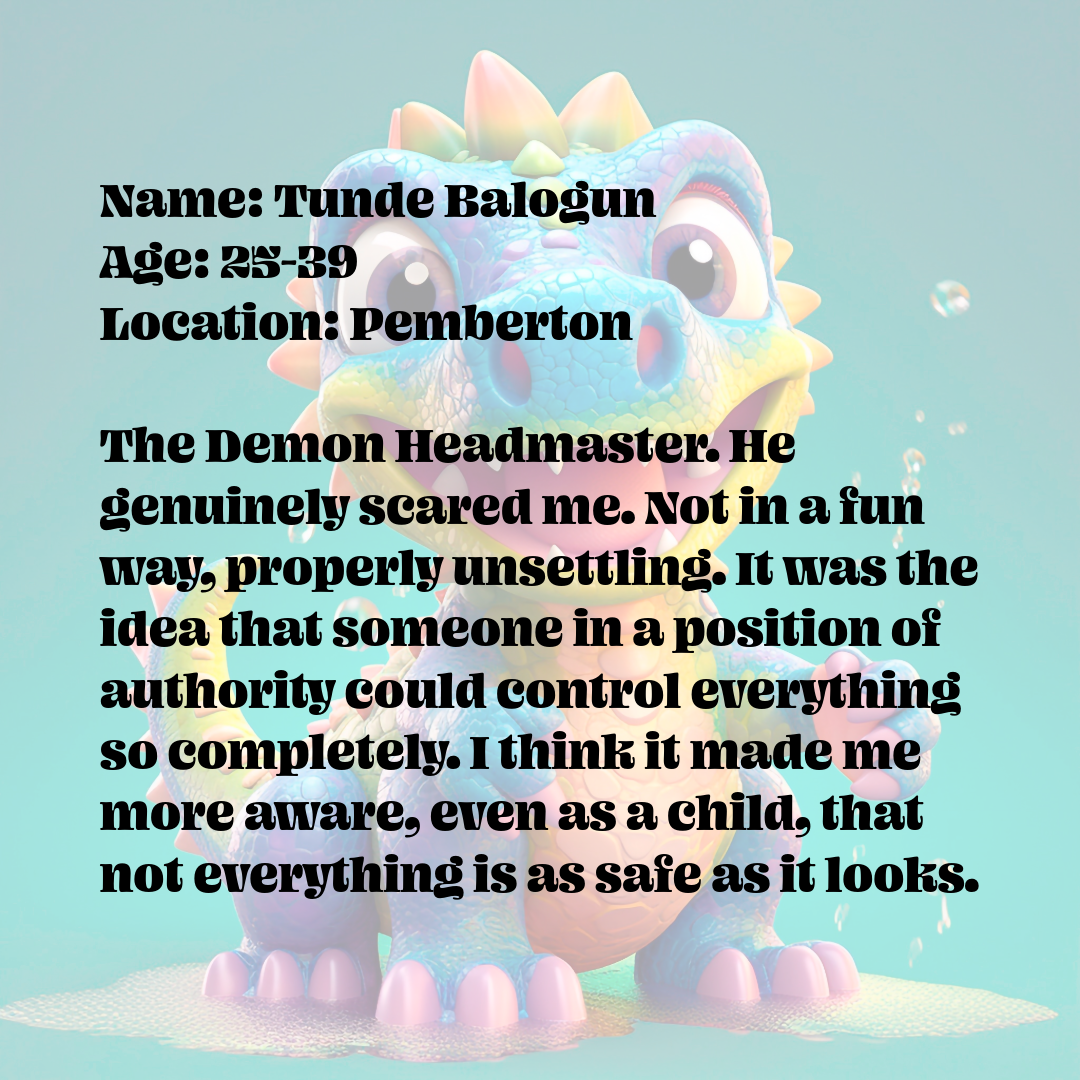
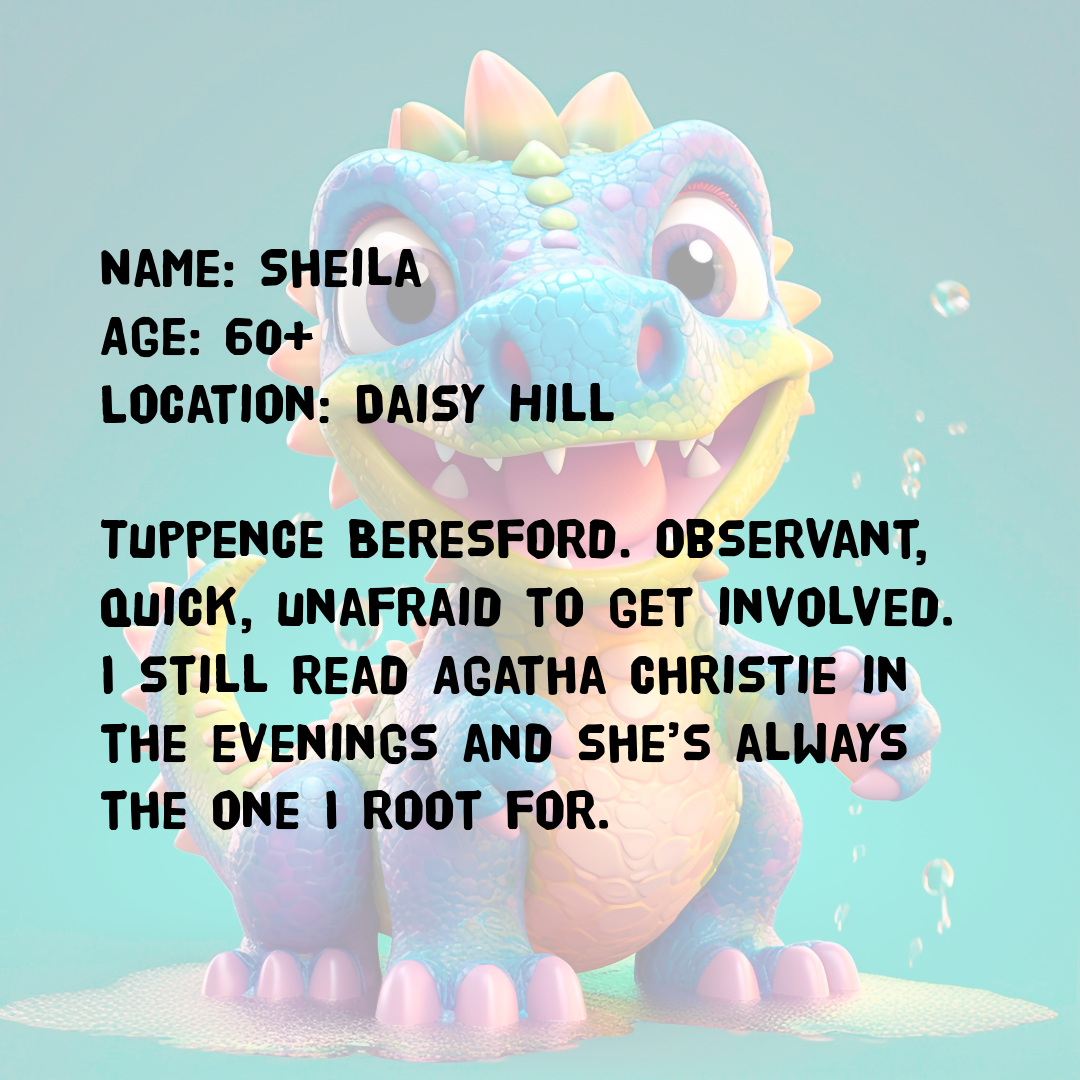
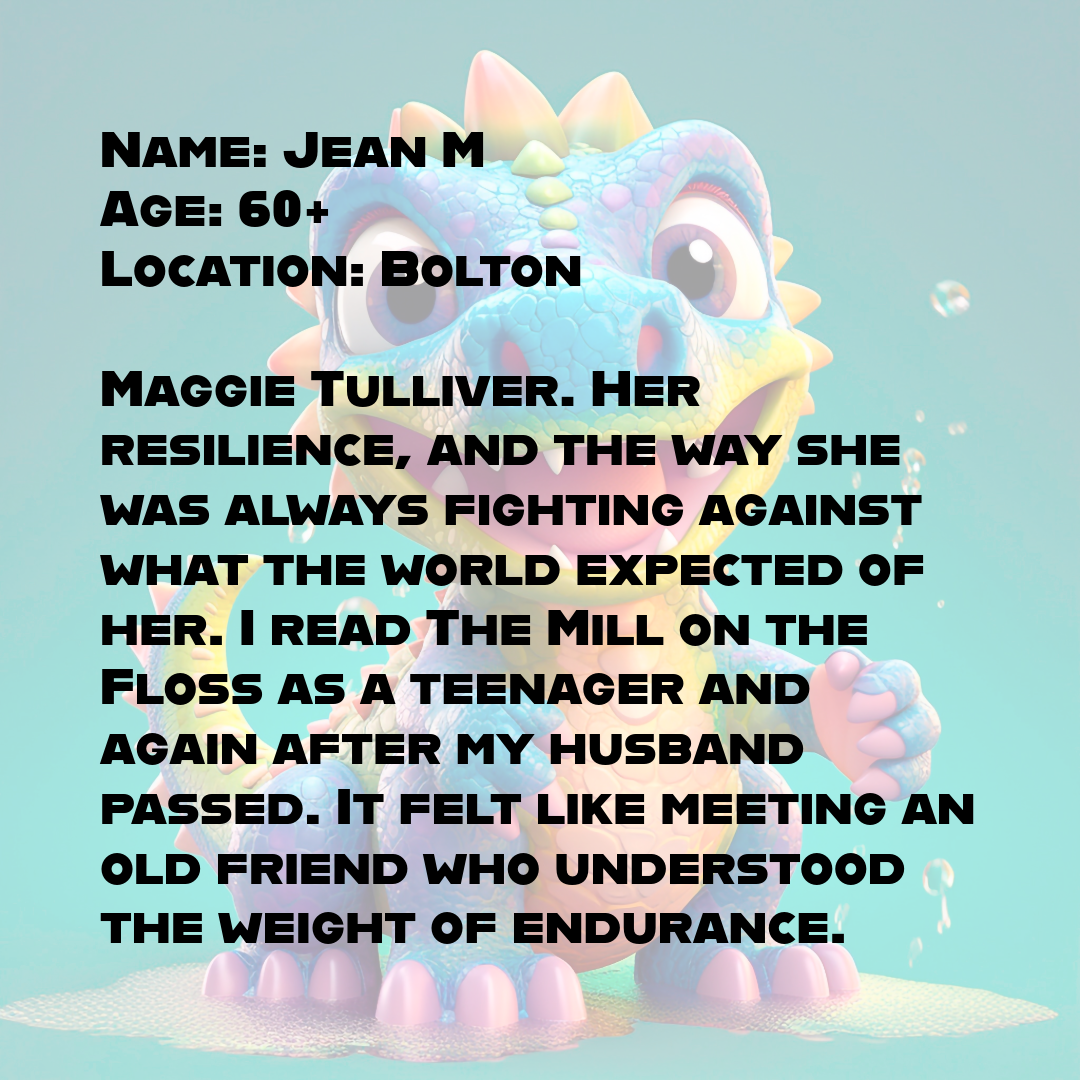
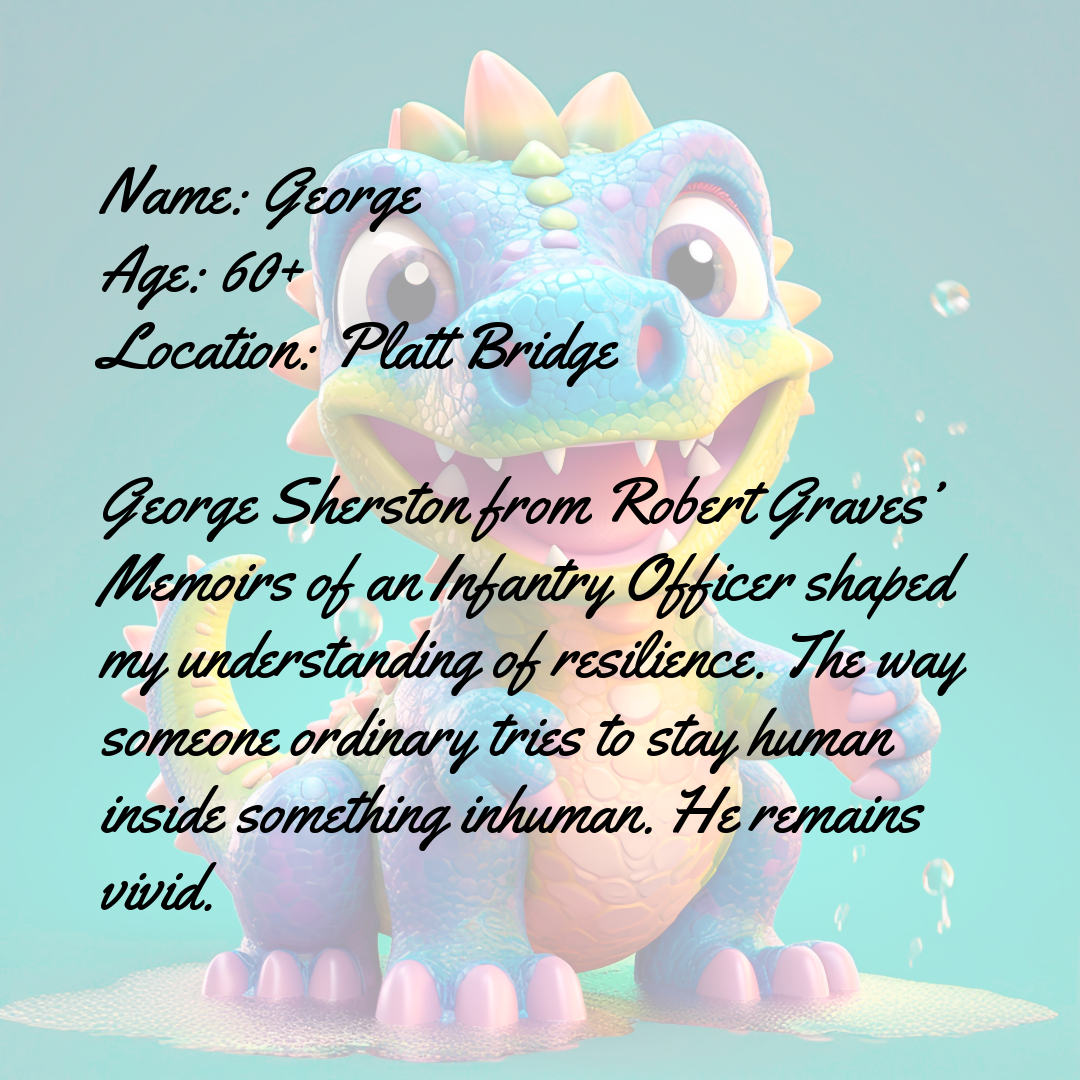
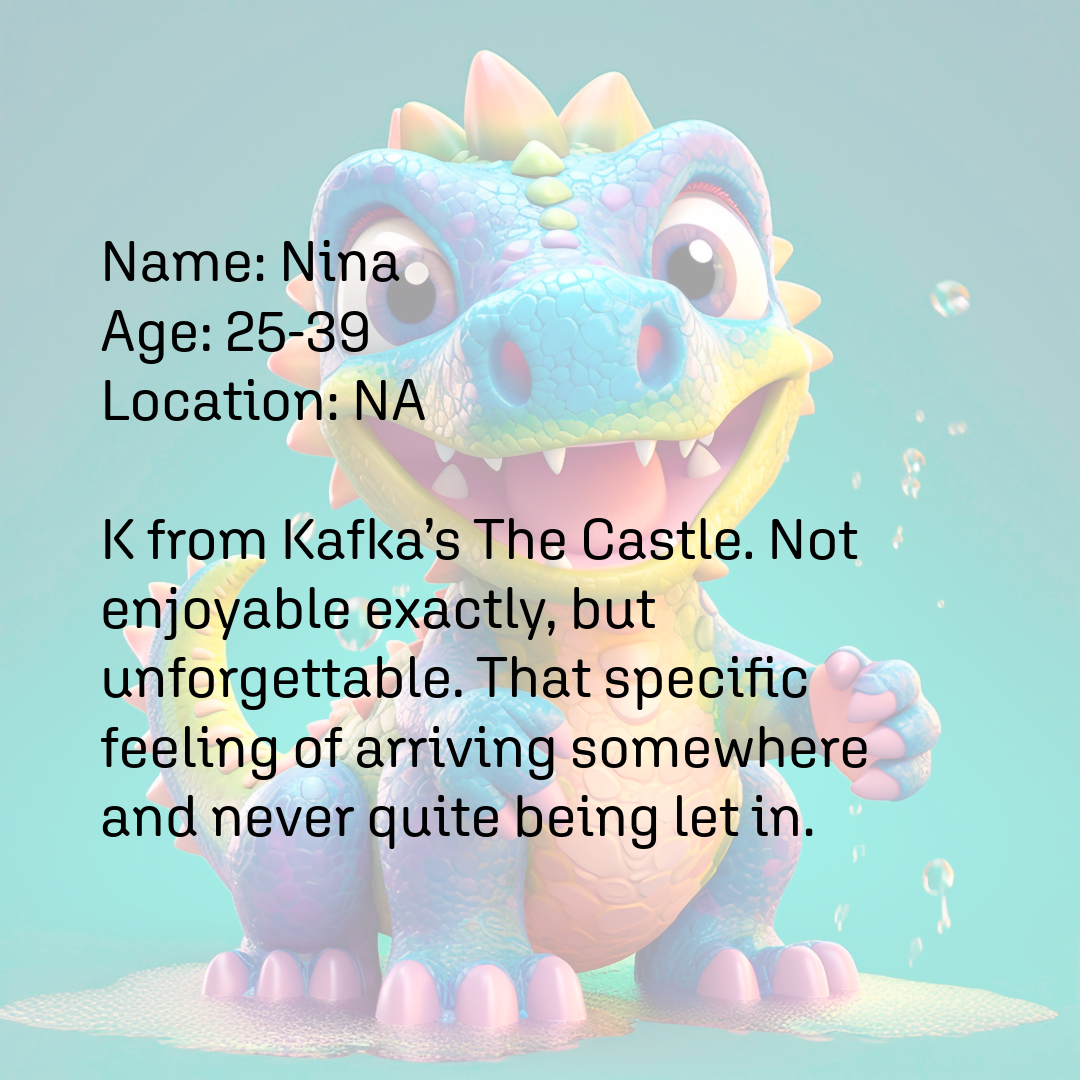
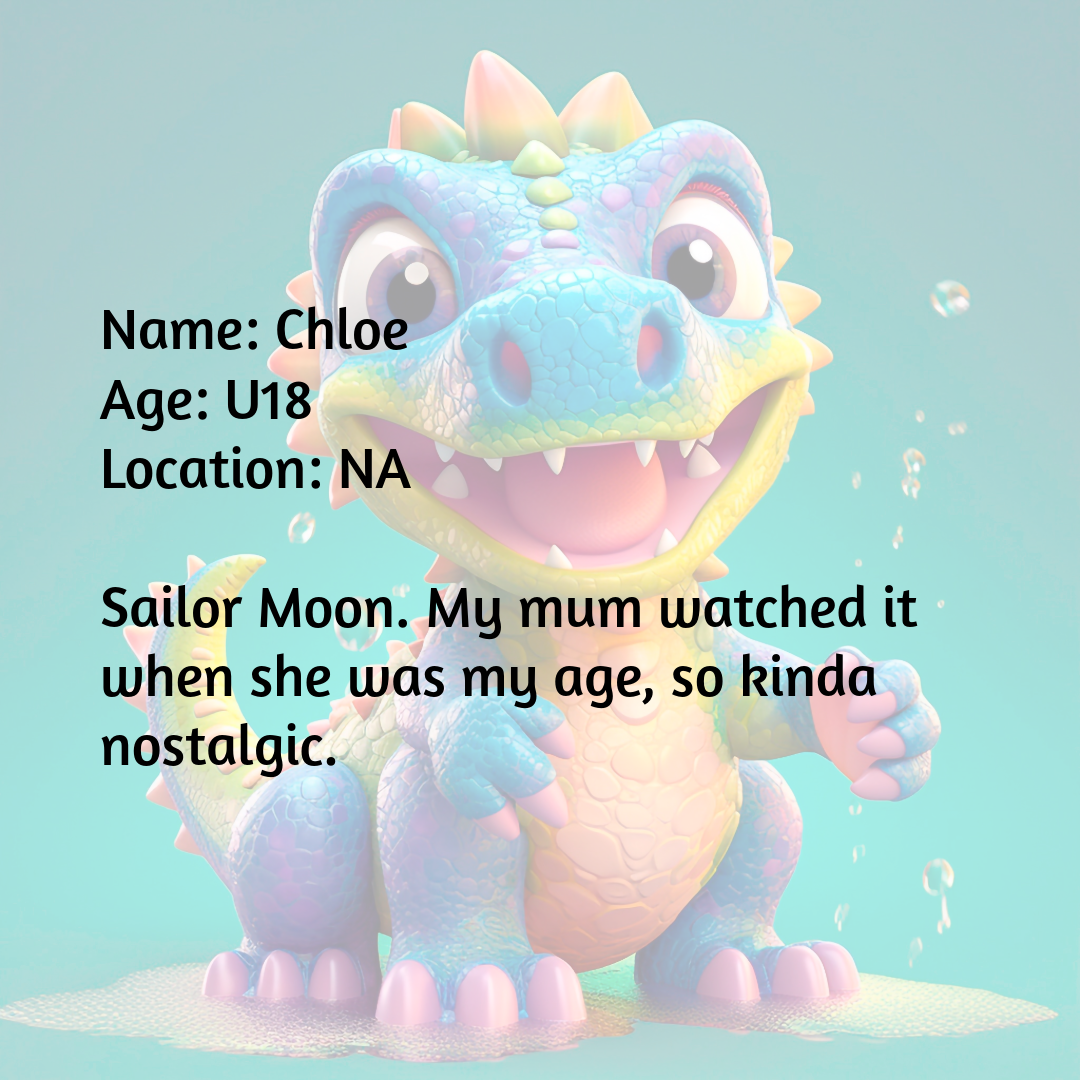
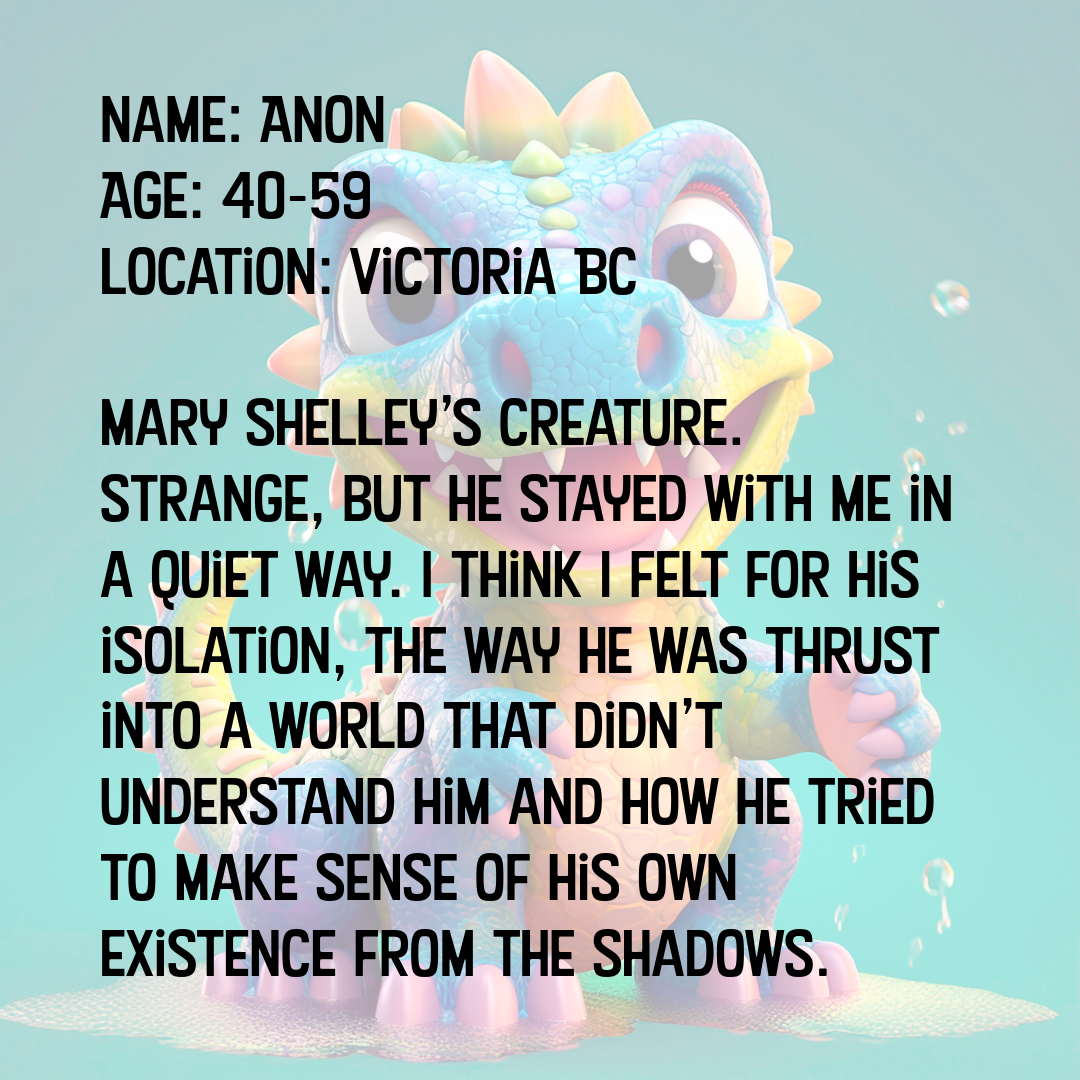
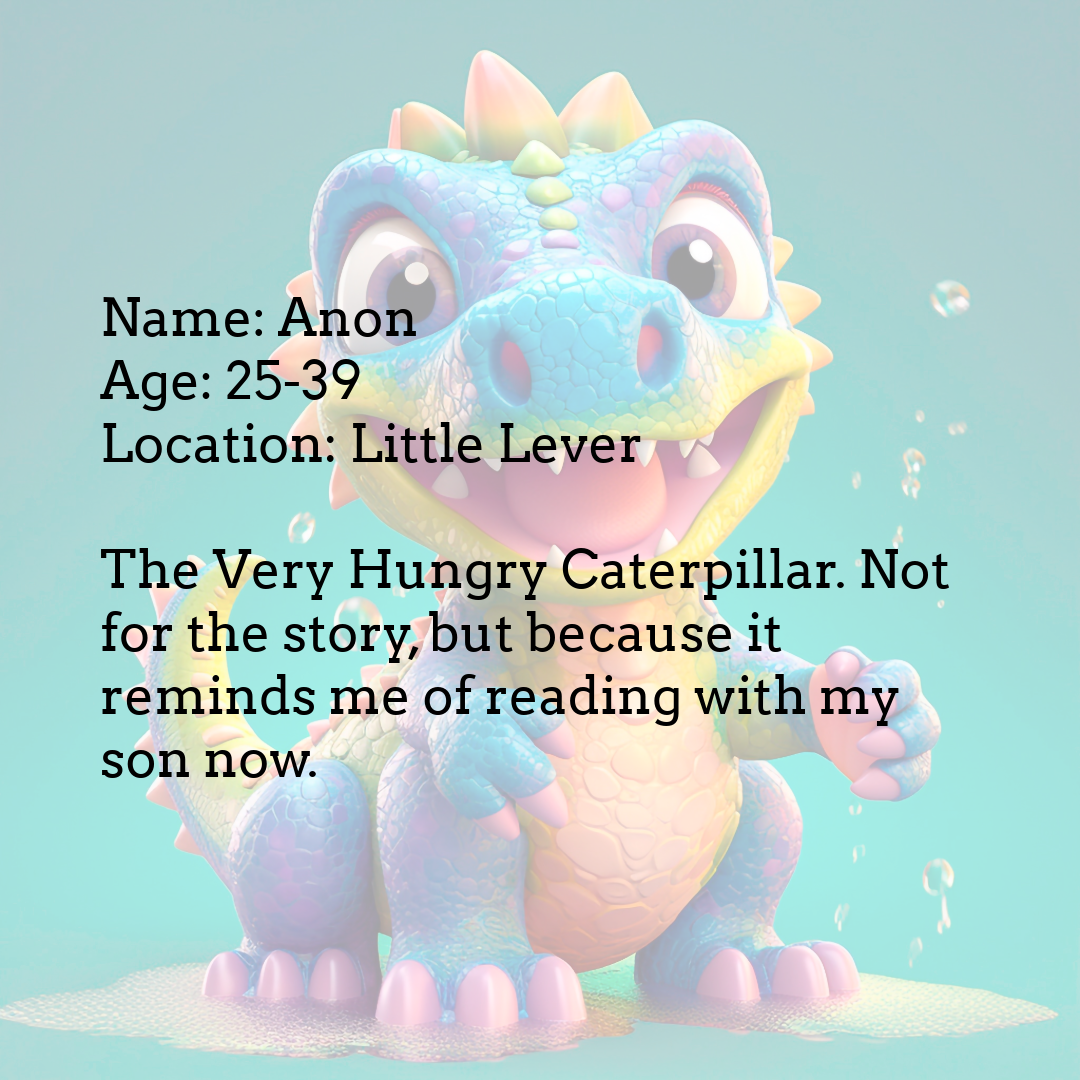
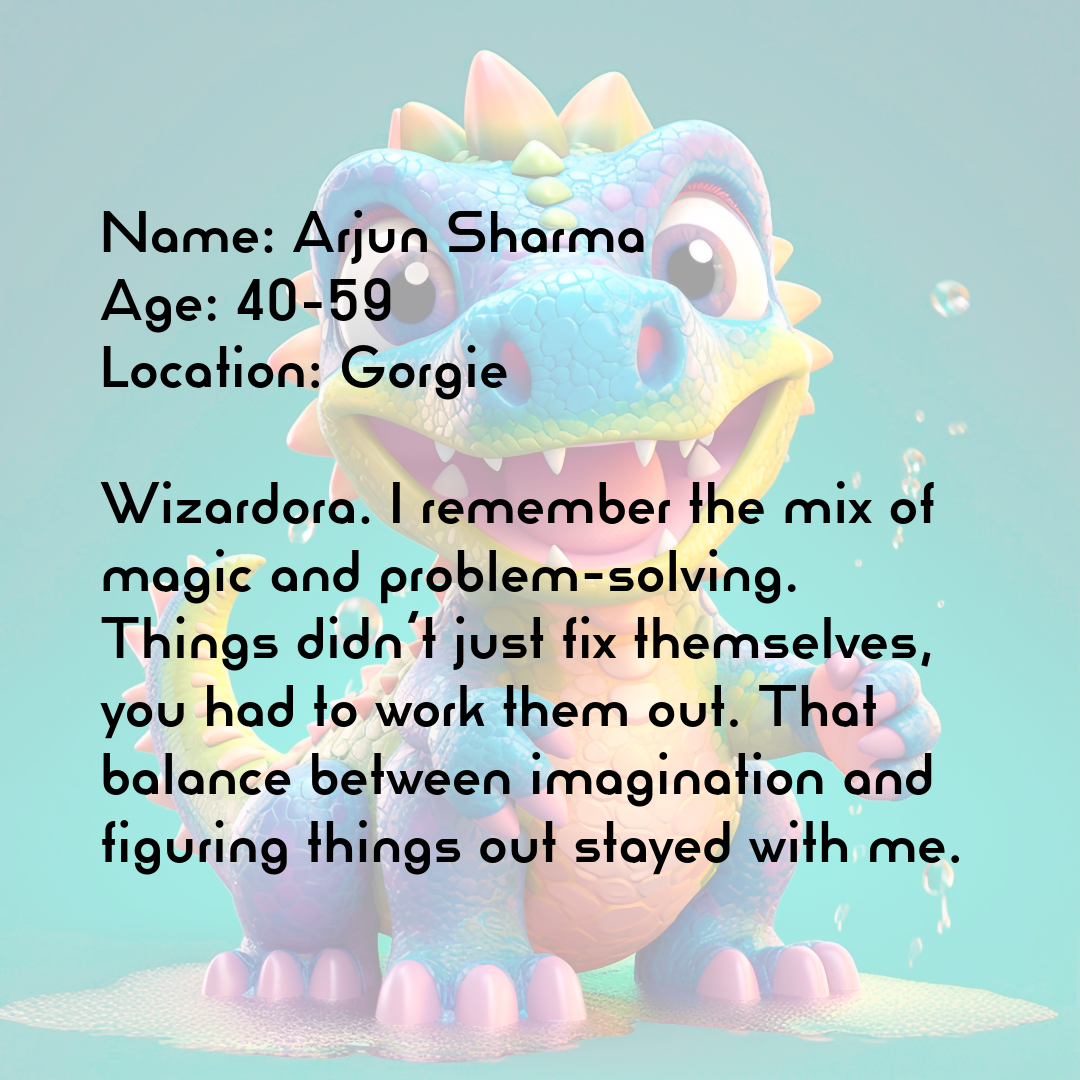
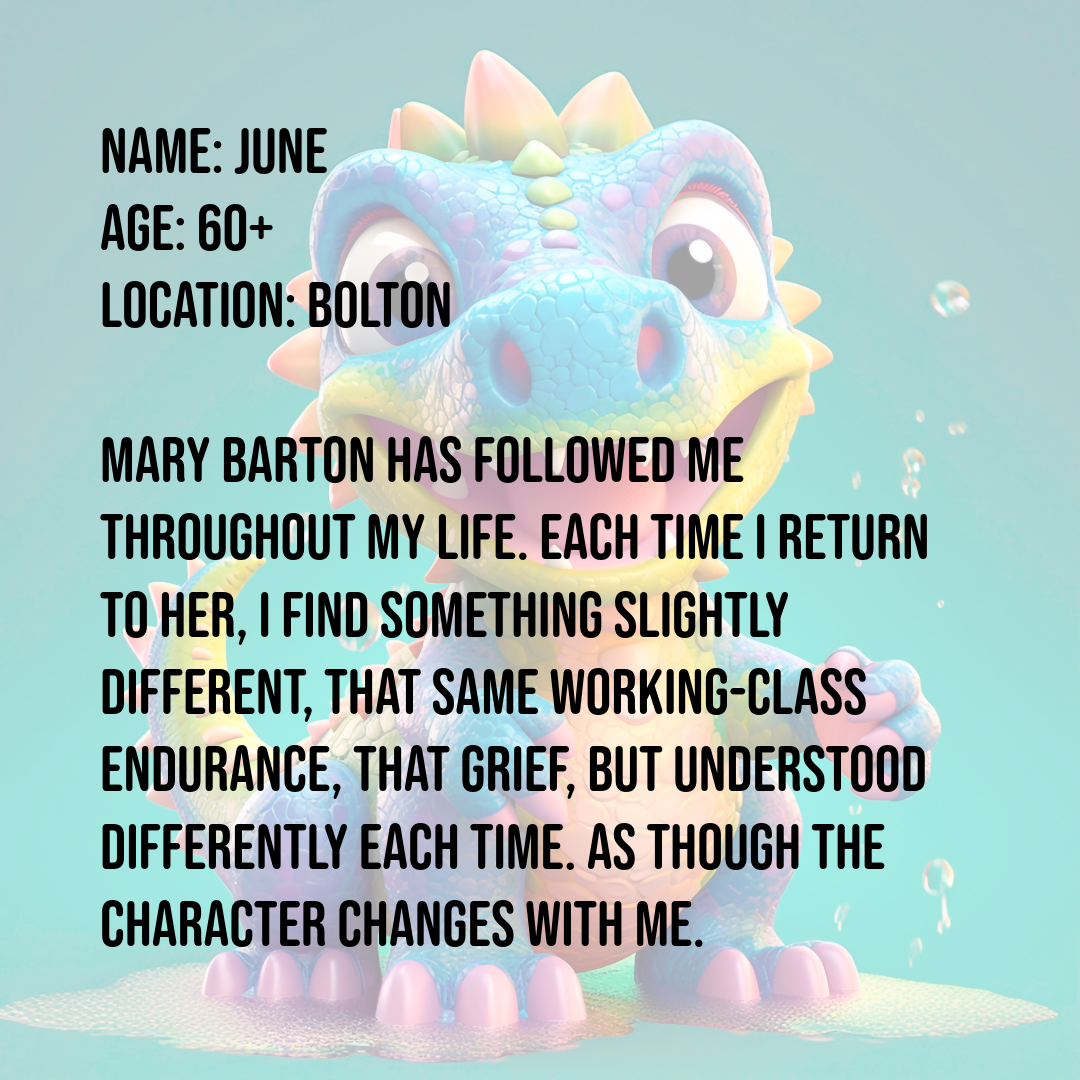
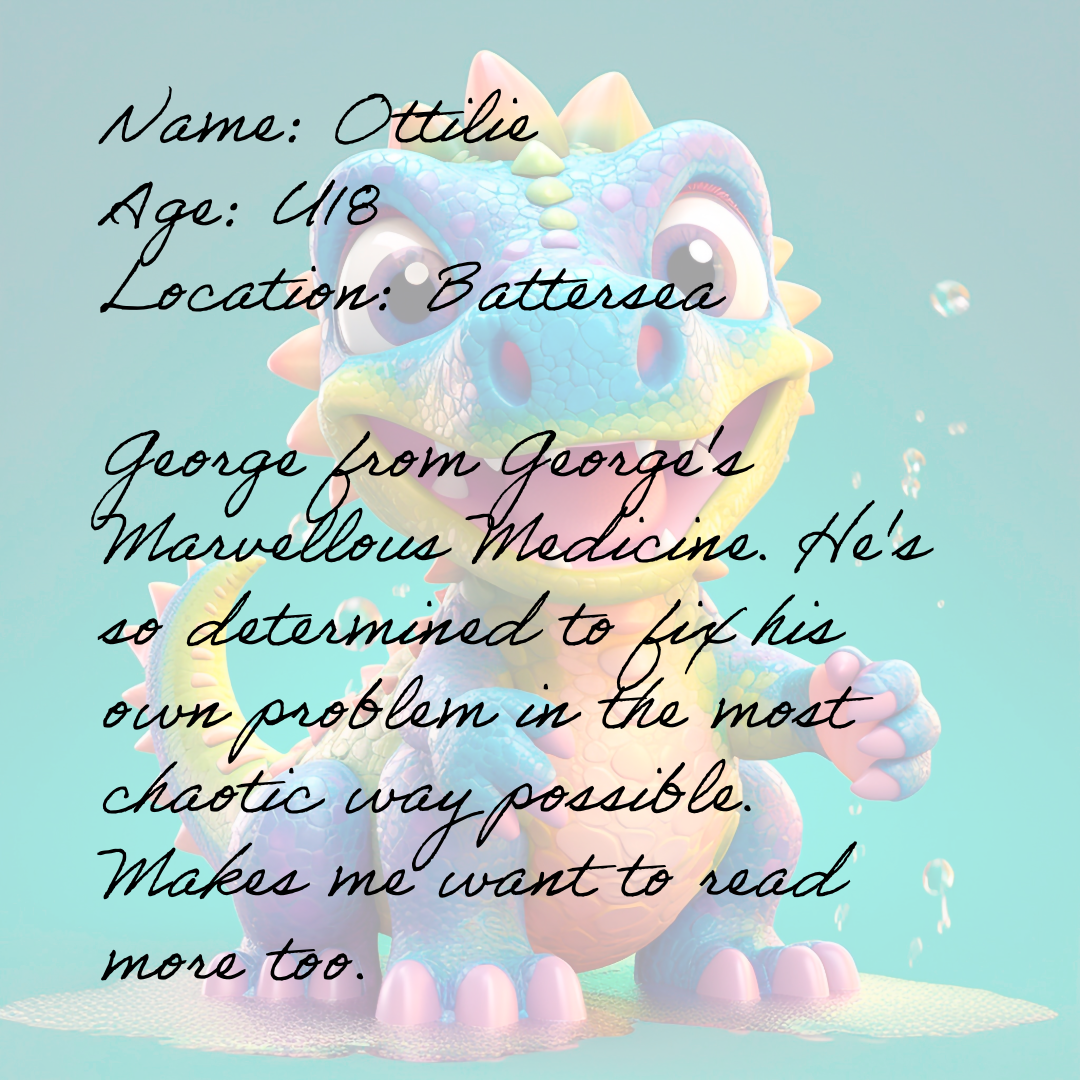
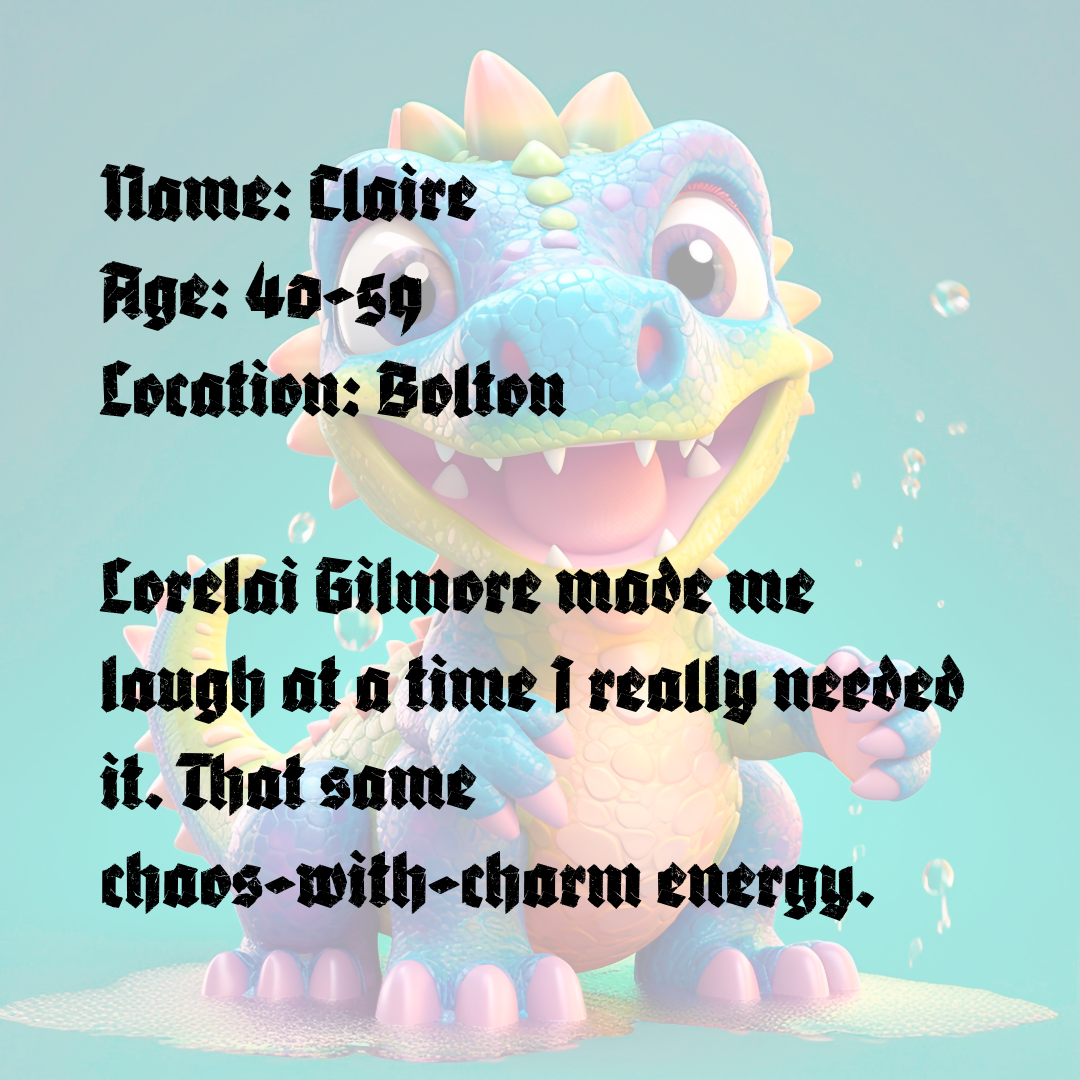
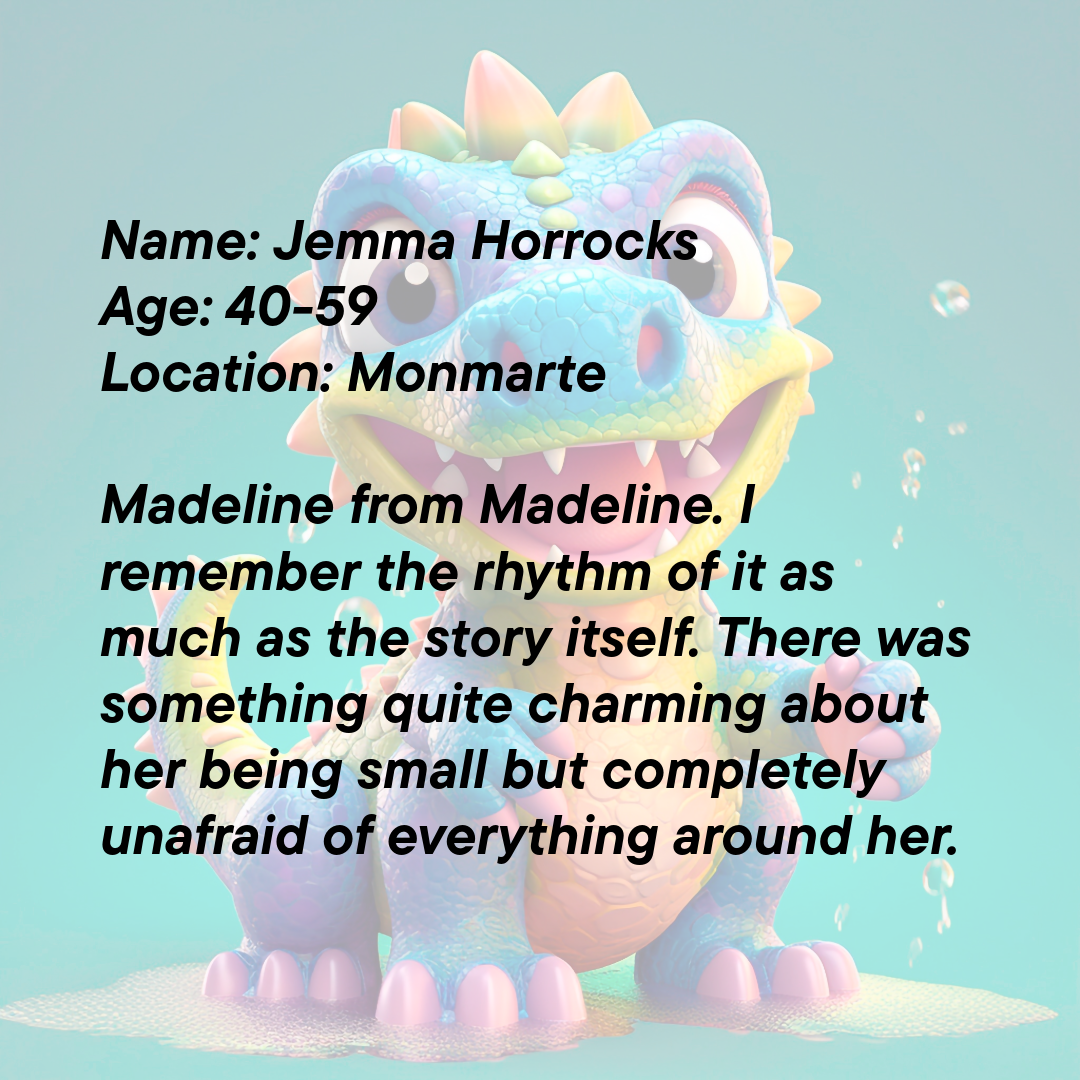
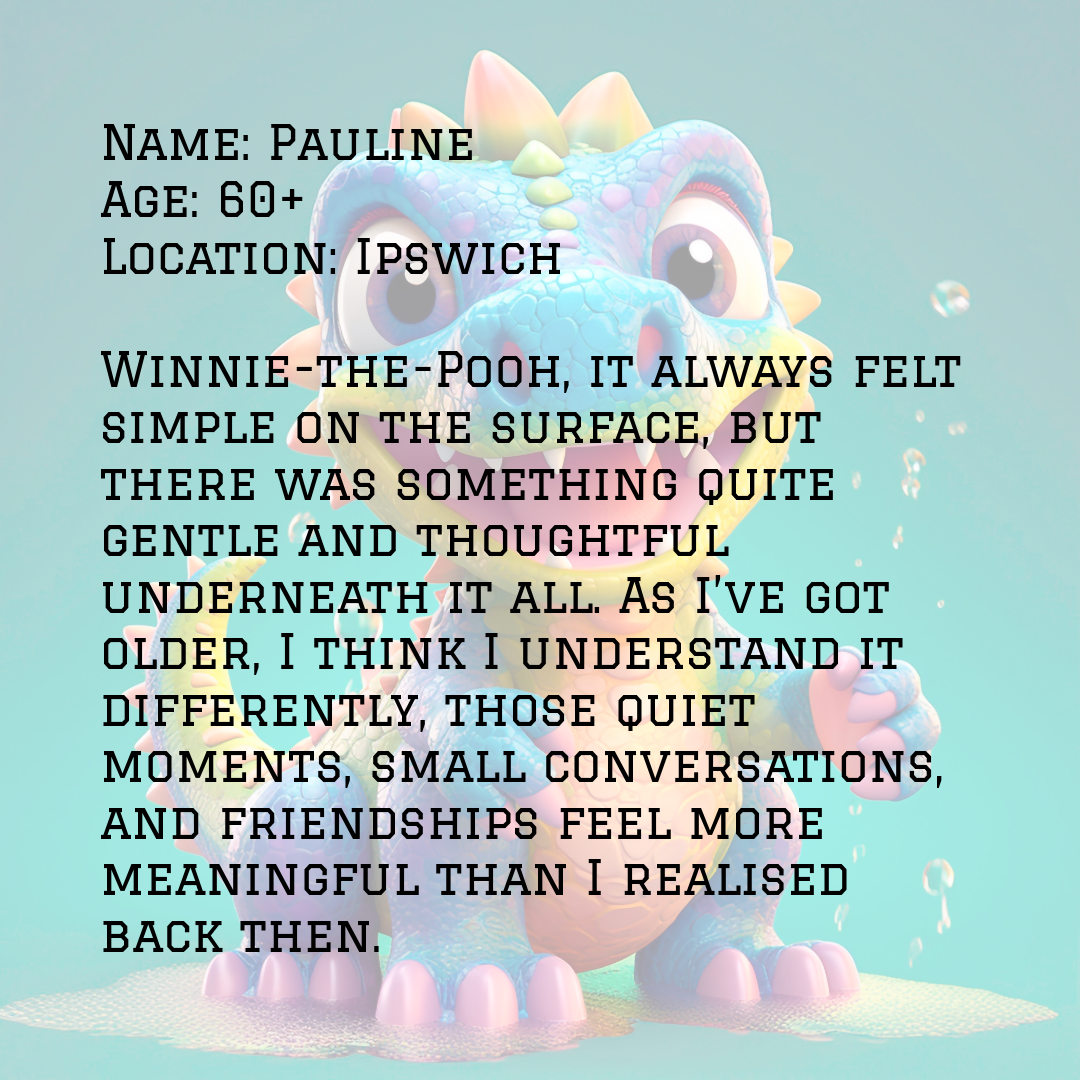
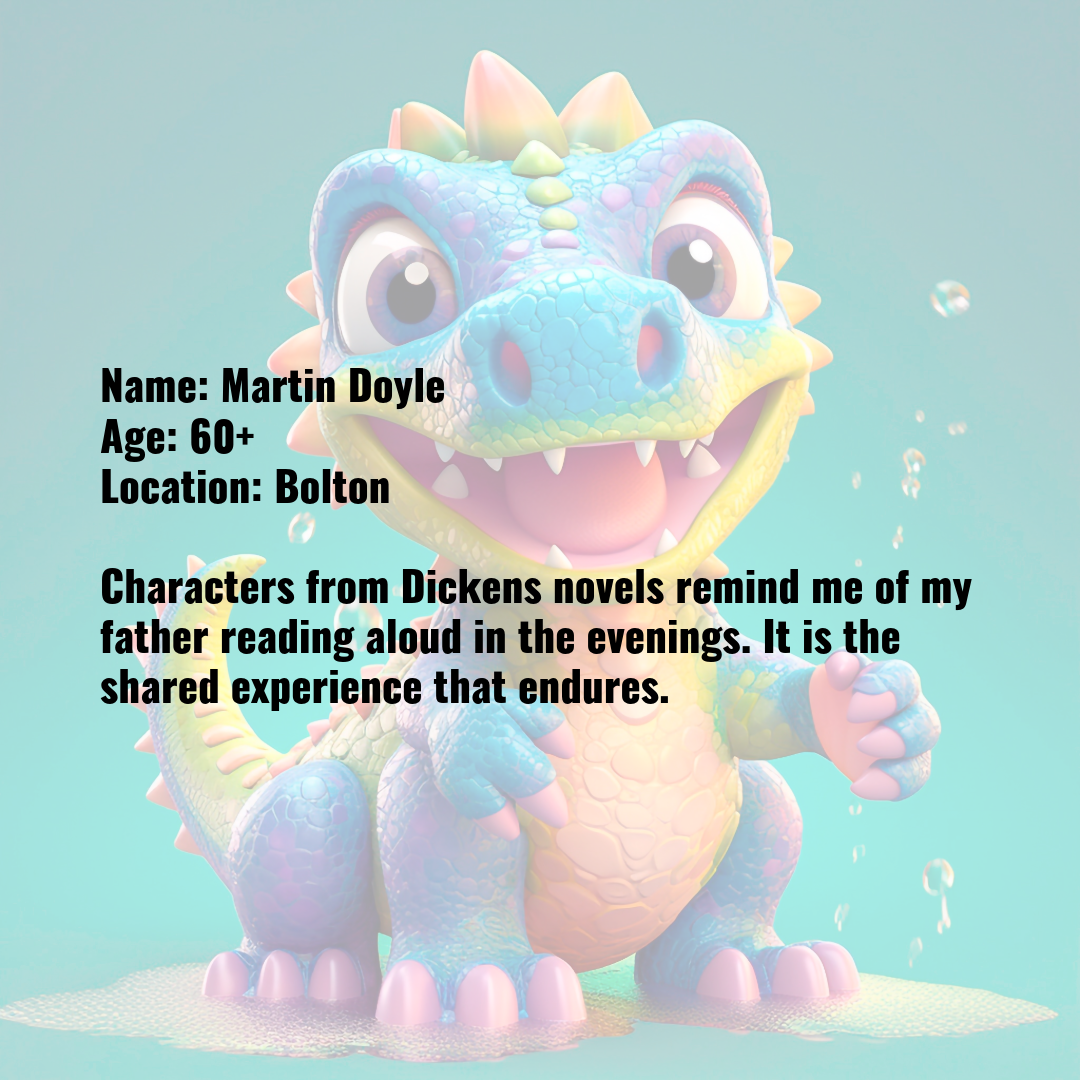
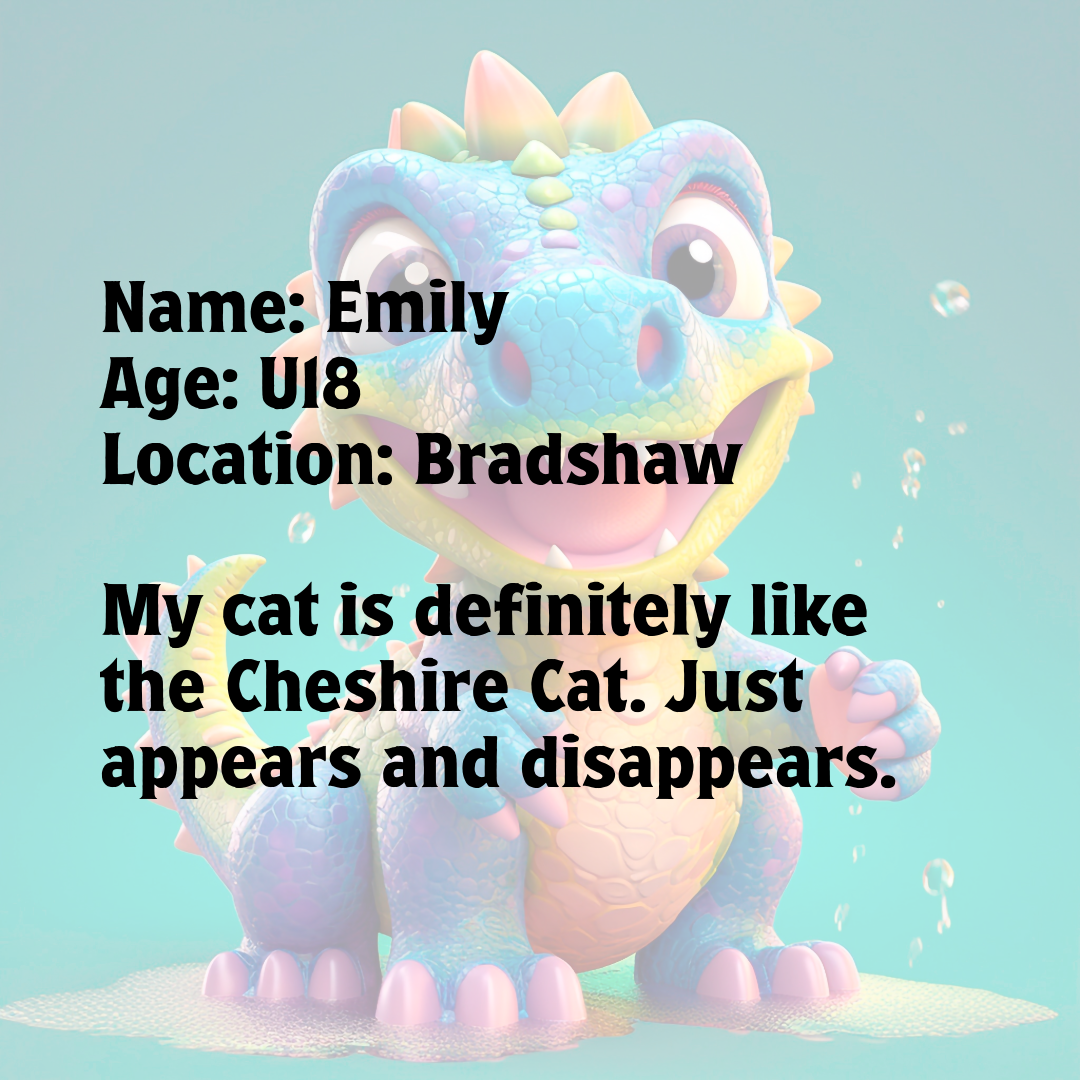
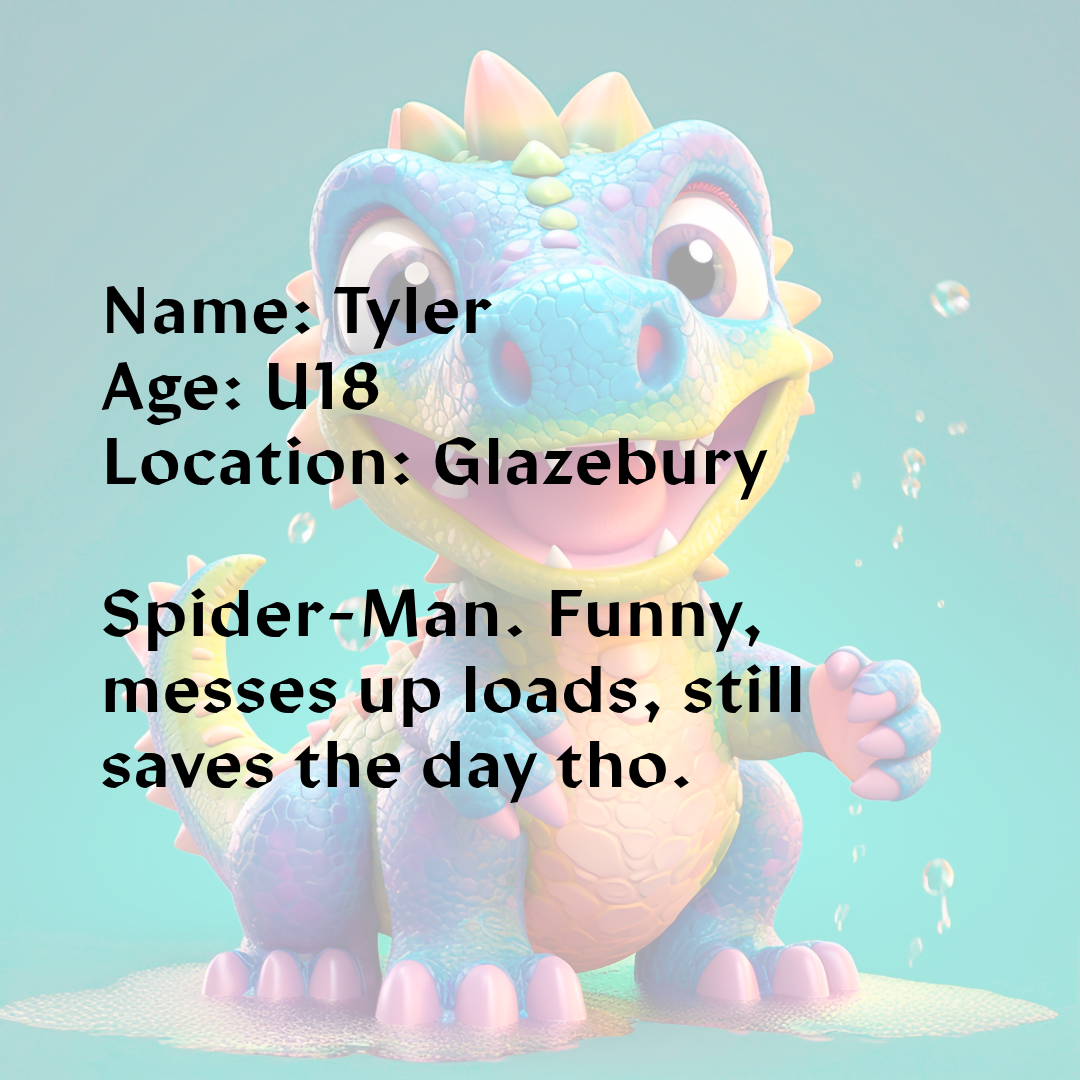
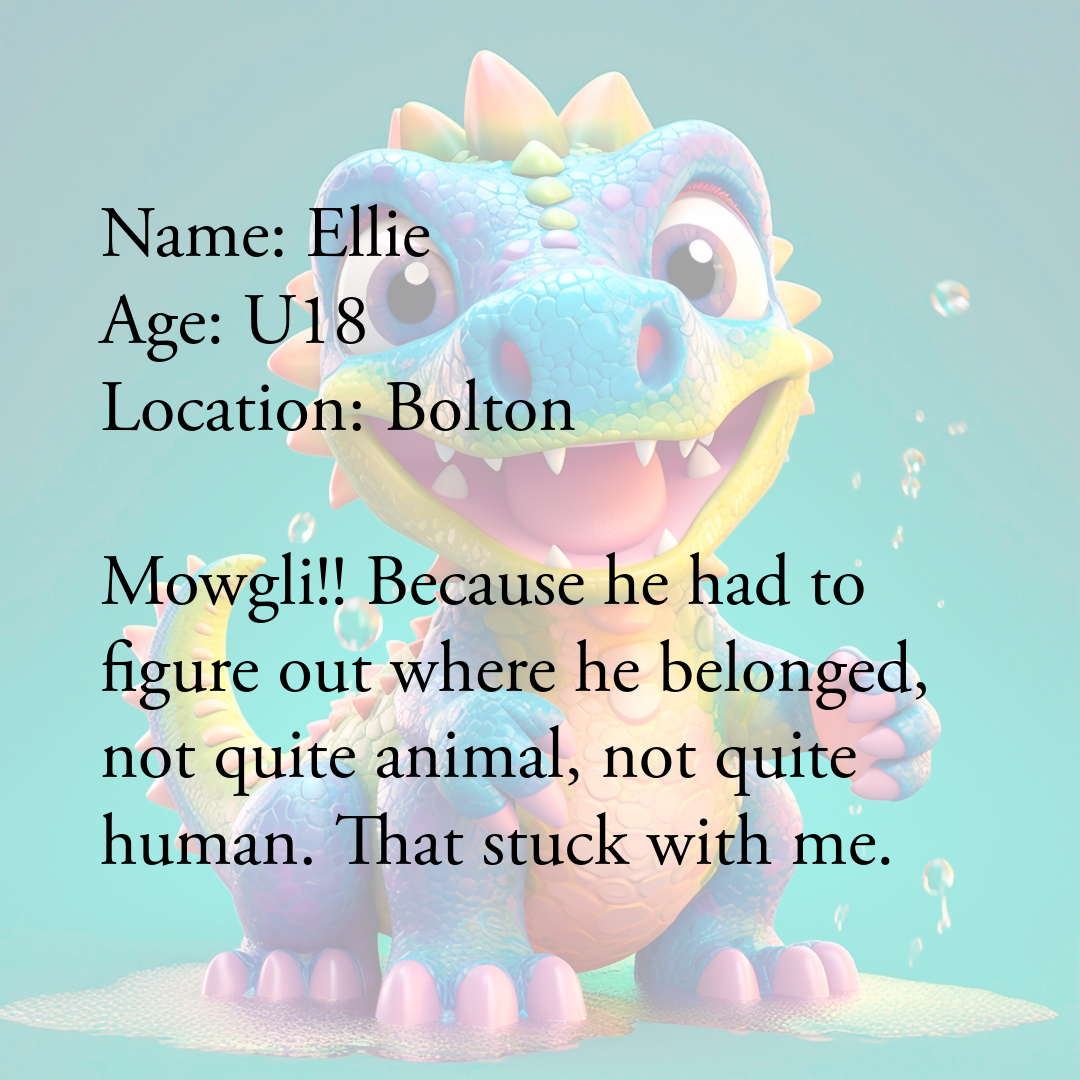
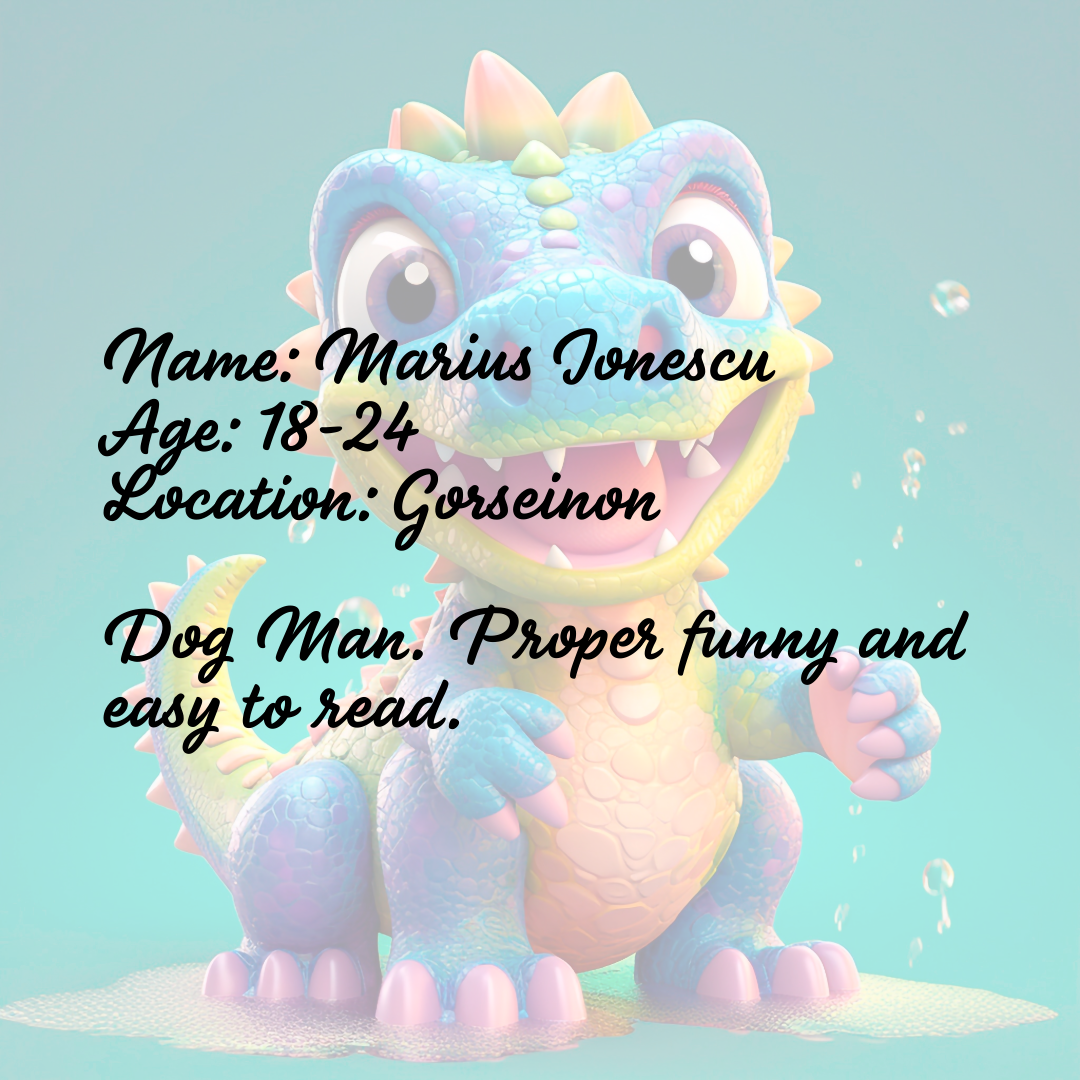
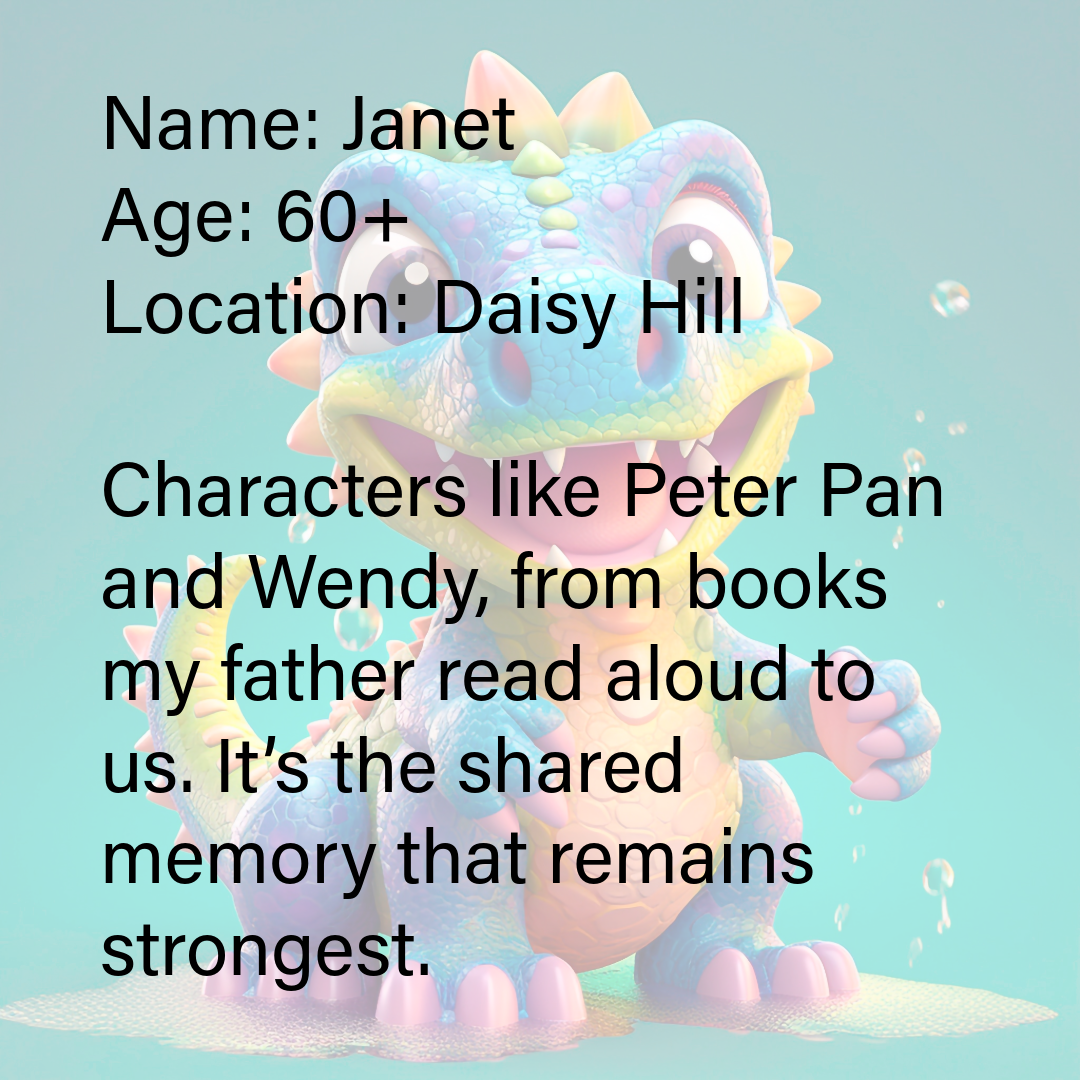
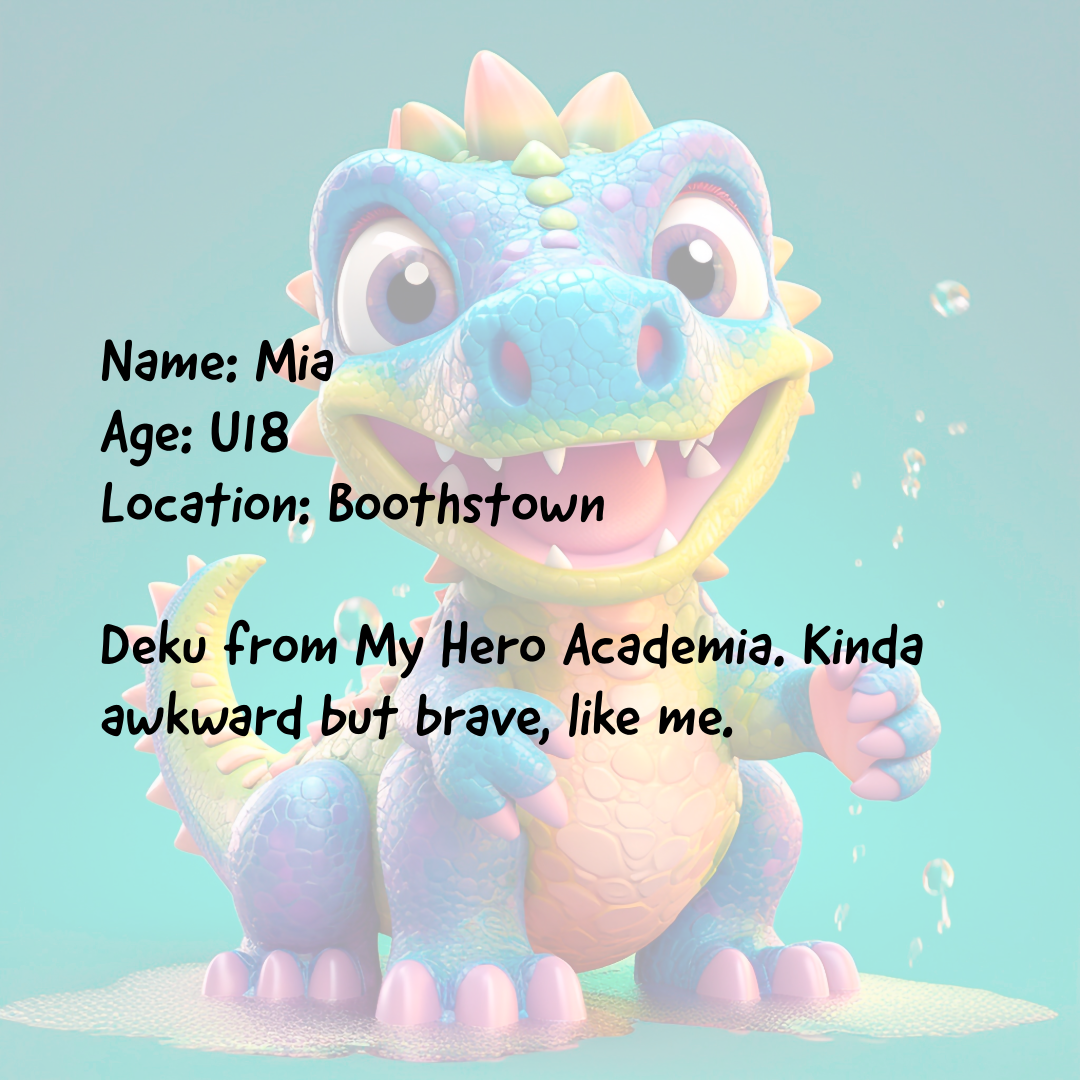
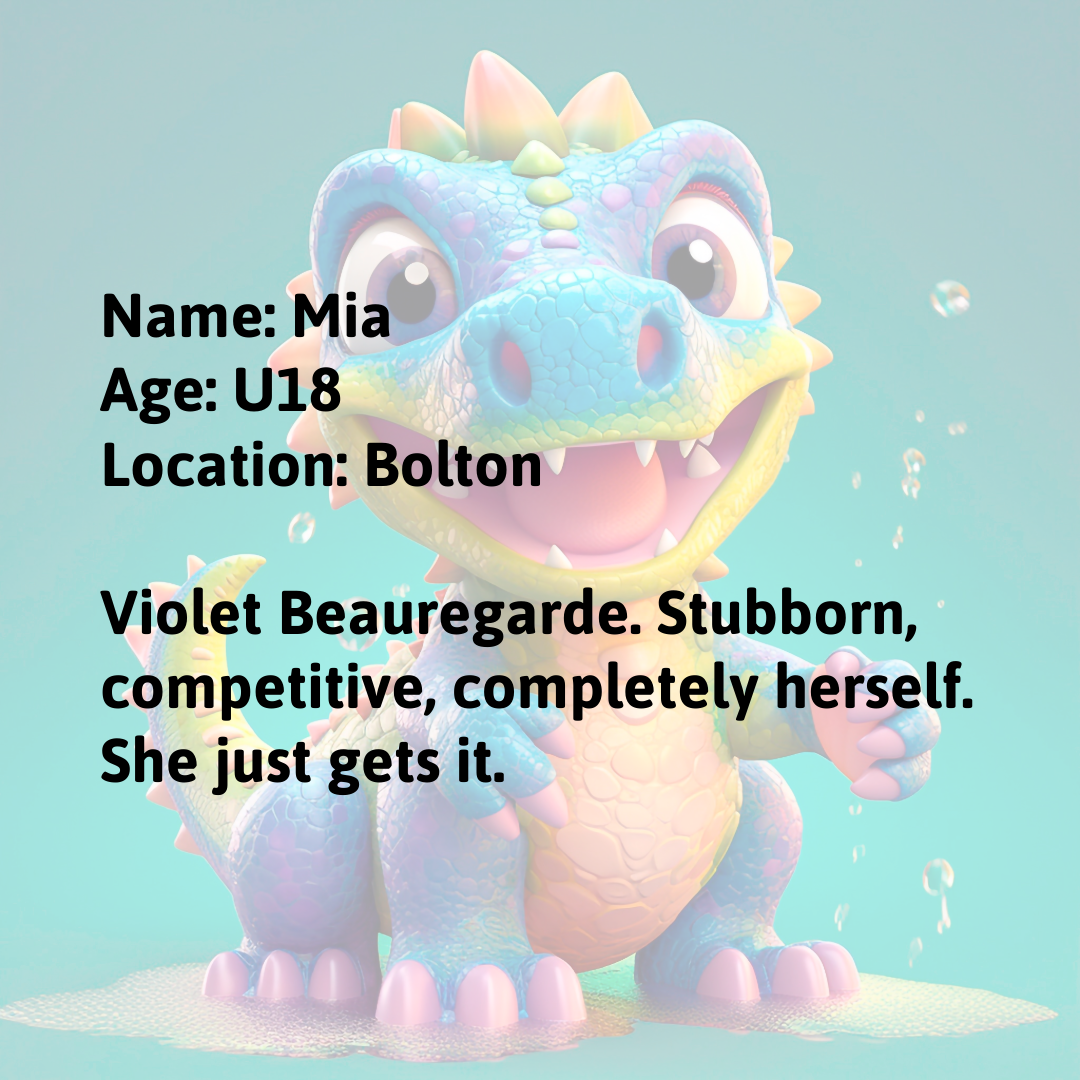
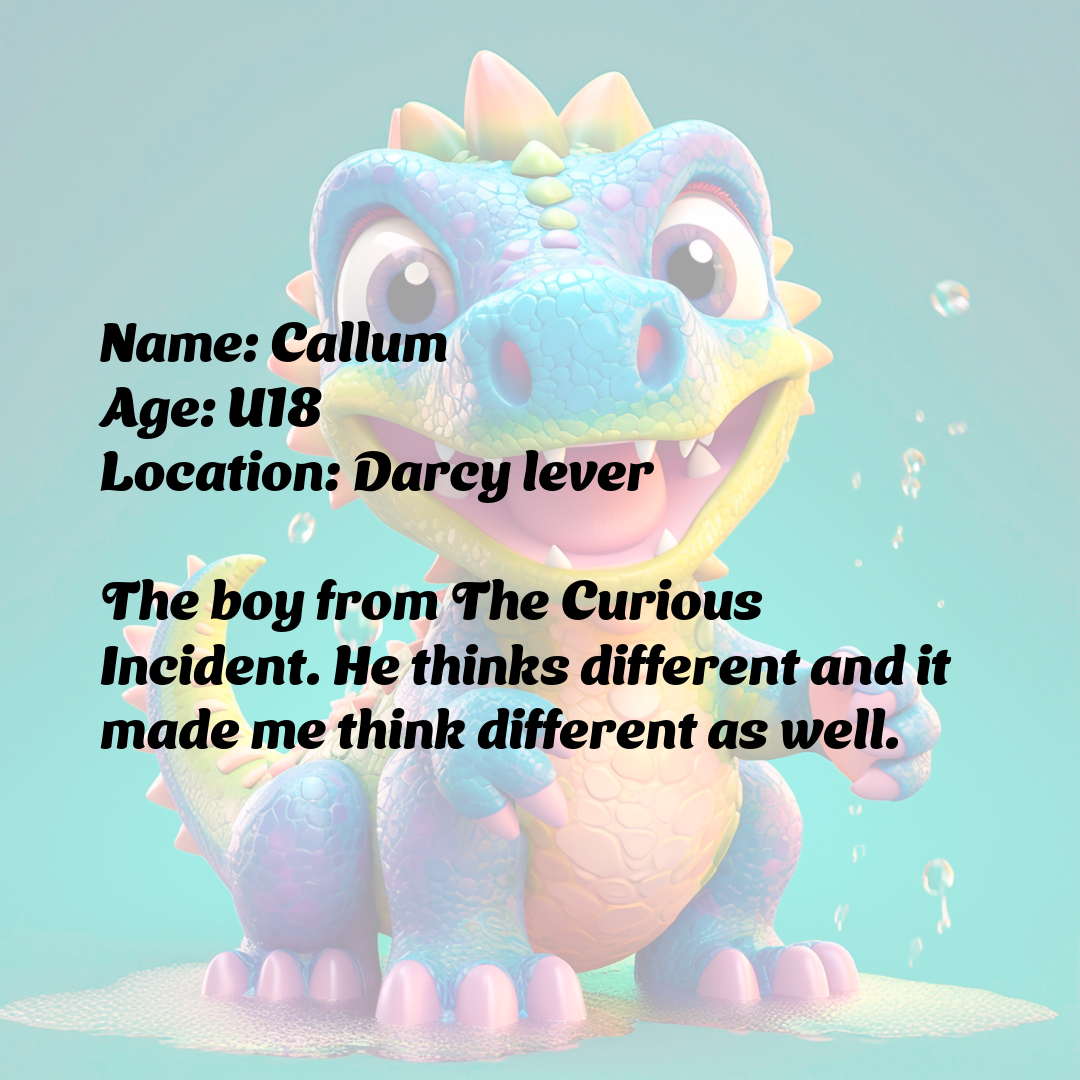
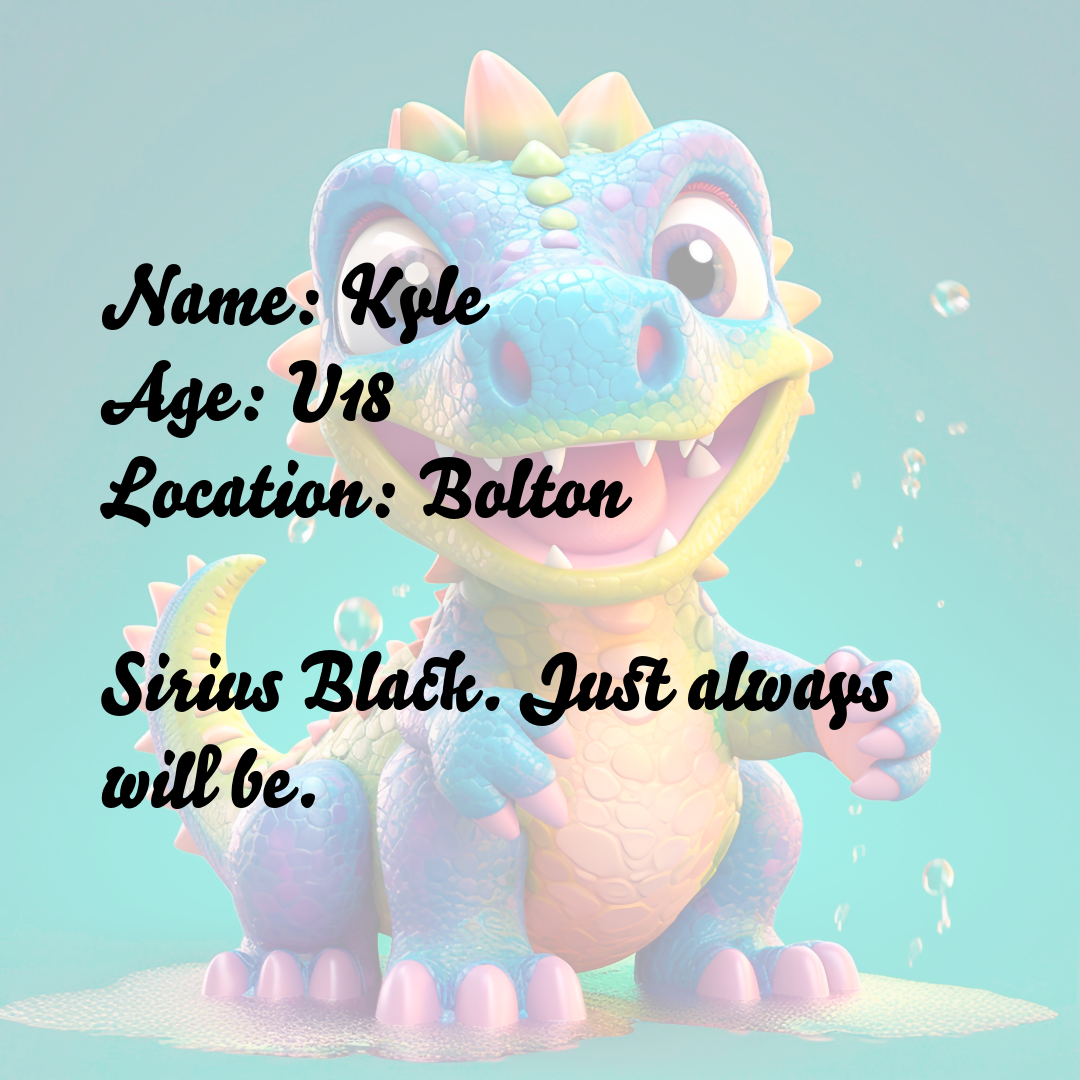
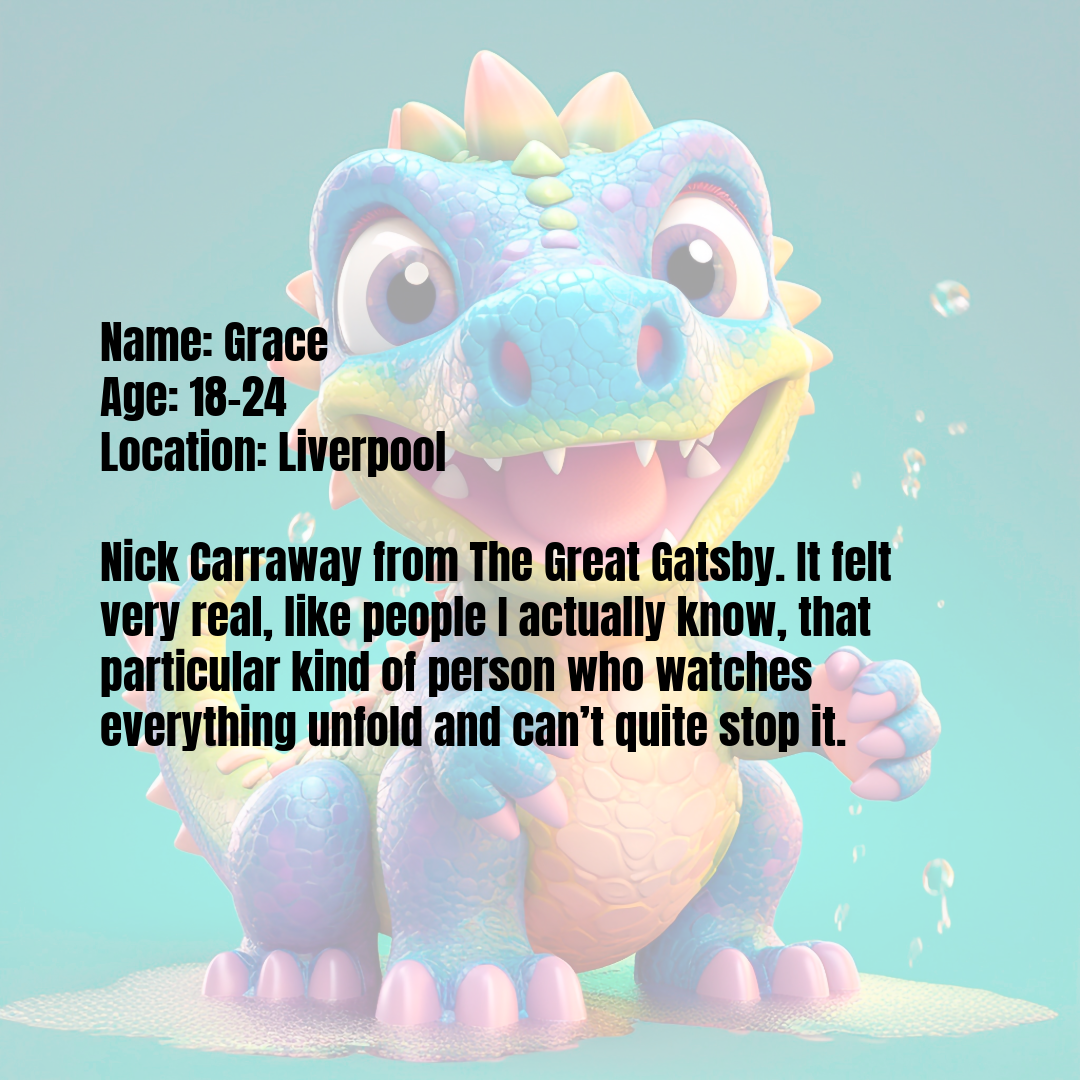
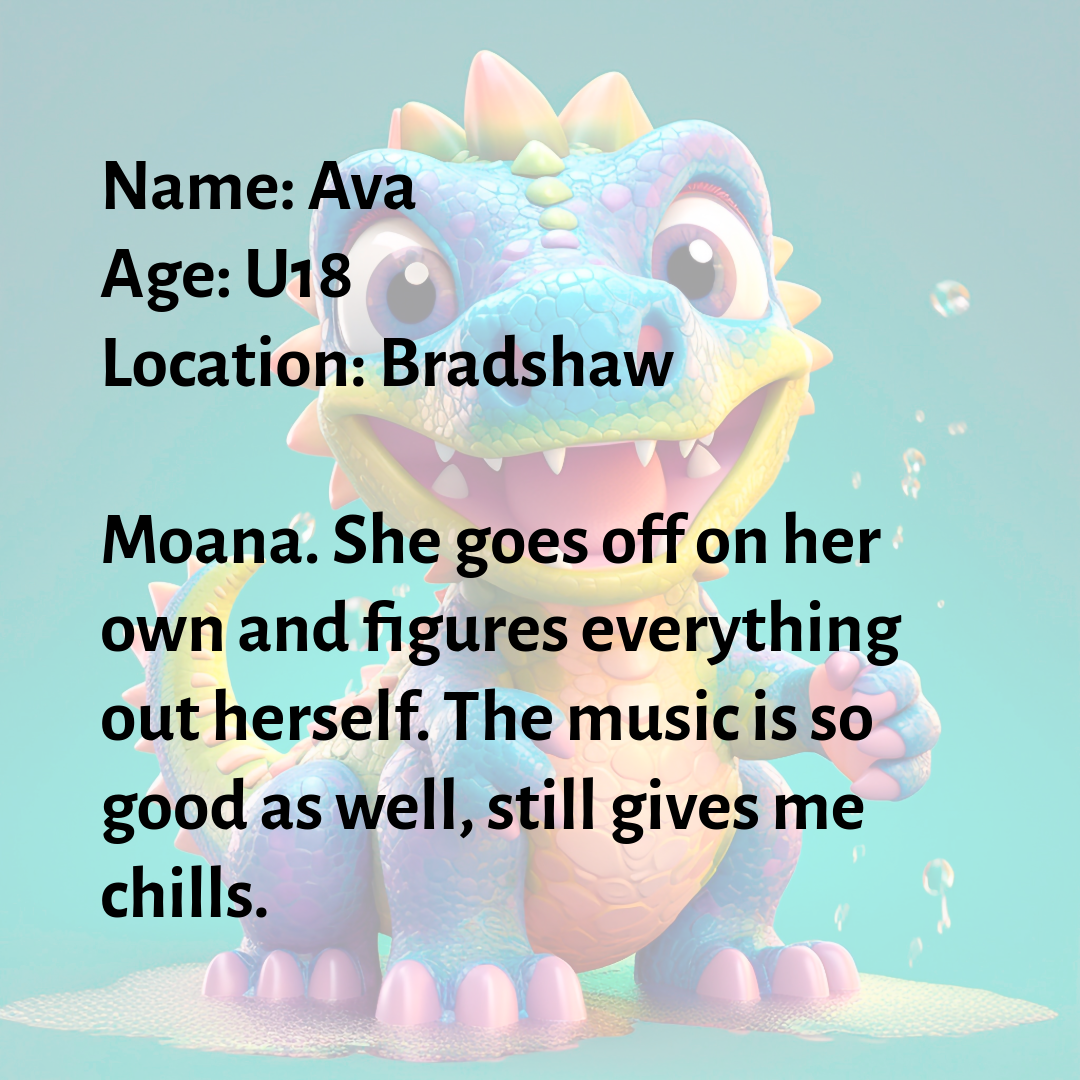
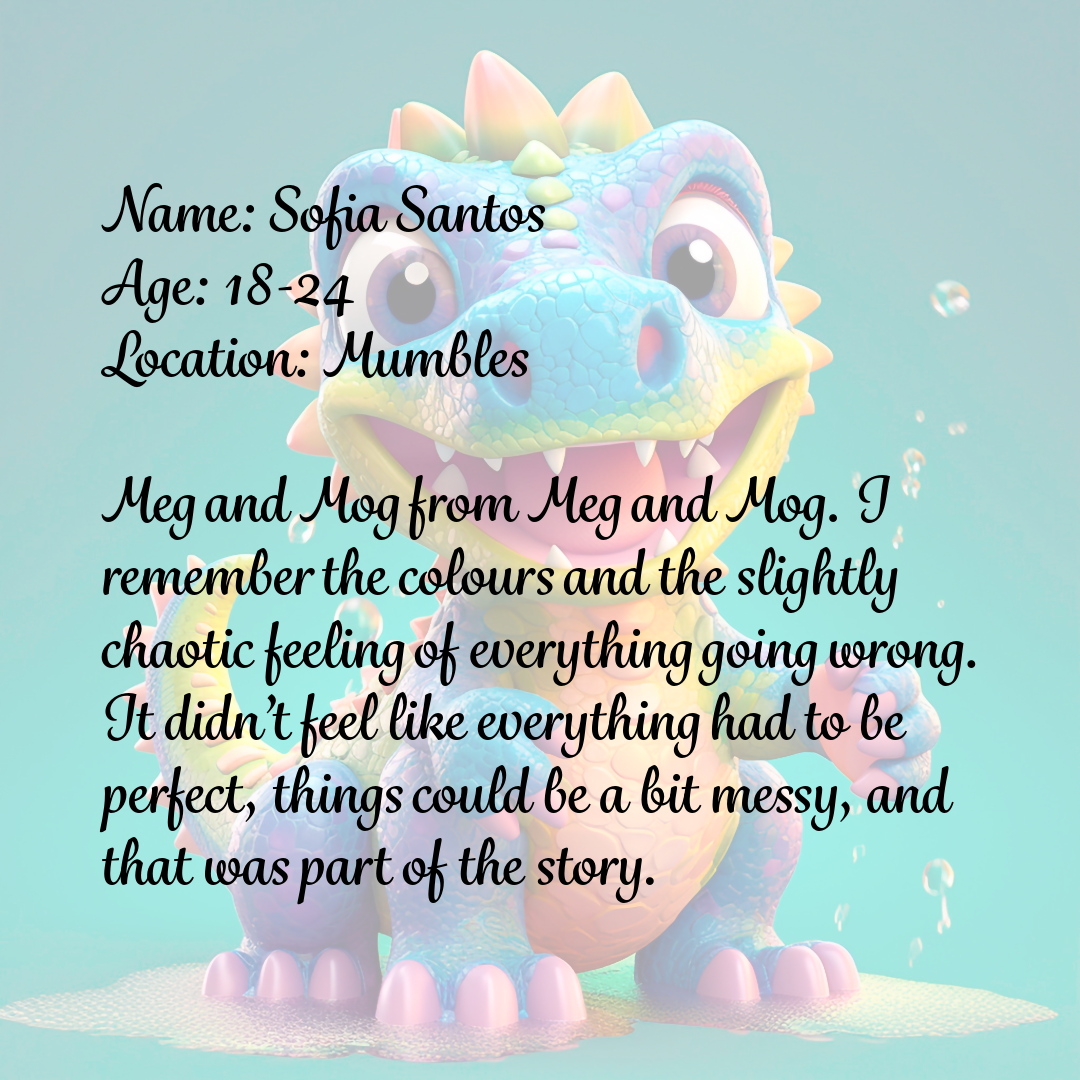
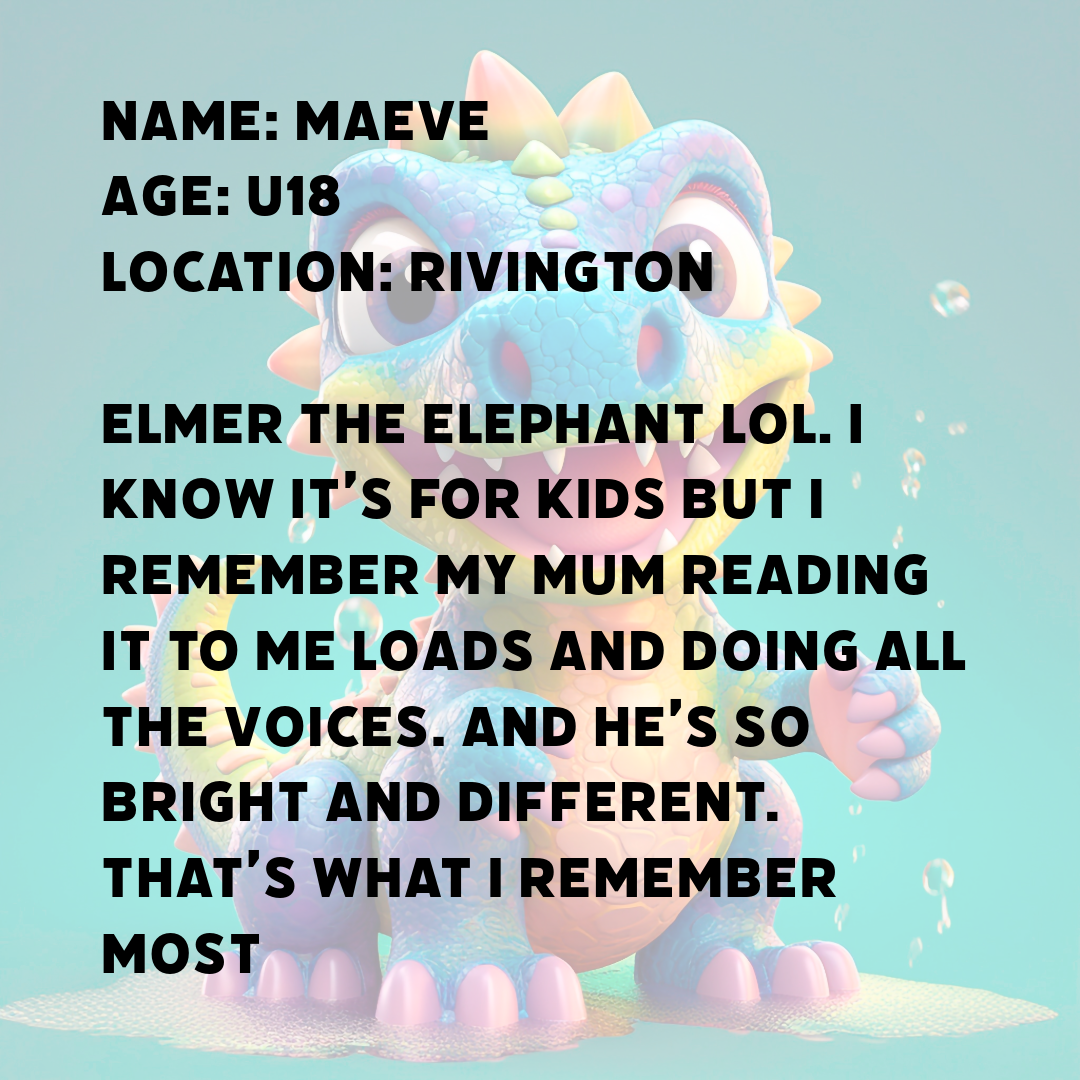
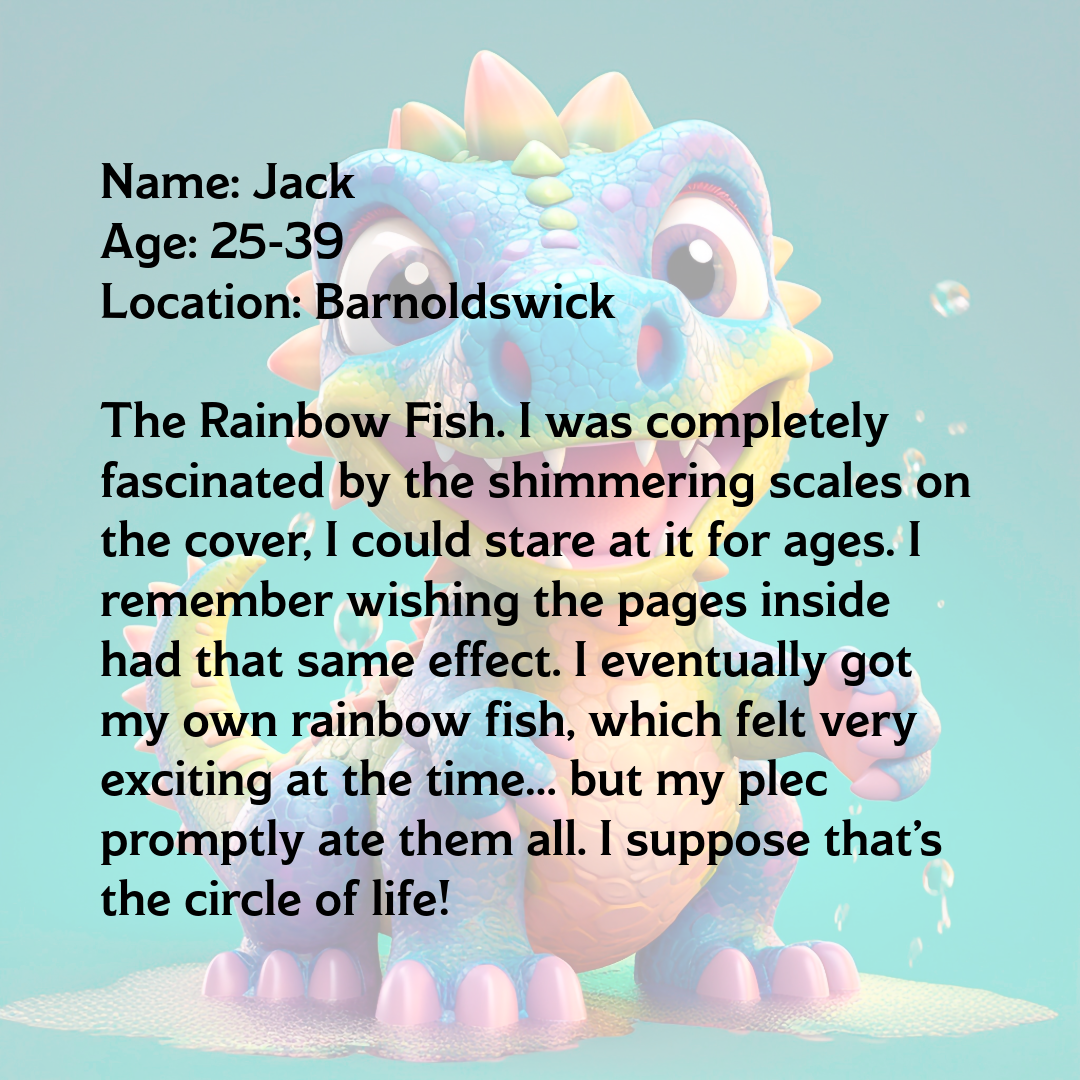
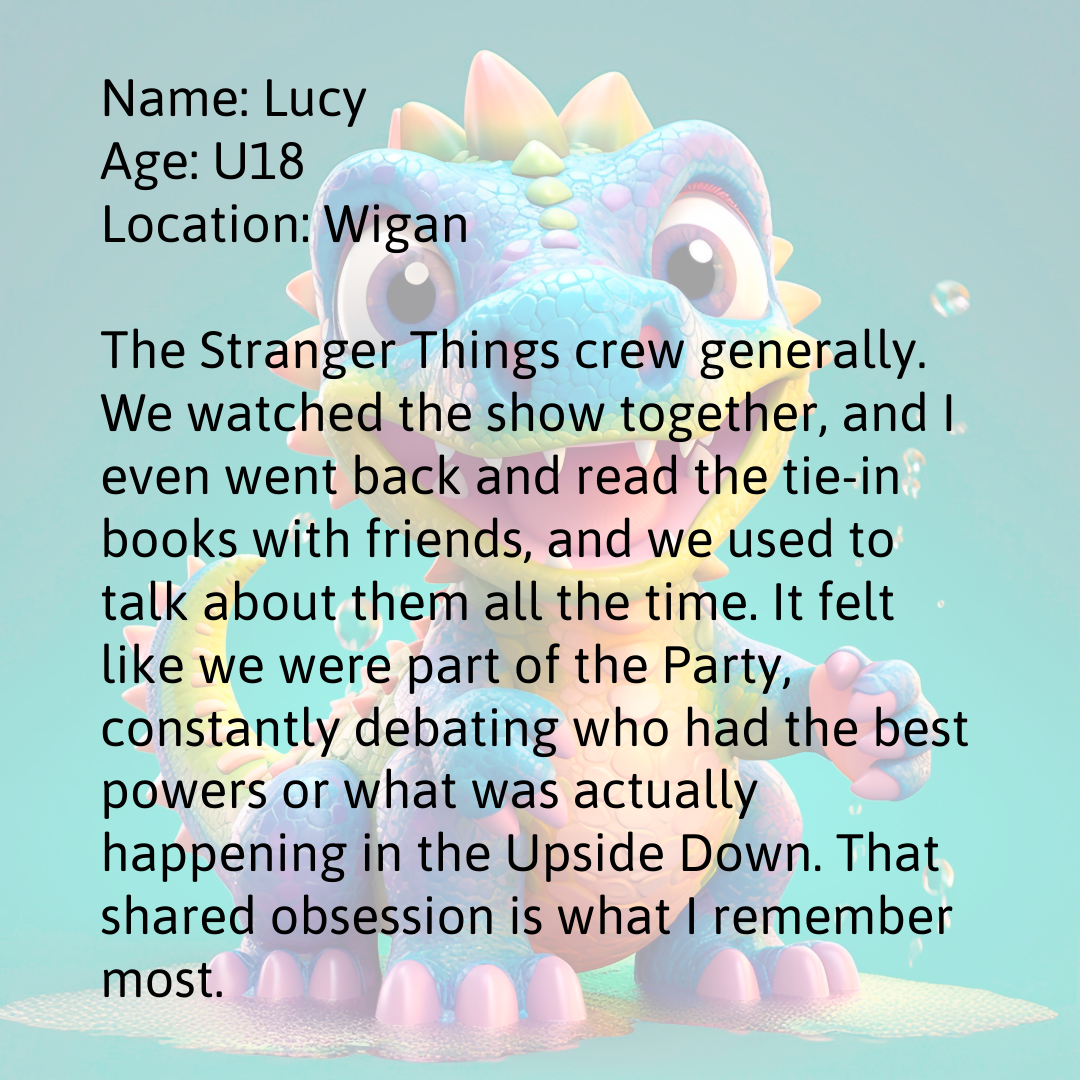
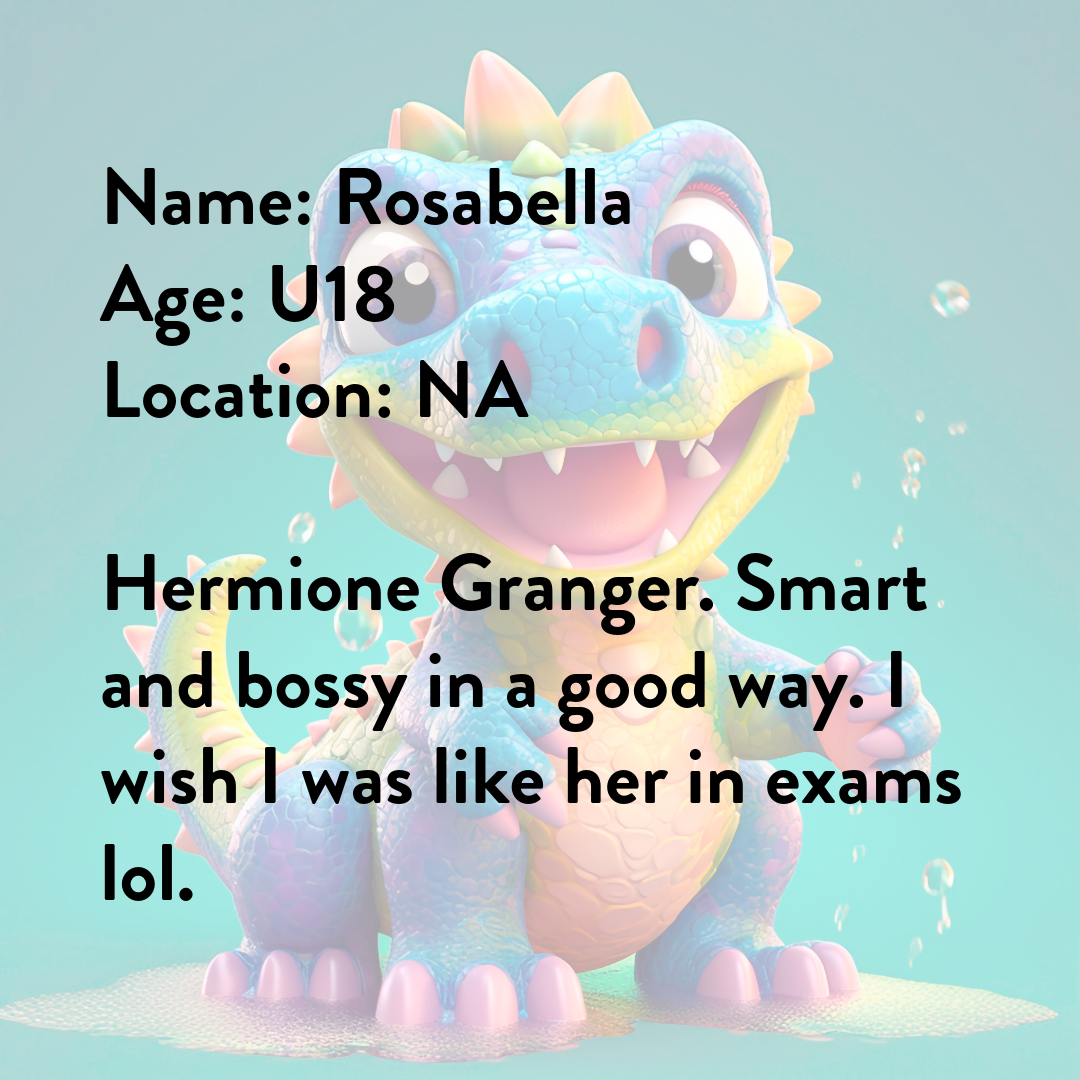
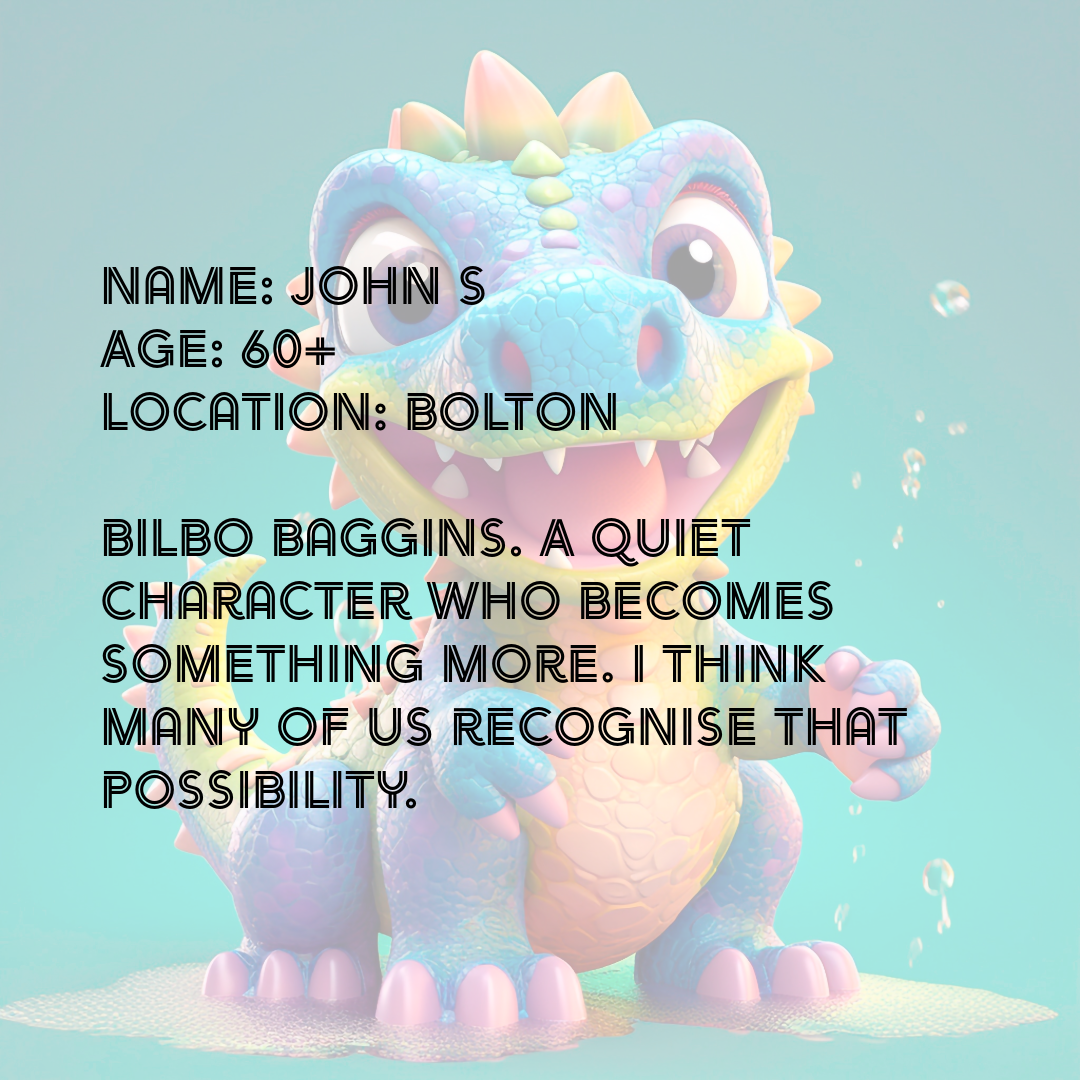
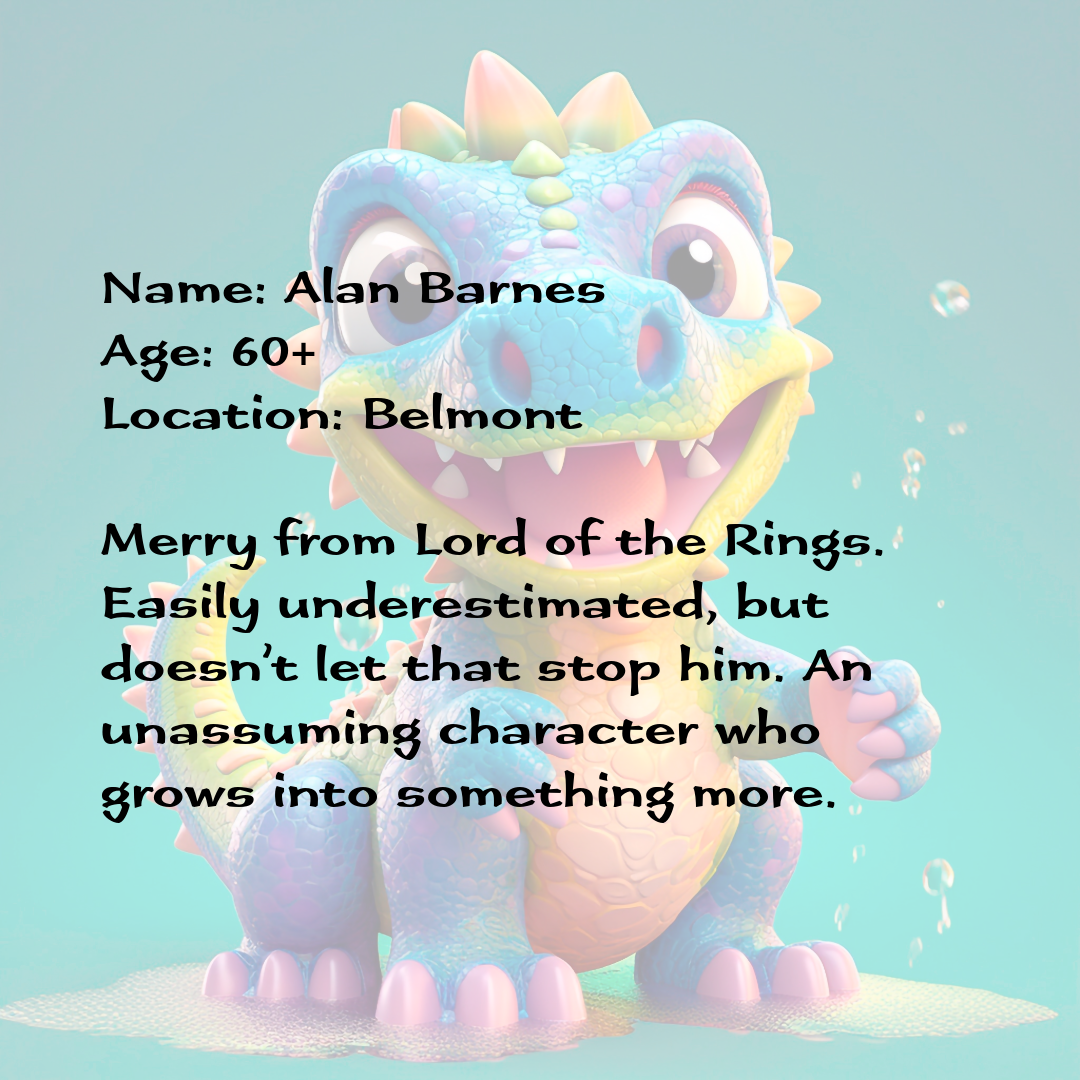
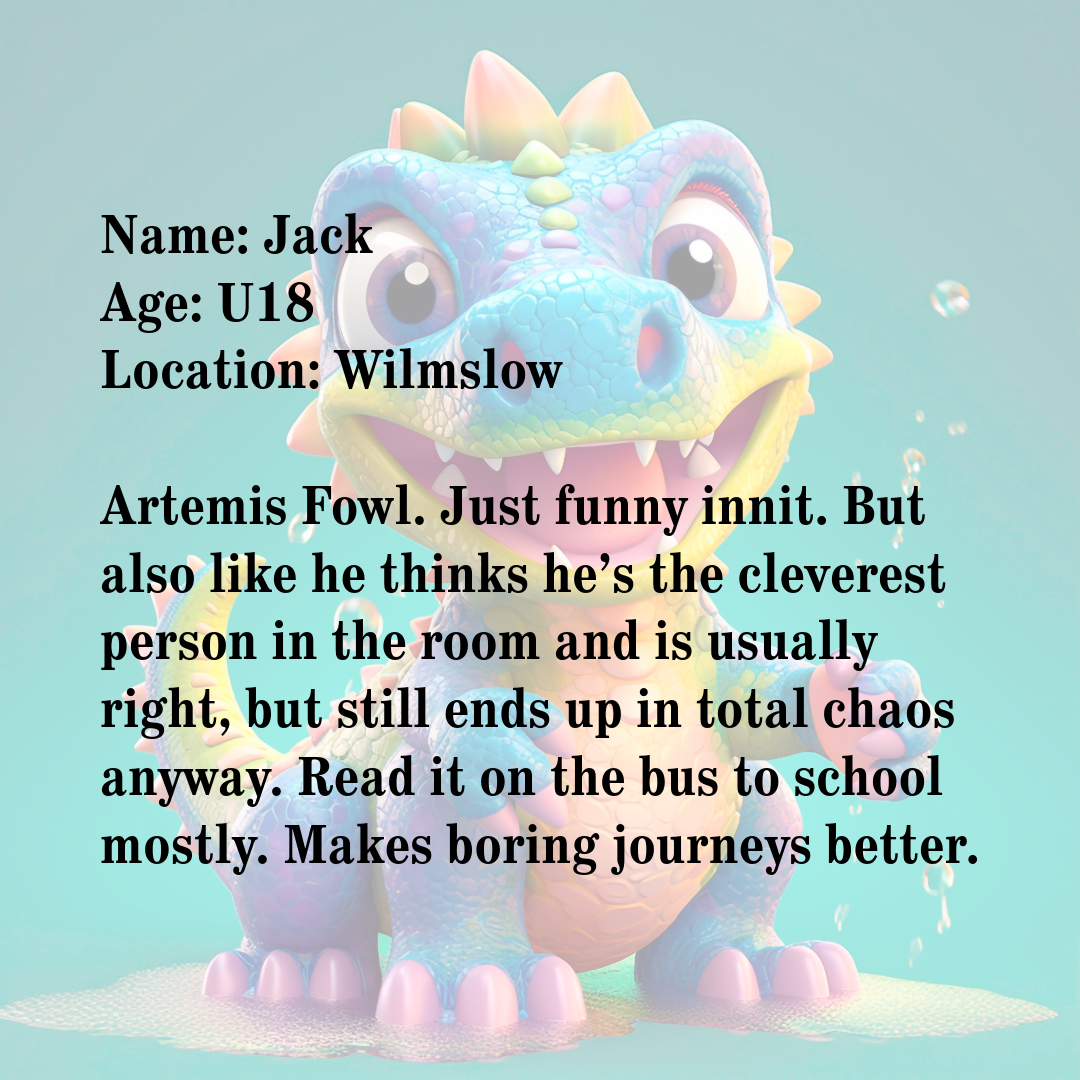
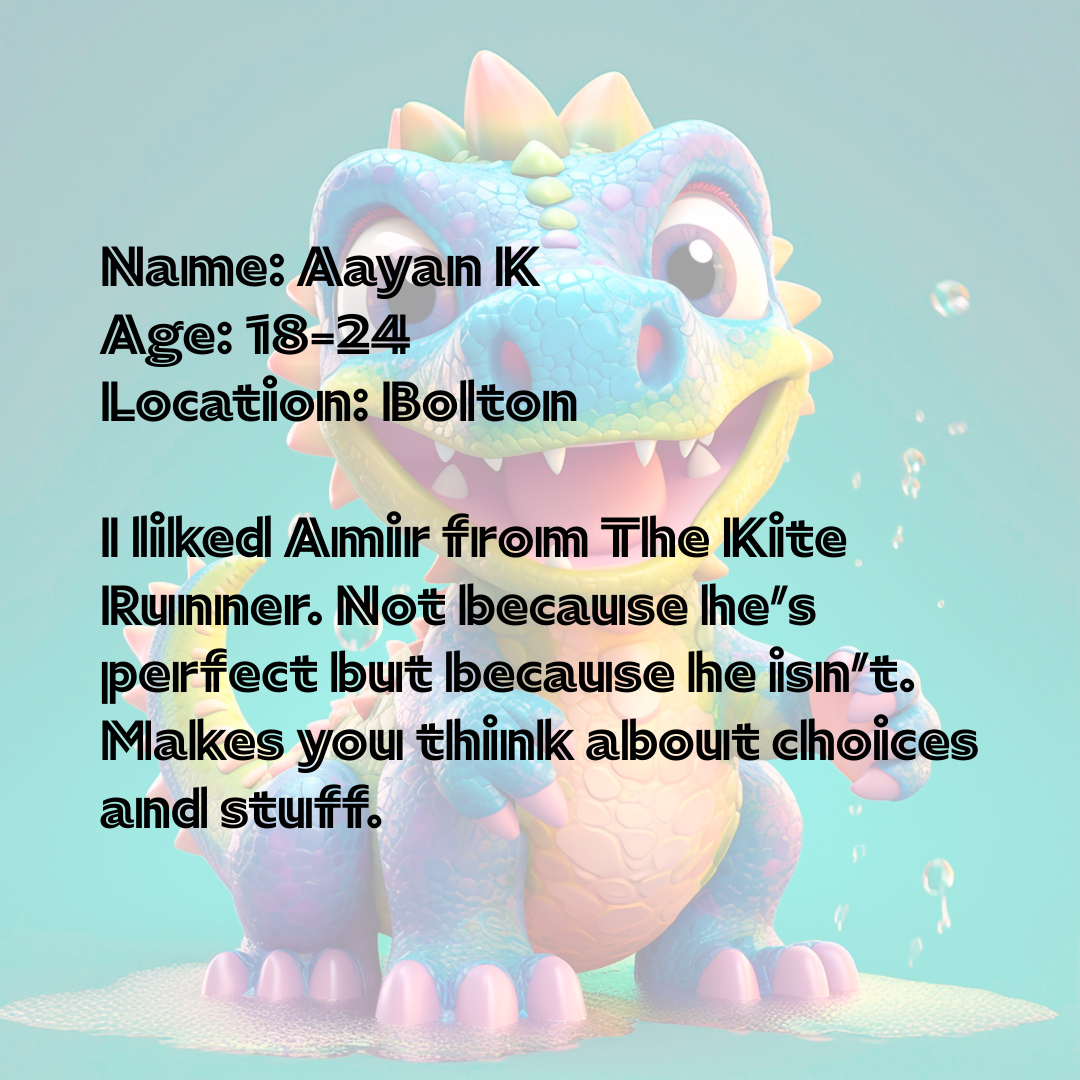
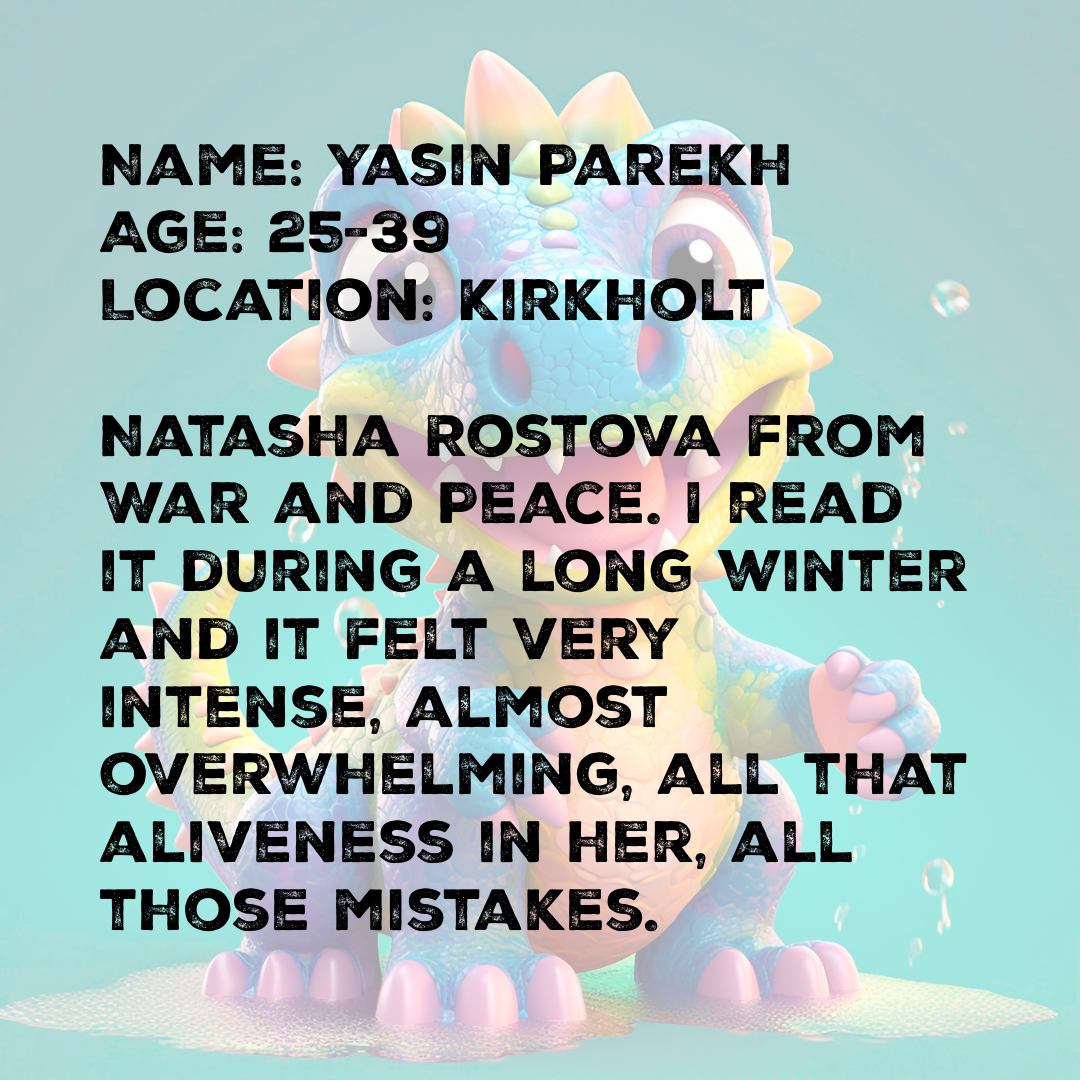
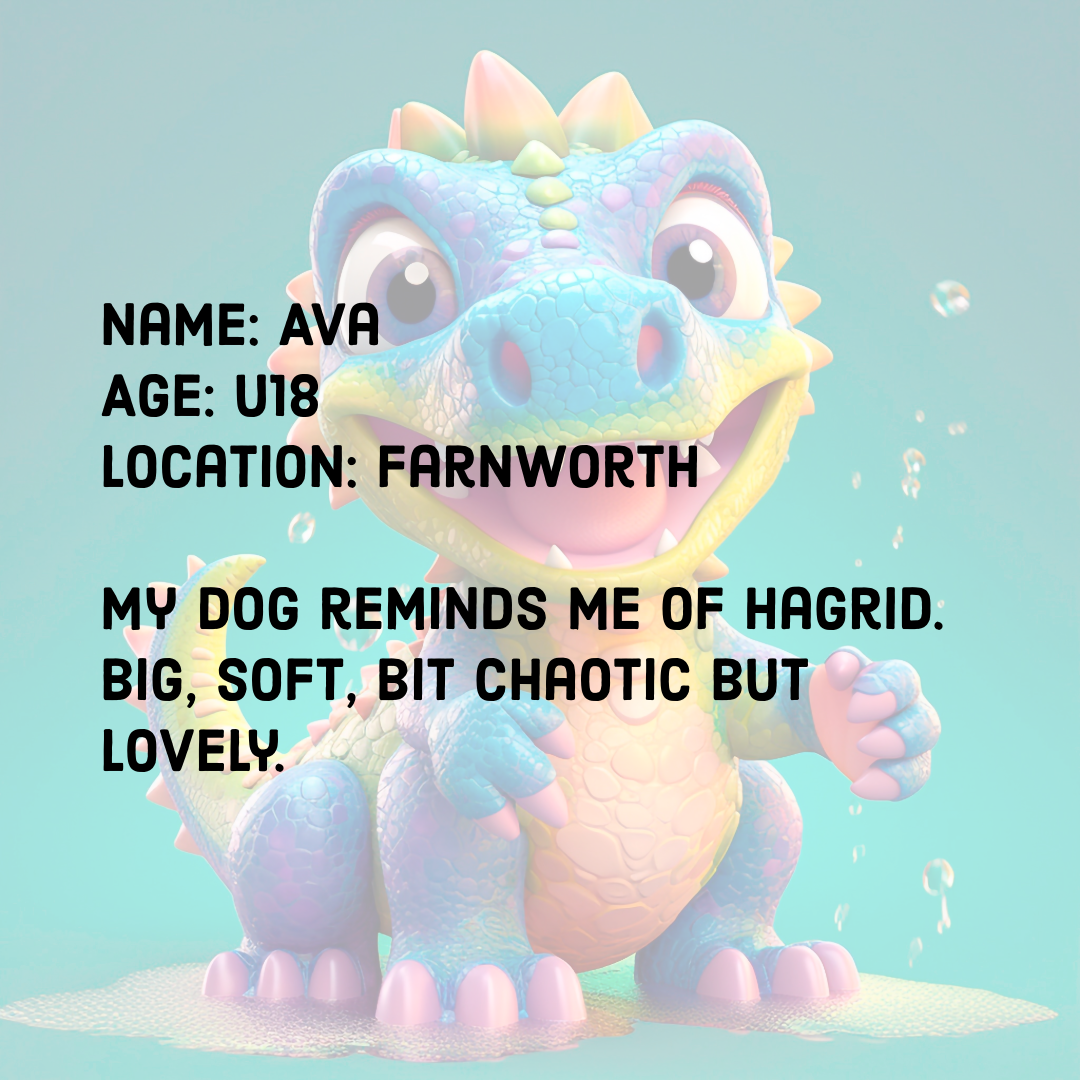
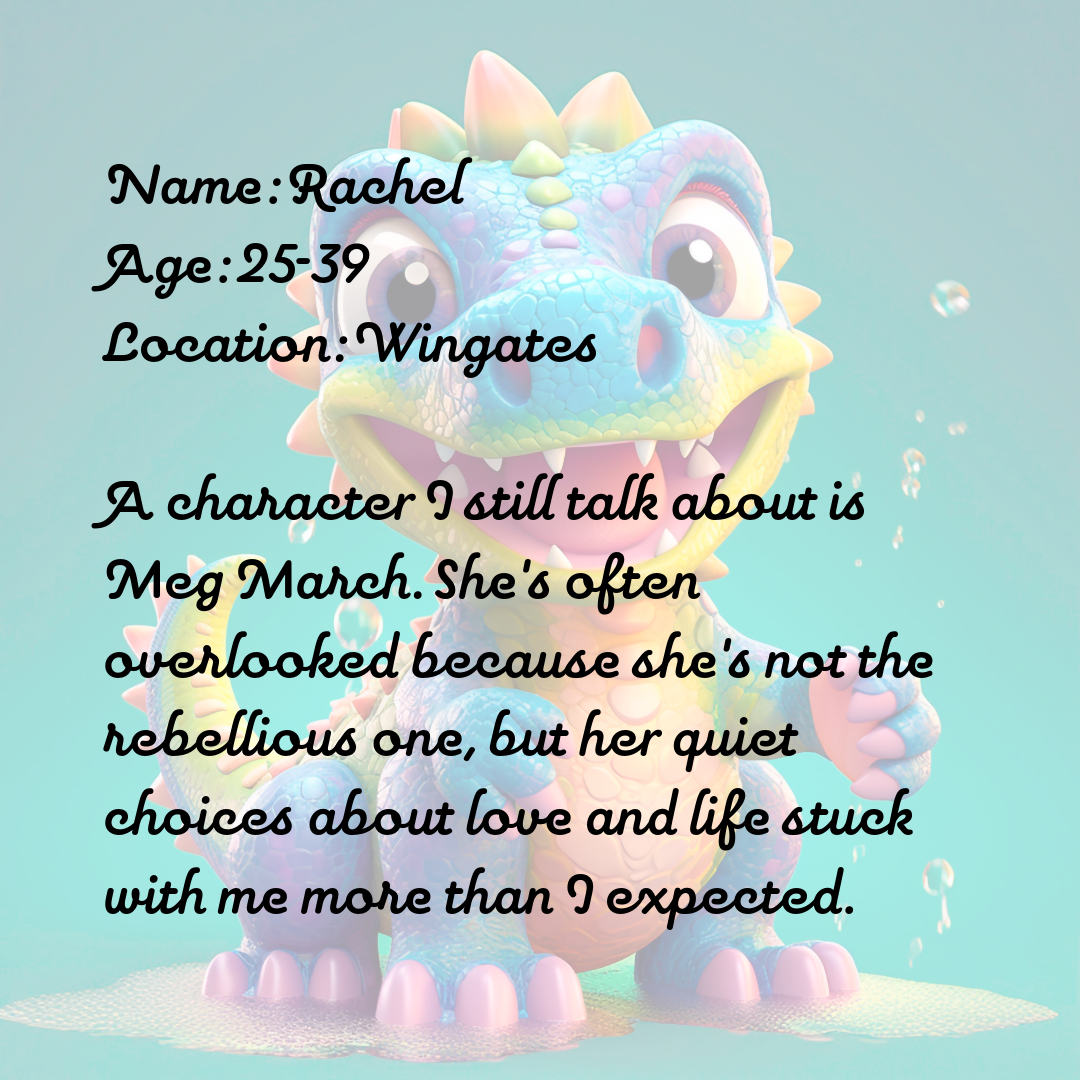
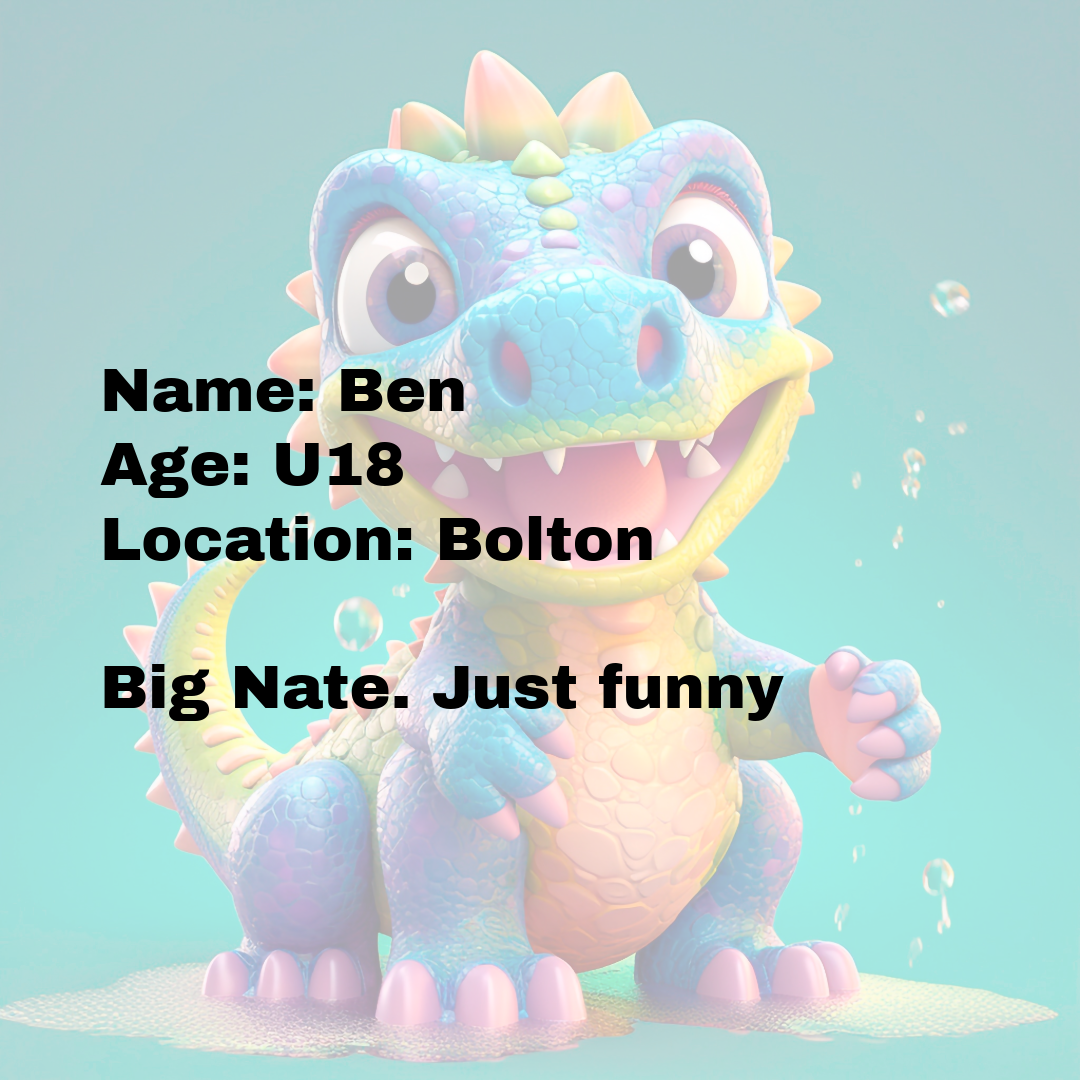
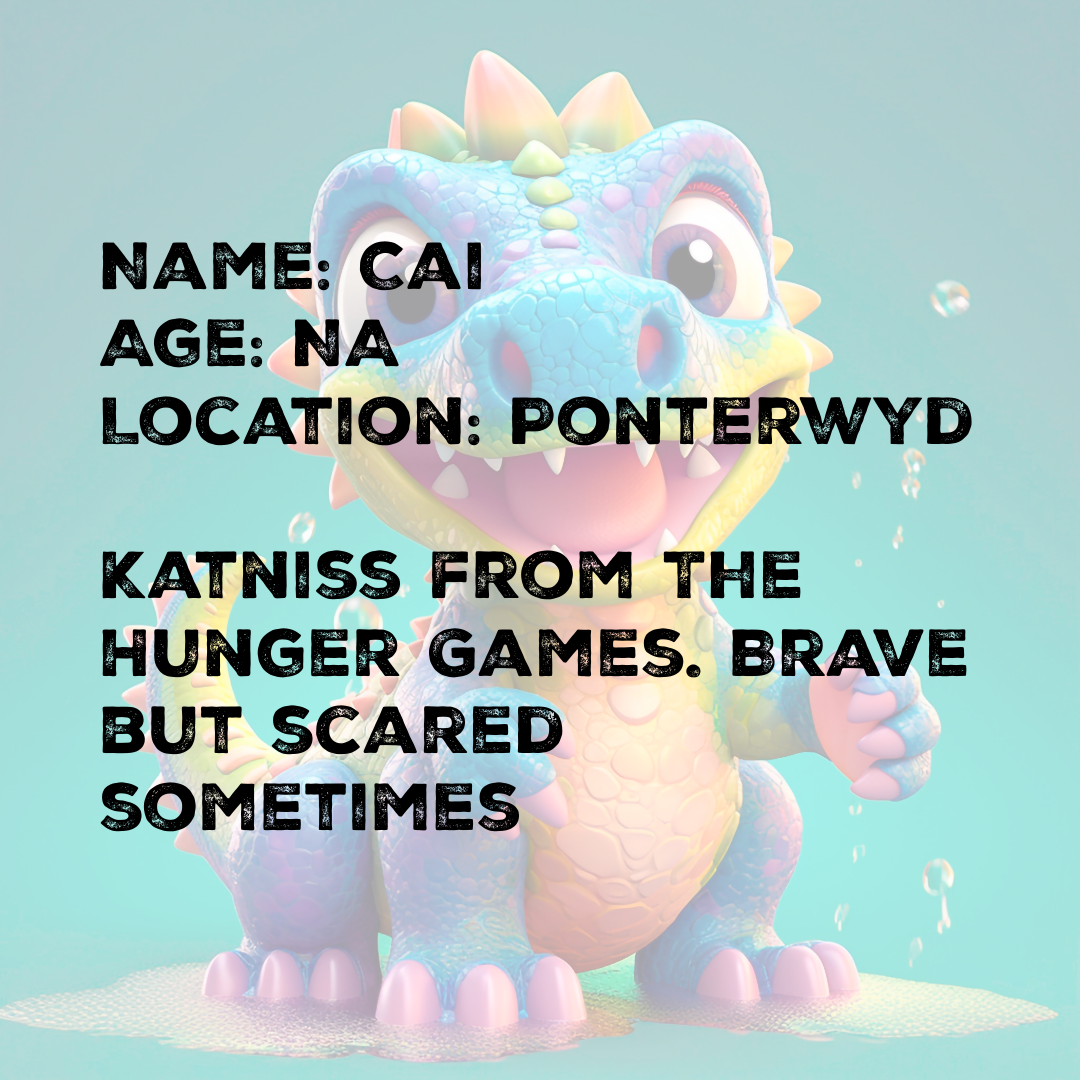
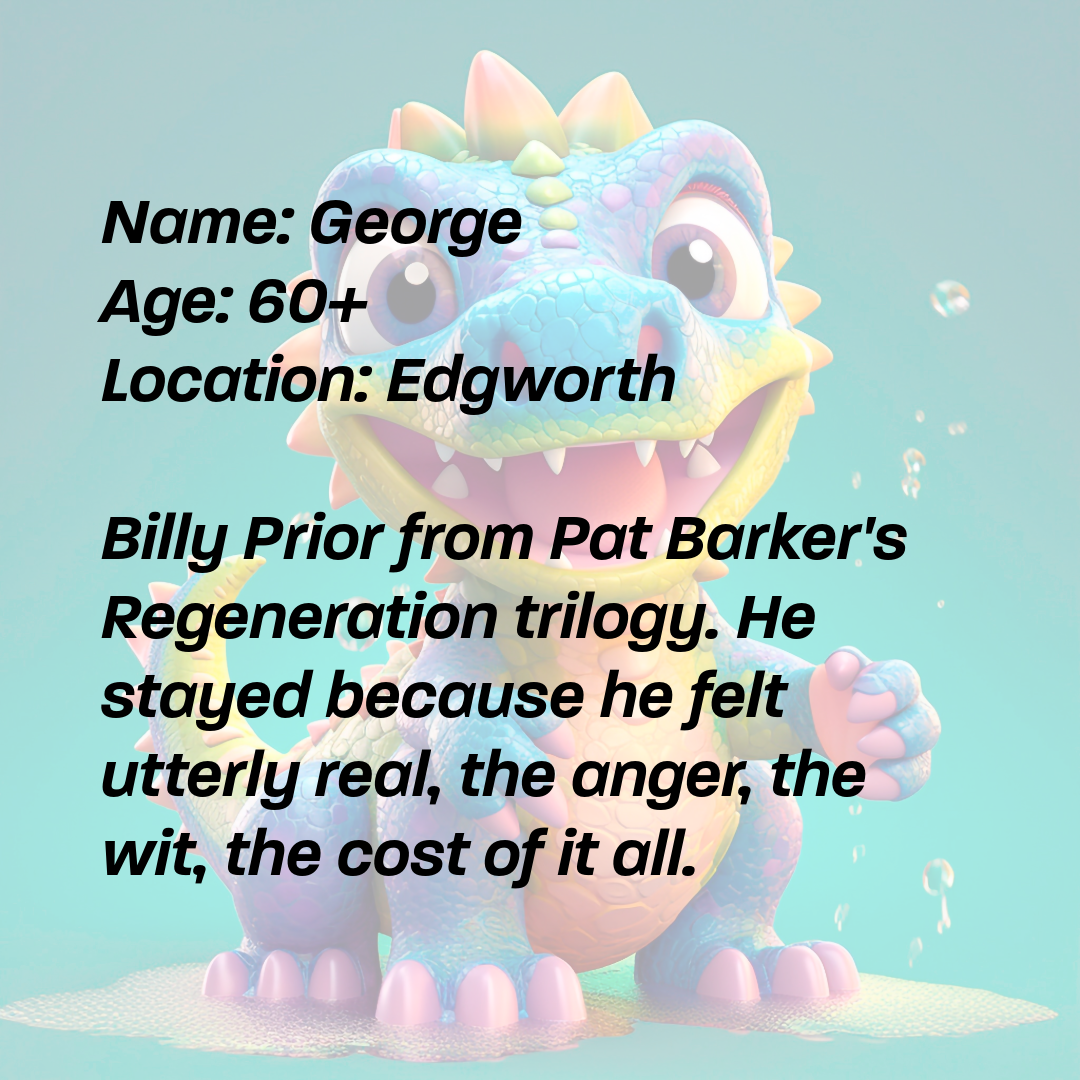
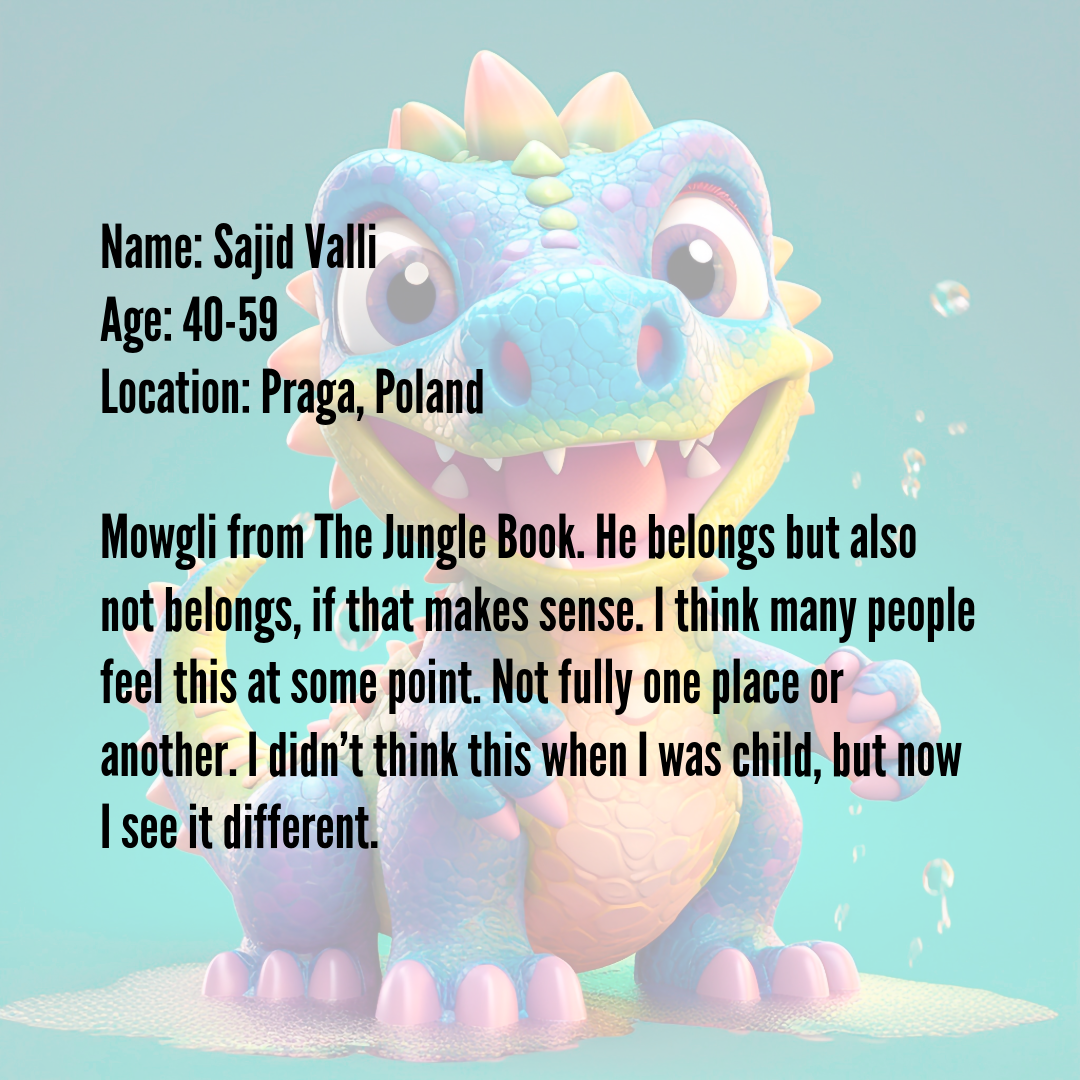
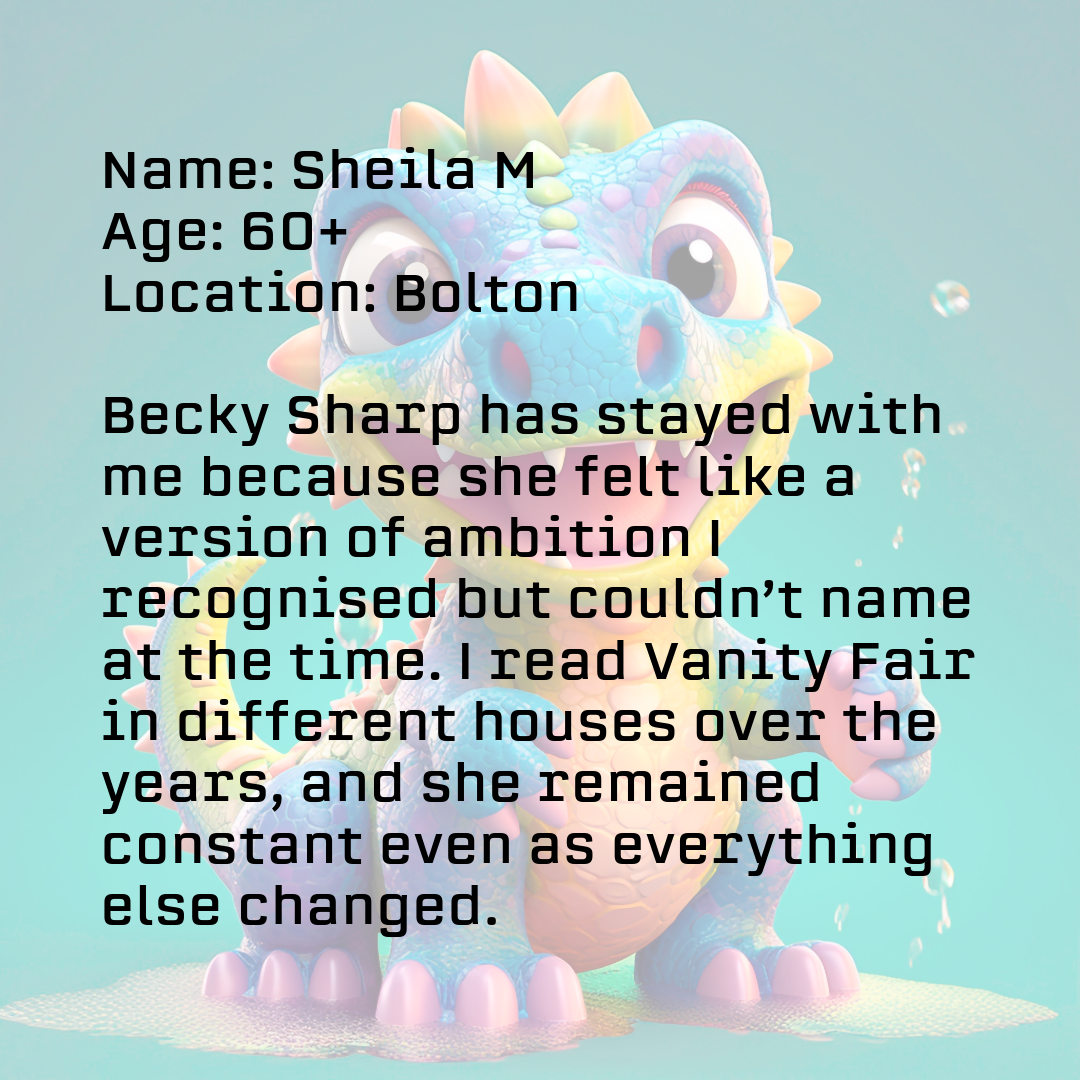
Responses came in from across Bolton and beyond, from families gathered around dinner tables and individuals typing quietly on their phones. People who described themselves as readers submitted alongside people who insisted they weren’t. A 60+ year-old named Mary Barton in the same week an under-18 named Dog Man. A grandmother in Wigan and her granddaughter, three generations apart, chose characters from entirely different worlds, and in doing so, told us everything about how reading travels through a life.
What people actually said:
The most striking thing about this month’s submissions wasn’t which characters people chose. It was the way they talked about them.
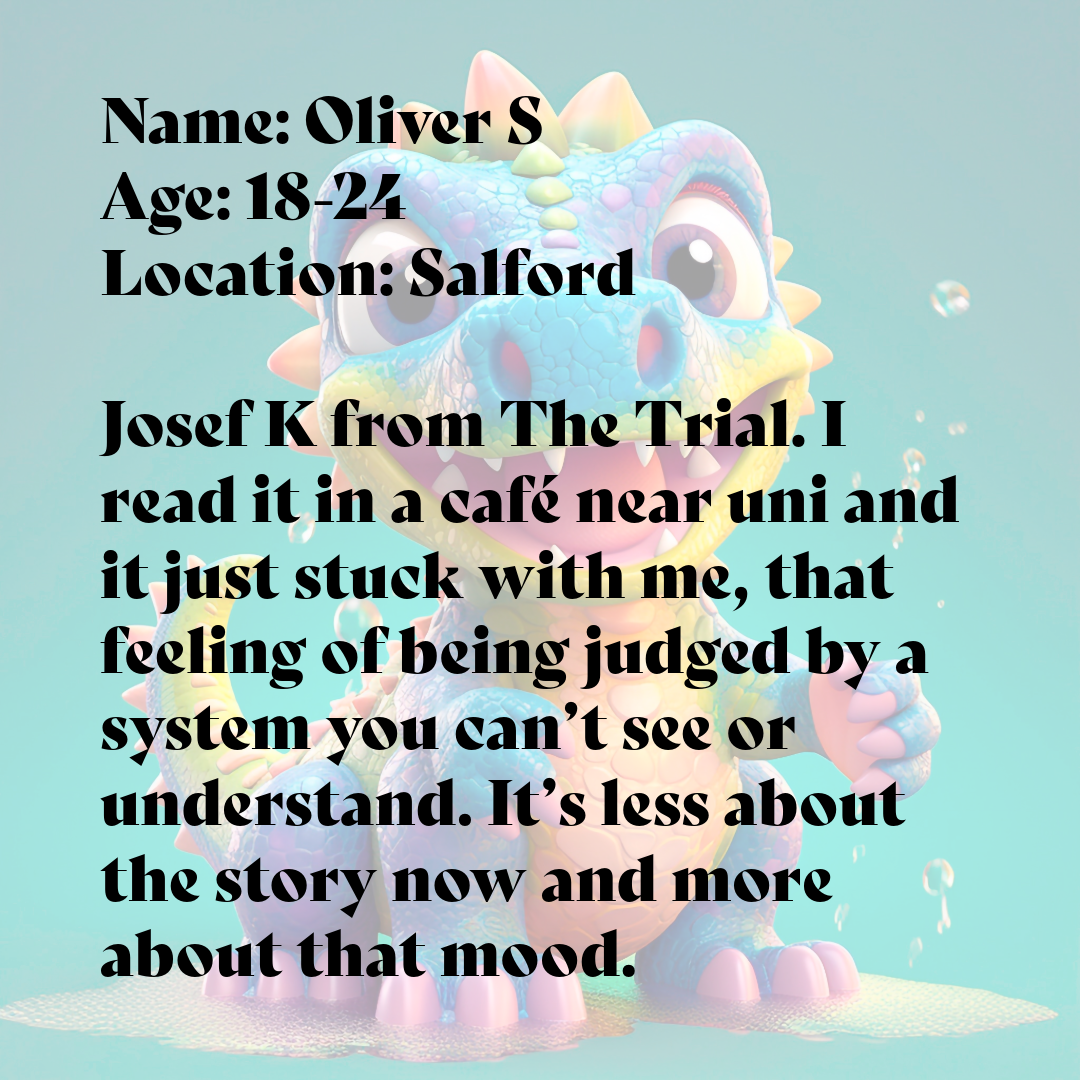
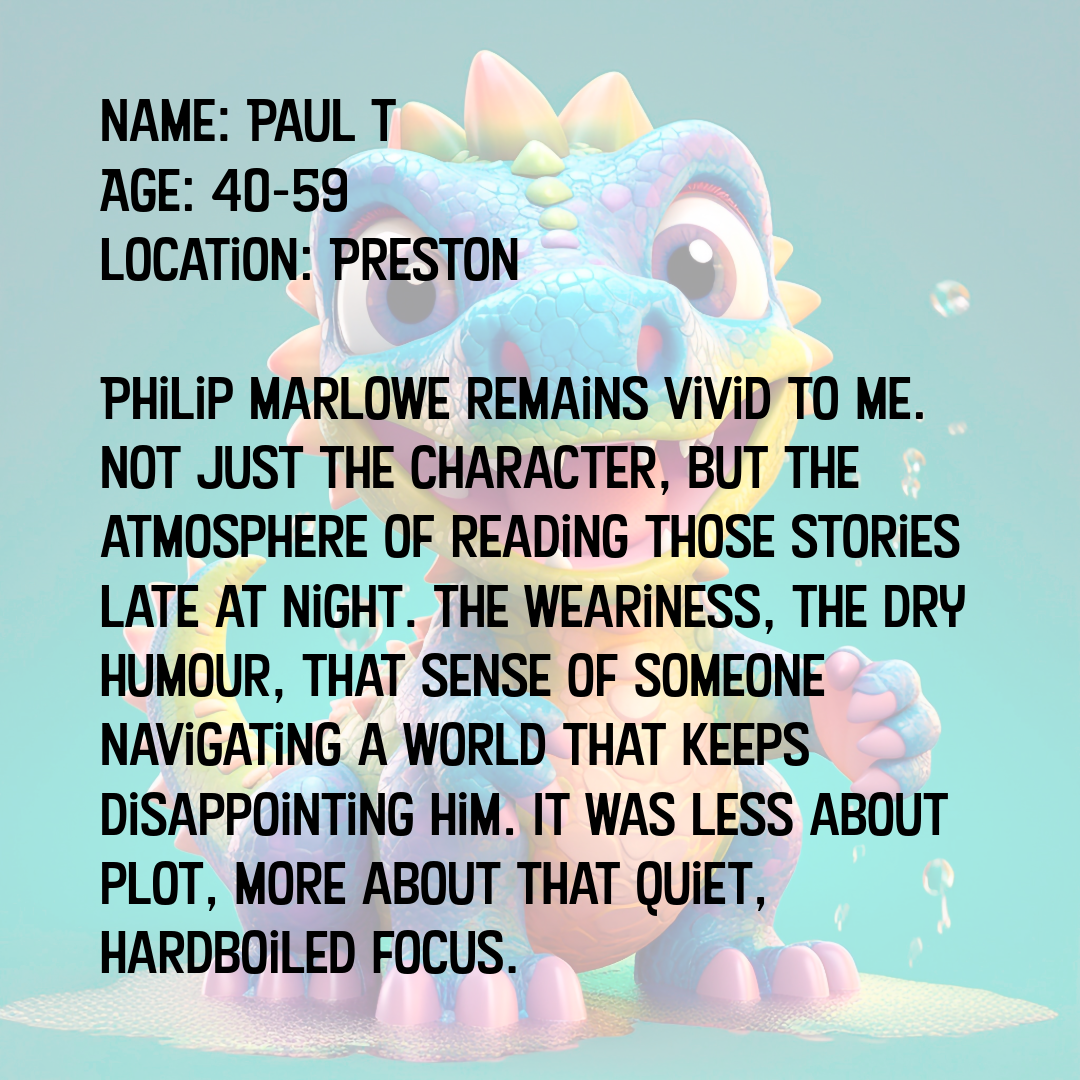
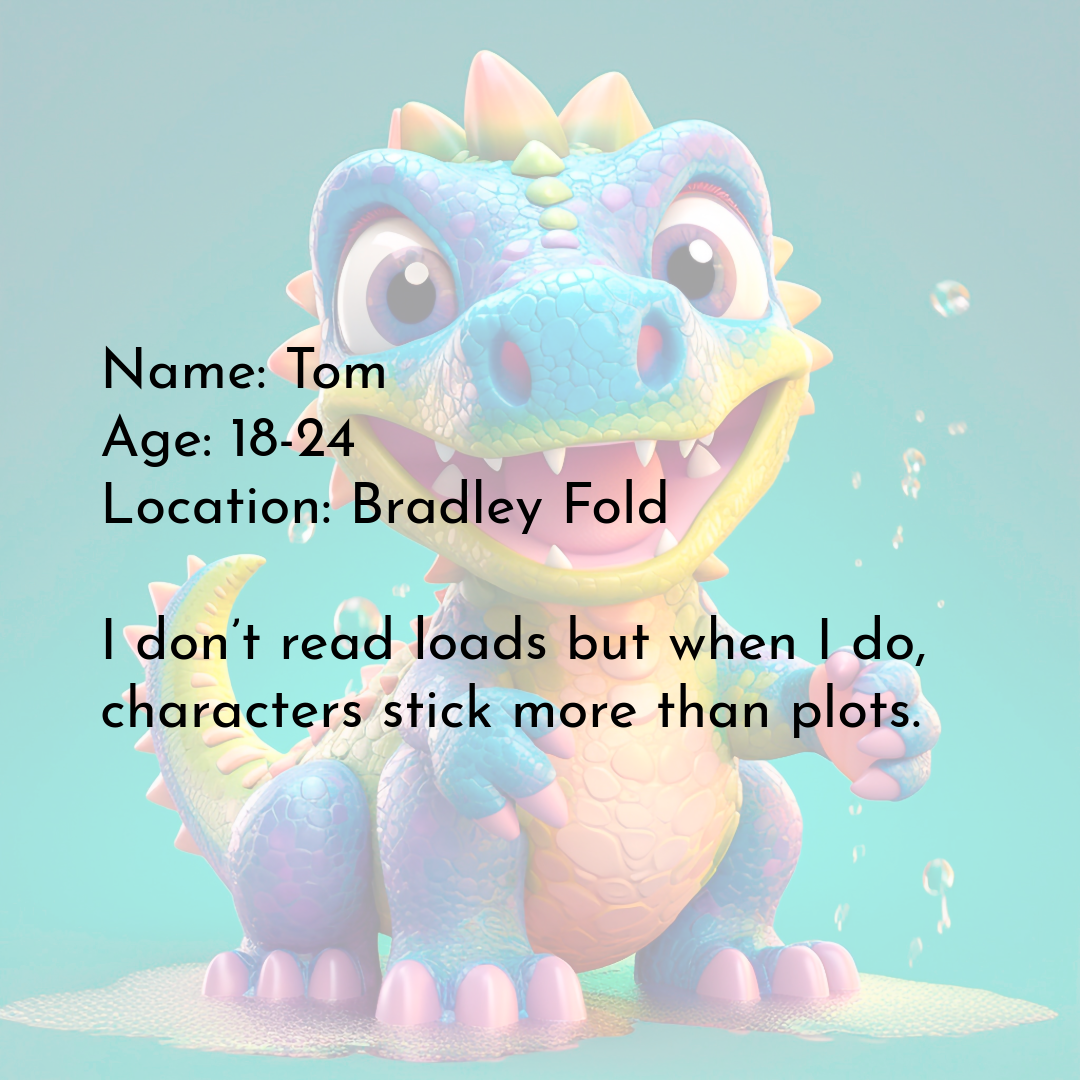
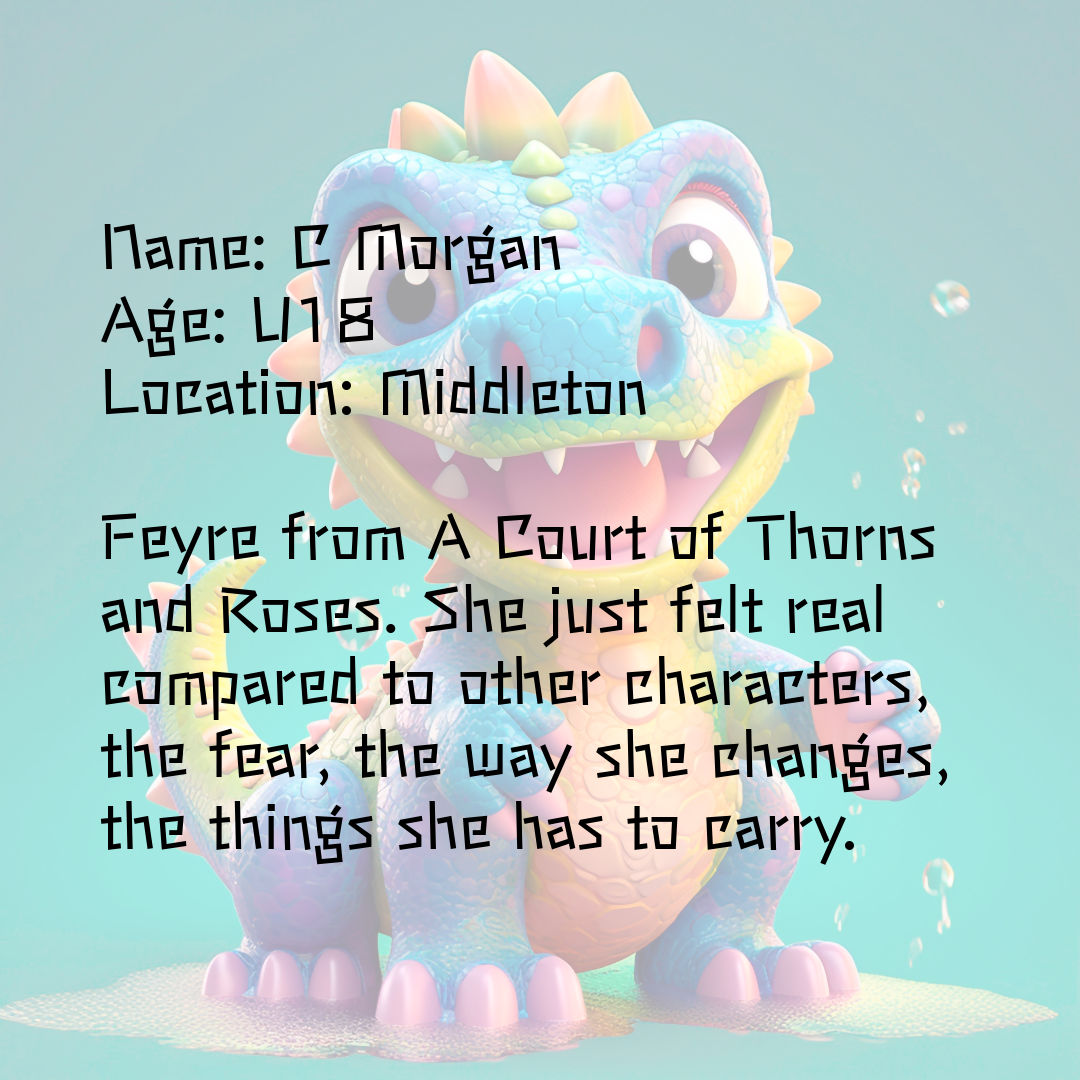
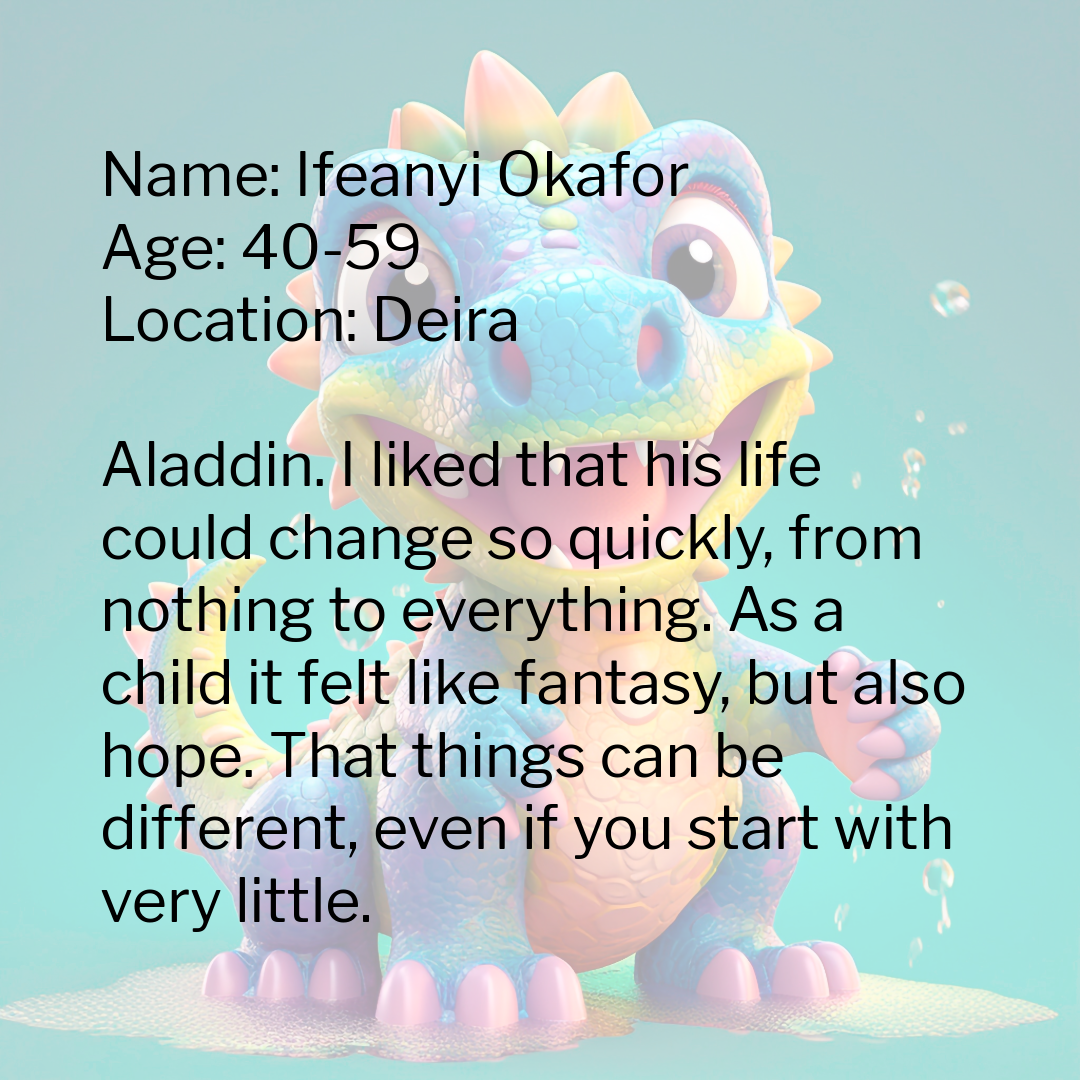
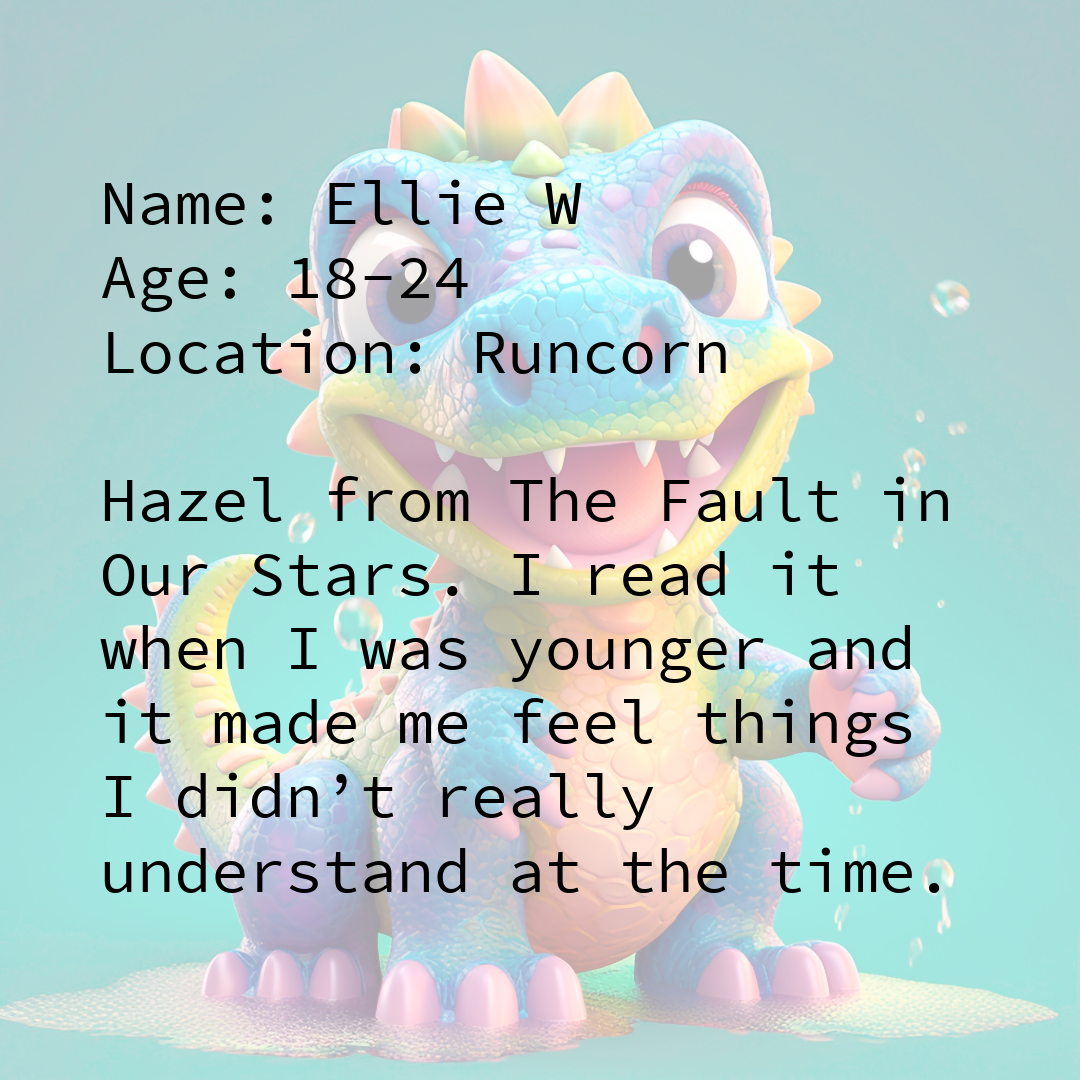
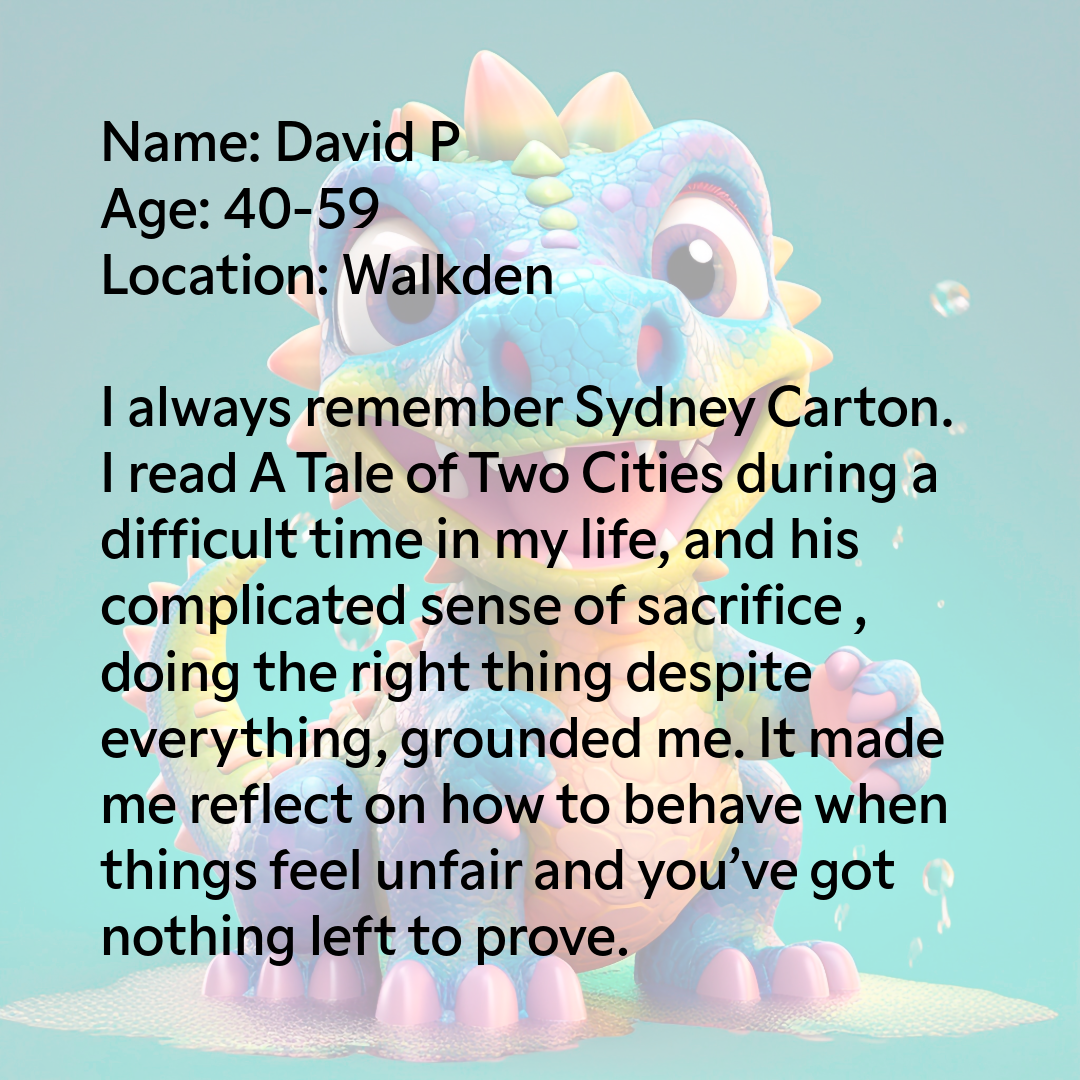
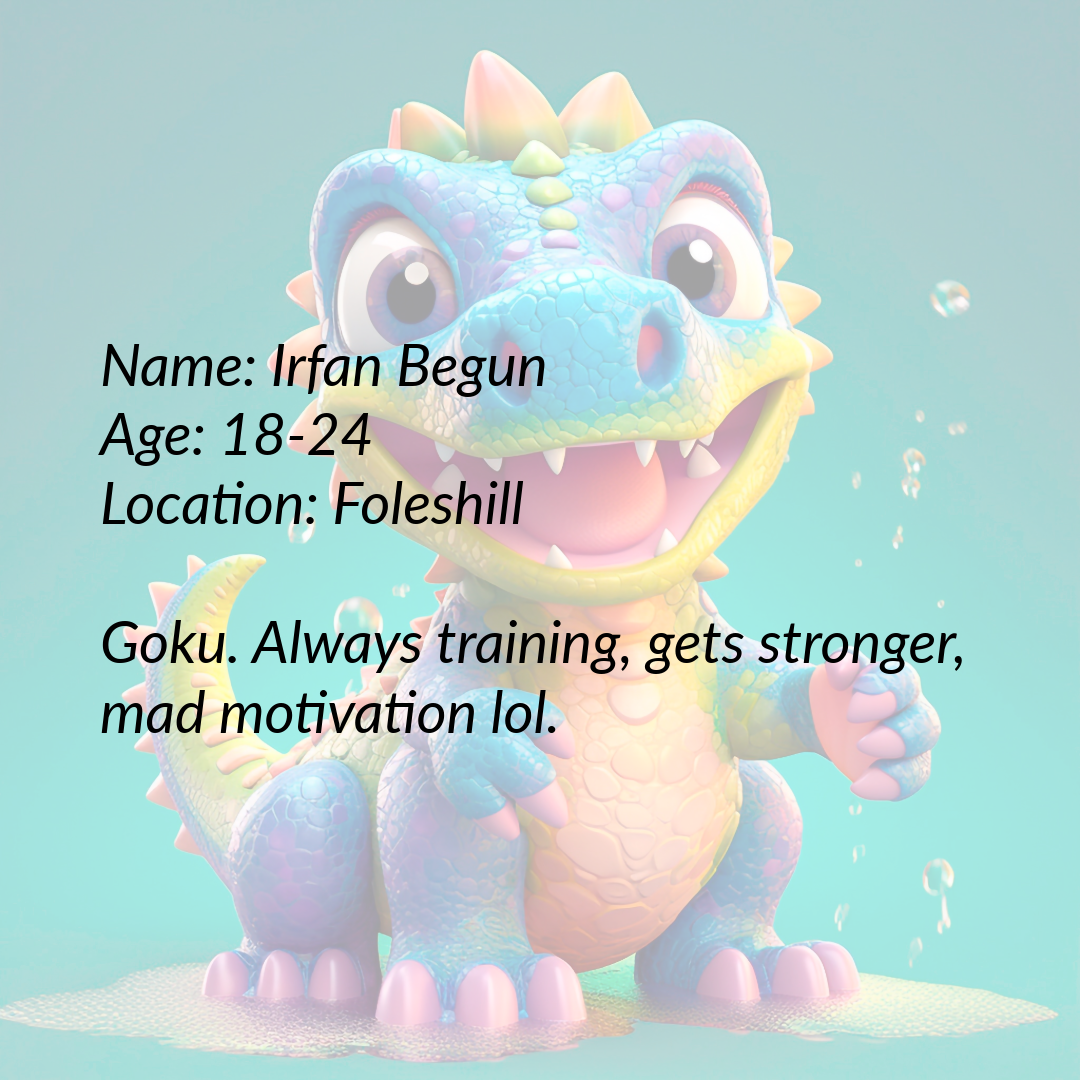
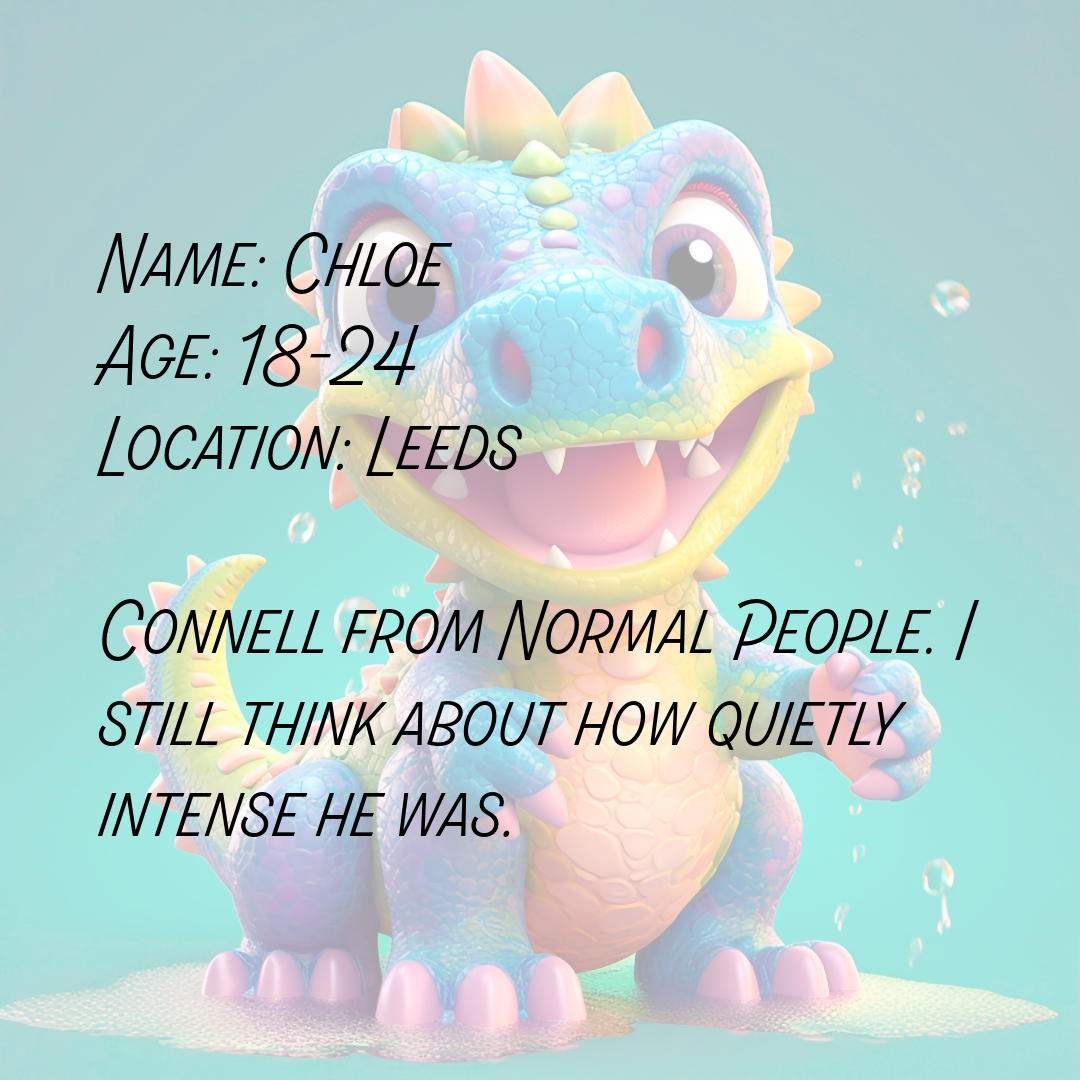
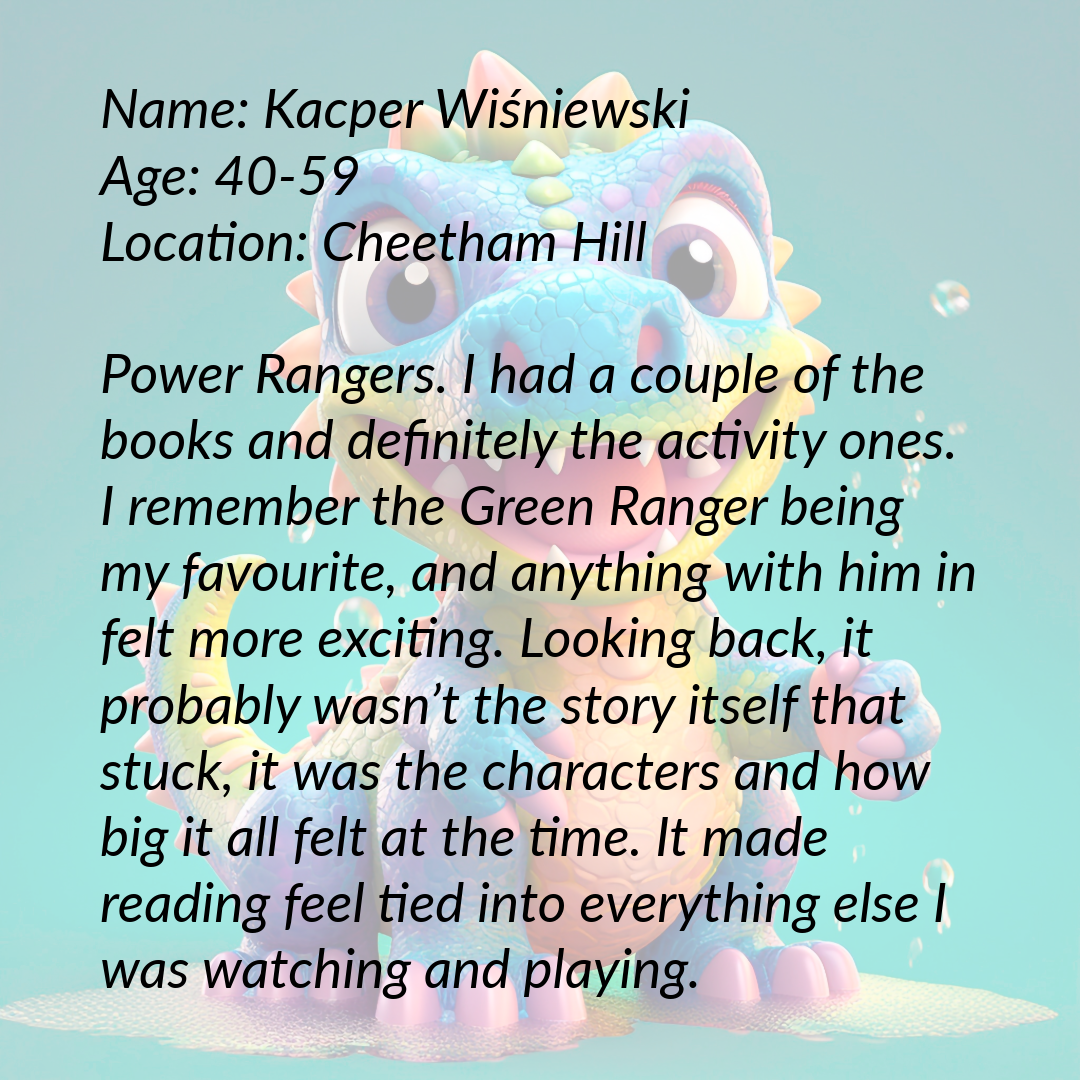
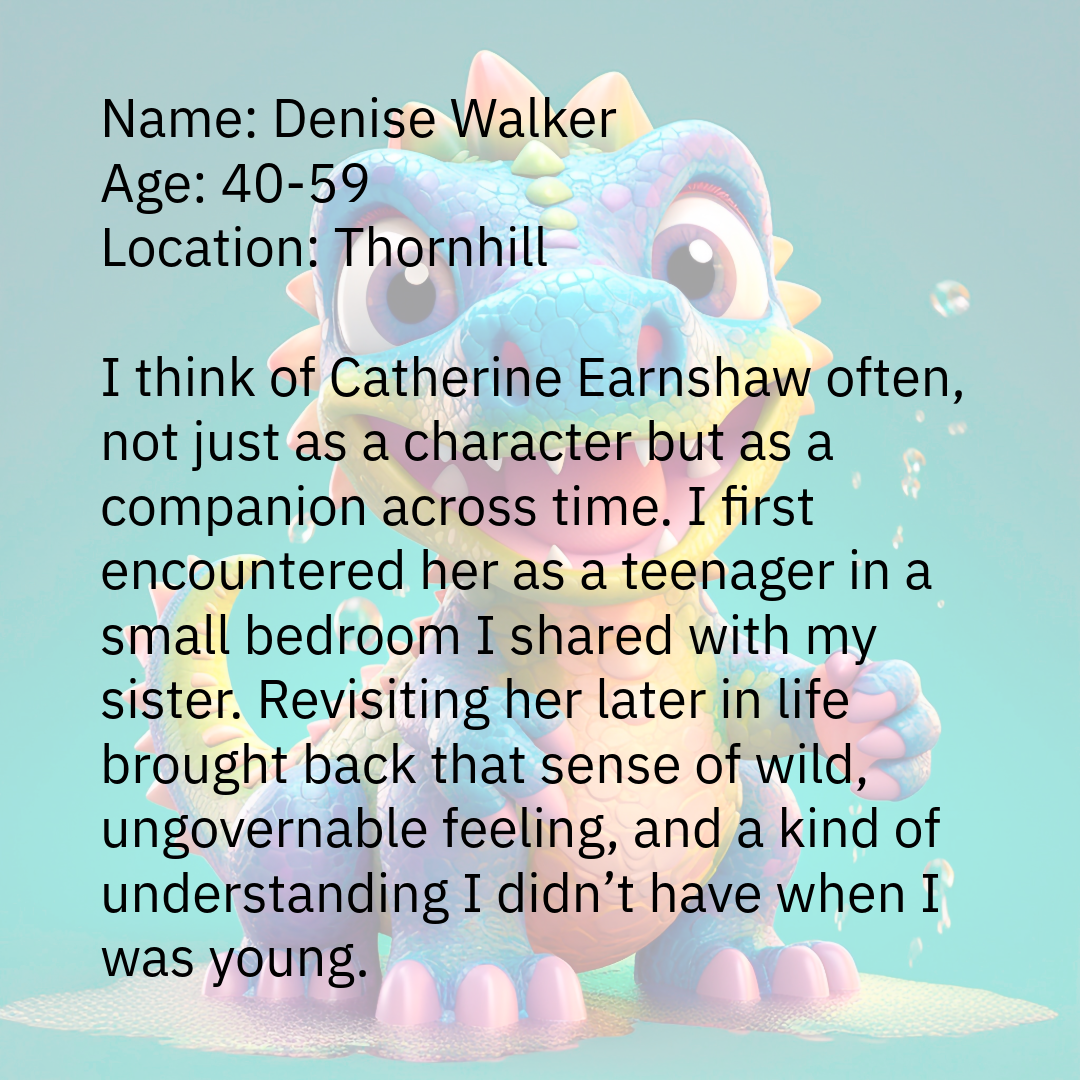
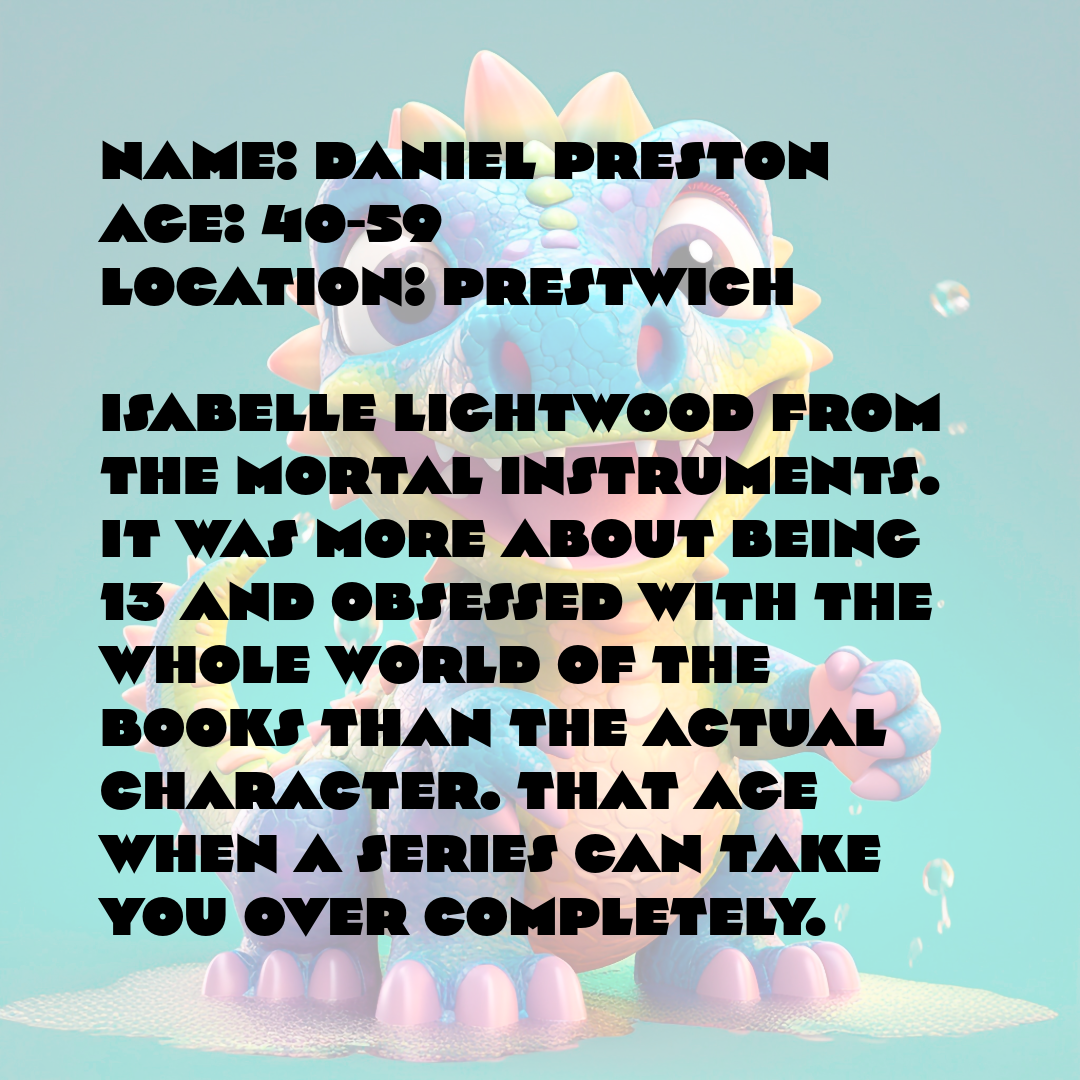
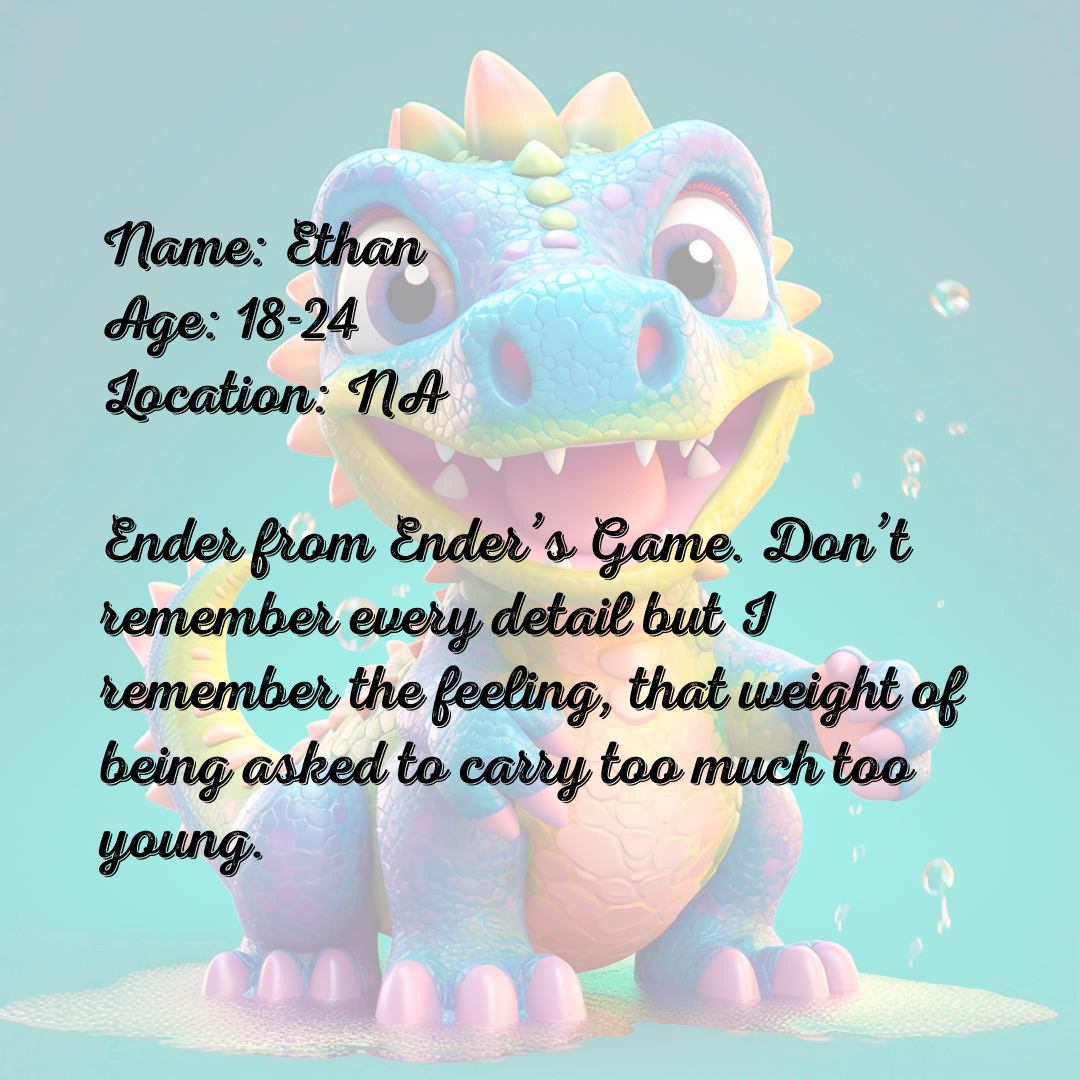
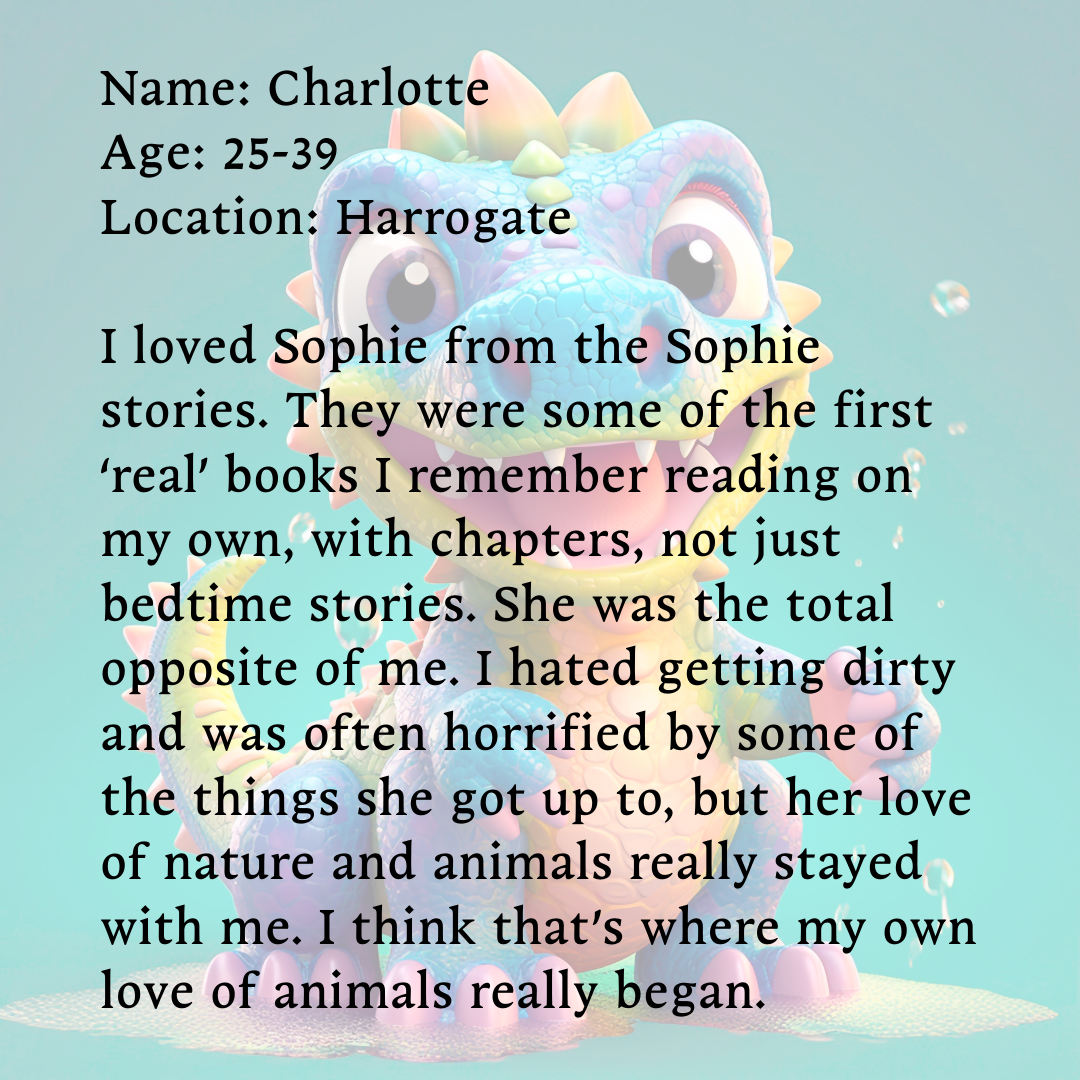
Almost nobody described a plot. Almost everybody described a feeling.
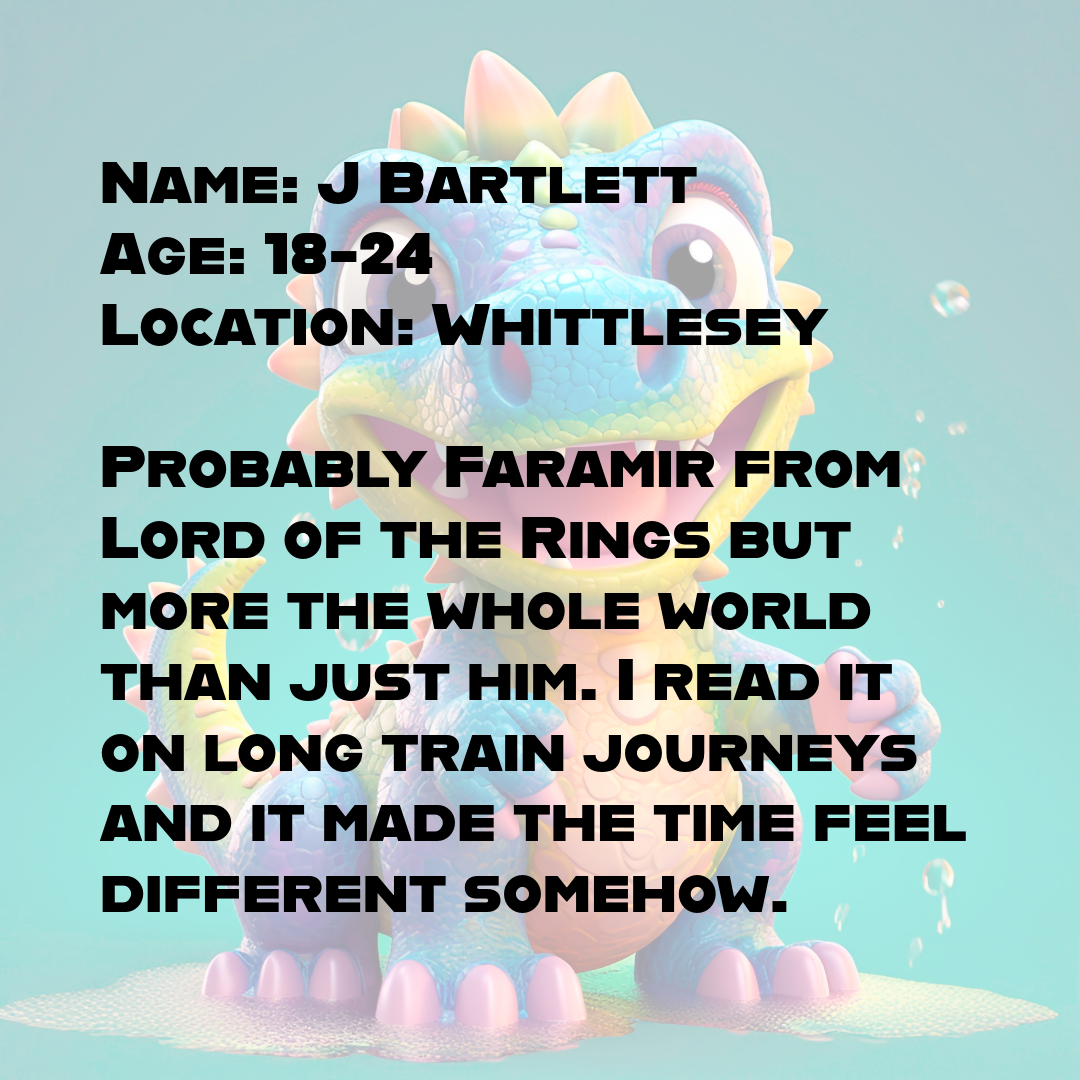
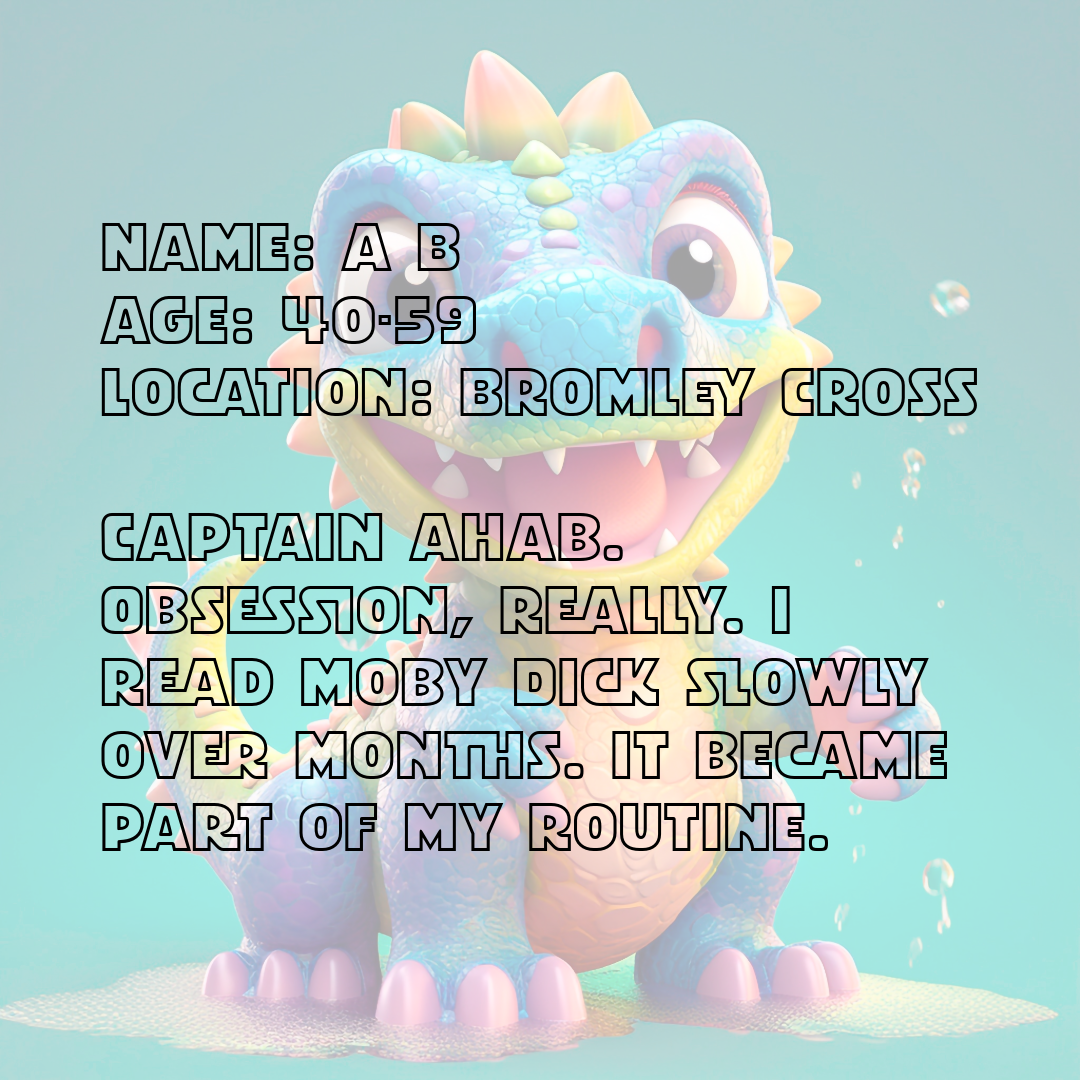
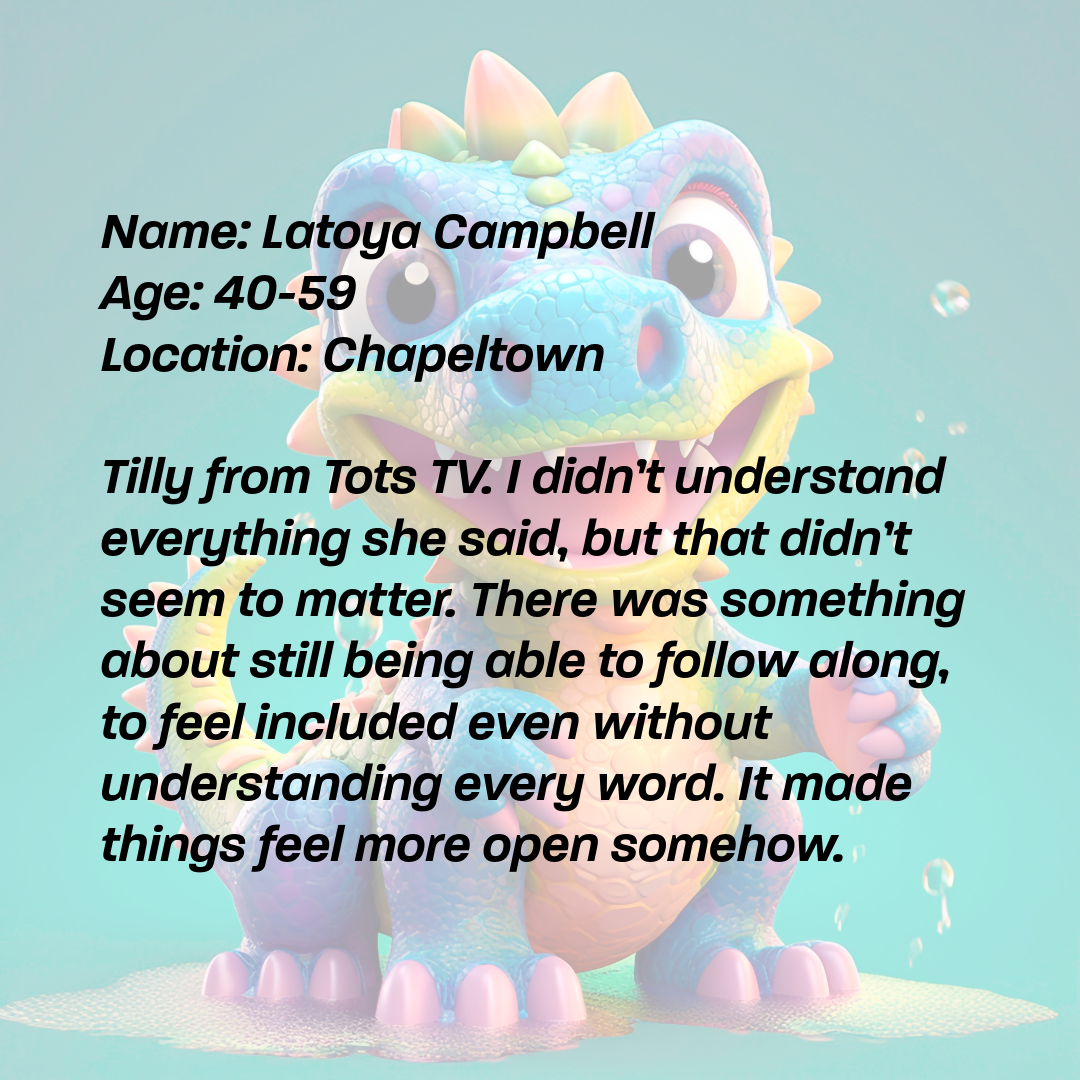
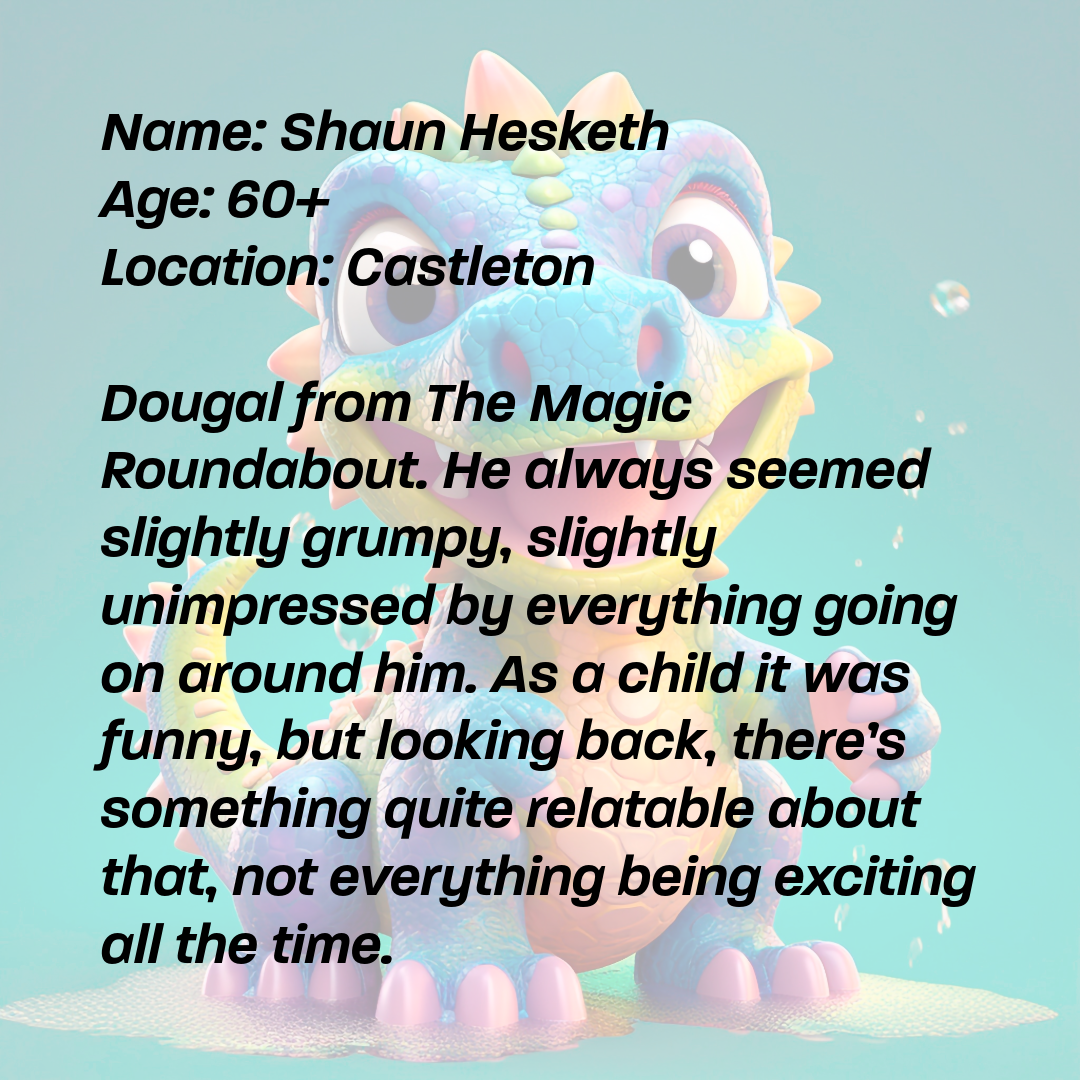
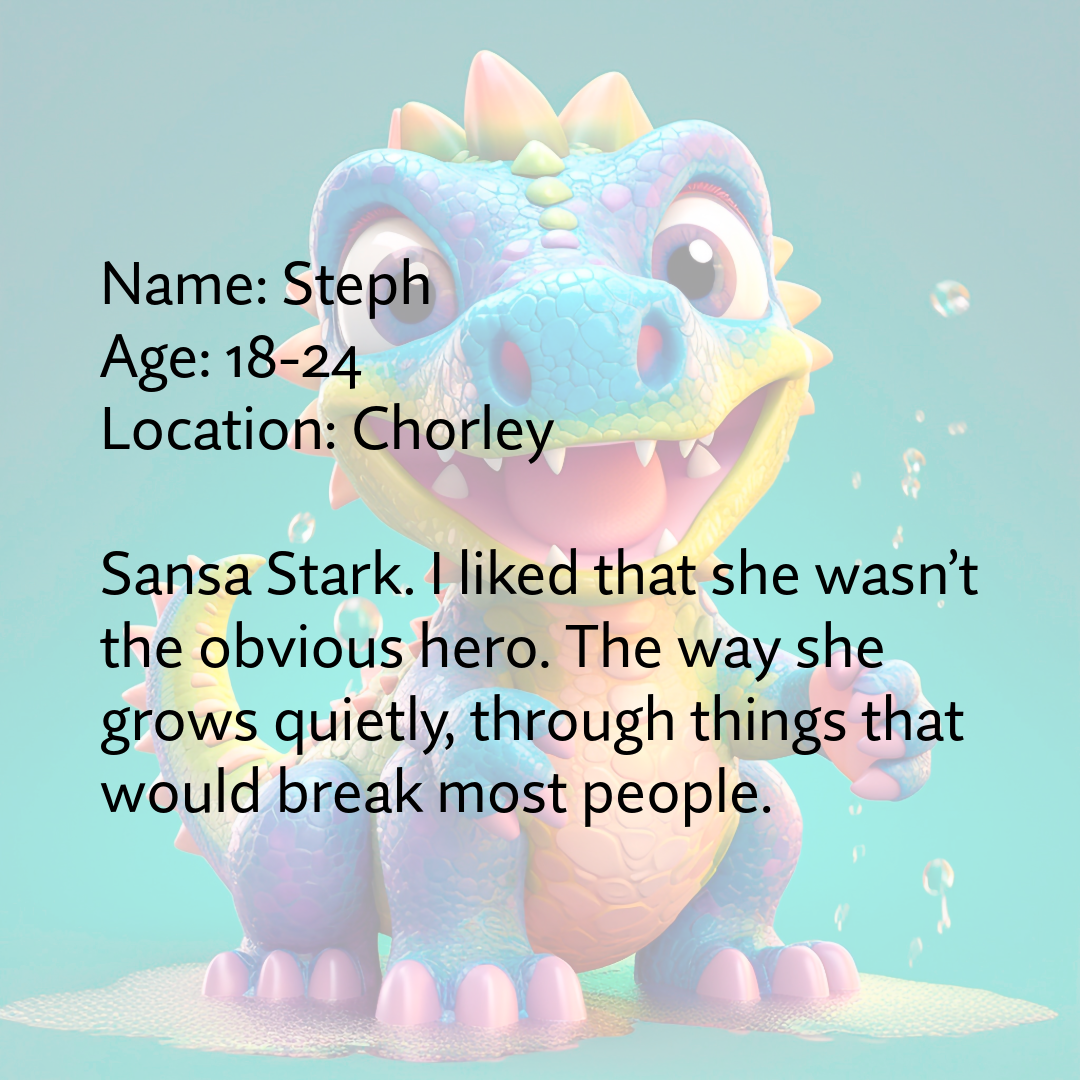
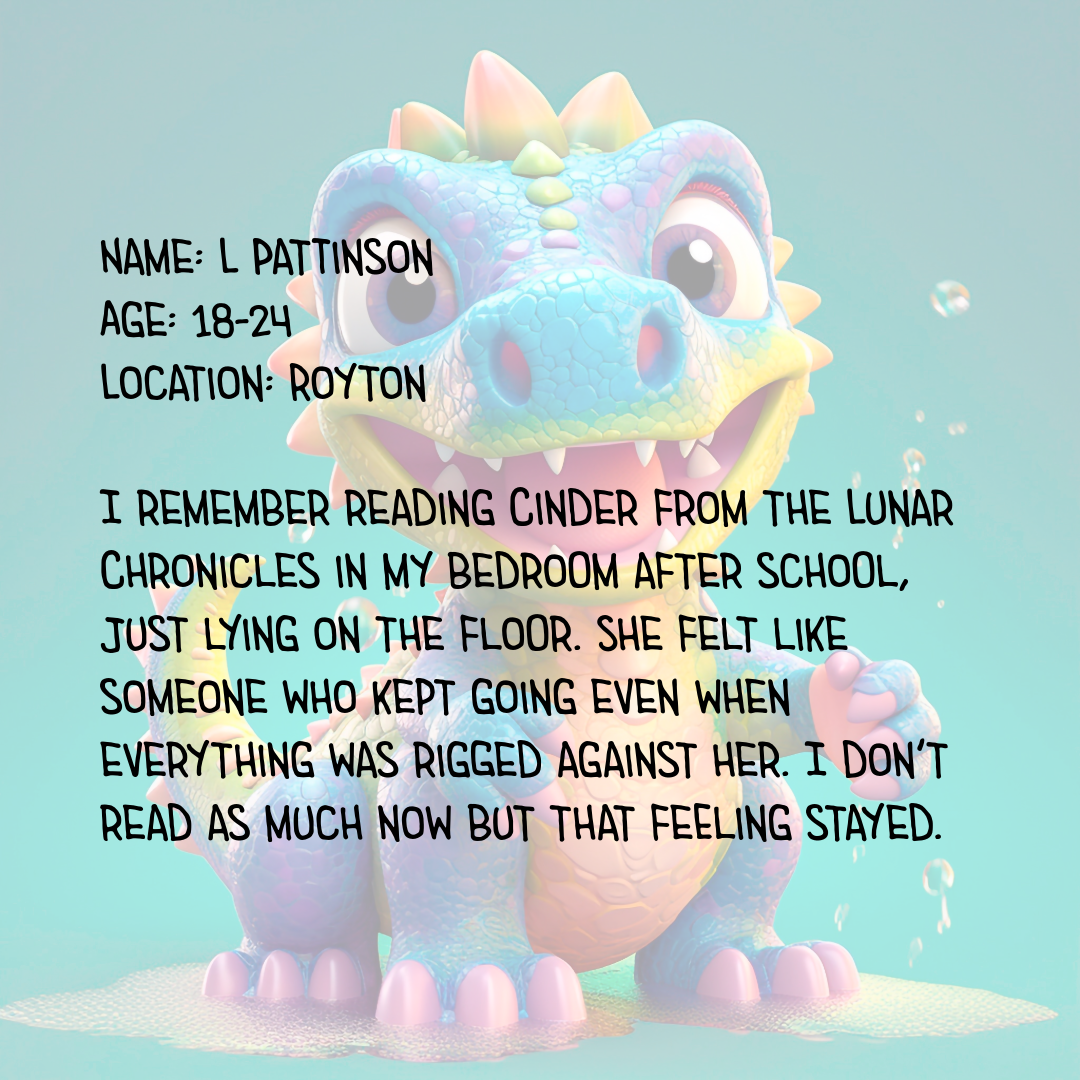
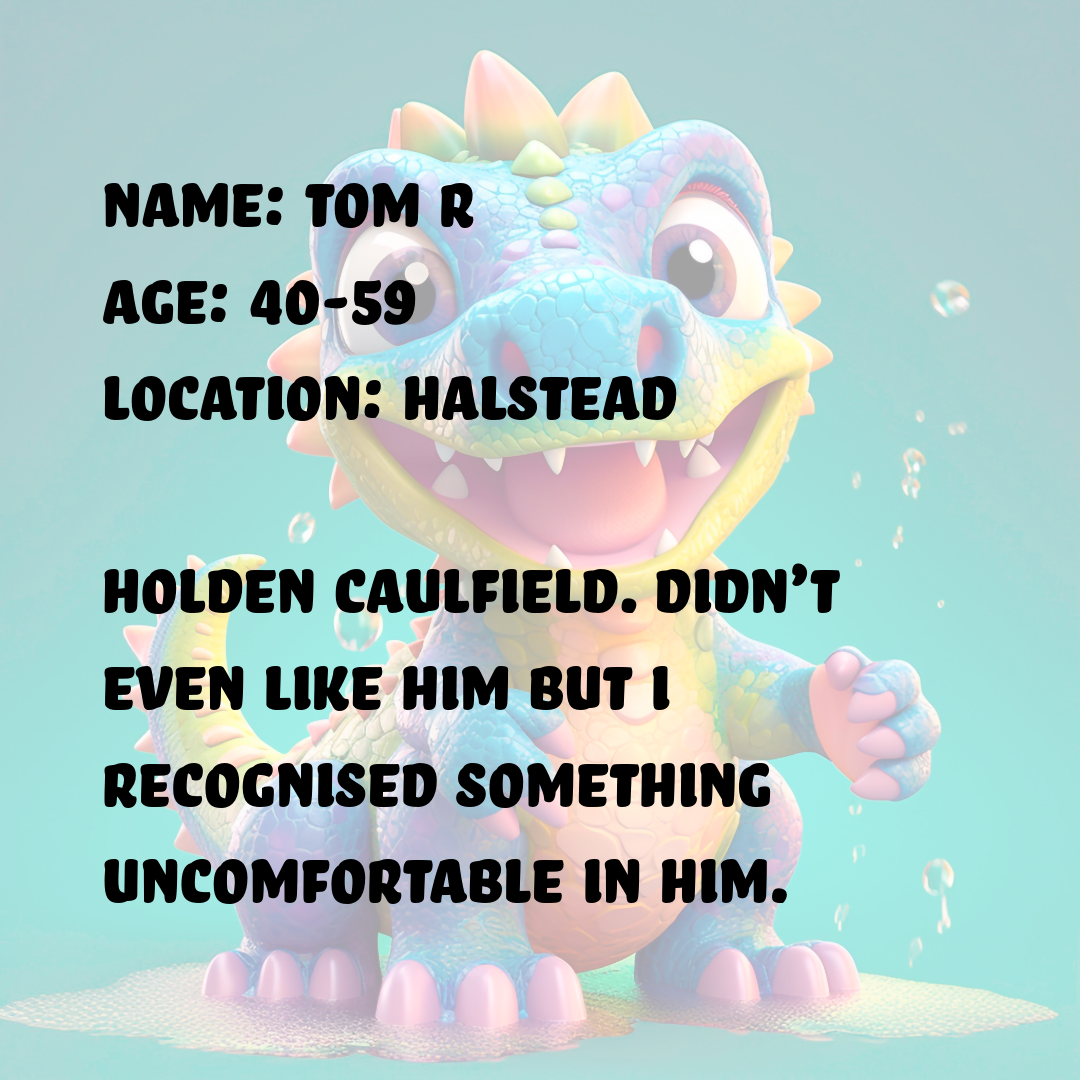
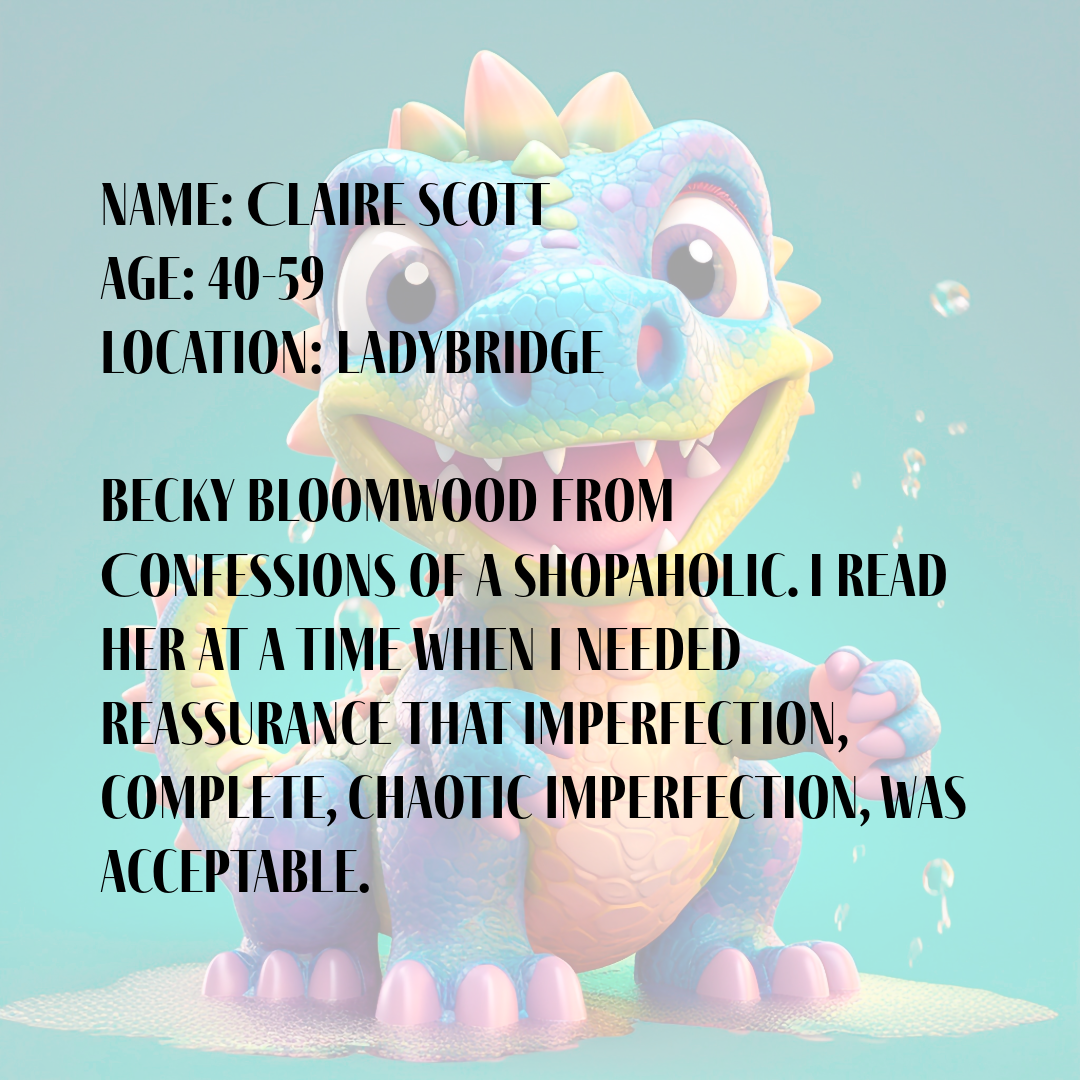
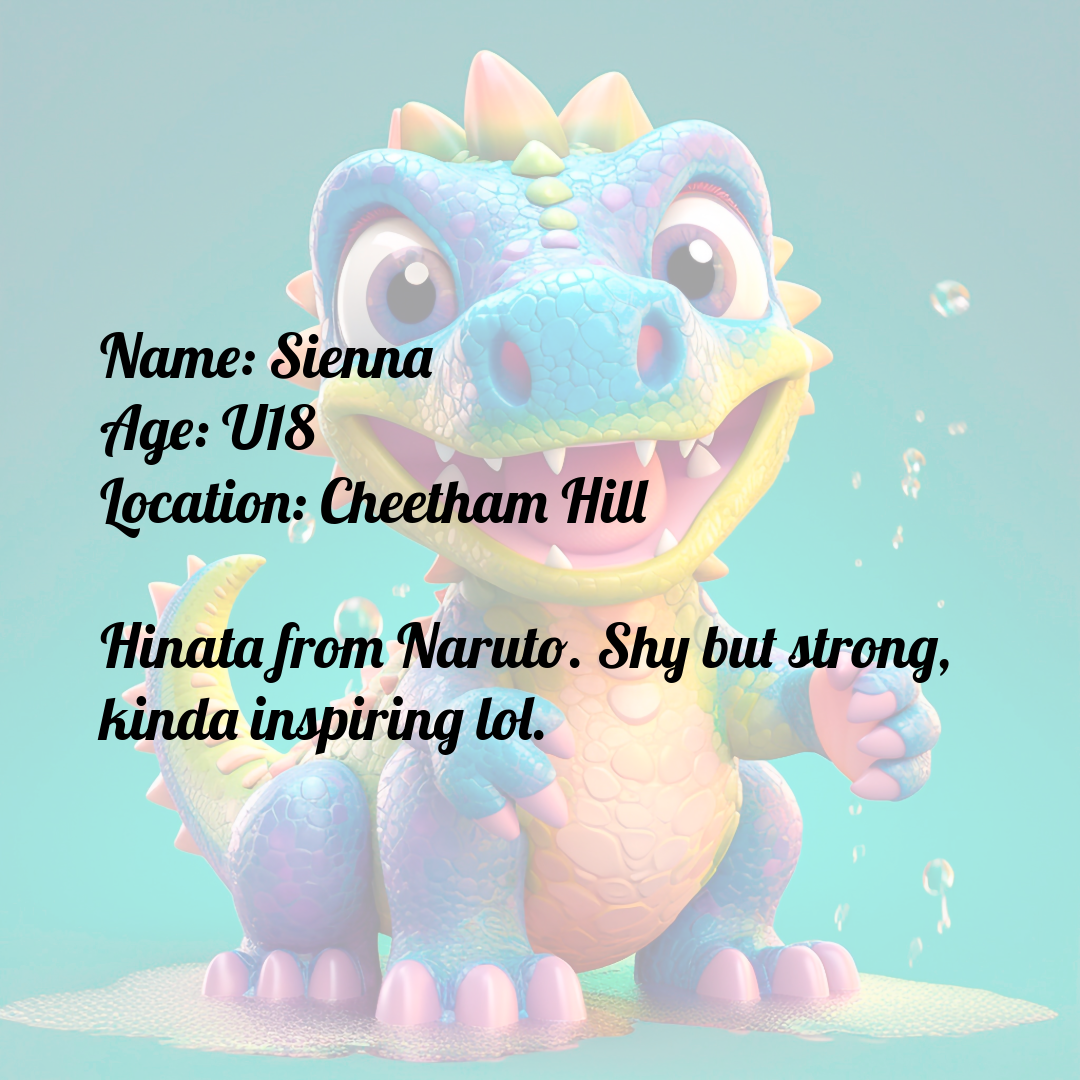
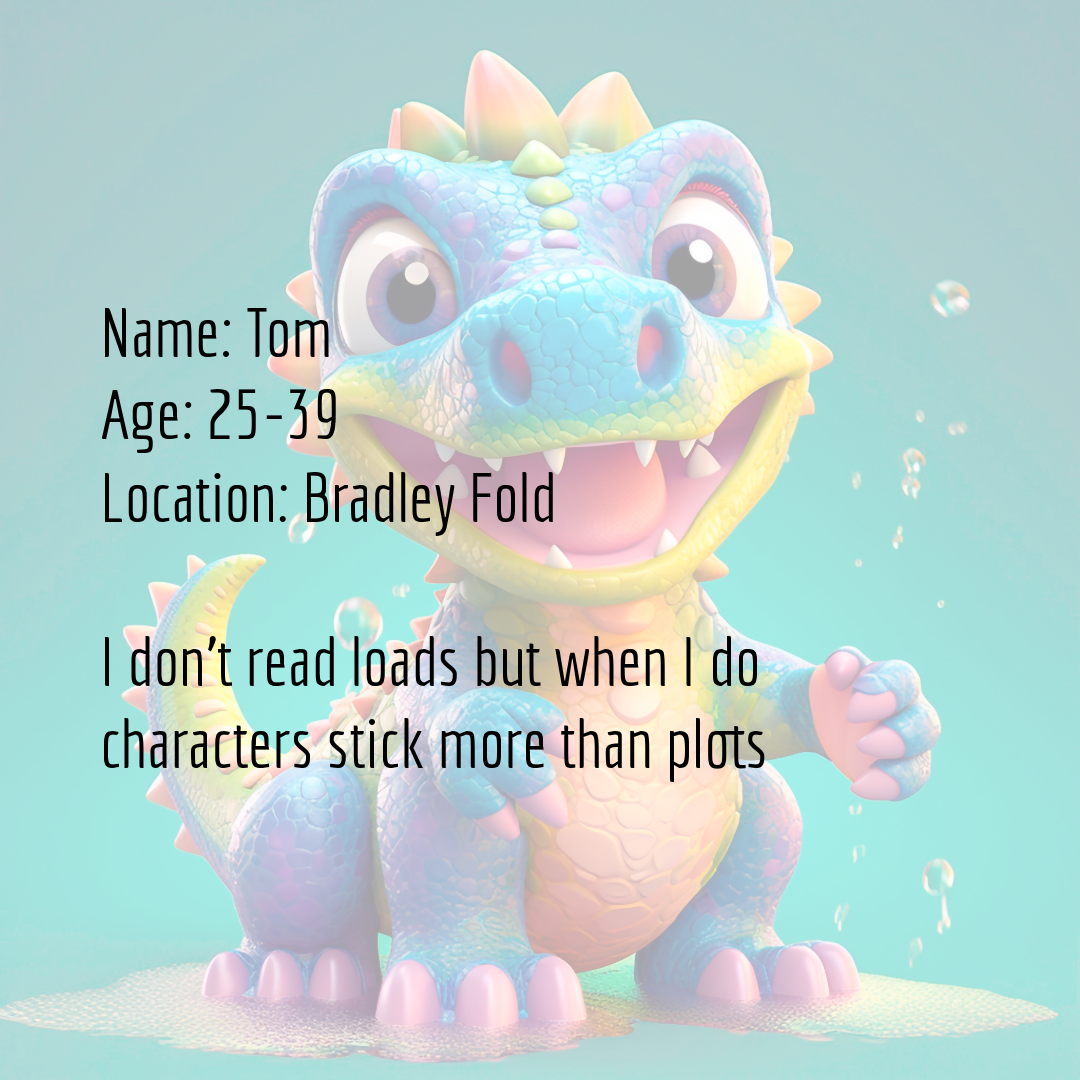
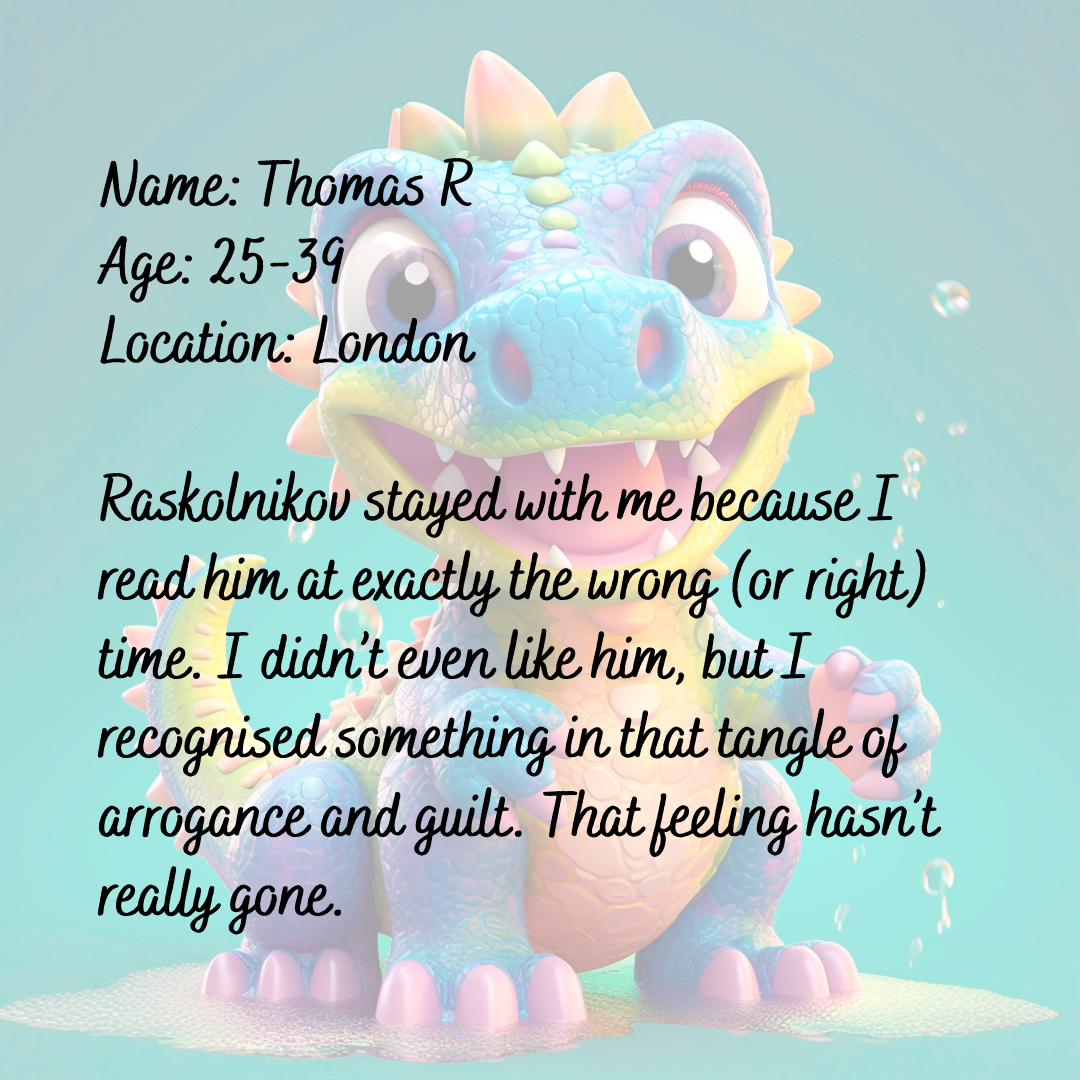
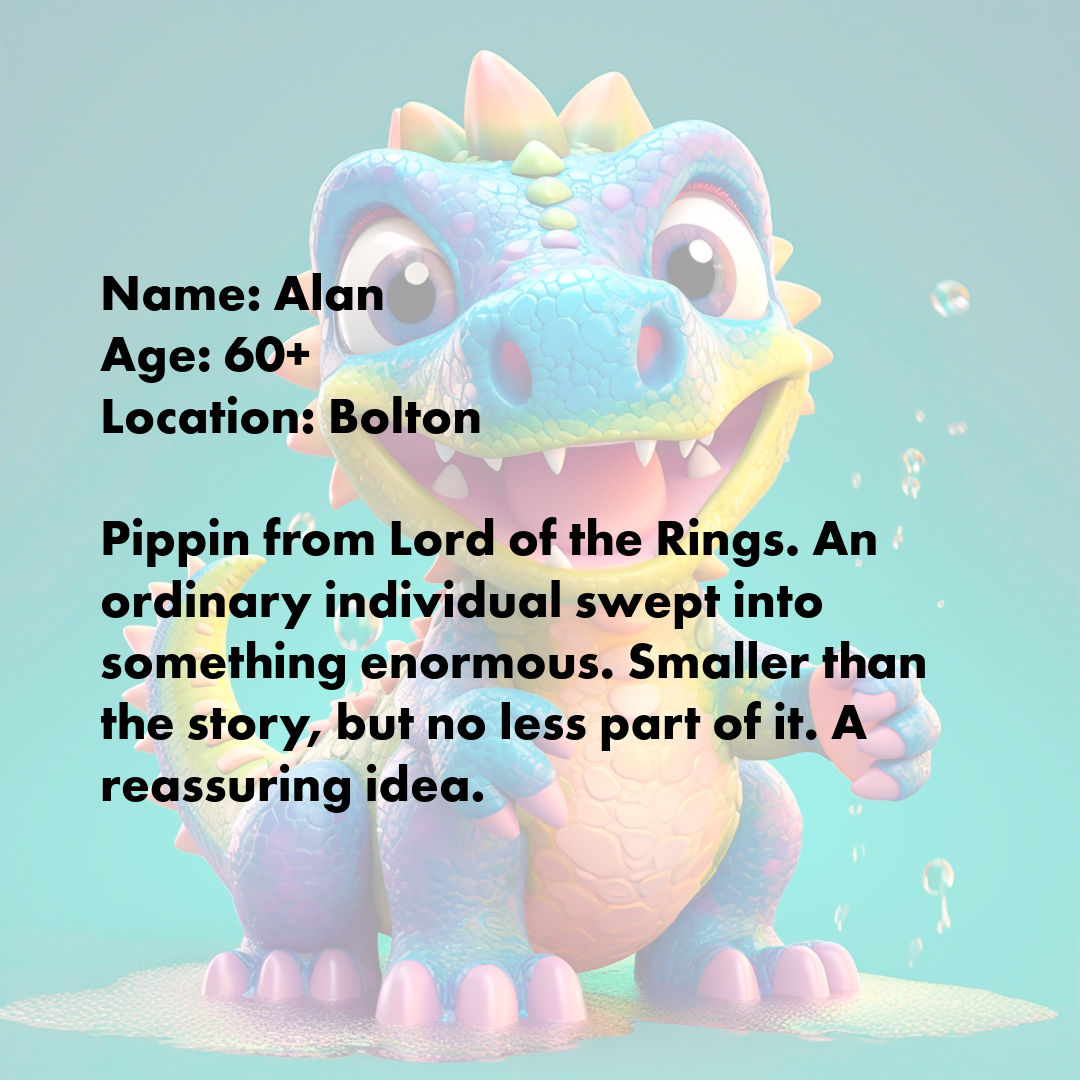
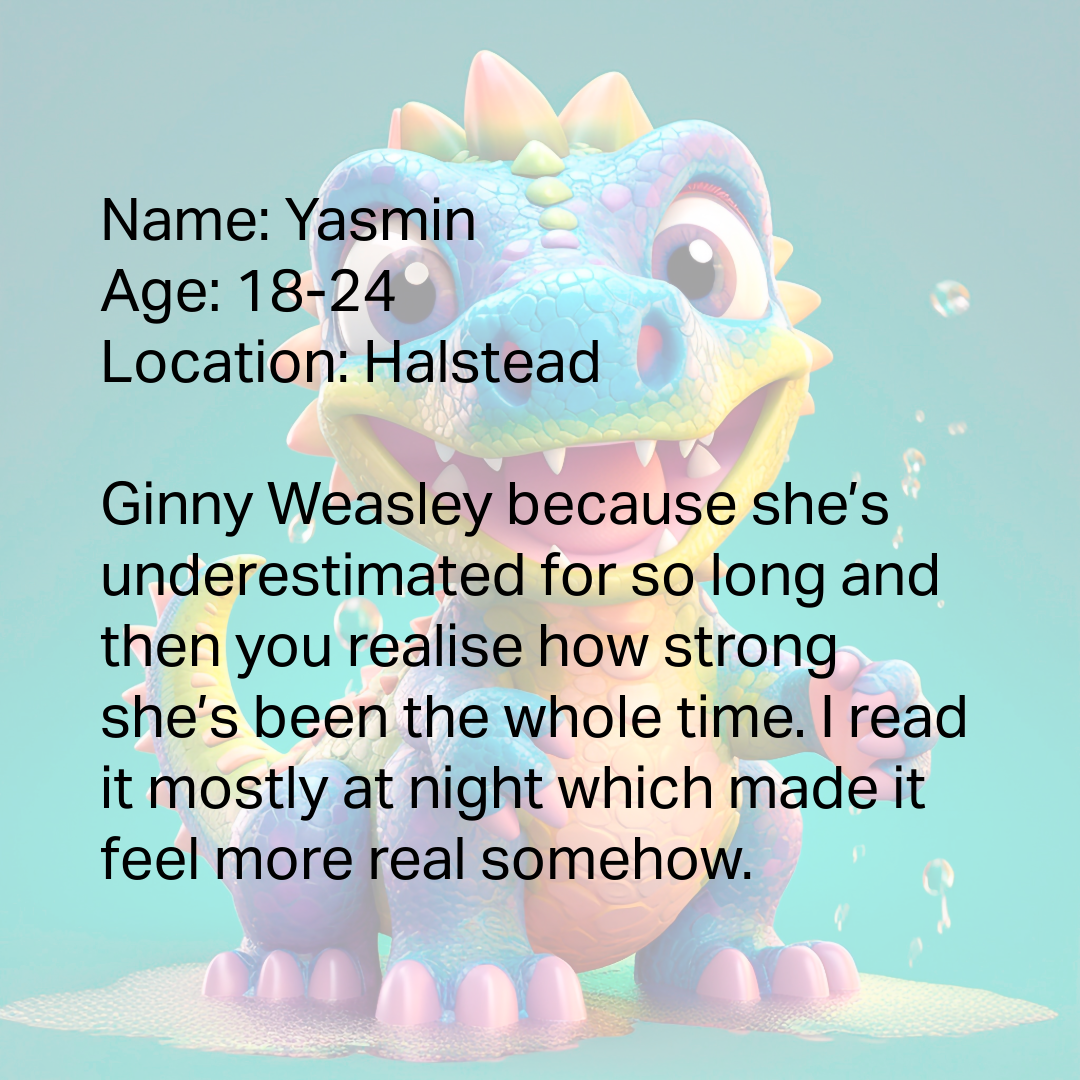
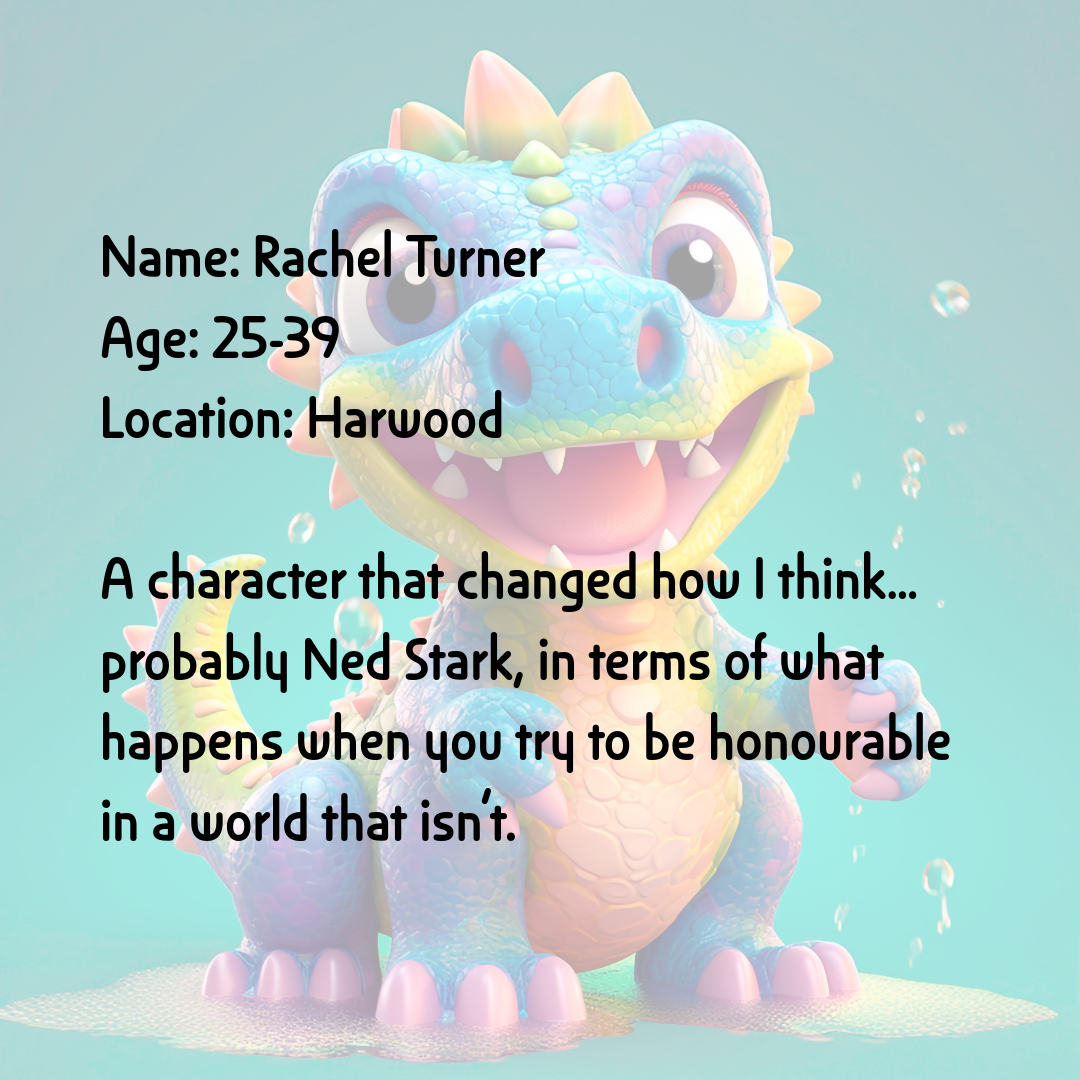
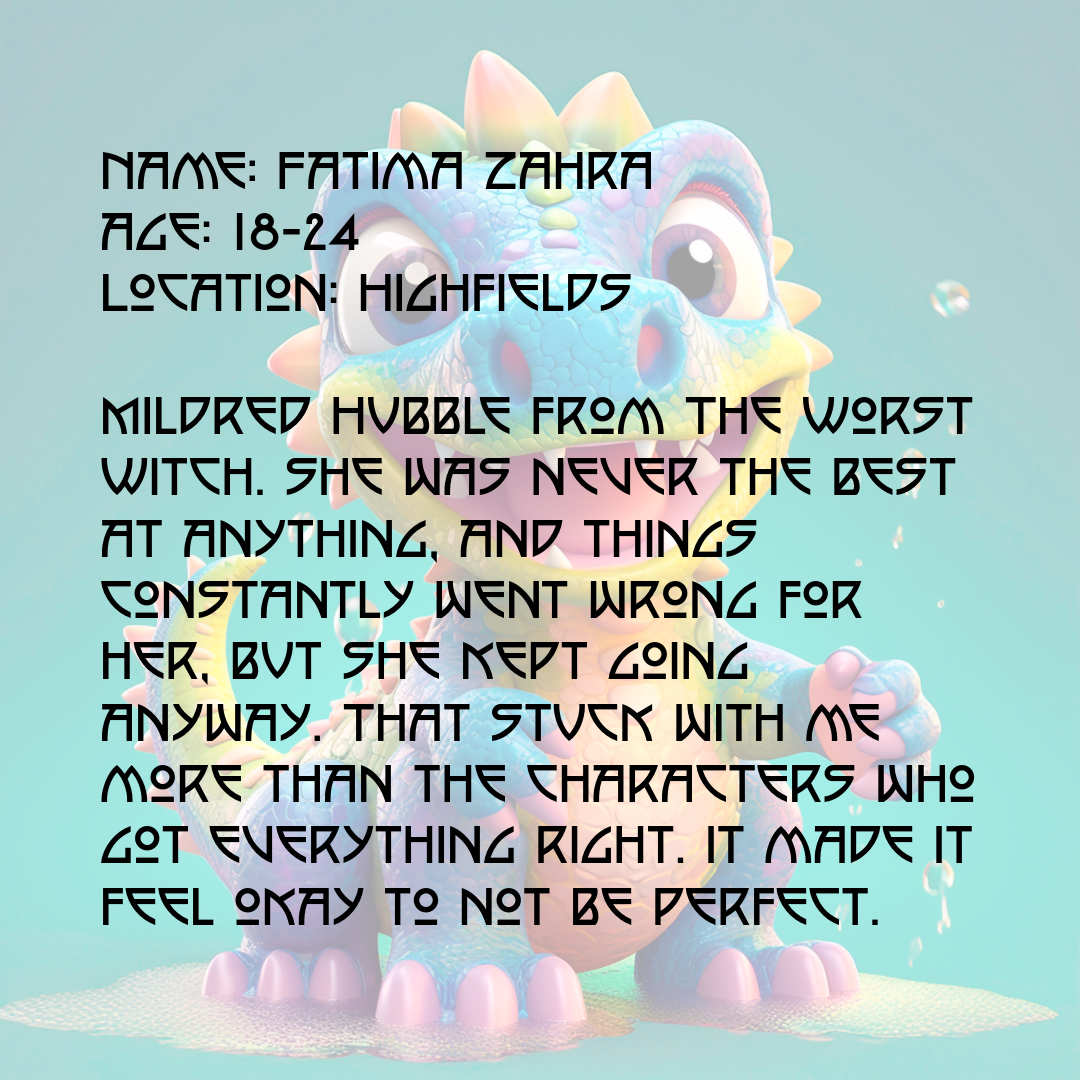
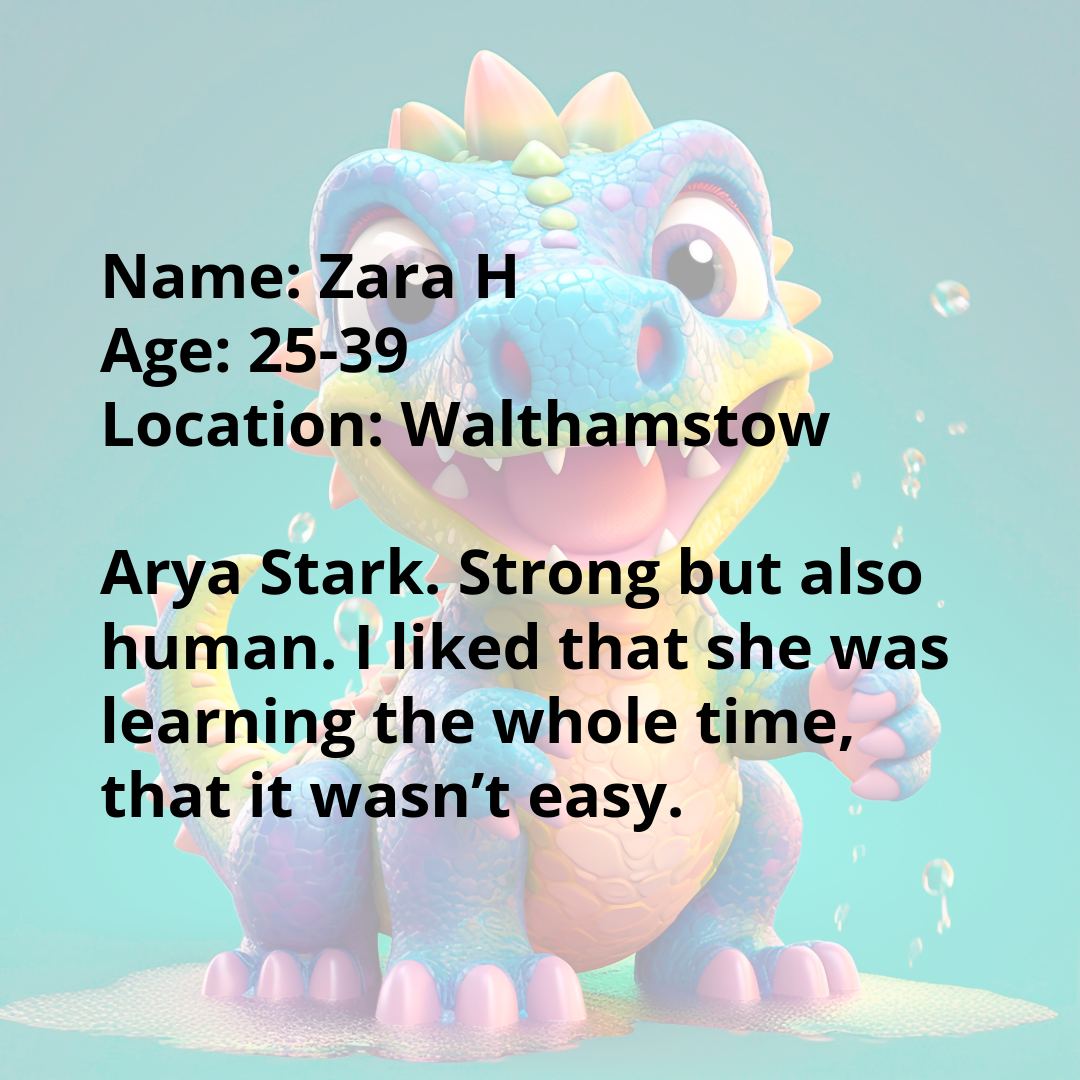
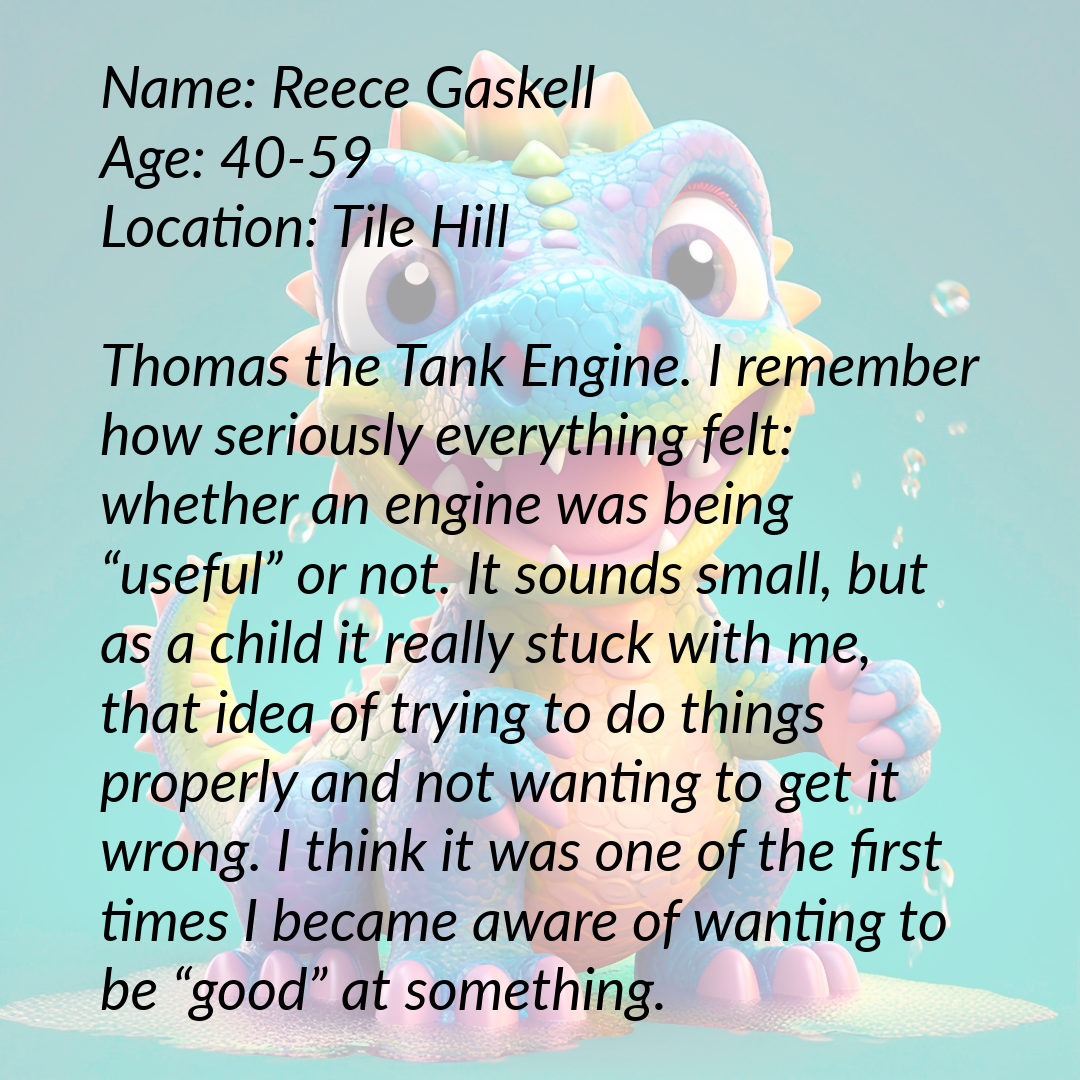
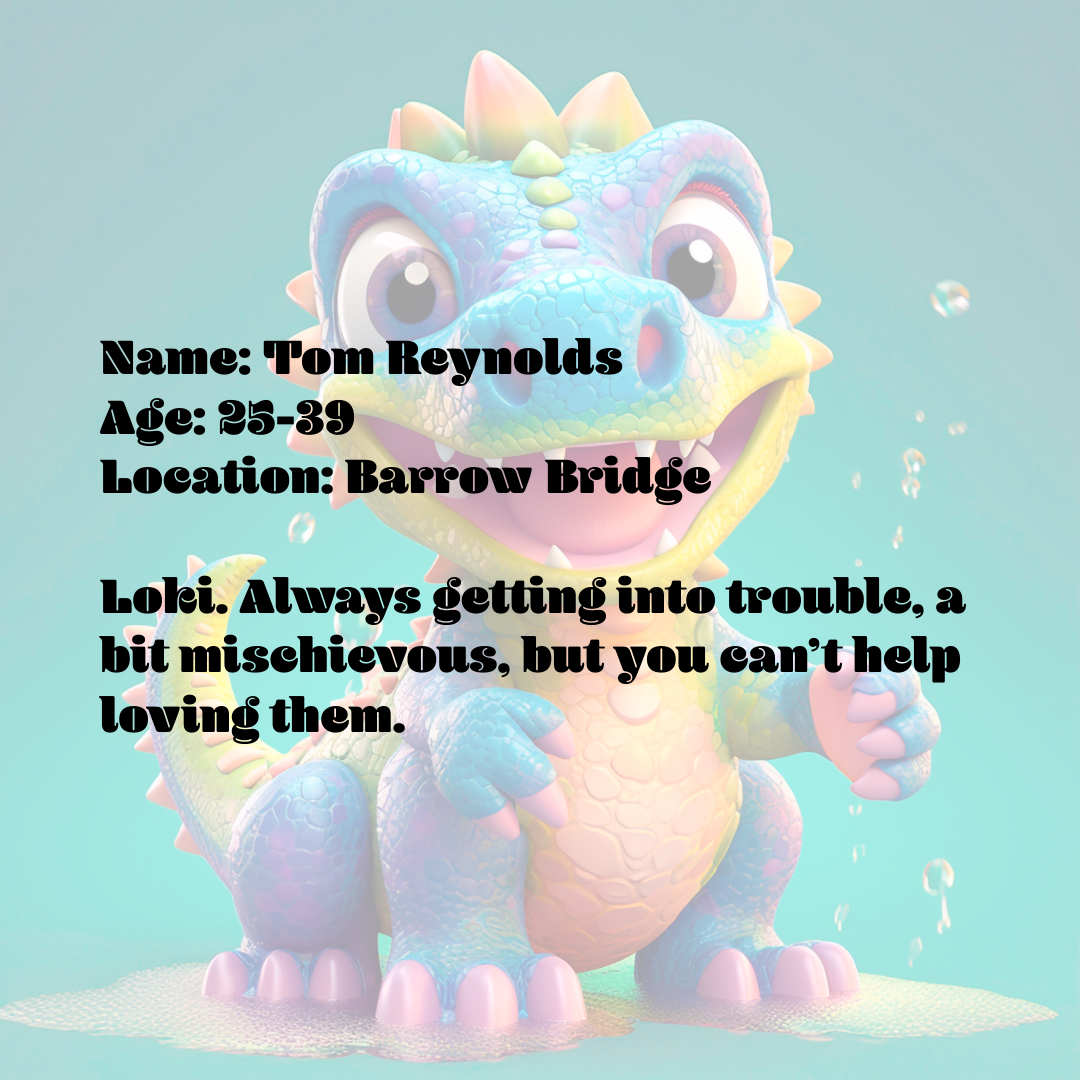
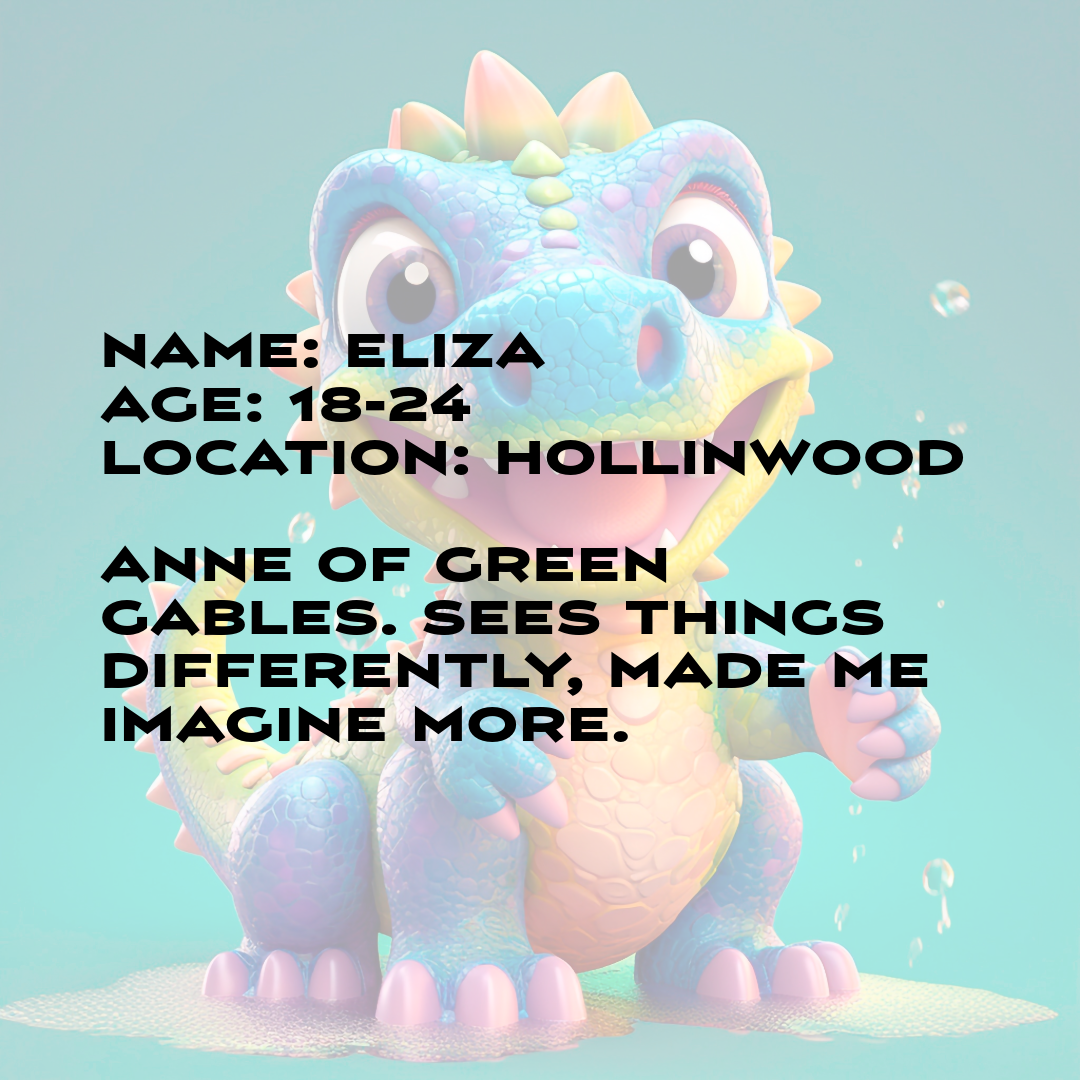
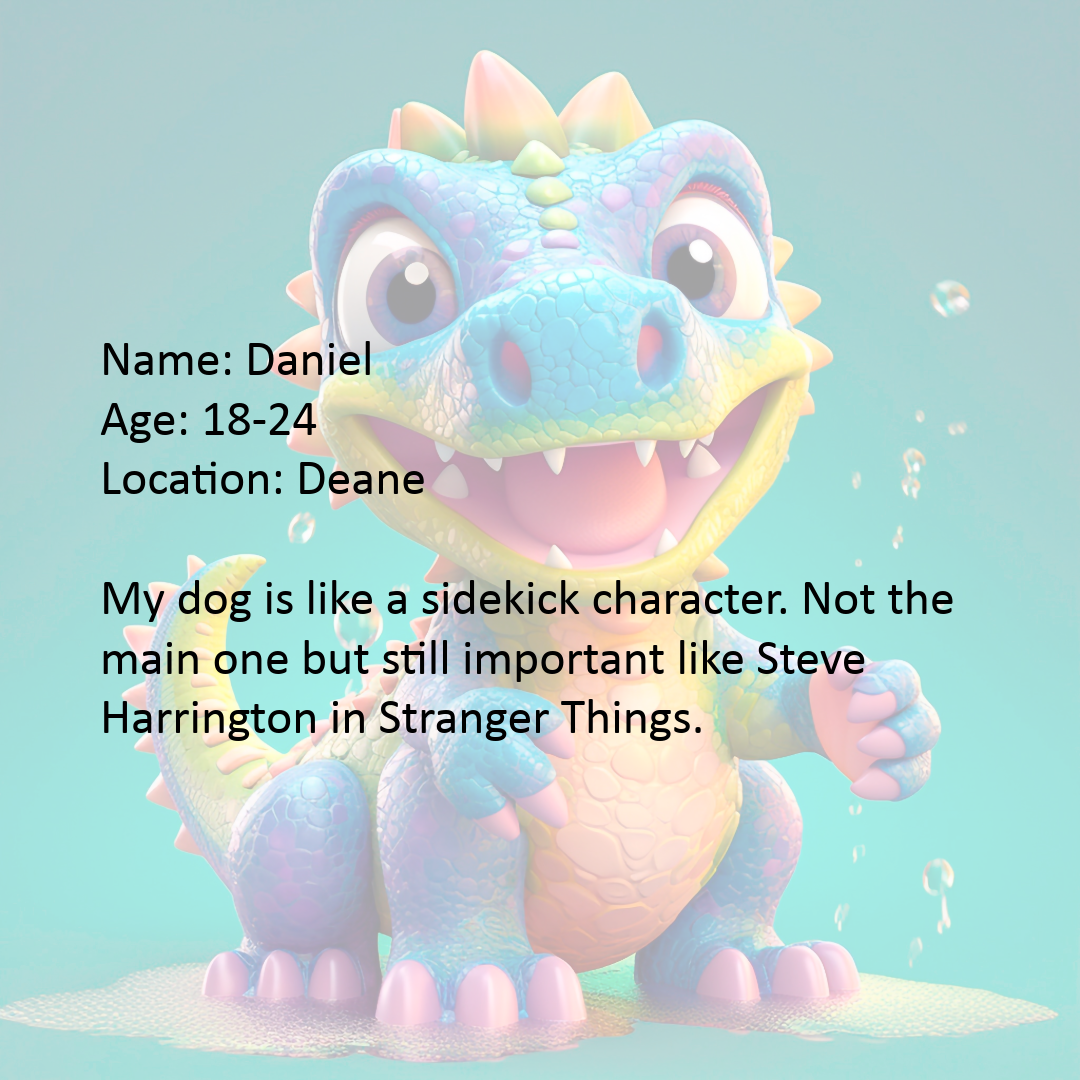
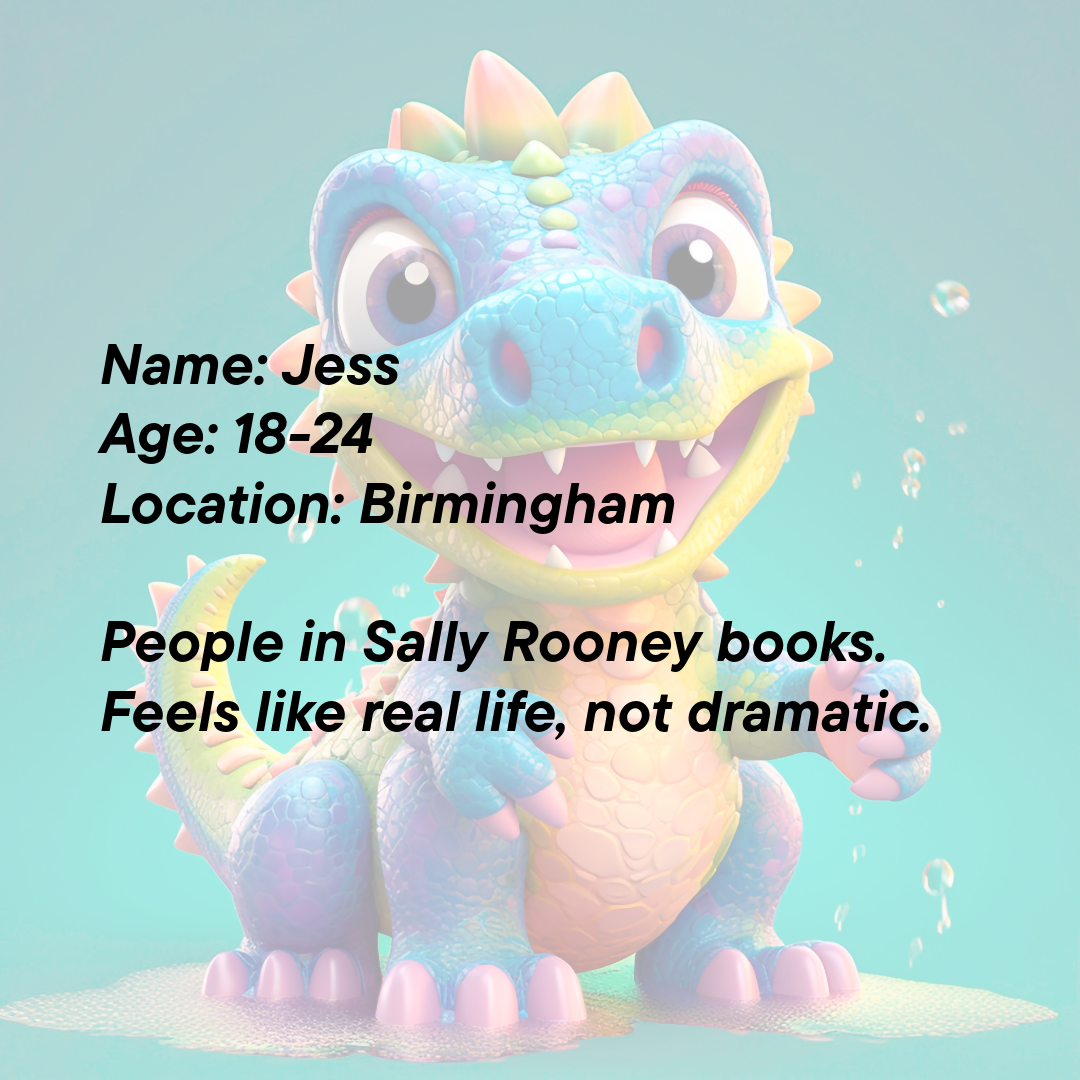
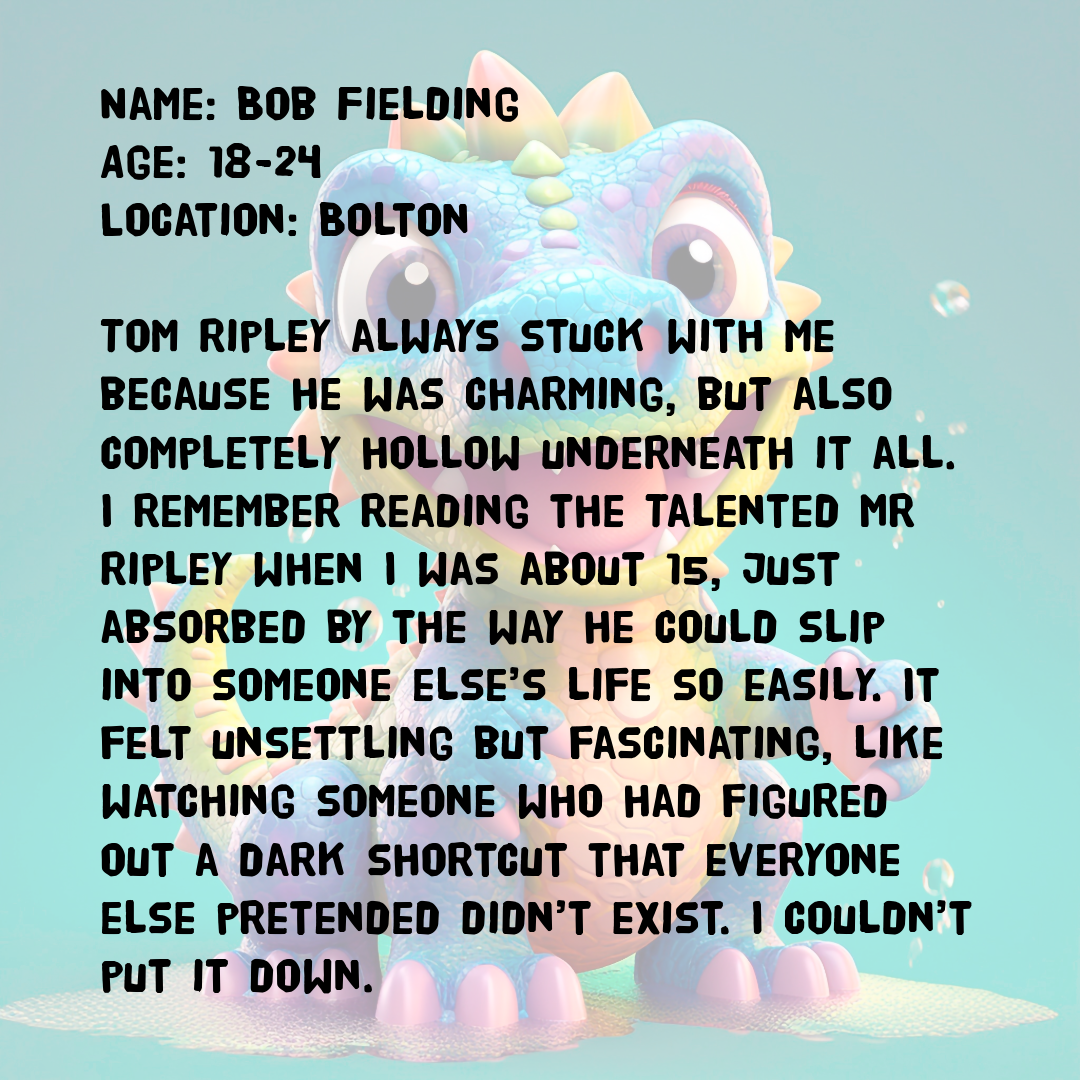
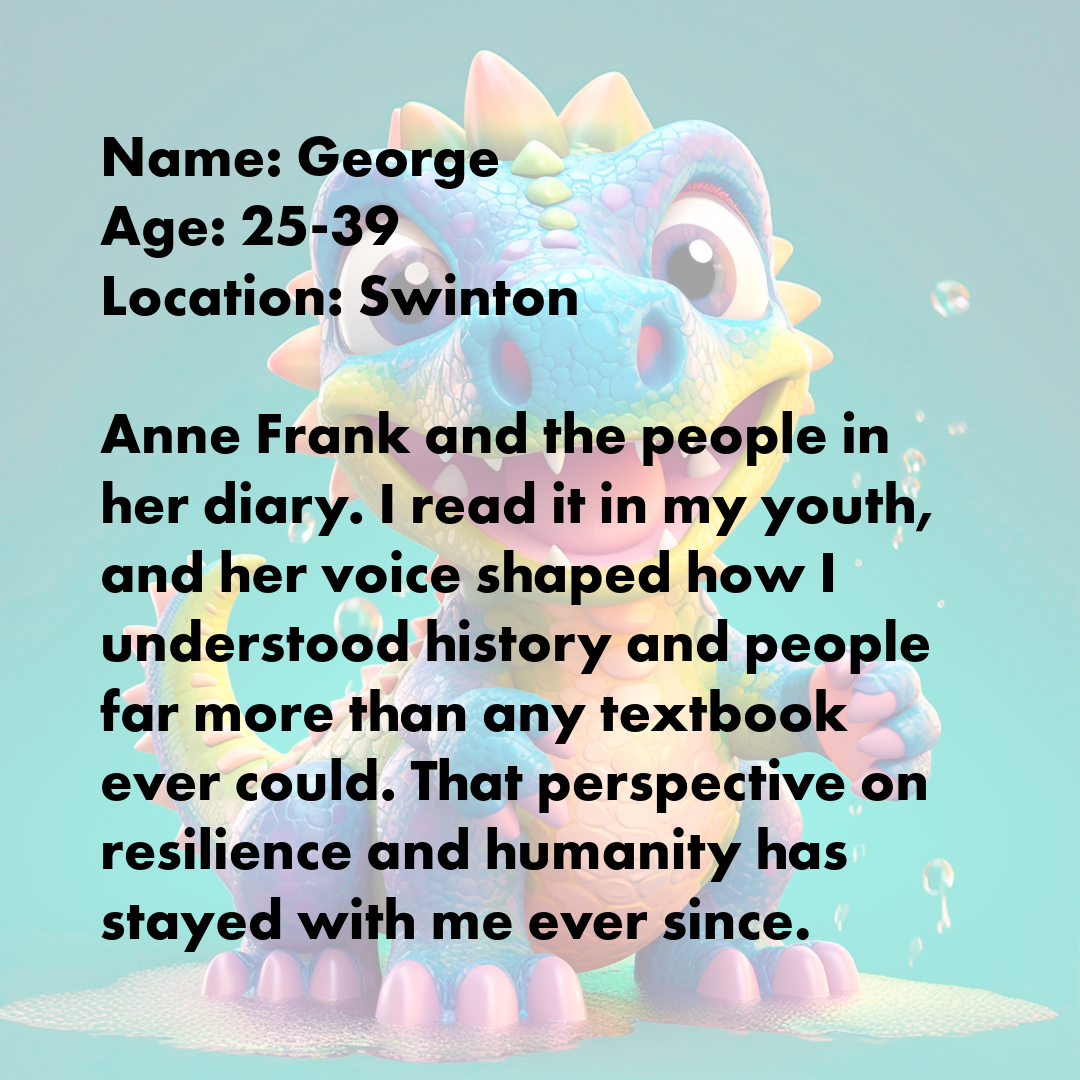
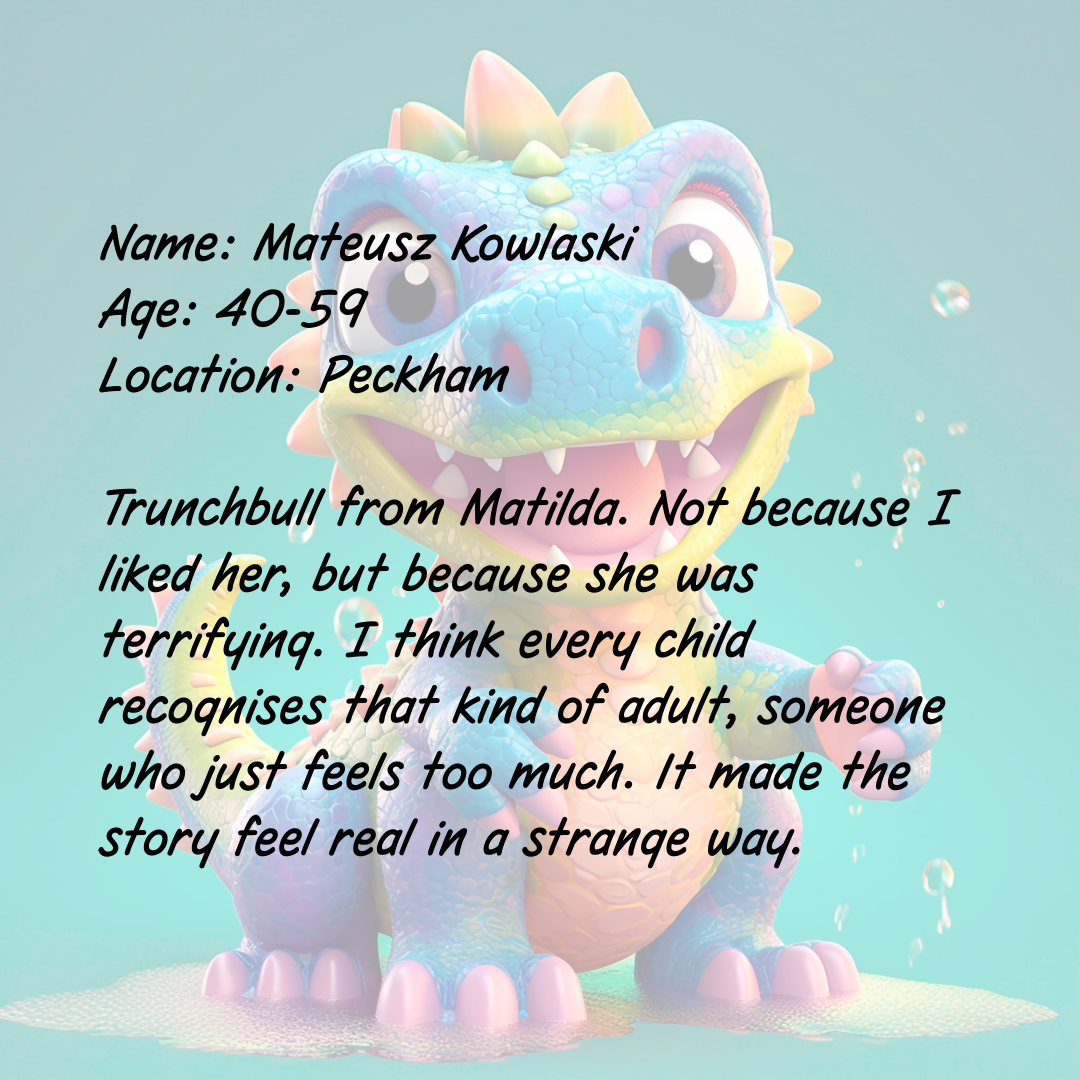
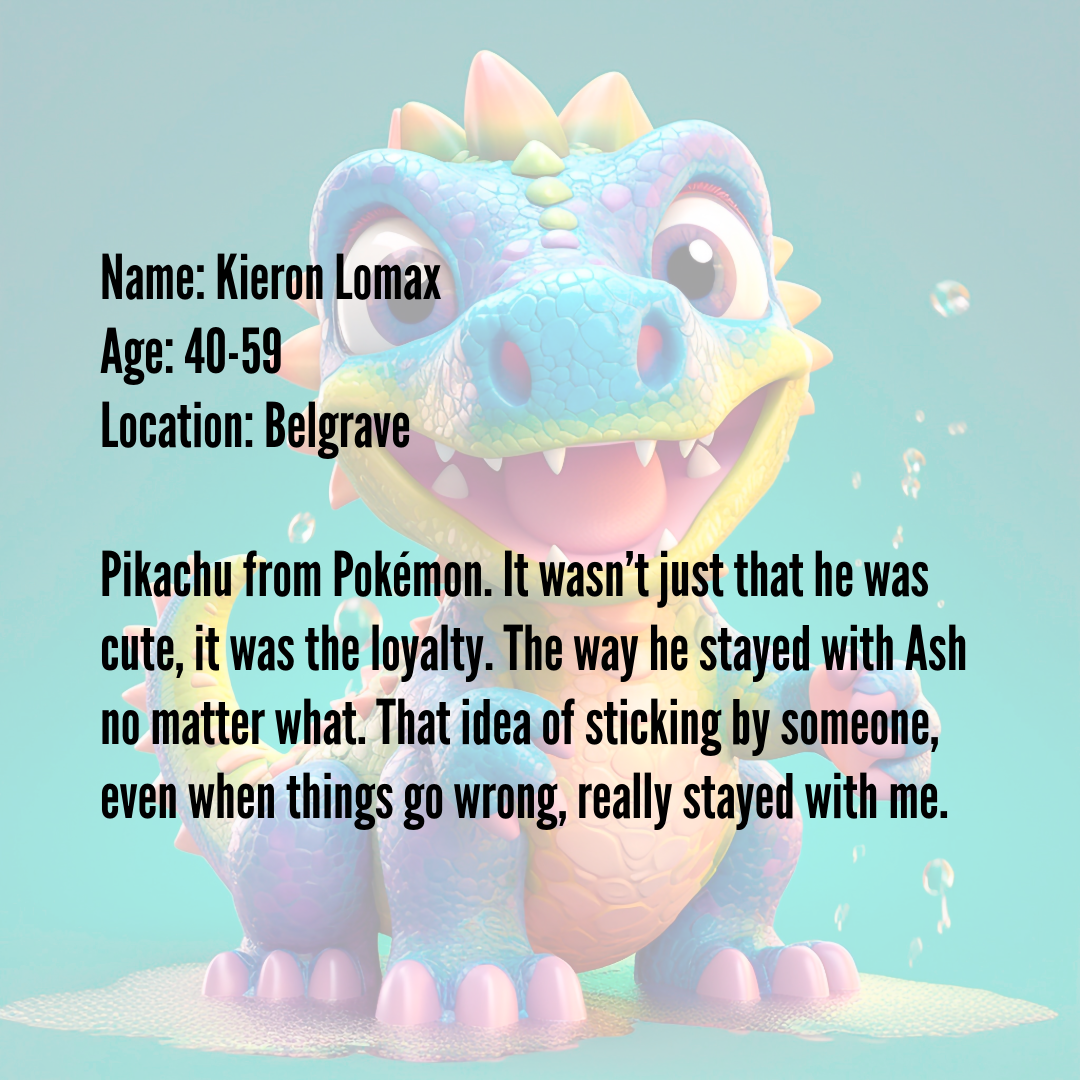
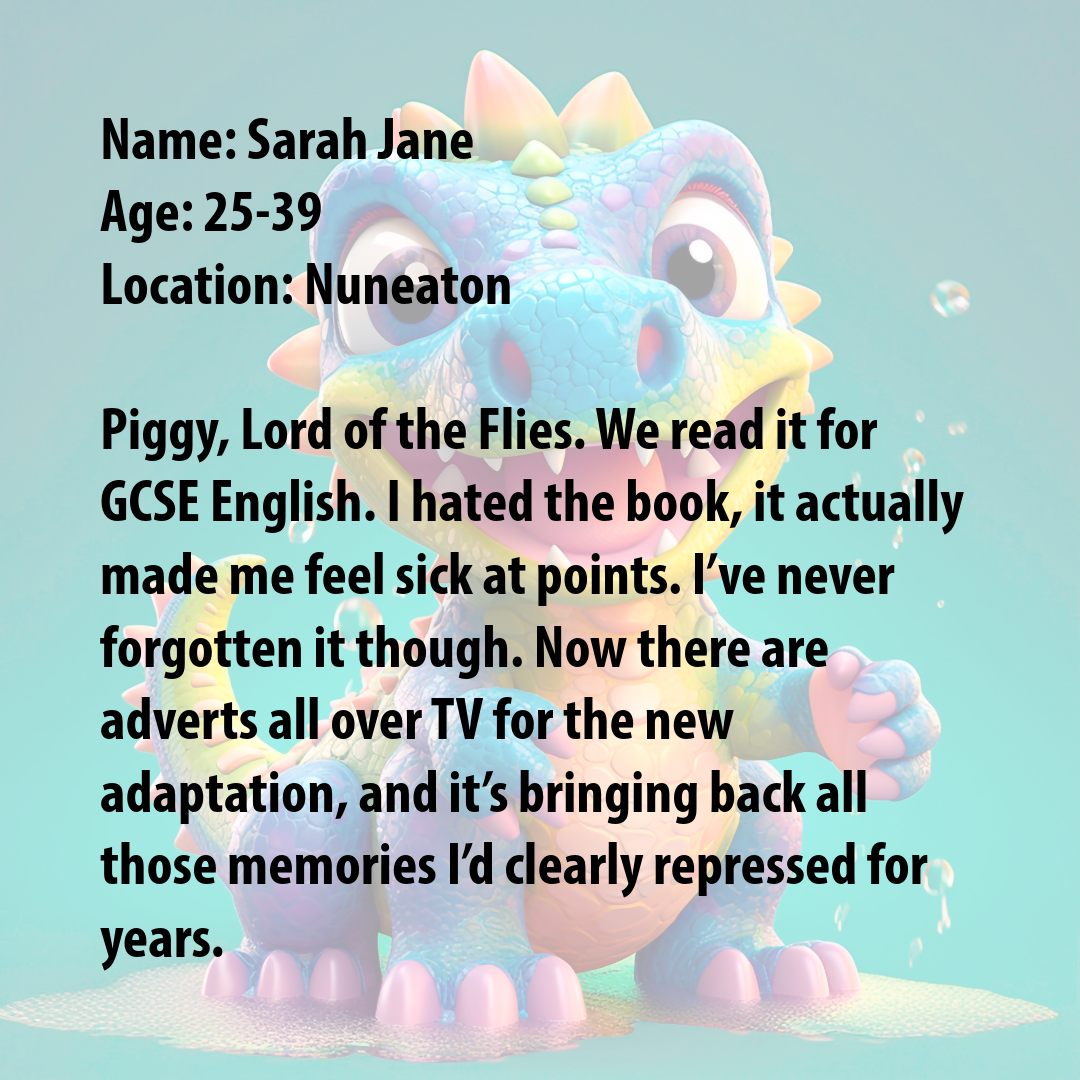
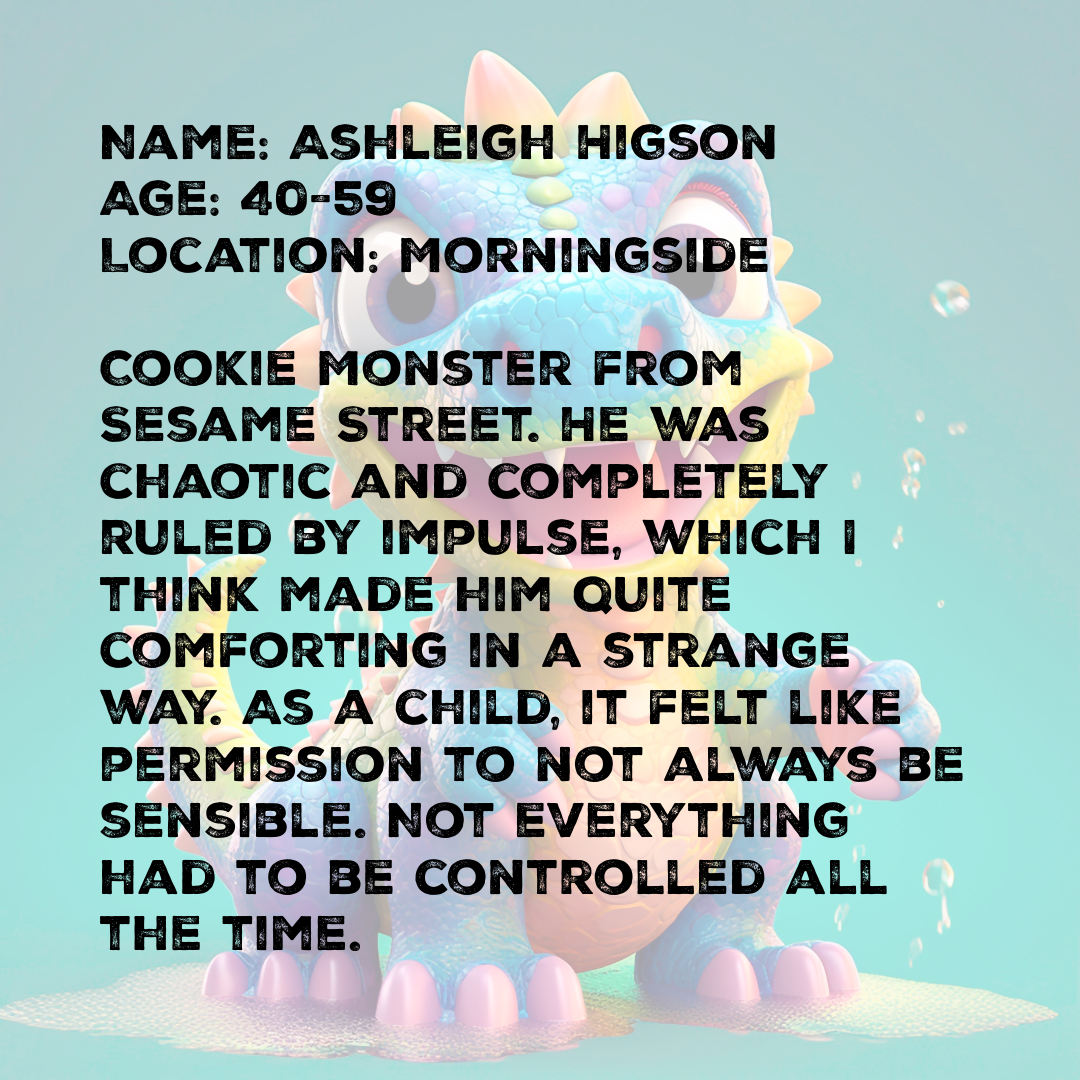
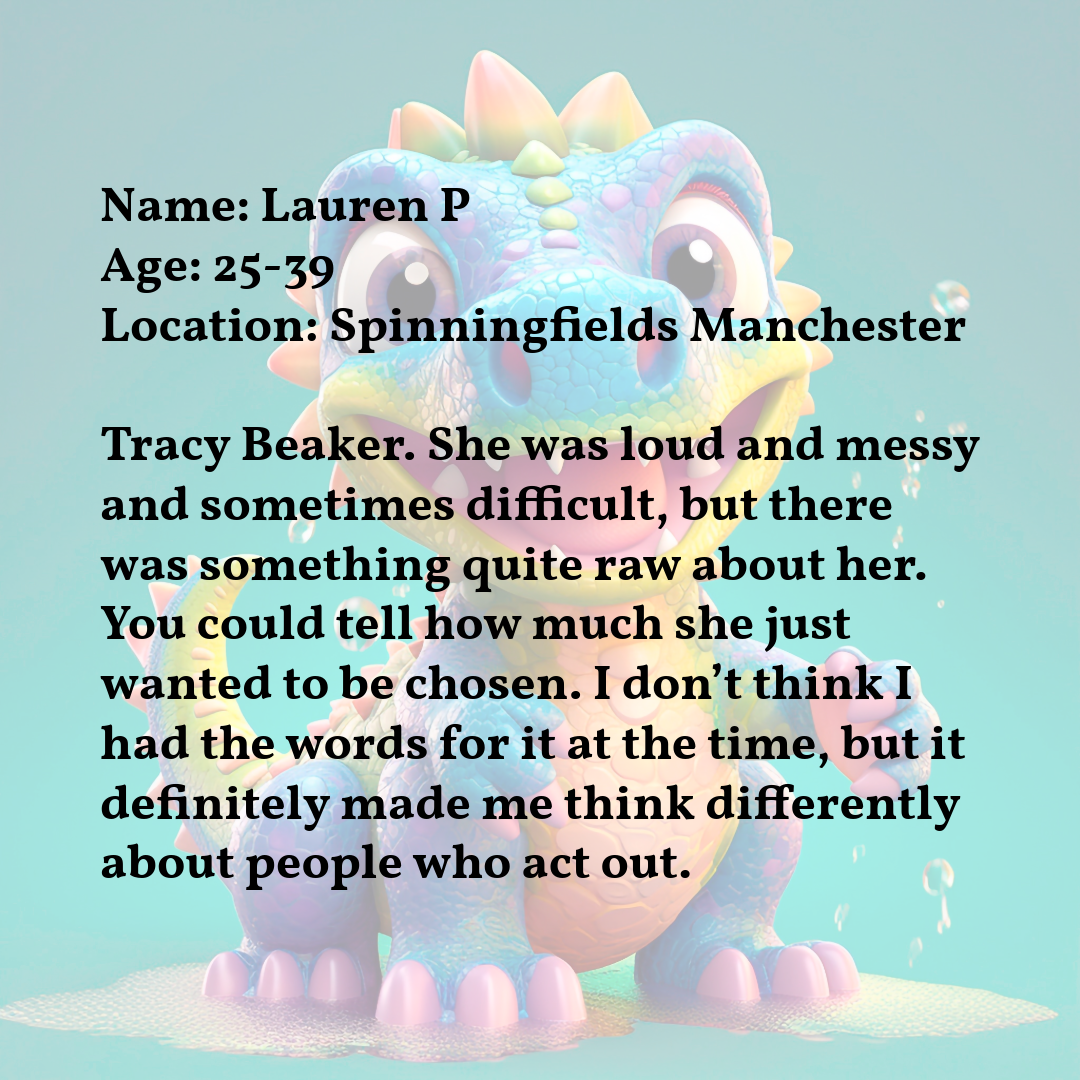
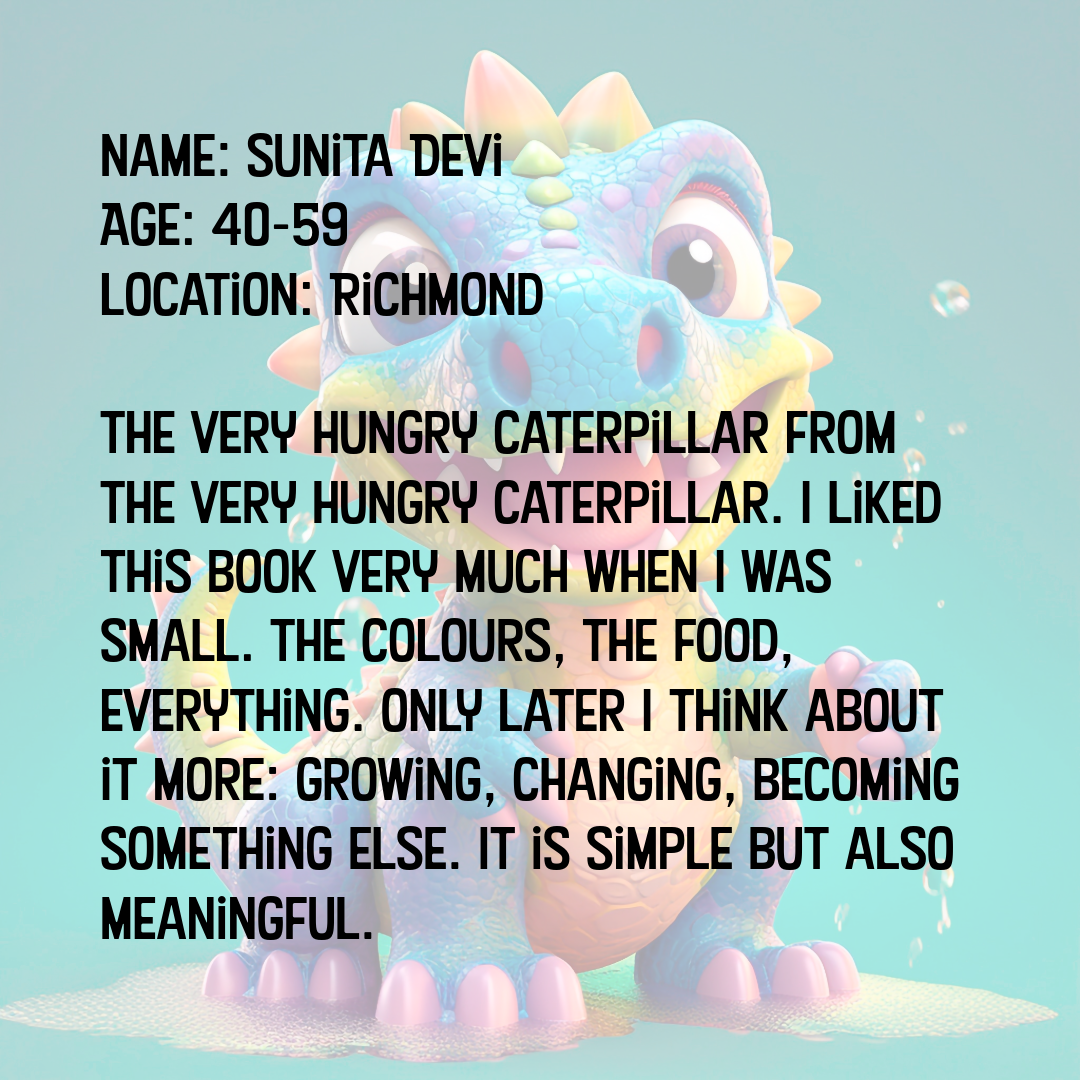
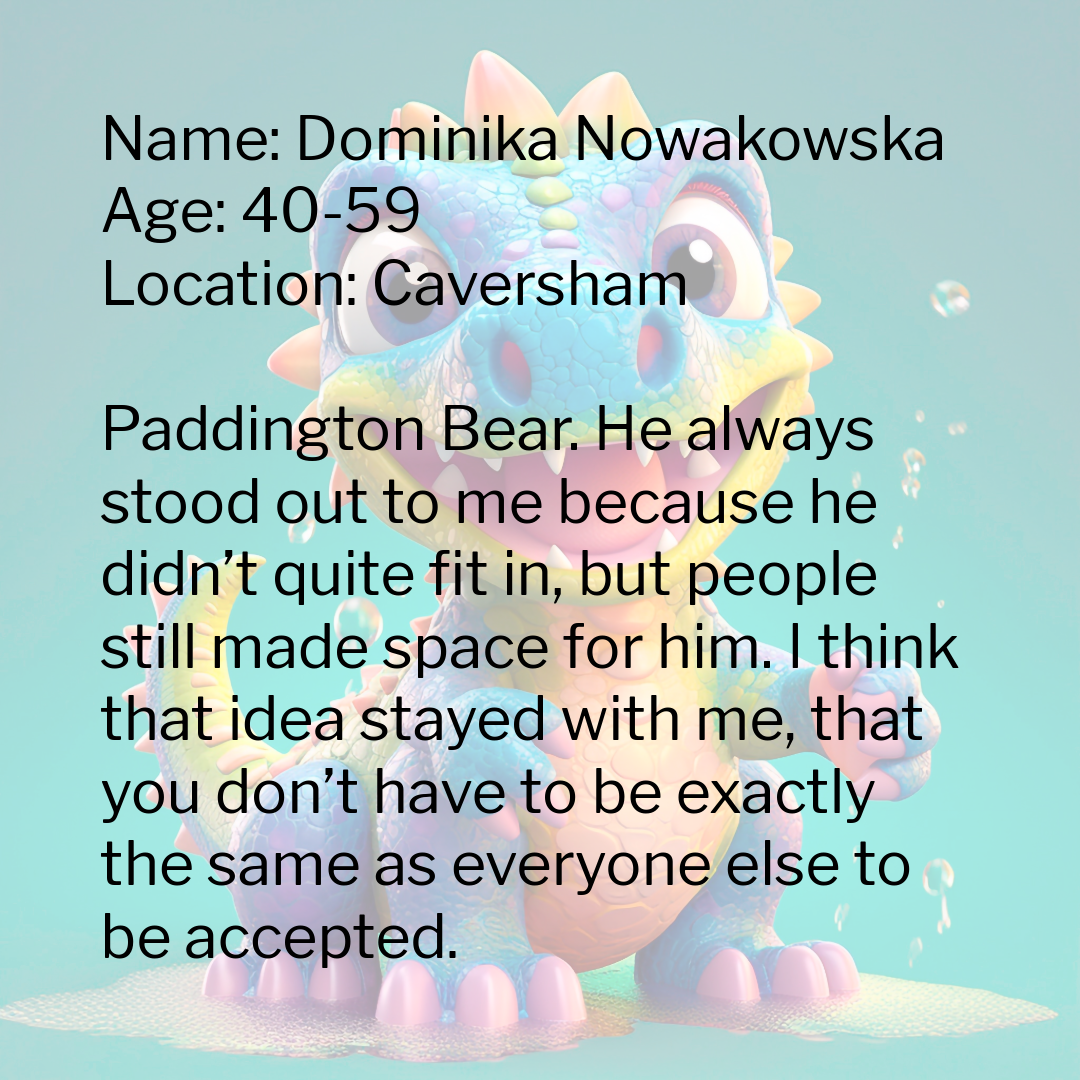
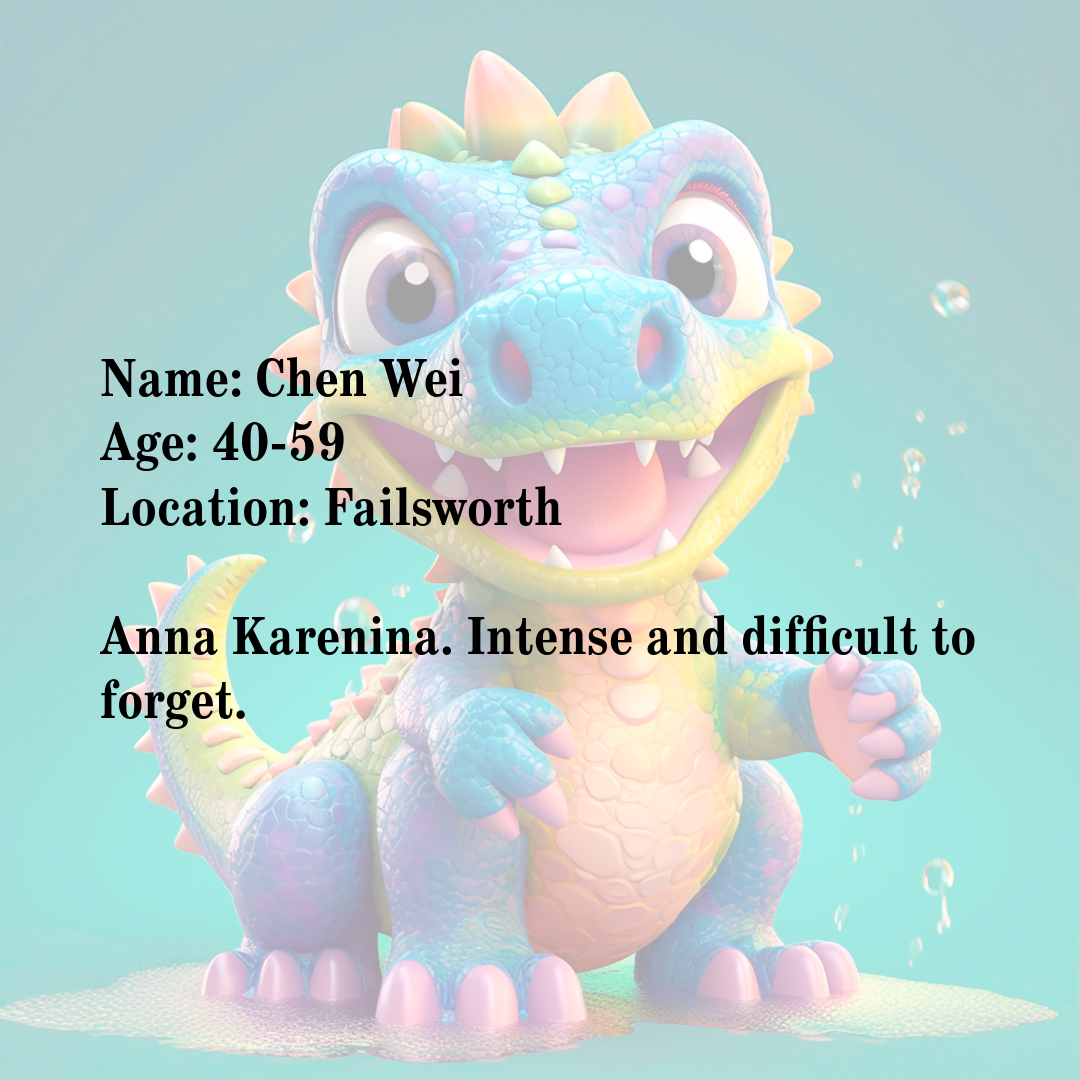
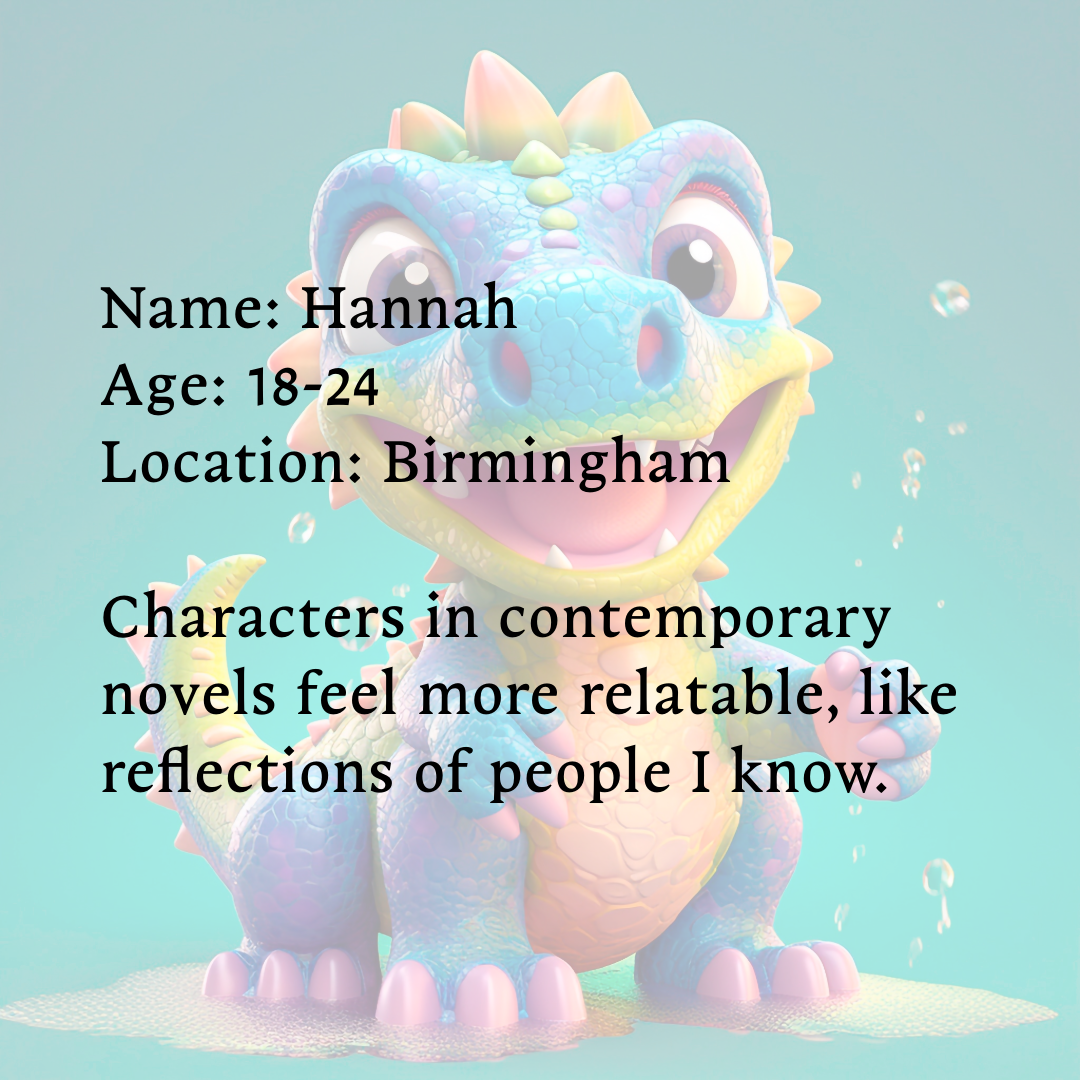
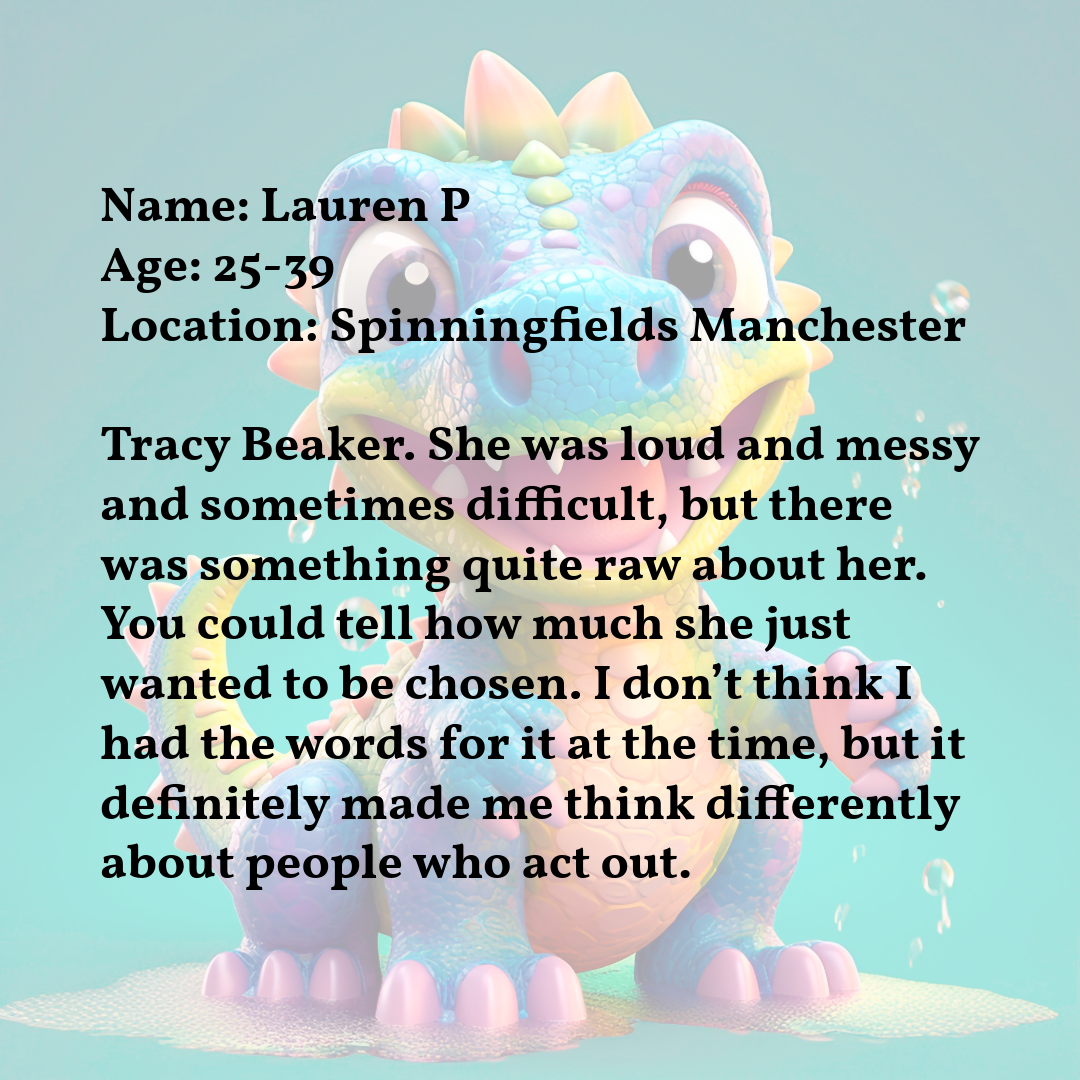
Lauren P from Spinningfields didn’t summarise Tracy Beaker’s story, she said Tracy Beaker was the first character she’d ever read who had a life that looked anything like hers. Eliza from Hollinwood didn’t explain the narrative of Anne of Green Gables, she said she still remembered how hopeful Anne felt. Tom R from Halstead said he didn’t even like Holden Caulfield, but recognised something uncomfortable in him that has never quite left.
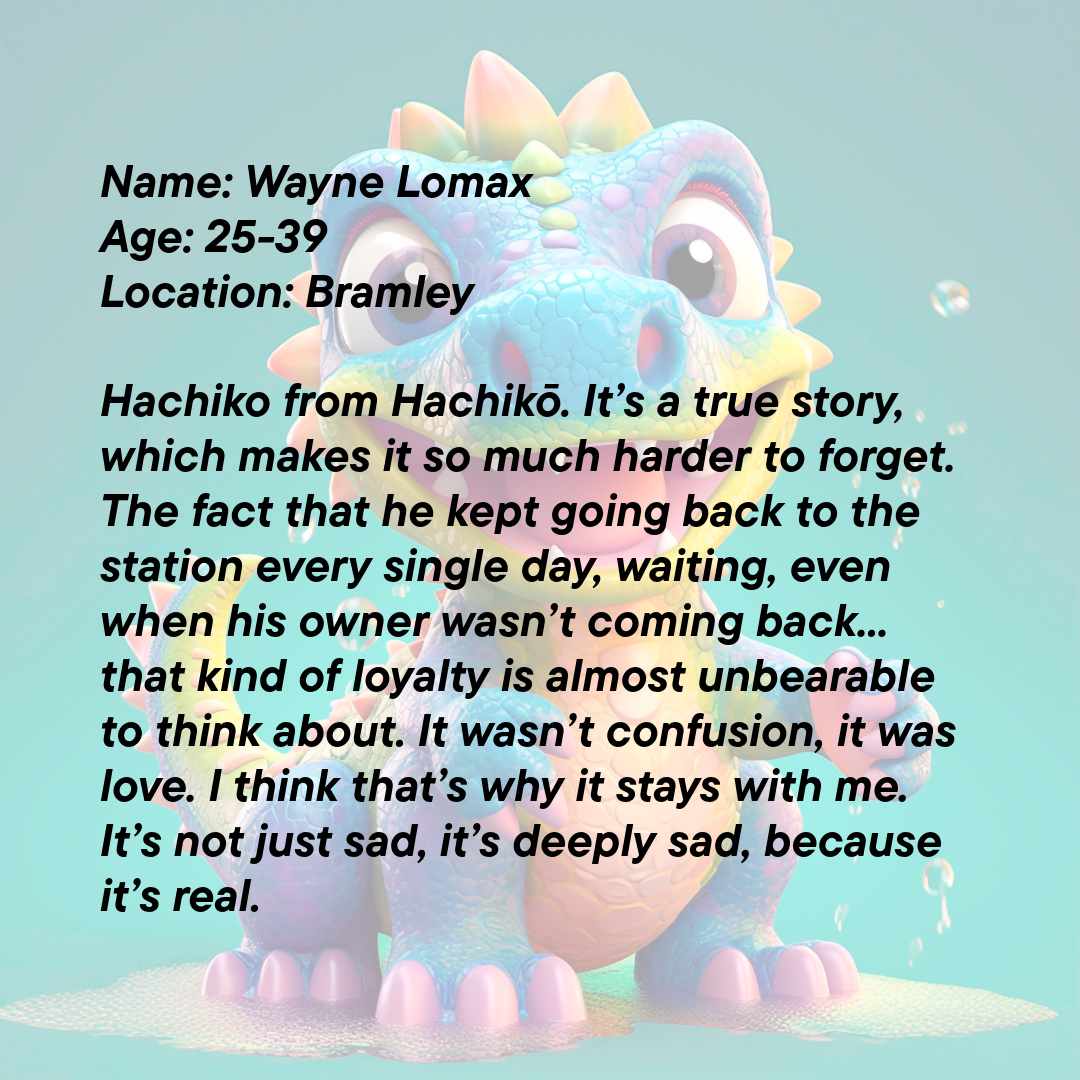
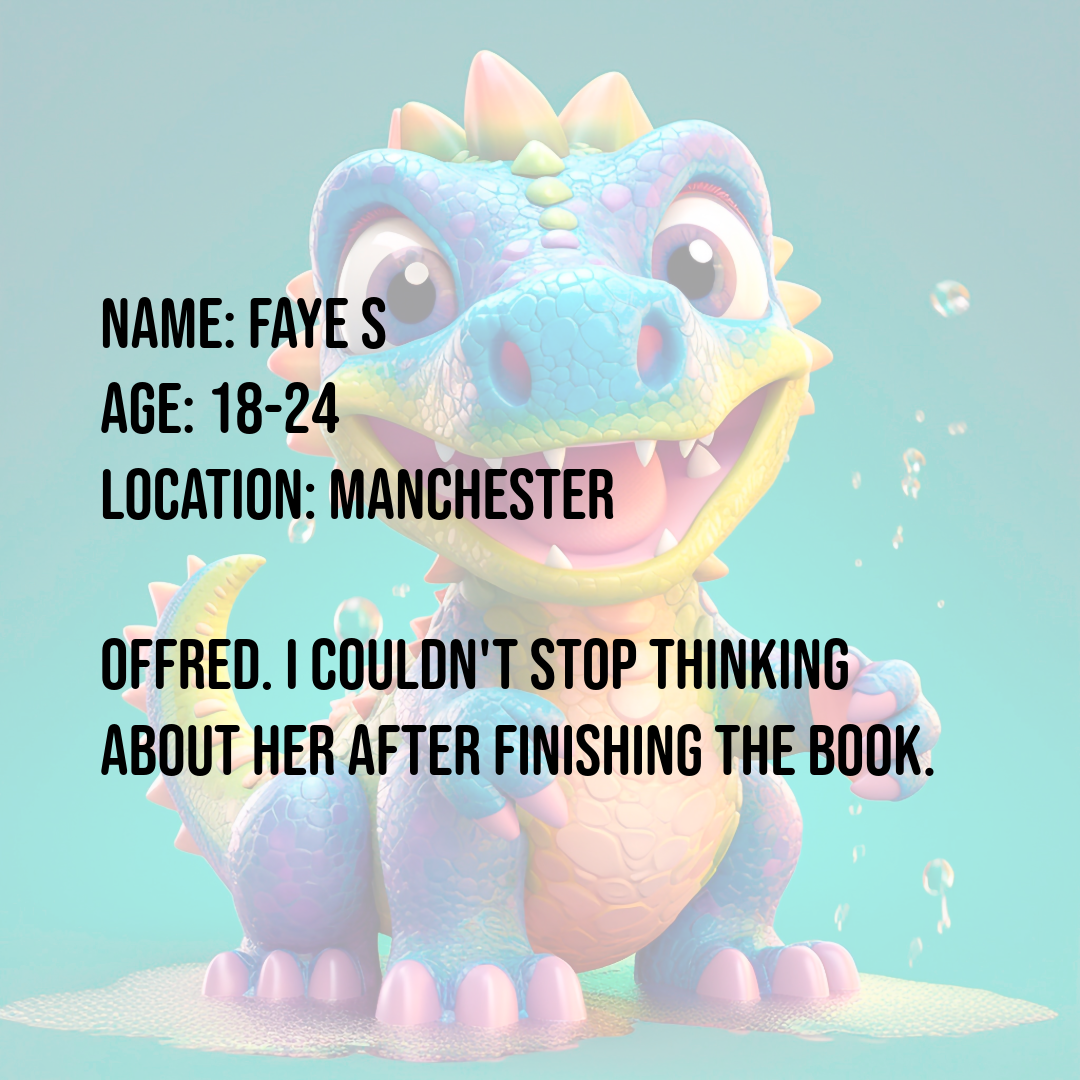
This matters. When we ask people what they remember about reading, they give us emotional geography, not plot summaries. The character is the container for a feeling that couldn’t be stored anywhere else.
Characters that crossed generations:
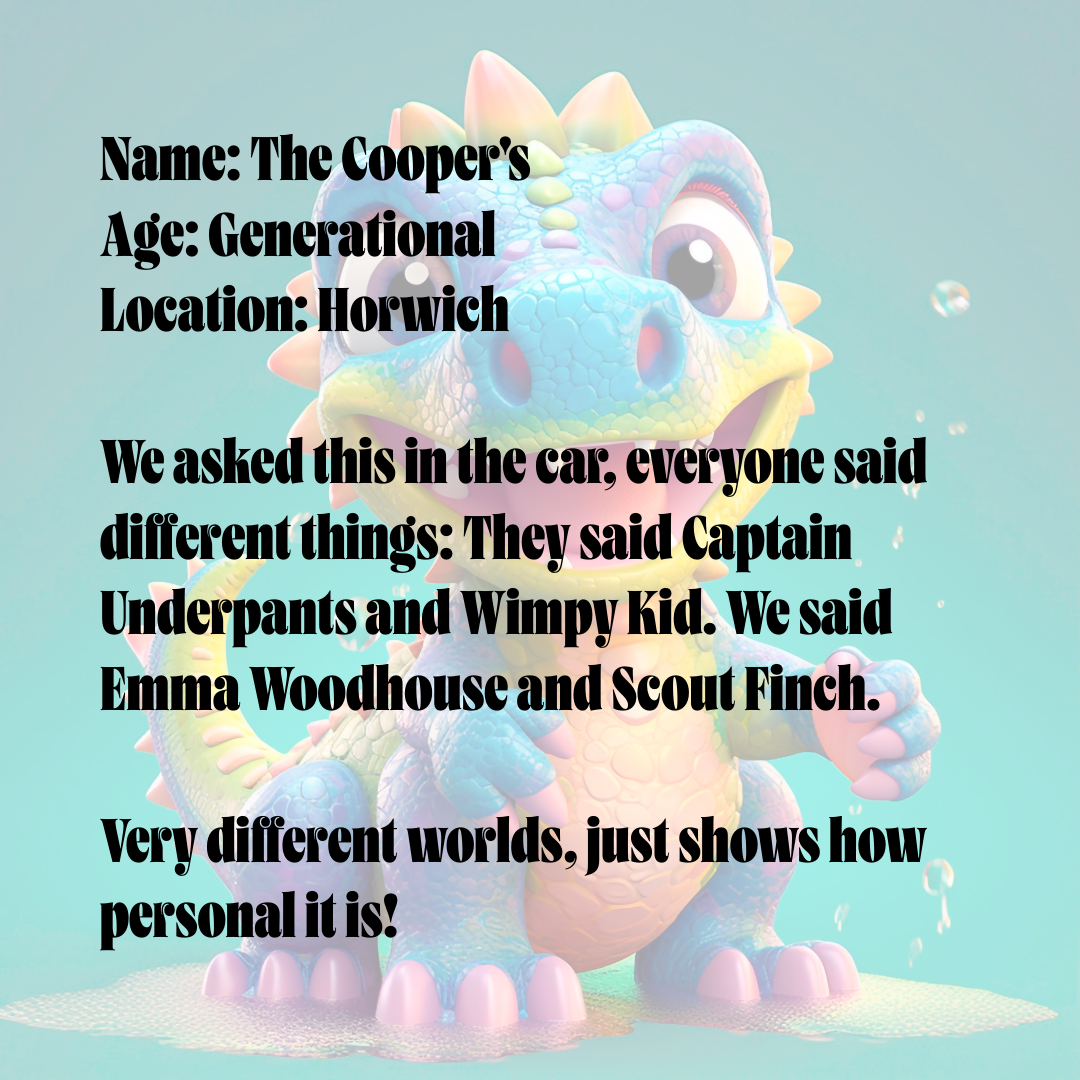
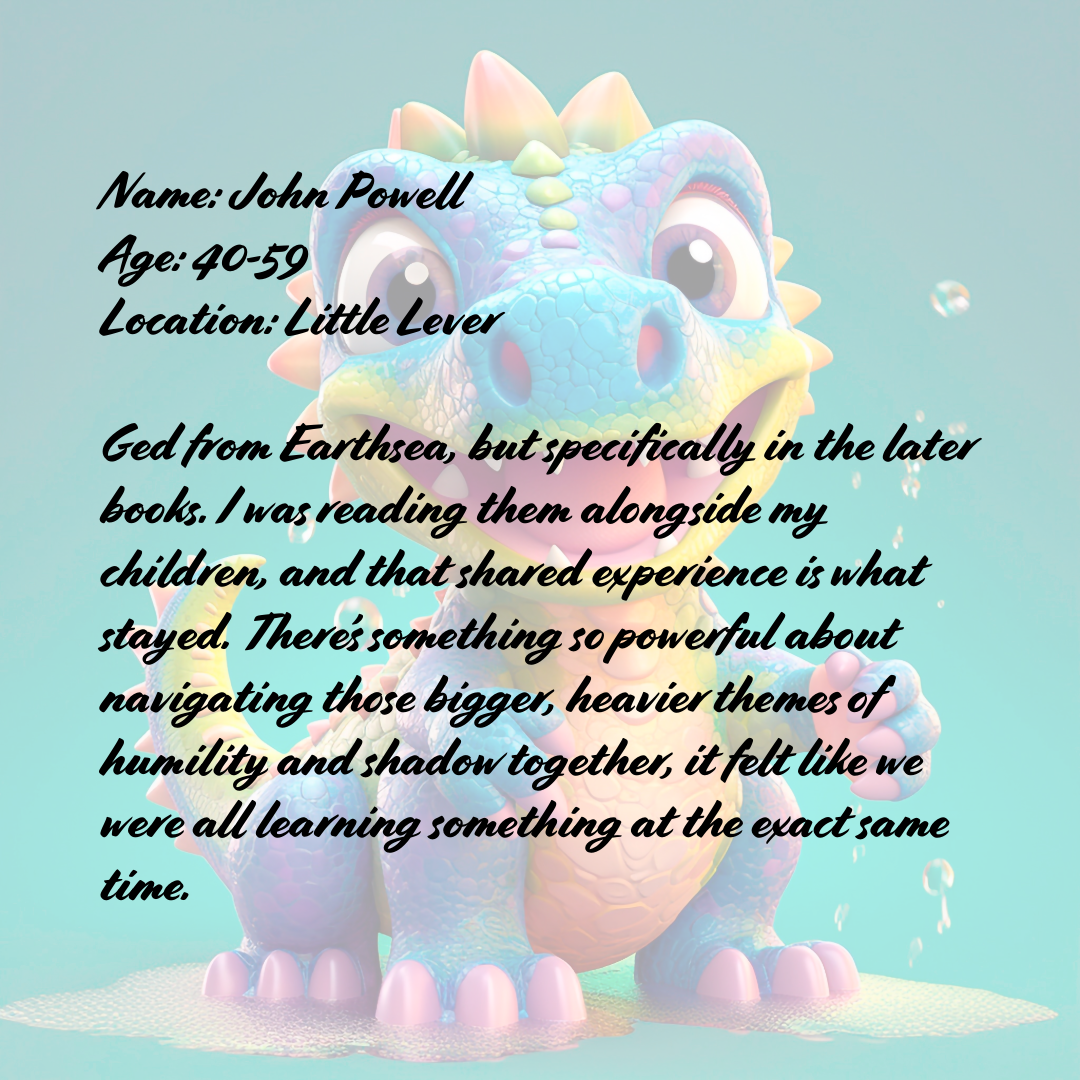
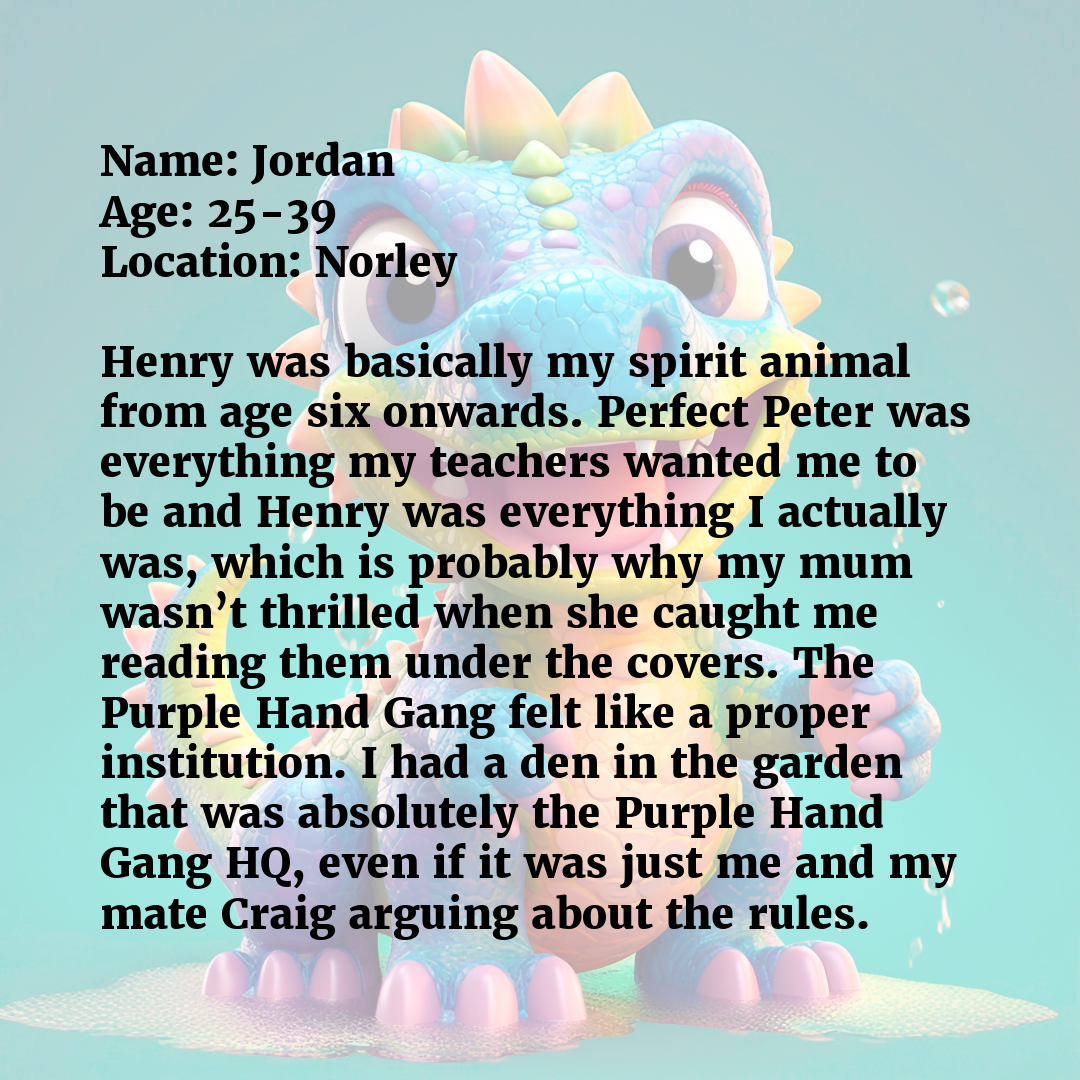
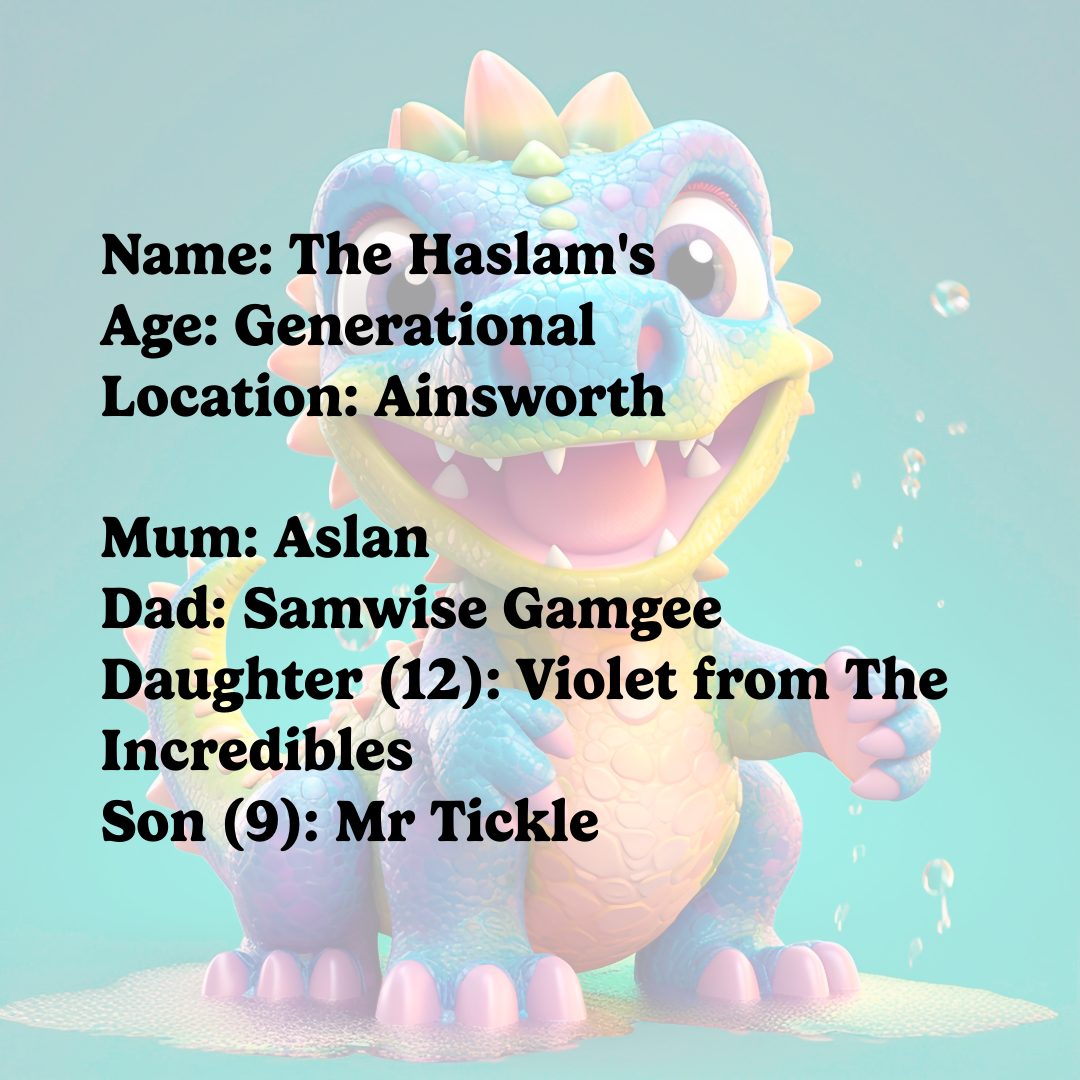
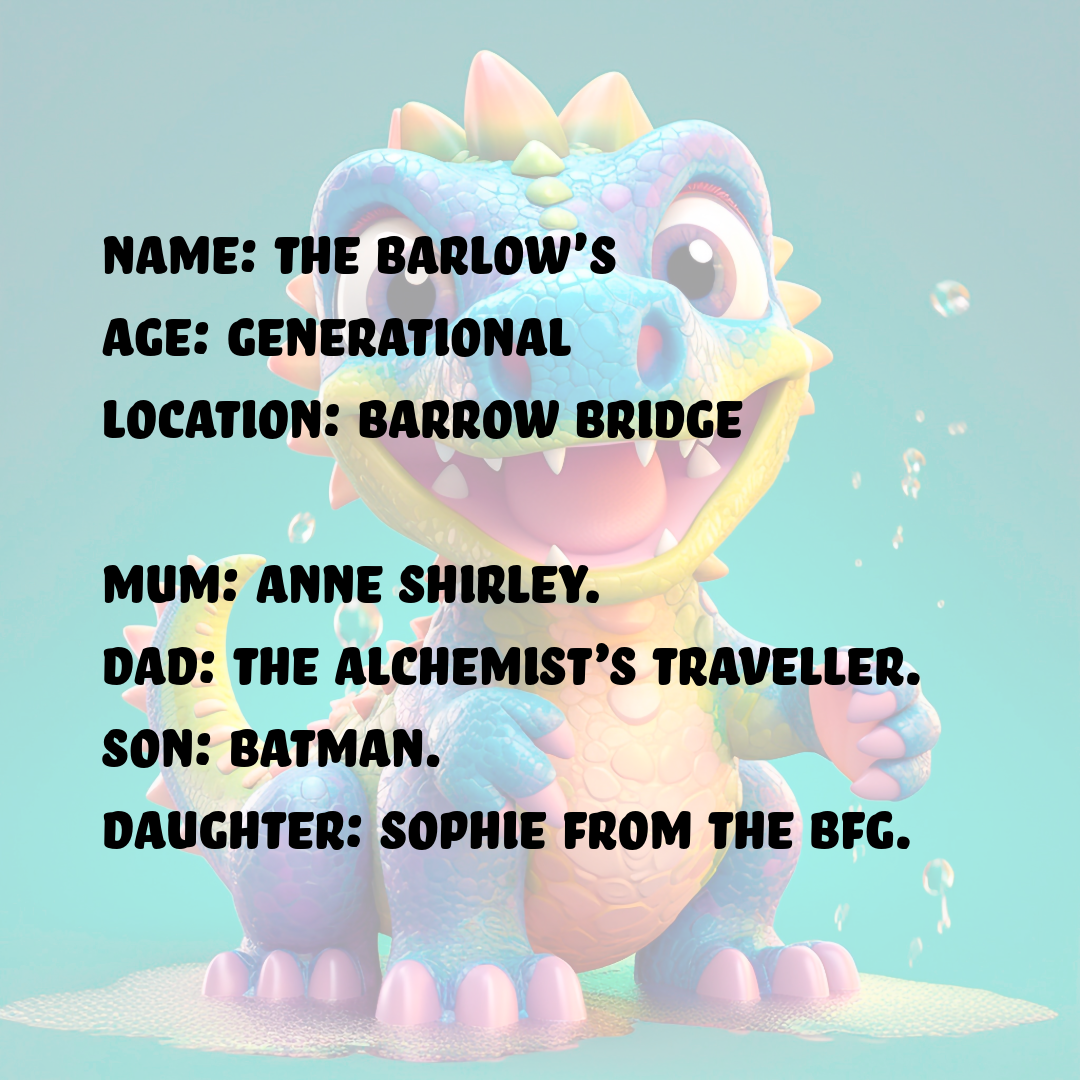
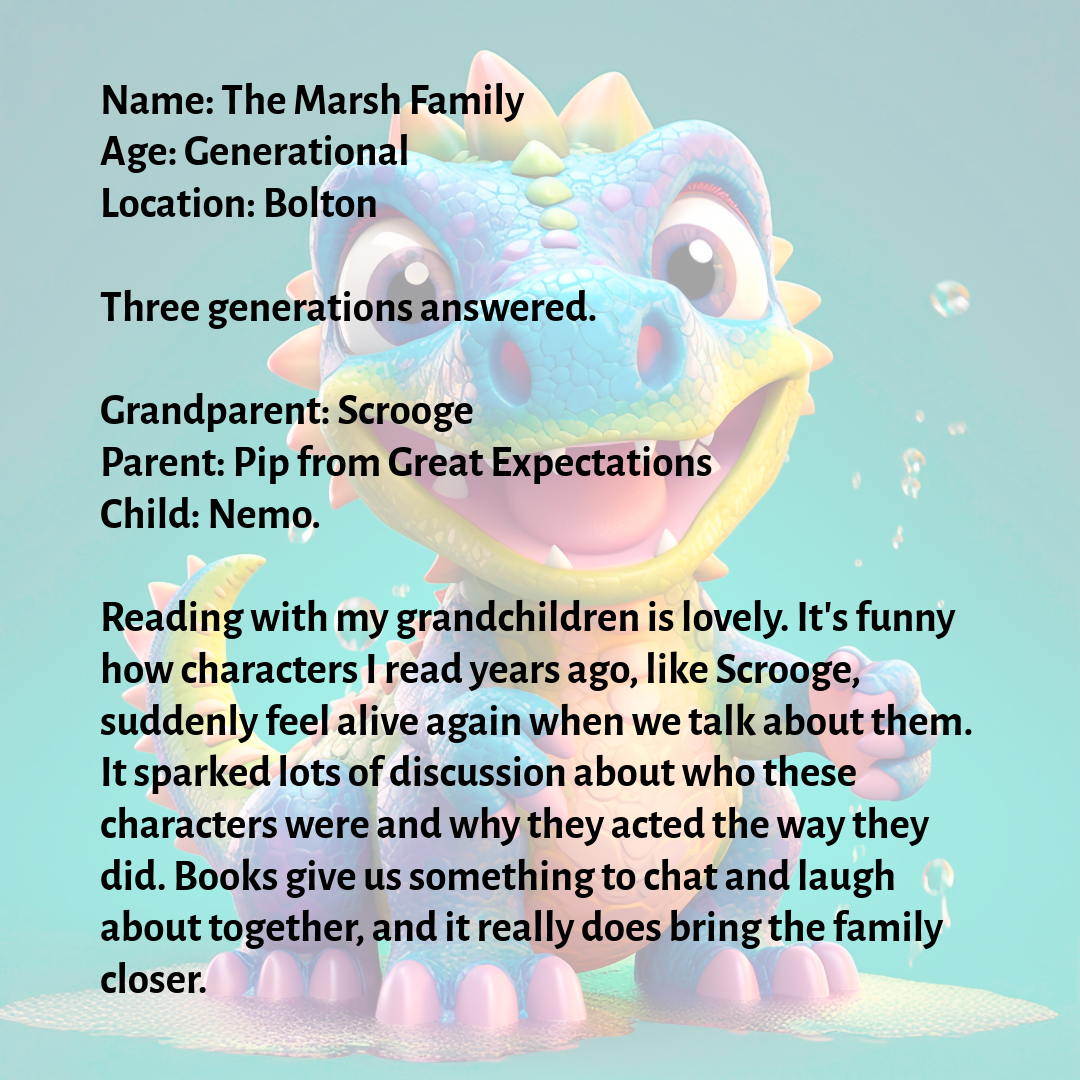
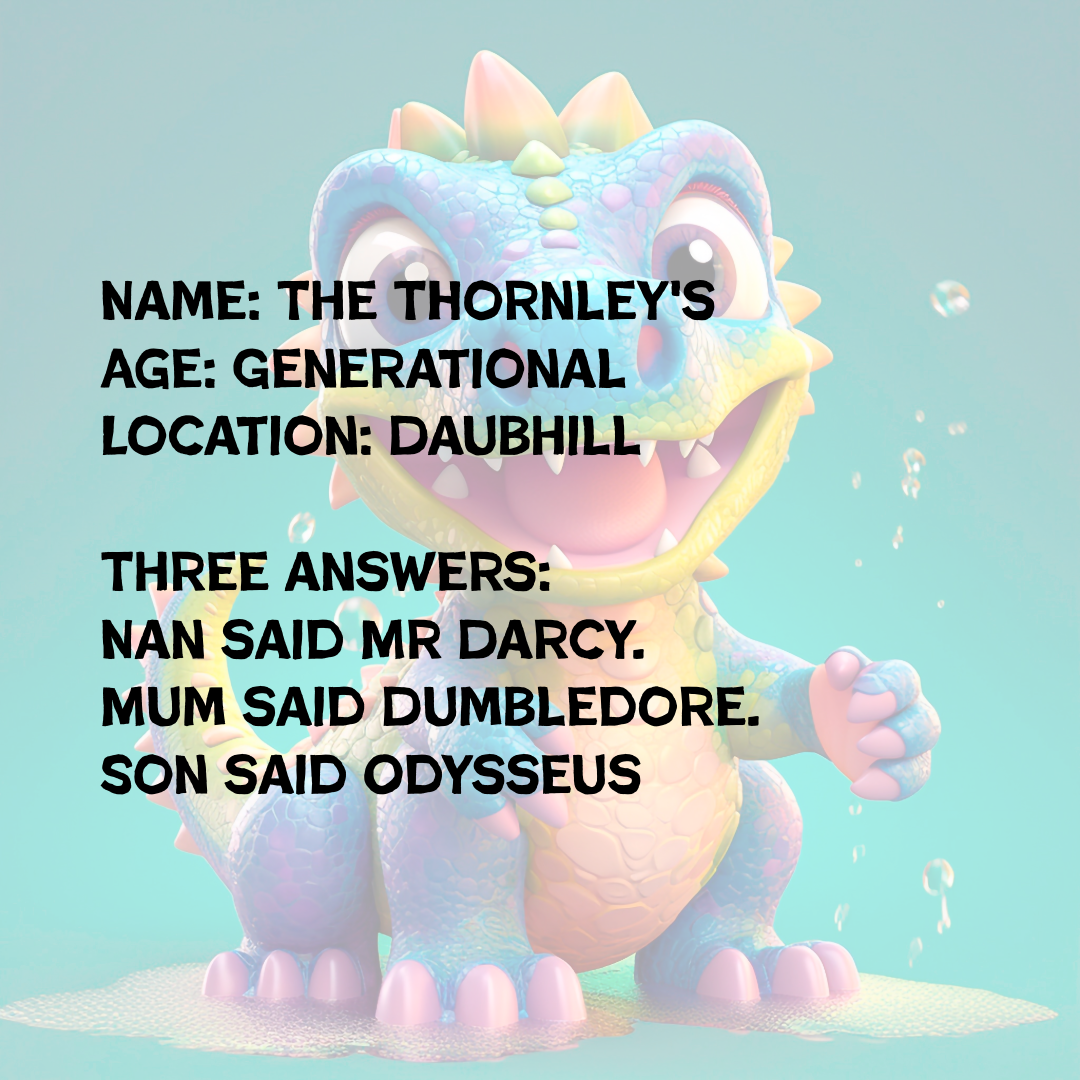
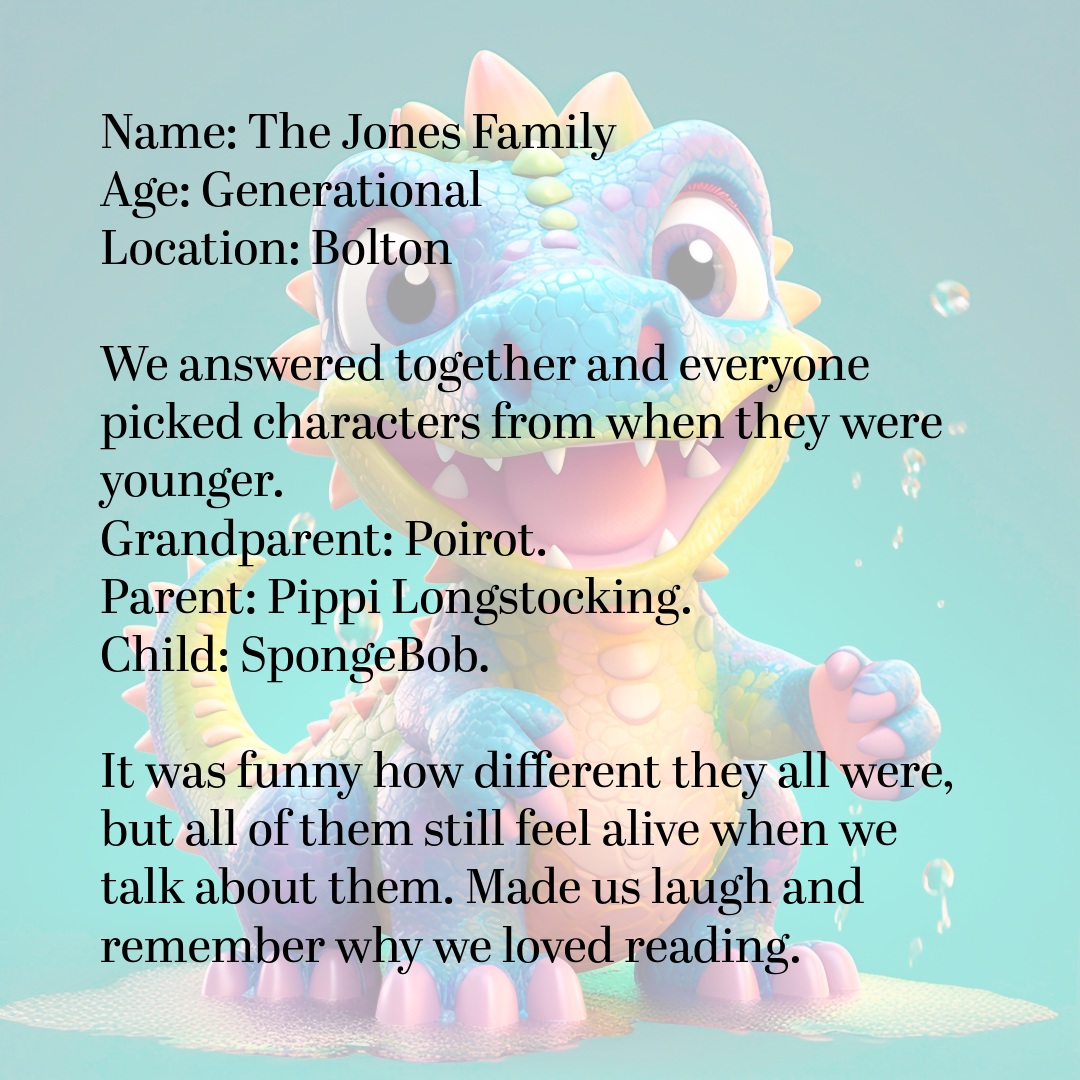
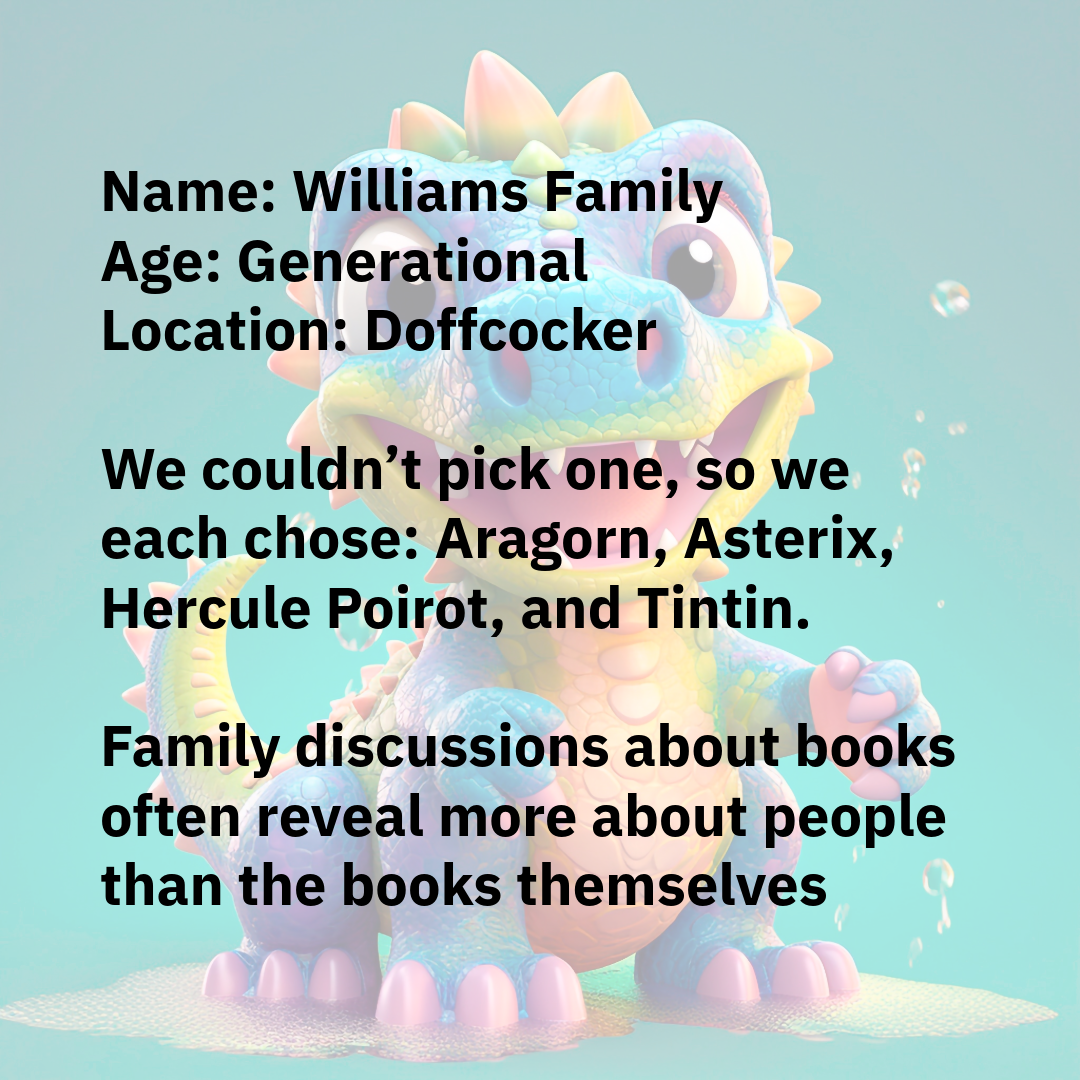
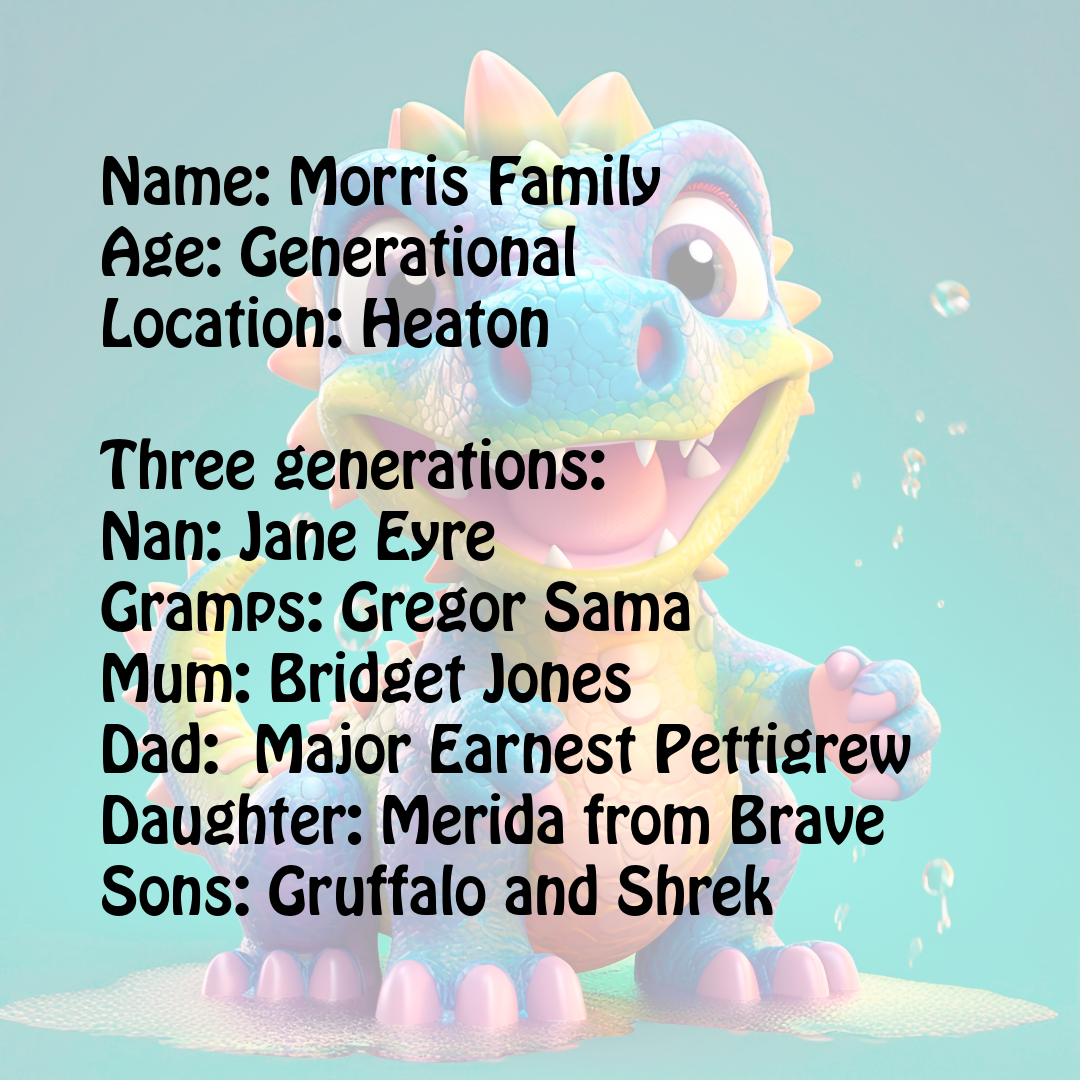
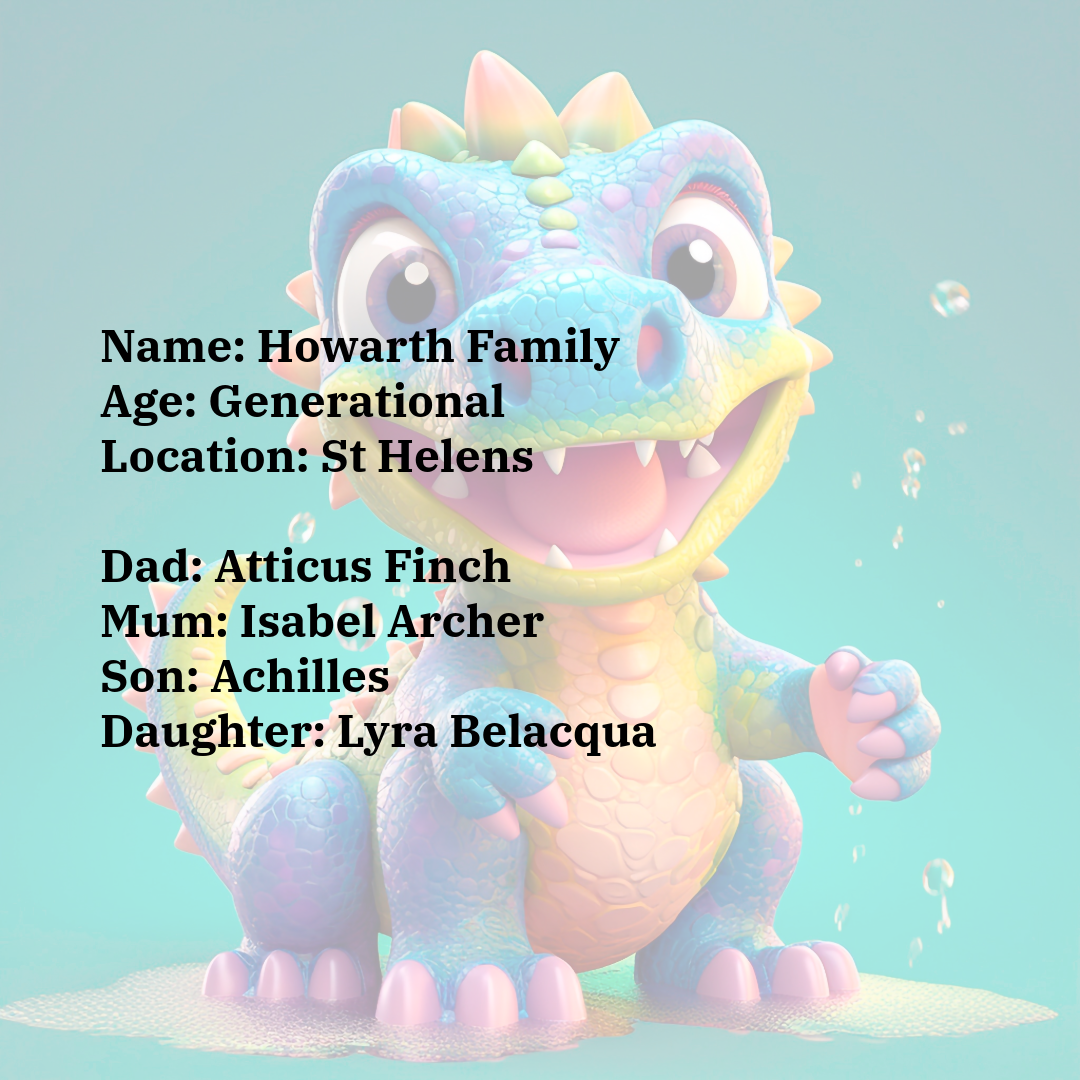
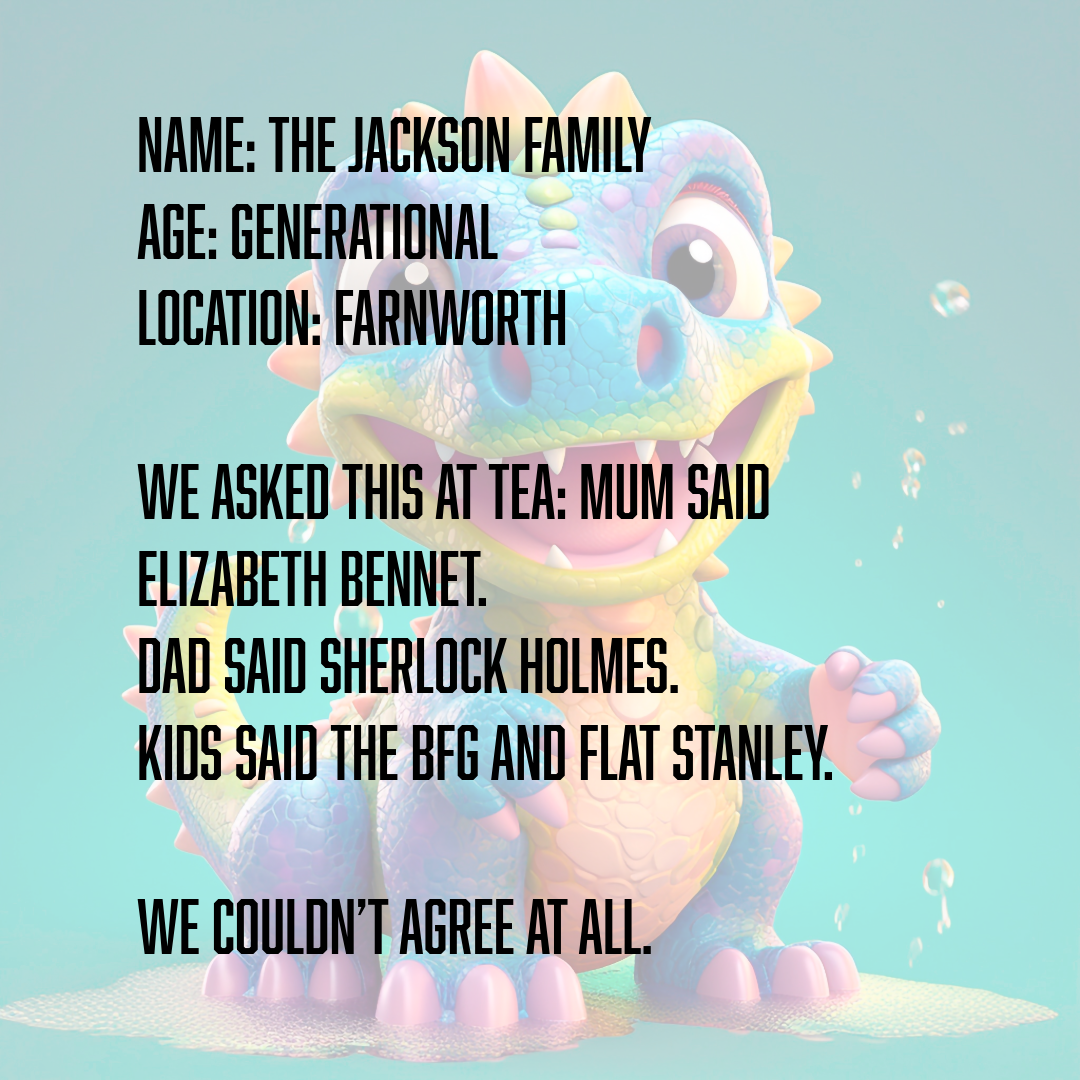
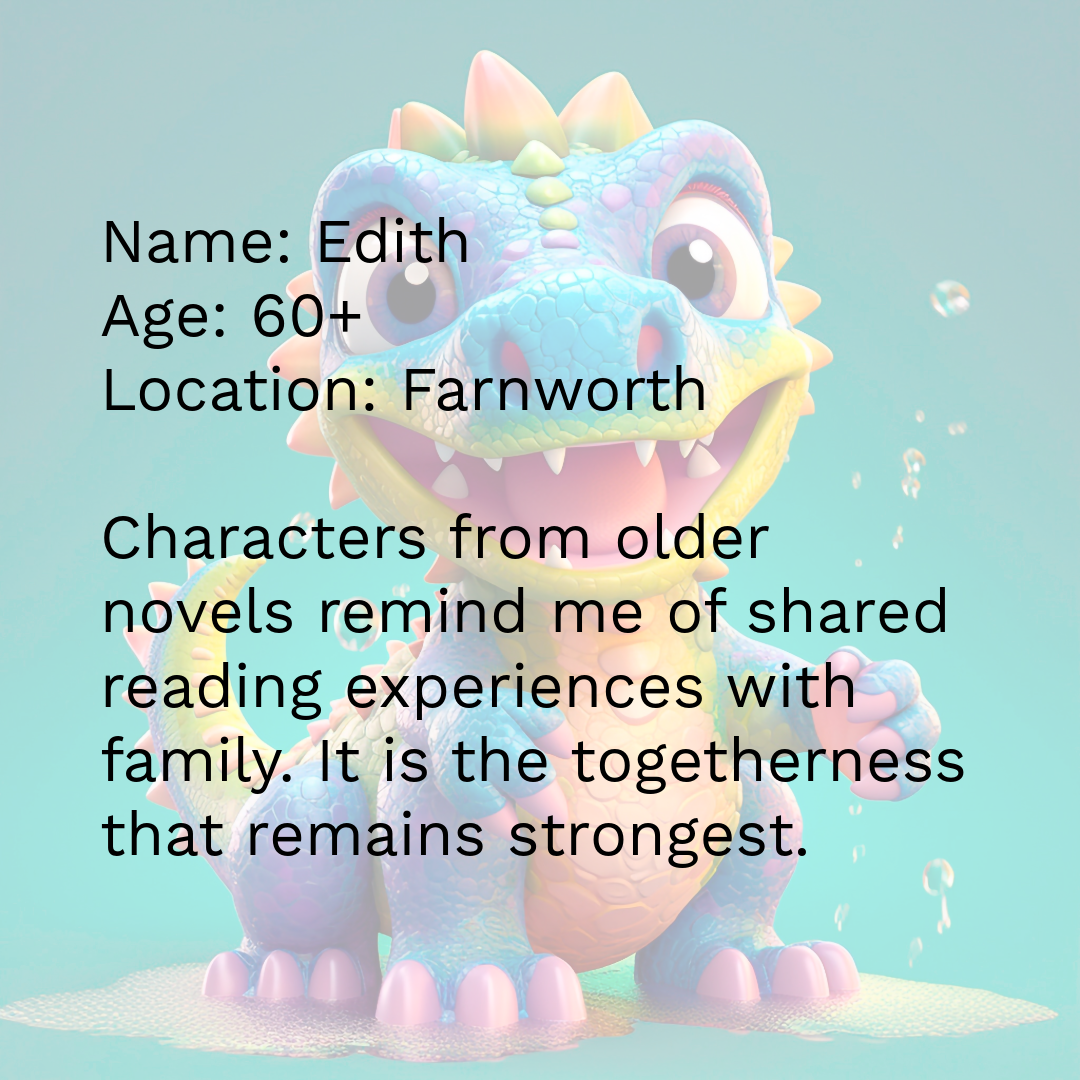
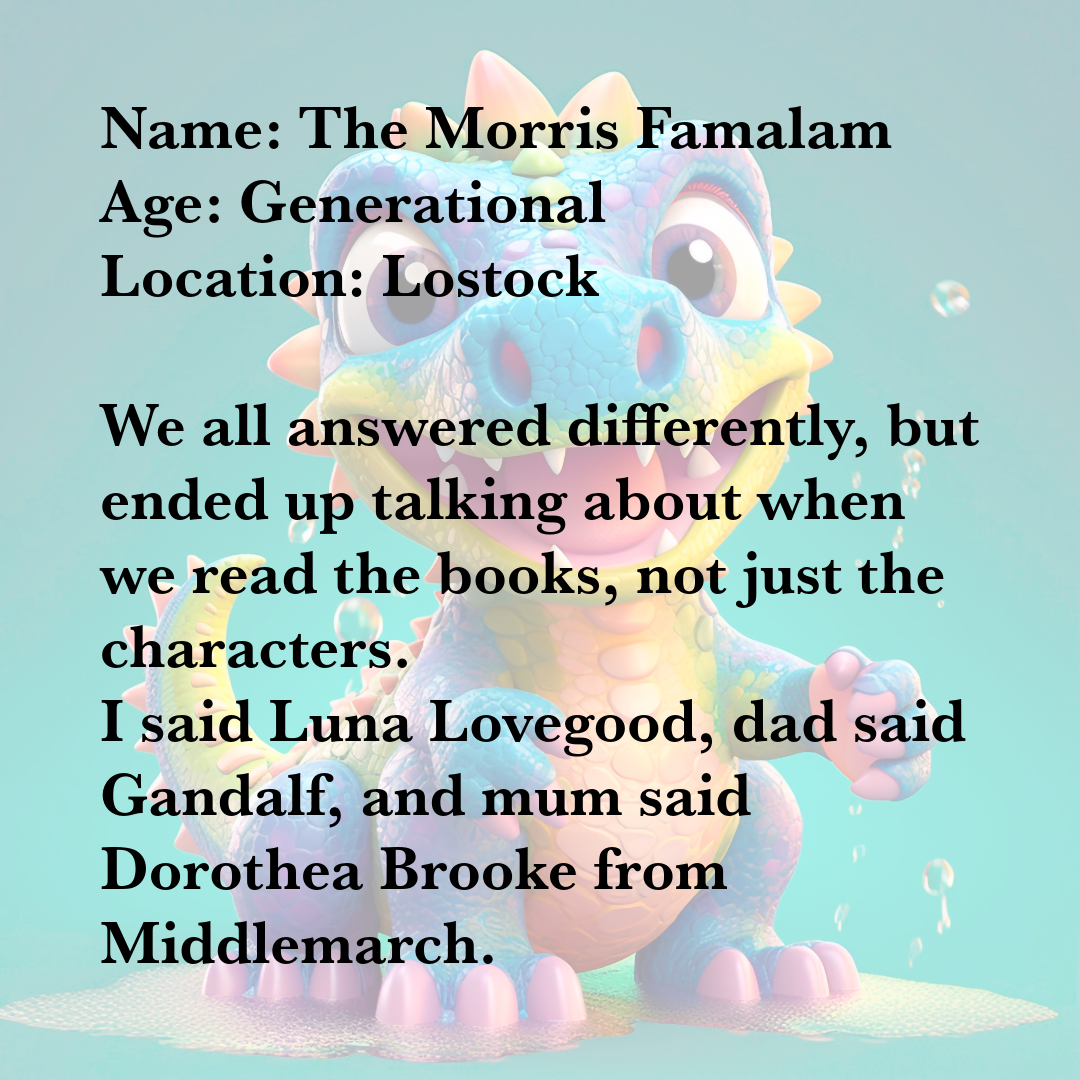
Family submissions produced some of the most illuminating responses of the month. The Haslam family from Ainsworth answered together, Aslan, Samwise Gamgee, Violet from the incredibles, and Mr Tickle, and the range across four family members told its own story. The Marsh family went from Scrooge to Pip, to Nemo, across three generations. The Jones family laughed while realising they’d all chosen characters from when they were young, decades apart, and that all of them still felt alive.
There is something worth noting here. Reading is often talked about as a solitary activity. These submissions suggest it is more accurately described as a relay, something passed between people, something that connects generations not despite the distance between them but through it.
Characters from beyond the page:
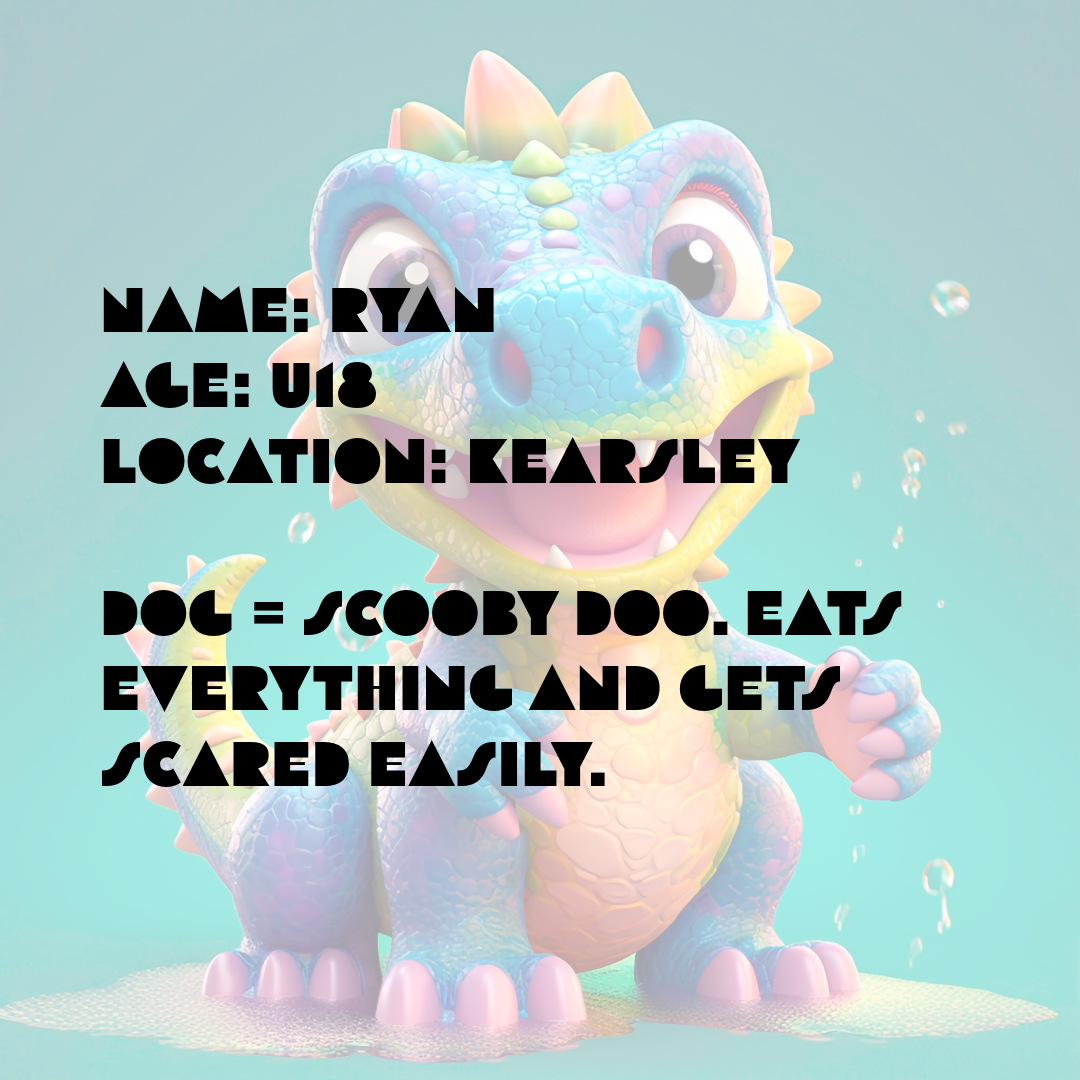
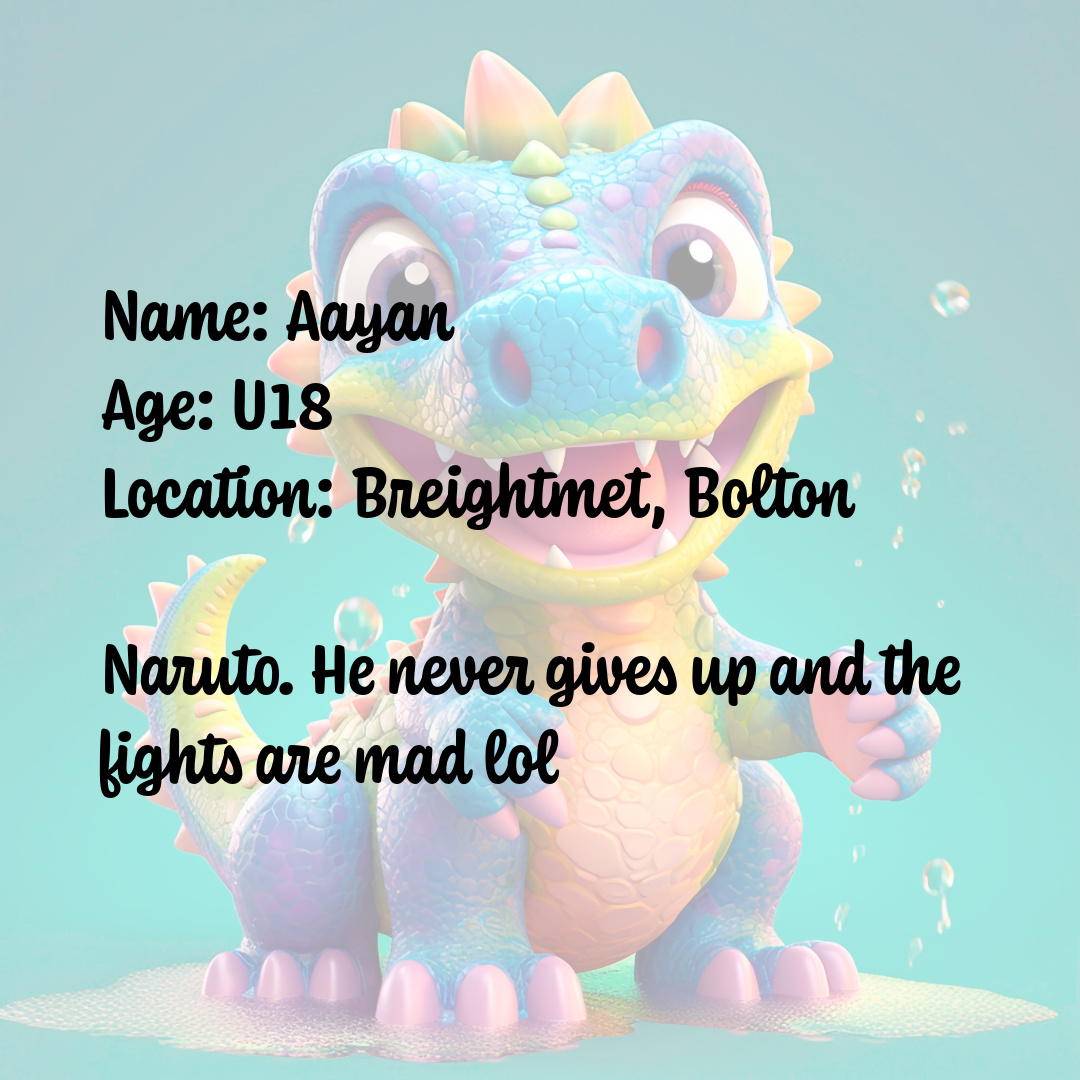
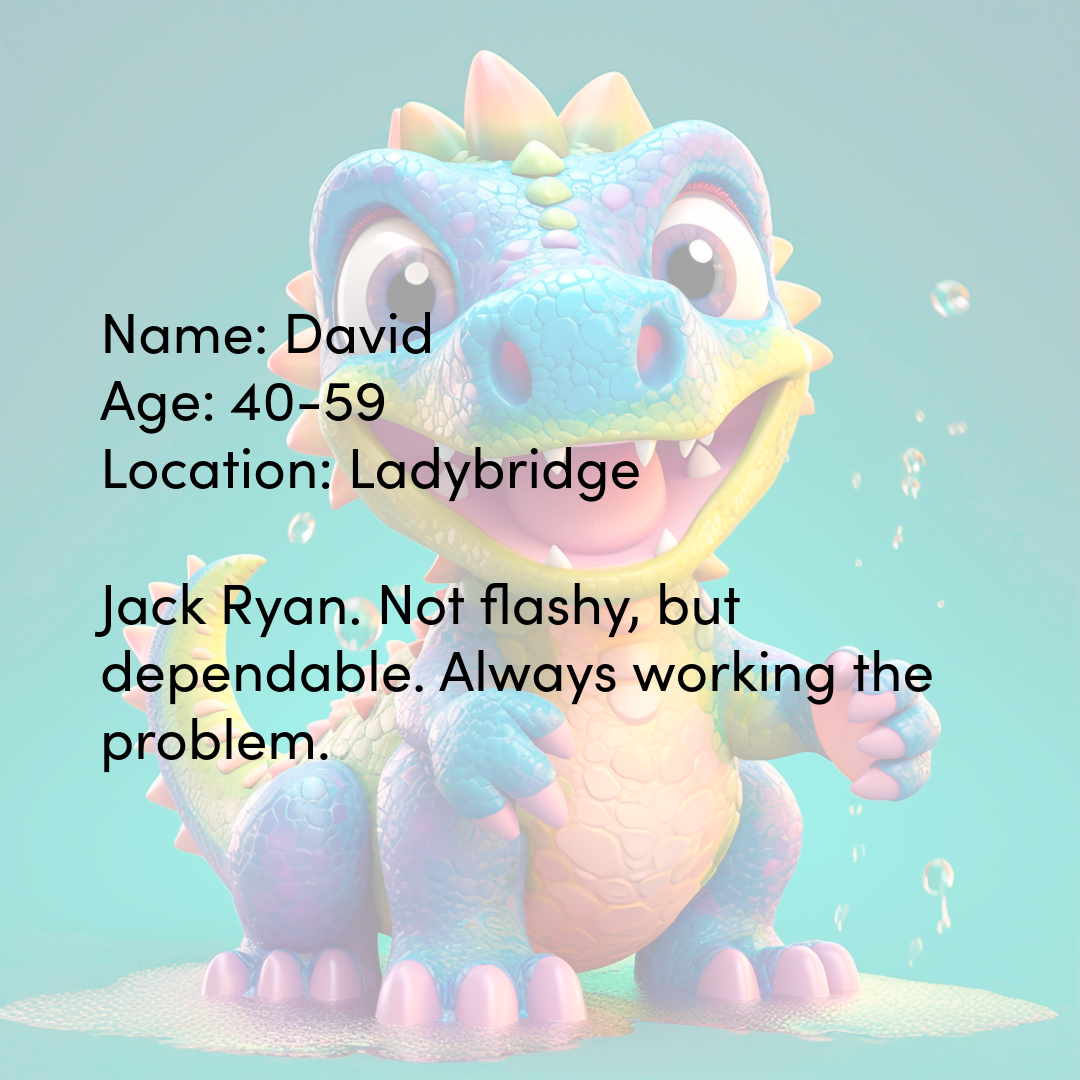
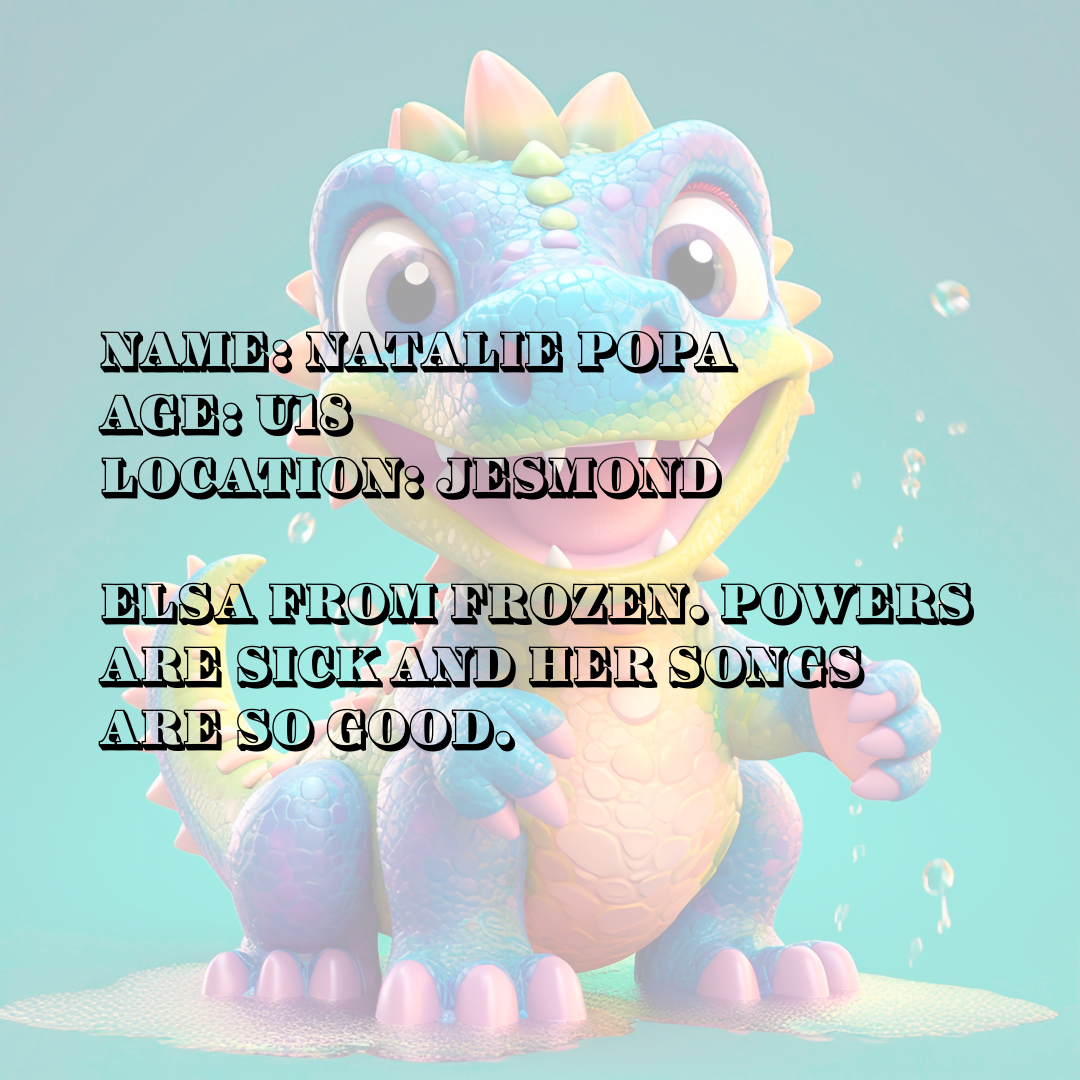
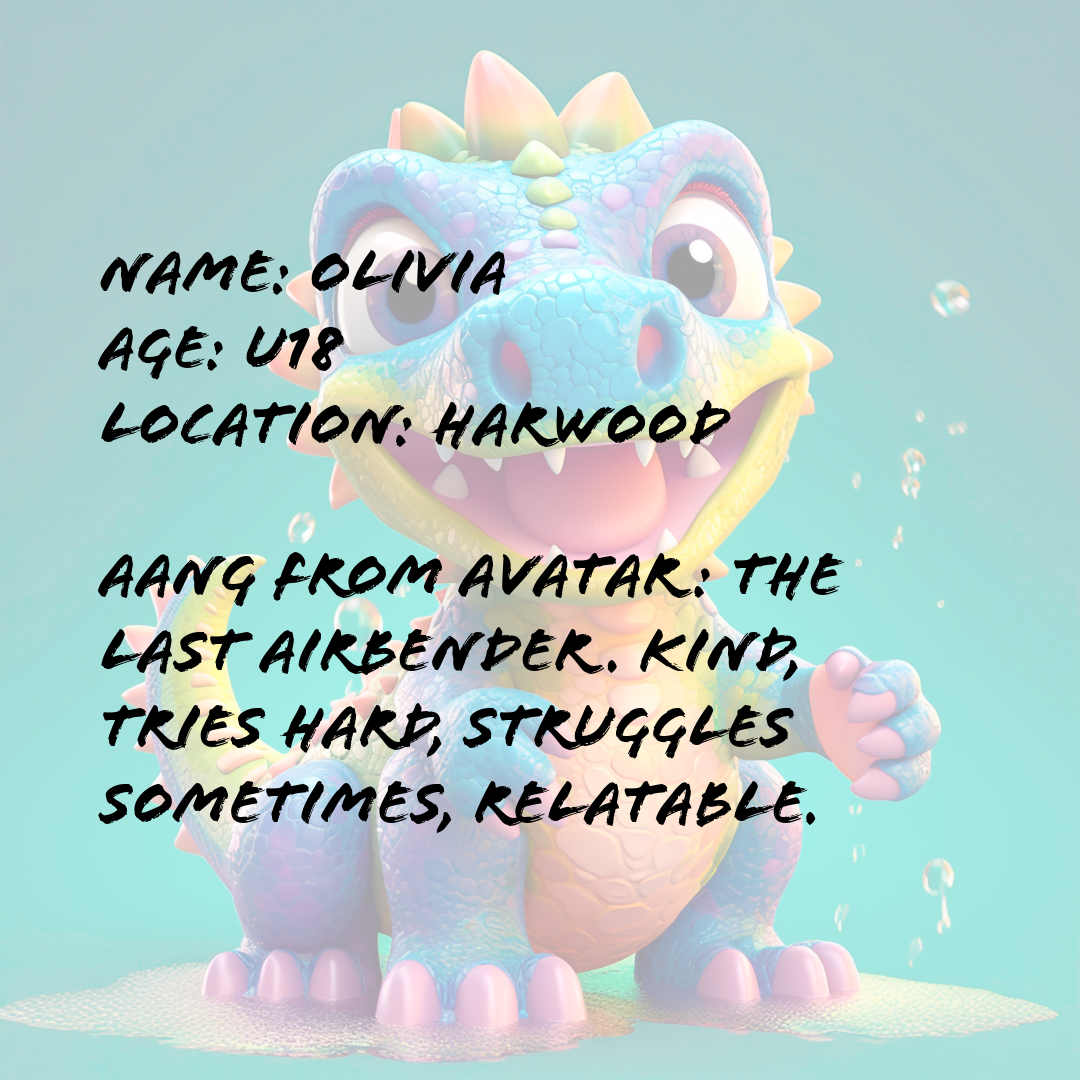
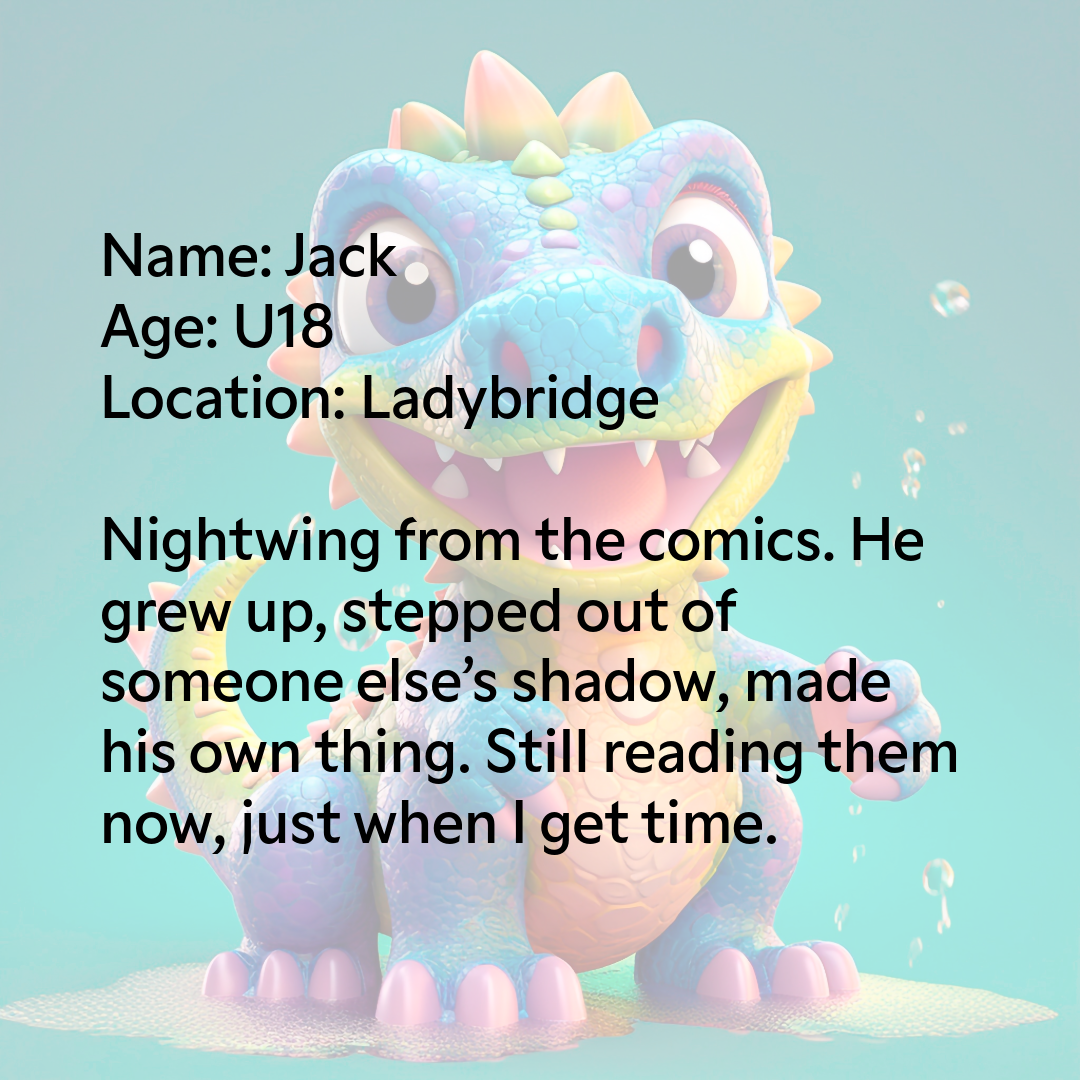
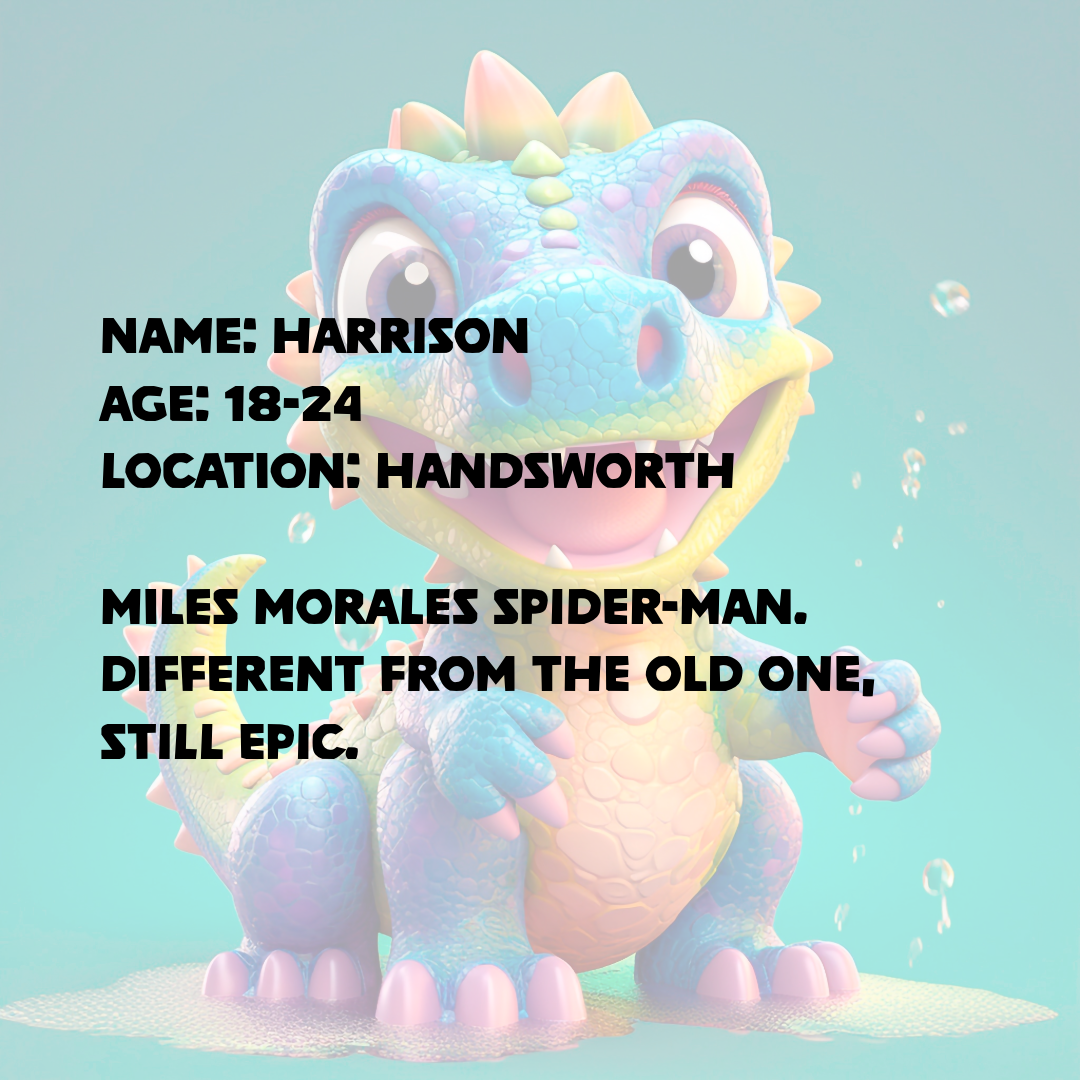
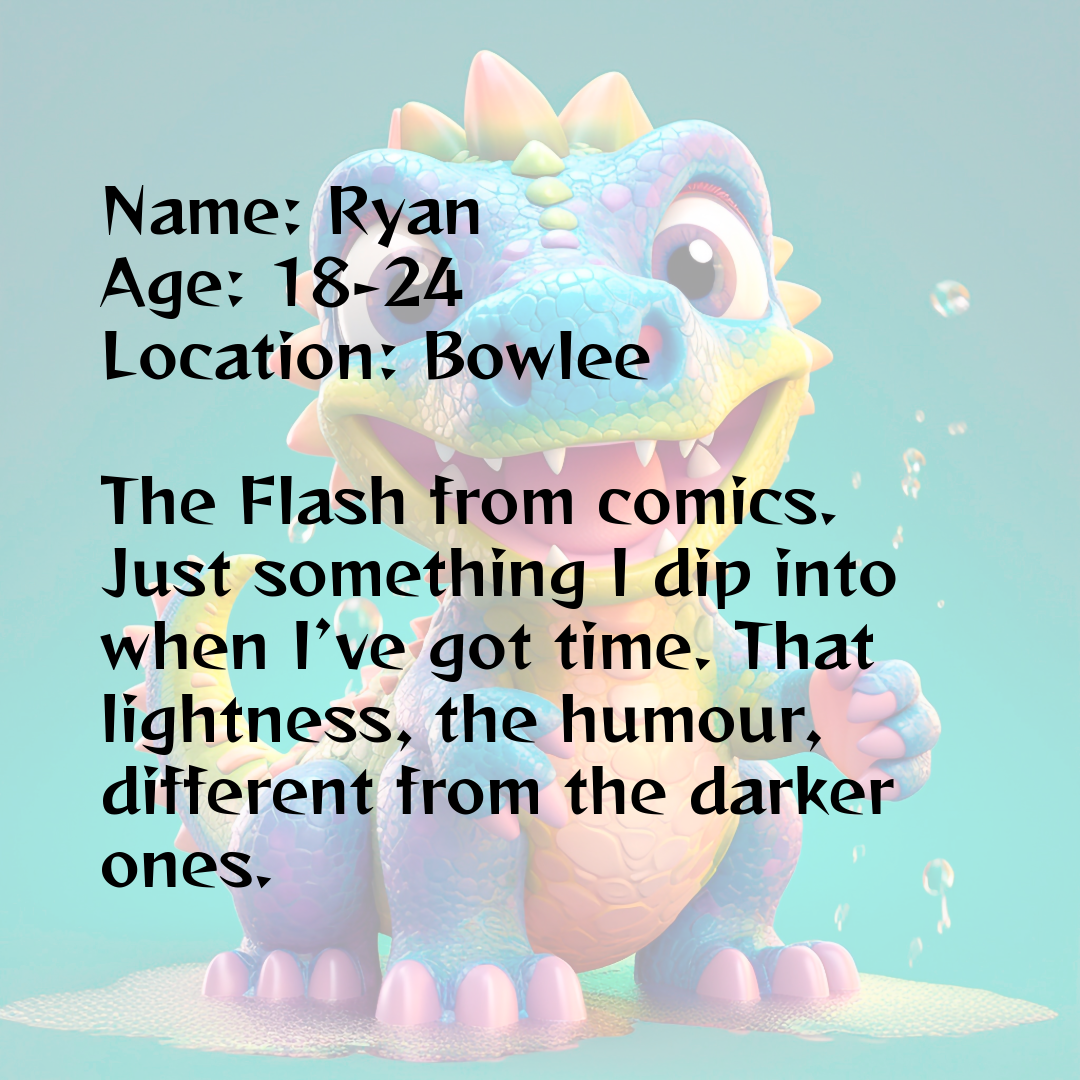
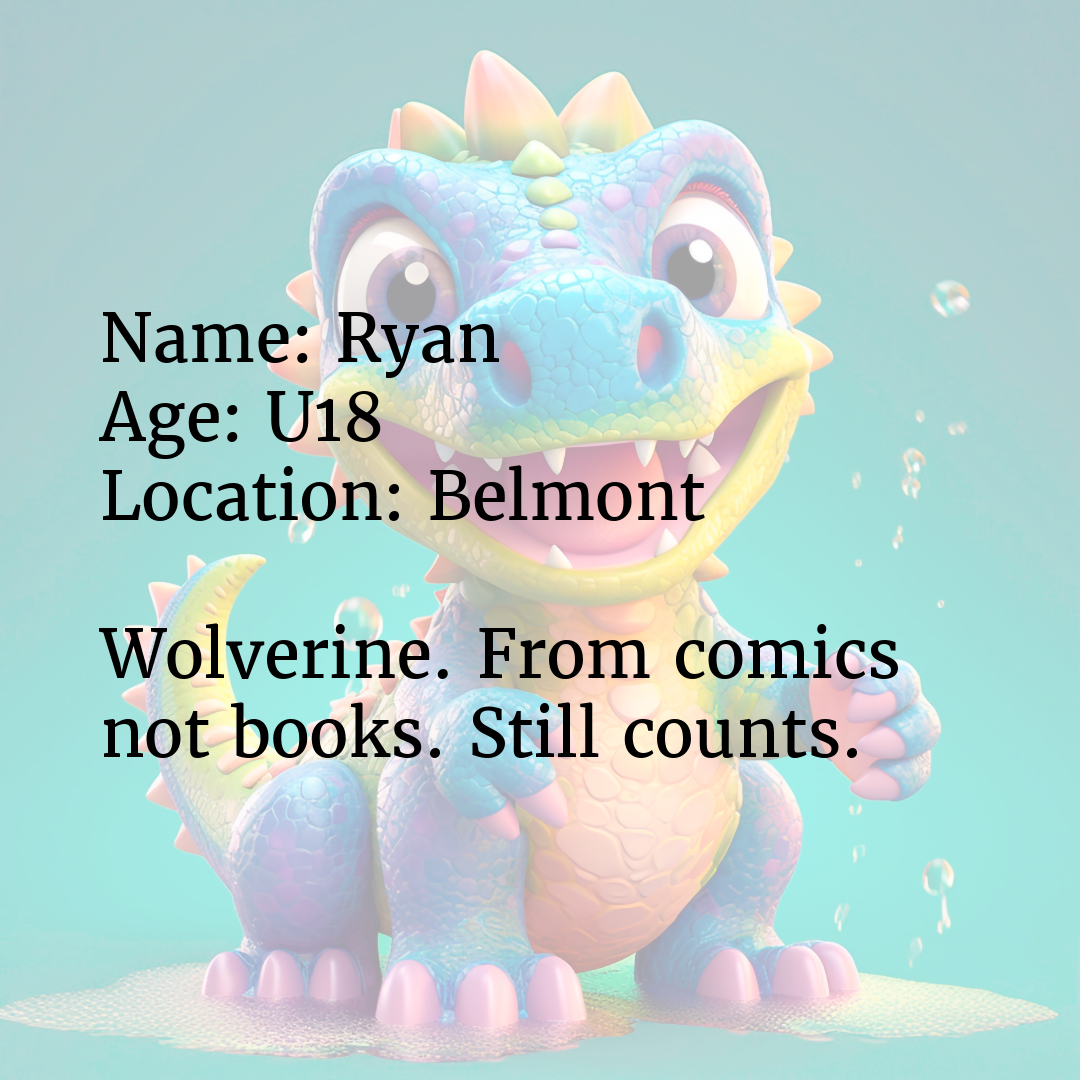
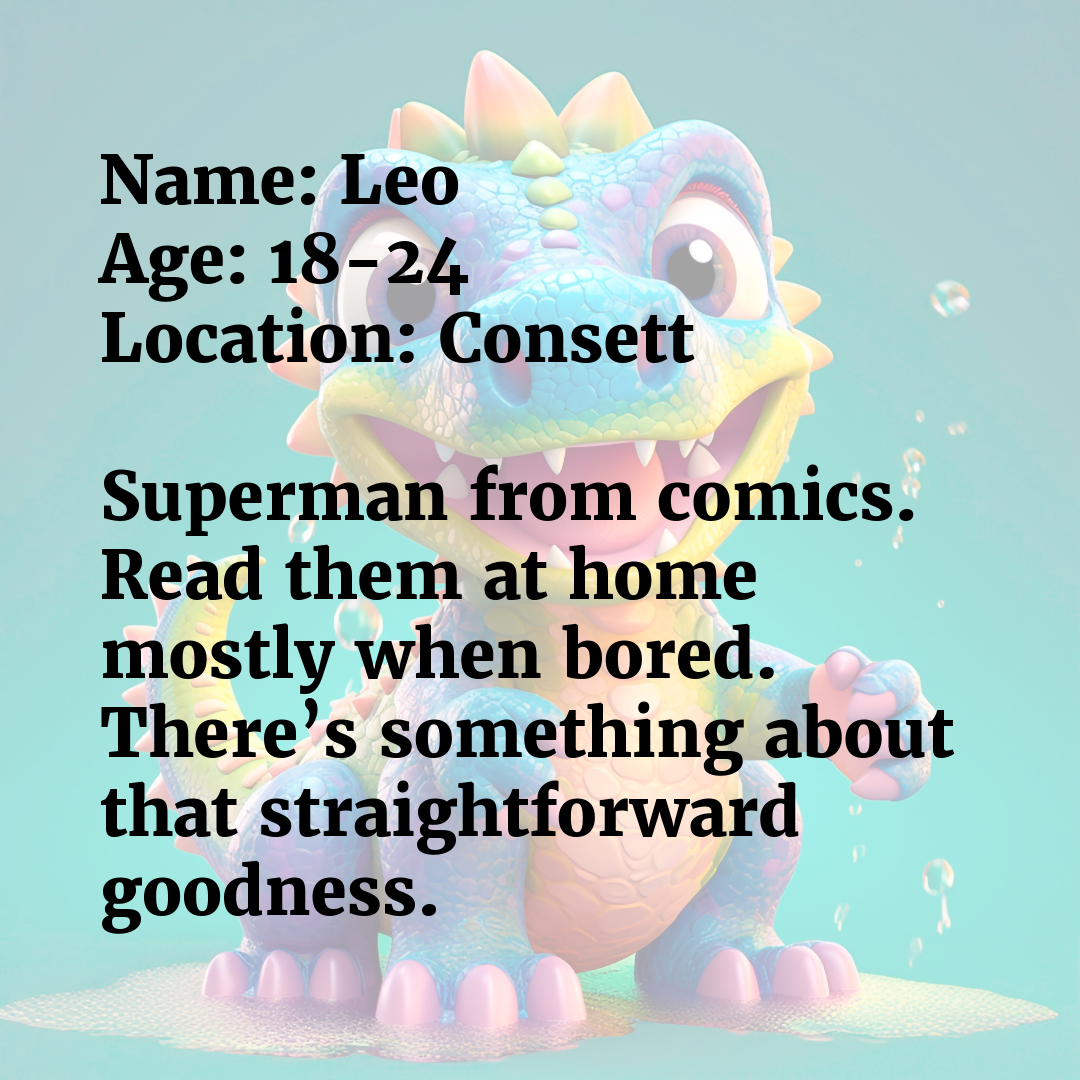
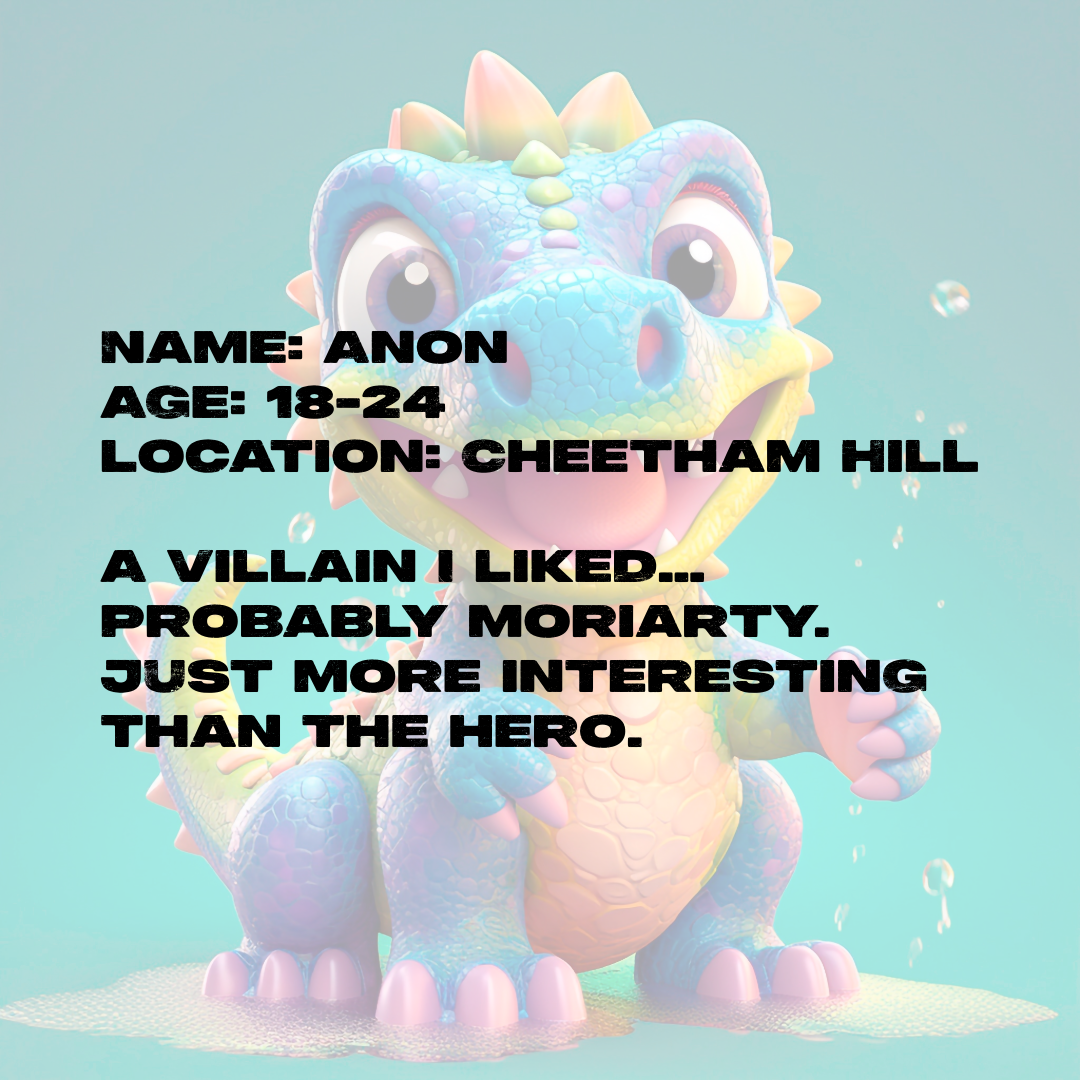
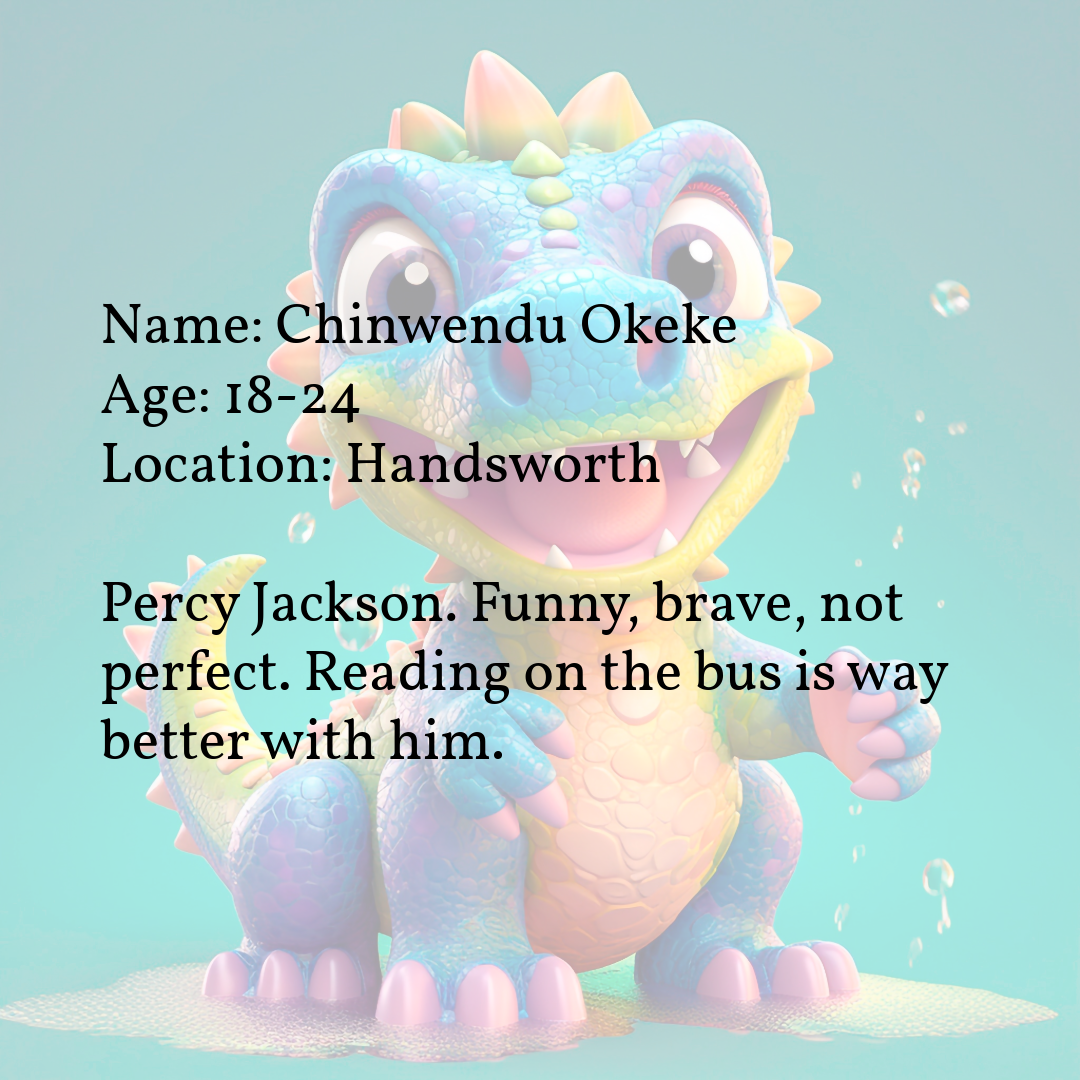
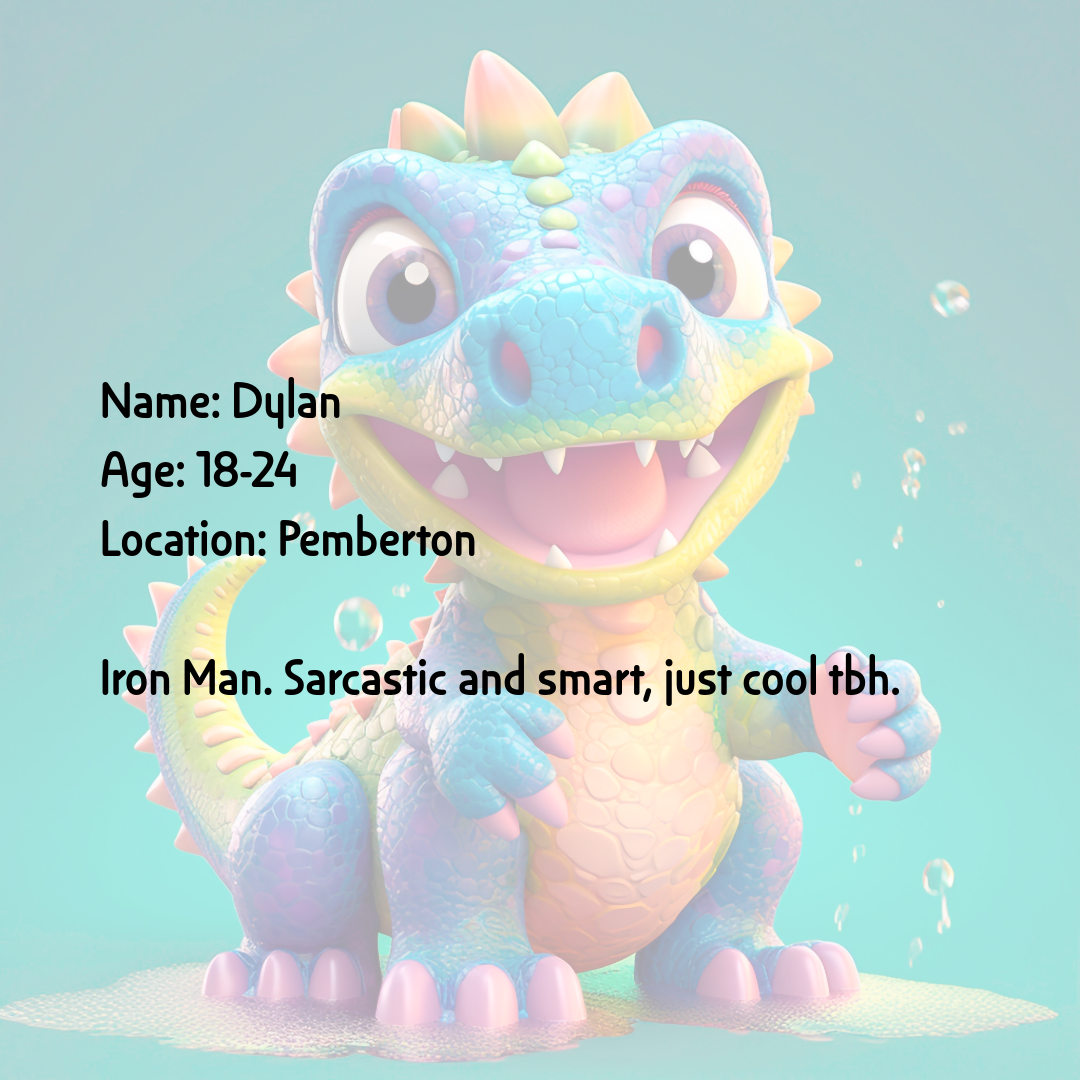
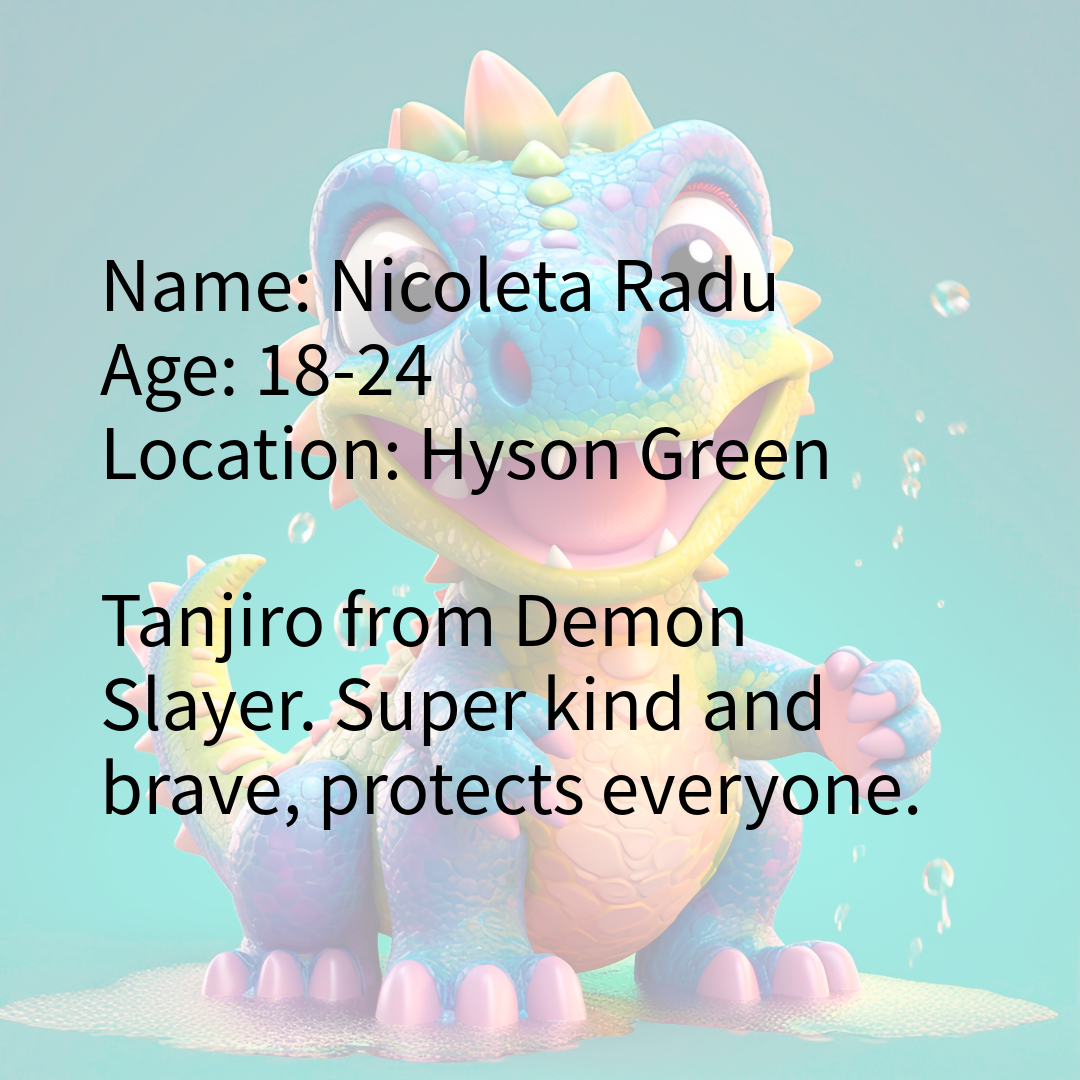
We didn’t restrict the prompt to books, and people were quick to take us up on that. Connor submitted Deadpool. Ryan submitted The Flash. Several people nominated characters from anime: Naruto, Luffy, Aang, Tanjiro, without any sense that these were lesser choices. They weren’t. The emotional attachment was identical, the formative impact just as real.
This reflects something important about how reading actually functions in people’s lives. The boundary between literary fiction and manga, between a Booker Prize novel and a Netflix adaptation, is far less fixed in lived experience than it sometimes appears in cultural conversation. Characters do their work wherever they live. What matters is that they stay.
The ones who feel like company:
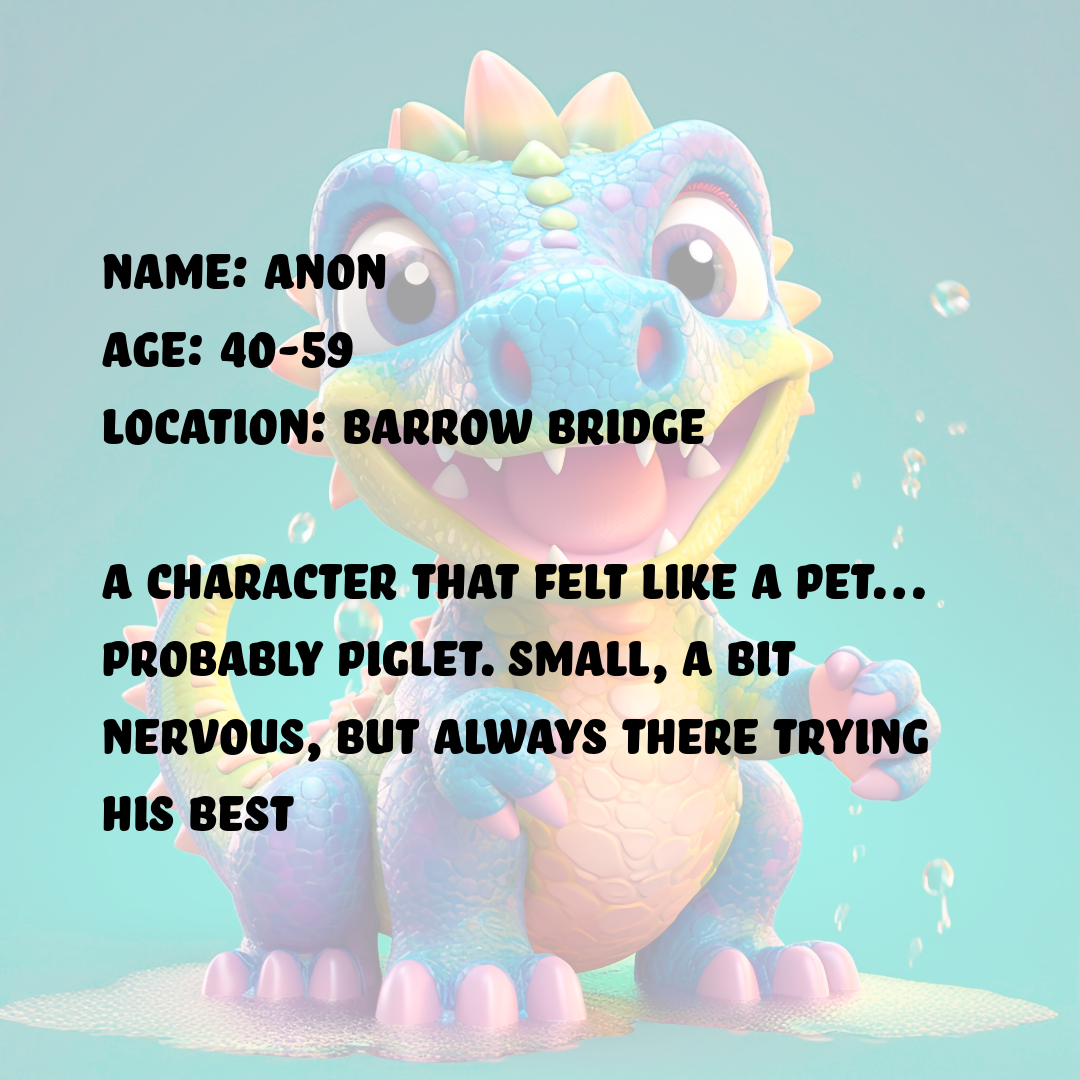
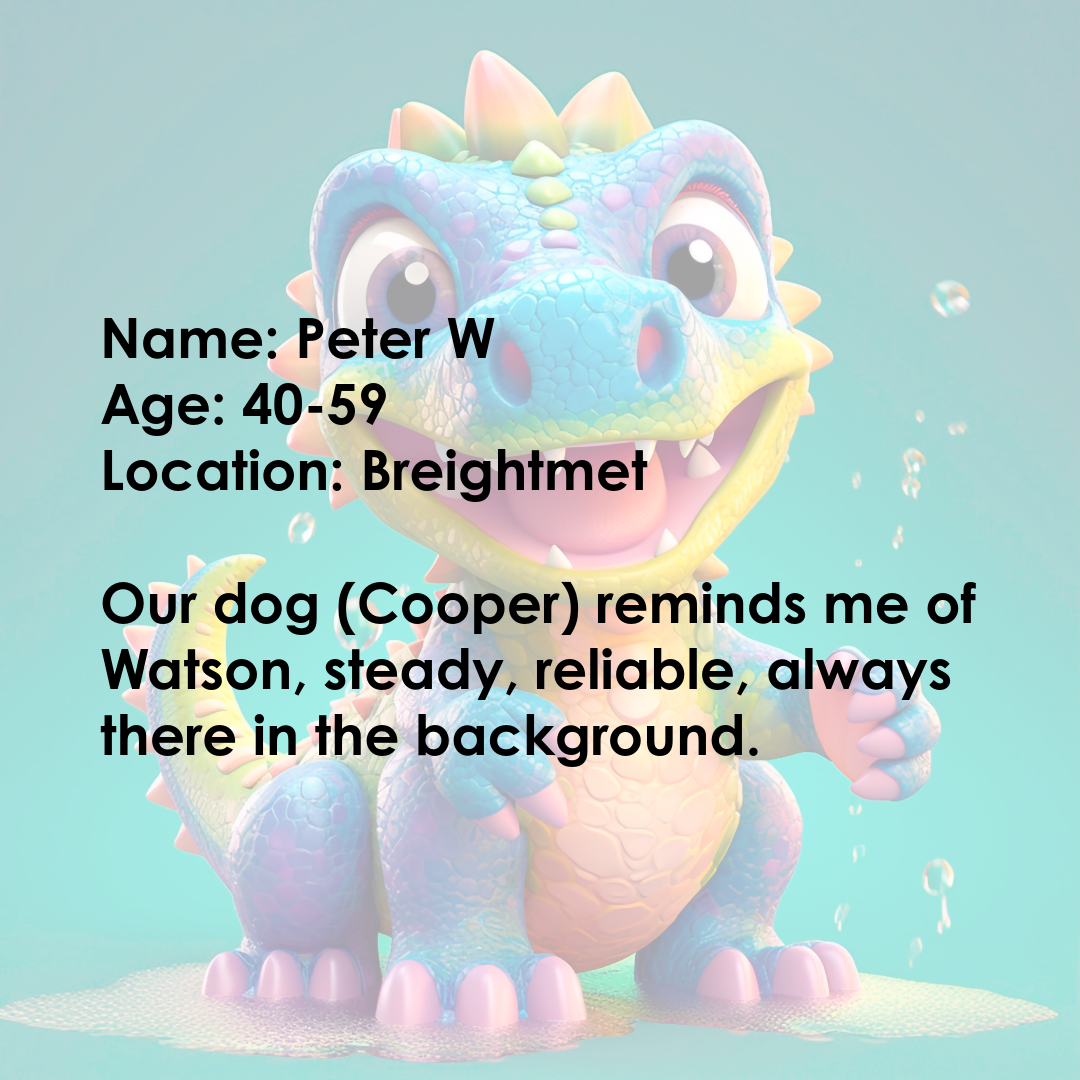
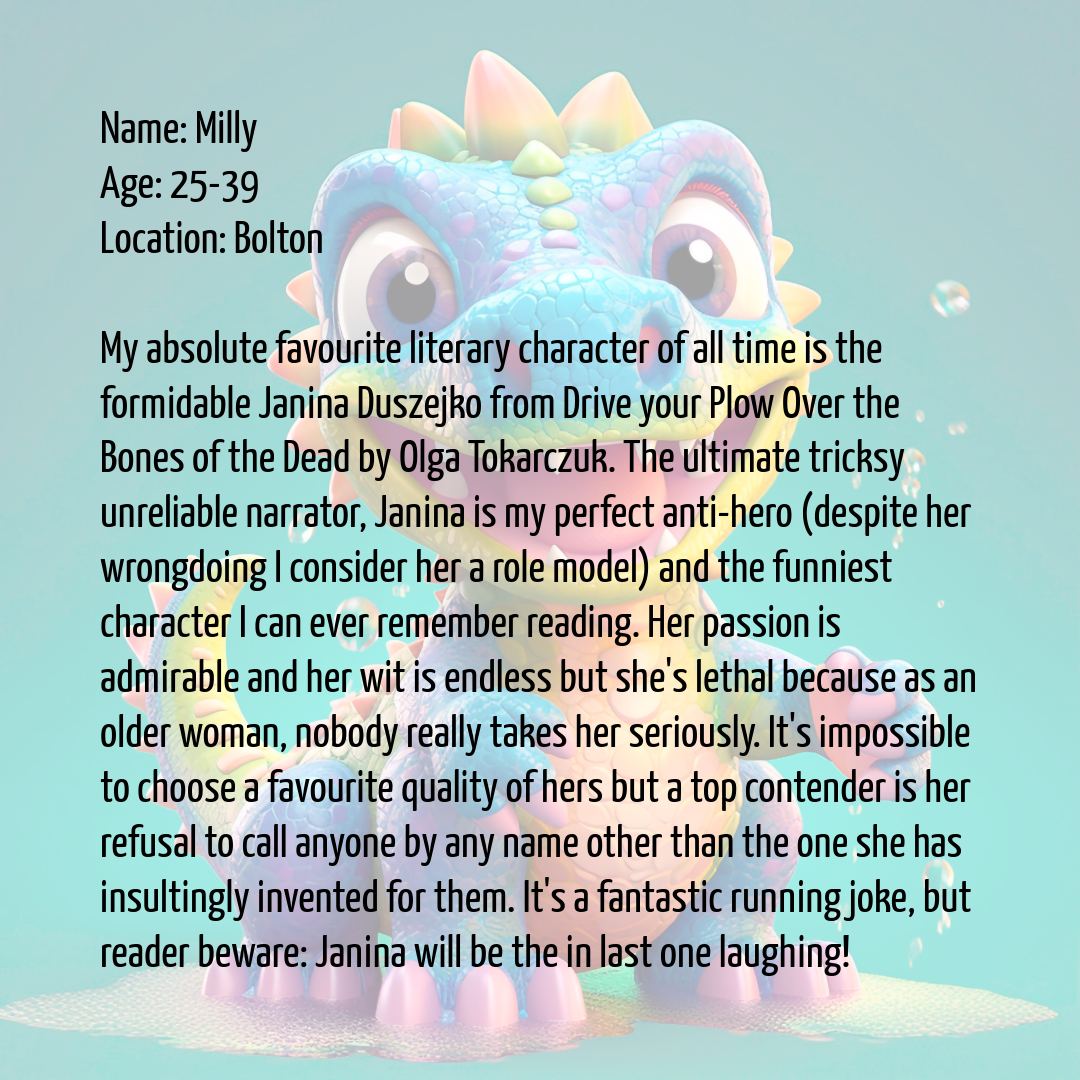
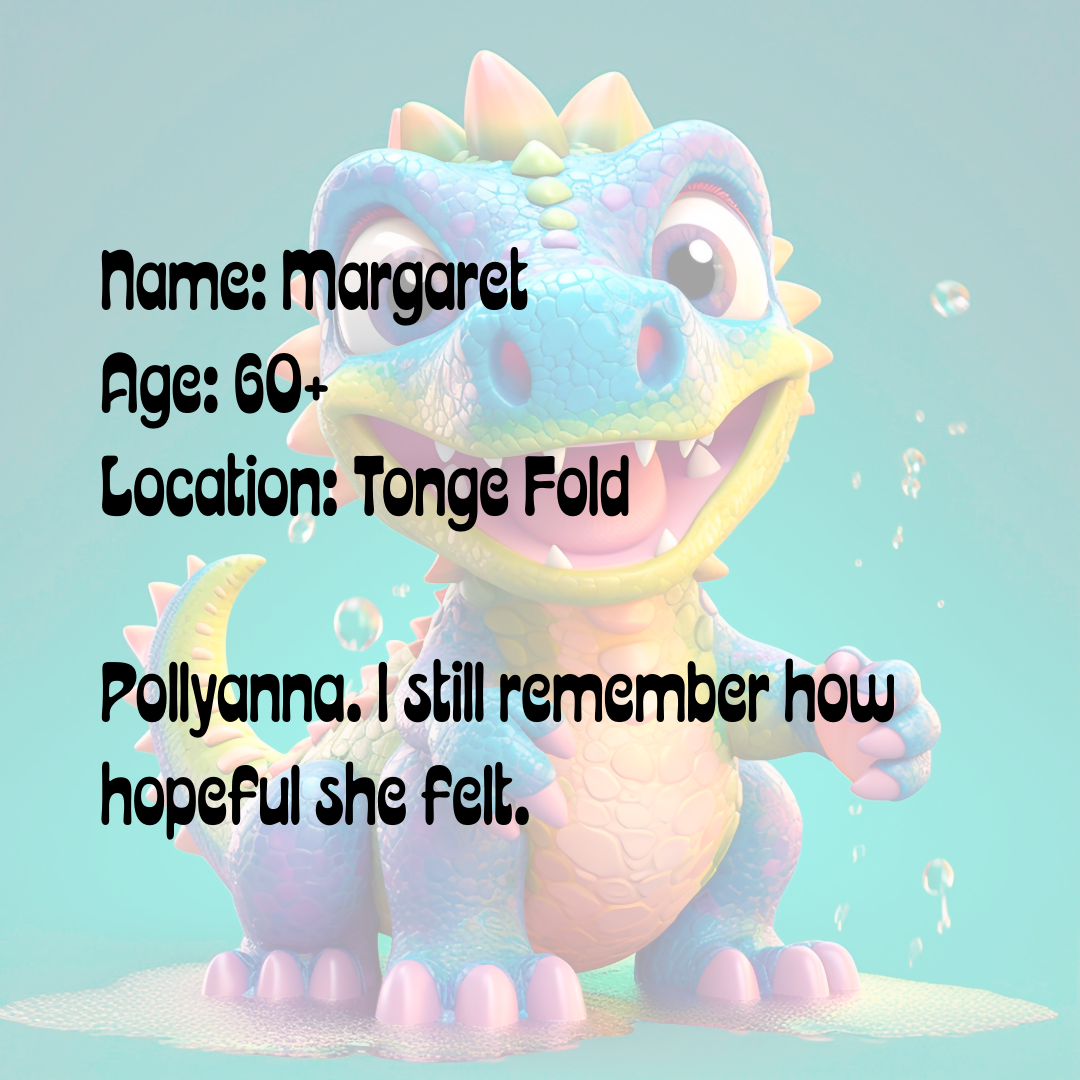
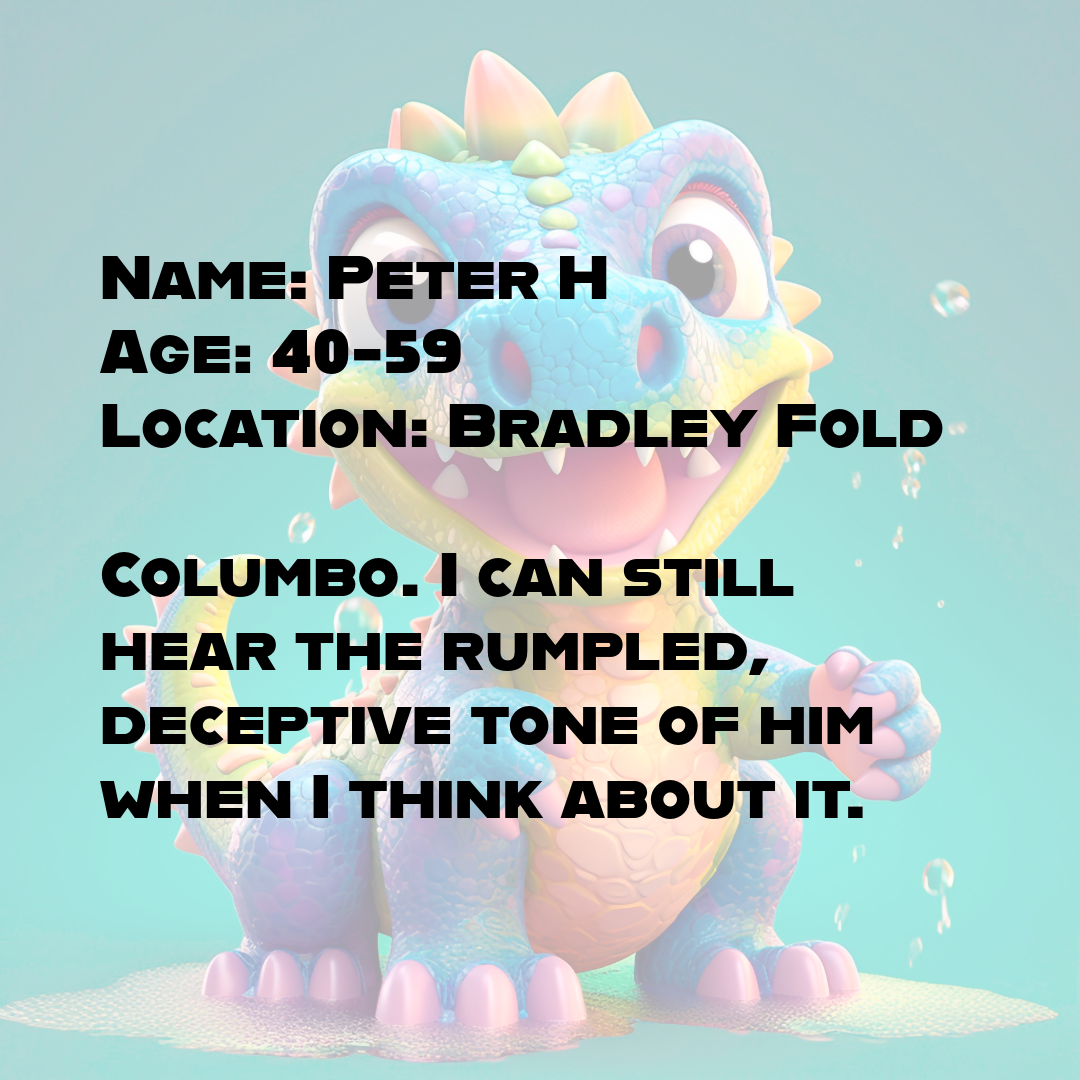
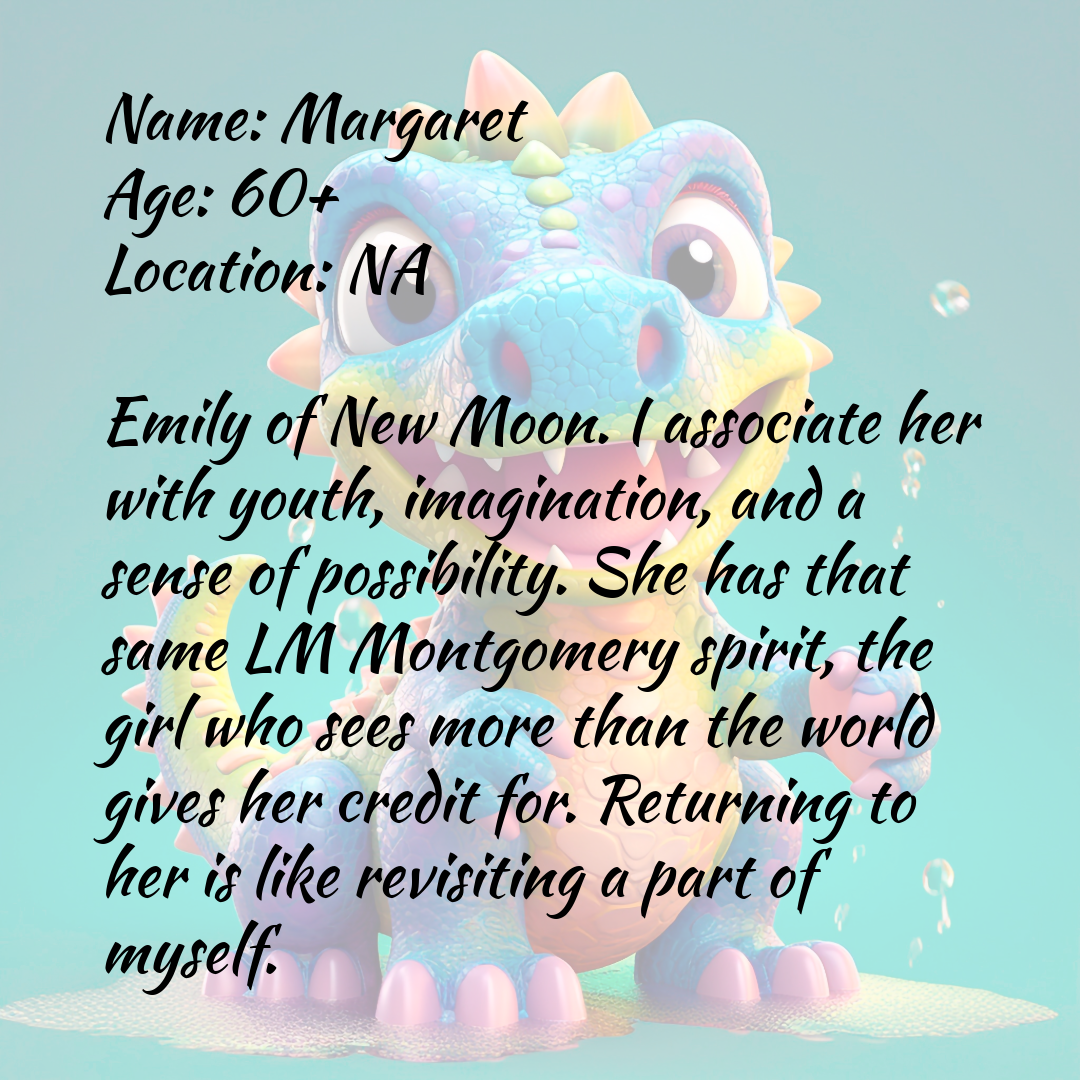
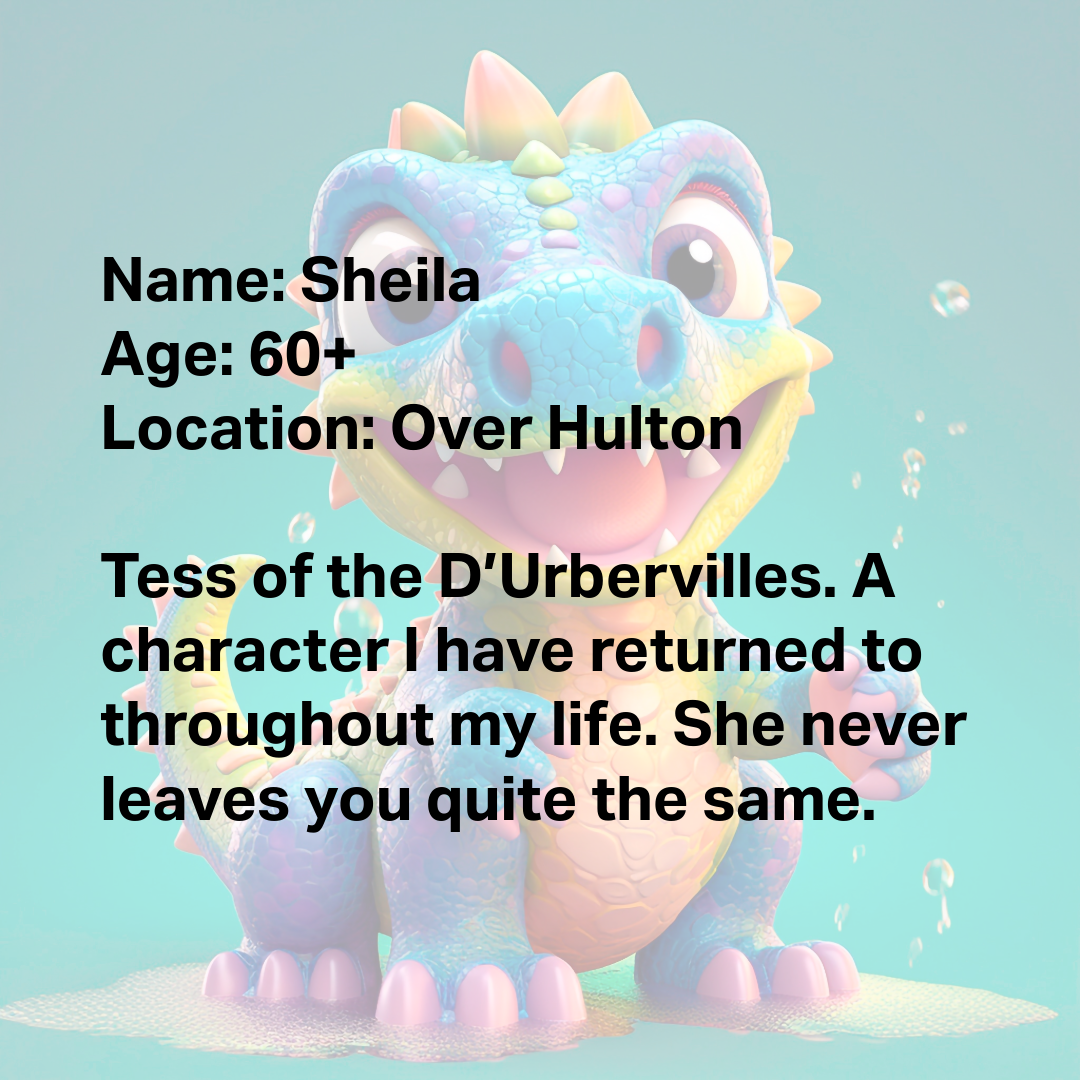
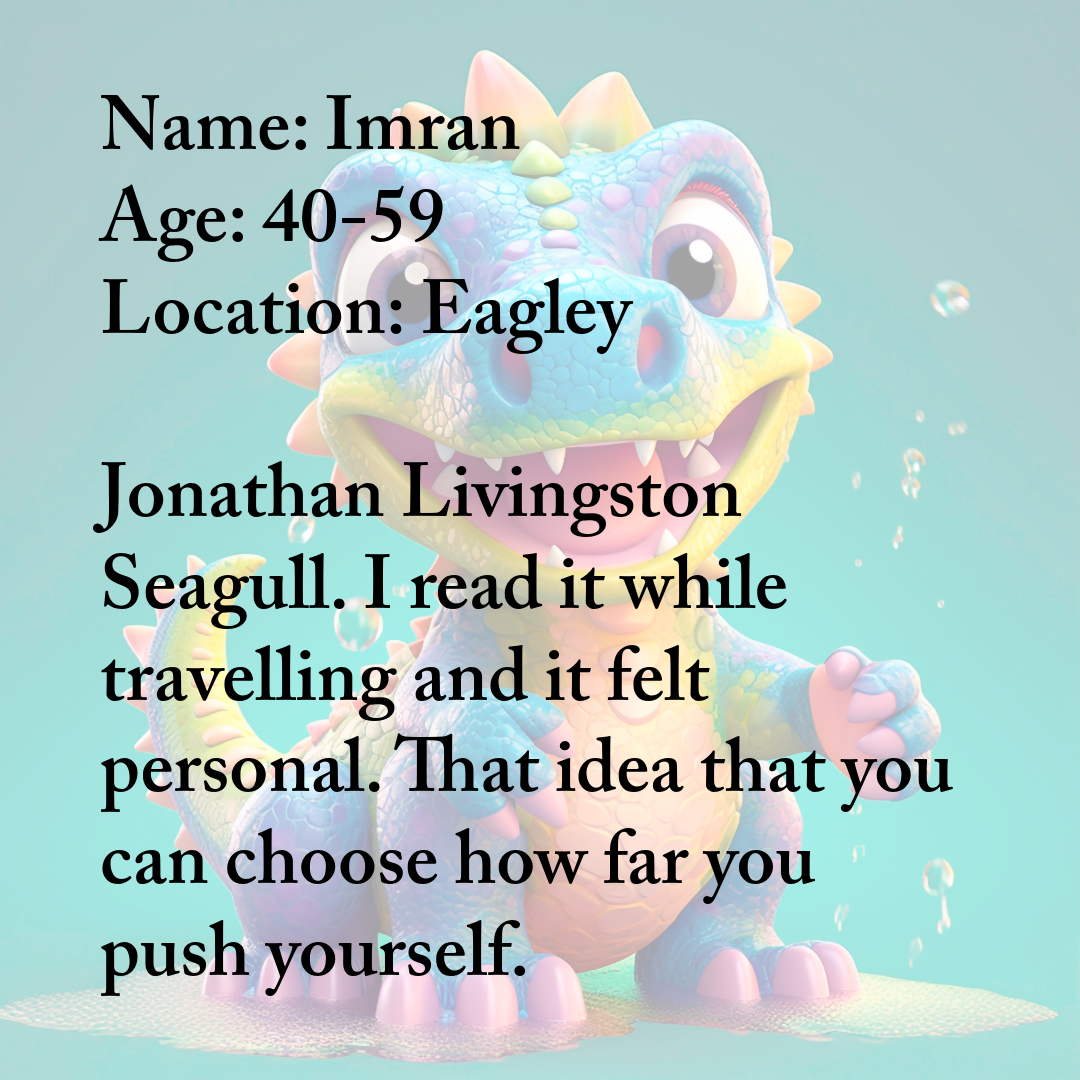
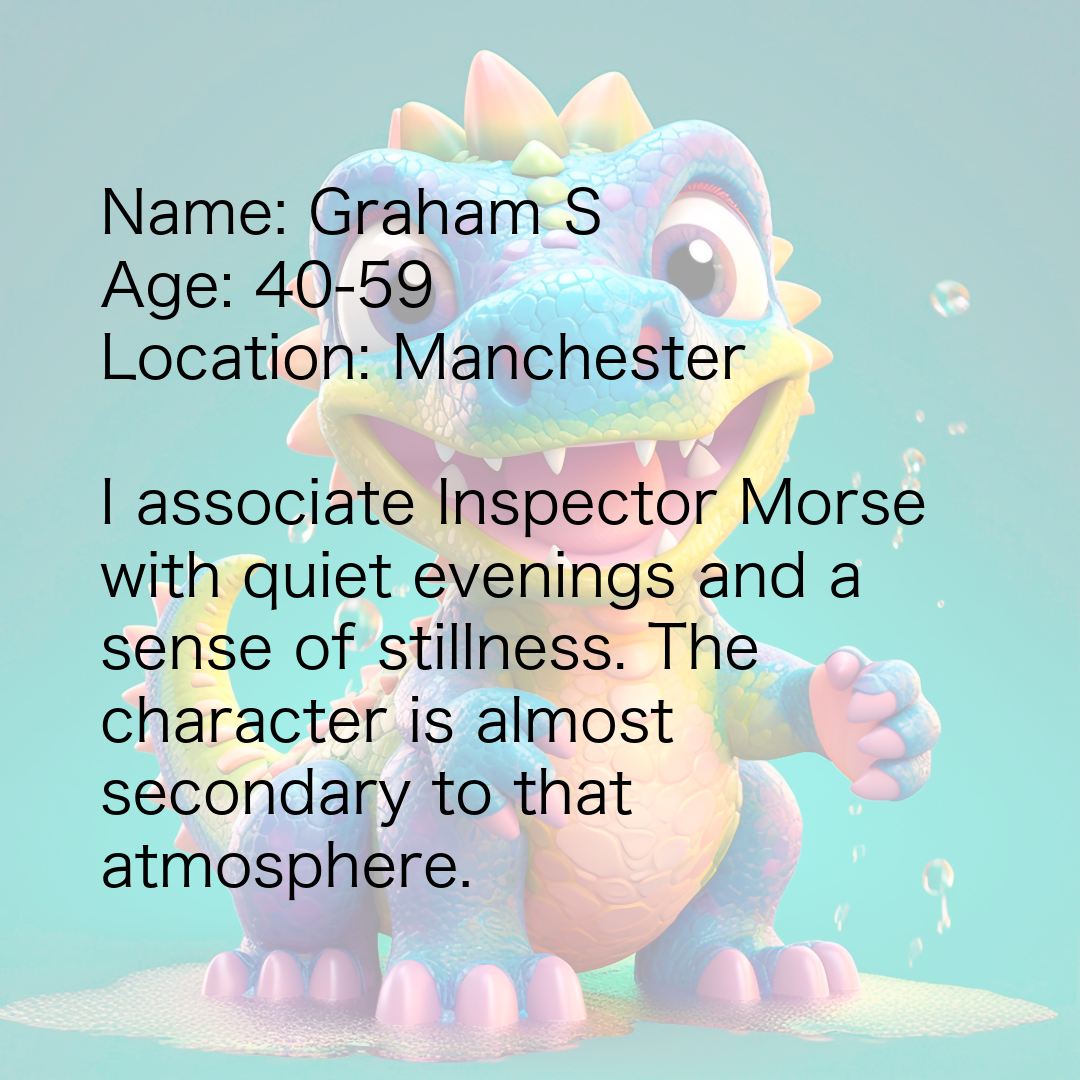
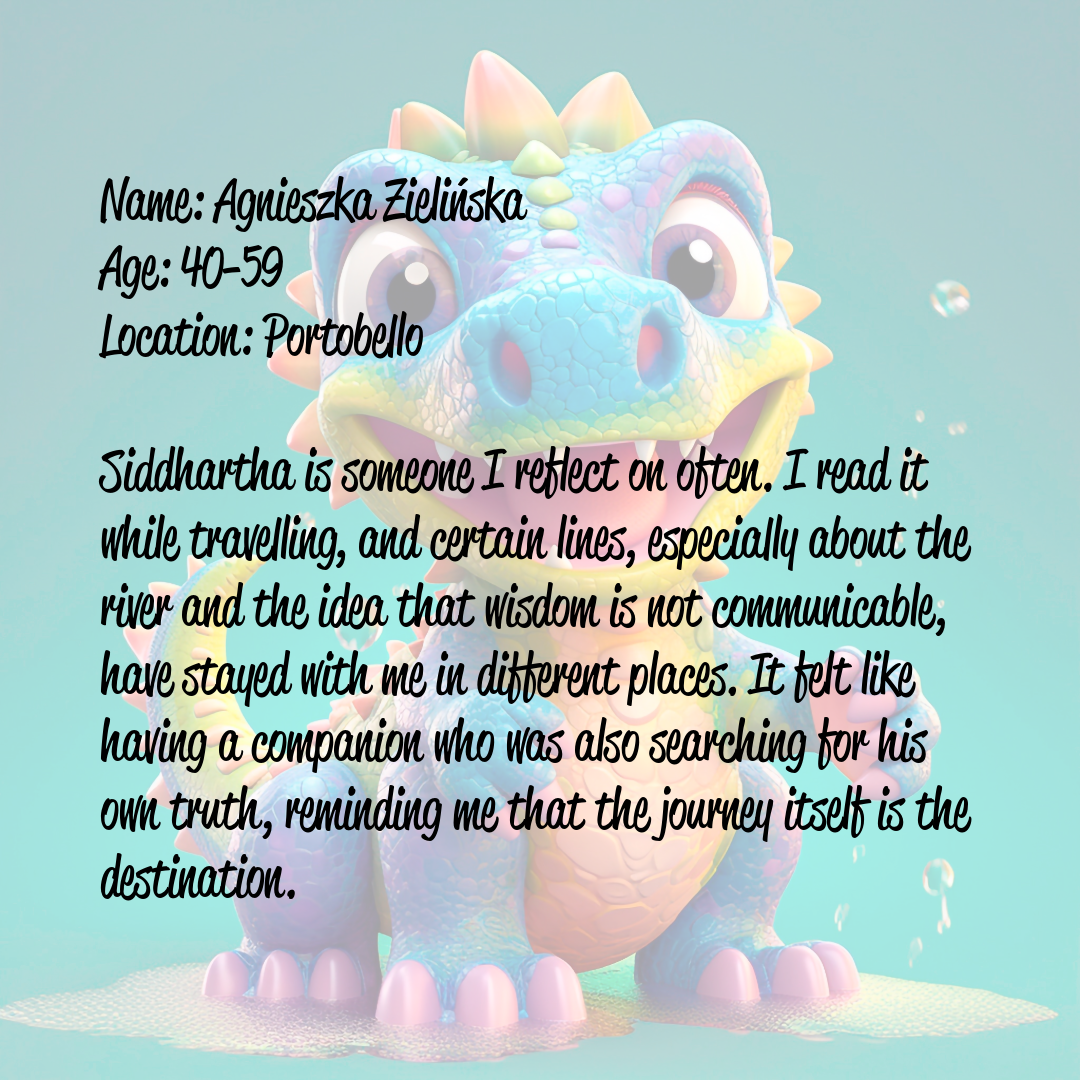
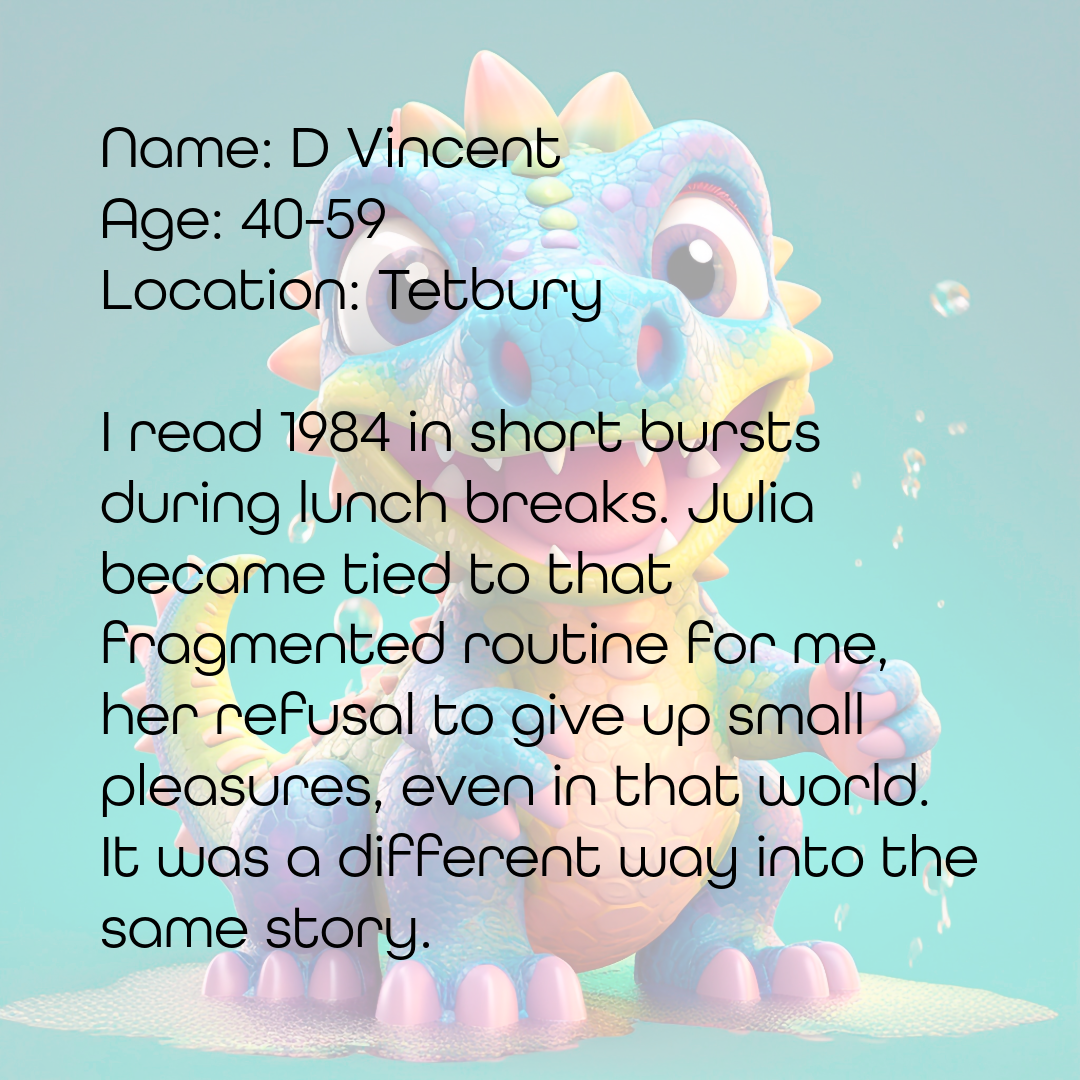
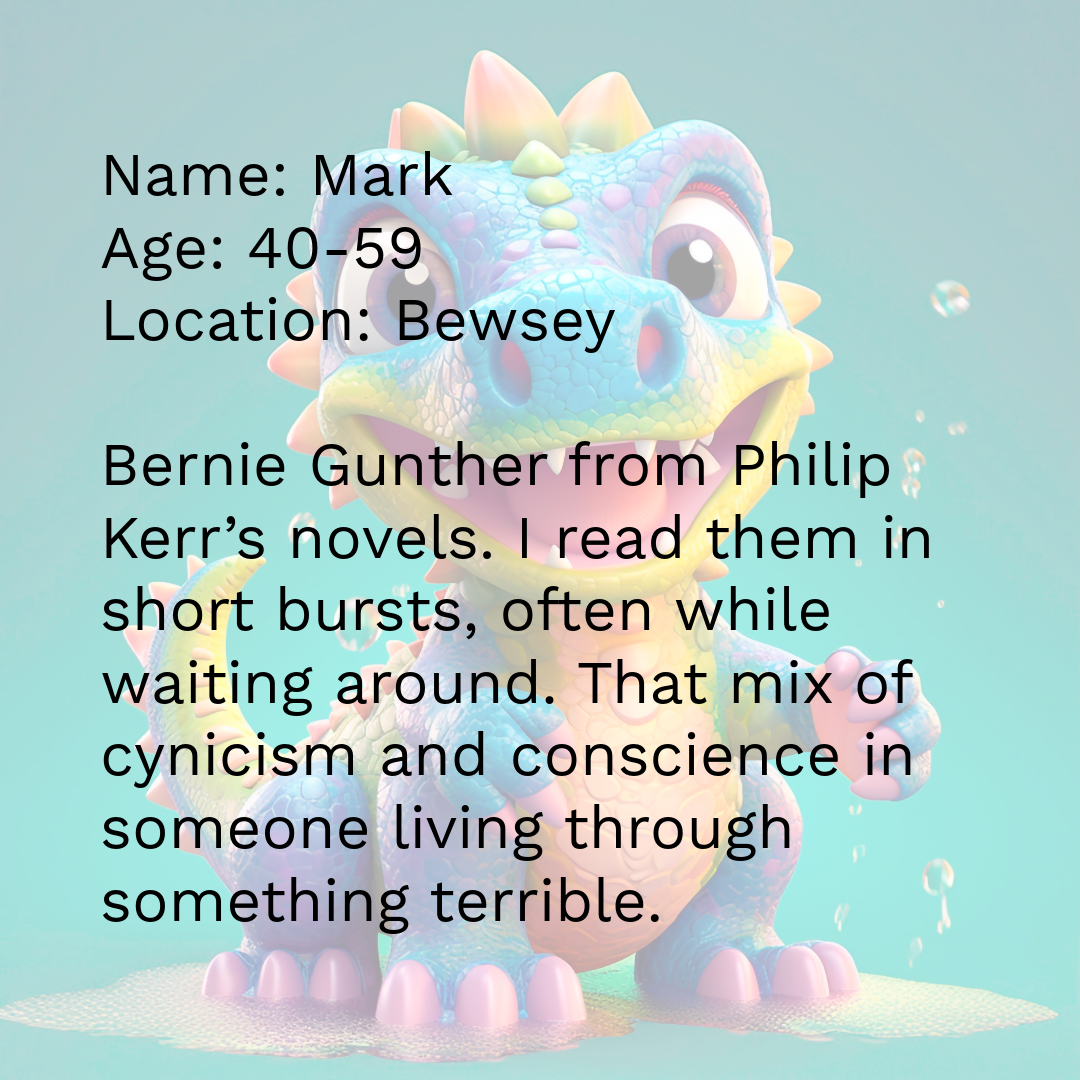
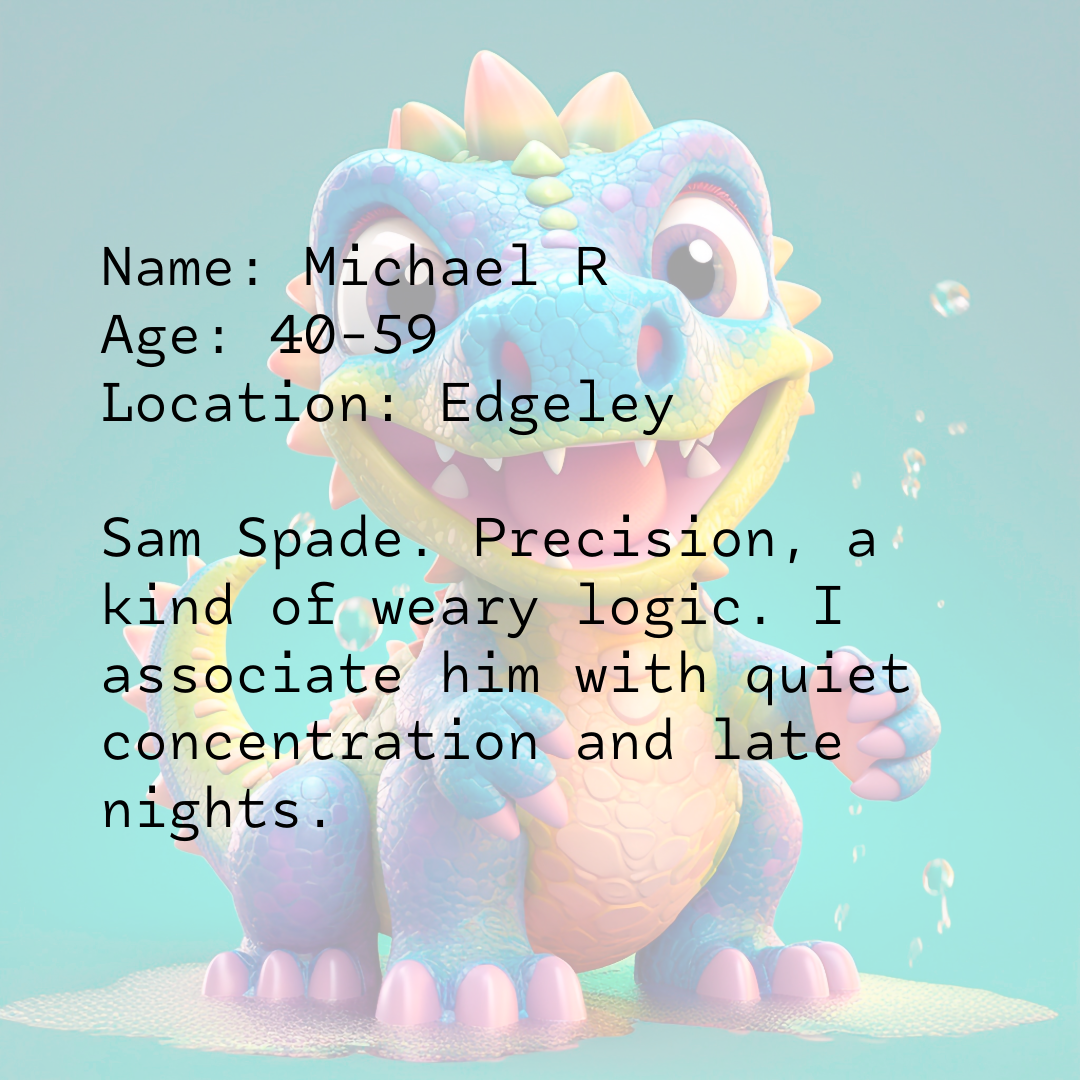
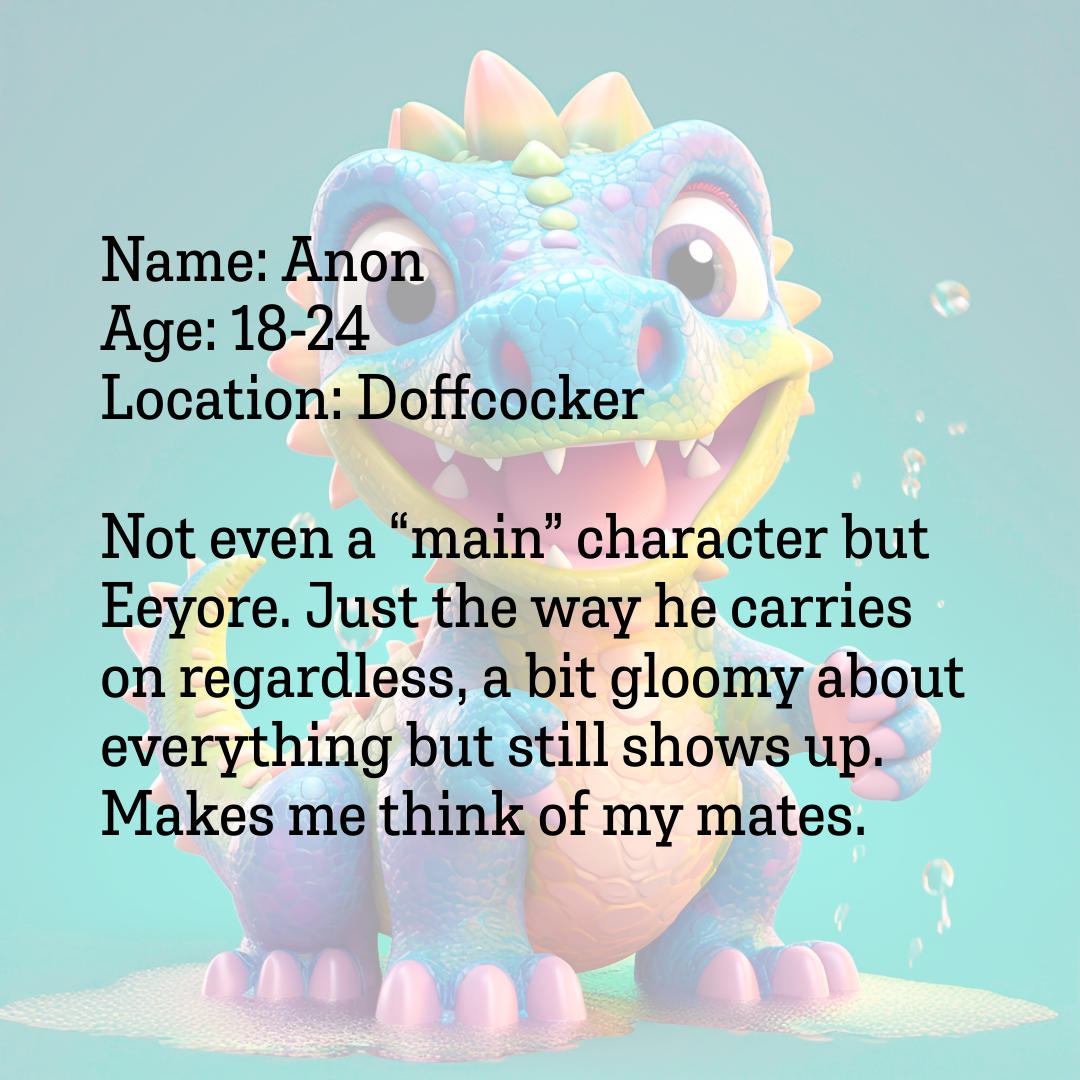
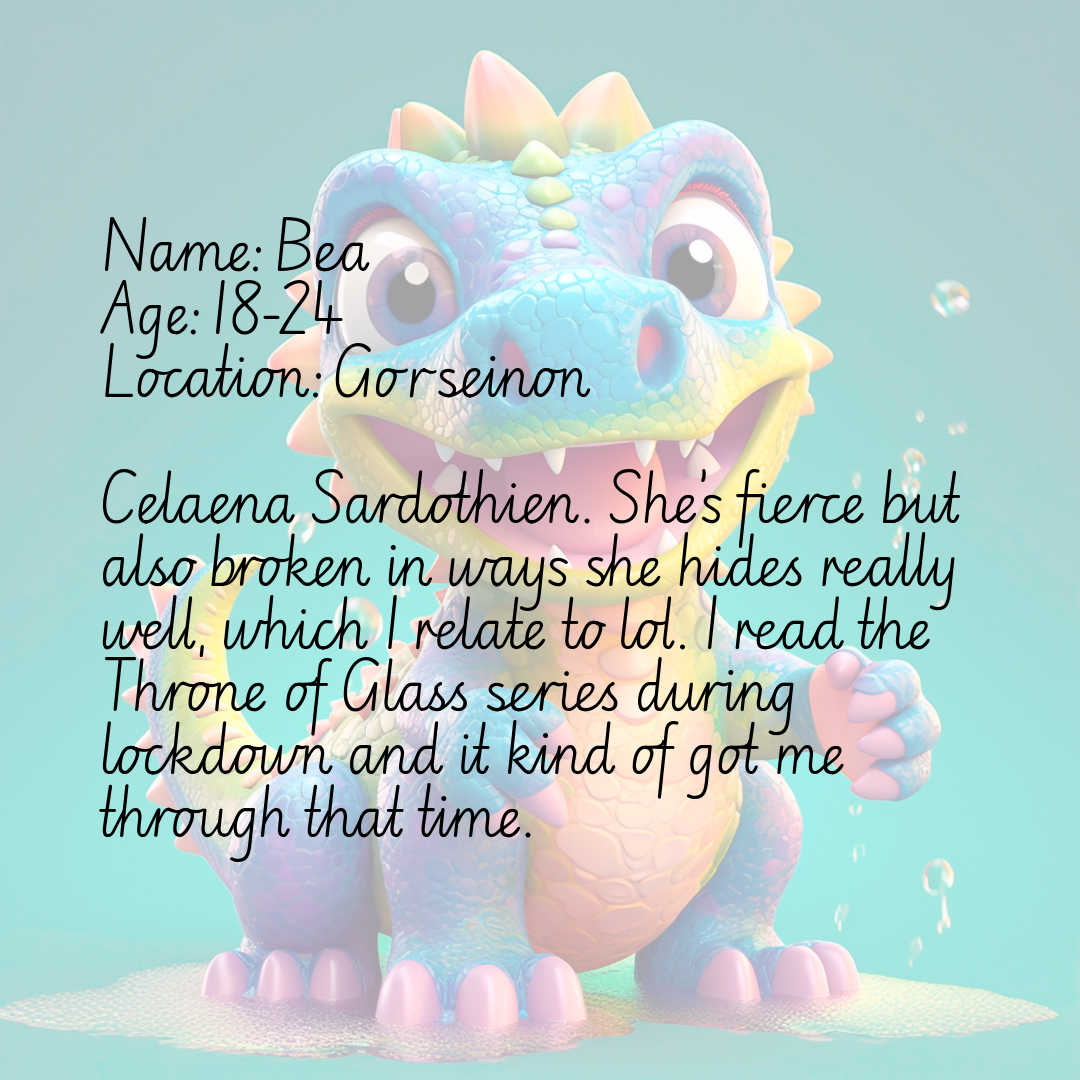
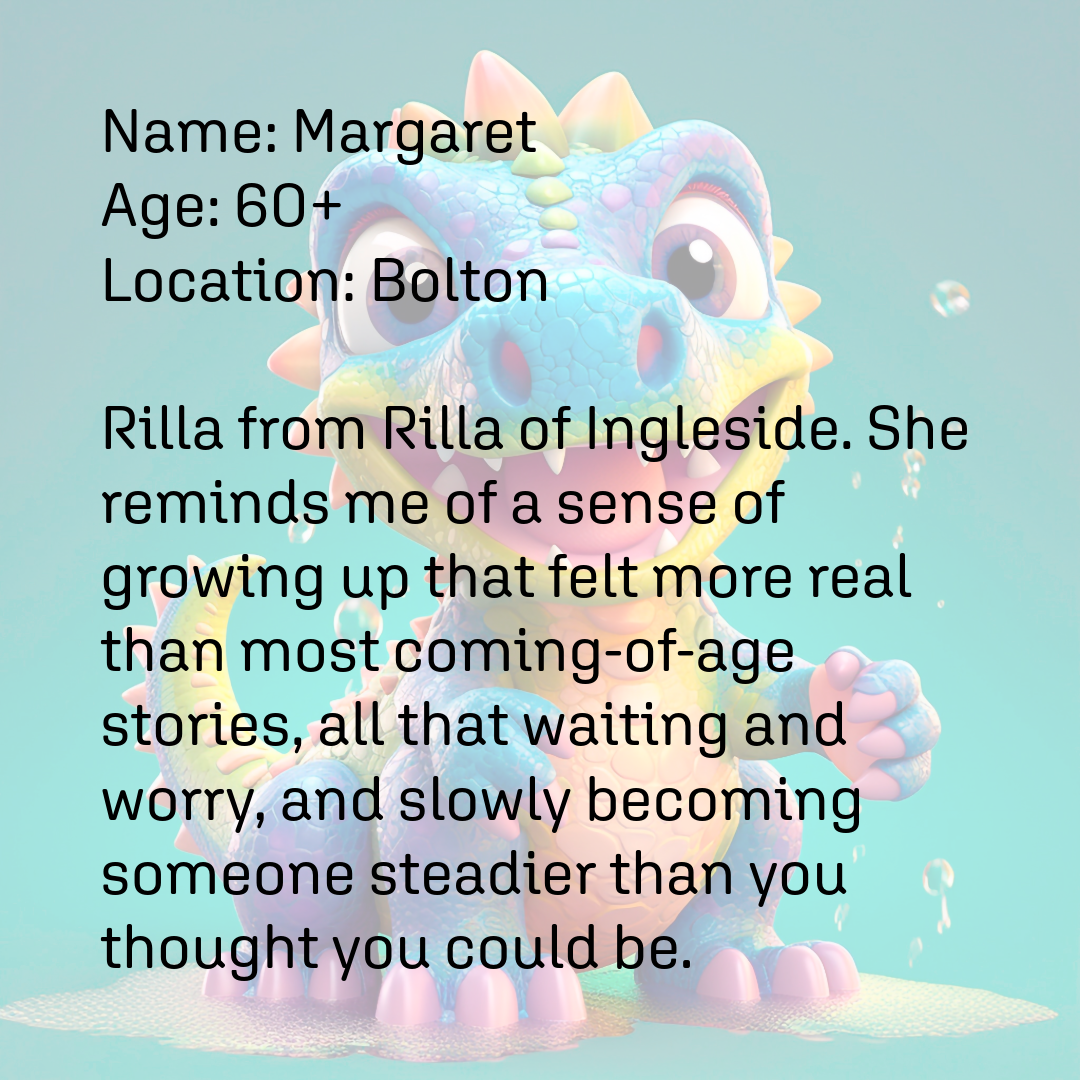
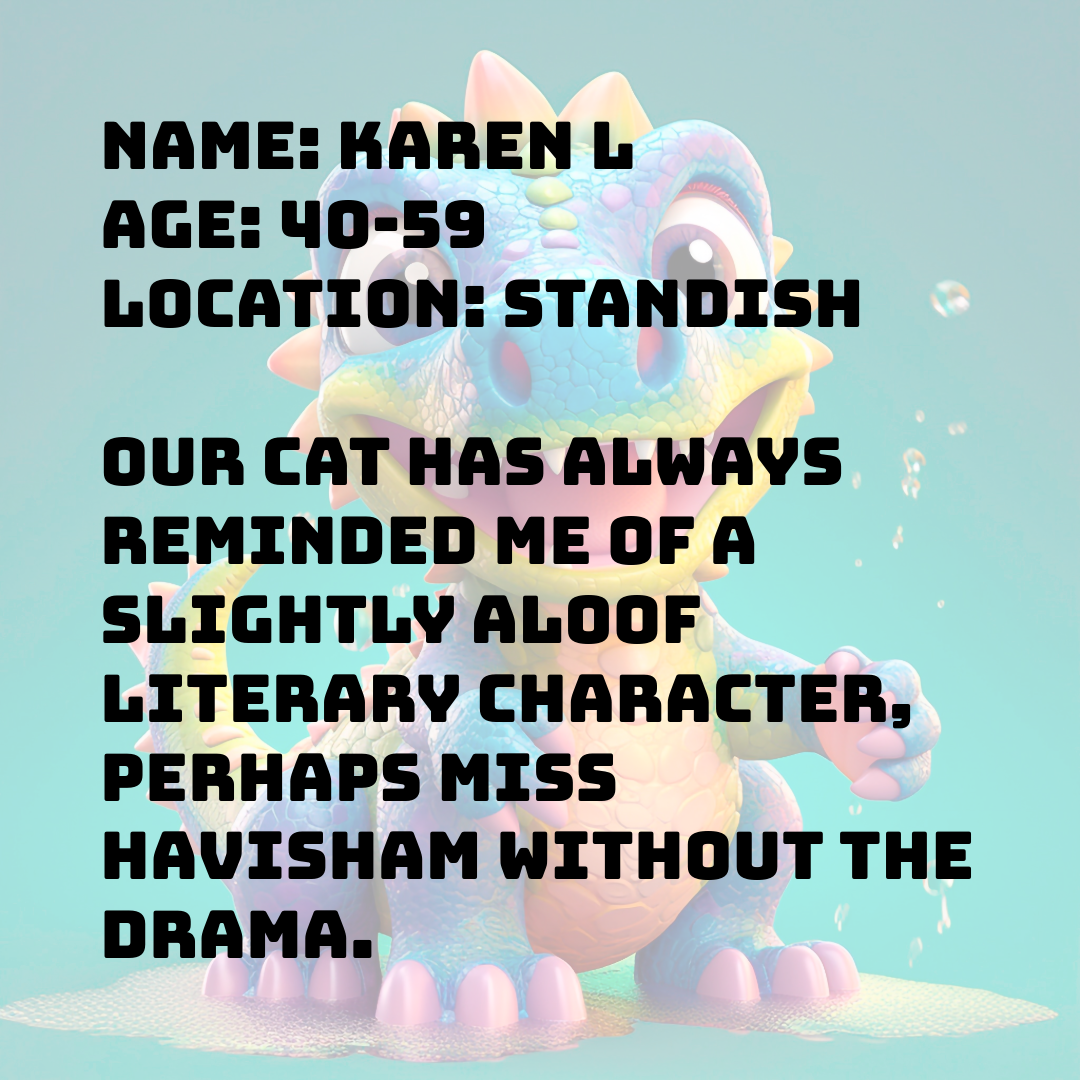
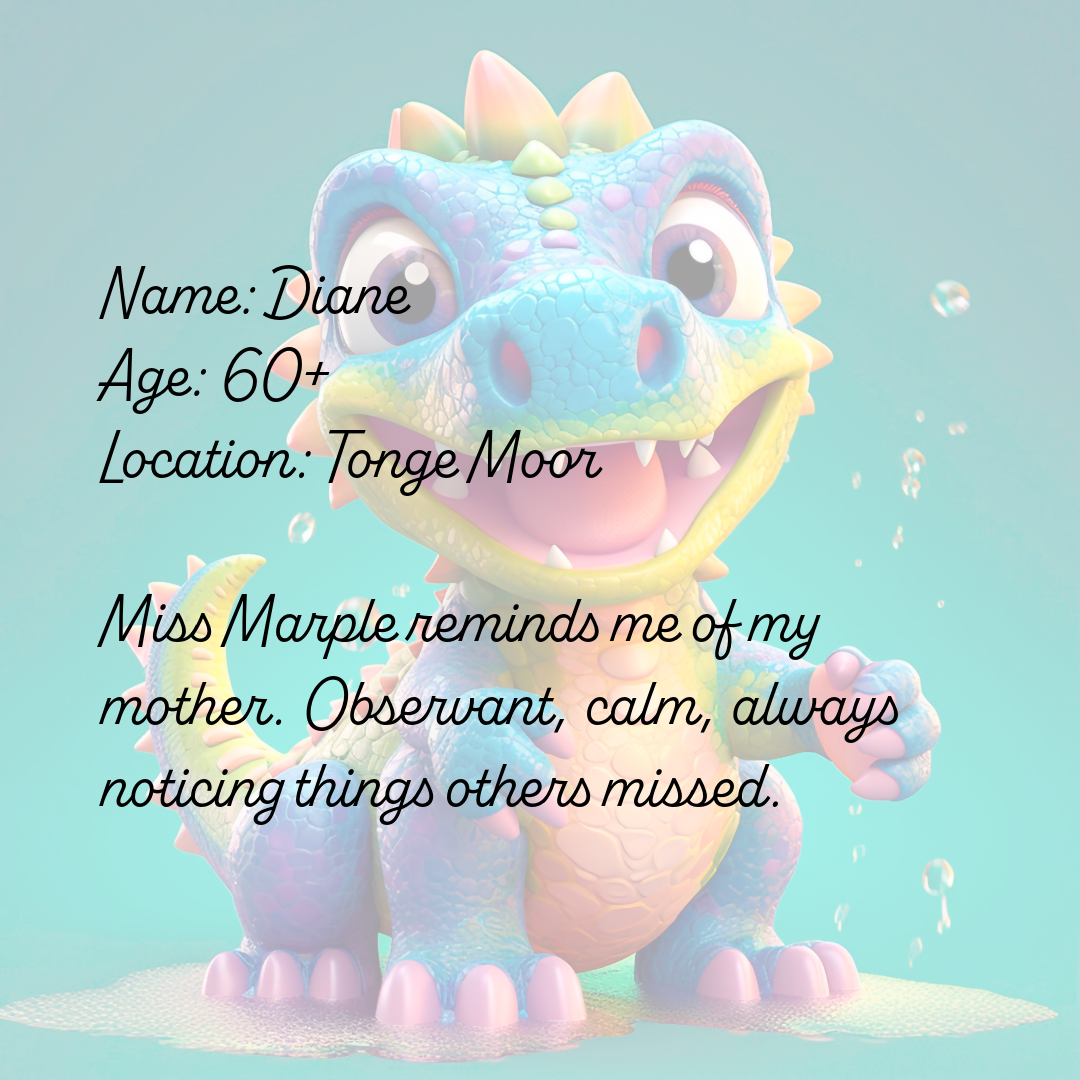
A number of submissions described characters not as fictional constructs but as presences, something closer to companions than creations. Peter from Bradley Fold said he could still hear the tone of Columbo’s voice when he thinks about him. Margaret described Emily of New Moon as someone she had returned to throughout her life, like revisiting a part of herself. Agnieszka described Siddhartha as a companion who was also searching for his own truth.
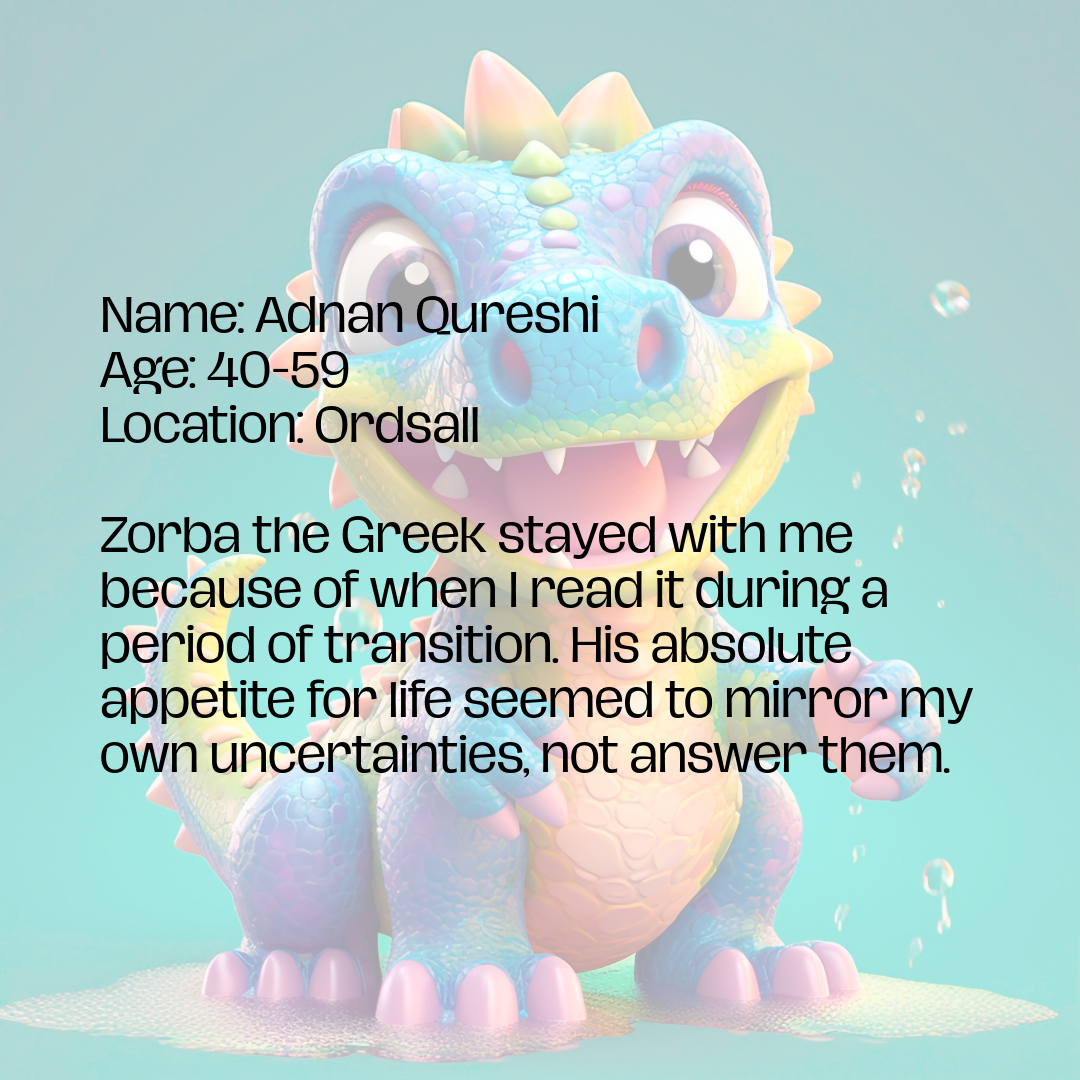
This language of companionship appeared across age groups and backgrounds consistently enough to feel like a finding rather than a coincidence. The characters people remember most vividly are the ones who were present during something, a difficult period, a transition, a moment when the world felt too large or not large enough. They were there. That’s why they stayed.
What this tells us about reading:
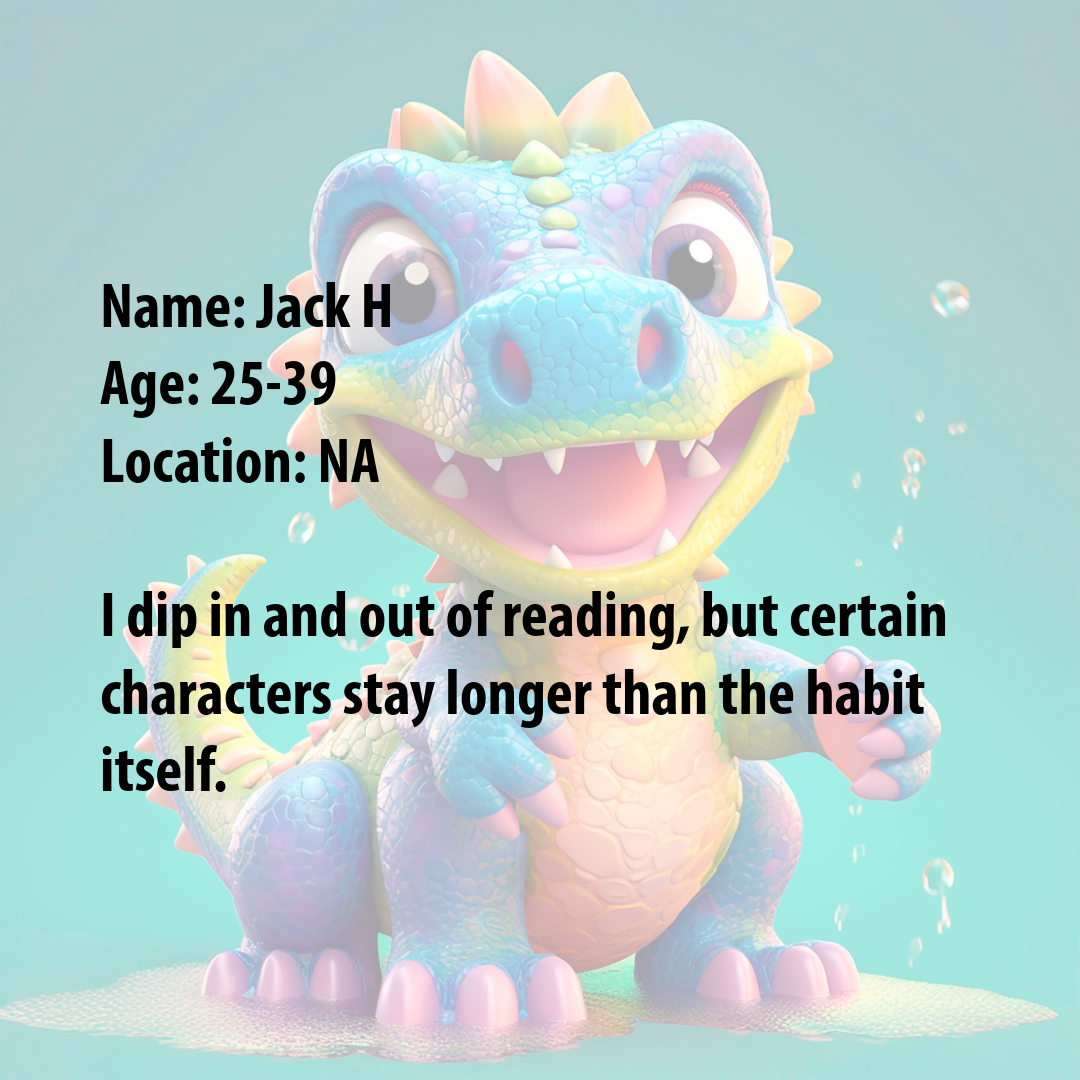
The prompt for this month was about characters. But the responses were about reading, about what it does, when it matters, and how it persists.
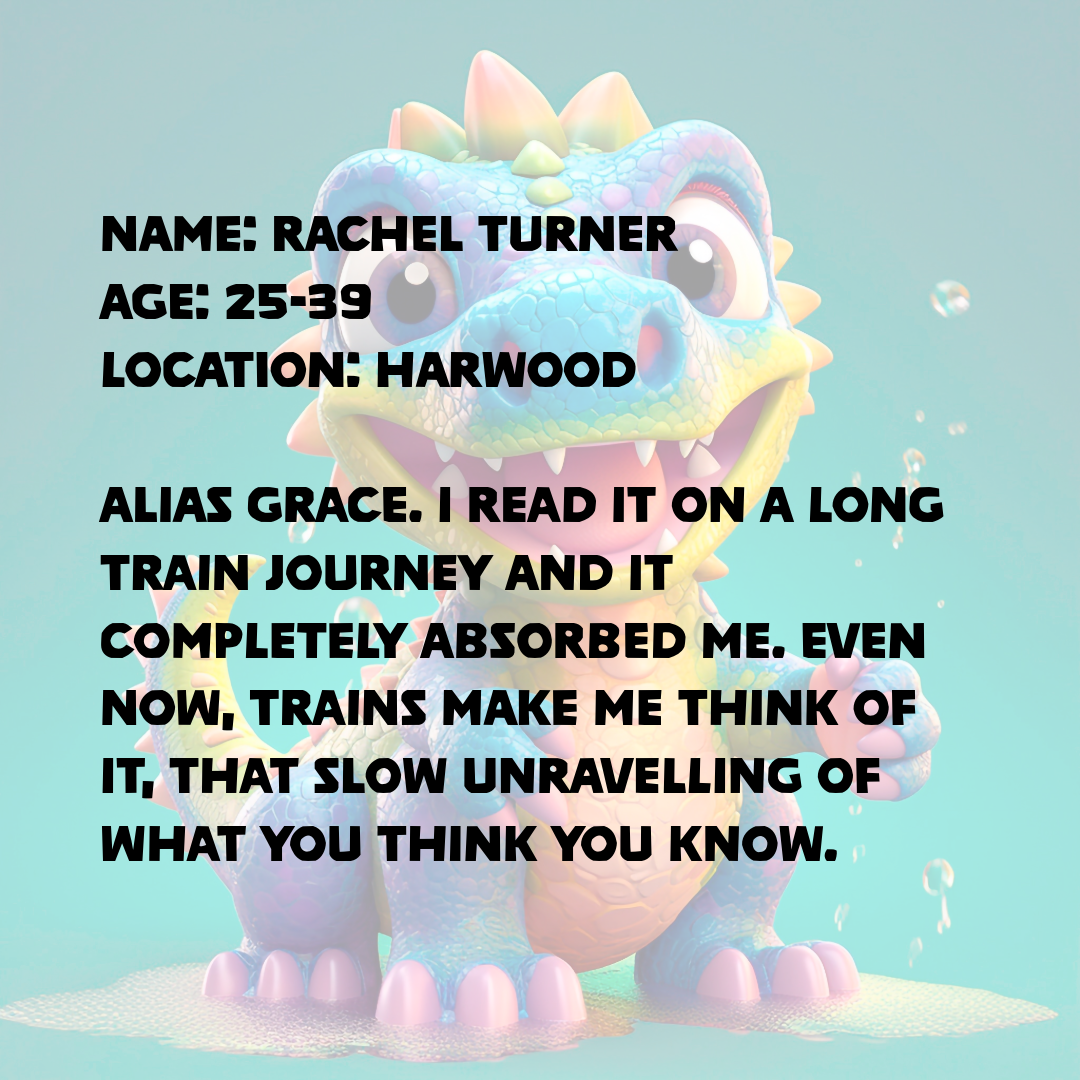
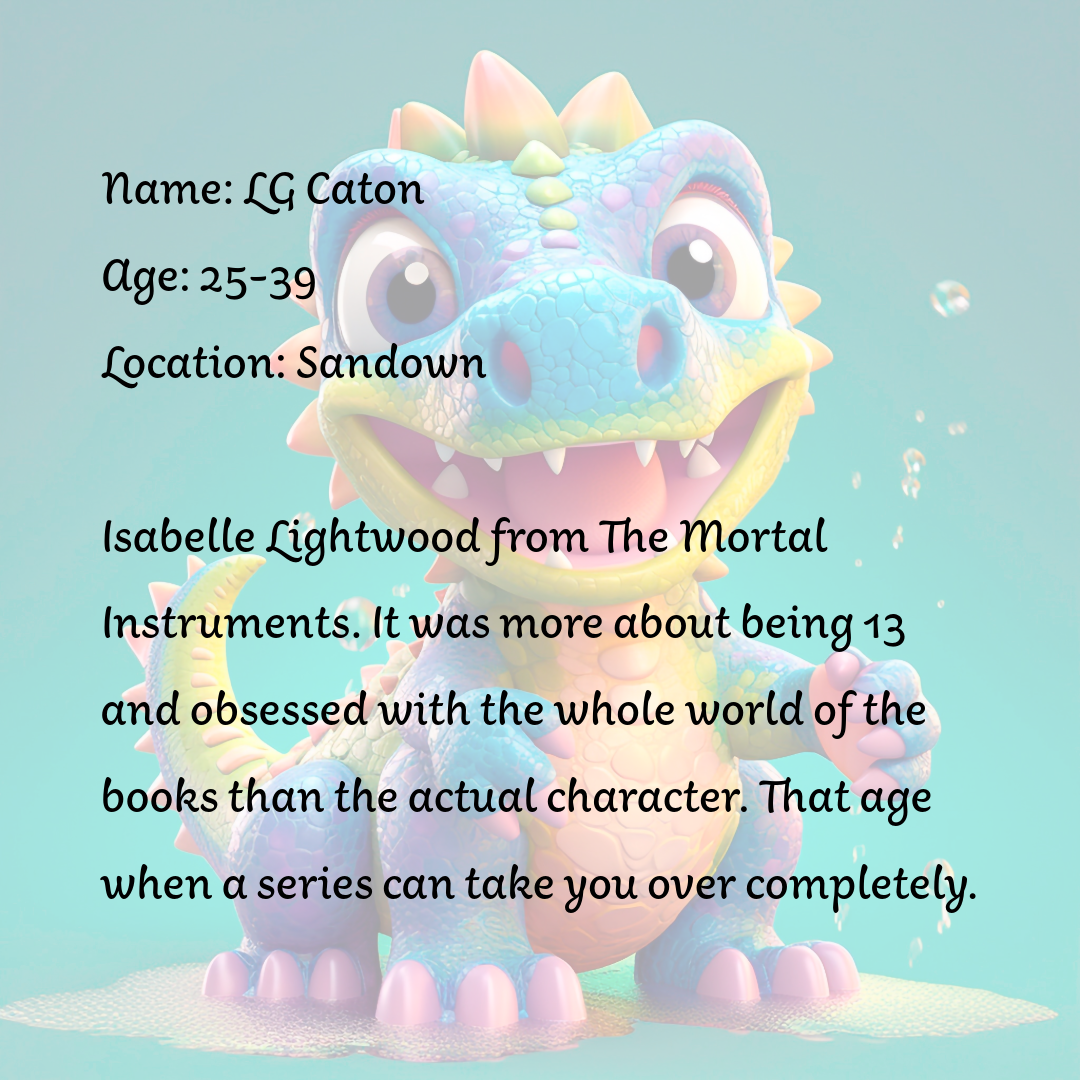
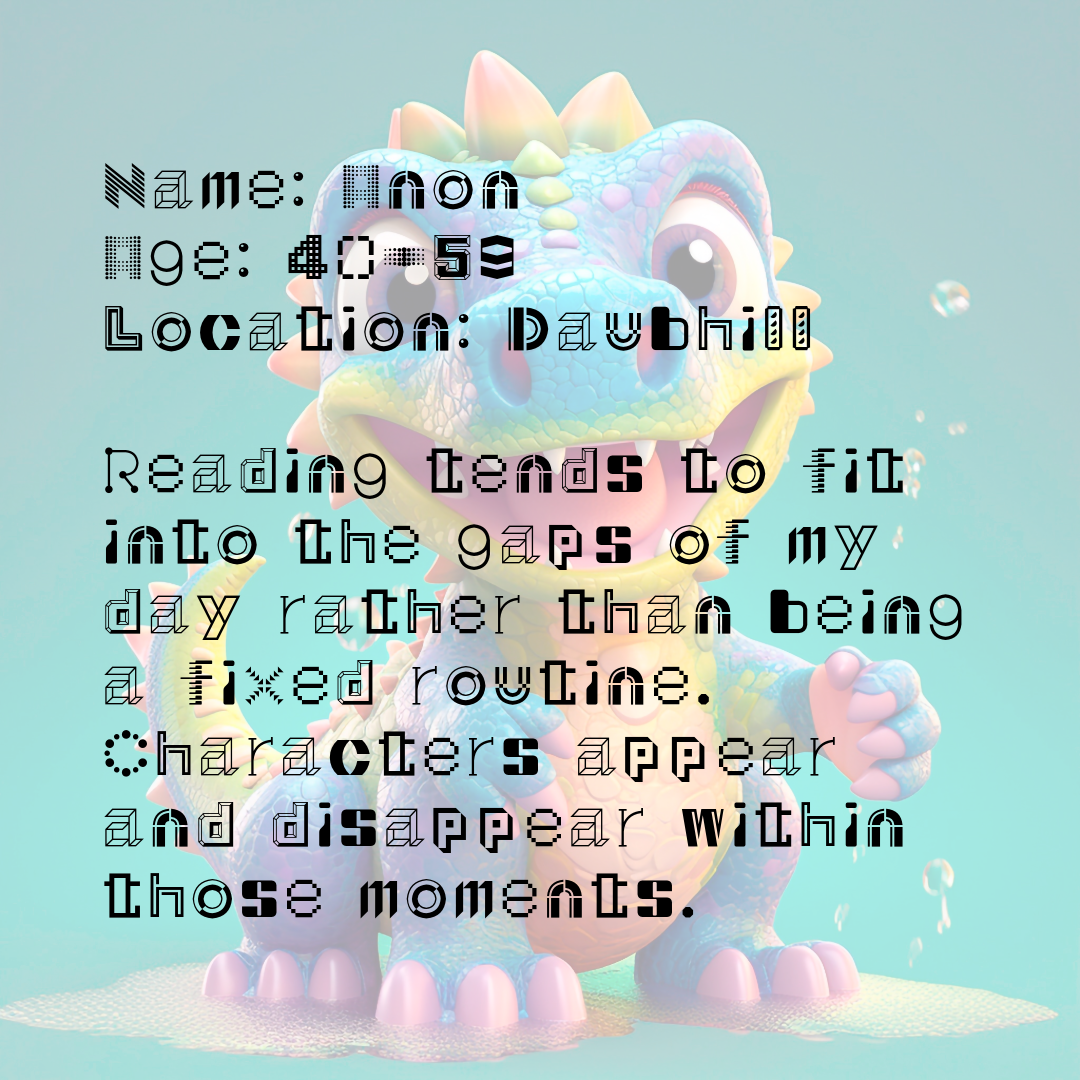
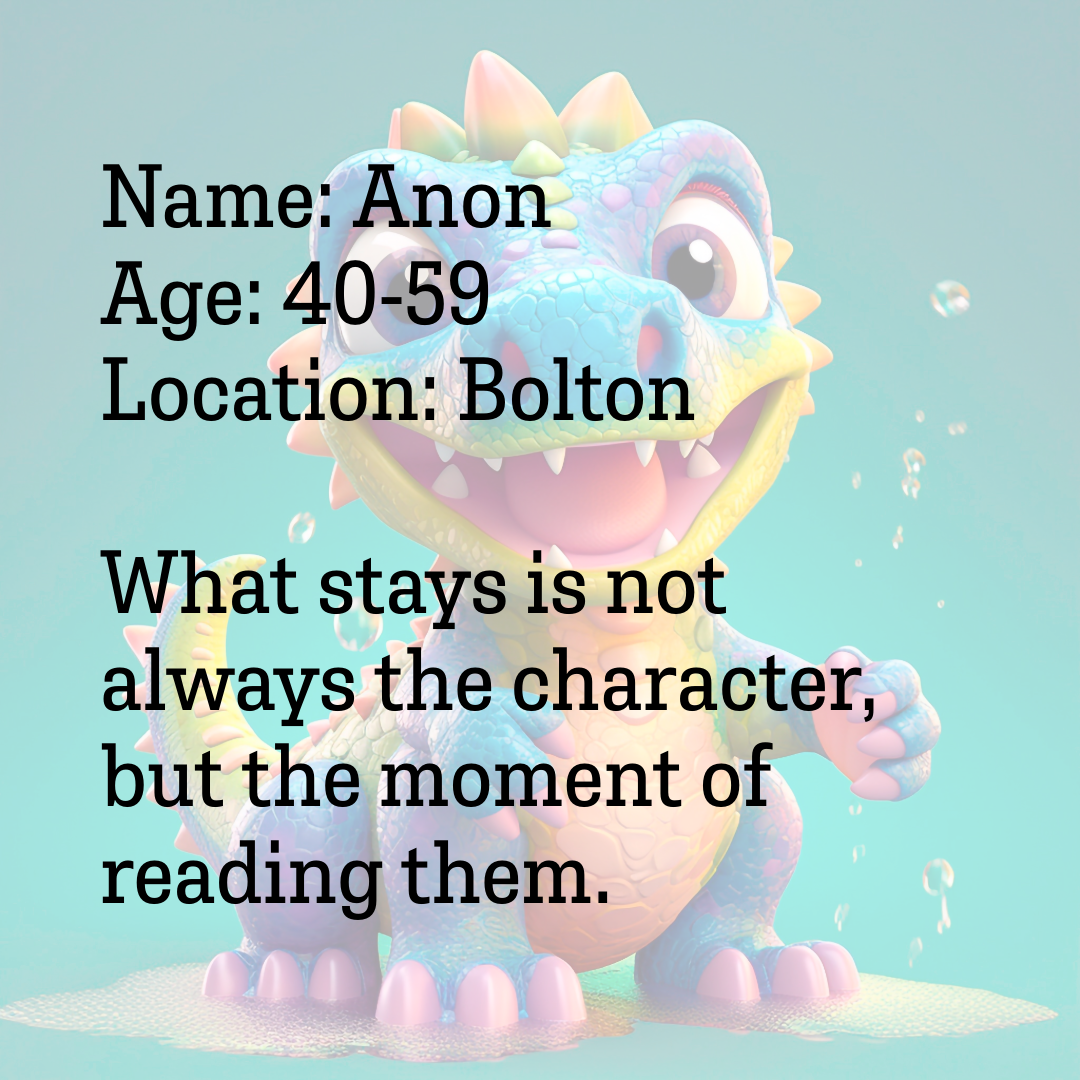
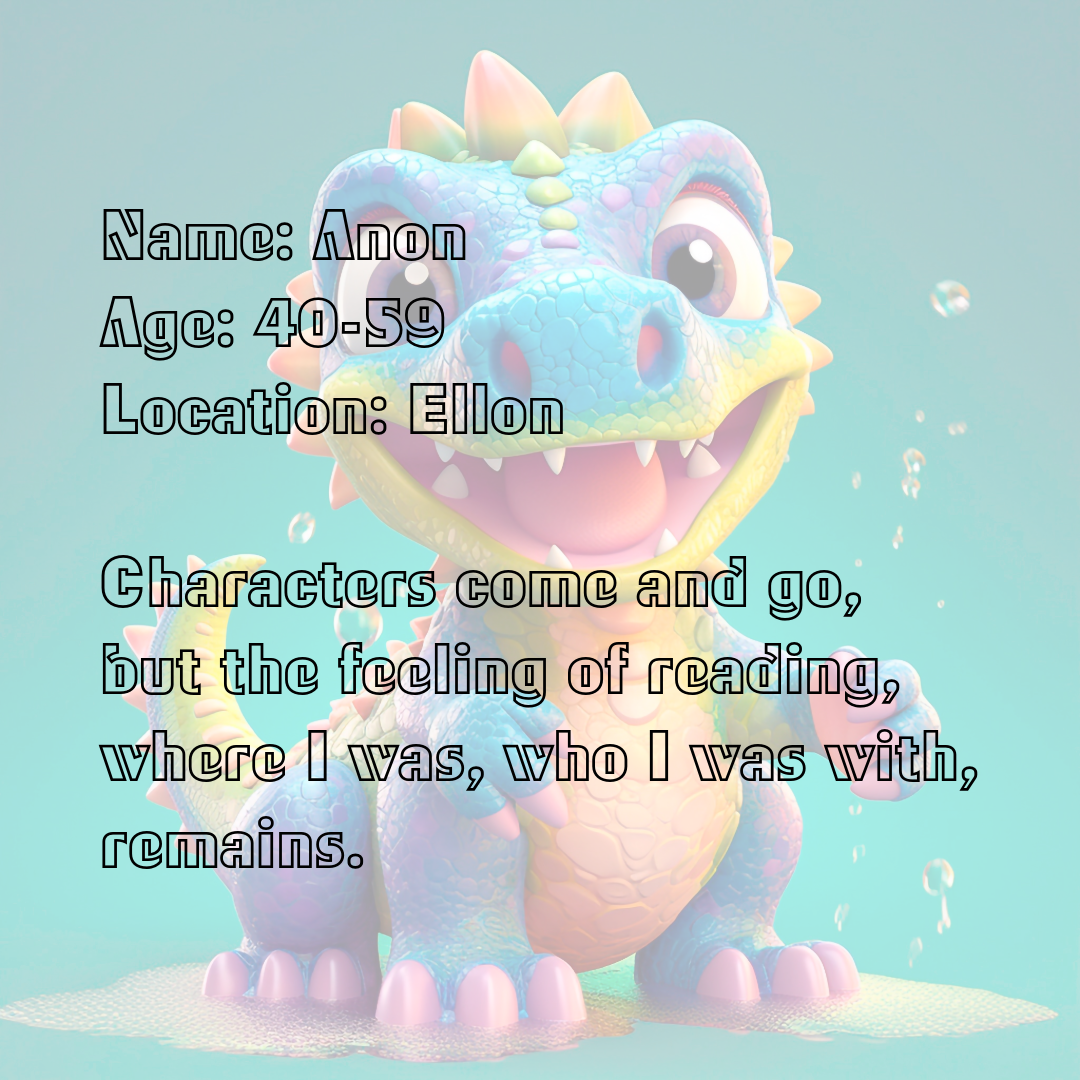
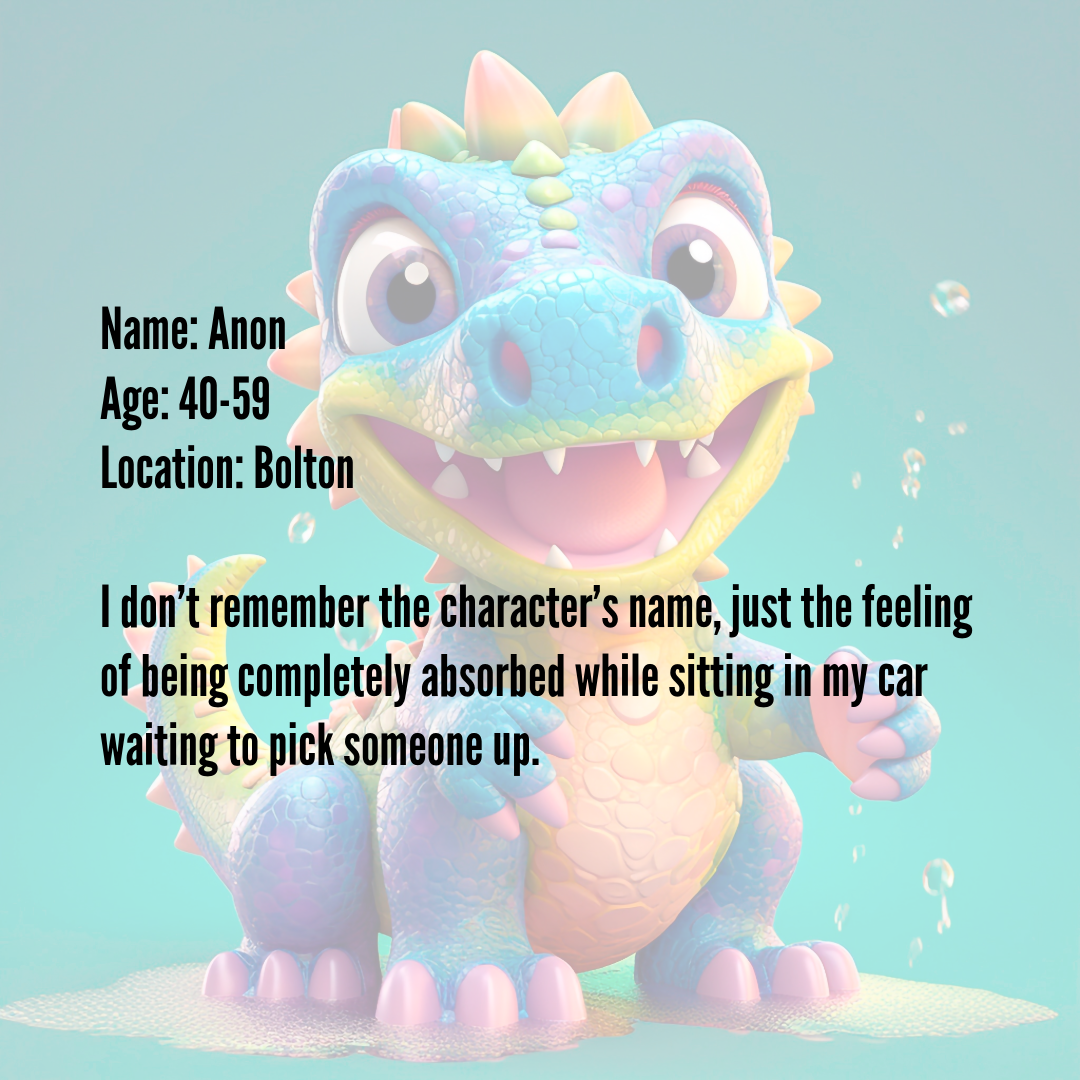
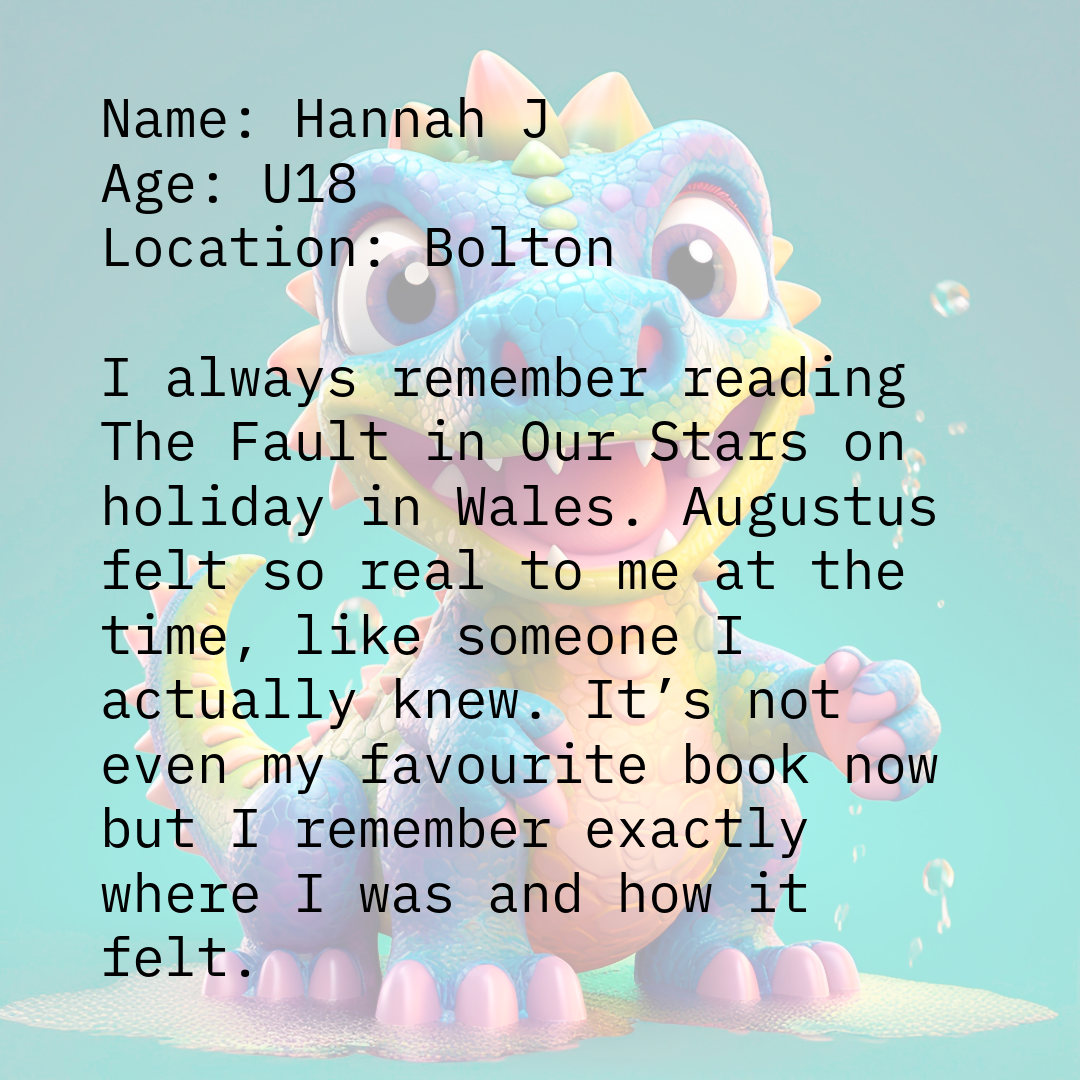
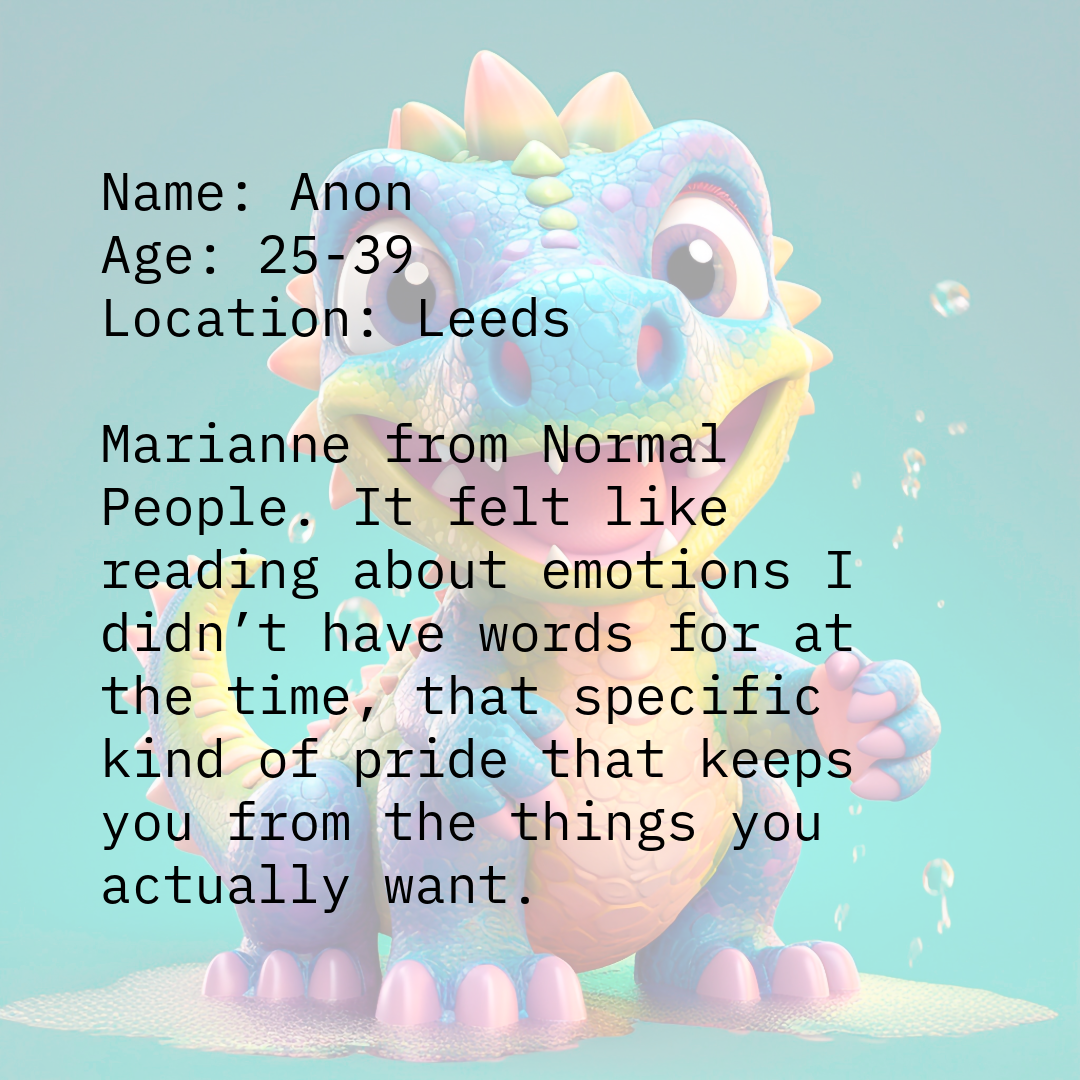
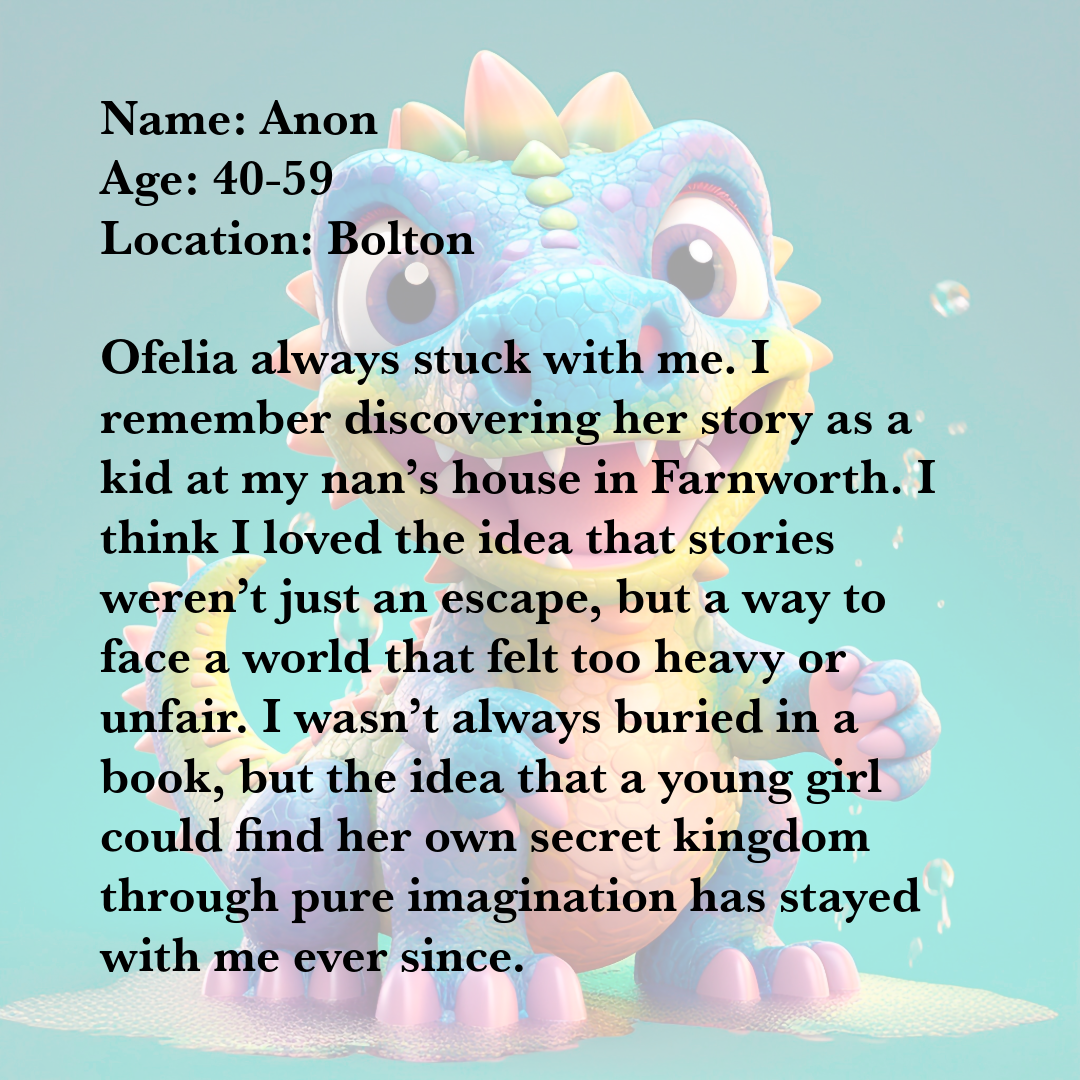
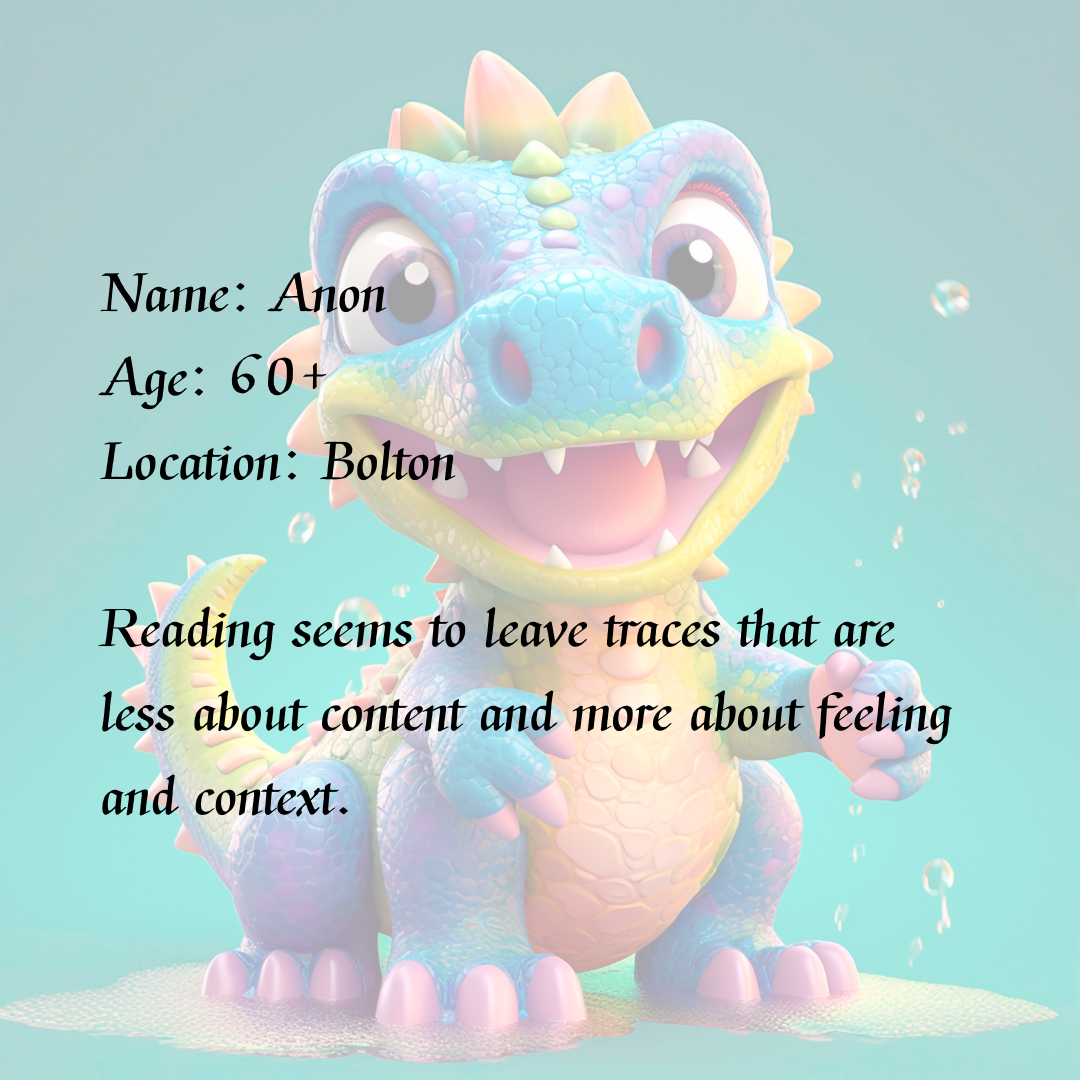
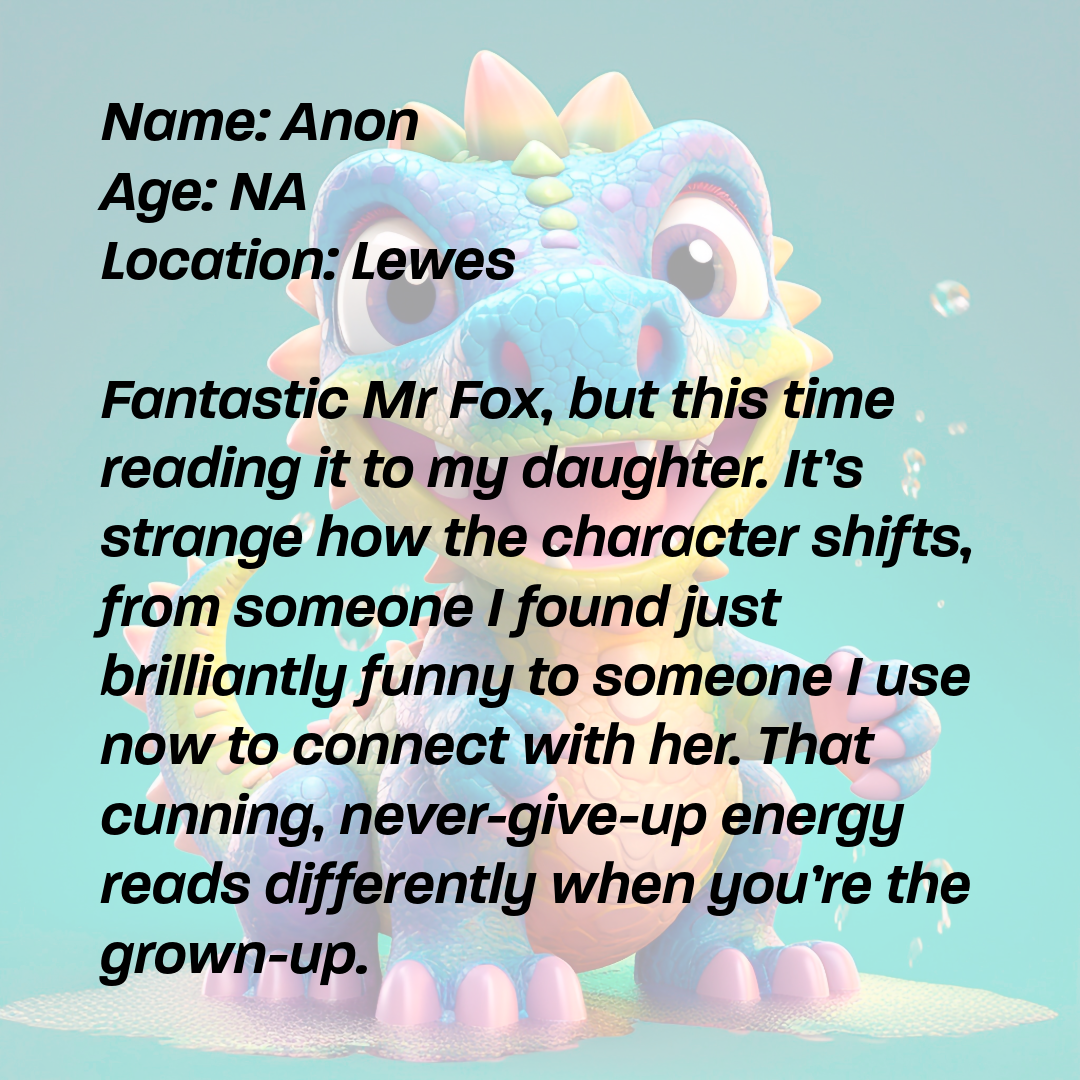
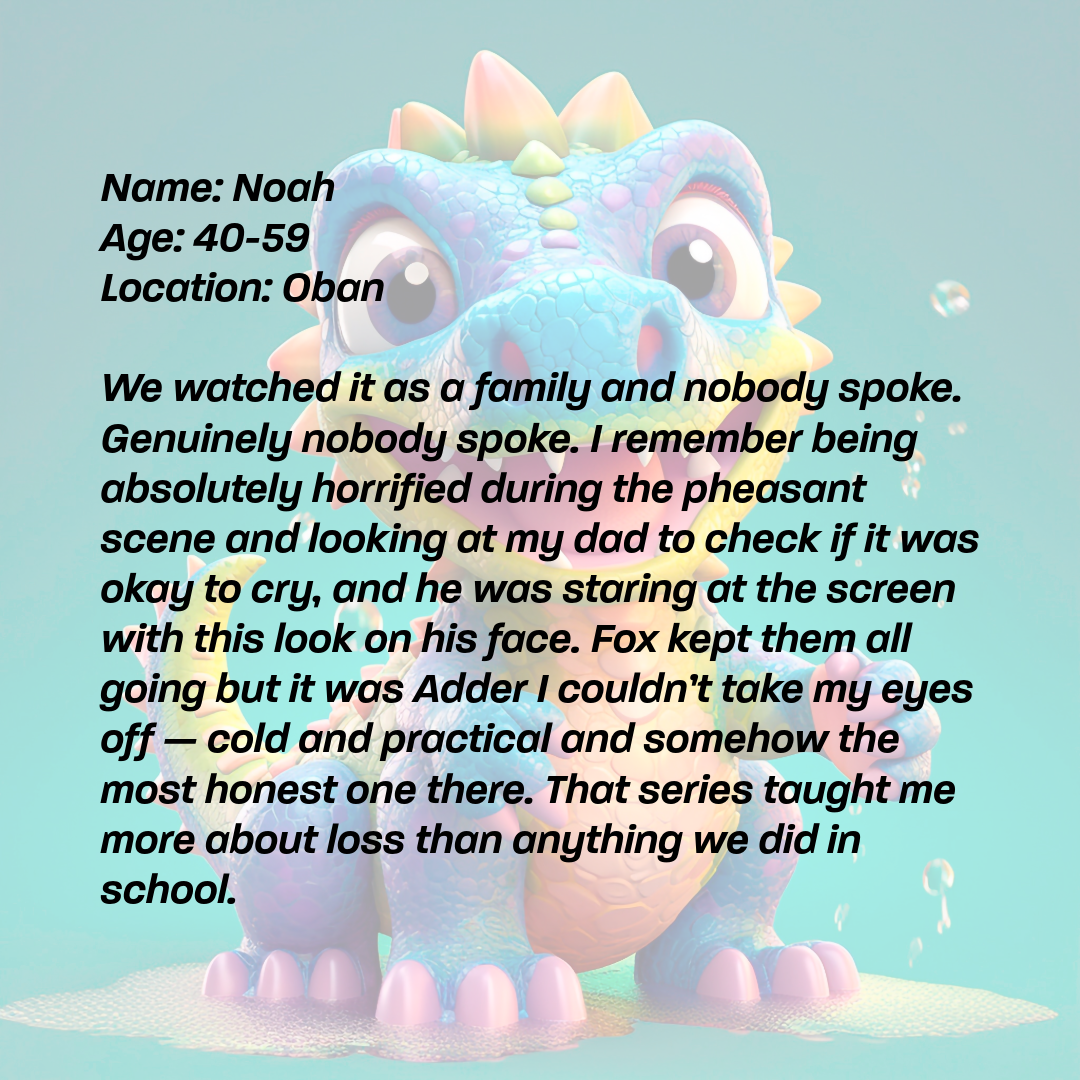
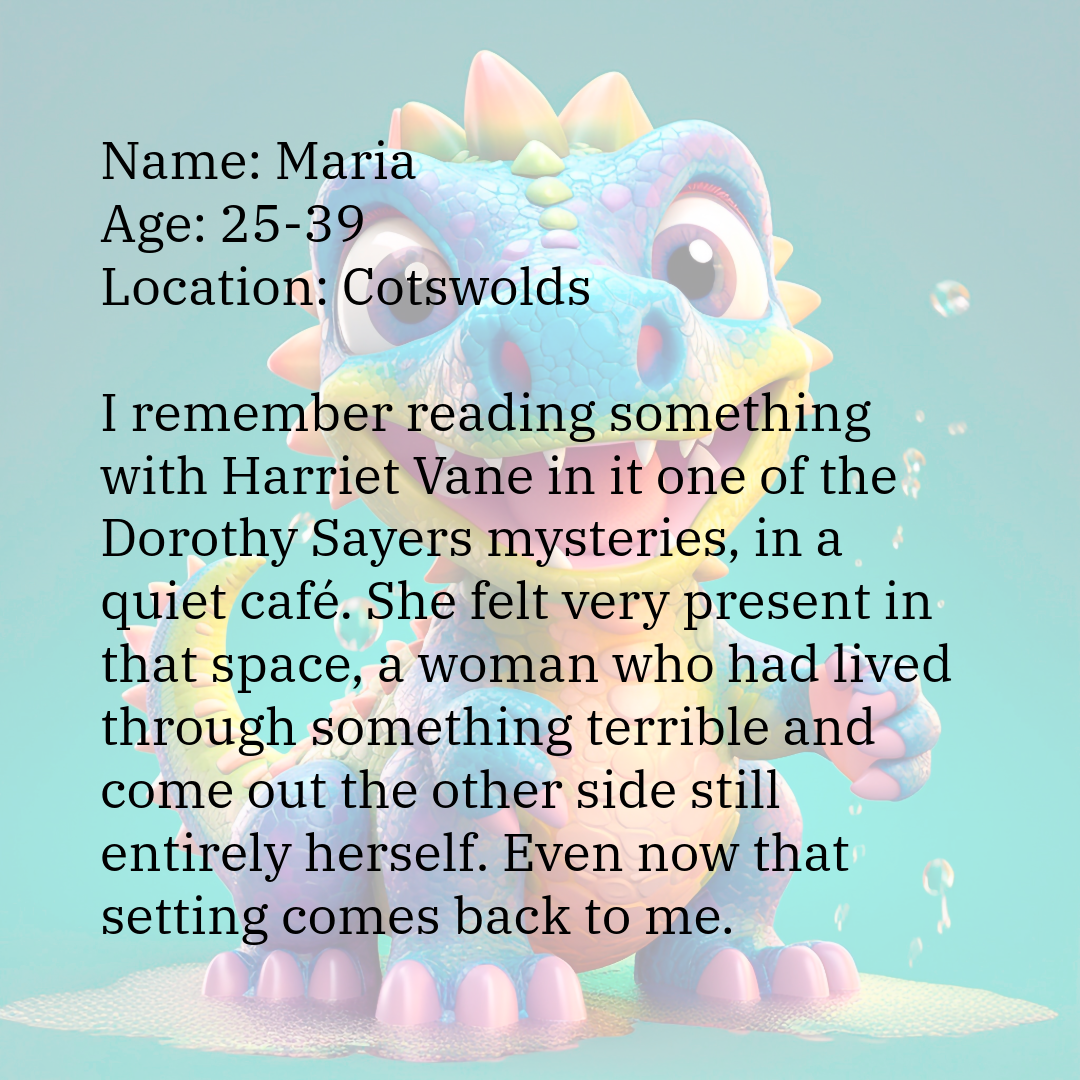
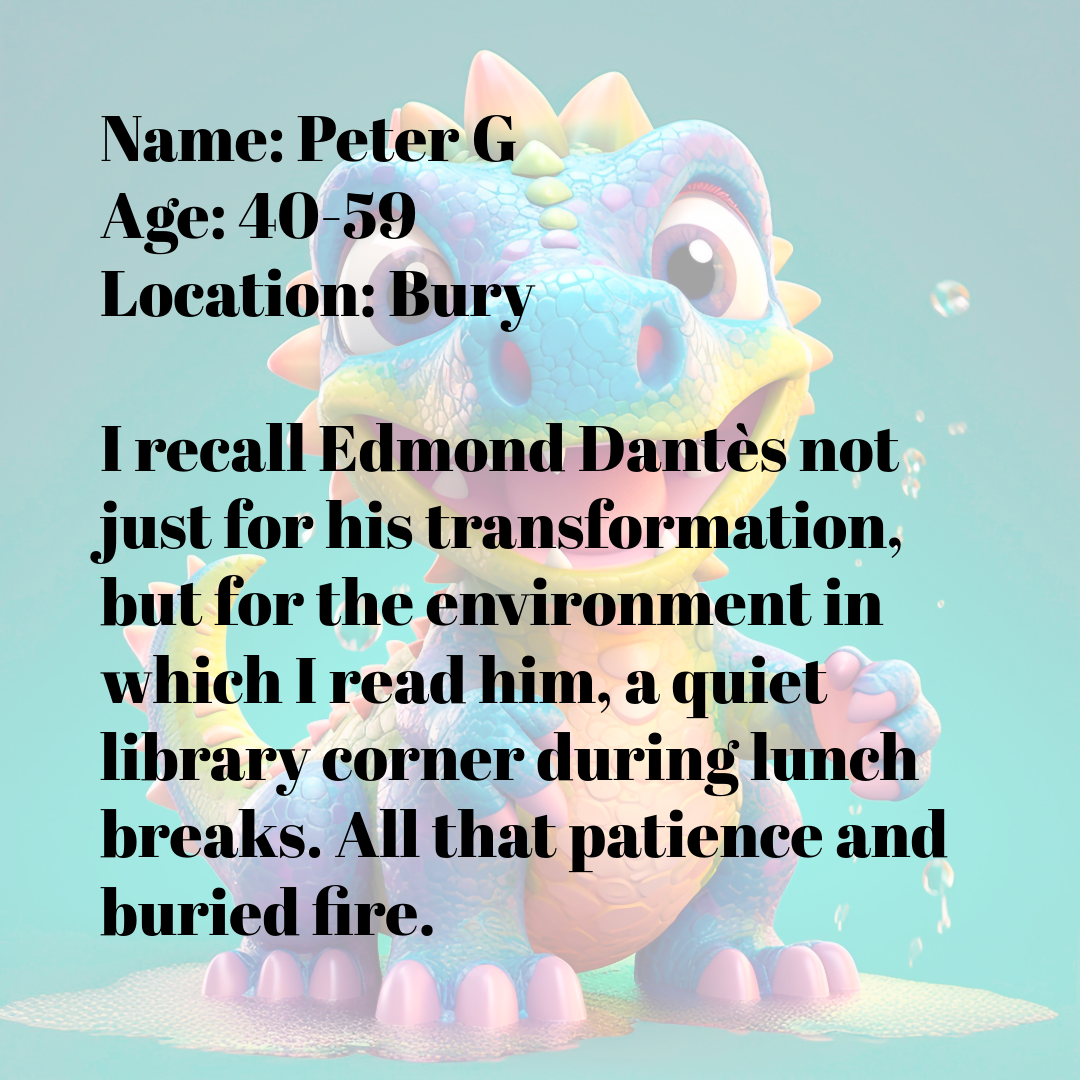
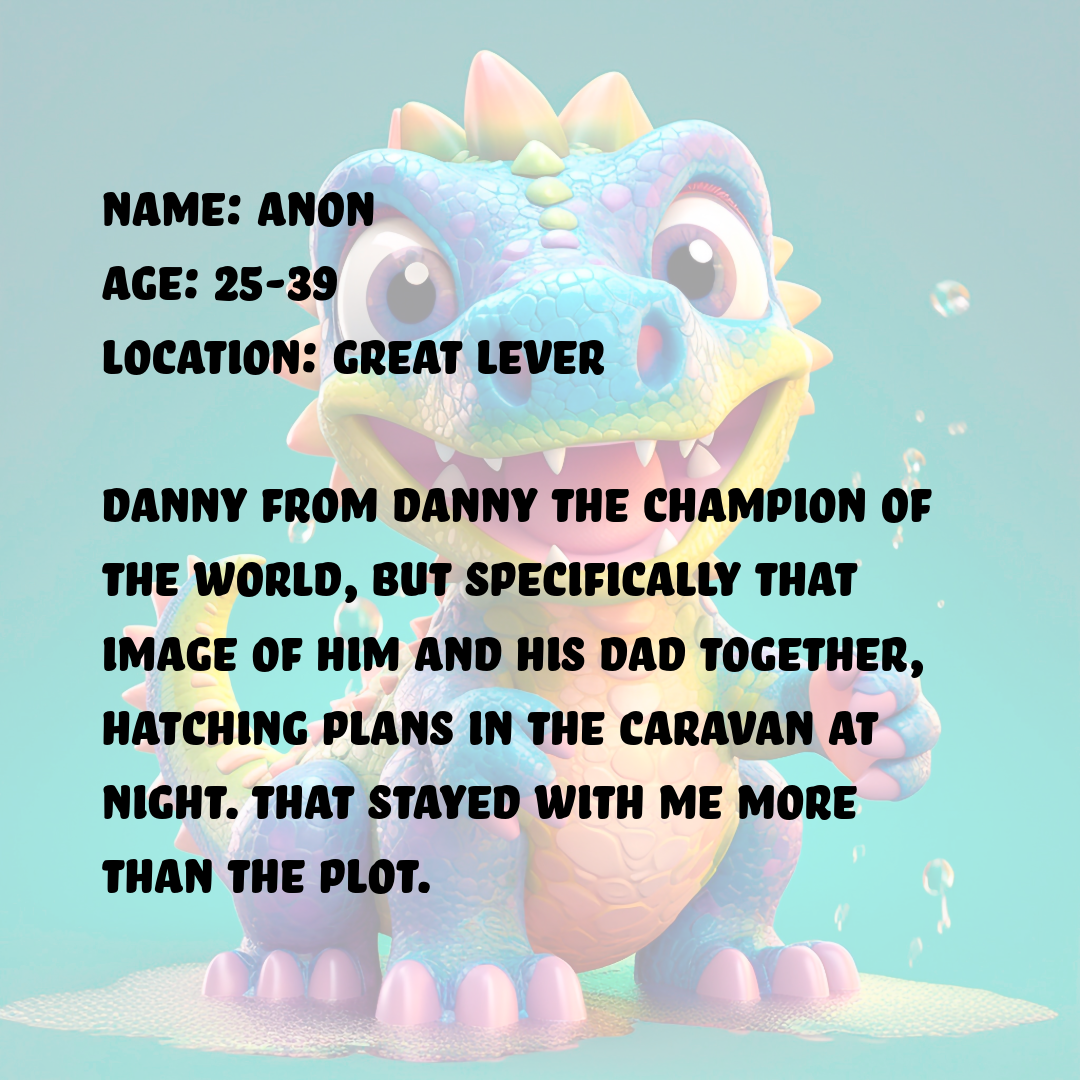
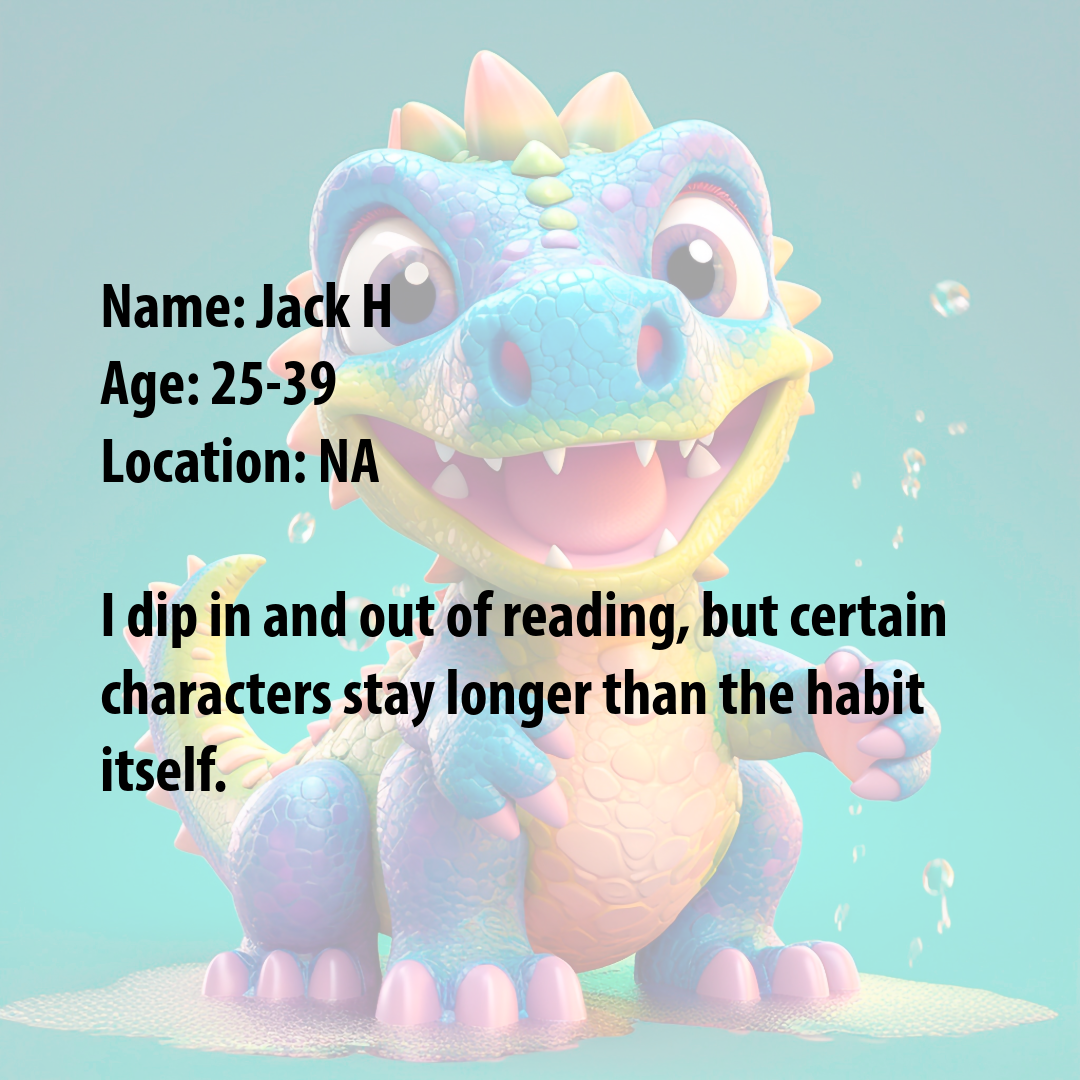
Nobody described remembering a character in isolation from where they were when they encountered them. The character and the context arrived together and left together. Anonymous from Bolton wrote simply: what stays is not always the character, but the moment of reading them.
That observation, offered without fanfare in a short submission, might be the most precise description of what this project is actually documenting. Not a record of favourite books. A record of where people were, who they were with, and what they needed, preserved in the memory of a character who was there.
Thank you to everyone who submitted this month. You gave us far more than we asked for, which is exactly what good reading tends to do.