
Imagine a magazine that doesn’t sit on a shelf or appear on a website, but instead travels from reader to reader, passing through the hands of writers who each take their turn to read and share it.
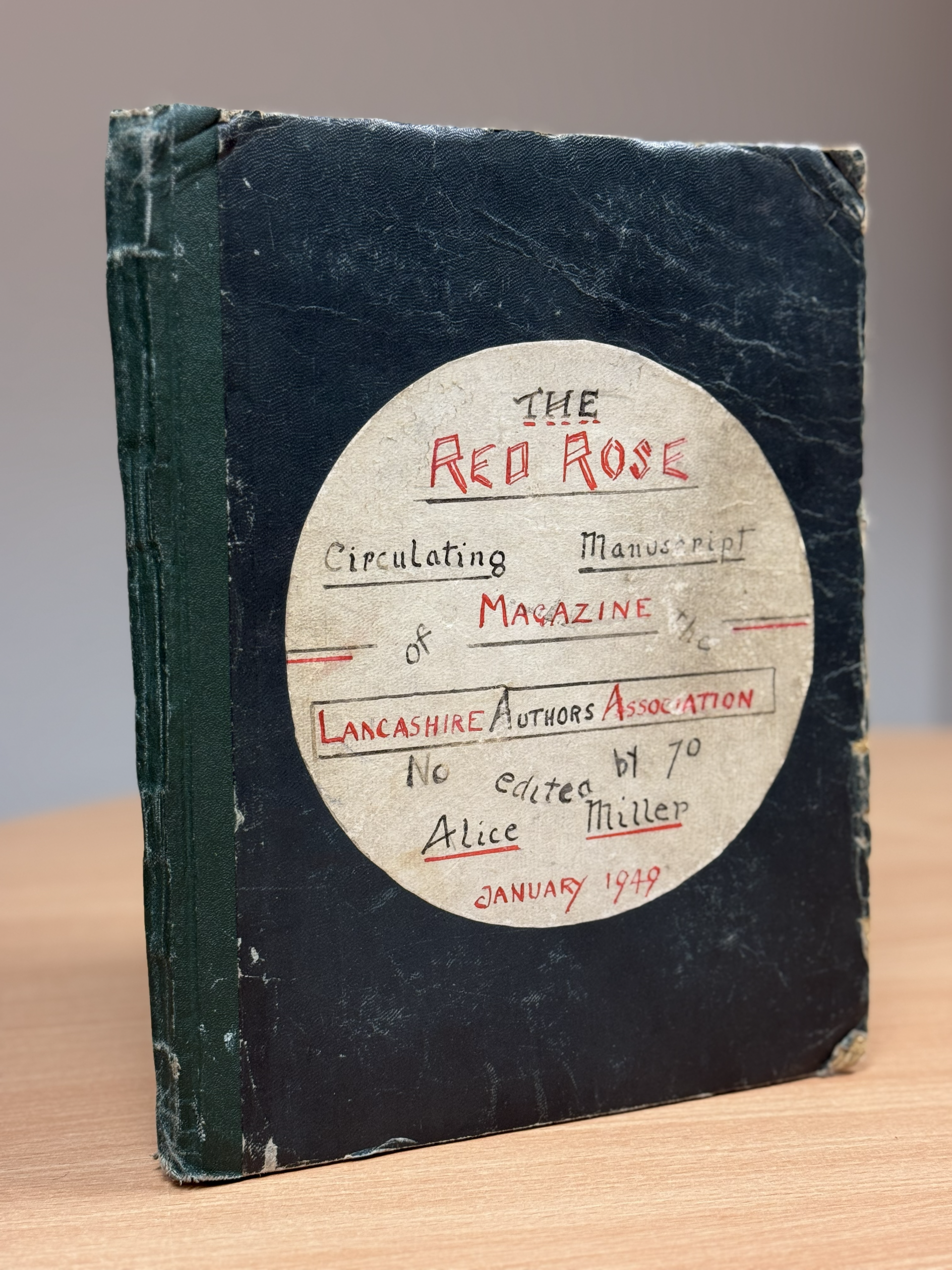
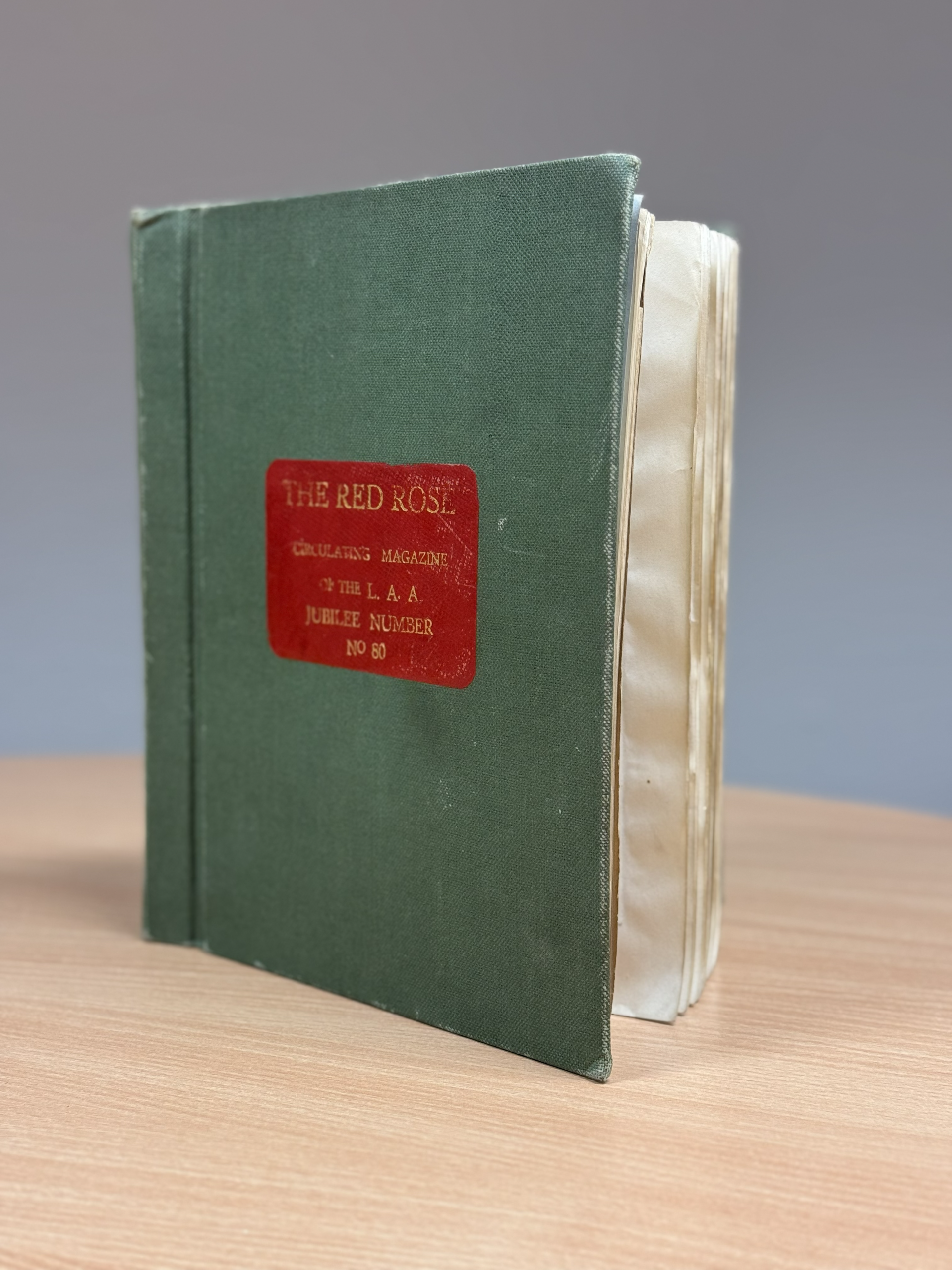
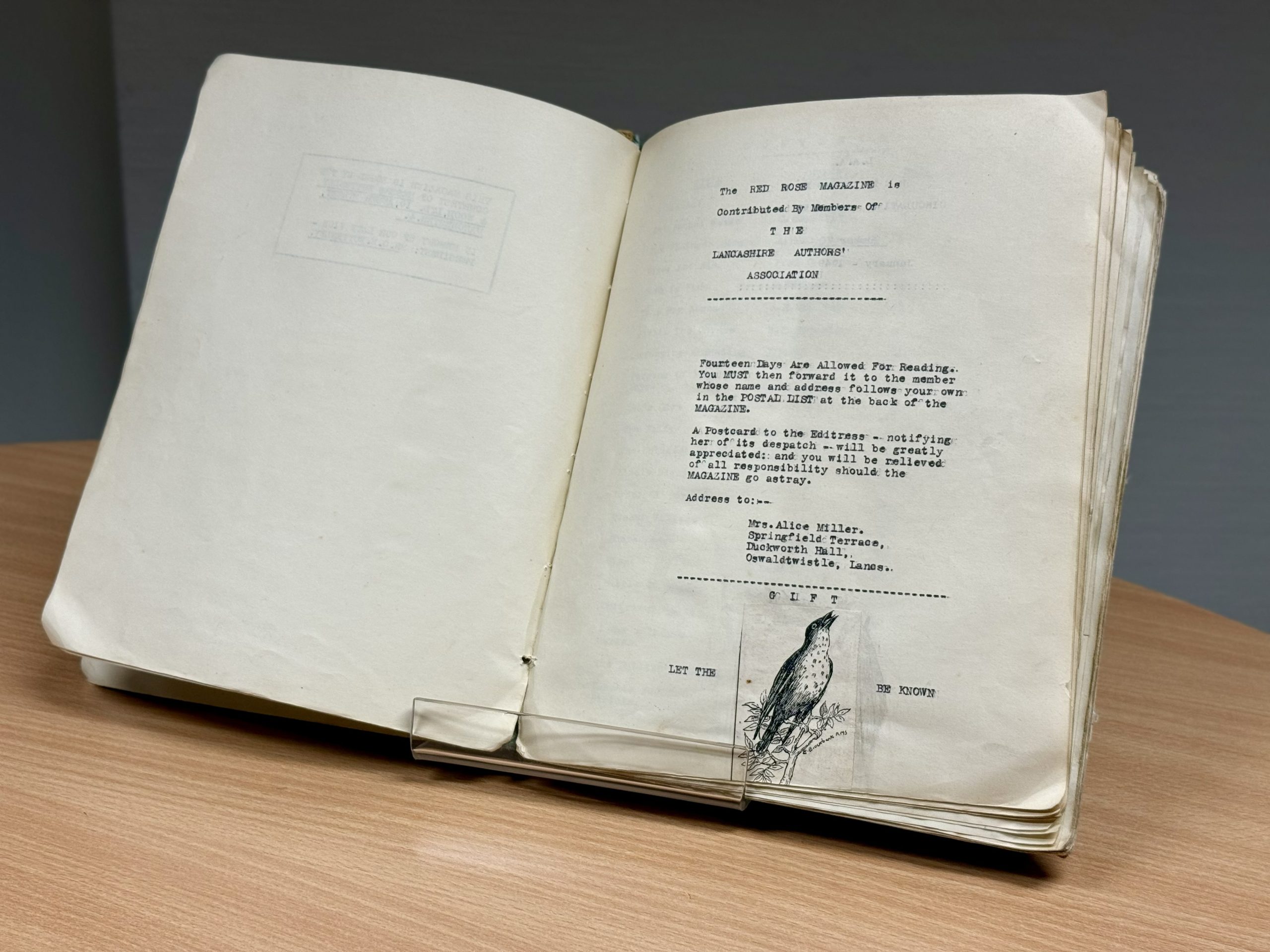
While exploring the Lancashire Authors Collection at the University of Greater Manchester, we came across exactly that: a hand-compiled literary magazine from 1949, edited by Lancashire writer Alice Miller (1893–1971).
Long before blogs, online writing groups, or social media, this was one way writers shared their work and stayed connected.
Source Note: These magazines are held in the archives of the Lancashire Authors’ Association and are reproduced/discussed here by kind permission of the Association.
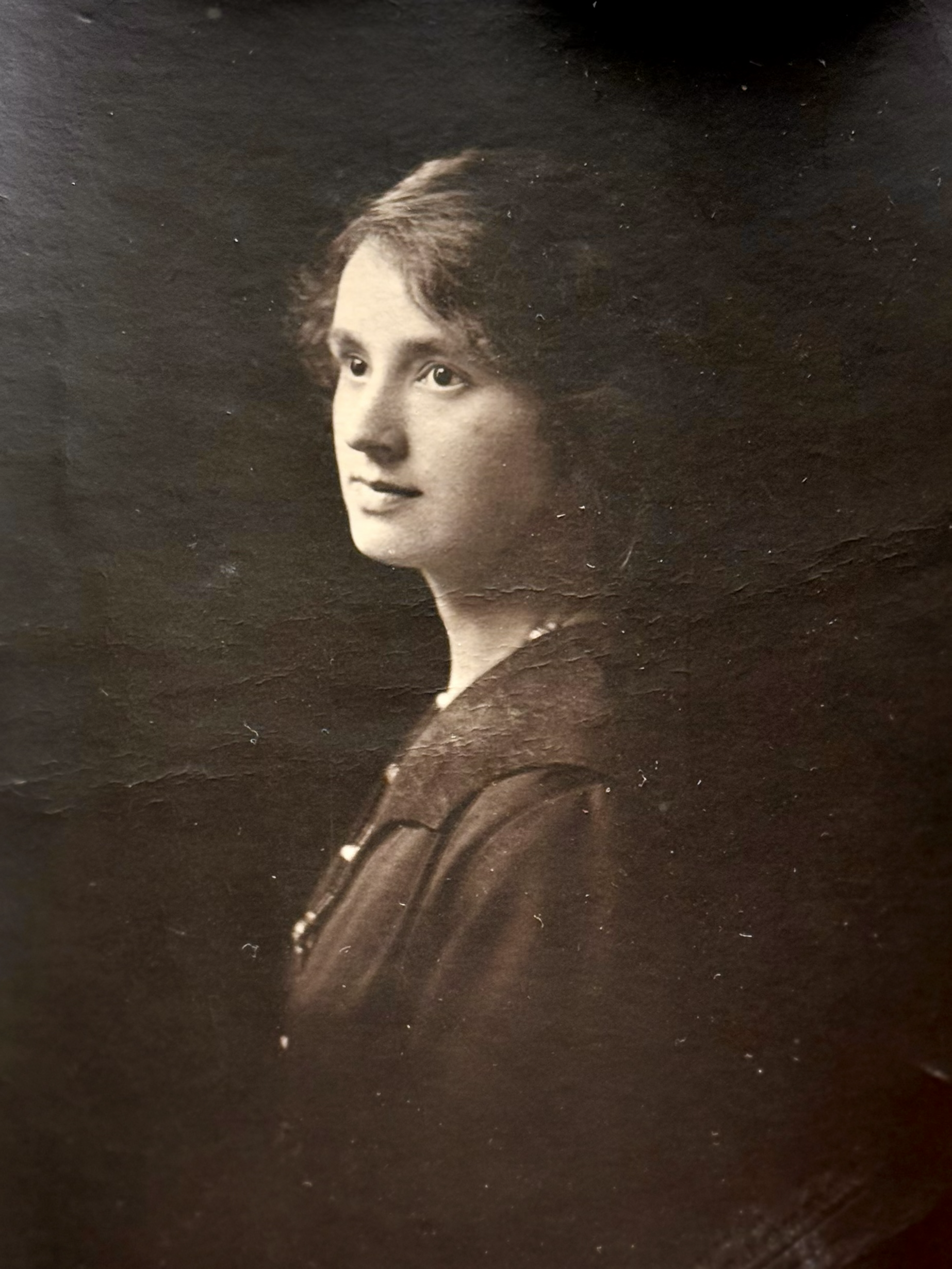
A Lancashire Writer:
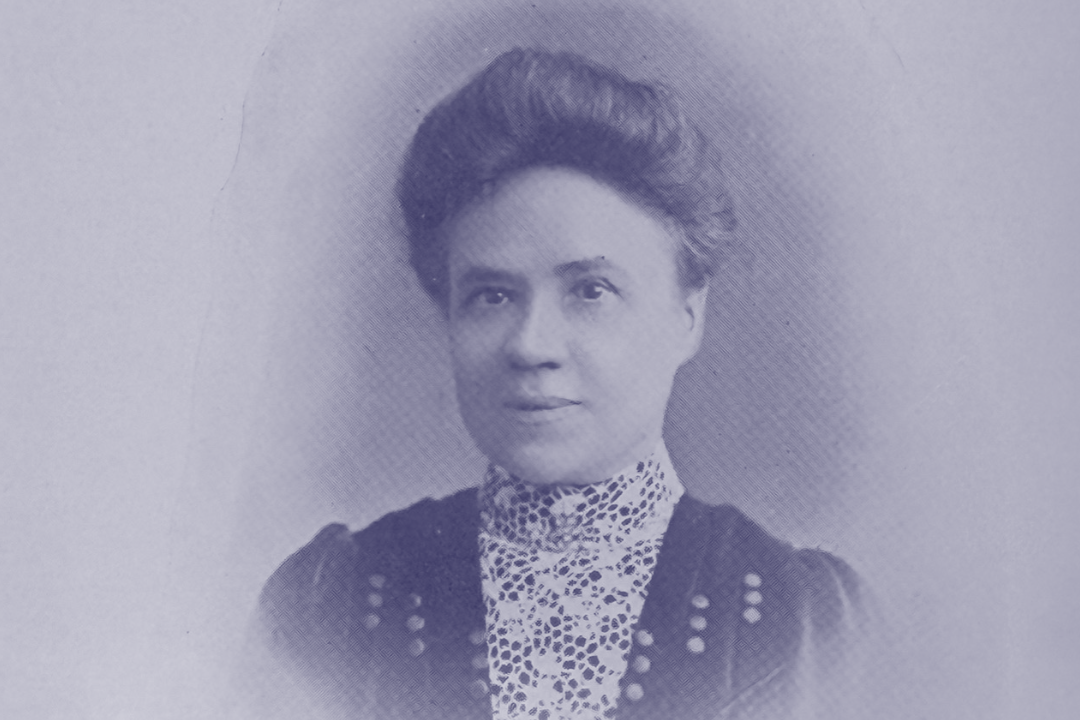
Alice Miller, born Alice Bass, grew up near Blackburn as one of nine children. Her interest in writing appeared early and was encouraged by a supportive schoolteacher who recognised her ability with words.
Like many young people growing up in Lancashire’s industrial towns at the time, Alice left school young and began working in a cotton mill while still in her early teens.
Yet she never lost her enthusiasm for learning. Alongside work she attended evening classes in Blackburn and Accrington, continuing to study and develop her writing.
Her determination eventually led to further opportunity. In 1937 she was awarded a Lancashire County Council scholarship, which allowed her to study at Hillcroft College in Surrey.
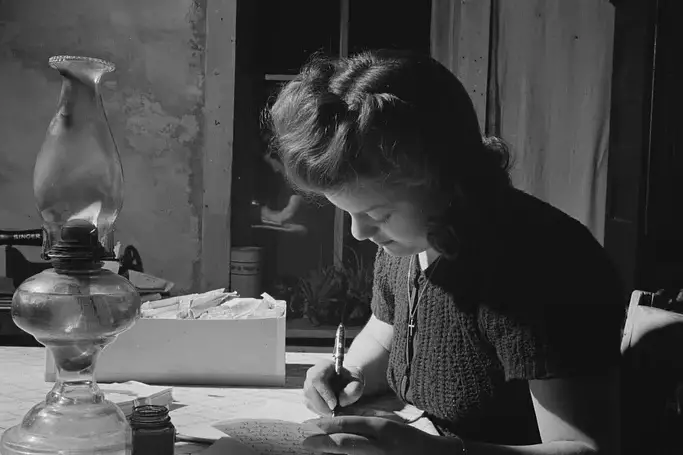
Writing remained a constant part of her life. Family members later remembered how she would quickly capture ideas whenever inspiration arrived, sometimes scribbling poems on envelopes or scraps of paper.
Writing Inspired by Lancashire:
After marrying Robert Miller, Alice moved to Duckworth Hall in Oswaldtwistle. The surrounding countryside, wildlife, and everyday life in Lancashire became important sources of inspiration for her writing.
Her work appeared in local newspapers including The Accrington Observer and Times, where readers responded warmly to her poems.
Over time she produced a wide range of writing including poetry, short stories, plays, articles, and children’s literature. Some of this was written in standard English, while other pieces used Lancashire dialect, which she cared deeply about preserving.
Through her writing she captured the rhythms, language, and character of the communities around her.
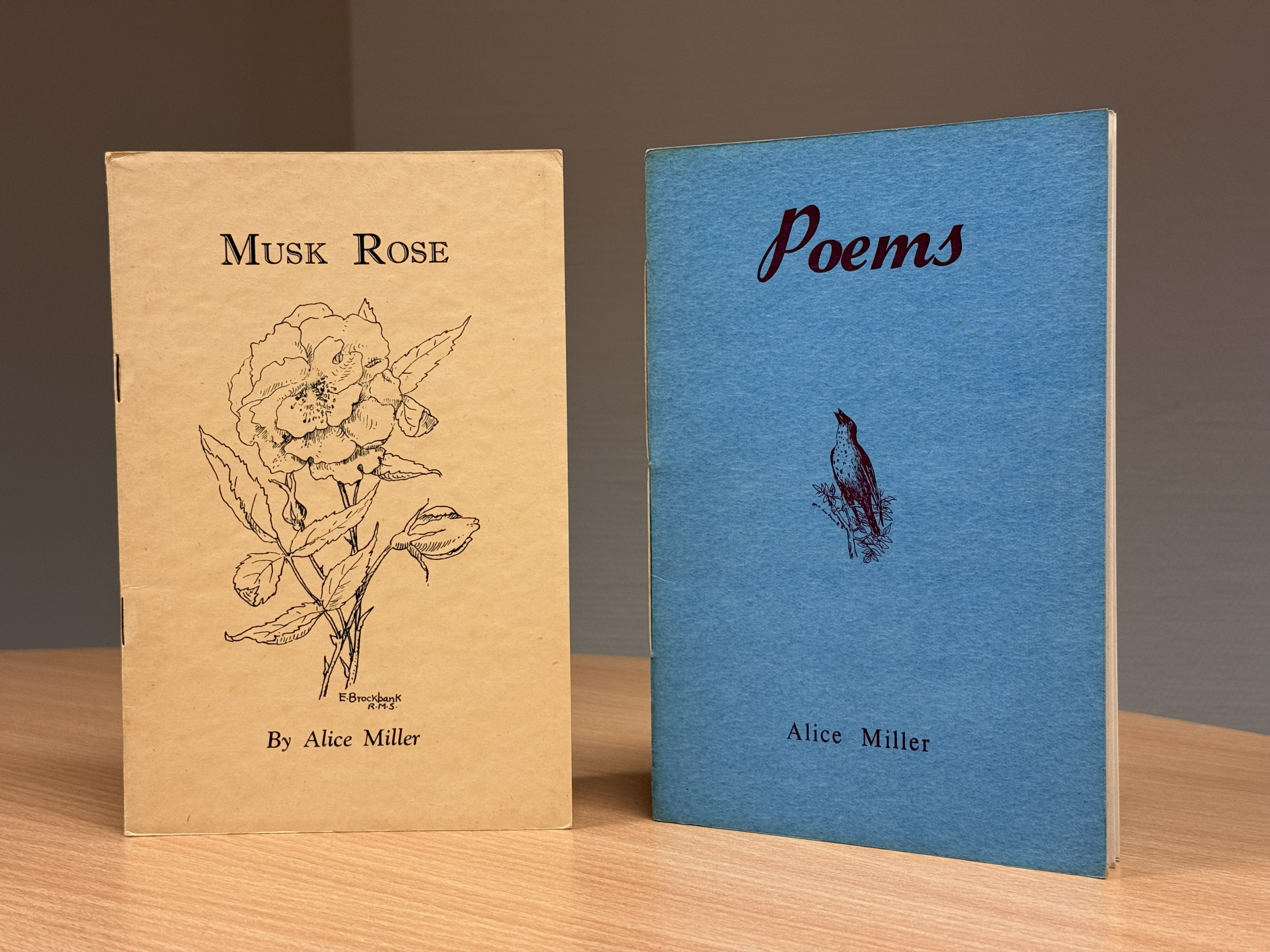
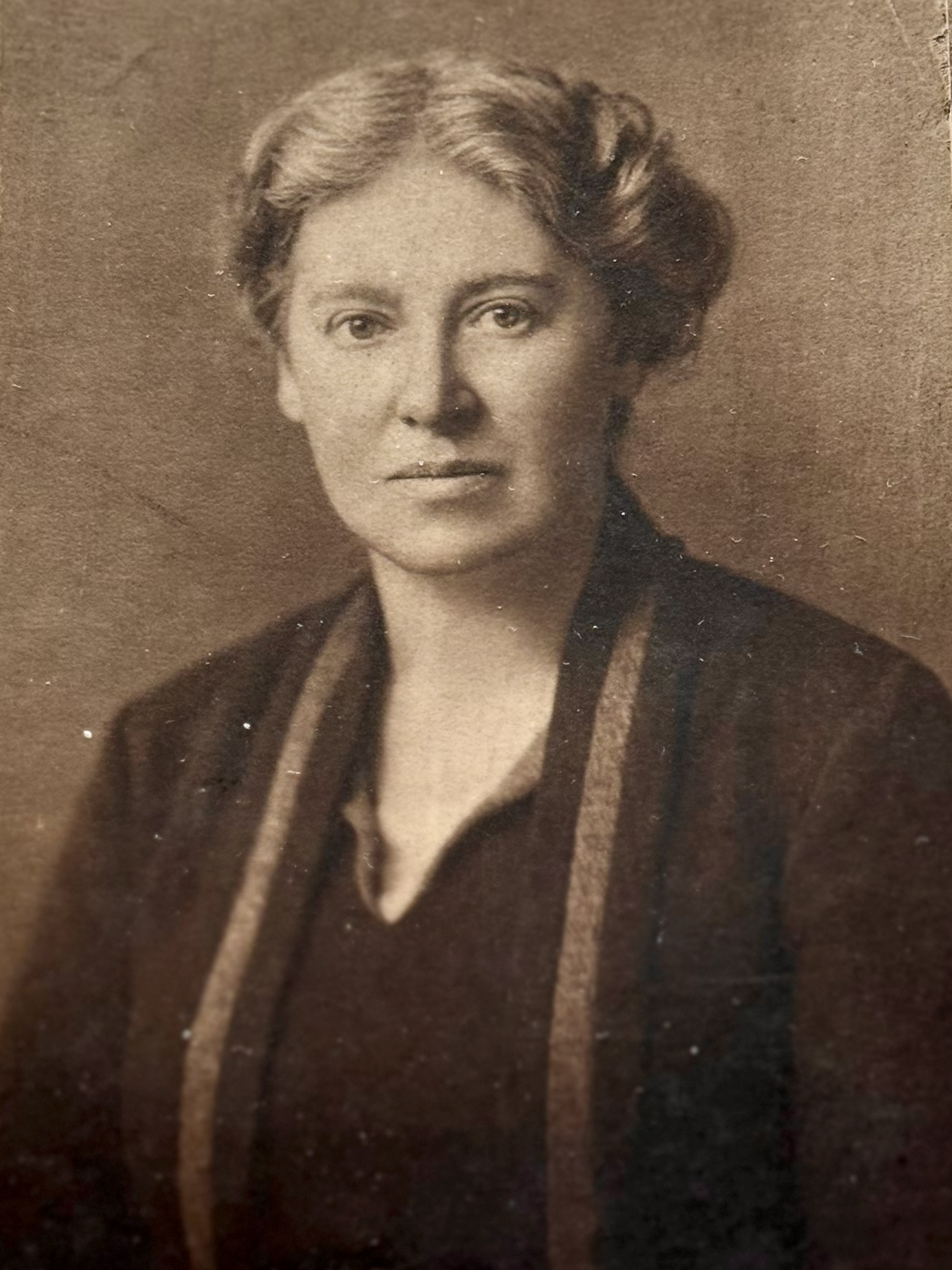
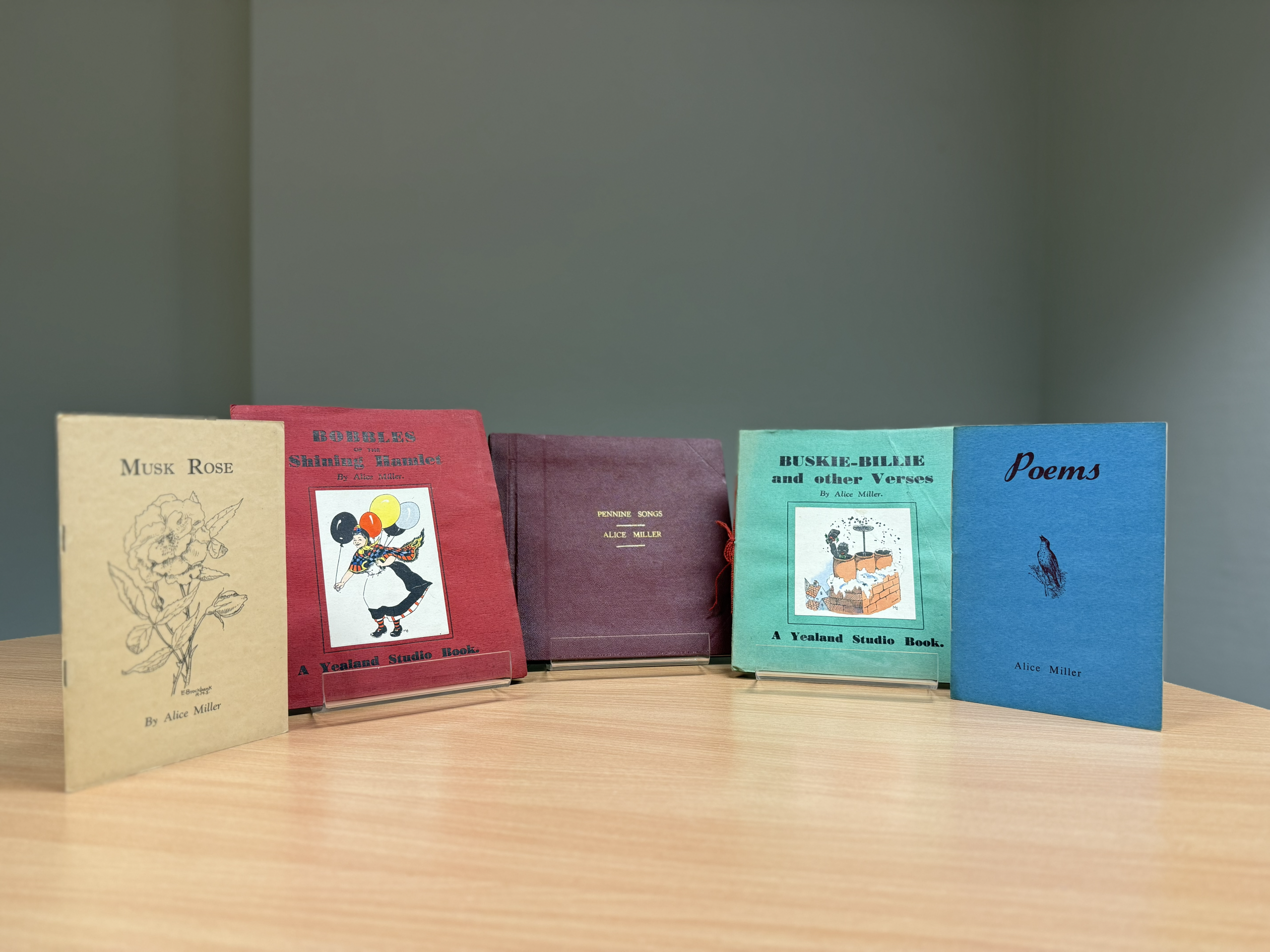
A Community of Writers:
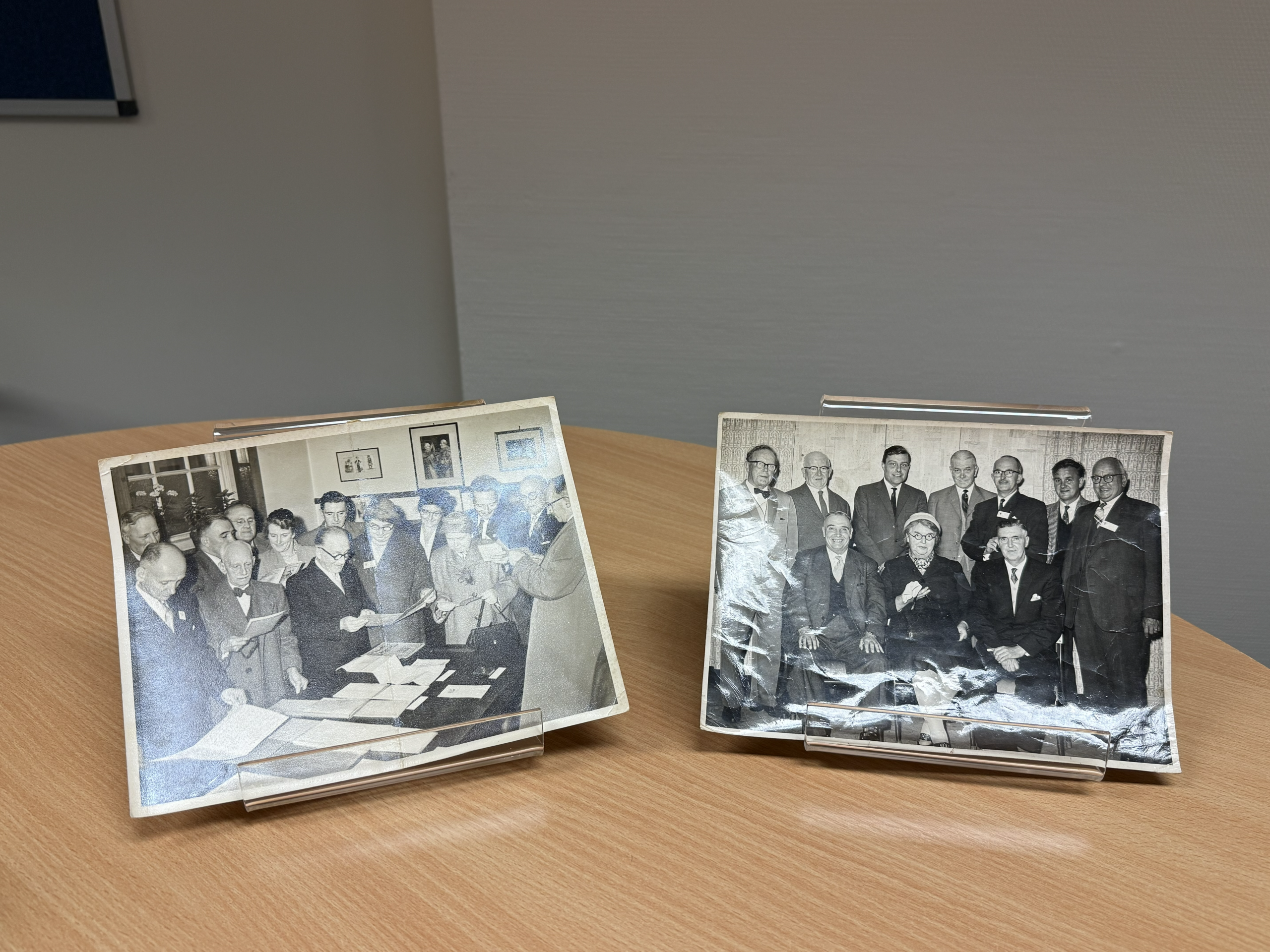
In 1942 Alice joined the Lancashire Authors’ Association, an organisation that brought together writers from across the county.
She quickly became an active and valued member. By 1949 she had taken on the role of editor for the association’s journal, The Record, helping to share the work of writers throughout the region.
Her commitment to local language and literature also led her to join the Lancashire Dialect Society, reflecting her interest in preserving regional speech and writing traditions.
Later she was recognised for her contributions when she was appointed Vice President of the Lancashire Authors’ Association.
A Magazine That Travelled:
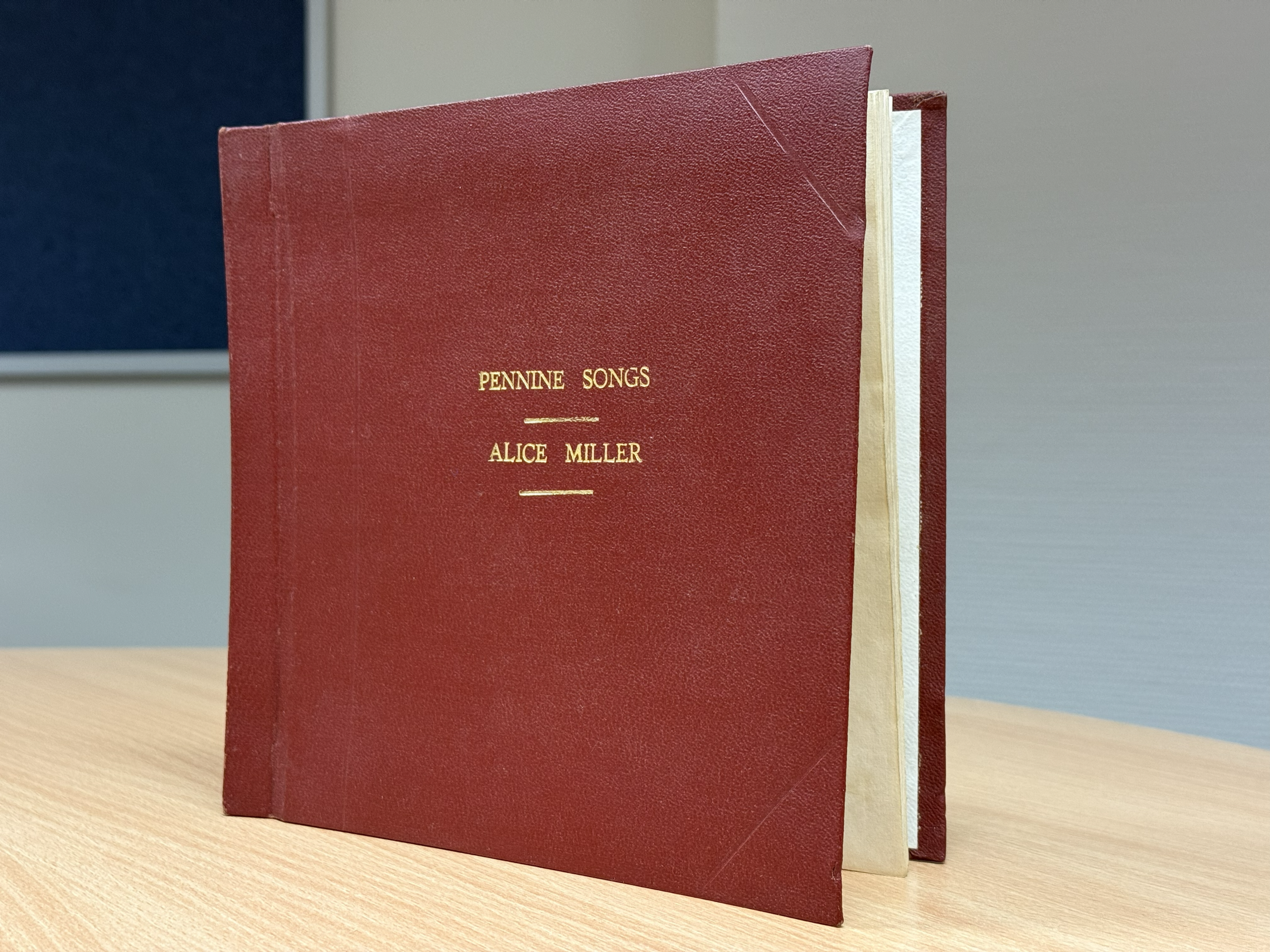
One of the most fascinating items connected to Alice Miller is the manuscript magazine she edited in 1949.
Instead of being printed in large numbers, magazines like this were carefully compiled and then passed from one reader to another within a literary group.
Each contributor would add poems, stories, or reflections, creating a shared publication that circulated among members.
Seen today, it feels surprisingly modern. In many ways it resembles the way writers now share work through blogs, online magazines, and writing groups, just at a slower pace, and on paper.
Alice Miller’s role as editor shows that she was not only producing her own writing, but also helping to build a creative community where other writers could share theirs.
Recognition Beyond Lancashire:
Although Miller’s writing often focused on local life, it reached audiences beyond the region.
During the early 1940s, Christmas cards selected by Queen Elizabeth (later the Queen Mother) included verses written by Alice Miller.
Later in her life, interest in her Lancashire dialect poetry extended internationally. In 1968 Fisk University in Tennessee requested recordings of several of her dialect poems, which were shared with students studying English language and literature.
Her contributions were also recognised closer to home. In 1954 a street in Oswaldtwistle was named Miller Close in her honour, celebrating her role in the town’s cultural life.
Observing Everyday Life:
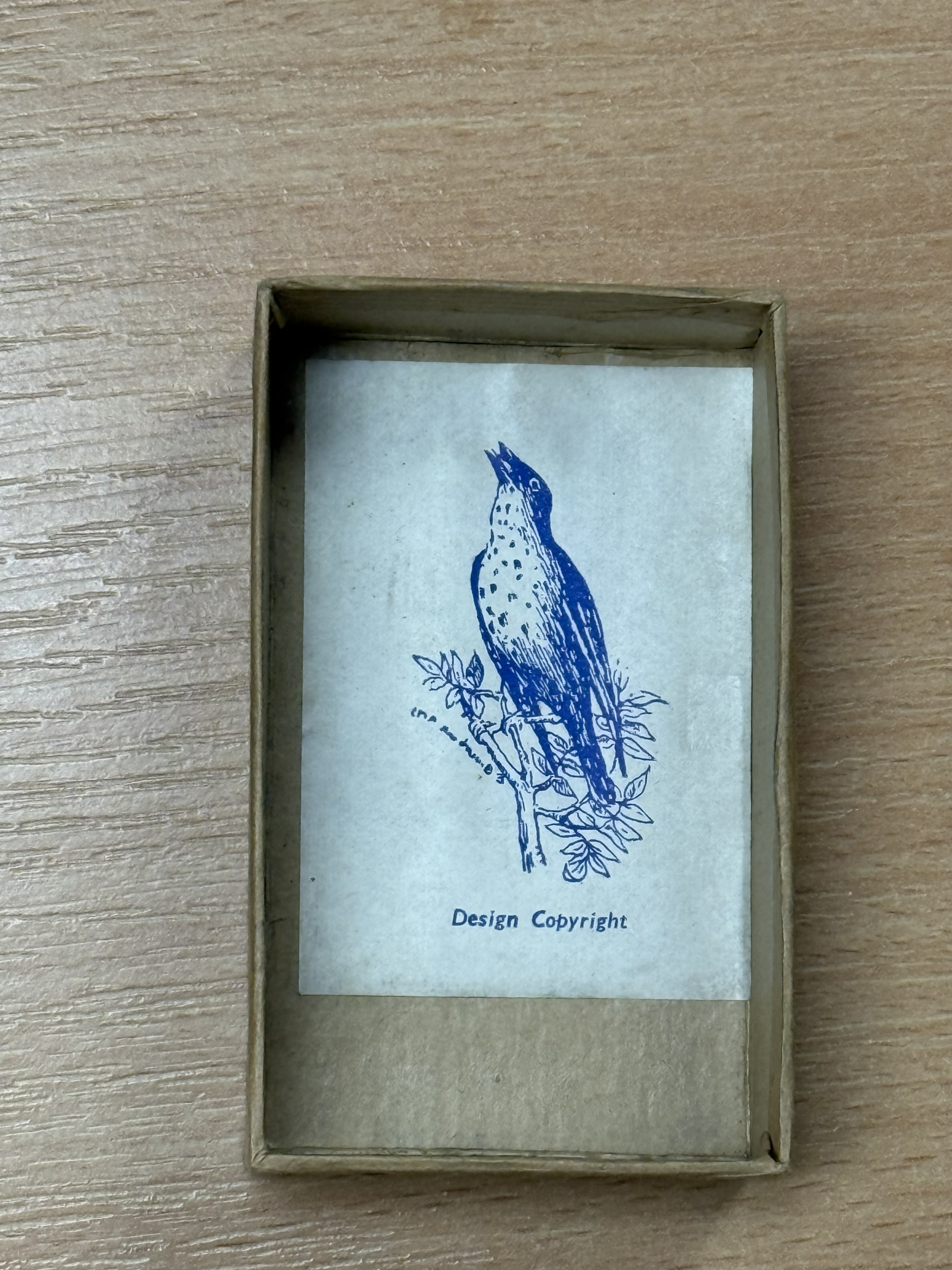
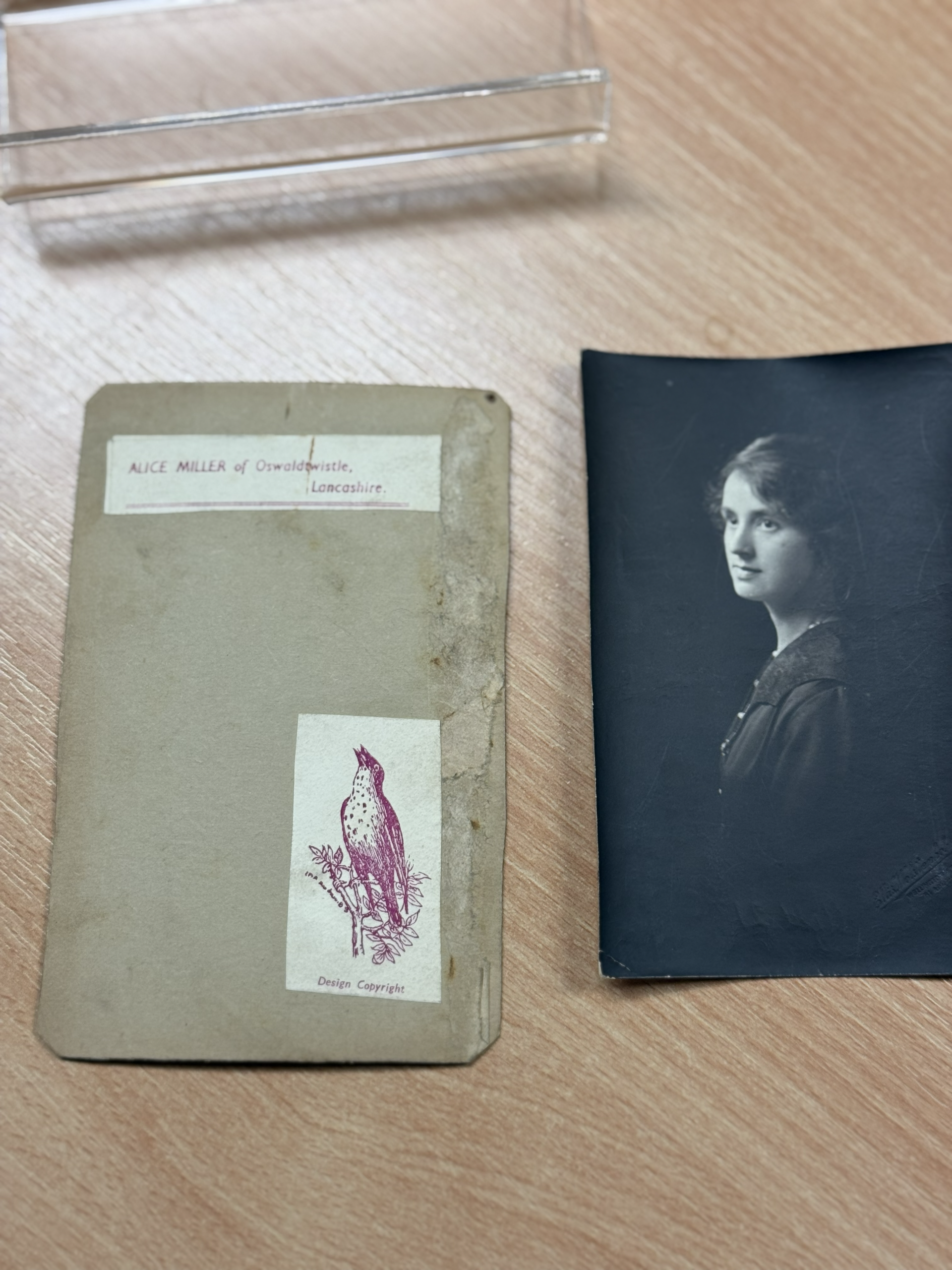
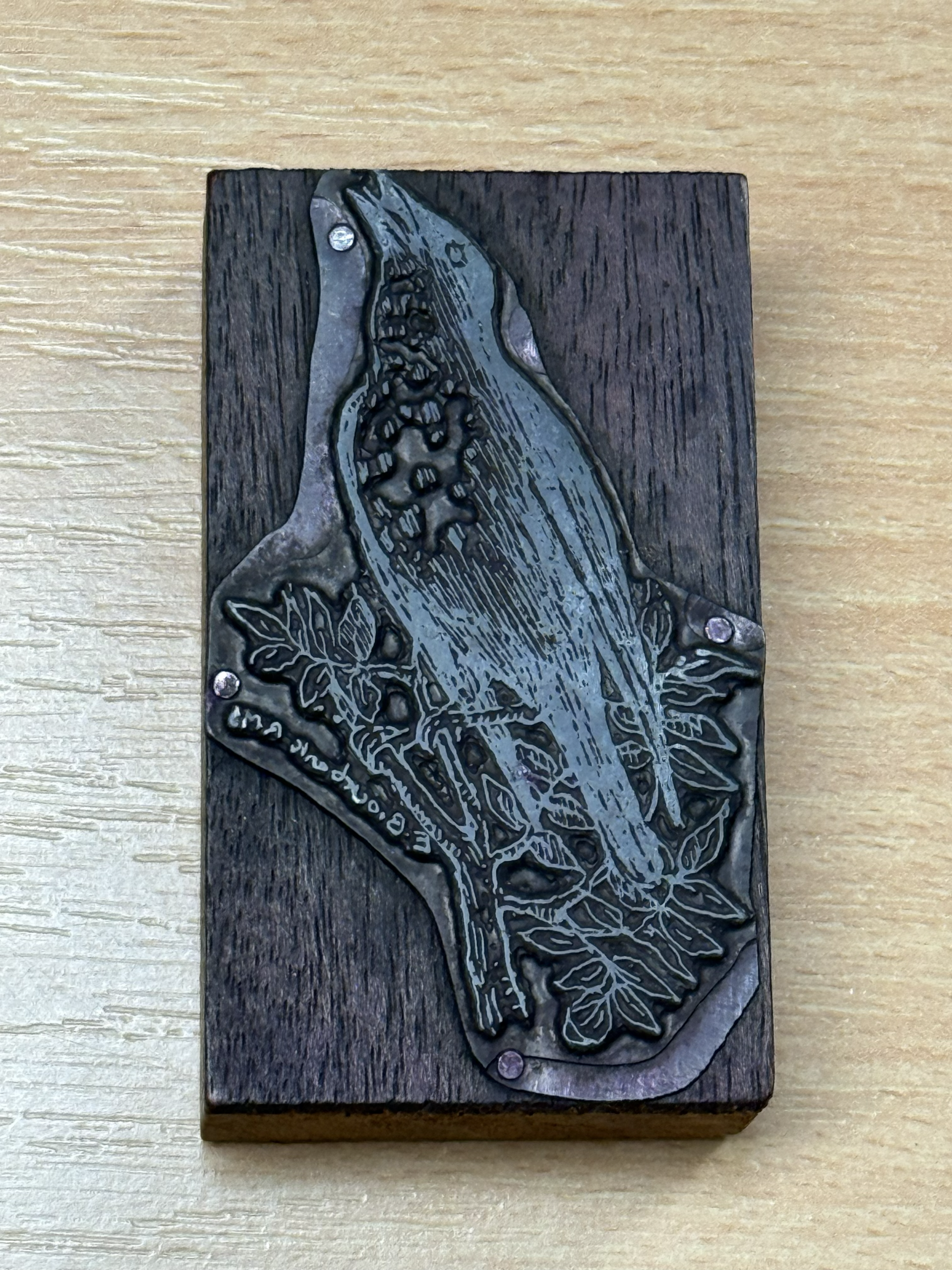
Among the materials preserved in the archive are notes and sketches that show how closely Miller observed the world around her.
One drawing records the view of a local mill from her window and mentions the engine tenter who once worked there, a small but vivid reminder of the industrial communities that shaped Lancashire life.
Moments like this reveal how Miller’s writing often grew from ordinary scenes and memories.
Discovering Writers in the Archive:
The Lancashire Authors Collection contains manuscripts, books, photographs, and personal materials from writers connected to the region.
Browsing the collection can lead to unexpected discoveries, and Alice Miller is a wonderful example of the kind of writer who might otherwise be forgotten.
Her work reflects the language, landscape, and everyday experiences of Lancashire communities in the twentieth century.
A Writing Prompt: Why Libraries Matter
Alice Miller helped bring writers together through a magazine that travelled from reader to reader. But behind her story, and behind so many stories like hers, there is something else worth noticing: the institutions that made it possible to preserve them. Archives, collections, libraries. The places that kept the envelopes with poems scrawled on them, the hand-compiled magazines, the recordings of dialect verse.
Without those places, Alice Miller might simply have been forgotten.
We’ve been moved by the submissions we’ve received through this project, and they haven’t only come from Bolton. Readers and writers have shared memories and reflections from towns and communities across the region and beyond. What connects them isn’t a single place, but a shared experience: the library, the archive, the reading group, the quiet corner with a book.
This June, our theme is Why Libraries Matter, and we’d love to hear your story, wherever you’re reading from.
You might want to reflect on:
- A library that meant something to you growing up
- A book you only found because a librarian recommended it
- A moment when a library felt like a refuge, a community, or a revelation
- A local archive or collection that surprised you
- Or simply what it would mean to lose access to these spaces
Alice Miller’s travelling magazine passed from hand to hand, connecting writers who might never have met otherwise. Libraries do something similar, they pass stories between people across time and place.
We’d love to know what they’ve meant to you. Share your reflections through the Reading project, wherever you are.